Croatia: Love the Life, Check Reciprocity & Tax
Fall for Croatia’s coast and markets — but check reciprocity, title, permits and new local tax rules before you buy.
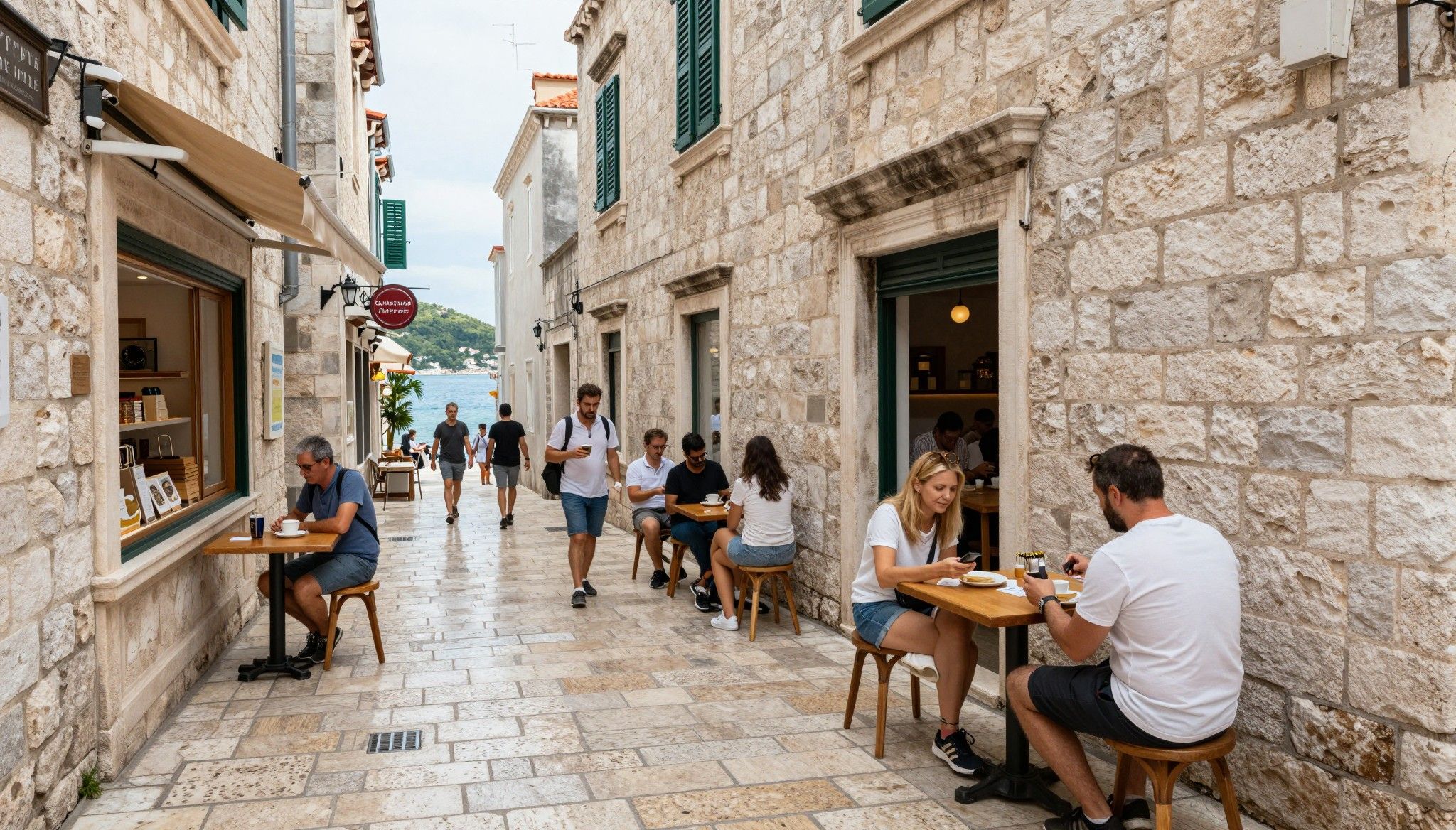
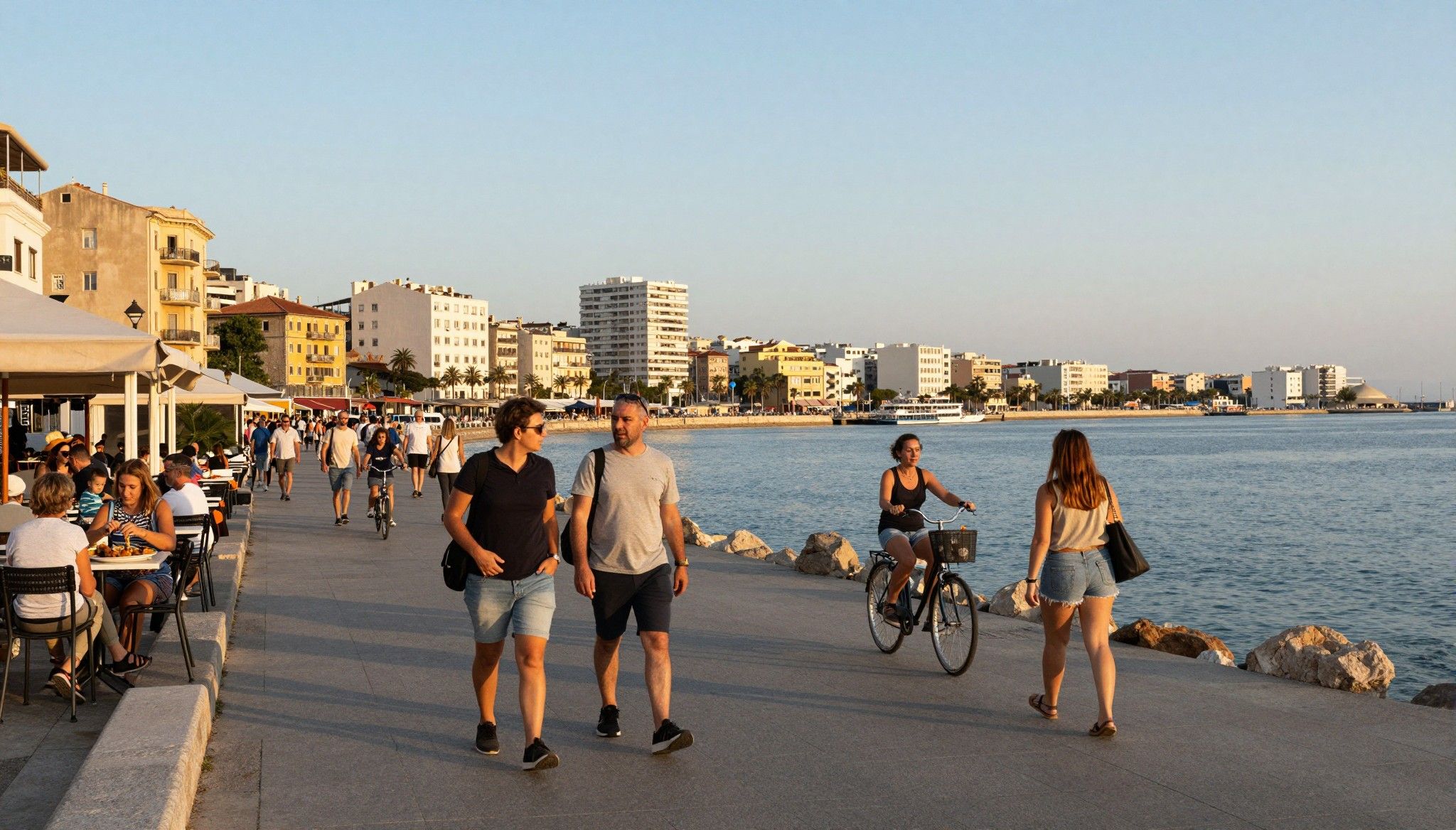
Imagine sipping espresso on Split’s Riva as a fisherman mends nets nearby, then wandering into a quiet stone lane where a renovated 19th‑century apartment waits with sea light and low running costs. That contrast — lively coast, calm corners — is Croatia's real charm, and the legal landscape behind it matters as much as the view.
Living the Croatian life: coastlines, markets and daily rhythms
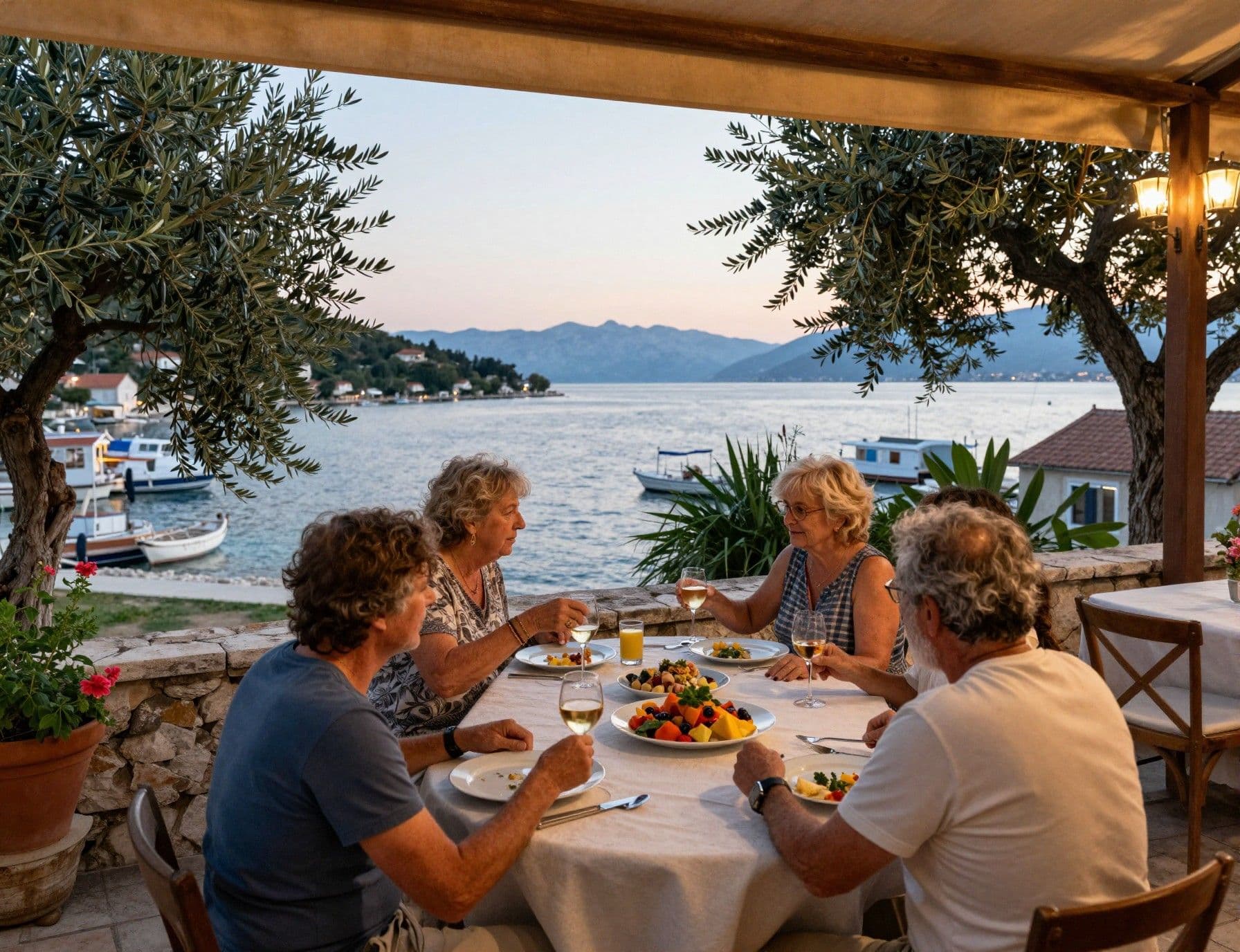
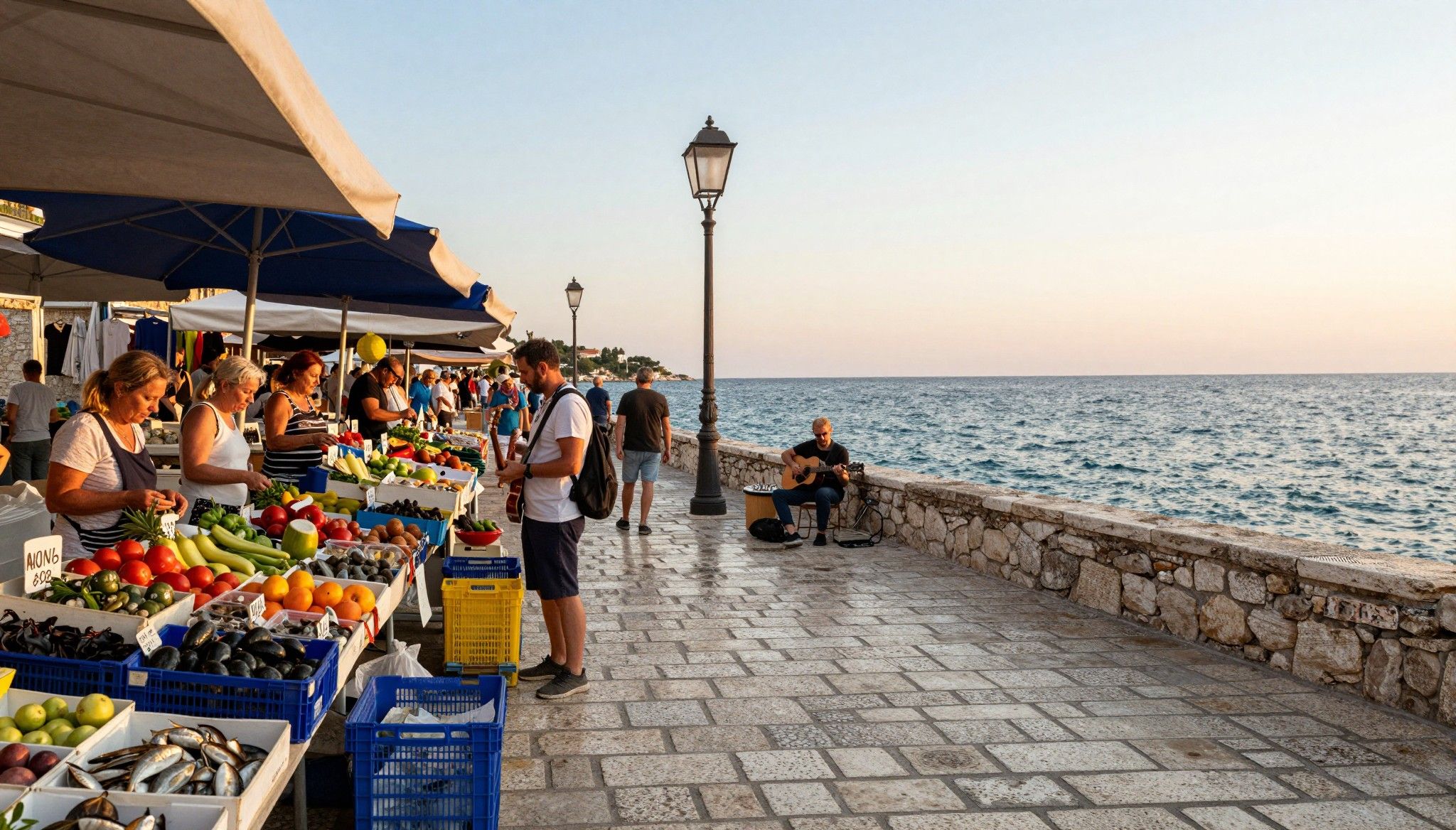
Daily life in Croatia feels tactile. Morning markets in Dolac, cafés along Split’s Poljud, late dinners in Dubrovnik’s tucked alleys — seasons set the tempo. Summers hum with tourists and island ferries; winters slow to local routines: family dinners, wood smoke, and quiet coastal walks. Knowing how these rhythms affect rental demand and maintenance is essential for buyers.
Neighborhood snapshots: where locals actually live
In Zagreb, Maksimir and Britanski trg feel lived‑in, not staged; Split’s Veli Varoš is for sea lovers who trade marble squares for narrow terraces; on Hvar, Vis and Lastovo remain quietly Croatian while Hvar Town leans tourist. These micro‑differences shape upkeep costs, neighbour relations, and resale appeal — factors beyond mere price per square metre.
Food, festivals and the calendar that matters to buyers
Think beyond July: truffle season in Istria, olive harvests on Brač, and late‑autumn wine fairs shift local life and rental patterns. If you plan short‑term lets, understand when towns empty and refill — and check local municipal rules early, because seasonal activity often maps onto permitted uses and tourist levies.
Making the move: practical considerations that preserve the lifestyle
Here’s the blunt reality: EU/EEA citizens buy almost like locals. Non‑EU buyers face a reciprocity principle and sometimes ministerial consent — that procedural hurdle can add weeks and paperwork but rarely blocks motivated purchasers. Work with a lawyer who knows latest reciprocity lists and ministerial practice before making offers.
Property types and how they match daily life
Stone apartment in Old Town gives immediate life but higher restoration needs. New coastal apartments demand less upkeep but can carry HOA rules that limit short‑term rentals. Agricultural plots are legally sensitive for foreigners — don’t assume land purchase is straightforward without checking special laws.
- Steps to marry lifestyle goals with legal reality
1. Define how you’ll use the property (primary home, seasonal, short‑let) and match municipality rules. 2. Confirm your nationality’s reciprocity status and whether ministerial consent will be required. 3. Ask sellers for up‑to‑date land registry extracts and building permits. 4. Budget for transfer tax, notary fees, and the new local property tax regimes introduced recently. 5. Hire a Croatian lawyer and an English‑speaking notary early — they speed registration and spot title issues.
Insider knowledge: what expats wish they’d known before buying
Expats often underestimate local bureaucracy: utility reconnections, cadastral mismatches, and informal neighbourhood practices (who clears the communal stairwell) matter. Recent national reforms give municipalities more say on property tax — that can change annual costs. Factor in 1–2% of purchase price annually as a safety buffer for taxes and maintenance during the first years.
Language, community and living like a local
You don’t need fluent Croatian to live well, but learning basics unlocks neighbours and small shops. Join market mornings, volunteer at local festivals, and pick a barrio with at least a few year‑round residents — seasonality can leave island communities quiet for months, which suits some buyers and frustrates others.
- Red flags buyers should not ignore
- Missing building permits or incomplete cadastral registration. - Unclear access rights (private roads leading to public sea fronts are common disputes). - Unresolved inheritance claims on island properties. - Municipal plans that reclassify land for tourism, changing permitted uses and costs. - Sellers who insist on cash payments without notarised contracts.
Conclusion: Croatia is a place you can fall in love with fast — the dip to the sea, the market mornings, the stonework that keeps summer cool. Marry that feeling to a clear legal checklist: check reciprocity, confirm title and permits, budget for new local taxes, and work with local experts who speak your language. Do that, and the lifestyle becomes durable, not just beautiful.
Danish investment specialist who relocated to Costa del Sol in 2015. Focuses on data-driven market timing and long-term value for Danish buyers.