Italy’s Coastline Secret: Affordable Streets That Live Like Luxury
Contrarian look at Italy’s coast: quieter streets, market data and local checks that reveal affordable, lived‑in coastal neighbourhoods for buyers seeking lifestyle and value.
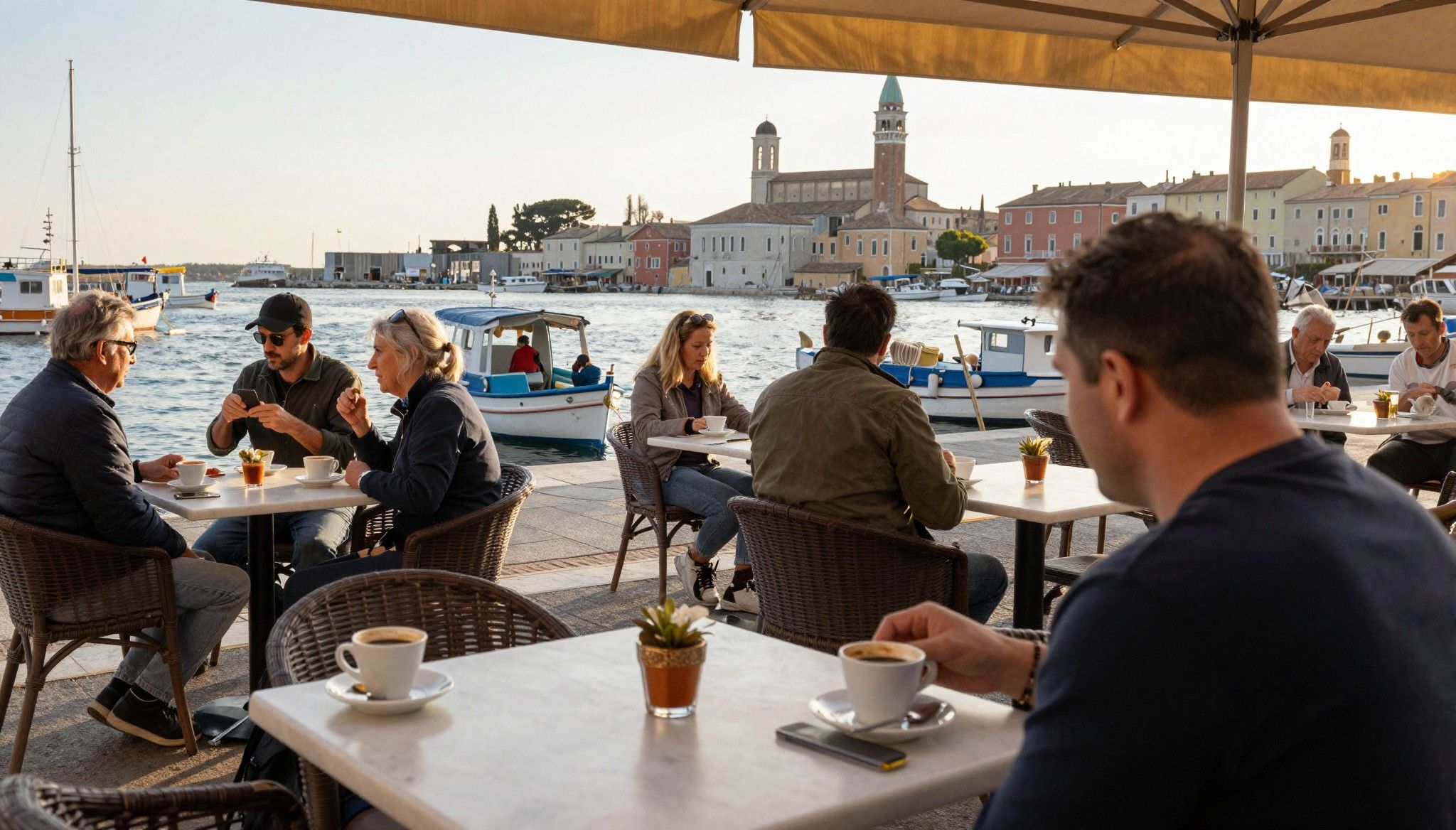
Imagine sitting at a corner table on Viareggio’s seafront, espresso steaming, while children practice sailing in the distance — and realizing the apartment across the street costs less per square metre than a similar flat in an Italian city centre. That’s the slightly strange truth many international buyers miss: on Italy’s coasts, lifestyle and price rarely move in lockstep. We’ll show you streets that feel expensive but aren’t, neighborhoods locals prefer over the postcard hotspots, and the practical checks that keep the dream from becoming a headache.
Living the Italian Coastal Life
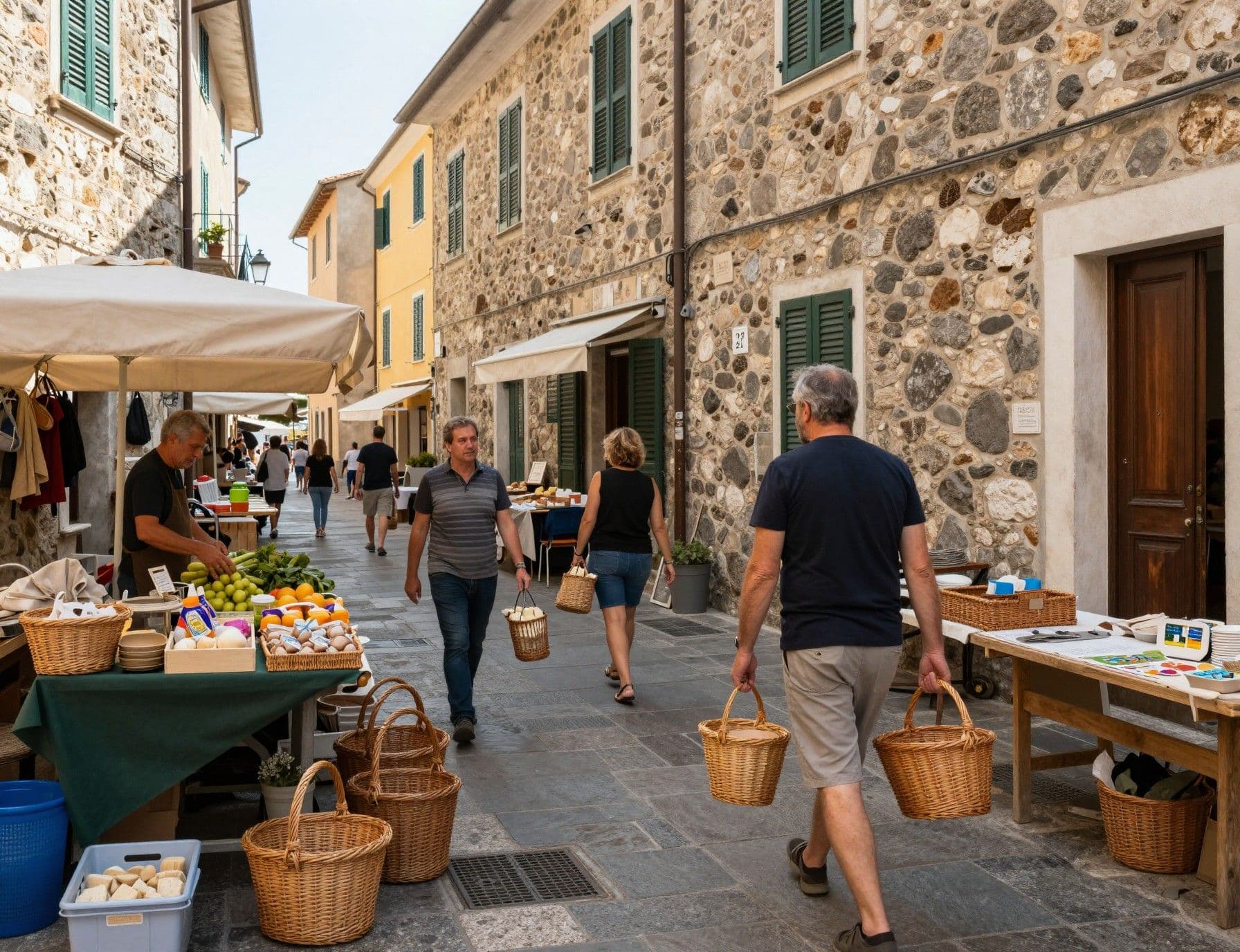
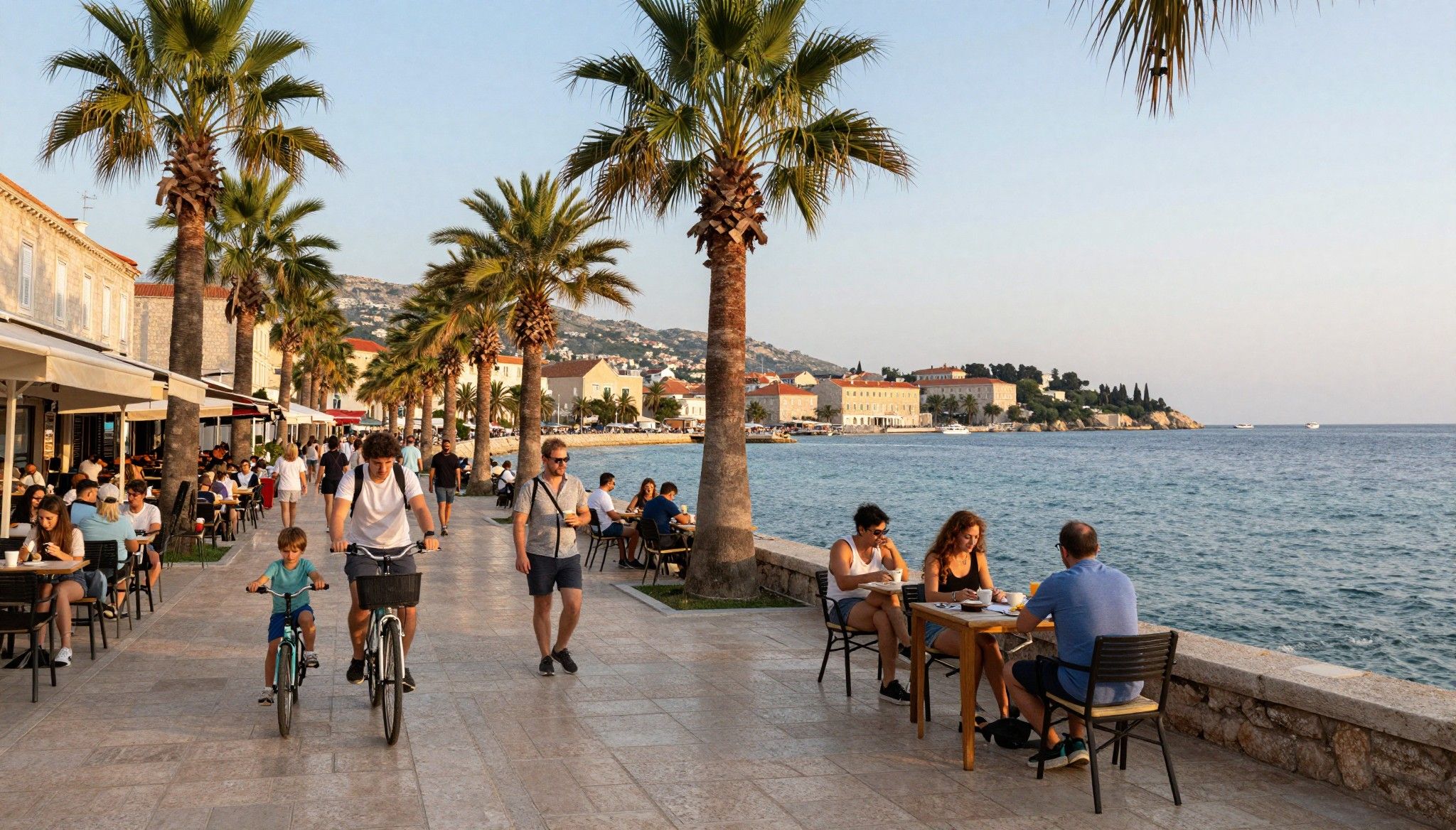
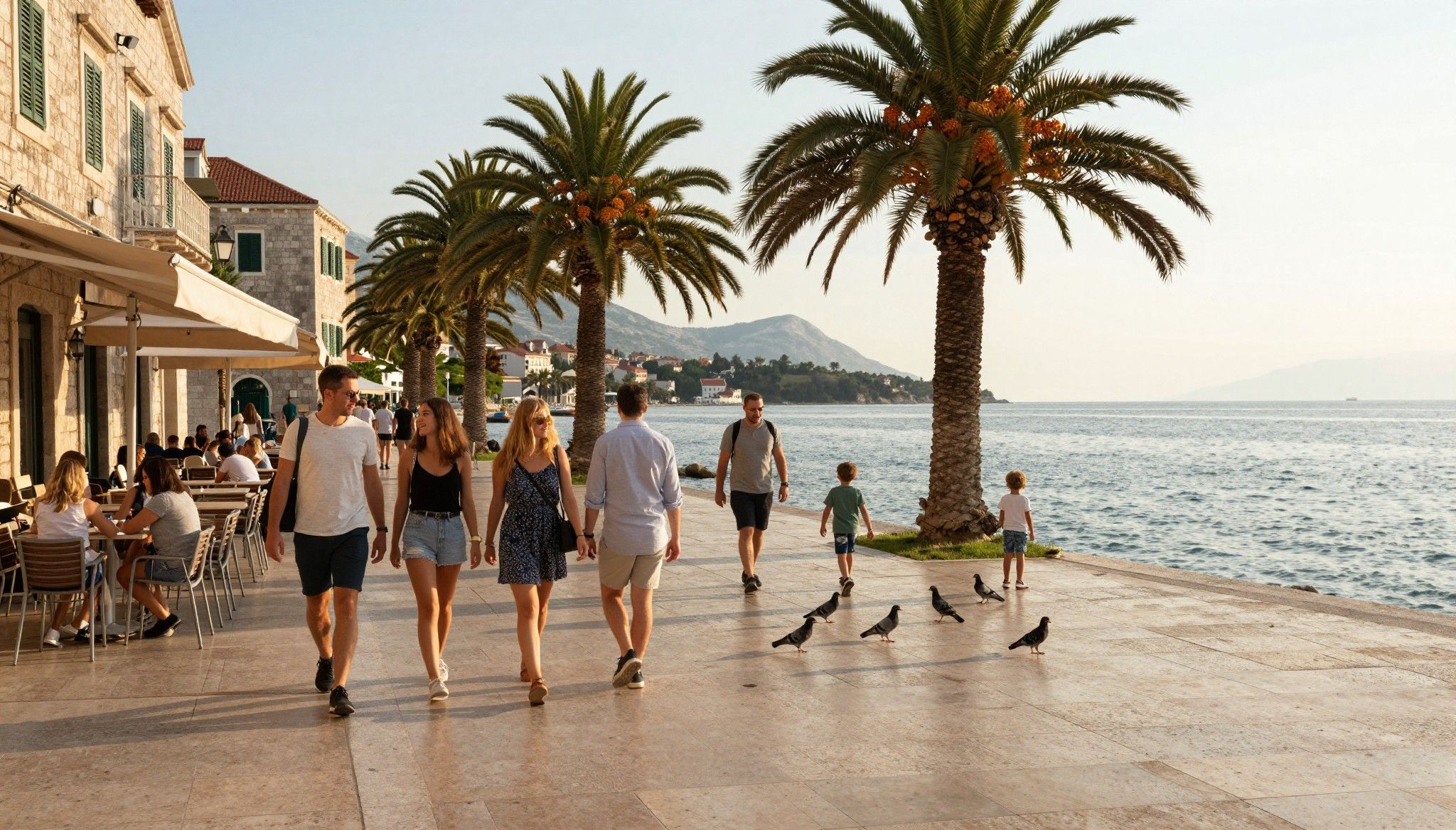
Italy’s coast is not one uniform holiday brochure — it’s a thread of distinct rhythms. In Liguria mornings mean quick coffee at a bench and a walk on a piazza; in Puglia Sundays are market-packed and loud with local produce; in Tuscany the coast folds into olive groves and slow-paced dinners. For international buyers that variety is gold: you can pick a place defined by surf, gastronomy, historic lanes or quiet marinas, and each will offer a different everyday.
Liguria & the Italian Riviera: compact life, steep streets
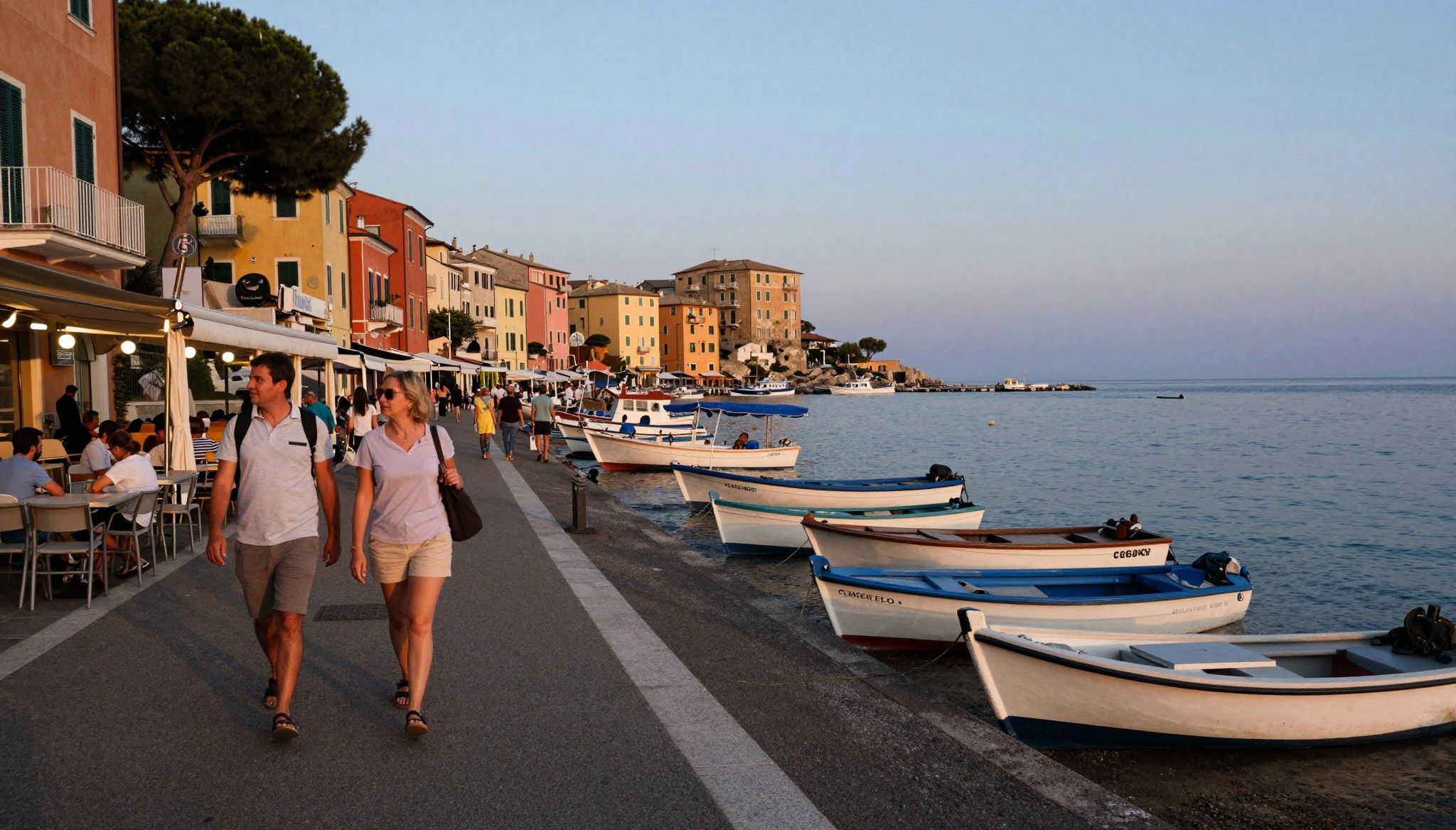
Walkable alleys, tiny terraces and views that read like postcards — that’s Liguria. Neighborhoods such as Nervi (Genoa) or Levanto offer quieter alternatives to Cinque Terre, with good train links and local bakeries that set your week. Expect steep streets, smaller apartments with character, and a local pace where shops close mid‑afternoon for riposo. If you love daily rituals — morning focaccia run, afternoon sea dip — this is where those micro‑habits shape property choice.
Tuscany & Maremma: olive groves meet pebble coves
Maremma’s towns like Castiglione della Pescaia and Follonica fold beach life into rural charm — seafood markets by day, local wine at night. Streets here can feel residential rather than touristy: you’ll find boulangeries, a piazza where everyone knows your name, and spacious villas a short drive from the sand. These are the places where international buyers trade proximity to nightlife for private gardens and a slower calendar.
Making the Move: Practical Considerations
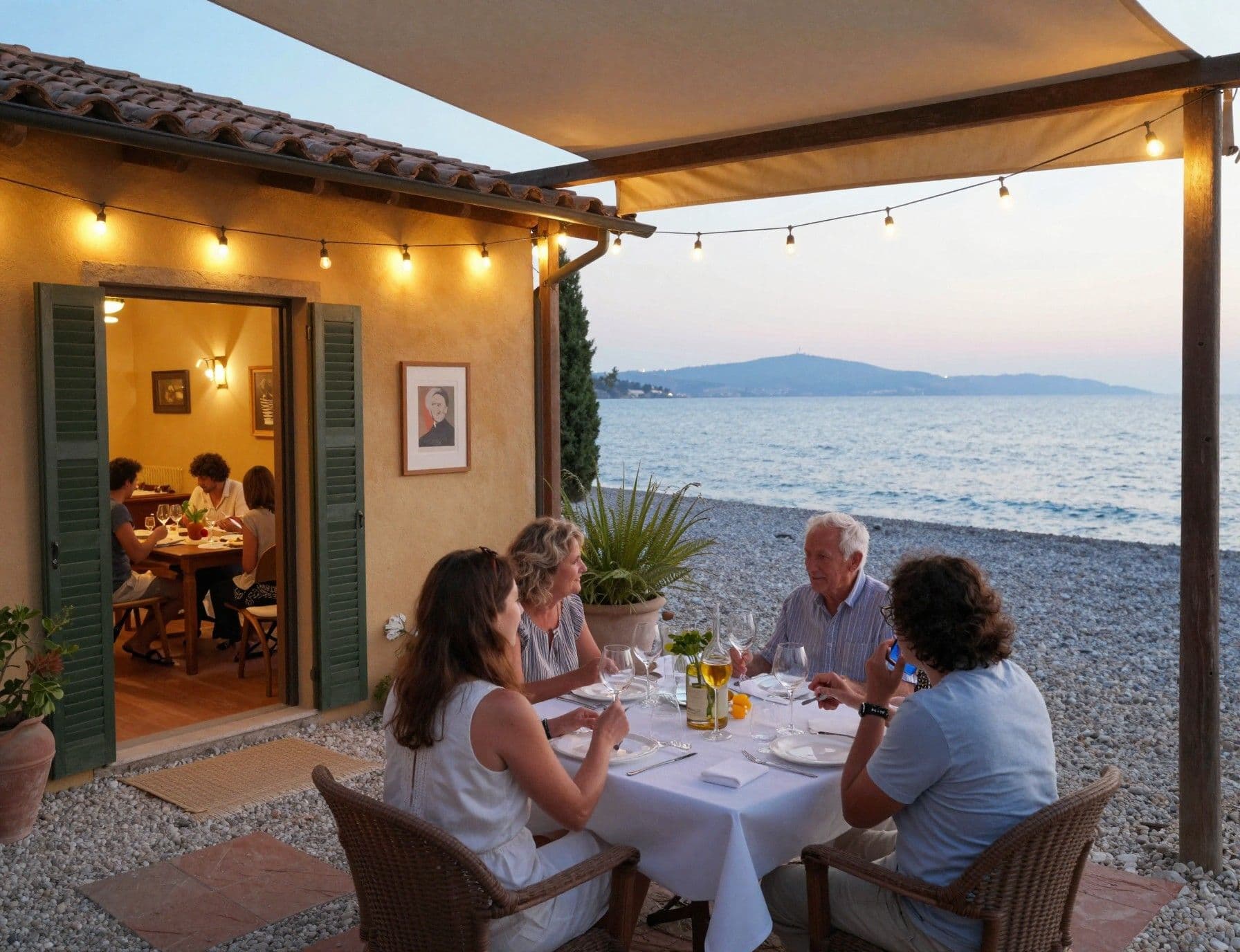
Dreams need scaffolding. Recent data from ISTAT and market observatories show modest nationwide price recovery, but regional differences are stark — coastal towns can outperform nearby inland areas, and small ports sometimes present better value than headline seaside resorts. That matters when you decide whether you’re buying for weekends, rental yield, or full‑time living. Read the microdata before falling for a view.
Property types that actually suit coastal living
On the coast you’ll choose between compact historic flats, modern apartments with terraces, or detached villas with gardens. Historic centre flats often come with low maintenance and high character but little private outdoor space; newer developments provide light, insulation and parking — worthwhile if you plan long stays. Consider waterproofing and ventilation: salt air ages wood and metal faster, so look for materials and recent maintenance records when comparing properties.
Work with agents who know the street, not the brochure
Local agencies that live in the neighbourhood are worth their commission. They’ll tell you which streets flood in winter, which condo associations are moribund, and where off‑market opportunities surface at quiet aperitivo hours. Ask prospective agents for recent sales on the street, condominium minutes, and proof of cadastral conformity — those documents separate a sweet terrace from a paperwork problem.
Insider Knowledge — What Expats Wish They’d Known
We’ve spoken with buyers who arrived expecting constant dolce vita and found administrative slowness, seasonal quiet and mismatched expectations. Practicalities — local trash schedules, winter heating costs, and whether your internet provider services a cliffside hamlet — shape daily life more than panoramic views. Banca d’Italia’s agent surveys corroborate what locals already know: agent insight and on‑the‑ground checks are more predictive than national headlines.
Cultural rhythms and how they affect your neighbourhood choice
Language matters — but not as much as participation. Neighbourhoods with active market days, volunteer groups or small theatres integrate newcomers fast. Pick a town with an Anglo or European expat meet‑up if you want an easy social doorway, but don’t rely on it entirely: learning basic Italian unlocks invitations, trades, and the best local recommendations.
How life changes after you move (the three surprises)
1) Weekends stretch longer — markets, churches and coastal trails become your calendar; 2) Home becomes a place of craft — you’ll find yourself buying local olive oil and curing relationships with the baker; 3) Practical patience grows: bureaucracy is part of life, not an outlier. These shifts are small, but they reshape what property features you value most: storage for bicycles, a bright kitchen for long dinners, and reliable shutters for siesta light control.
Lifestyle highlights that matter on the coast
- Daily morning espresso at a piazza bar — social glue and place intel
- Local fish market on Saturday — freshest produce and instant friends
- Late‑season beach walks — the coast is liveliest outside high summer
- Village festivals (sagre) — community, food and neighborhood bonding
A practical 5-step checklist before you make an offer
- 1. Visit across seasons — check winter accessibility and summer demand. 2. Request cadastral and building conformity documents — avoid surprises. 3. Get local utility bills for a year — heating and water can surprise you. 4. Meet the condominium admin or neighbourhood association — note reserves and rules. 5. Secure a local notary and an agent with verifiable recent sales on your street.
Conclusion — live the life, but do the homework. Italy’s coasts reward you with ritual, beauty and a slower calendar — and, in unexpected pockets, strong value. Use data from ISTAT, Nomisma and local surveys to understand regional direction, then bring that intel to a local agent who knows the street names, not just the resorts. If you pair lifestyle curiosity with targeted due diligence, the coast can deliver both daily delight and a durable property choice.
Swedish expat who moved from Stockholm to Marbella in 2018. Specializes in cross-border legal navigation and residency considerations for Scandinavian buyers.