Love Croatia — Then Check the Law
Fall in love with Croatia’s daily rhythms — then protect the dream: EU rules, transfer tax vs VAT, title checks and local quirks that shape purchases.
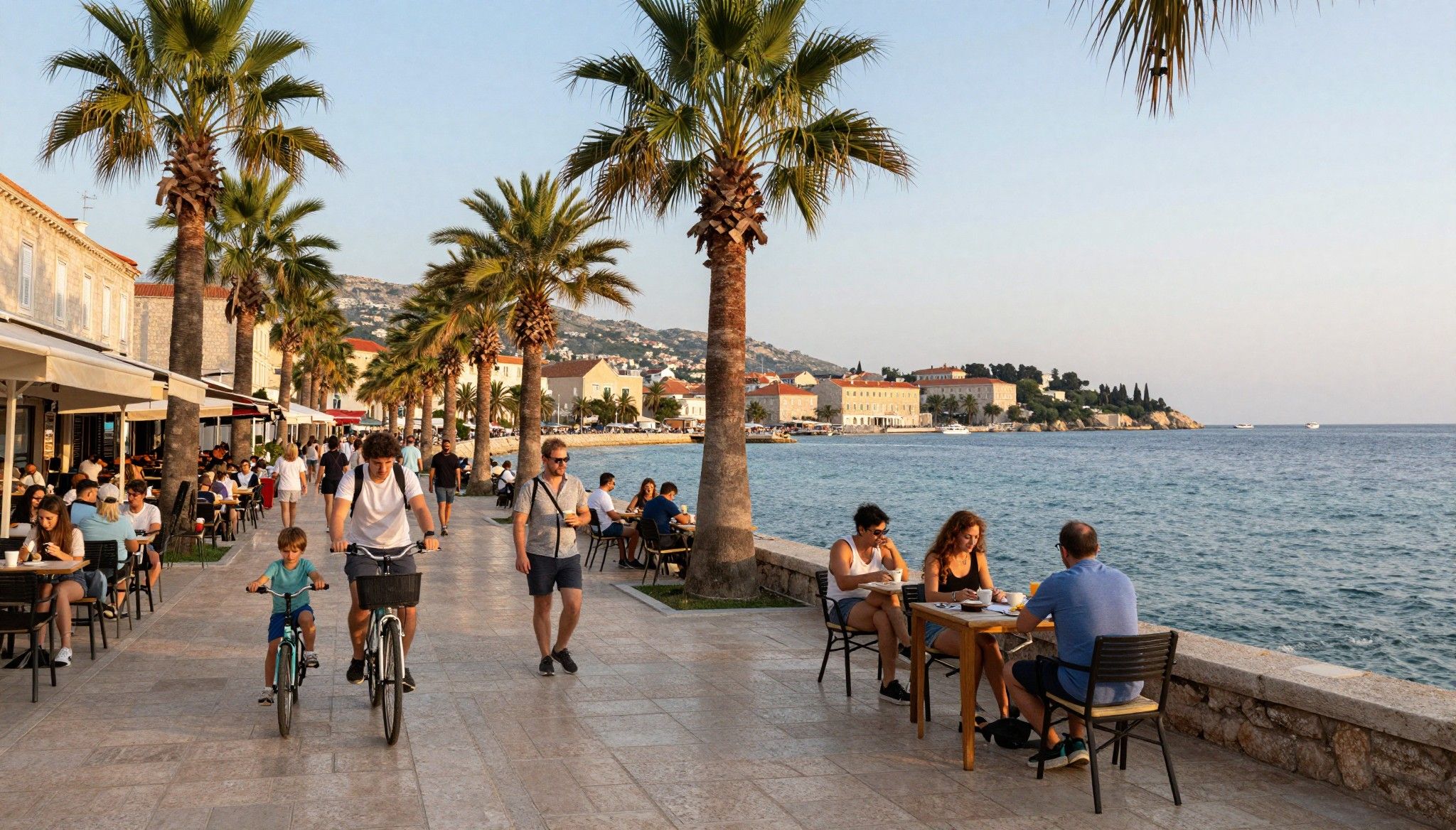
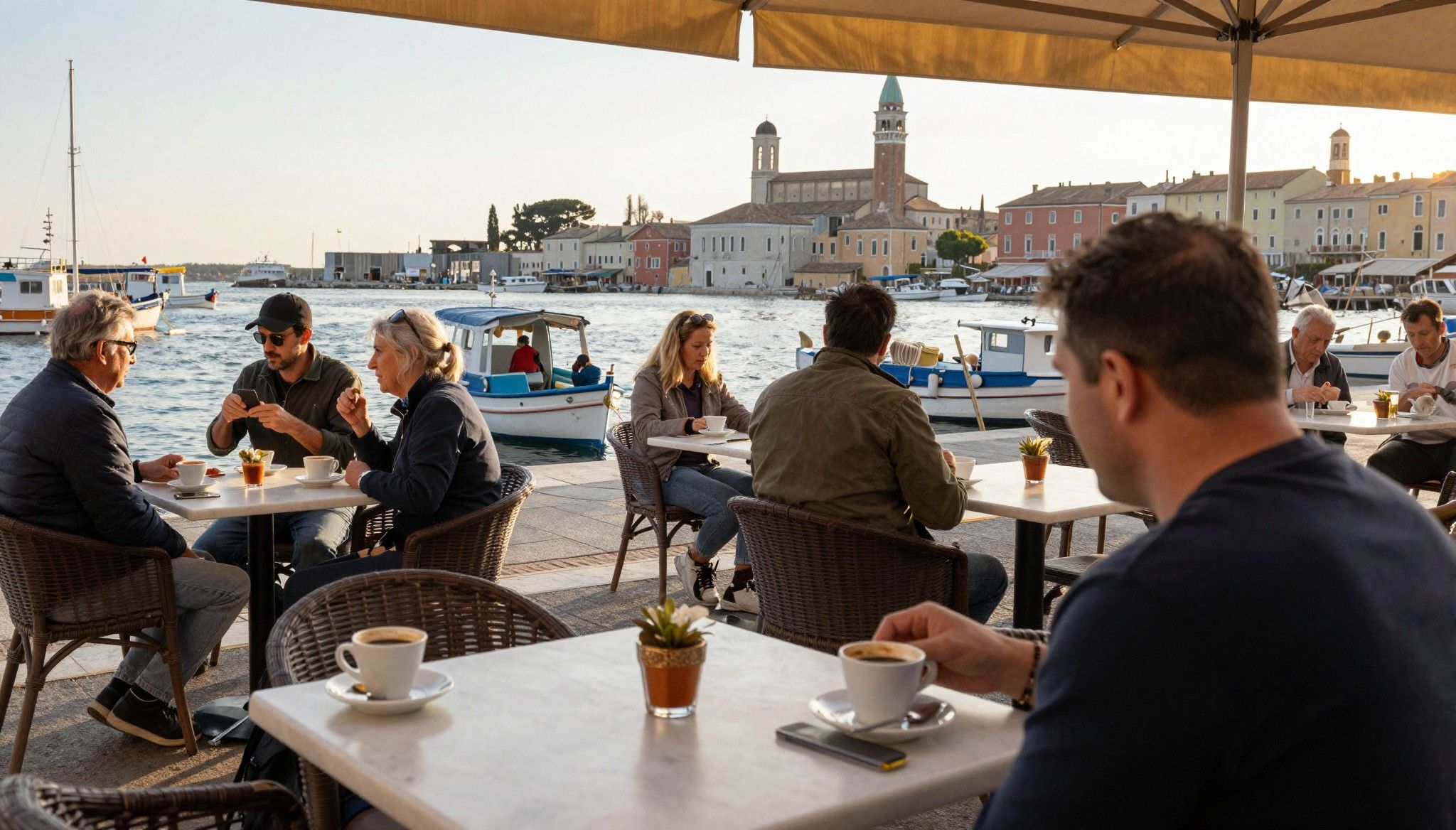
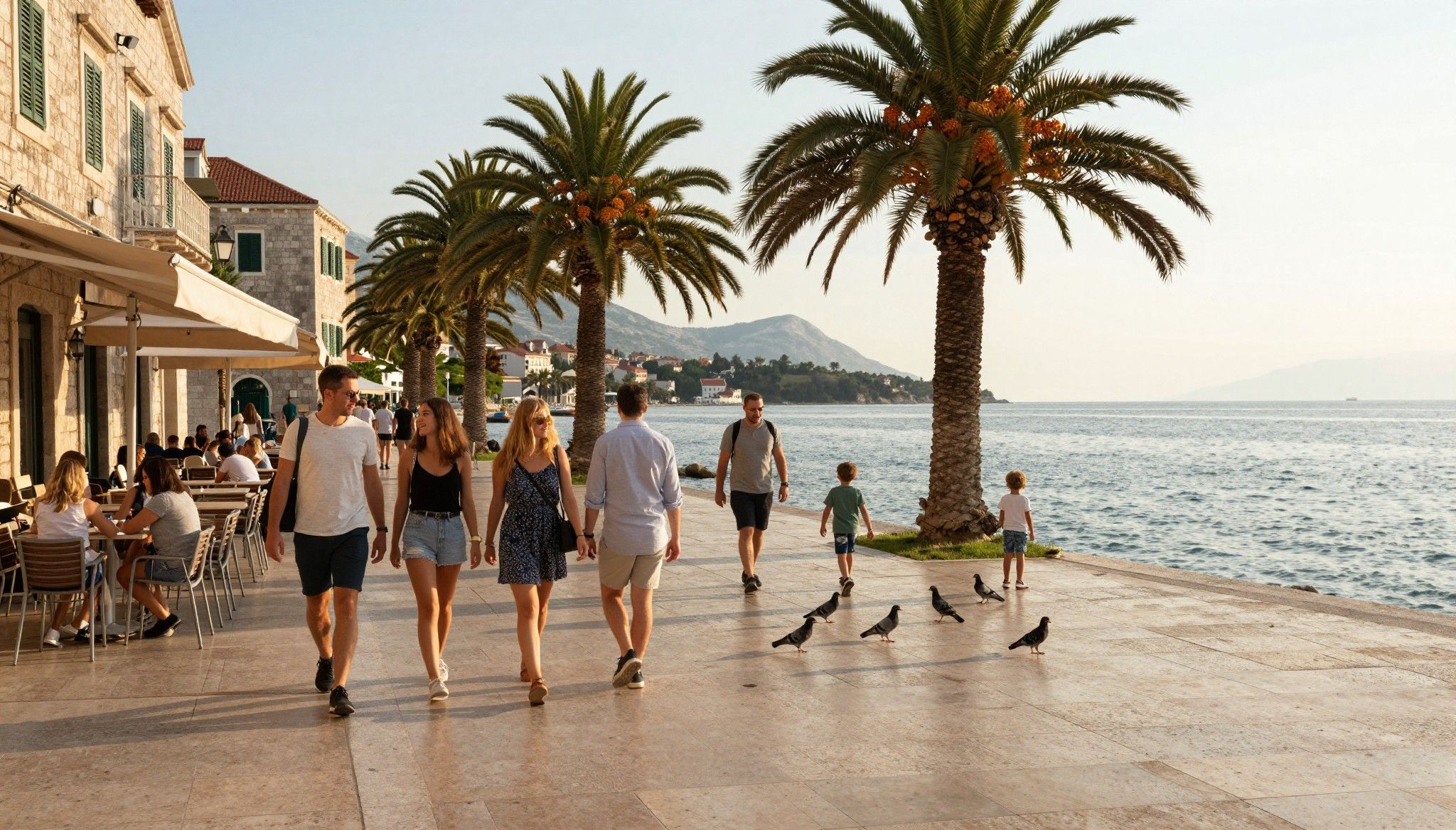
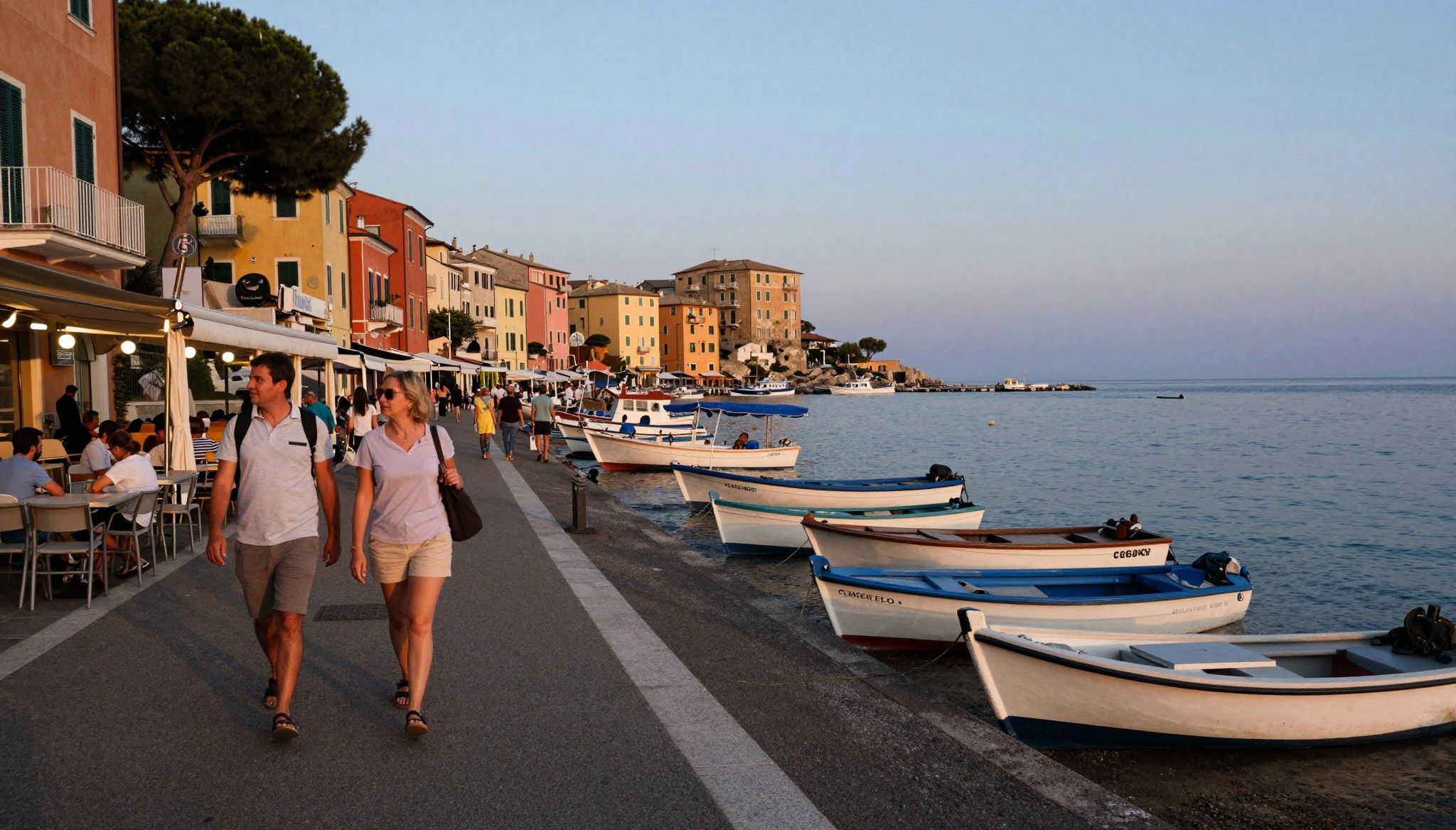
Imagine walking the marble‑paved Riva in Split at sunrise: fishermen unloading yesterday’s catch, a barista pulling a single perfect espresso, children circling a statue while shutters slowly open. That coastal light — limestone, sea and terraced gardens — is why buyers fall for Croatia. But the real story for international buyers mixes that romance with fast‑moving legal and tax shifts; recent Croatian house‑price data show demand isn’t just seasonal, and the rules you need to know change how the dream plays out in practice.
Living the Croatia life — more than postcards
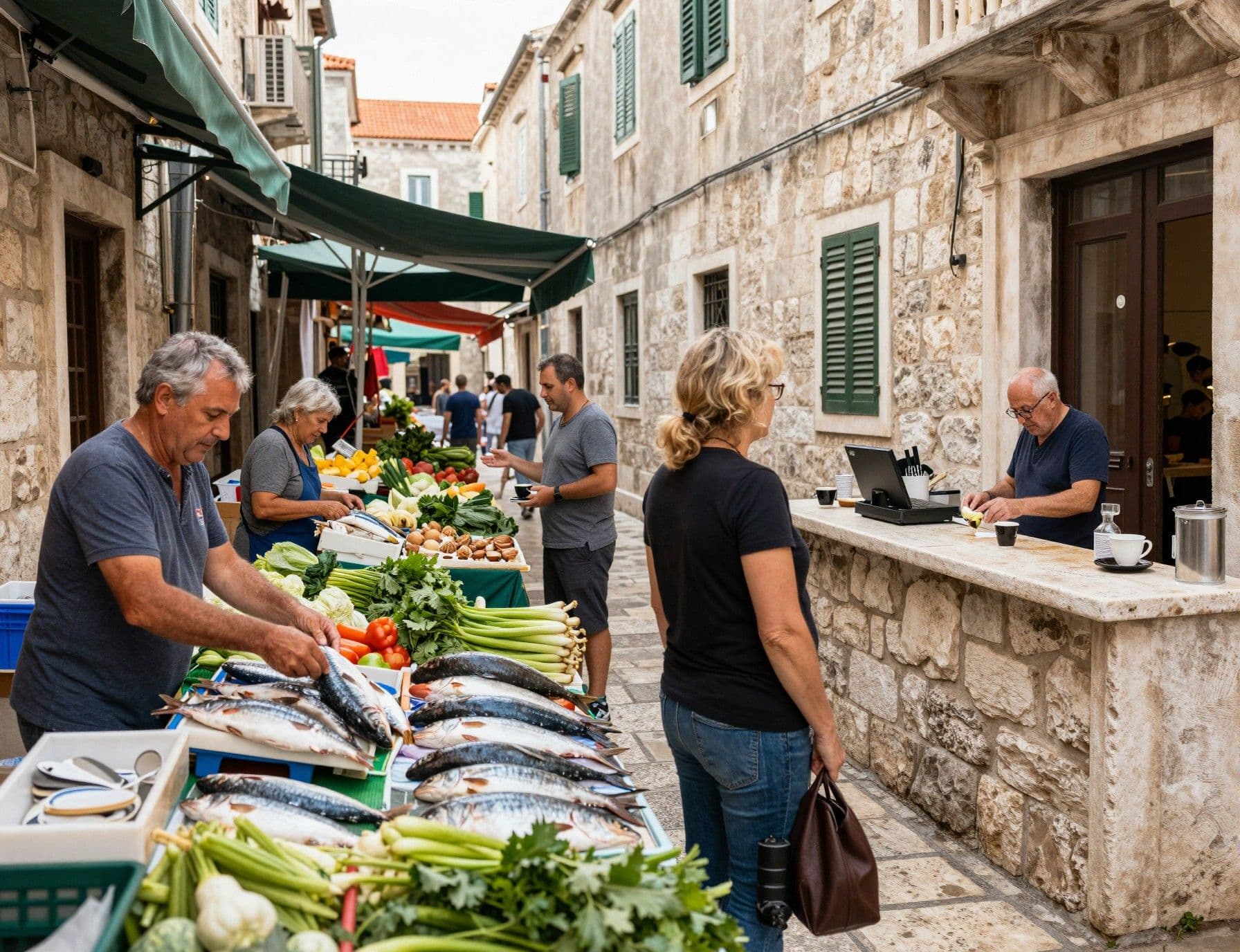
Day‑to‑day life in Croatia is textured and local. In Zagreb you’ll find neighbourhood bakeries that set the rhythm of the morning; on Hvar the day opens with café terraces and ends at a family konoba. The Adriatic coast is a mosaic of old towns — Dubrovnik’s walls, Trogir’s narrow lanes, Rovinj’s piazzetta — where public life happens outside. The pace is slower than central Europe, but that doesn’t mean infrastructure is missing; international schools, clinics and seasonal flight links have improved rapidly in the last decade.
Zagreb, Split, Istria: three different rhythms
Zagreb offers year‑round cultural life and consistent services — think theatres, coworking spaces in Martićeva, and leafy streets in Maksimir. Split is daily Adriatic life woven into Roman walls: cafés on Marmontova, late afternoons on Bačvice beach and a strong short‑let market. Istria (Pula, Rovinj) blends Italianate food culture with inland hill towns and emerging wine routes — ideal if you want village calm with good airports nearby.
Food, markets and small rituals that shape where you buy
Weekends mean market runs: Dolac market in Zagreb for seasonal produce, Pazar in Split for fish, and waterfront fish stalls on Korčula. Restaurants cluster by identity — family konobas, modern oyster bars, and neighbourhood pizzerias — and proximity to these places often drives buyers’ neighbourhood choices more than square metres. If terrace dinners and morning markets matter to you, look at streets that host them regularly rather than generic ‘sea‑view’ listings.
- Dolac market (Zagreb); Bačvice beach (Split); Rovinj old town promenade; Hvar town harbour cafés; Stari Grad lavender fields — lifestyle highlights that should influence property choice.
Making the move: practical considerations that protect the lifestyle
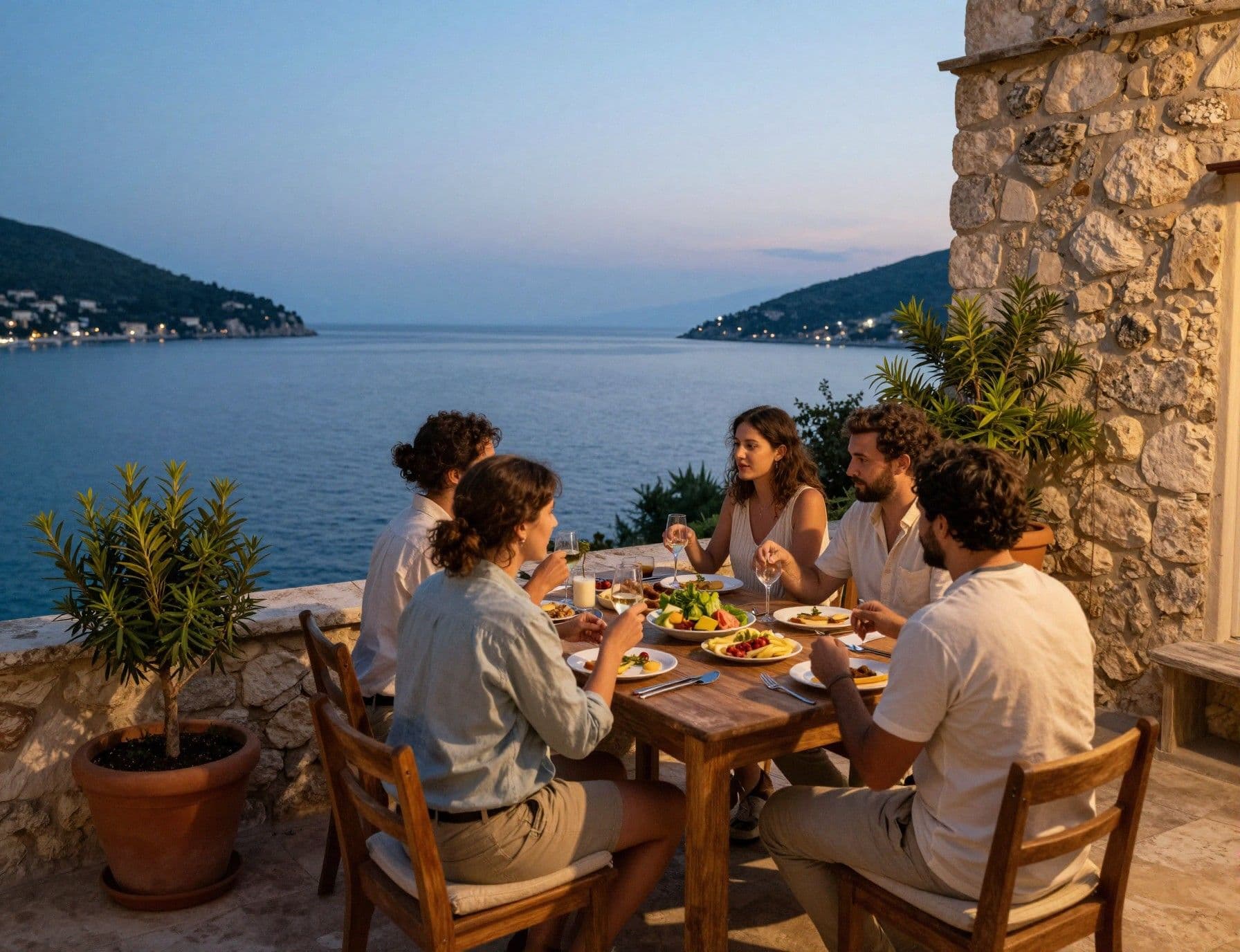
Turning lifestyle desire into ownership means a few concrete checks. Croatia has seen strong price growth (national house price indices published by the Croatian Bureau of Statistics), and tax, transfer and residency rules determine both upfront cost and long‑term holding costs. Treat local regulations as part of the neighbourhood: they shape who shows up, how properties are used, and whether your seaside weekend becomes a smooth reality or a paperwork headache.
Who can buy — and unusual government gates
Foreign nationals can buy property in Croatia but the route depends on nationality and property type. EU/EEA citizens generally face fewer restrictions than third‑country nationals. Agricultural land and forests remain more restricted. Always verify whether an offer requires special government approval — this is a common stumbling block for buyers who assume coastal property is a simple cross‑border purchase.
Taxes and holding costs that surprise buyers
- 3% real‑estate transfer tax for most used property purchases; VAT applies to some new builds and can change the buyer’s cost calculus. Beware: if a sale falls under VAT rules, the transfer tax does not apply — but VAT can be materially larger. Ongoing costs: the new property tax framework (announced 2024–25) may affect unused properties and second homes; check local municipal rules for assessment dates.
Insider knowledge: expat realities and legal red flags
Expat regulars tell the same four lessons: don’t buy sight unseen, confirm land registries, build local relationships, and budget for seasonal maintenance. On the legal side, check whether the property has eventual conversion rights, outstanding servitudes (coastal access is public), and clean title — issues the Croatian land register will reveal. Recent macroprudential notes and house‑price data show coastal demand remains strong, so due diligence matters more now than ever.
Red flags to walk away from
- Seller unwilling to let you see the land registry extract or latest utility bills. Promises of a "private beach" — Croatian law treats the foreshore as public. Contracts lacking a notary clause or with ambiguous handover dates. Unclear VAT status on new developments — this changes your final price.
How local experts protect the lifestyle you want
- Use a Croatian lawyer to clear title and tax exposure before deposit. Work with an agent who actually lives in the neighbourhood you love — they’ll know seasonal nuisances, building quality and parking realities. Ask for energy certificates and renovation histories for stone houses; coastal humidity often hides costly work. If you plan short lets, confirm municipal rules — some towns limit tourist rentals in old‑town zones.
We’ve seen buyers pick a façade view over street life and later regret missing the daily rhythm. When you place lifestyle first, use legal and tax checks to preserve it. Start by visiting in an off‑season week, meet neighbours, visit the market and ask a local agent to show properties on both market and off‑market channels. That combination — lived experience plus paperwork — is how the Croatia dream becomes a comfortable everyday life.
- Schedule an off‑season visit and inspect soundness (1). Order an up‑to‑date land‑registry extract and hire a notary‑reviewing lawyer (2). Clarify tax treatment (transfer tax vs VAT) and get written cost estimates (3). Confirm short‑let rules and homeowner association obligations if applicable (4). Arrange local property management before you close if you won’t live year‑round (5).
Conclusion — live the life, protect the purchase
Croatia gives you mornings at the market and evenings on a terrace; it also asks you to do the paperwork properly. Use local data (Croatian Bureau of Statistics), an on‑the‑ground agent and a Croatian lawyer to turn that postcard life into an asset you enjoy. If you want help matching a neighbourhood to the lifestyle you pictured, we’ll introduce you to agents who actually live there — not just list it.
Dutch relocation advisor who moved to Marbella in 2016. Guides Dutch buyers through visa paths, relocation logistics, and balance of lifestyle with value.