The French Towns Locals Buy — Not Tourists
France’s pricey reputation hides neighbourhoods where locals buy — and where international buyers find lasting lifestyle value. Practical steps + data‑backed insight.
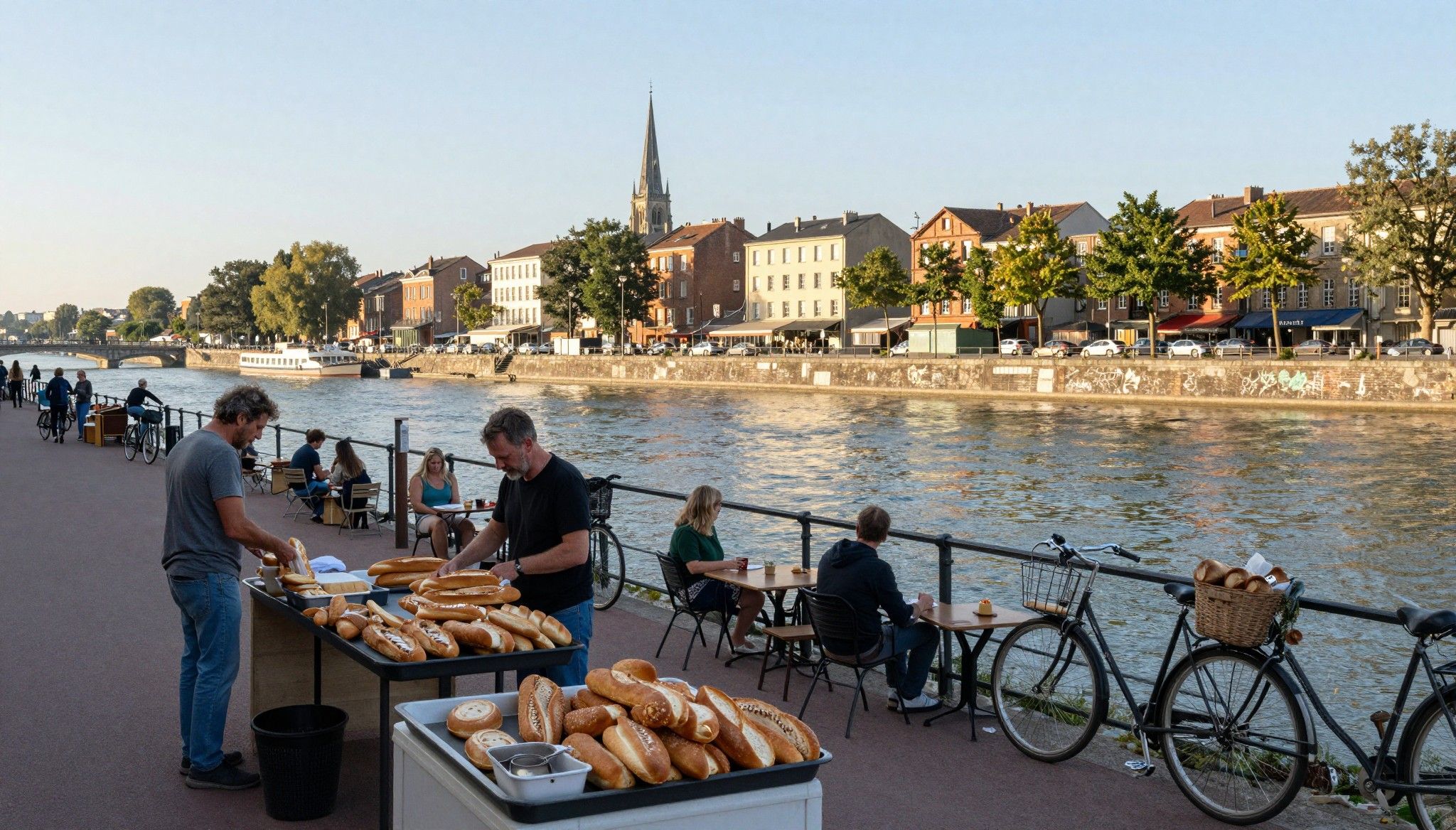
Imagine starting your day with a baguette run on Rue du Gros‑Caillou in Paris, then finishing it with oysters and a glass of Muscadet on a stone quay in La Rochelle. France folds old and new into the everyday — narrow lanes where neighbours still talk, modern coworking hubs in renovated textile mills, markets that set the tempo of the week. For international buyers this is both the romance and the puzzle: where do you buy so your daily life actually matches the dream?
Living France: rhythm, ritual and real streets
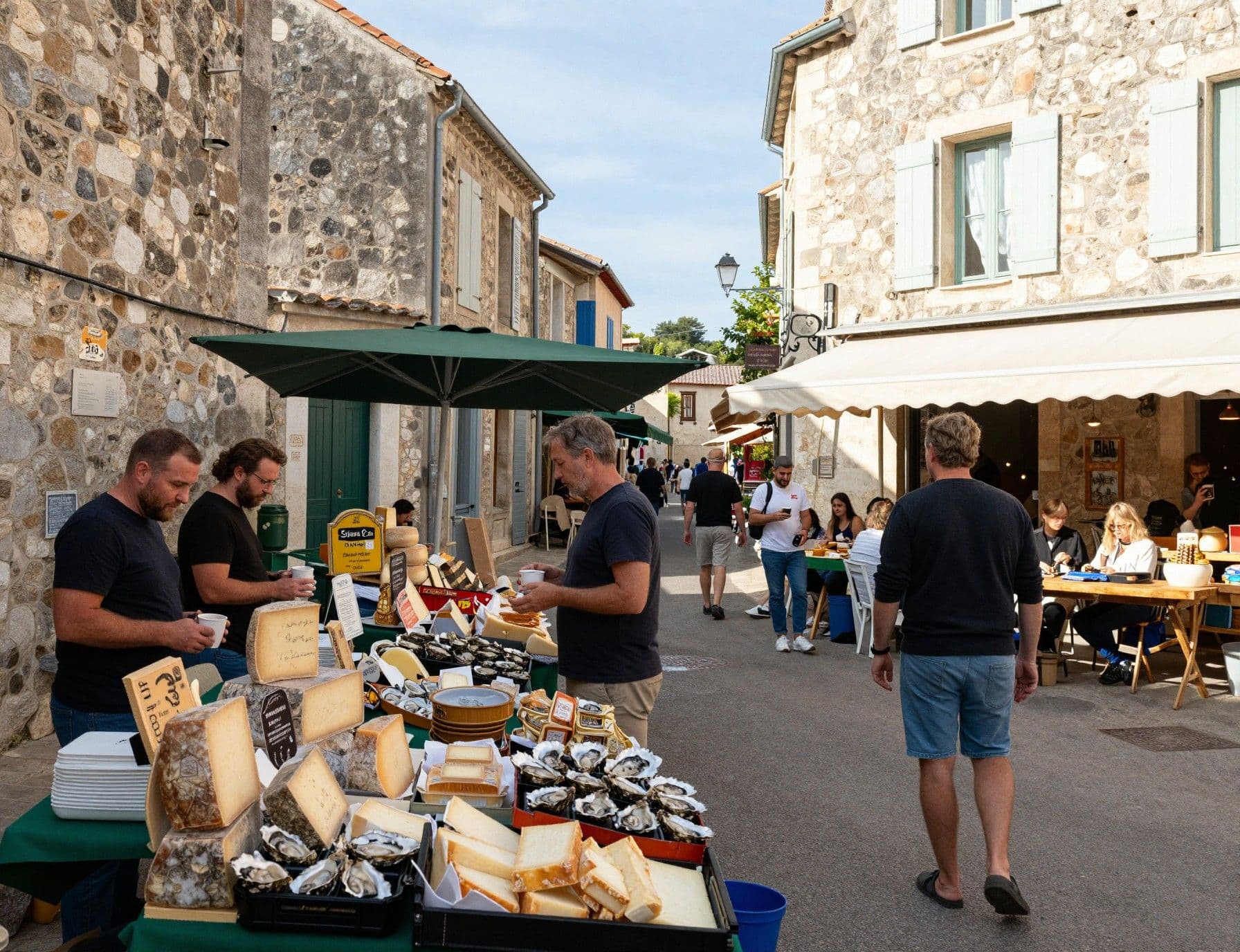
France’s daily rhythm is regional. Paris hums from dawn to late night; Brittany and the Atlantic coast slow to market mornings and beachside dinners; Provence runs on cafe terraces and olive harvest calendars. Population shifts and local economies — documented by INSEE — help explain why a market that feels "expensive" in one place can be full of opportunity in the next. (Yes, the country has 68.6 million residents as of early 2025 — and they live very differently by region).
Paris: layered life beyond tourist façades
Walk the 11th at 8am and you’ll see parents with scooters, espresso clutchers, a boulangerie line and a locksmith’s window full of old keys. Paris remains pricey, but look for neighbourhood micro‑shifts: quieter arrondissements and outer arrondissements near new tram lines often offer better value for daily life than headline central streets. For buyers who want city energy without constant weekend tourist noise, these are the streets locals choose.
Coast & mid‑size cities: where lifestyle and price meet
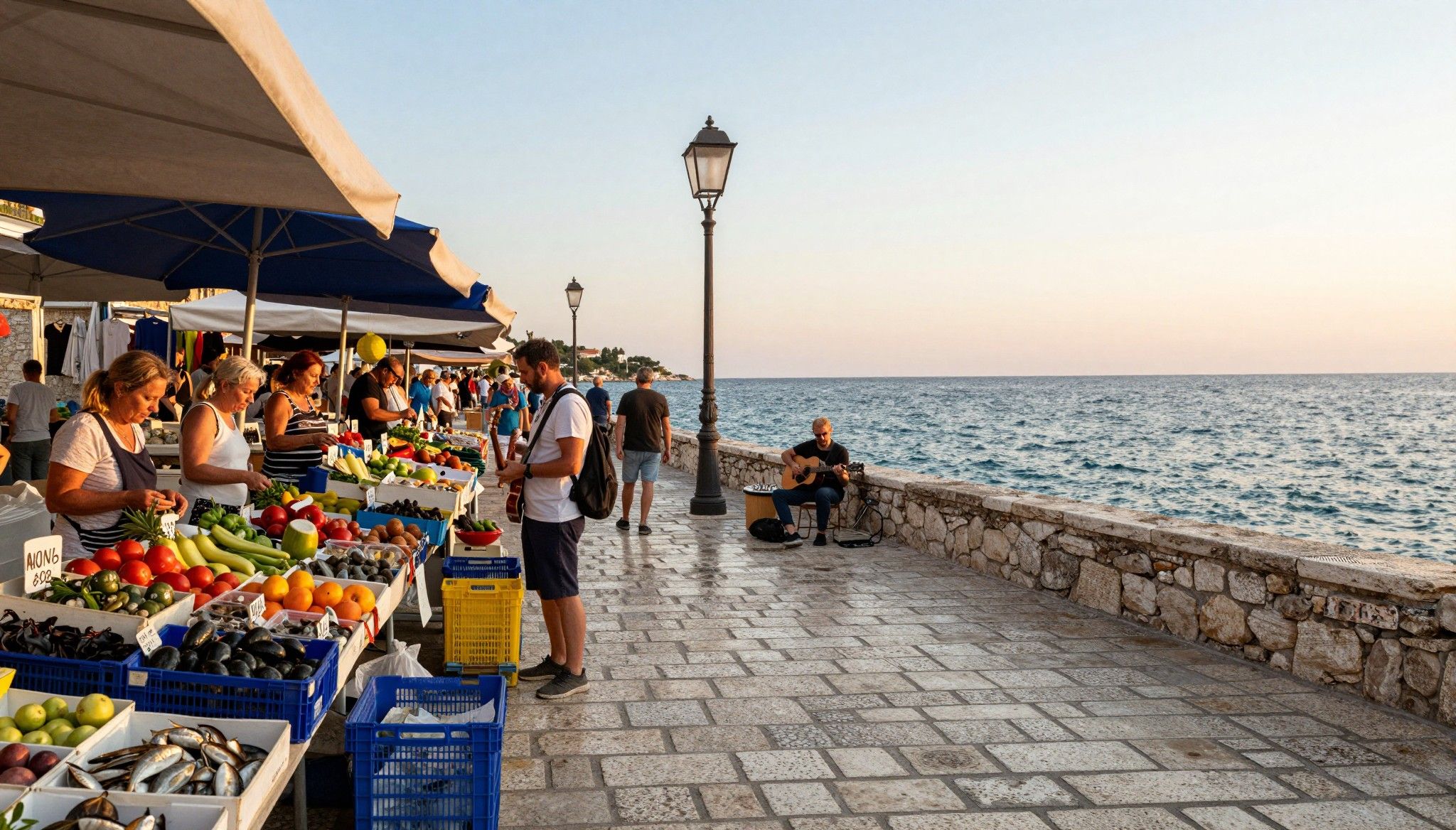
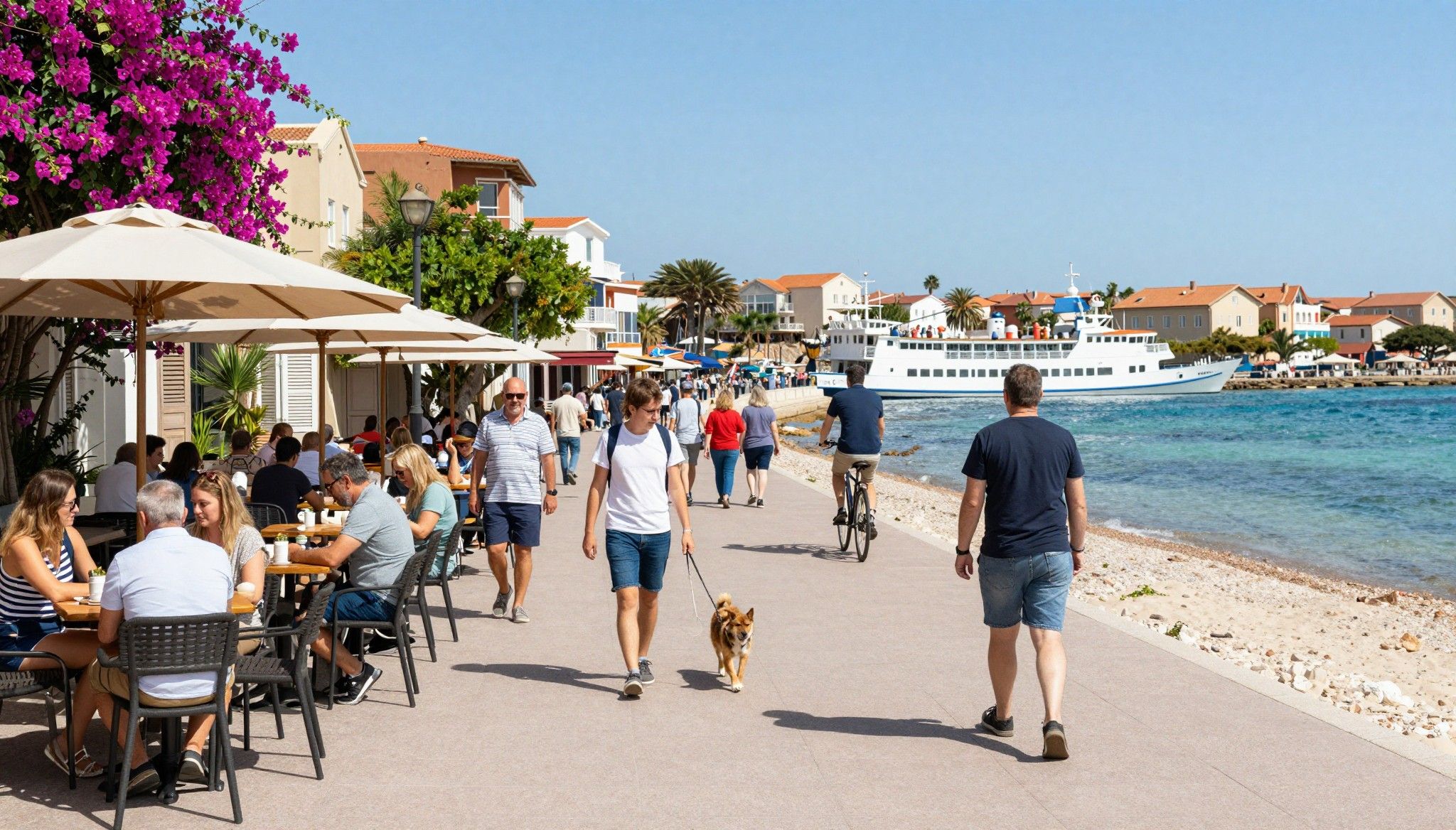
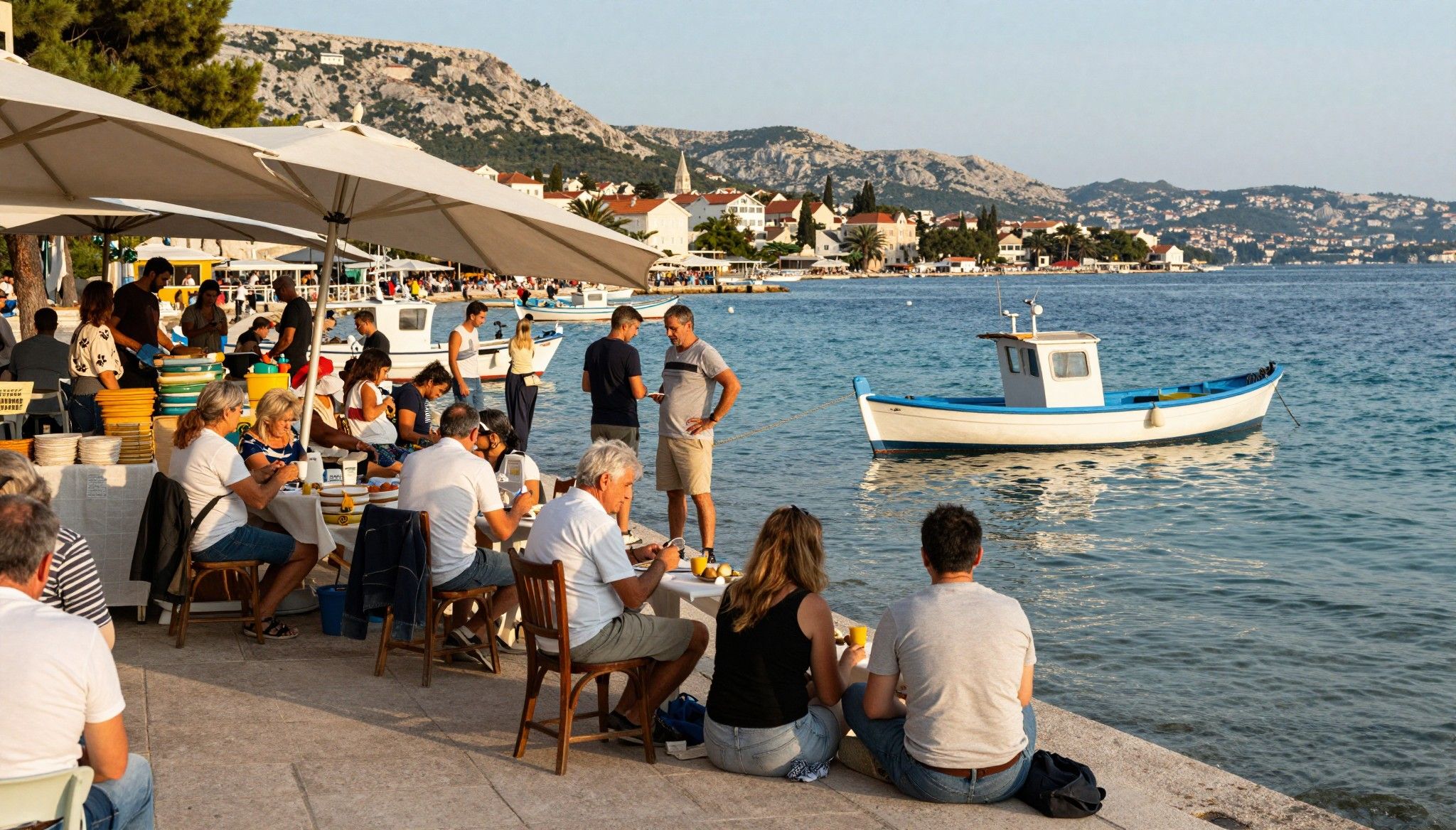
Places like La Rochelle, Nantes, Biarritz’s quieter corners or the lesser‑known coves of the Var offer striking coastal life without Cannes‑level pricing. Notaires de France’s indexes show that regional towns have seen steadier, more accessible pricing trends than headline coastal hotspots — and that’s where many French families and pragmatic locals buy.
- Lifestyle highlights worth scouting
- Sunday market on Place St‑Sulpice (Paris) — coffee, cheese stalls and people‑watching that tells you more about a neighbourhood than a glossy listing
- Rue des Vinaigriers (10th arrondissement) — canalside cafes and artisans; great example of city life that’s authentic not touristy
- Cap Ferret side streets — small villas, oyster stalls, a rhythm of tides and weekend markets that defines community life
Making the move: property types, seasons and where locals actually invest
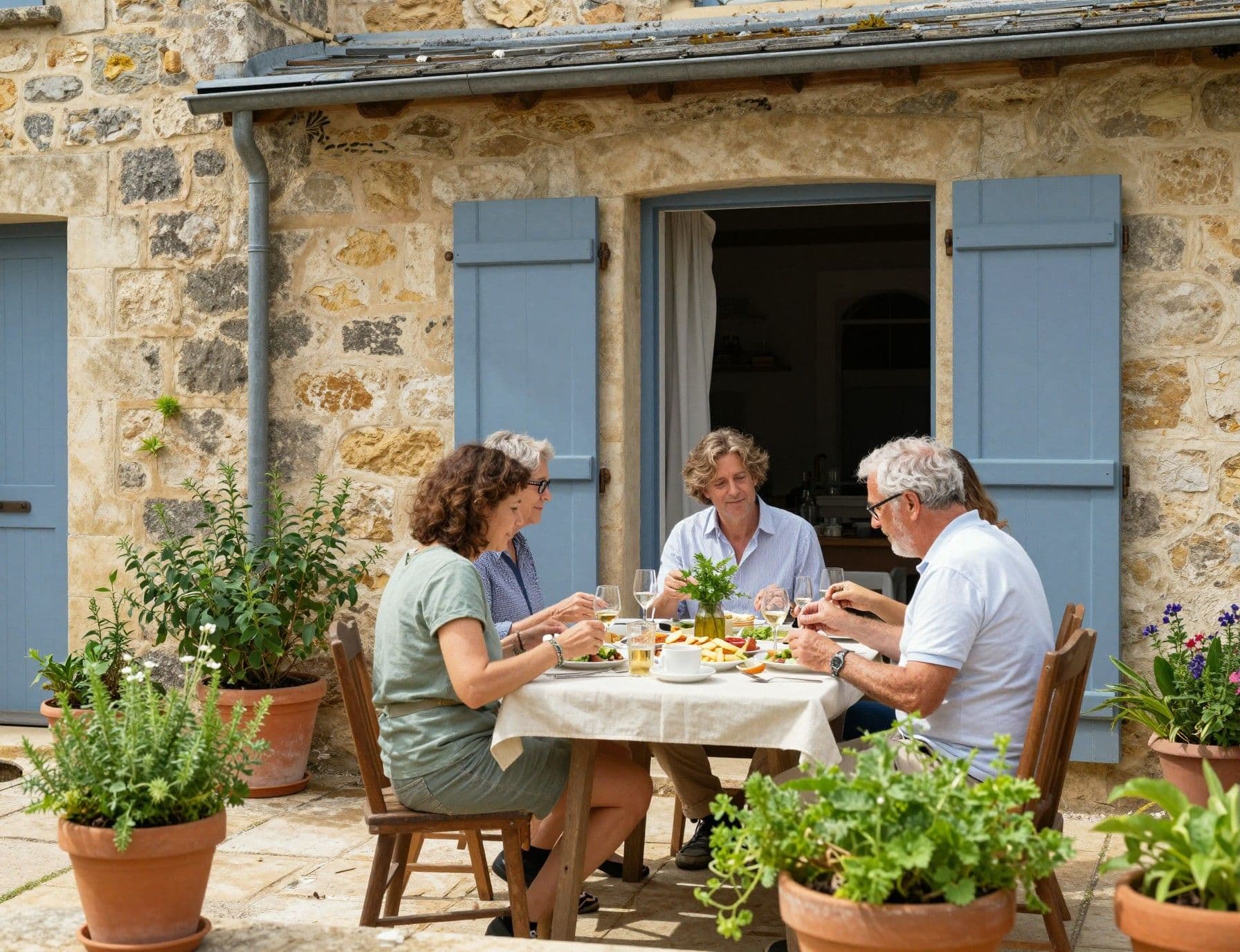
The romantic image — a stone farmhouse or a Riviera villa — is real, but so are tradeoffs: maintenance, seasonal demand, and local planning rules. Market commentators point to a slow normalisation since 2024 and renewed interest in mid‑sized cities. Match the property type to how you’ll live (full‑time, weekends, rental) before letting price headlines dictate your choice.
Property styles and how you’ll actually use them
Town apartments give daily conveniences: morning markets, transit and social life on your doorstep. Country homes give space but often demand a car and an acceptance of slower services. Coastal villas bring light and outdoor living but check exposure to erosion and seasonal staffing for maintenance. Think of a property as a lifestyle machine — what parts of daily life must it deliver?
Working with local experts who know the life you want
You’ll want an agent who knows not just prices but neighbourhood tides: which street fills with summer rentals, which baker closes on Tuesdays, which mairie enforces strict renovation rules. Local notaries and agents are essential partners for paperwork and cultural translation — and for realistic timelines on closing and renovations. If residency matters, check visa and permit pathways early; French public service pages are the baseline source.
- Steps to align lifestyle with purchase (practical & tactile)
- Spend at least three separate visits across seasons — morning market, weekday and weekend — to feel the real rhythm.
- Ask your agent for a neighbourhood file: utility reliability, delivery logistics, renovation permissions and local community associations.
- Factor ongoing lifestyle costs: local property tax rates, typical maintenance, and realistic costs for heating older stone buildings.
Insider knowledge: myths, cultural quirks and the surprises expats face
Here’s the real talk: locals often avoid certain property types — small attics without lifts, or large country estates detached from services — and that tells you something. Foreign buyers are dazzled by sea views, but long‑term life often centres around weekly markets, reliable trains and sunlit cafés. Those are the things locals pay for, quietly, and they keep neighbourhoods alive.
Language, community and the small rituals that matter
Learn a few market phrases, the baker’s schedule and the local recycling rules — they are the currency of acceptance. Join a market stall queue, say bonjour to the concierge, and you’ll be invited in. Expat communities exist, but the quickest route to belonging is through daily routines rather than weekend social events.
Long‑term lifestyle notes every buyer misses
Watch regional demographics and transport projects: towns with growing services and new rail links often out‑pace coastal flash‑in‑the‑pan price moves. Notaires and INSEE provide index methodology and regional breakdowns that help separate sentimental buys from durable lifestyle investments.
- Red flags locals heed
- High vacancy rates in summer rentals — a lively August doesn’t guarantee year‑round community
- Properties with deferred maintenance priced as "opportunity" — often a slow, costly reality
- Streets dominated by short‑term lets — neighbourhood life can be eroded quickly
Conclusion: Fall for France, but marry the neighbourhood — not the listing. The best purchases happen where your daily rituals are already possible: good bread nearby, a reliable train, and a sense of who lives on the street in winter. Start with lifestyle scouting, bring local expertise early, and use public data (INSEE, Notaires) to separate romance from resilience.
Swedish expat who moved from Stockholm to Marbella in 2018. Specializes in cross-border legal navigation and residency considerations for Scandinavian buyers.