Why Croatia’s Summer Price Hype Masks Smarter Buys
Croatia’s coastal price myth hides micro‑opportunities. Combine lifestyle scouting with local house‑price data and neighbourhood durability checks to make smarter buys.
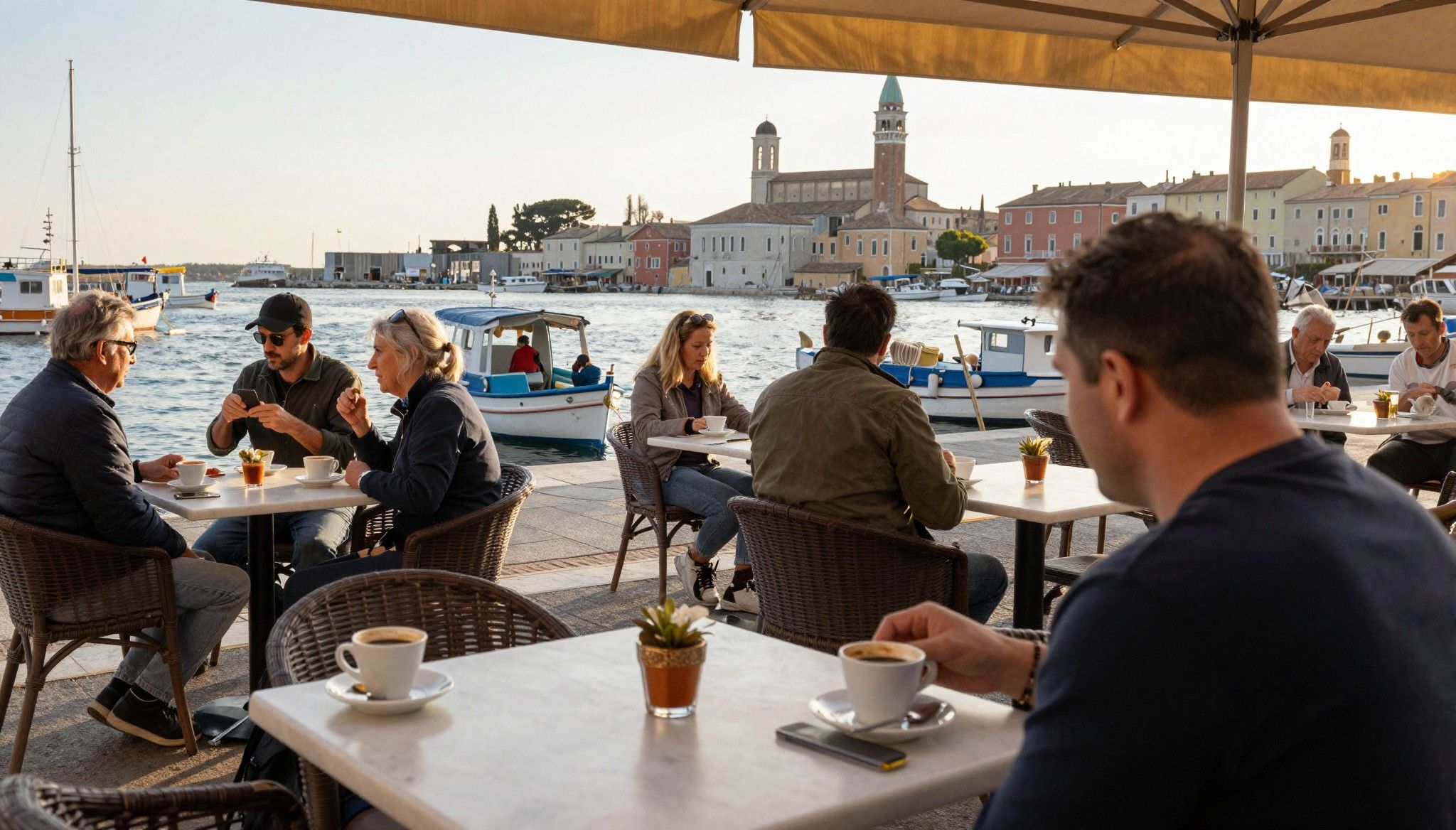
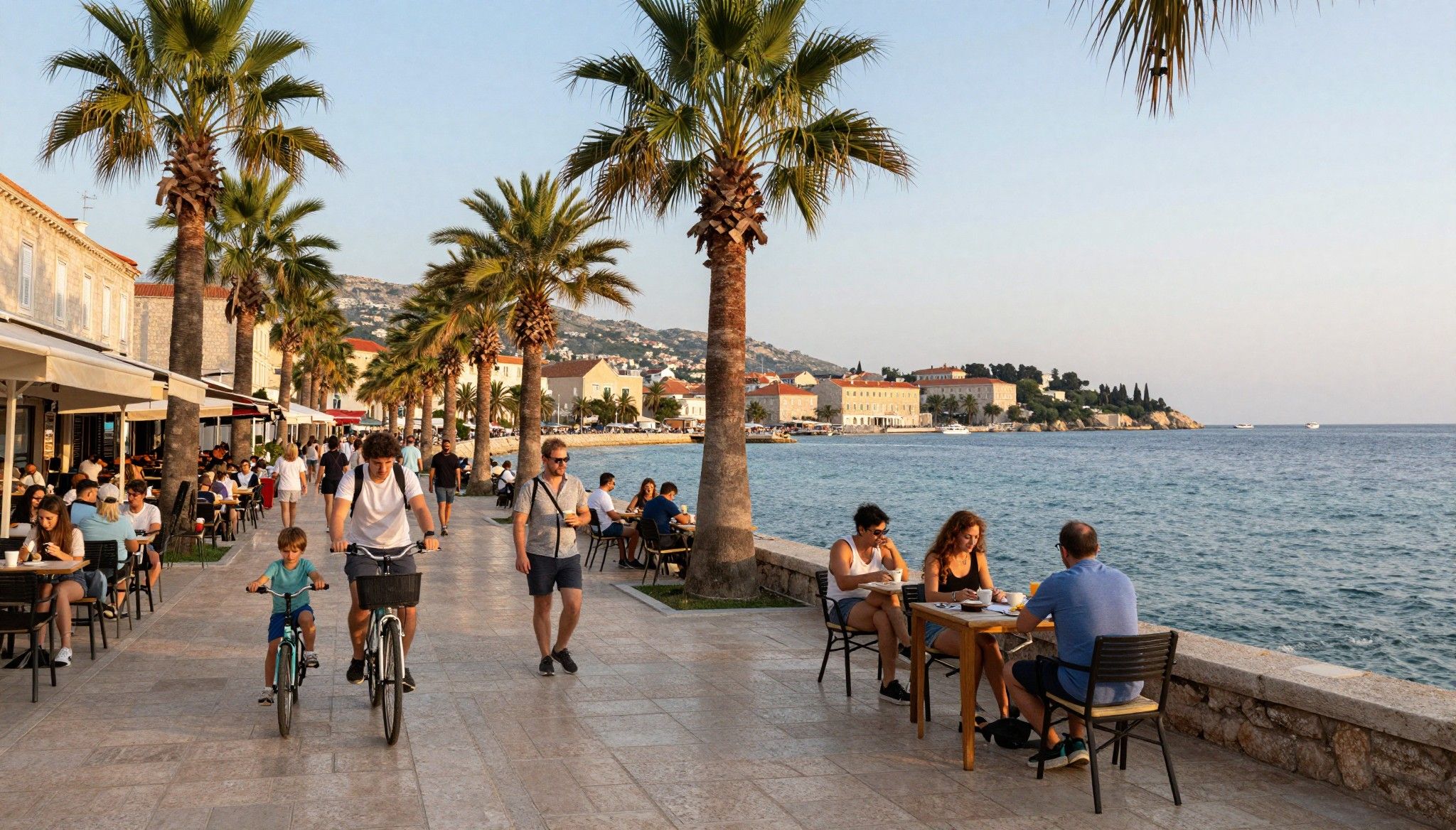
Imagine sipping an espresso under plane‑leaf trees on Split’s Riva, then walking five minutes to a stone stair that drops you onto a pebble cove. Croatia sells that daydream well: islands, old towns with laundry lines, markets that smell of citrus and grilled fish. But the market story buyers hear—“the Adriatic is prohibitively expensive”—is only half the picture. We start with the life you’ll actually live, then show how data and local quirks make certain buys smarter than they look.
Living the Croatia lifestyle
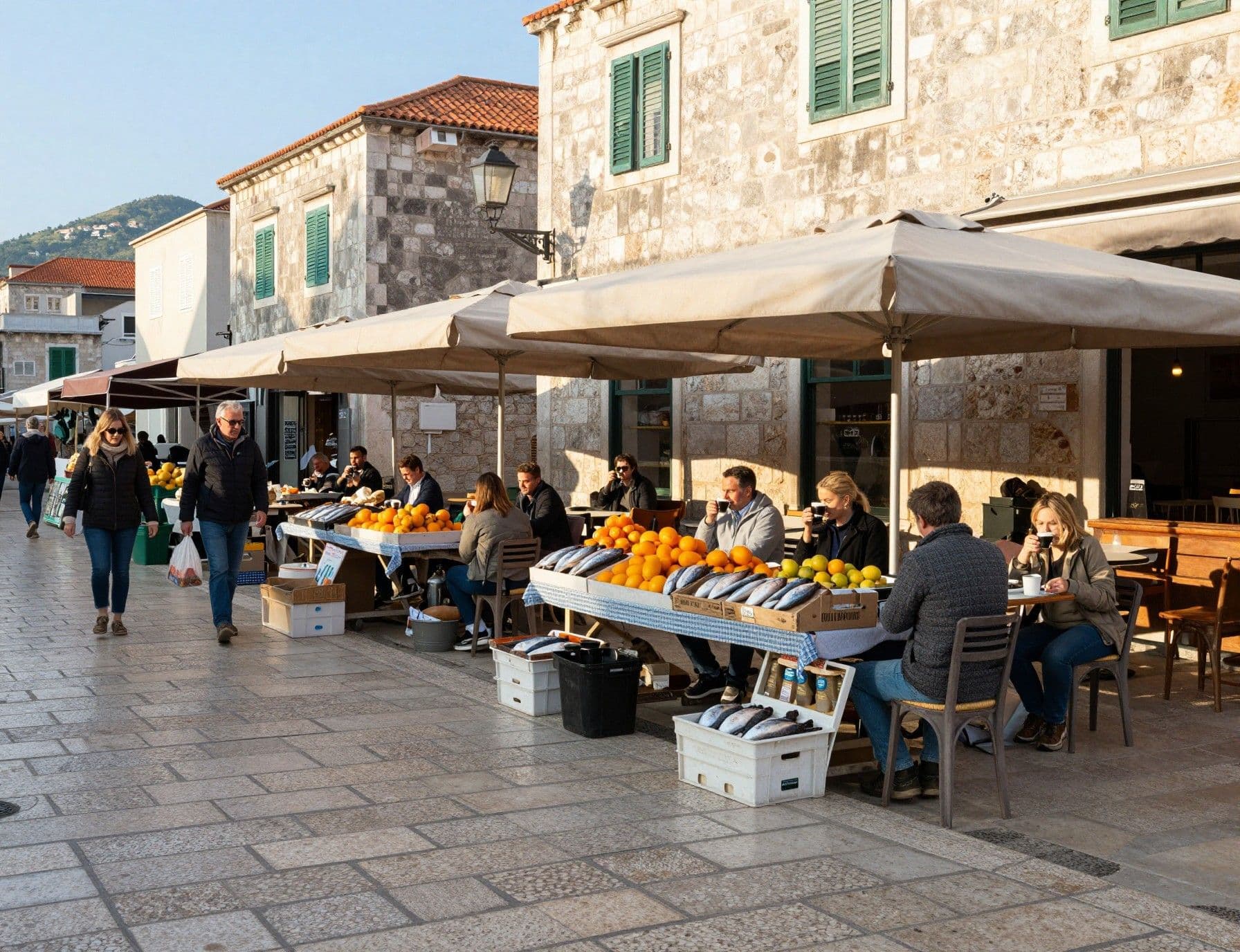
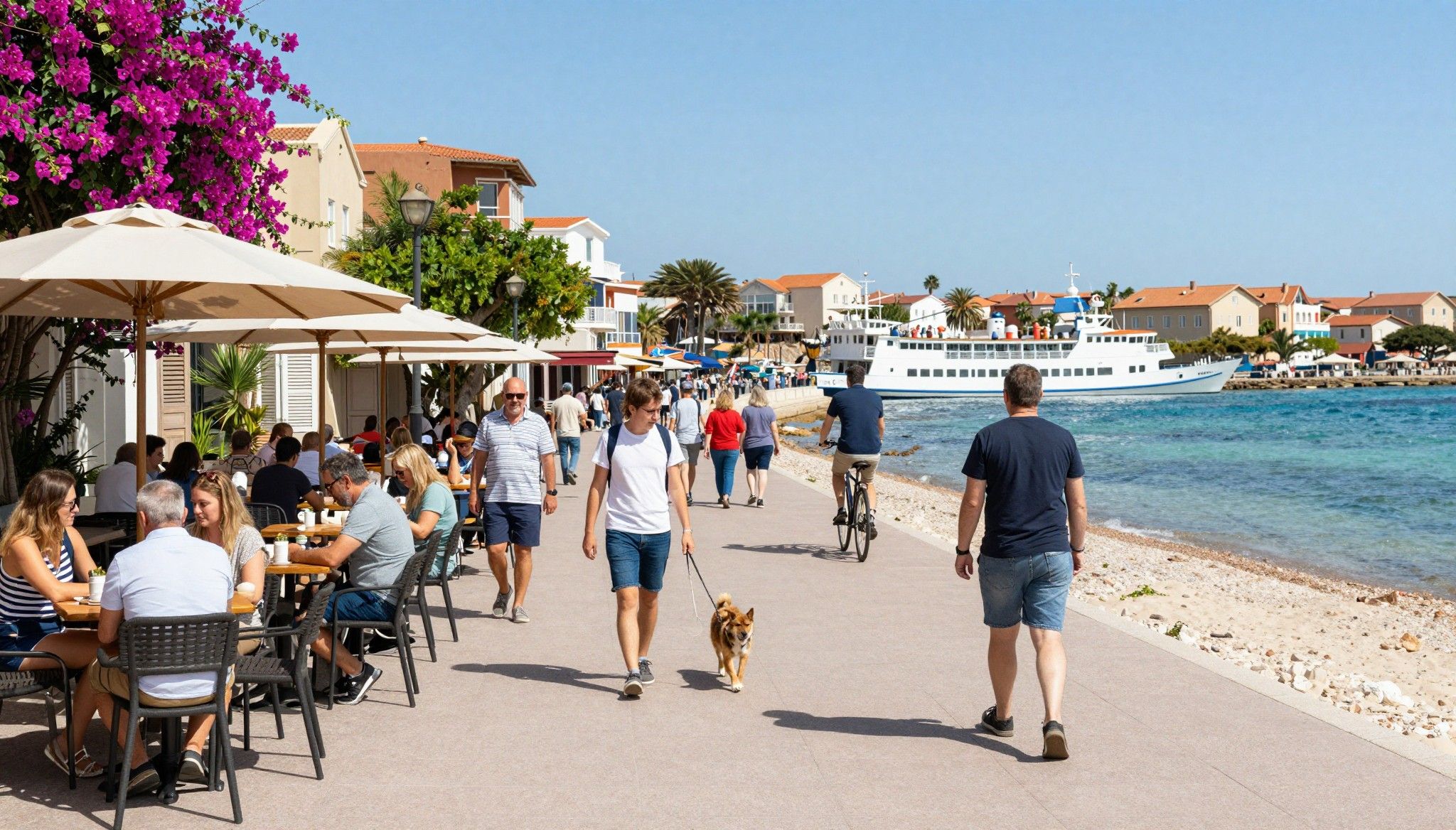
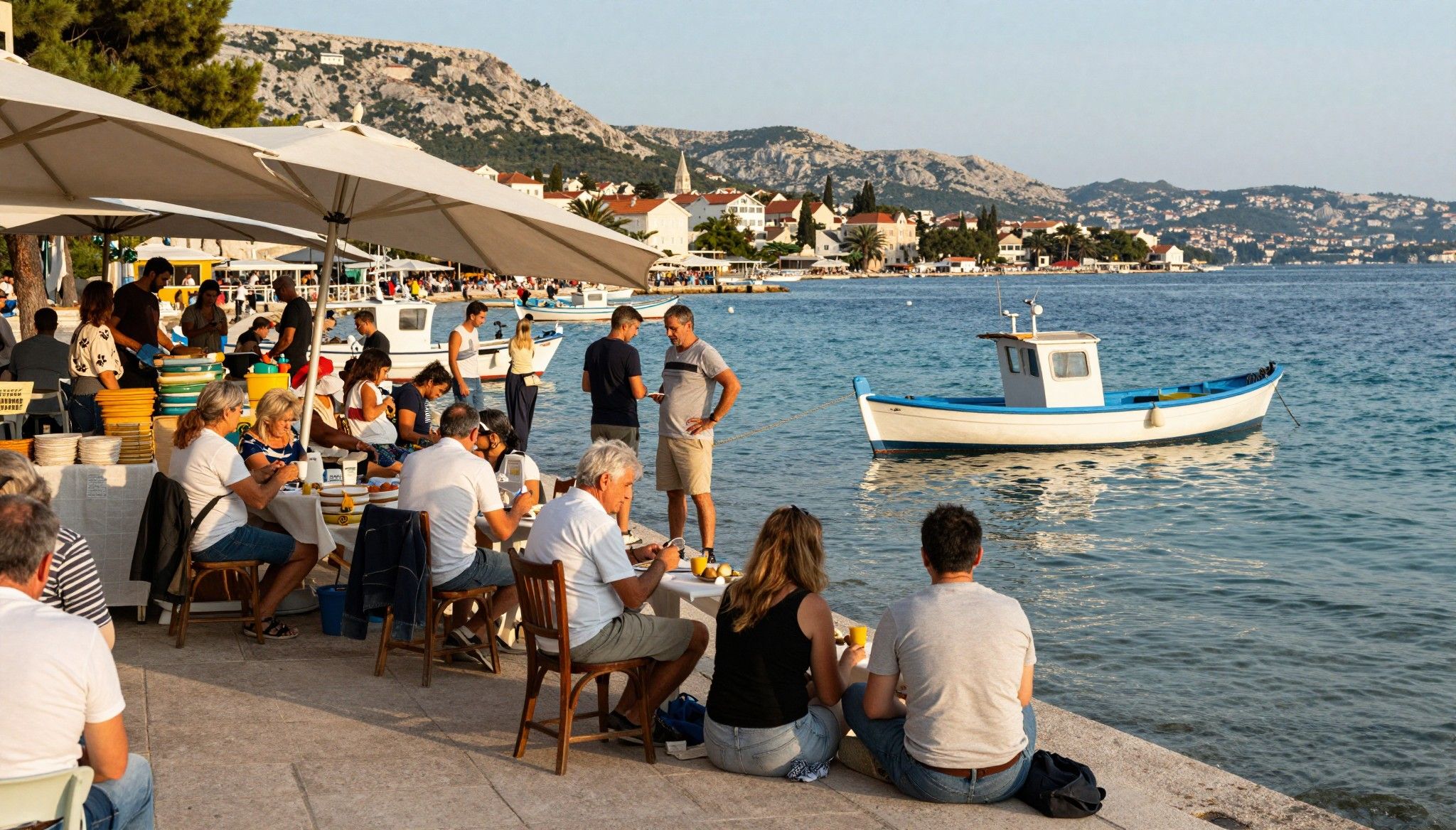
Croatia’s rhythm changes with the light. Summers hum: cafés fill at 9am, coastlines buzz with boats until late, and konobas serve grilled Adriatic fish with hands‑on hospitality. Winters slow in small towns—markets close earlier, and you’ll hear more church bells than foreign tongues. That seasonality shapes where locals buy, where tourists rent, and ultimately where values are stable versus speculative.
Zagreb, Split, Dubrovnik: three different beats
Zagreb is a four‑season city: museums, festivals and a strong domestic buyer base keep demand steady. Split mixes everyday life around the Diocletian Palace with intense summer tourism on the Riva. Dubrovnik is island‑adjacent luxury and heavy seasonality—prices spike during festival months and cruise season, but transaction volumes fall outside them. Each city’s tempo matters when you think rentability, personal use and resale.
Local colors: streets, cafés and where people actually live
Walk Dubrovnik’s Ploče Gate at dawn and you’ll meet locals walking dogs, not only tourists; cross the market at Pazar in Split and you’ll taste gnarly olives and octopus salad sold by the same vendors year after year. On Hvar island the main square is a stage for yachts and village life alike—if you pick property two streets inland (e.g., around Ulica kralja Tomislava), you get light, stone walls and lower noise without losing the view.
- Morning espresso at Tinel (Split) — people watching that doubles as market research
- Evening fish at Konoba Mate (Dubrovnik) — a sense of neighborhood that doesn’t show on price maps
- Stroll the Cavtat waterfront for houses that trade below Dubrovnik premiums yet offer the same sea air
Making the move: practical considerations
The numbers back the nuance. Official house price indices show strong growth through 2024–2025, with urban centres and the Adriatic coast leading. But growth hasn’t been uniform: inland areas and secondary coastal towns often lag, creating pockets where lifestyle and price align better than the broad headlines suggest. Use national data to set macro expectations, and local transaction records to find micro‑opportunities.
Property styles and how they shape everyday life
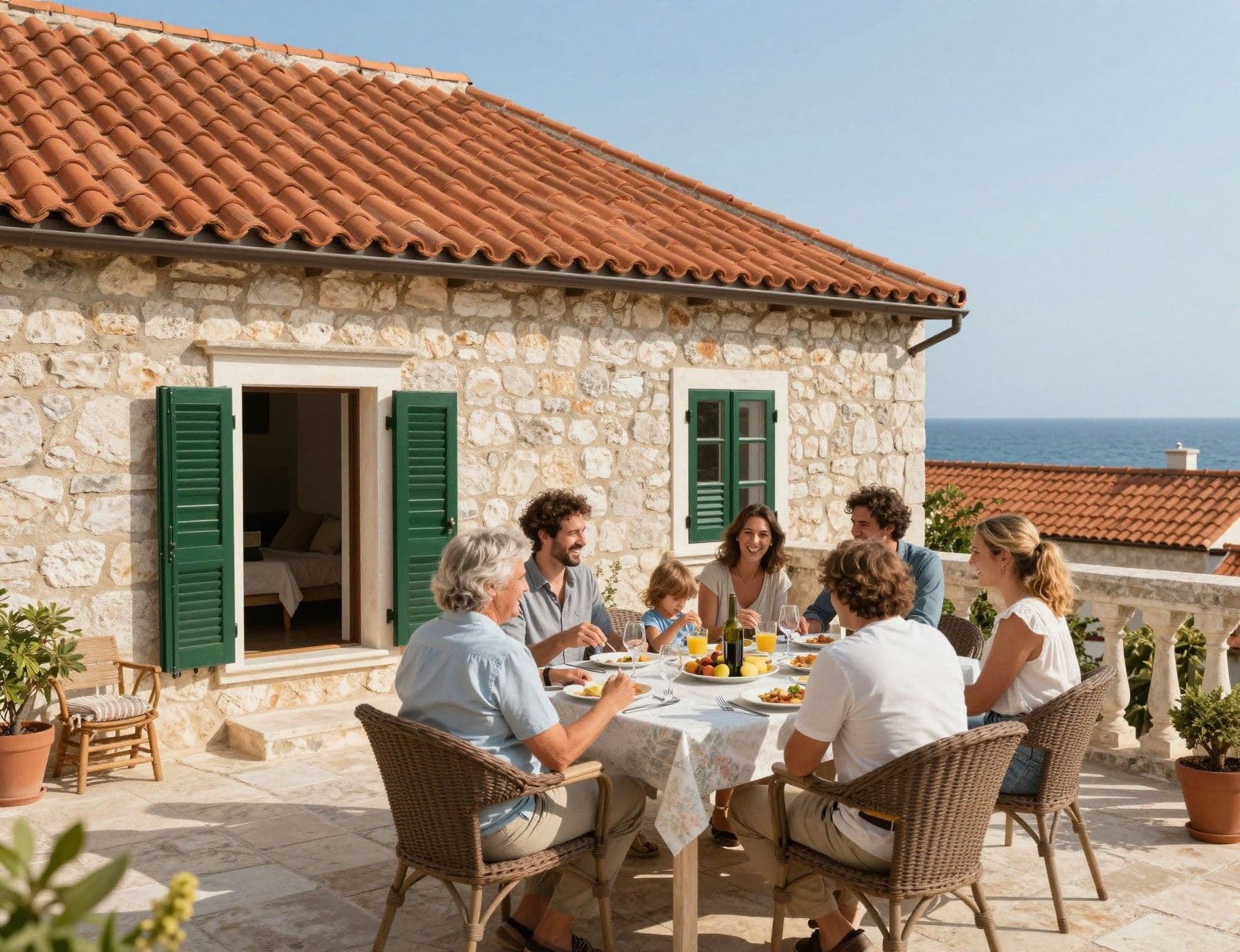
Stone dalmatian houses with terraces invite outdoor living; modern apartments in Zagreb favour year‑round comfort and better rental yields outside summer; new builds along the coast can offer pools and parking but sometimes lose the old‑town charm. Think about maintenance (stone facades, sea‑salt wear) and seasonality (short summer lets vs. steady urban rents) when choosing the type that matches how you want to live.
Working with local experts who know both life and law
An agent who can point to Konoba Mate and to the registrar’s office is worth more than a glossy listing. Look for advisers who live in the neighbourhoods they sell, know the tax and permitting quirks, and can introduce you to notaries and reputable surveyors. That local network turns dreamy locations into practical purchases.
- Check national house price indices, then: 1) inspect recent sales within 500m of your target street, 2) enquire about seasonal occupancy, 3) verify utility connections and renovation history, 4) compare long‑term yields vs. personal use months, 5) budget for sea‑salt maintenance and insurance.
Insider knowledge: what expats wish they'd known
Expats often romanticise the coast and then discover quieter months, bureaucracy, and the small infrastructure gaps that make everyday life different from holidaying. Those who succeed treat Croatia as a place to live first and profit second: learn the rhythms, build local friendships, and prioritise properties that work off‑season as well as in July.
Language, community and practical integration
You’ll get by with English in Zagreb and tourist hubs, but learning Croatian opens doors—neighbours, municipal offices, and trusted craftsmen. Join local Facebook groups (e.g., expats in Split), attend weekend markets, and use small talks at cafés to test whether a street feels like community or like a transient rental strip.
Long‑term lifestyle and market durability
Markets that balance local demand (students, year‑round workers) with tourist interest tend to be more durable than pure resort strips. Look for towns with a hospital, a high school, and regular ferry or road connections—these become your safety net when short‑term tourism softens.
- Durability checklist: hospital or clinic nearby; year‑round ferry/road service; active local market for groceries and services; presence of rental demand outside summer.
Conclusion: fall in love first, verify second. Croatia gives you days that feel designed to be lived in—cobbled lanes, seaside aperitifs, market Saturdays—but the smartest purchases marry that life with evidence: local transaction data, a neighbourhood’s off‑season life, and on‑the‑ground agents. Start with where you want your life to be, then ask for three recent comparable sales on that street. If an agent can’t produce them, walk away.
British expat who relocated to Marbella in 2012. Specializes in rigorous due diligence and cross-border investment strategies for UK and international buyers.