Greece by Rhythm: Neighbourhoods, Seasonality & Buying Smarts
Love Greece for its rhythm — buy with local knowledge: season, neighbourhood life and recent Golden Visa reforms shape smart purchases.
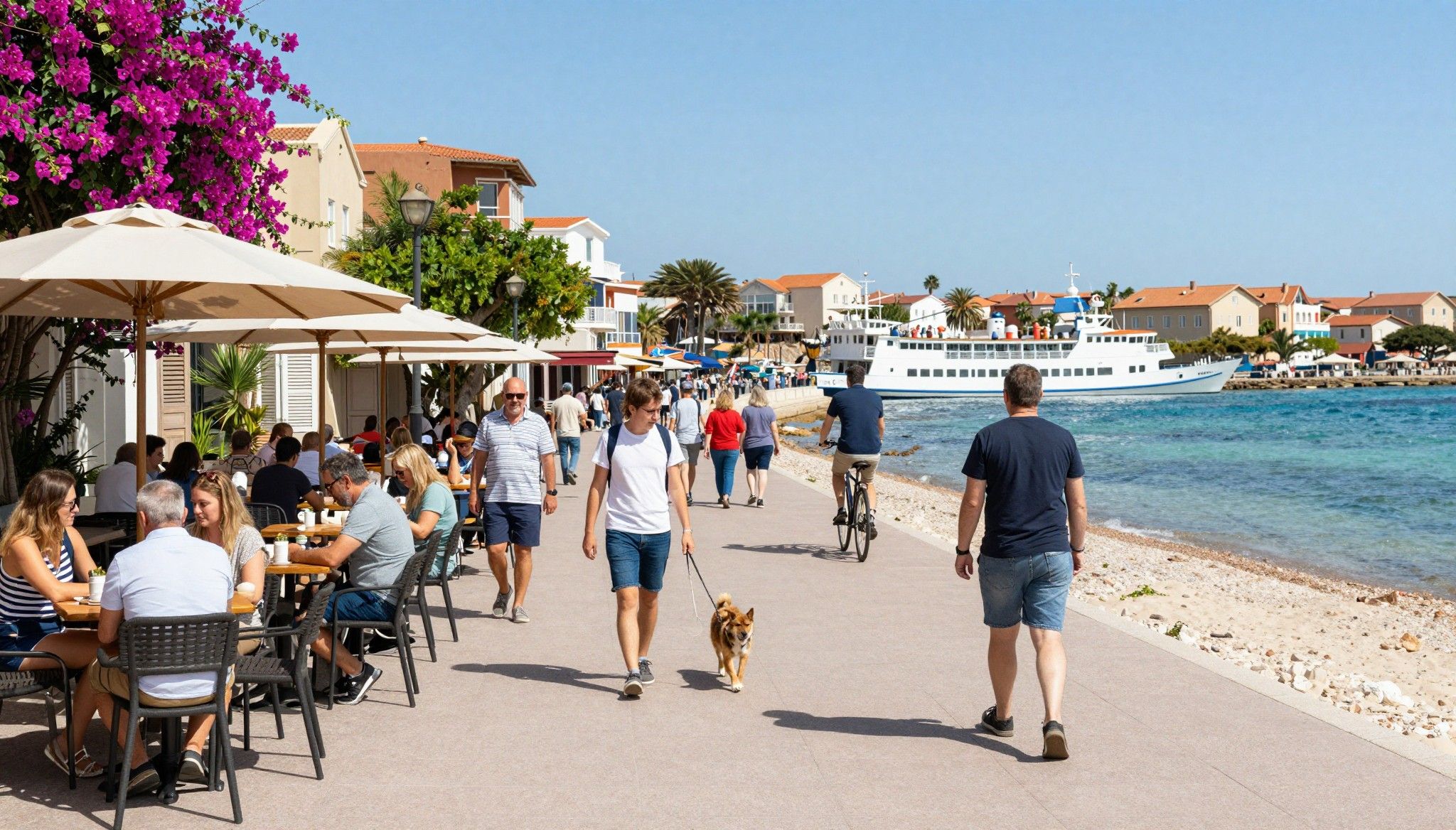
Imagine sipping a strong espresso on a sun-warmed balcony in Exarchia at 9am, then catching an afternoon ferry to a Cycladic bay where fishermen mend nets and neighbourhood tavernas still close for siesta. That stretch — from Athens’ lived-in neighbourhoods to wind-swept island harbours — is what Greece feels like: tactile, convivial and stubbornly human. For international buyers, falling in love with Greece is easy. Buying here, honestly, sometimes isn’t. We’ll lead with why the lifestyle sells itself, then show the on-the-ground realities that make a purchase sensible, not sentimental.
Living the Greece Life
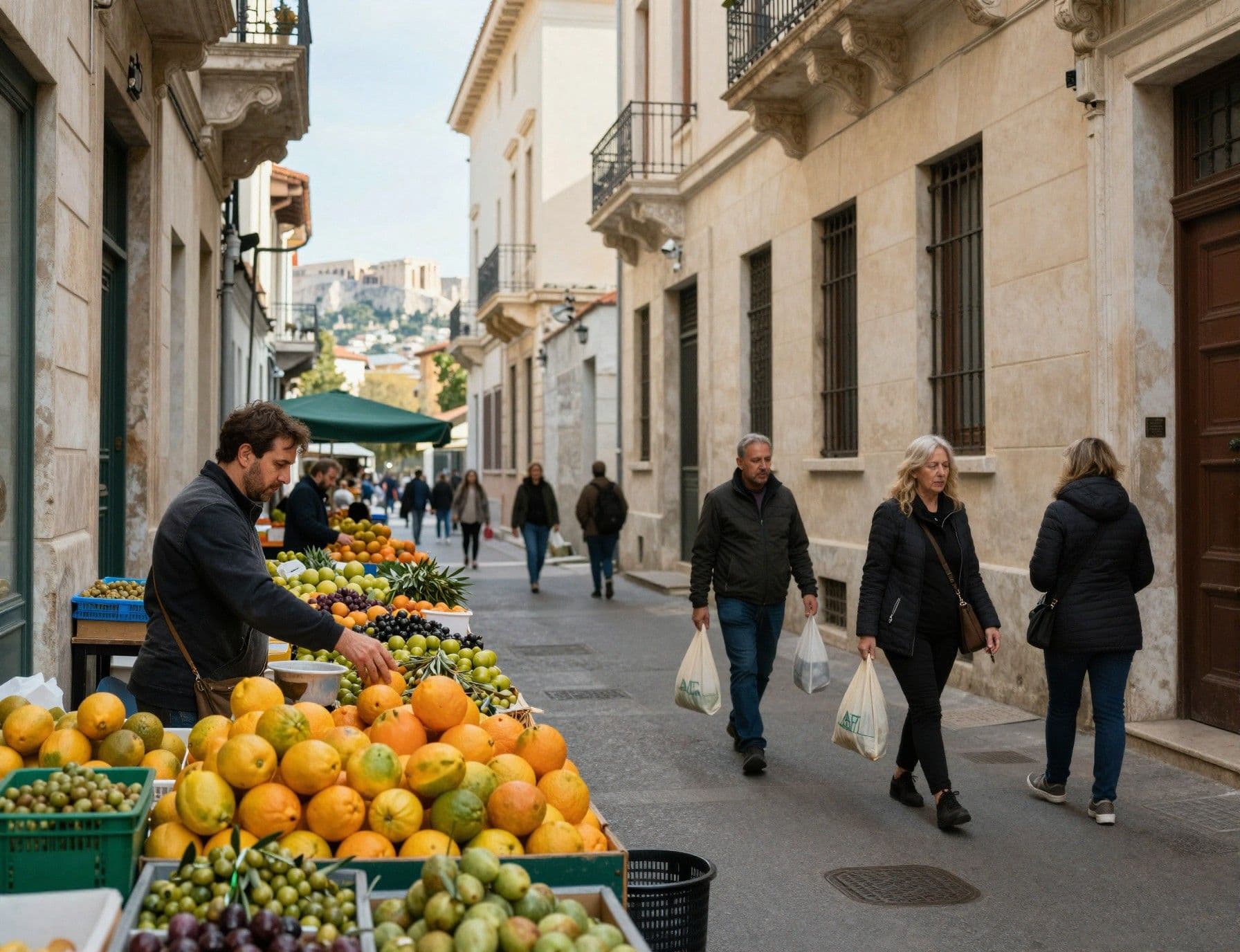
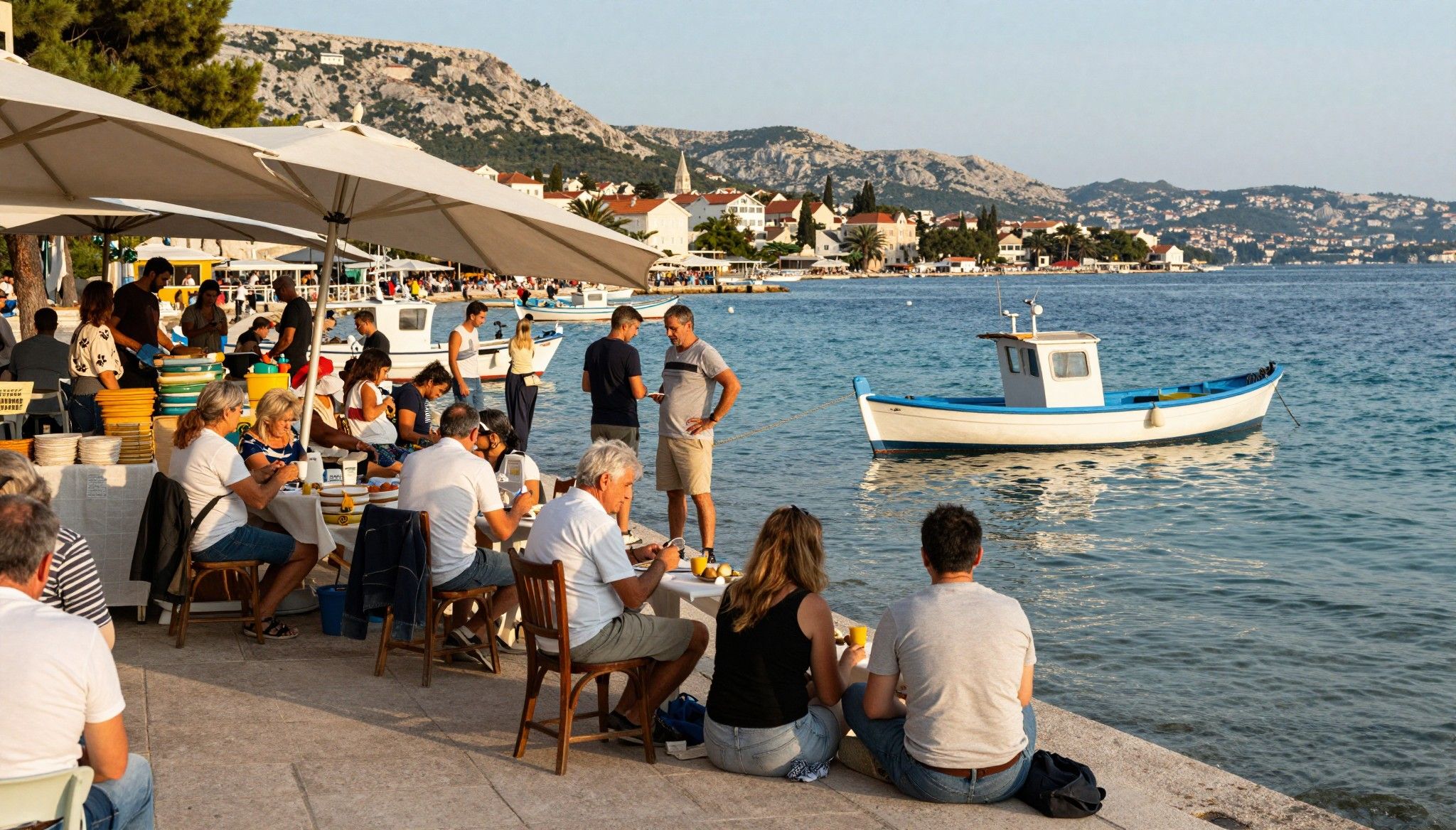
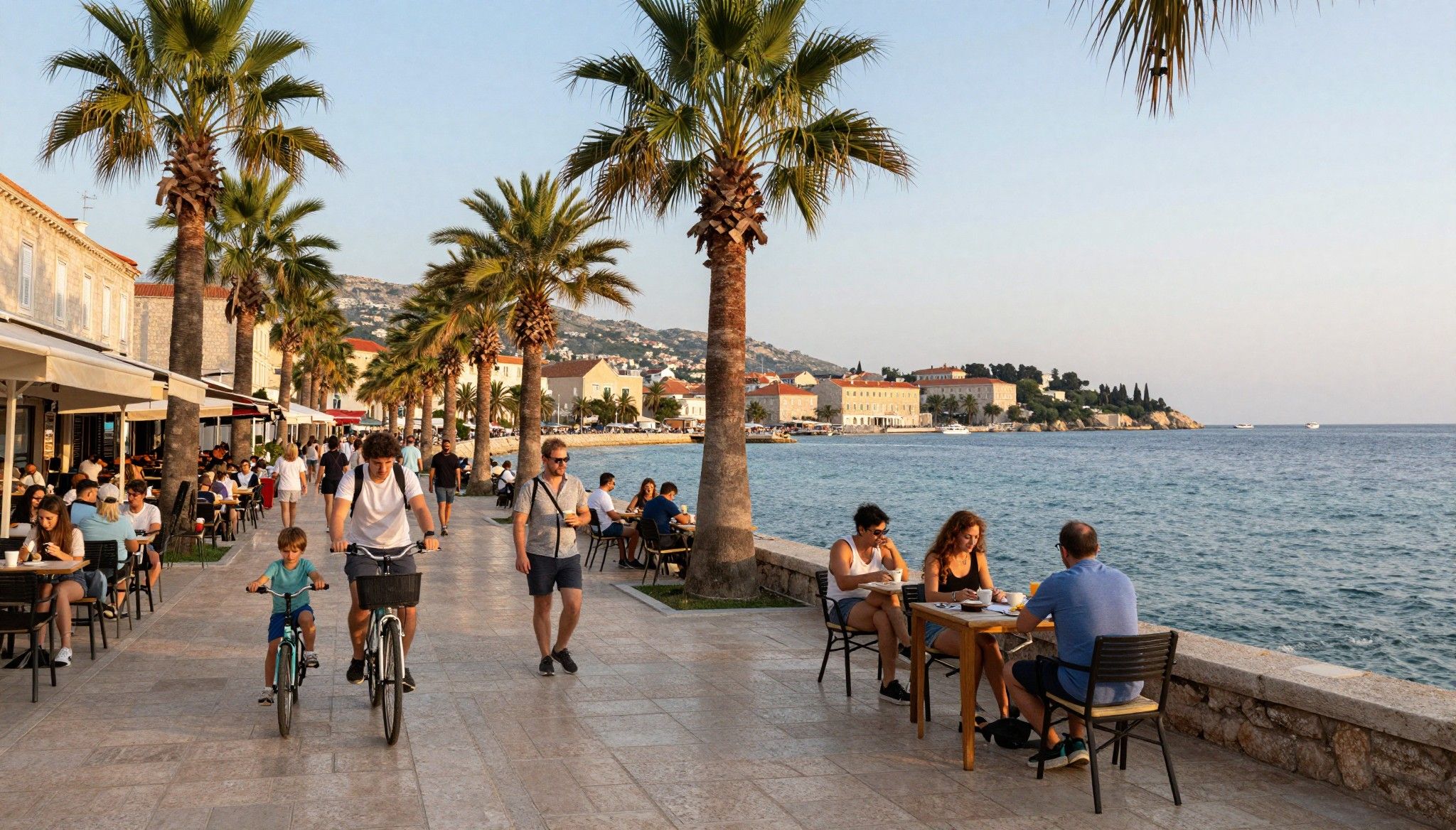
Greece’s tempo shifts with place and season. Athens hums — coffee queues in Koukaki, late dinners in Thissio, balconies filled with potted basil. The islands slow time: mornings are for markets and beaches, afternoons for naps, evenings for long meals and loud laughter. Climate is generous: mild winters in Attica and long, dry summers across the islands, which shapes how homes are used — terraces and shutters matter as much as square metres.
Neighbourhood spotlight: Athens beyond Syntagma
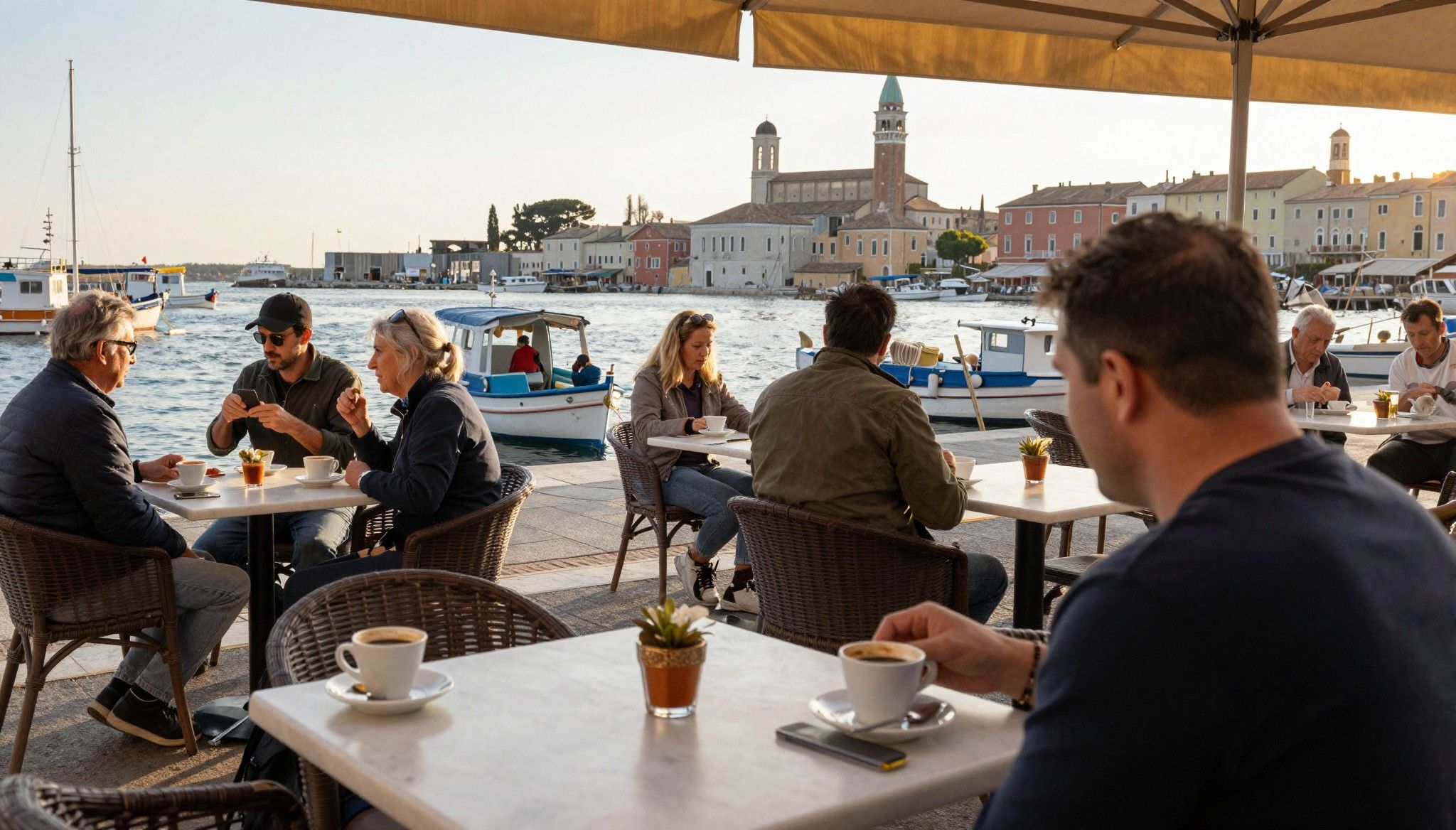
Walkable pockets like Koukaki, Pangrati and Mets give a residential Athens that most guidebooks miss. Morning markets on Veikou street, a favourite kafeneio on Ardittou, and narrow pedestrian lanes where locals buy bread shape daily life. These areas blend classic apartment stock — high ceilings, narrow balconies — with cafés, small galleries and excellent public transport links to the city’s cultural core.
Island rhythms: Which islands fit your life
The Cyclades (Naxos, Paros, Milos) balance village life and tourism infrastructure; Mykonos and Santorini are peak-season, higher-cost plays with strong short-term rental demand. Corfu and Kefalonia offer greener landscapes and year-round communities. If you want beaches and calm low-season life, look at smaller islands and nearby mainland ports rather than headline tourist spots.
- Lifestyle highlights to try before you buy: visit a neighbourhood market; have coffee at a local kafeneio; take a weekday ferry off-season; dine at a taverna where locals outnumber tourists; check the neighbourhood after 10pm for noise and life.
Making the Move: Practical Considerations
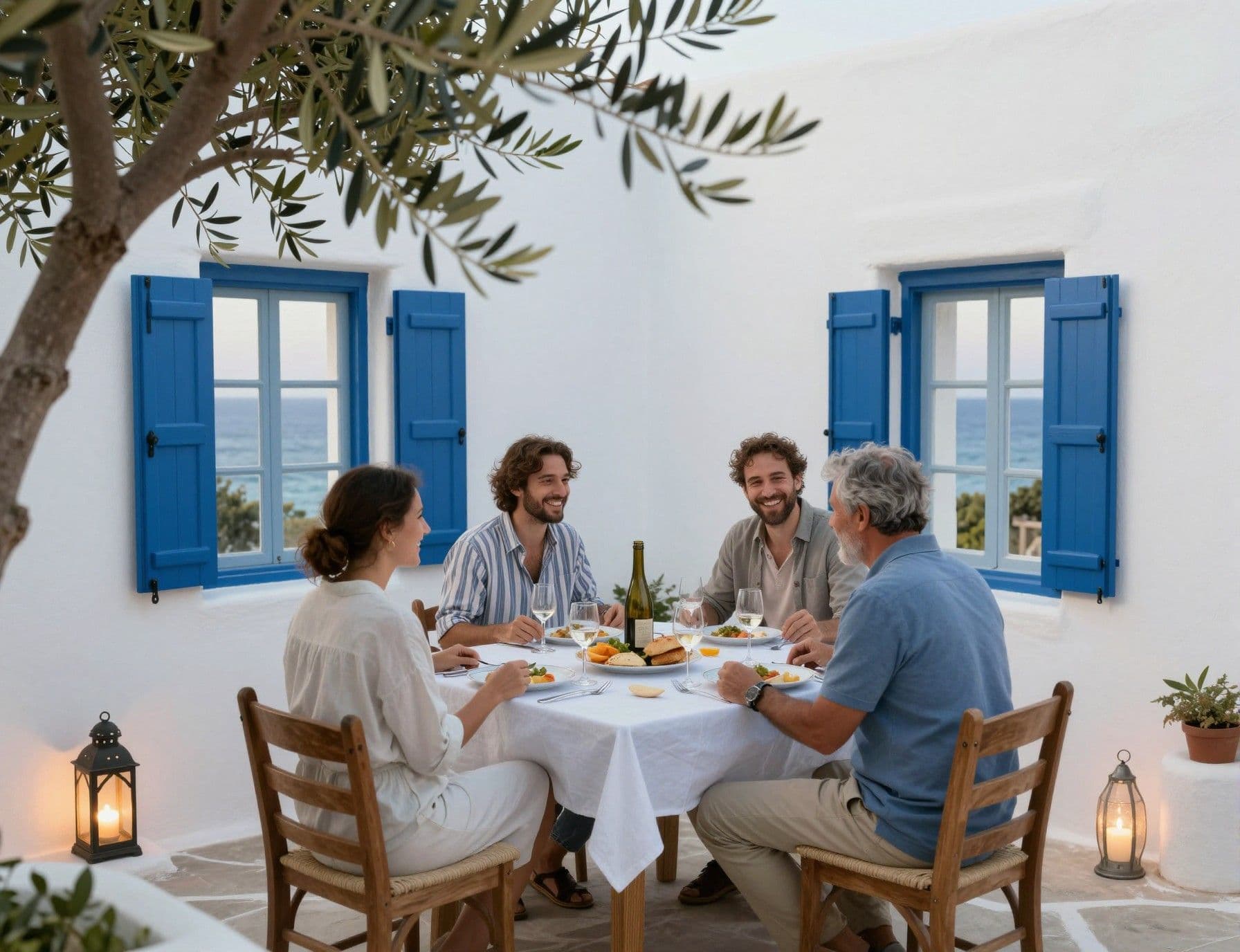
The practical side is where lifestyle meets paperwork. Recent Bank of Greece data shows house prices rising in hotspots while regional pockets remain comparatively affordable. Policies like the 2024 Golden Visa reform have already changed buyer incentives in Athens and the high-demand islands — that matters if residency is part of your plan. Translate lifestyle choices into tangible property features: insulation for winter, shutters and awnings for summer, and easy access to a marina or market if you want that island life.
Property styles and how they shape daily life
Stone houses in the Peloponnese offer cool interiors and gardens but often need structural care; neoclassical flats in central Athens have high ceilings and strong rental appeal but thinner thermal insulation. New builds on the islands prioritise pools and terraces; older Cycladic homes prioritise compact rooms and courtyards. Your lifestyle — entertaining, remote work, multigenerational stays — should determine which deficits you're willing to fix during renovation.
Working with local experts who know the life you want
Good agents in Greece do more than show listings: they know which streets quiet down in winter, which owners are open to staggered payments, and which municipalities are friendly about planning permissions. Lawyers familiar with Greek title practice and a local architect can save months — and avoid costly surprises in restoration projects. Treat agencies as lifestyle scouts: the right one matches your daily routine to a neighbourhood, not just to a price band.
- Practical checklist when touring properties: 1) Check water supply and septic connections (island systems vary). 2) Inspect thermal insulation and A/C routes for year-round comfort. 3) Ask about previous renovations and permits. 4) Confirm local transport schedules — ferries and buses shape access. 5) Get a written estimate for immediate repairs, so budgets reflect reality.
Insider Knowledge: What Expats Wish They’d Known
Expat experience in Greece often follows three phases: honeymoon, practical shock, then comfortable routine. Honeymoon is easy — food, weather and community charm. The shock can be bureaucracy, seasonal access and renovation unpredictability. The comfortable routine emerges when you build local contacts, understand municipal cycles, and accept slower timetables on paperwork and repairs.
Cultural integration and everyday norms
Language matters less in tourist hubs but more in village life. Learn basic Greek for market banter and bureaucratic forms; try greeting shopkeepers in Greek and you’ll open doors. Weekends are for family and extended meals; many shops close on Sunday afternoons. Neighbours value reciprocity — a small gesture like sharing baked goods goes a long way.
Long-term lifestyle and investment considerations
If you plan to rent short-term, be realistic about seasonality: high peaks in July-August don’t always cover low-season running costs. For long-term residency, look at healthcare access (regional hospitals vs Athens), schooling options, and local community stability. Recent policy shifts to the Golden Visa tightened thresholds in hotspots — a factor if residency is the driver of your purchase.
- Red flags to watch for: unclear title chains; properties listed well below market in islands where supply is tight; lack of proof for permitted renovations; unreliable local water or waste infrastructure; and dependence on seasonal income without contingency.
Buying in Greece is as much about choosing a rhythm as a roof. Start by spending time in the places you love across seasons, brief a local agent on lifestyle priorities (not just price), and secure a lawyer who reads title histories the way a chef reads a recipe. If residency matters, plan around the updated Golden Visa thresholds and transitional rules so paperwork doesn’t spoil the dream.
Dutch relocation advisor who moved to Marbella in 2016. Guides Dutch buyers through visa paths, relocation logistics, and balance of lifestyle with value.