Croatia: Fall for the Life — Read the File First
Turnwalks on the Riva, market mornings and stone terraces — why Croatia’s lifestyle sells itself and how transparency, title checks and local data keep your dream secure.
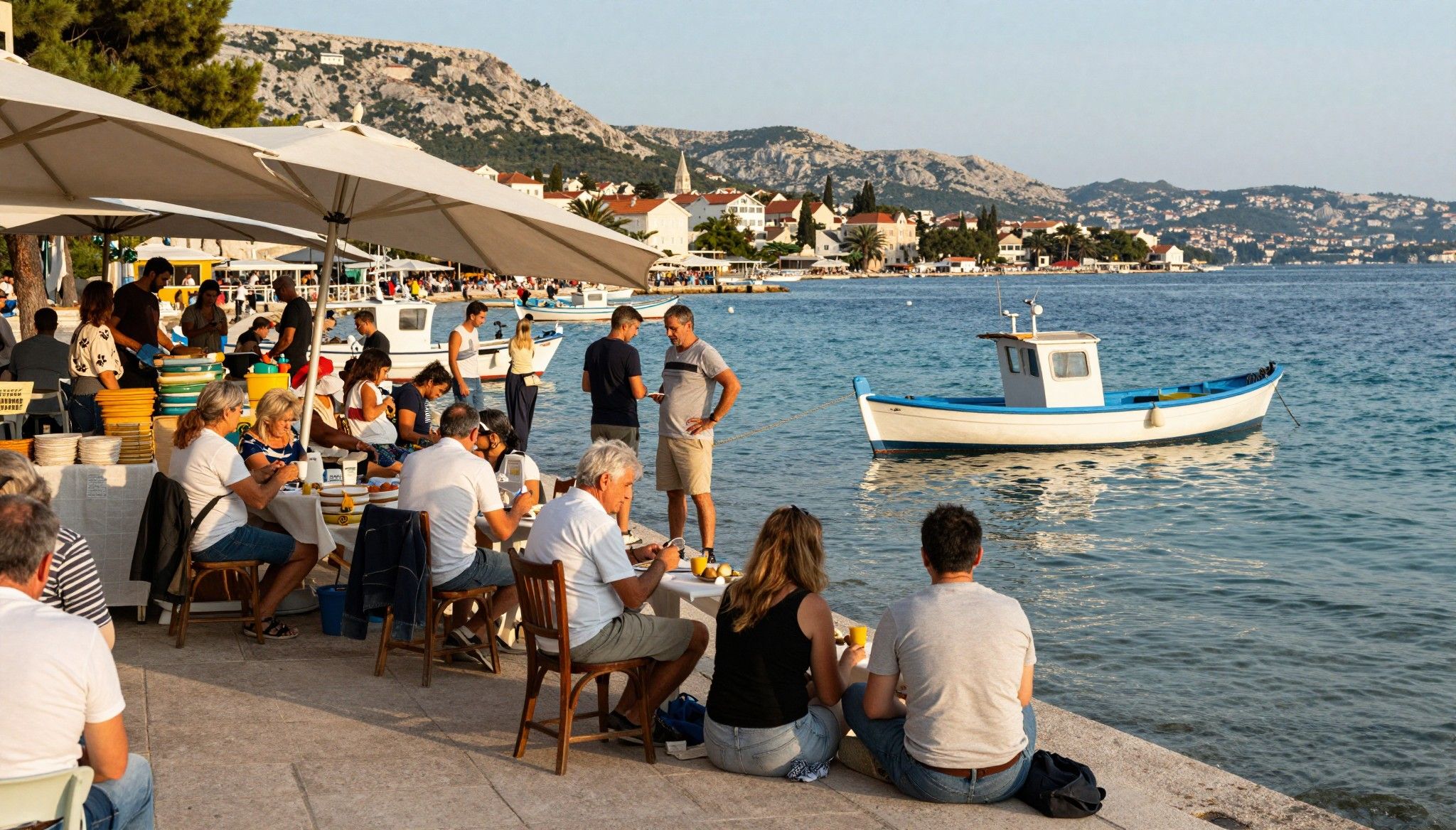
Imagine stepping out at dawn onto Split’s Riva, a coffee in hand while fishermen unload the day’s catch and a choir of gulls argues with church bells. Croatia’s coast dresses itself differently across seasons: cranes at the marina in spring, shimmering promenades in high summer, and quieter lanes in late autumn that reveal the stone bones of towns like Šibenik and Rovinj. For many international buyers this is the romance — sea, stone, and market stalls — but the real decisions happen where lifestyle meets disclosure: who owns the riparian rights, where the cadastral lines run, and whether advertised yields are more hope than math. We start here: the feeling first, then the file you must read.
Living Croatia: mornings, markets and island time
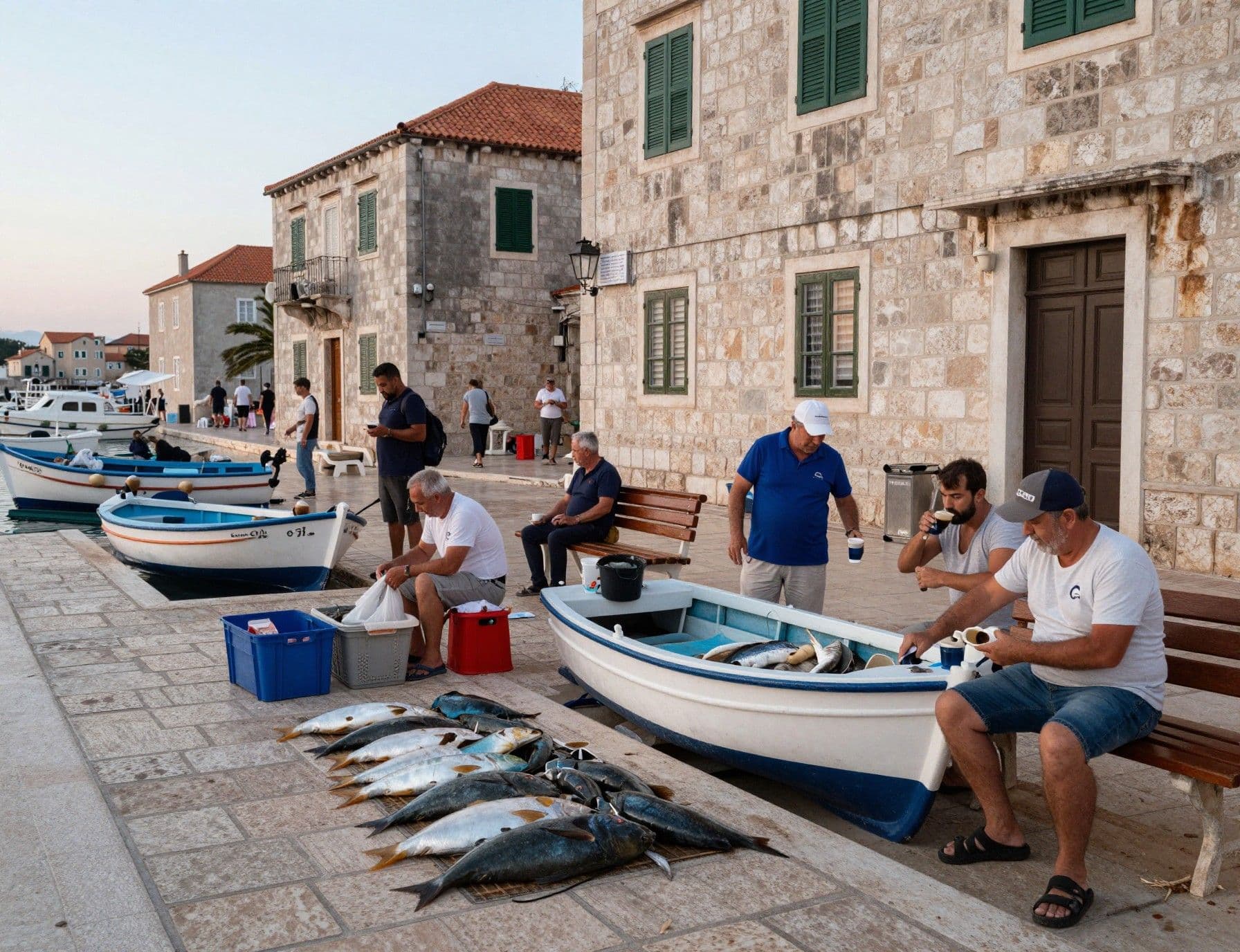
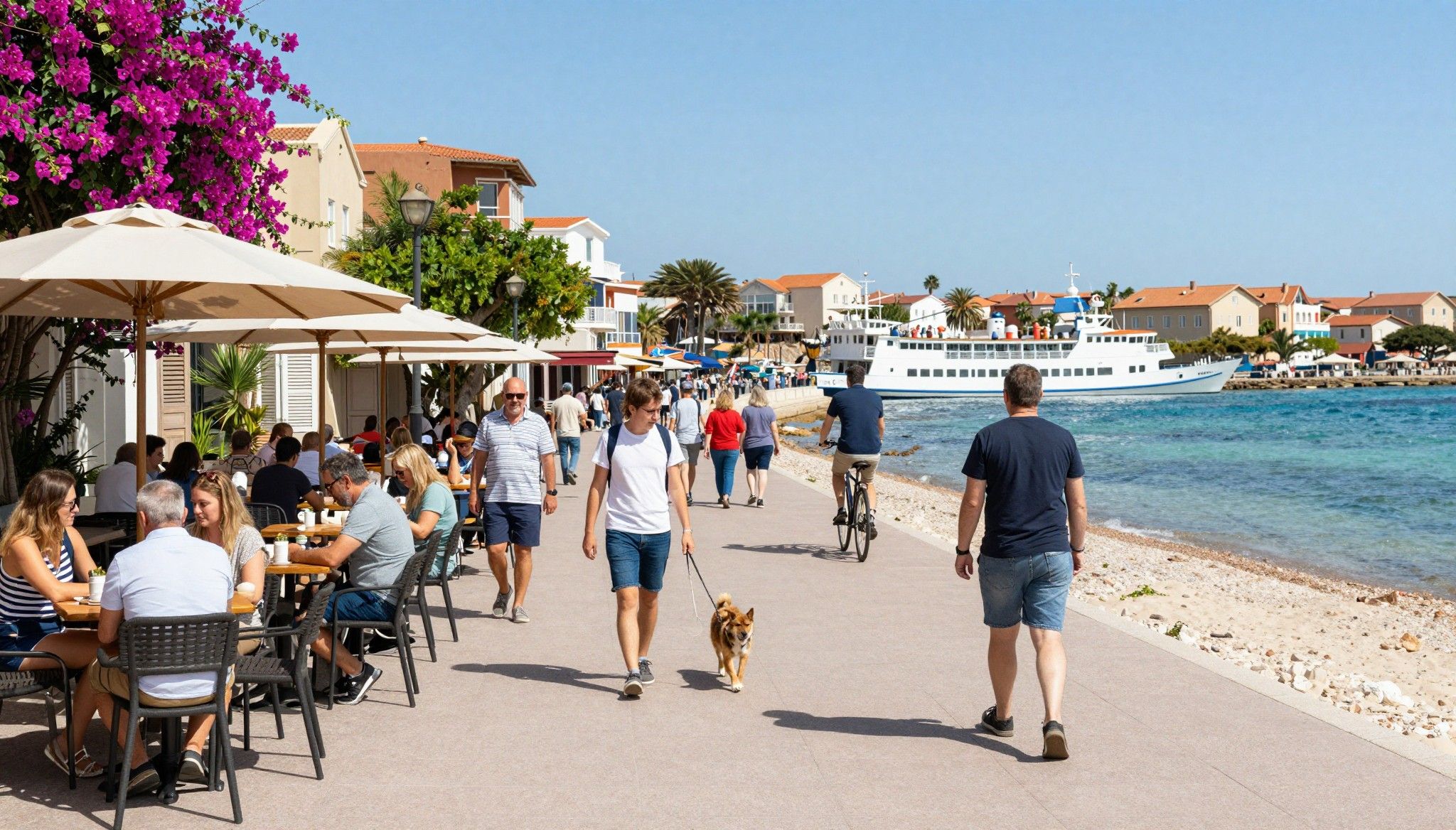
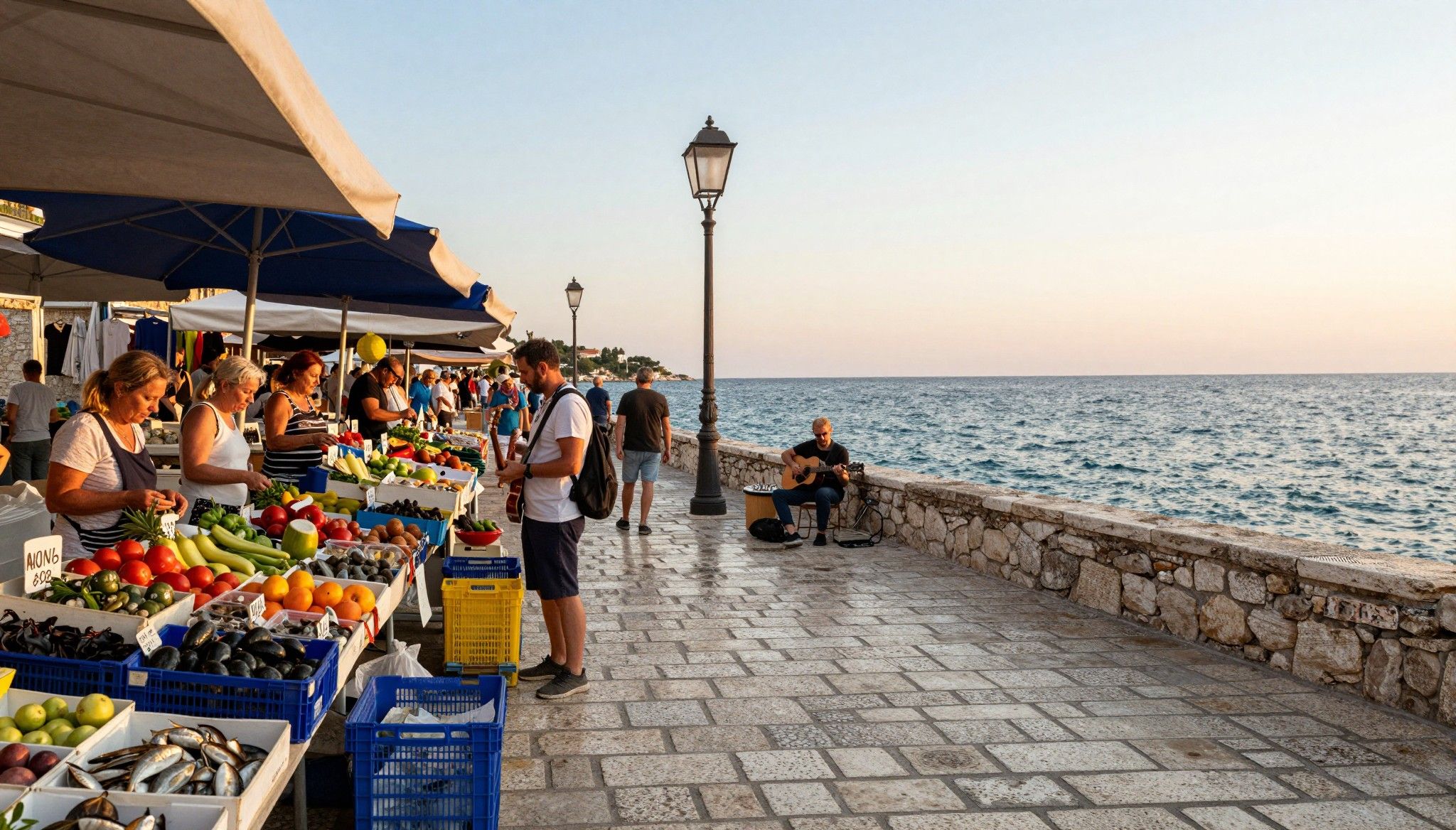
Living in Croatia moves at two paces at once: brisk urban mornings in Zagreb with tram rhythms and excellent bakeries, and a very different, slower coastal tempo where lunch can be two hours and nobody blinks. Weekends are for local markets — Dolac in Zagreb or Pula’s farmer stands — where you’ll learn names of cheeses and which fish is best that day. Picture a routine of espresso at 08:00, a stroll past a family-run konoba for lunch, and late afternoon swims off a pebble cove; that daily rhythm shapes what property works for you.
Spotlight: Dubrovnik’s Old Town vs. Lapad & Gruz
Dubrovnik’s Old Town is cinematic — honey-coloured stone, narrow stairways, and a year-round tourist footprint that keeps certain services excellent but also pushes prices and short-term-rental pressure. Walk five minutes to Lapad and the mood shifts: larger flats, green promenades, and a community that lives beyond the tourist day. For buyers drawn to the drama of an historic courtyard, be realistic about management, access, and the limits of renovation within protected zones.
Food, festivals and the year that defines place
Croatia’s calendar matters. Truffle season in Istria (autumn) turns sleepy hill towns into pilgrimage sites and briefly increases occupancy and local prices; summer festivals along the coast fill beds but empty neighbourhoods in winter. If food and events are central to your life — markets, konobas with family recipes, small music festivals — plan property in places with year-round communities rather than purely tourist-facing strips.
- Lifestyle highlights: real places and days to mark
- Dolac Market (Zagreb) — breakfast pastries, weekday bustle
- Balaban Terrace, Rovinj — sunrise walks and seafood konobas
- Hvar town harbour — summer nights, high-season rental visibility
- Šolta & Brač ferries — island weekend escapes (real quiet off-season)
Making the move: lifestyle-led practicalities
You can fall in love with a view in an hour, but the purchase process takes longer — and it is precise. Croatia separates romance from registry: the land cadastre and land register are decisive. Foreign buyers must check reciprocity rules, restrictions on agricultural or protected land, and whether the property’s legal parcel is clean. Use a lawyer who reads title deeds for what they don’t say and a notary experienced with foreign purchases; that paperwork keeps the lifestyle you imagine from becoming a legal headache.
Property styles and how you’ll actually live in them
Stone terraced houses bring character and high maintenance needs: expect damp checks, specialist masons, and permit-heavy renovations inside protected centres. Modern apartments on the coast often promise low-maintenance living but can sit inside developments where communal charges and rental rules erode returns. Match property type to seasonality and use: a small Old Town flat is brilliant for weekend escapades; a family villa outside Split is better for year-round life.
Local experts who deliver both charm and clarity
Good local agents act like translators of place and process. They’ll show you which streets have year-round neighbours versus tourist-only lettings, introduce you to notaries and architects, and flag micro-risks like private access paths or utility easements. Ask for examples of recent transactions (with permissions) and insist on written explanations of recurring charges, access rights, and any planning restrictions tied to heritage conservation areas.
- Steps that blend lifestyle and pragmatics
- Visit in a different season to test everyday life (not just high summer).
- Commission a local title search and a services-usage report (water, sewage, road maintenance).
- Get written estimates for renovation and a second opinion on rental forecasts if you plan to let.
- Clarify tax residency triggers and annual property-related costs with an adviser familiar with Croatian tax practice.
Insider knowledge: transparency, red flags and the data that matters
Official data show that Croatia’s house prices rose substantially in recent years, with the Croatian Bureau of Statistics publishing regular house price indices and the national trend showing sustained growth in key coastal cities. Public datasets are good, but they mask micro-variations between islands, historic centres, and inland towns. Smart buyers read national trends and then demand local comparables — actual sale prices on the same street over the last 12 months — not just asking prices.
Common transparency traps
Watch for: undeclared rental histories that inflate yield projections, unclear boundaries in cadastral maps, and properties sold subject to easements or legacy inheritance claims. The IMF and other reports note how improved transparency would help the market; meanwhile, buyer diligence fills the gap. Always ask sellers for evidence of recent utility bills, a history of rental occupancy, and copies of any municipal decisions affecting the plot.
- Practical red flags to watch for
- Discrepancies between land registry (zemljišna knjiga) and the cadastre (katastar).
- Missing or vague paperwork on shared access roads or water rights.
- Short-term rental numbers presented without formal permits or tax receipts.
Where the data helps — and where it doesn’t
Use national indices to identify momentum (are prices rising or slowing?) and municipal records to check permits and zoning. But indices won’t tell you whether a small pebble cove nearby becomes inaccessible due to private mooring rights. Pair big-picture statistics with footwork: municipal offices, neighbourhood agents, and a title search that records any liens or pending litigation.
Final notes from people who’ve moved here: expect a warm welcome if you put the time into community; expect delays if you treat the process like a quick transaction. Croatia rewards patience — the best terraces, the quietest coves, and the most affordable lanes often reveal themselves slowly. We’ll be blunt: fall in love with the life first, then hire local experts who force you to read the paperwork. That combination keeps the romance intact and the risk manageable.
If you want a short next step: visit at least twice (one off-season), ask your agent for three sold comparables on the street, and instruct a Croatian lawyer to run a title and encumbrance search before you pay more than a deposit. These are small costs that save heartbreak later — and they preserve the very life you moved here to live.
Danish investment specialist who relocated to Costa del Sol in 2015. Focuses on data-driven market timing and long-term value for Danish buyers.