Greece: Why the Mid‑Market & Quiet Islands Win
Fall for Greece’s light, not the postcard myth: mid‑market homes, island alternatives and legal shifts reshape opportunities for international buyers.
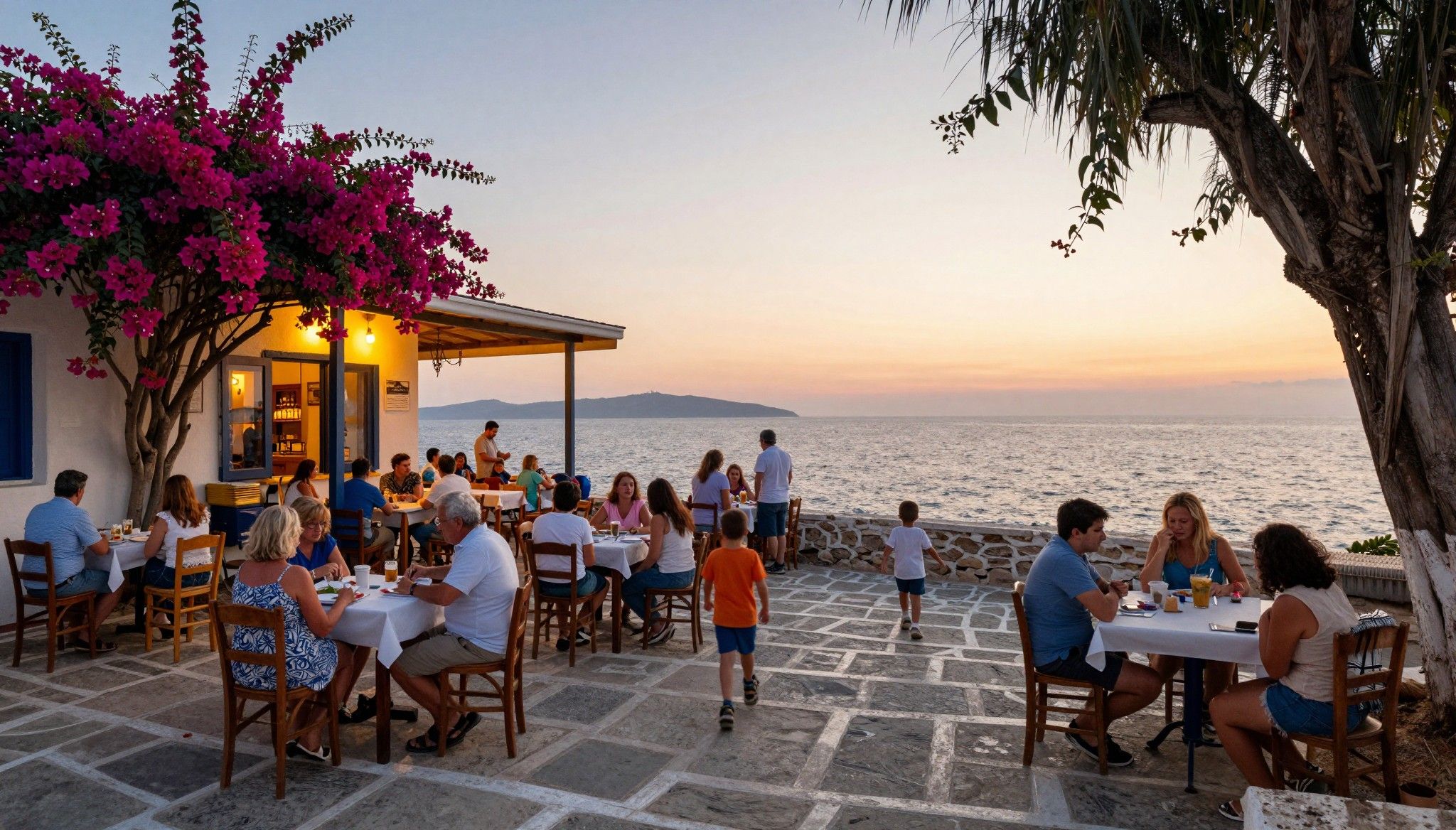
Imagine waking to strong light spilling across whitewashed shutters, the smell of espresso from the kafeneio two doors down and a fisherman’s haul at the market by noon — that’s Greece. But falling in love with the light is the easy part; turning that feeling into a home requires local savvy, timing and a clear sense of trade-offs. We’ll show you where the romance meets reality — which neighbourhoods truly support the life you want and which popular myths are worth questioning. (Sources include RE/MAX Greece market data and recent legal updates.)
Living the Greece lifestyle
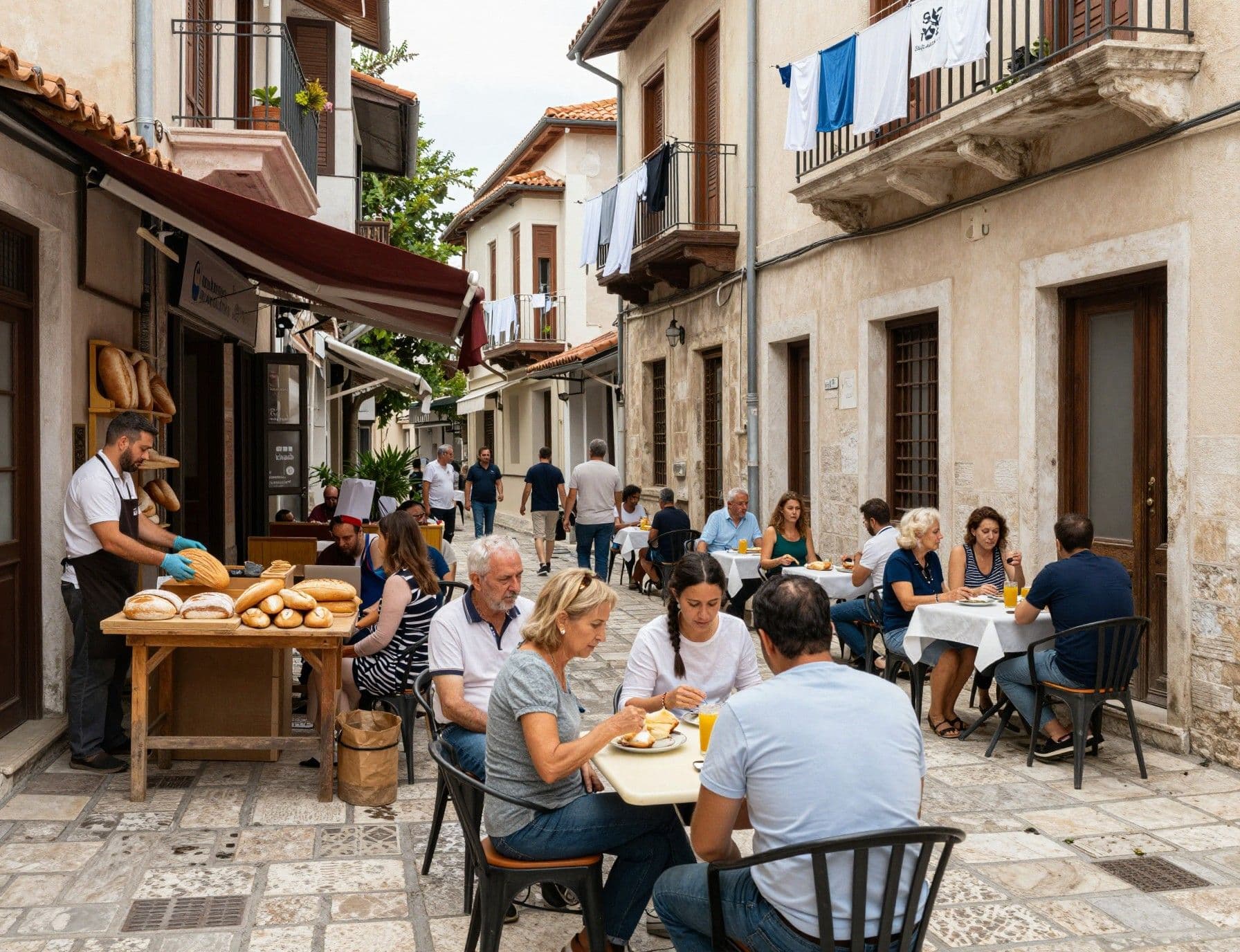
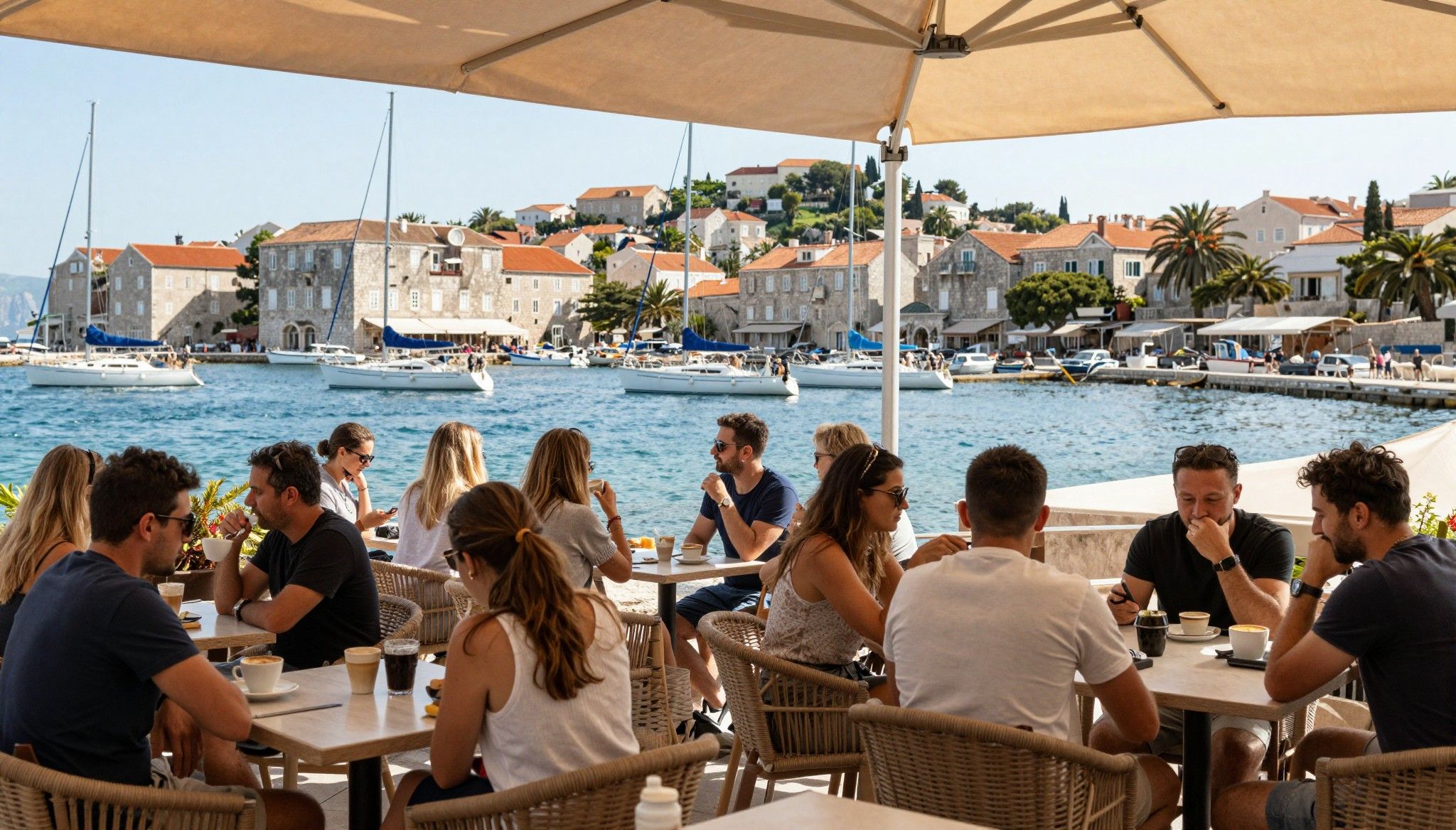
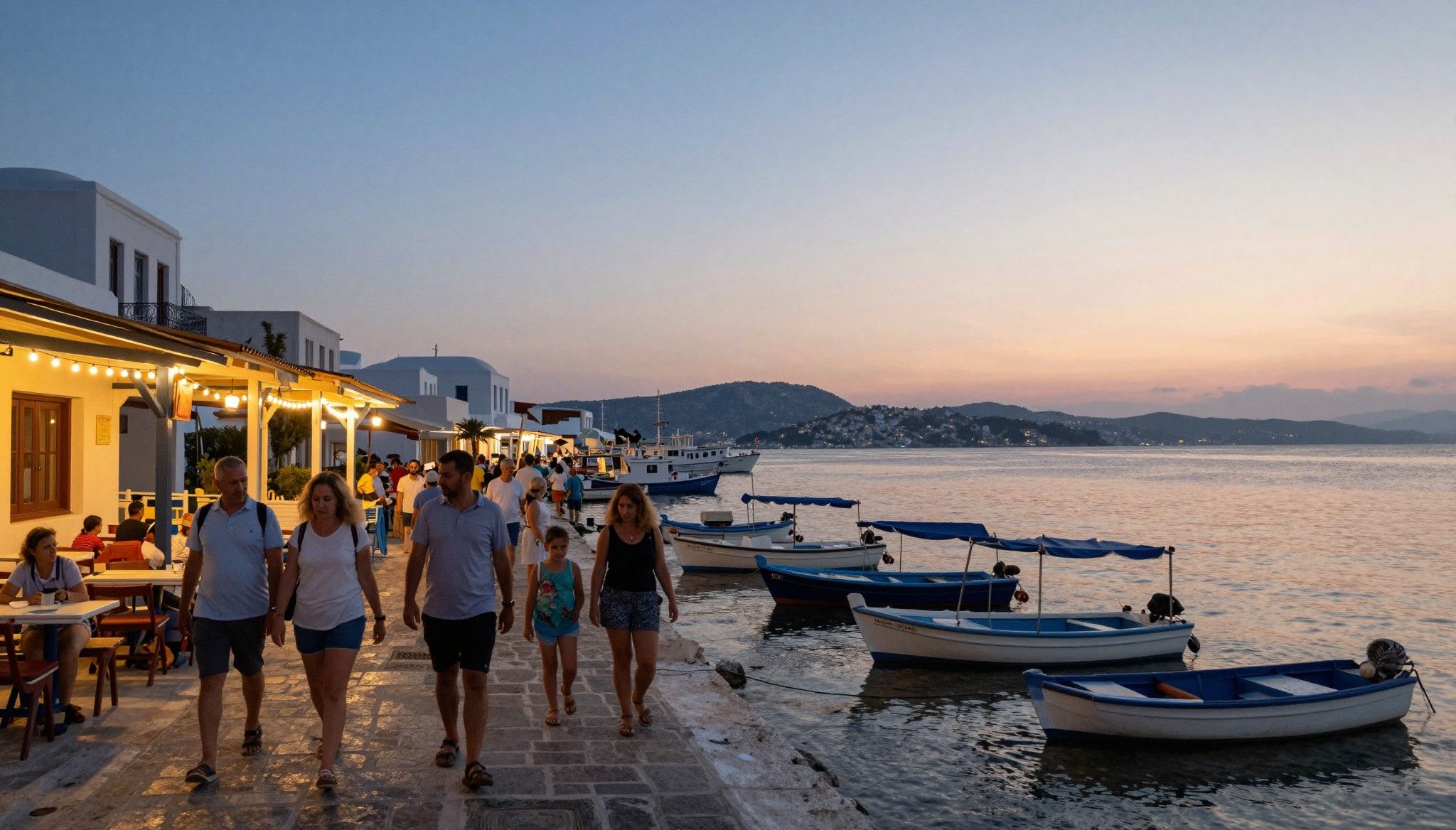
Greece moves at two pleasingly different speeds: slow, midday siesta rhythm in villages and intense, sociable mornings in cities. Weekends mean crowded markets, seaside tavernas in small harbours and late-night plates of grilled fish. The effect for property owners is simple: lifestyle value is high, but seasonality and tourism rhythms shape when and how neighbourhoods pulse — and therefore how properties perform as rentals or second homes.
Athens: history on every corner, coffee on every block
Picture morning runs up Filopappou, espresso in Plaka and late afternoons in Kolonaki galleries. Athens is compact enough that a short walk can move you from an archeological site to a neighbourhood bakery. For buyers who want urban life, streets like Kallidromiou and Makrygianni deliver a deep sense of place: masonry, narrow lanes and a neighbourhood of cafés where shopkeepers know your name.
Islands & coast: what the brochures don’t tell you
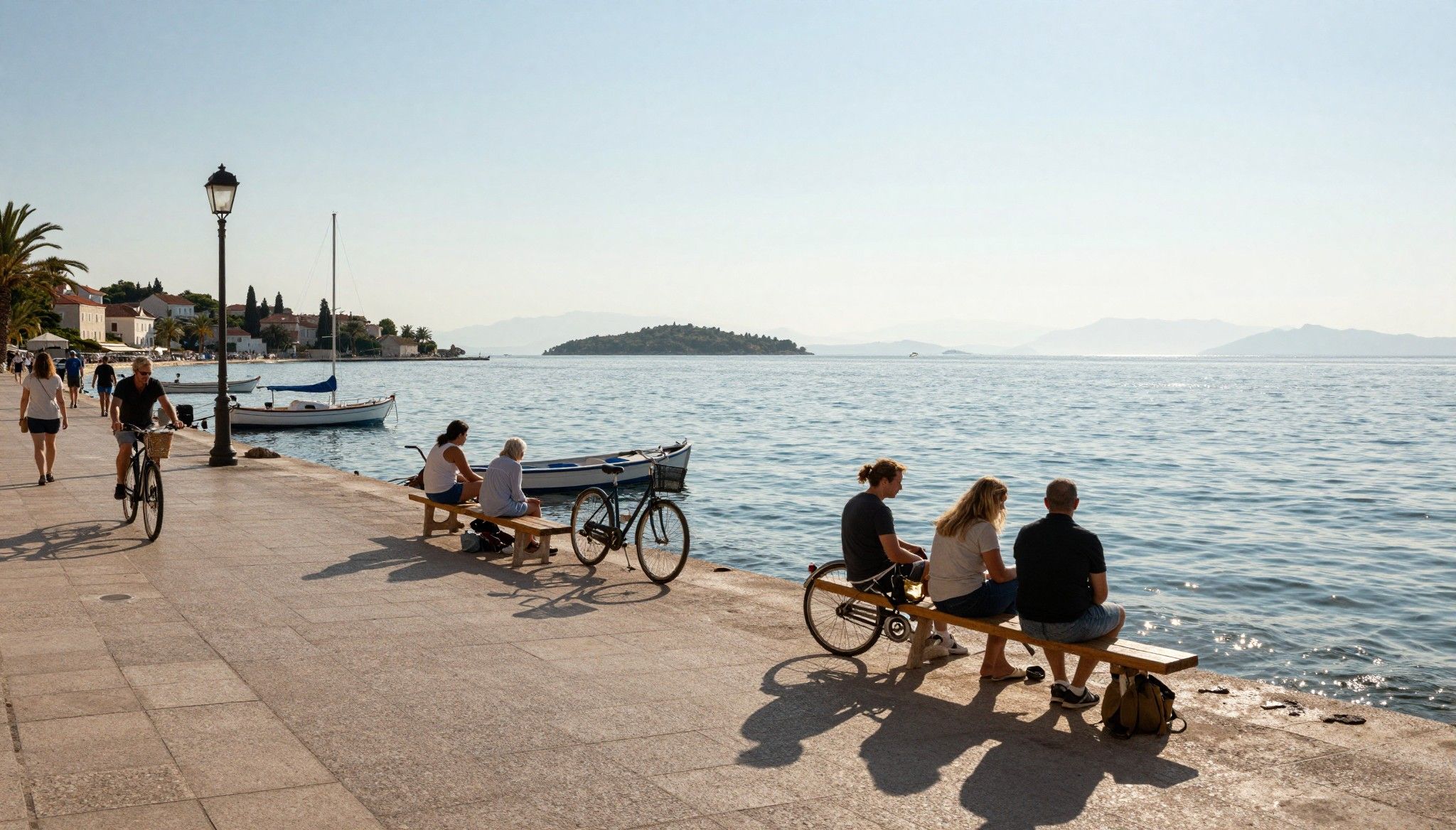
Yes, Santorini and Mykonos are cinematic — and expensive. But lesser-known islands such as Naxos, Andros and Kefalonia offer the same blue-and-white charm with quieter winters and lower entry prices. Expect village squares, small family tavernas and seasonal ferry timetables that define daily life. Off-season, island life is quieter and more local; buyers who prefer year-round rhythm will often choose larger islands or Aegean towns with steady services.
- Lifestyle highlights: 4 to try
- Morning espresso on Adrianou Street (Plaka), Athens — a daily ritual that anchors neighbourhood life.
- Sunset aperitivo on the Athenian Riviera (Glyfada seafront) — beach, boardwalk and cafés within walking distance of apartments.
- Sunday market in Chania, Crete — produce, raki and social gossip; perfect for buyers seeking a village rhythm.
Making the move: practical considerations
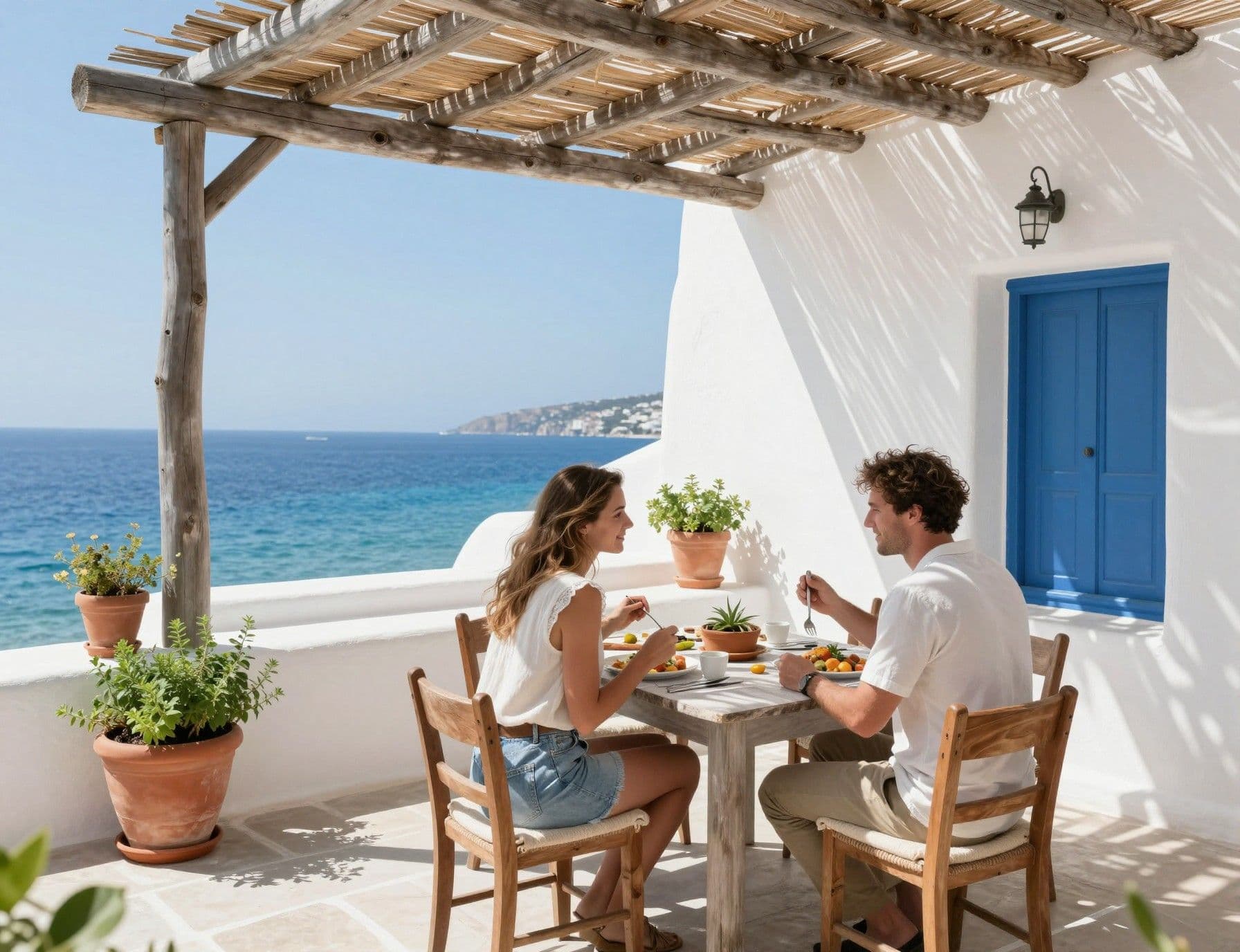
The practical picture: foreign demand in recent years has favoured mid-market homes (60–100 m²) and second‑home use rather than only luxury trophy buys. Transaction reports show many buyers decide within a few months — but a rushed purchase without local checks is how good stories go wrong. Match your lifestyle brief (urban apartment vs island retreat) to neighbourhood realities: services, ferry timetables, year-round community and resale demand.
Property types and how they feel in daily life
An Athenean 2‑bed with a terrace gives you cafés, transport and a lively street life. A Cycladic stone house brings privacy and dramatic views but often involves steeper maintenance and seasonal income. Modern villas on Crete or Kefalonia buy space and year‑round infrastructure — think mains water, larger shops and clinics — making them practical for longer stays or families.
Working with local experts: what to ask
- 1) Ask for on‑the‑ground comparables: actual sale prices, not asking prices, for the last 12 months in the street you like. 2) Check infrastructure: winter road access, mains water and waste services — crucial on islands. 3) Confirm permit status: historic properties often have restricted renovation rights. 4) Get a lawyer experienced with Greek title searches and the post‑2024 Golden Visa rules.
Insider knowledge: what expats wish they'd known
We hear the same stories: buyers fall for a view, buy quickly, then learn the ferries stop for months or that the ‘coastal road’ is a dirt track. The sharper lesson: match your dream scene to the practical rhythm. If you want consistent rental income, choose towns with year‑round services and transport links. If you want solitude and don’t care about rental income, the quieter islands reward patience.
Cultural integration: how to become local
Learn a few phrases, shop at the same bakery, show up for the Sunday market. That’s how you get invited to the table. Many expats find community in local cafés, volunteer groups, or English‑speaking clubs in larger towns. Language opens doors — but being consistent and polite opens them faster.
Long‑term: what holds value in Greece
Properties near reliable transport, local services and established neighbourhoods tend to hold value better than isolated sea‑view plots. Energy efficiency and legal clarity on titles also increase resale appeal. In short: convenience, legal clarity and authenticity beat postcard views when you think long term.
- Red flags to watch for
- Unregistered land or incomplete title deeds; unclear planning permissions; unrealistic rental forecasts in low‑season islands; properties marketed as ‘nearby beach’ with no direct access or long walking distances.
- 1) Visit in the off‑season to test services and transport. 2) Commission a local surveyor and lawyer before signing. 3) Budget for unexpected works — many island properties need plumbing or insulation upgrades. 4) Insist on a clear energy certificate and utility connections.
Conclusion: Greece is a place of vivid daily pleasures and sensible trade‑offs. Fall for the life — morning markets, slow lunches, that horizontal light — but pair it with local expertise. Start by shortlisting three neighbourhoods that match how you want to live, visit outside high season, and bring a lawyer who knows post‑2024 title checks. We’ll be honest about what sells well and what makes life in Greece sing — then we’ll help you find the street where it actually happens.
Dutch relocation advisor who moved to Marbella in 2016. Guides Dutch buyers through visa paths, relocation logistics, and balance of lifestyle with value.