Greece: Fall for Life, Then Check the File
Greece offers Aegean light, local markets and diverse neighbourhood rhythms—match lifestyle choices to property type, factor regional price gaps and new Golden Visa rules.
Imagine waking to a breakfast of strong Greek coffee on a terrace that looks across olive groves and a fragment of the Aegean. The light is particular here — chalky yet warm — and the day unfolds around markets, tavernas and siestas. For many internationals, Greece is both a slow-motion coastal romance and an urban renaissance: Athens’s neighbourhood cafés hum, island tavernas close for midday, and small coastal towns offer an intimacy you don’t find in busier European shores. But the property story is not all postcard scenes; prices, residency rules and local quirks shape where you actually buy and how you live.
Living the Greek lifestyle
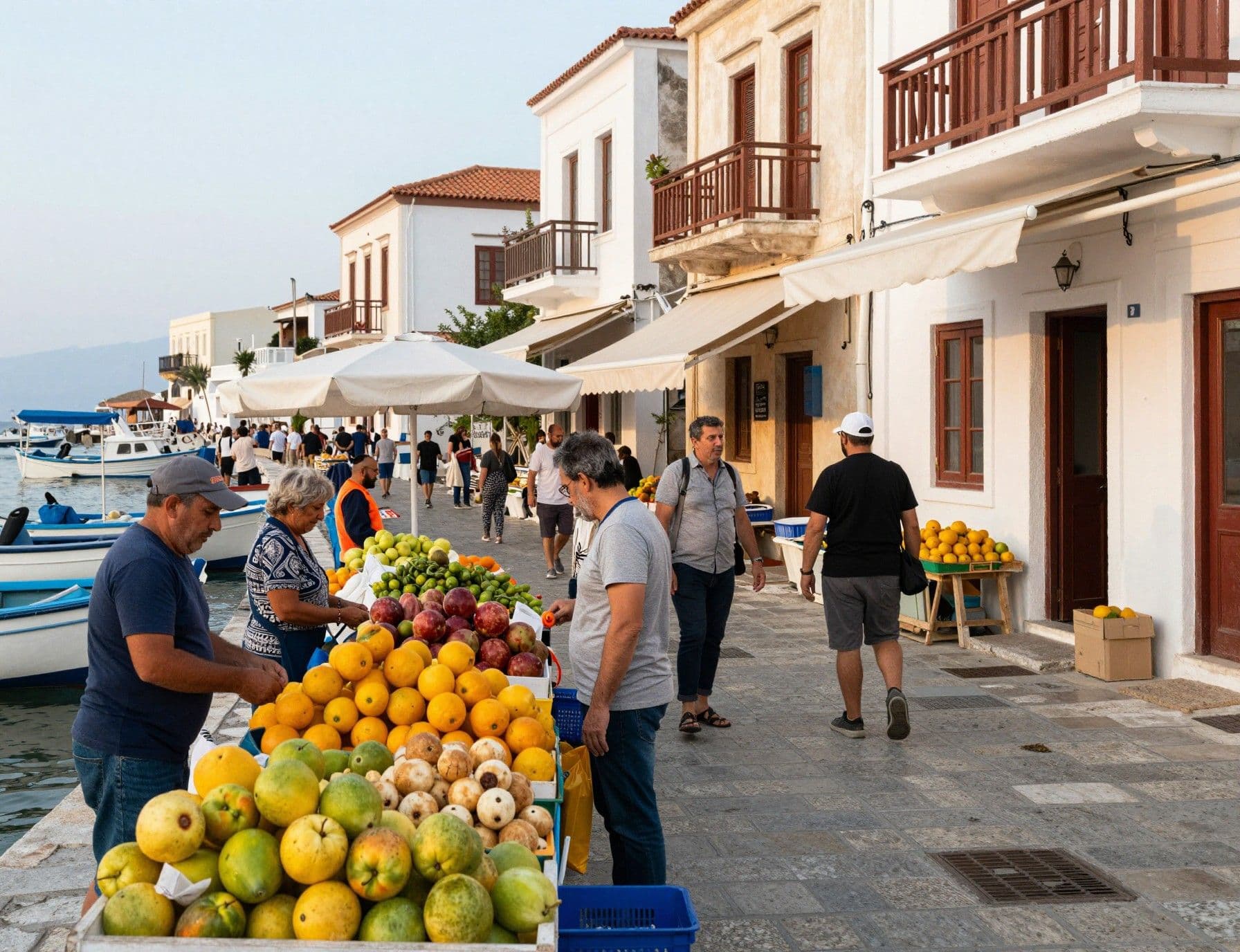
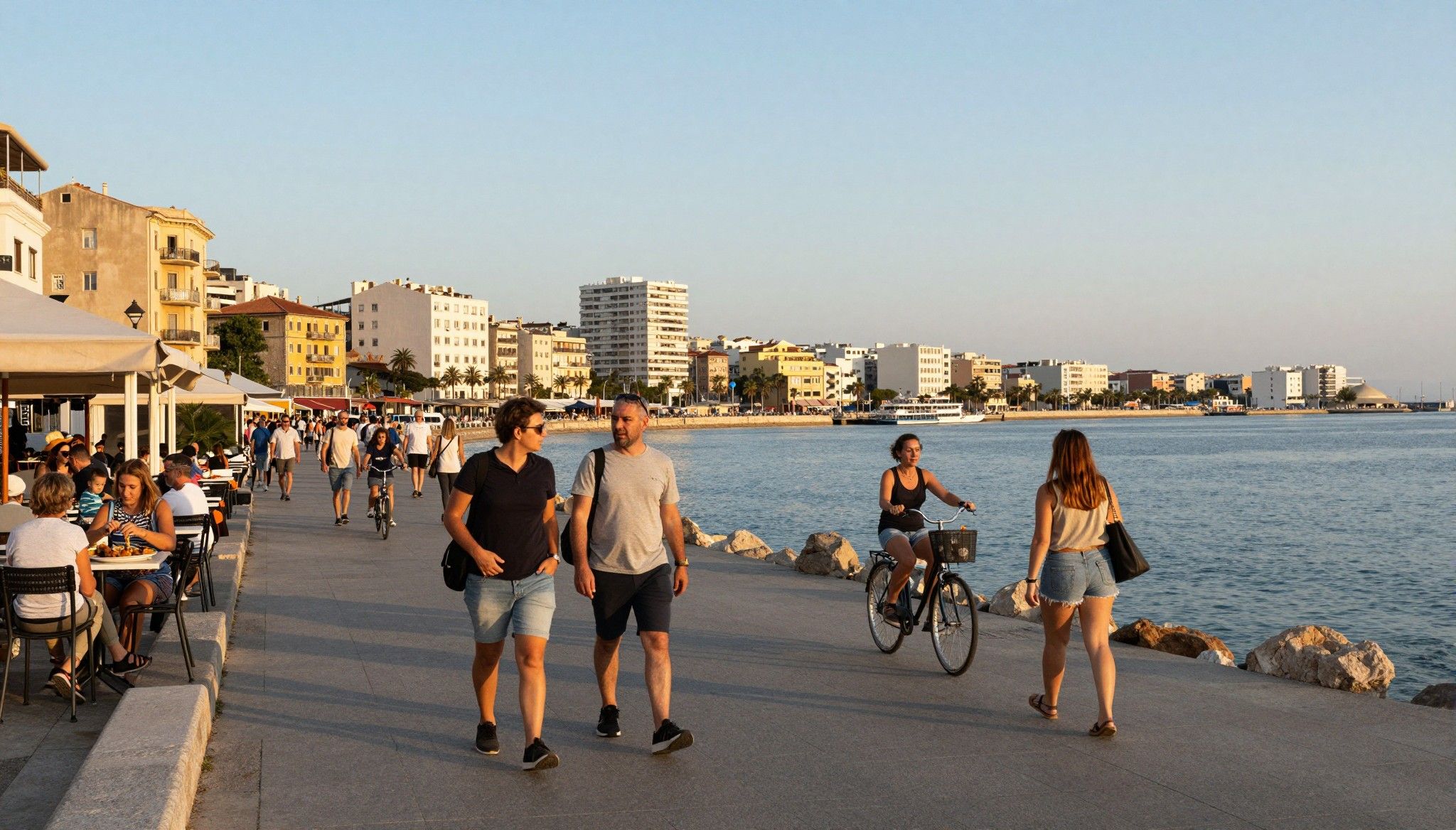
Living in Greece is sensory. Morning markets smell of citrus and sea salt, afternoons are made for slow lunches and reading, and evenings unfurl along waterfront promenades under sodium lamps. Neighbourhoods vary radically: the narrow, sun-baked lanes of Hydra; the coffee-lined streets of Exarchia and Koukaki in Athens; the chic promenades of Glyfada; and the quieter coves of the Peloponnese. Your daily rhythm depends on place — island life or city pulse — and that choice should guide your property priorities.
Athens neighbourhoods that feel like small towns
Walk Koukaki at dawn and you’ll find bakers lining up before commuters; at night, artsy tavernas fill with locals. Pangrati and Nea Smyrni offer municipal parks and a reassuring community feel, while Plaka and Anafiotika deliver the tourist‑atmosphere tradeoff: beautiful, but louder and busier. If you want local life without island logistics, look for apartments on Pl. Amerikis or near the old Metaxourgeio market — streets where neighbours still recognise each other.
Islands vs. mainland coasts: contrasting days
Islands bring a seasonal sweep: summer crowds, serene winters, and costs that change with the calendar. Coastal mainland towns — Halkidiki, Peloponnese coves, or coastal Crete — offer longer open seasons and easier logistics for services and renovations. The market notes (and local agents) remind buyers: established islands like Santorini and Mykonos command premium prices and tourist-driven volatility, while coastal towns often give steadier year‑round life and better service access.
- Lifestyle highlights to look for in Greece
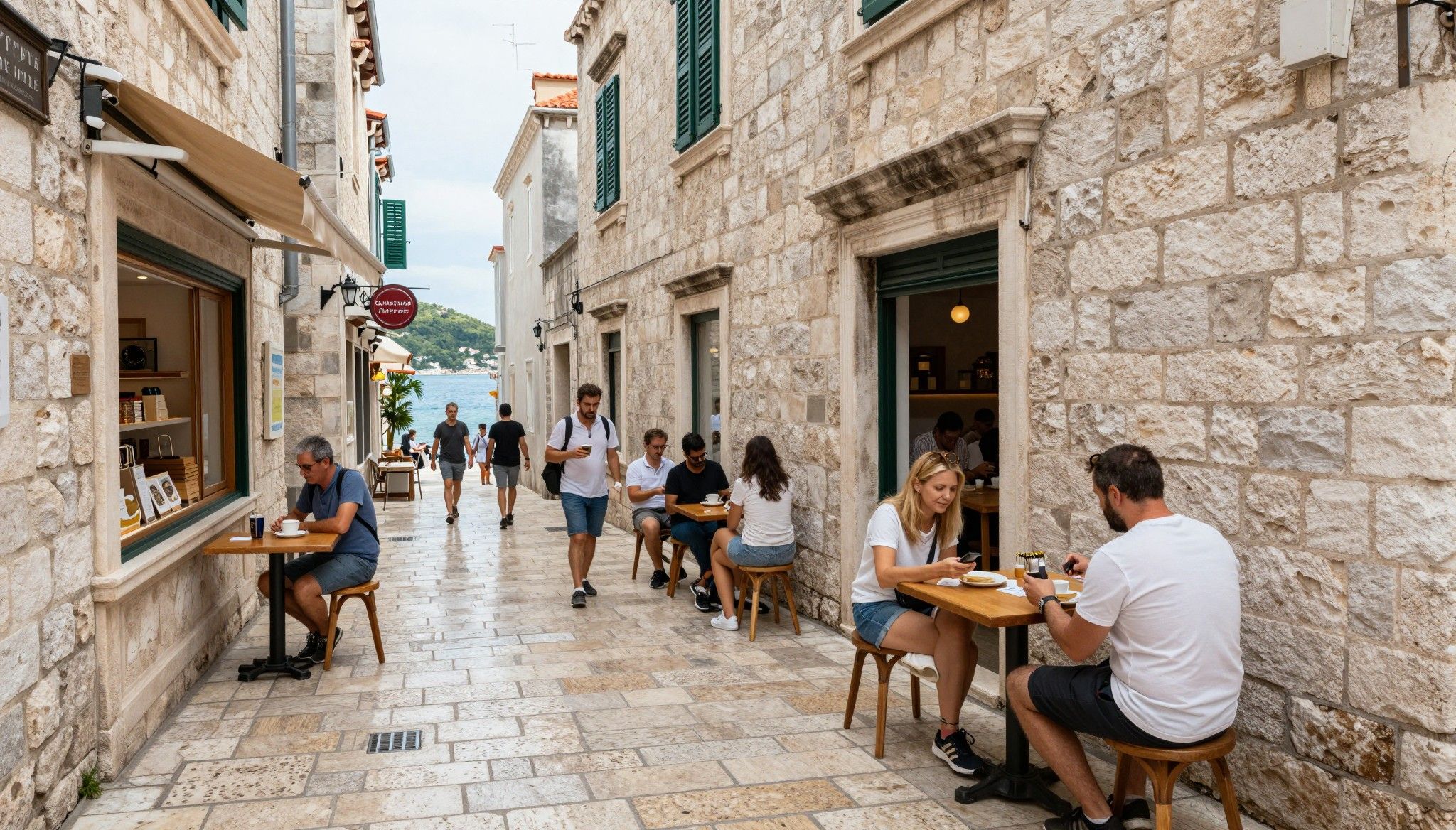
- Morning coffee on a shaded square — Koukaki, Exarcheia, or Nafplio’s Syntagma Square
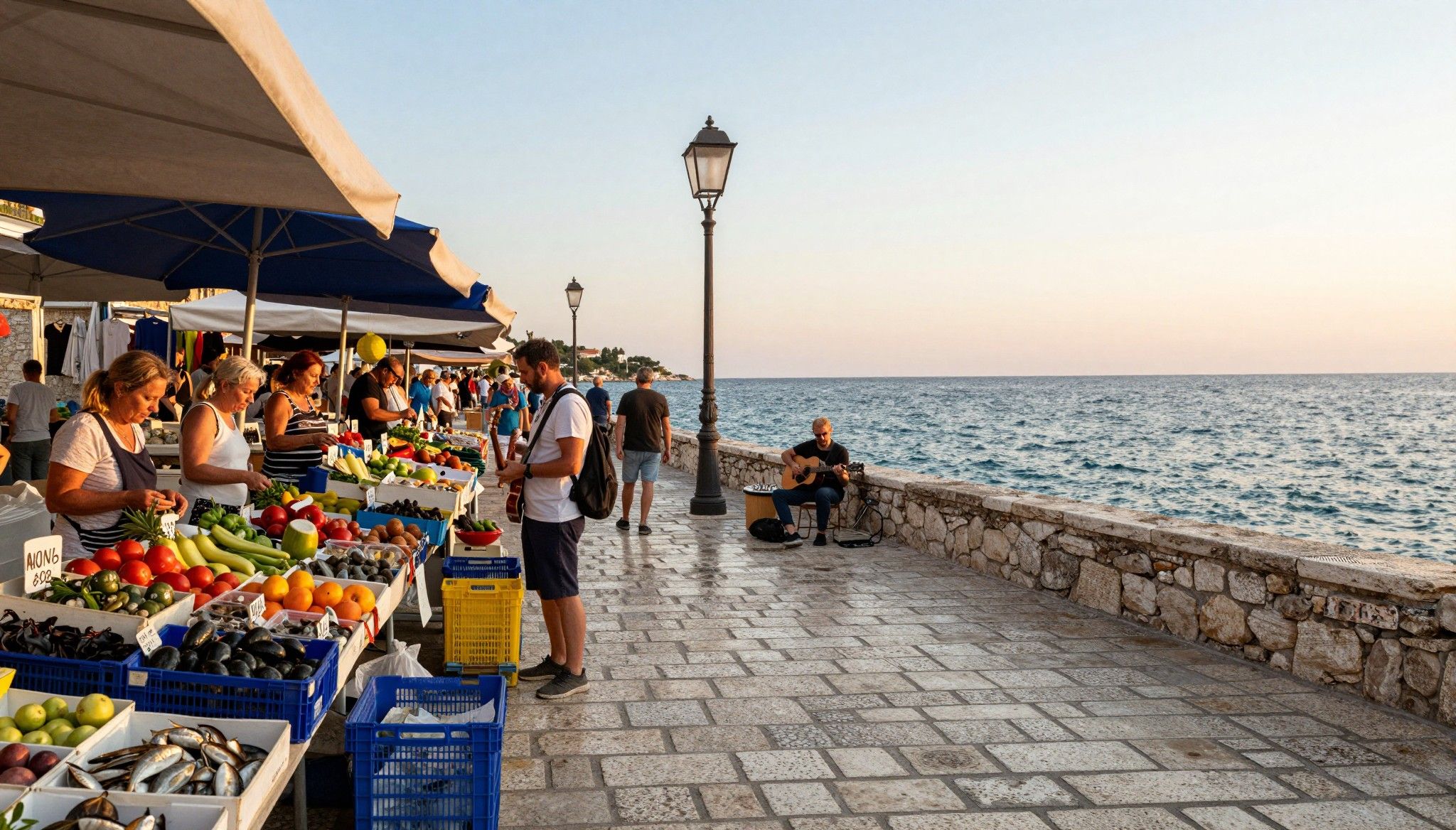
- Weekly municipal markets for fish and produce — Piraeus, Chania, and Kalamata markets
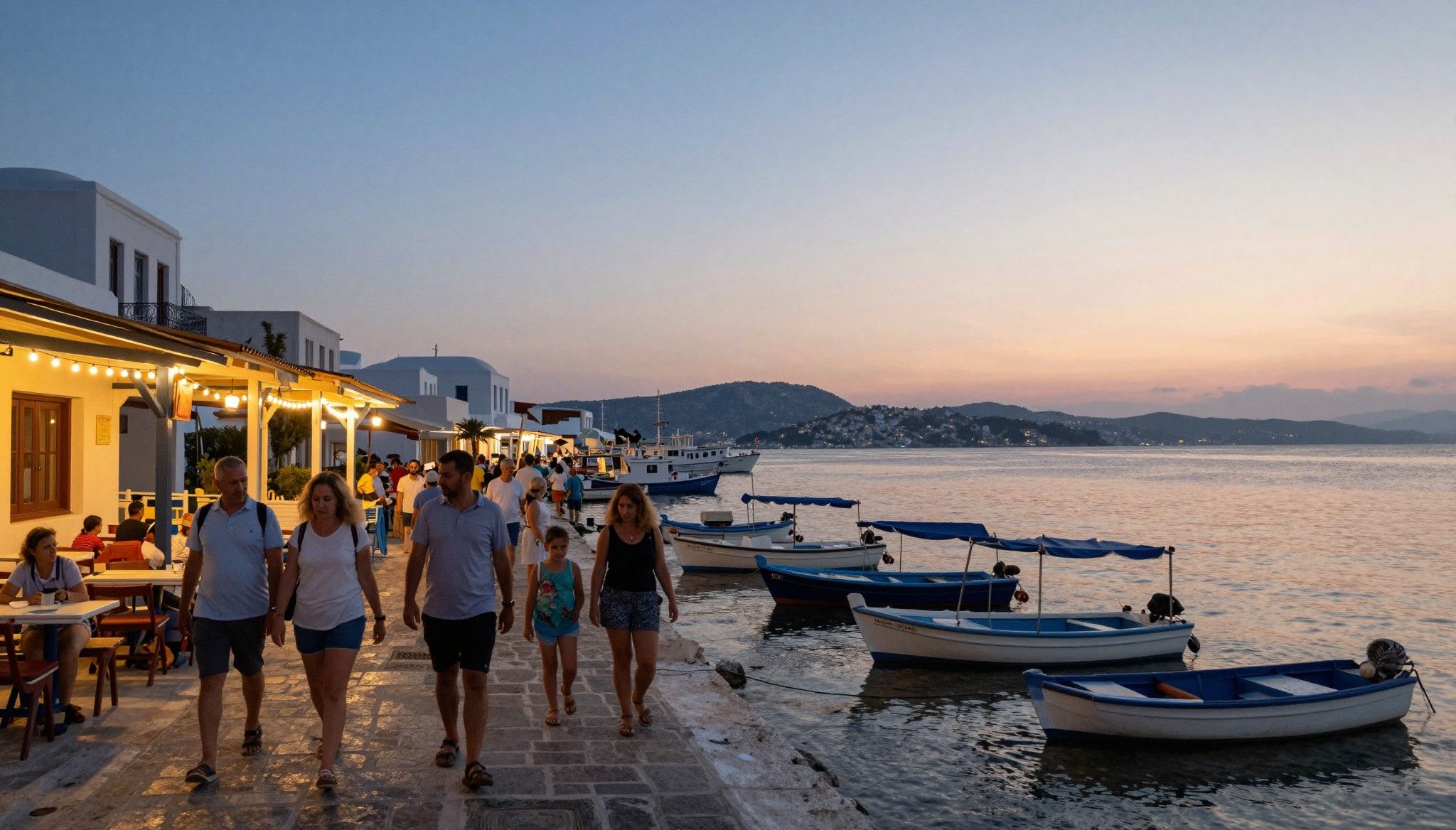
- Sunset promenades and small‑boat harbours — Hydra port, Nafplio’s Bouboulina quay
Making the move: practical considerations
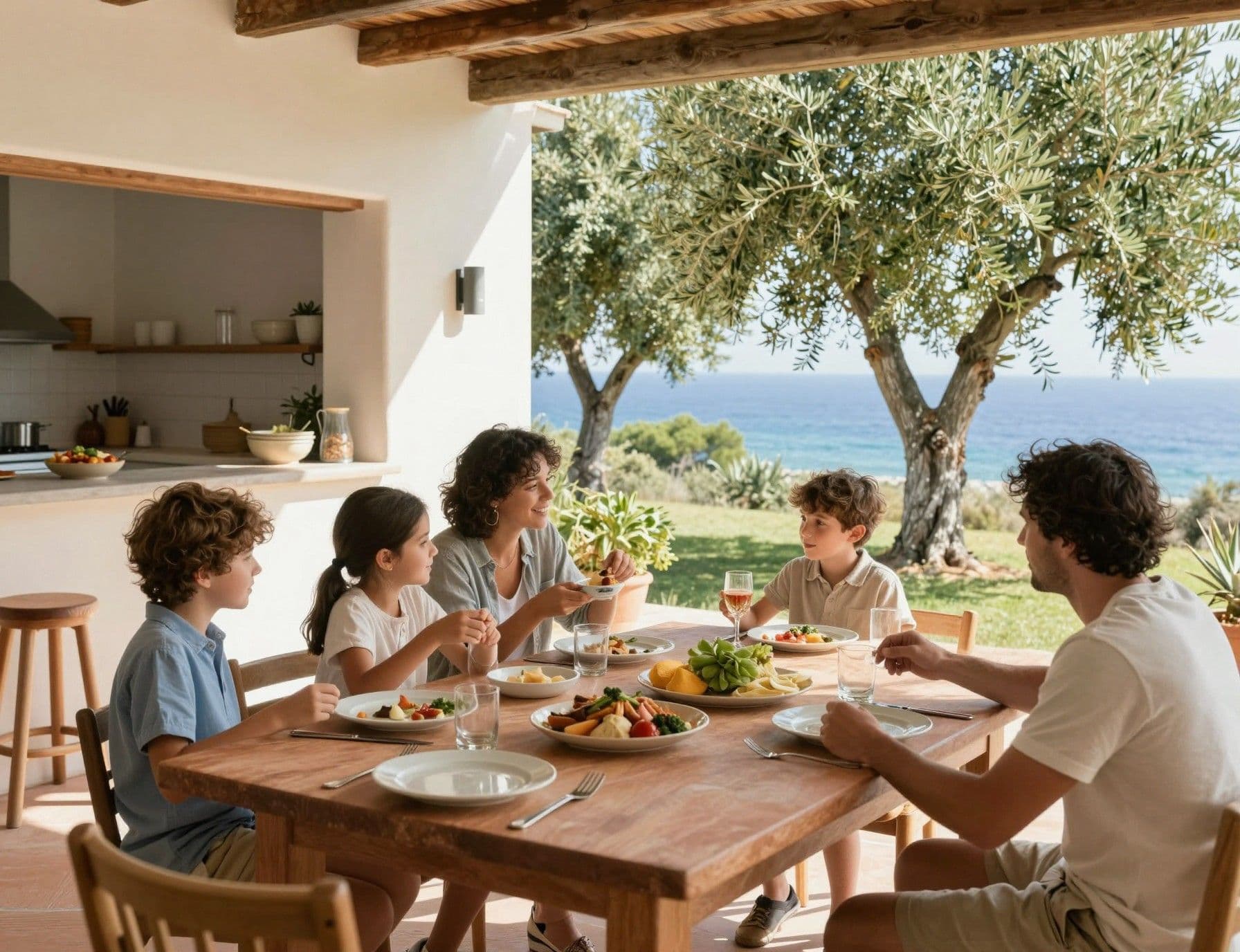
Your lifestyle choice should translate into practical property decisions: proximity to year‑round services, insulation for winter winds, and access to reliable renovation contractors. National data shows residential prices rose in recent years with regional differences — Athens and popular island areas saw larger increases than inland regions — which affects both purchase price and resale liquidity. Use regional indices when comparing offers, not national averages.
Property types and how they shape daily life
A restored neo‑classic in central Athens gives you walkable streets and cafés below. A modern villa on Crete gives open plan living and olive groves but requires a car and maintenance. Apartment living on Syros or Paros suits rental demand and lower upkeep, while a seaside stone house in Mani offers privacy but often older plumbing and heating quirks. Match the property’s operational demands to how hands‑on you want to be.
Working with local experts who know the life you want
Agencies that live where you want to live make a difference. A good agent will introduce you to local cafés, contractors and municipal officers — and flag residency rules that matter for lifestyle, like the 2024‑2025 Golden Visa thresholds that raised minimum investment levels in high‑demand zones. Ask agencies for recent local sales dossiers, contractor contacts, and examples of properties they’ve managed post‑purchase.
- Steps to align lifestyle goals with property choices
- Visit in the shoulder seasons (April–May or September–October) to test daily life without peak crowds
- Request three recent comparable sales from your local agent to verify pricing and seasonality effects
- Confirm utilities, road access and renovation permissions with a local lawyer before offer
Insider knowledge: what expats wish they’d known
Expats often romanticise island summers and forget winter logistics. Heating, local medical access, and off‑season transport frequency matter more than you think. Long‑term residents say: learn a handful of phrases, attend a community festival the first year, and build relationships with two contractors — one for emergency plumbing, one for renovation projects. Those small connections preserve the lifestyle you fell in love with.
Cultural integration and everyday customs
Greece operates on personal ties: greetings in shops, small talk with the building porter, and attending local feasts (panigiri) opens doors. Learning to time errands around siesta and understanding recycling rules in each municipality will save frustration. Many expats join English‑speaking cultural groups or volunteer at local markets to accelerate belonging.
Long‑term lifestyle reality and resale considerations
- Factors that influence long‑term value
- Local service access (year‑round health centre, ferry schedules)
- Planning permissions and conservation zones that limit extensions
- Tourism pressure in summer — helpful for rentals, tricky for neighbours
If resale is in your plan, prefer properties near transport hubs or established towns rather than the most remote coves. Data shows capital value rises concentrated in Athens and selected islands; less touristy coastal towns often present steadier returns and a calmer daily life.
Conclusion: love first, verify second. Fall for a terrace, a beach path, a neighbourhood café — then build a file: recent sales, a local lawyer’s note on title, and a contractor’s maintenance estimate. Work with agents who know the rhythms you want and can show you the off‑season truth as well as the postcard. When the life matches the logistics, Greece stops being a holiday and becomes a home.
Danish investment specialist who relocated to Costa del Sol in 2015. Focuses on data-driven market timing and long-term value for Danish buyers.