Croatia: The Lifestyle Rules That Change What You Can Buy
Croatia sells a Mediterranean life — but EU rules, reciprocity for non‑EU buyers and VAT vs transfer tax shape what you can actually buy and at what cost.
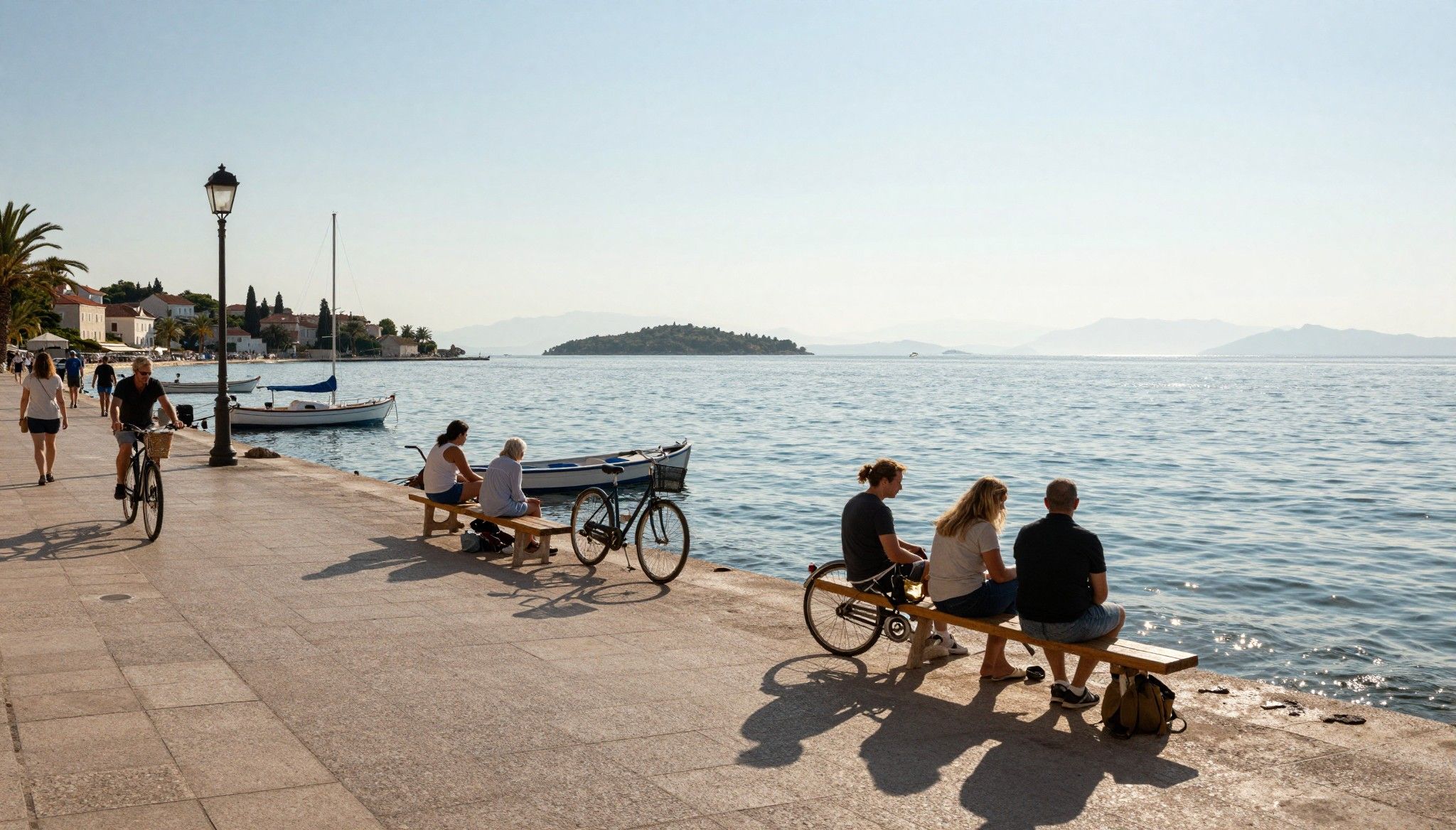
Imagine waking to espresso at a café on Split’s Obala, or cycling along a stone-lined road to a weekend market in Istria — and realising the house you’re eyeing matters as much for local rhythm as for square metres. Croatia sells a way of life: small, distinct towns, Adriatic light, seafood markets that close at 1pm. But the legal map here is not the same as the lifestyle postcard. Before you fall in love, know the rules that shape what you can actually buy, how much tax you’ll pay, and which permits could slow — or scuttle — the dream.
Living the Croatia life
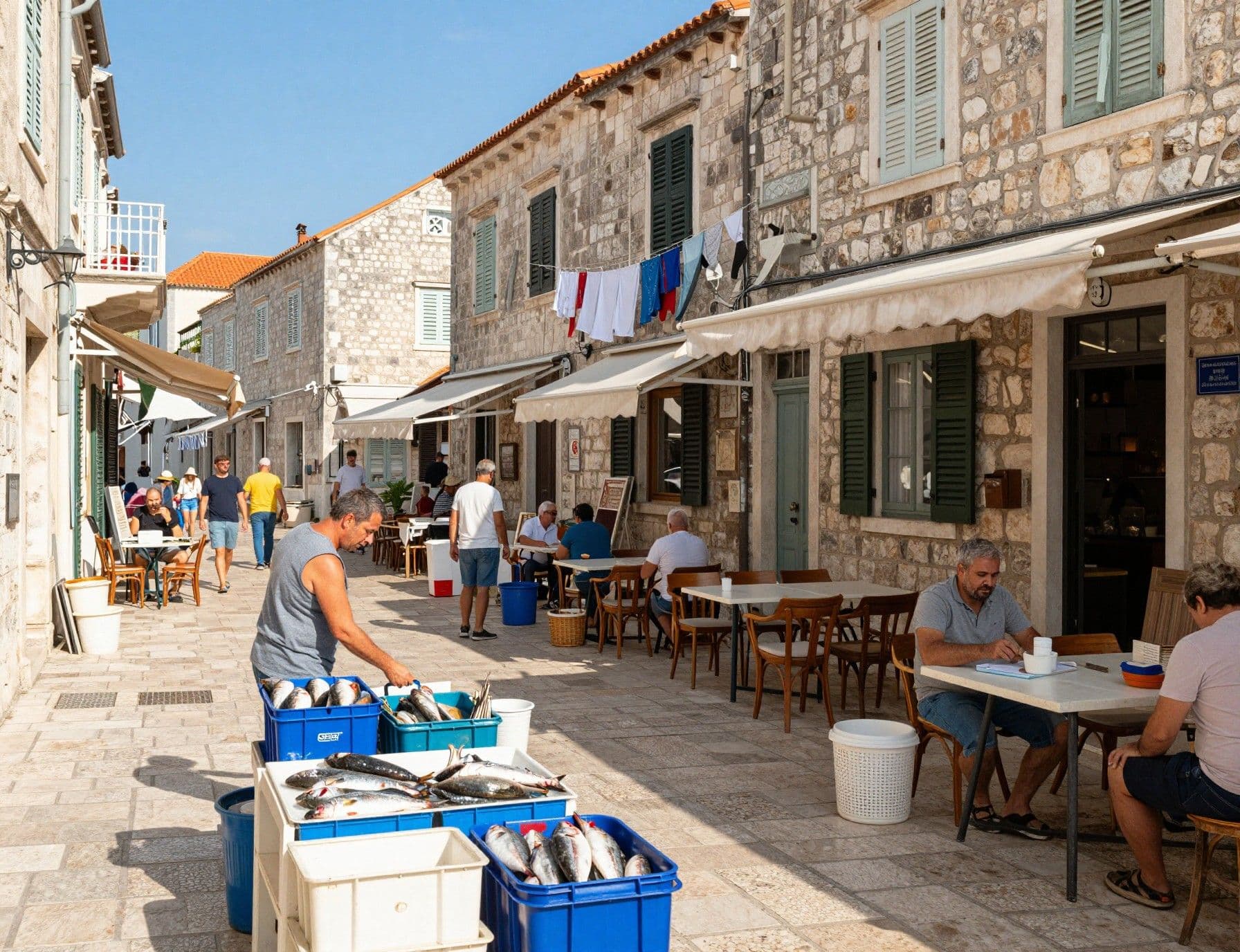
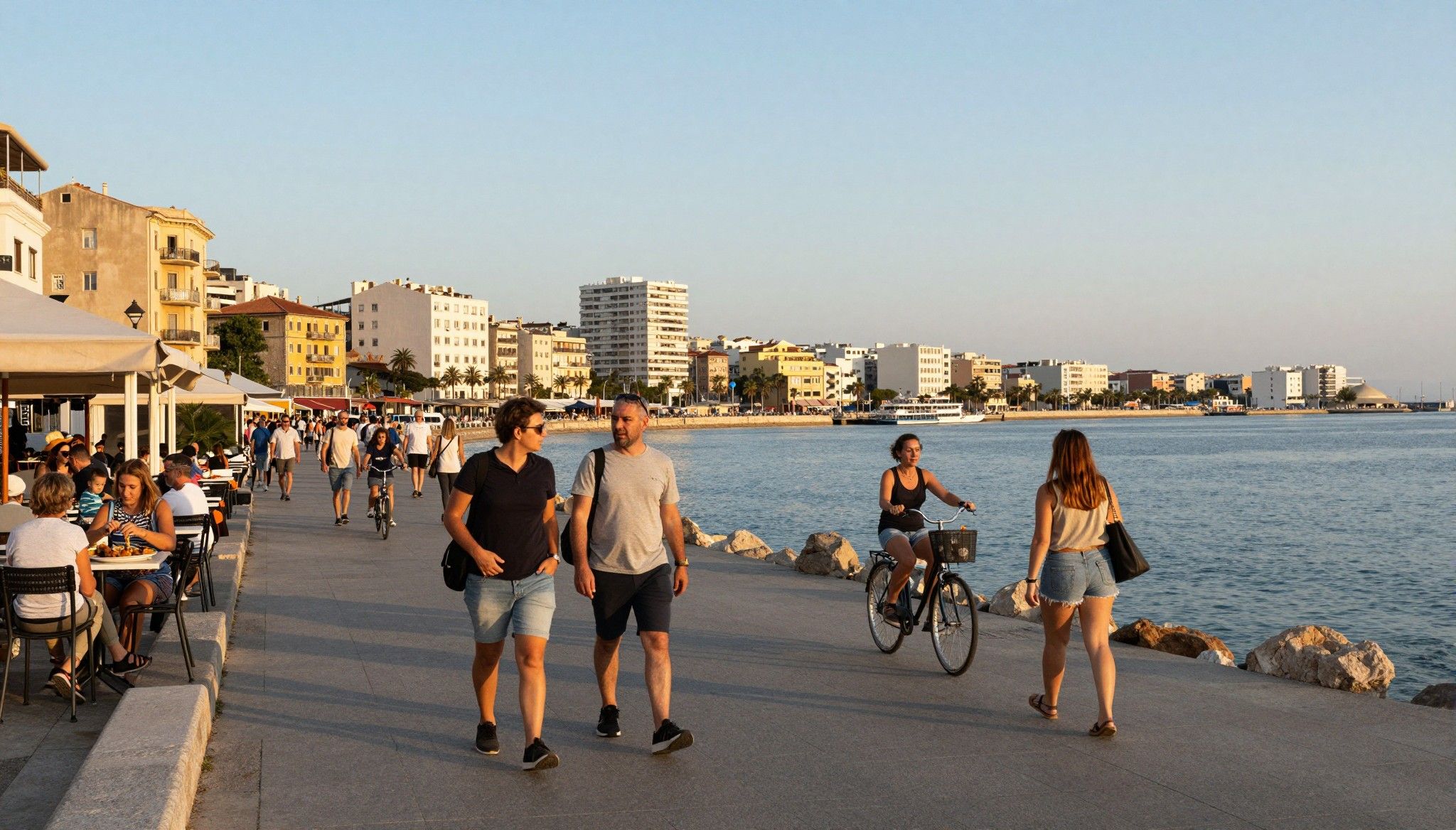
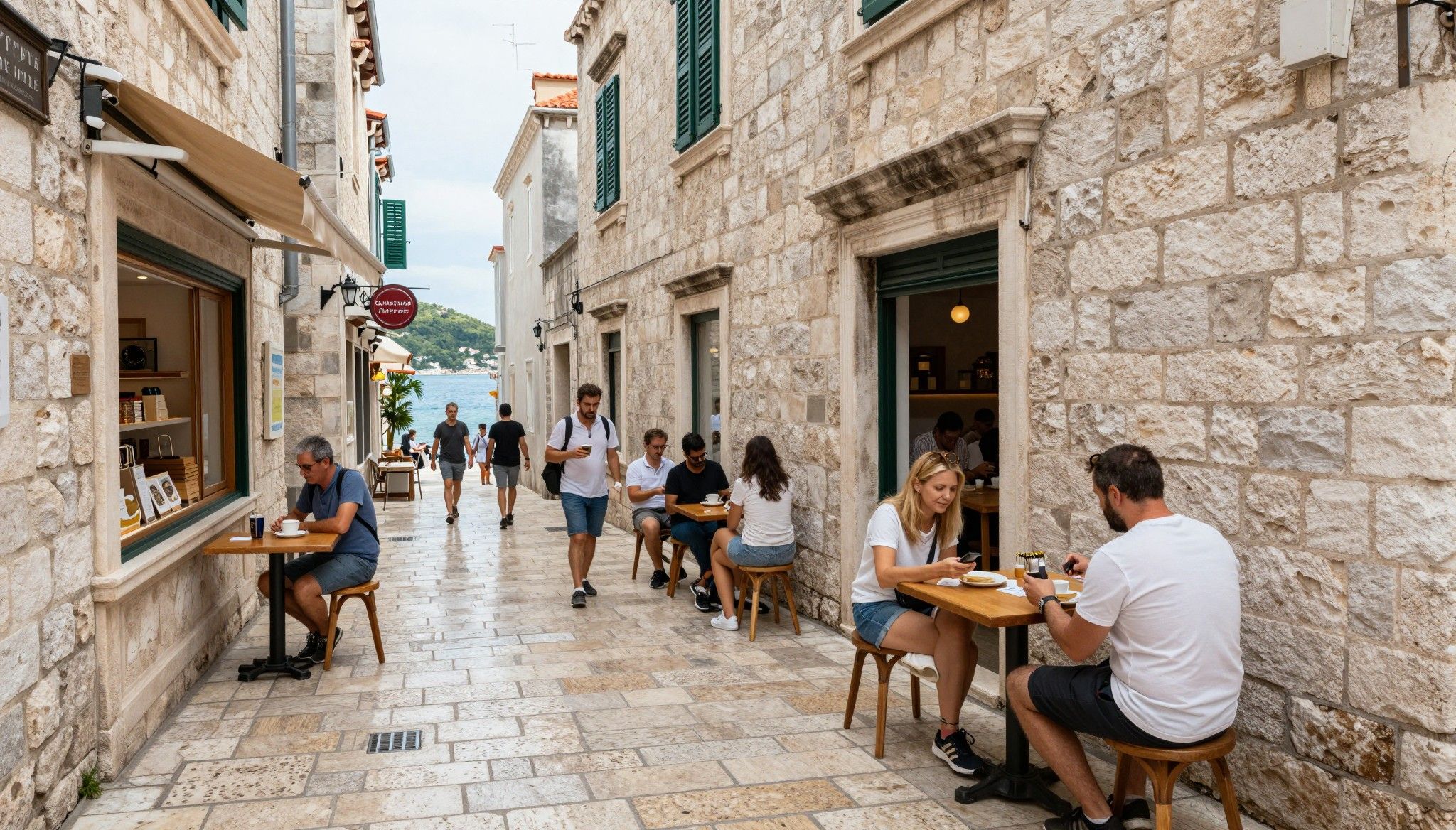
Day-to-day life in Croatia feels coastal and compact. In Dubrovnik’s Old Town mornings are quiet until the cafés open and the fisherman bring in the catch; in Rijeka you’ll find an industrious energy and weekend markets still framed by Austro-Hungarian façades. The country moves at a Mediterranean pace: long lunches, early market runs, and neighbourhood relationships that matter for everything from renovations to getting reliable tradespeople. If you plan to live here, pick a place that matches how you want to spend Saturdays — not just one that looks pretty on a holiday.
Coastal towns vs. inland life
The Adriatic coast — Split, Zadar, Šibenik, Dubrovnik and the islands — delivers sea-access rhythms: seasonal tourism, ferries, and a rental market that spikes in summer. Inland places such as Varaždin or Slavonia offer quieter daily life, lower property prices, and stronger integration with local communities year-round. Think about what seasonality means for you: if you want constant life and cafés open all year, avoid tiny island villages unless you’re ready for slower winters.
Food, markets and the social calendar
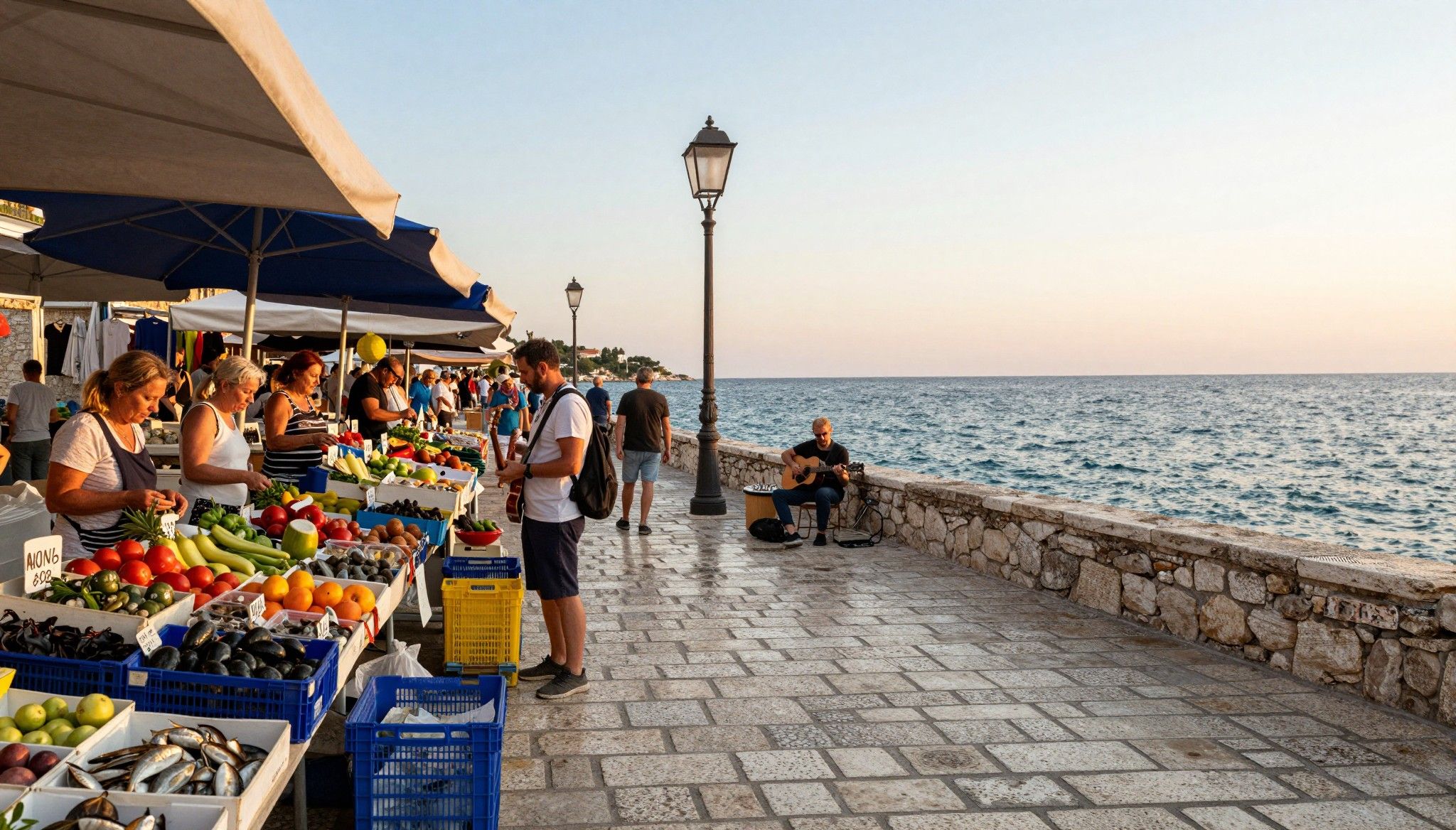
Markets are the social backbone — Pazar in Split, Dolac in Zagreb, and the fish markets along the Dalmatian coast set the daily rhythm. Weekends mean small konobas (family taverns) and seasonal festivals: truffle fairs in Istria, summer music festivals along the coast, and olive harvest events in autumn. These are not tourist spectacles alone — they’re how locals meet, trade and build neighbourhood trust. When choosing a property, ask if you can see a nearby market day and meet neighbours; it tells you more than photos ever will.
- Morning market coffee in Split (Obala area)
- Seafood stalls at Zadar Fish Market
- Istrian truffle fairs (Buzet, Motovun)
Making the move: practical considerations
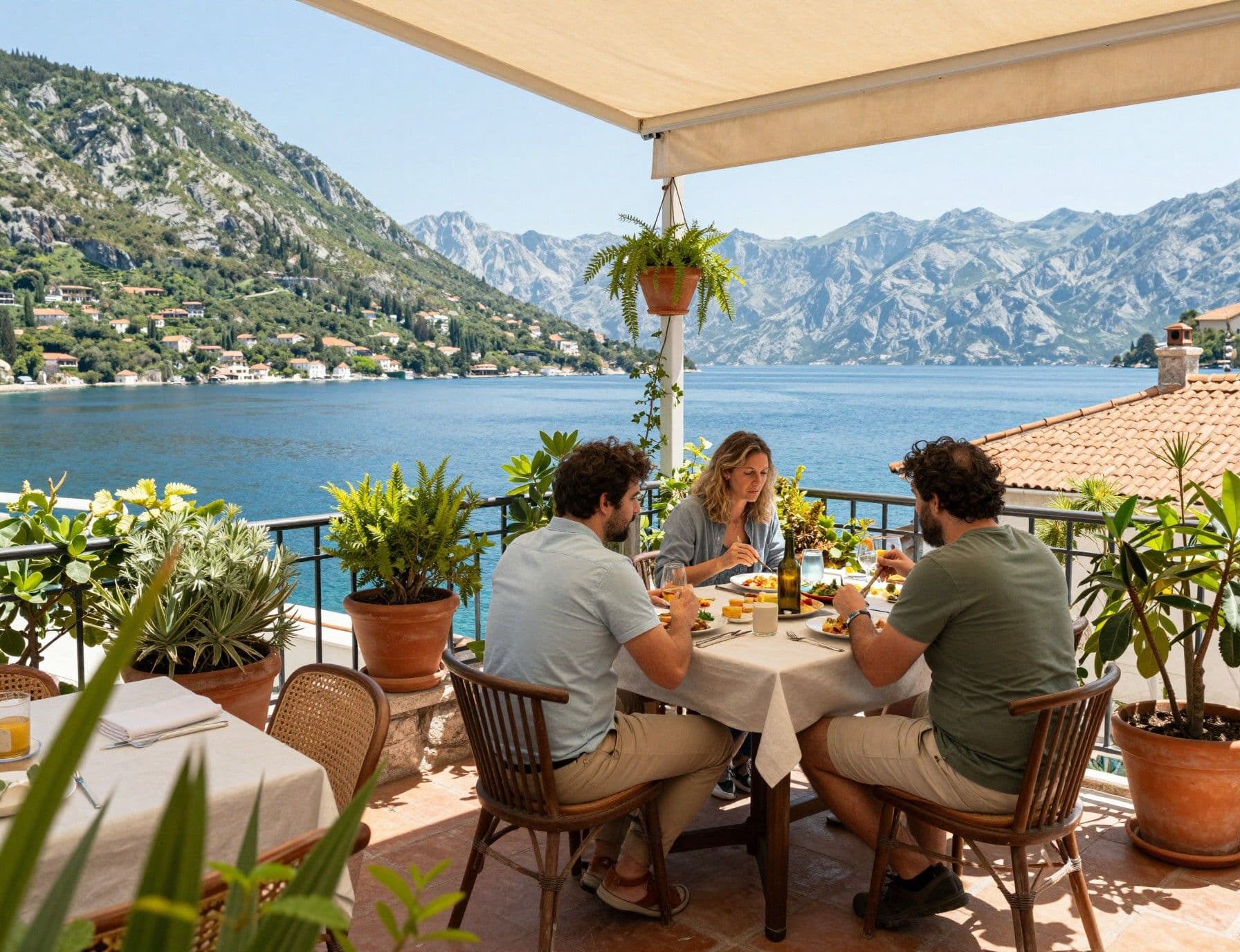
Your romantic image of a stone house needs to meet a legal checklist. Croatia treats EU citizens more simply than non-EU nationals; reciprocity rules still matter for many buyers outside the EU. There’s also a clear tax logic: some transactions attract VAT, others the 3% real estate transfer tax — and which one applies can change whether a deal feels expensive or not. Understanding these three legal pivot points — nationality/reciprocity, VAT vs transfer tax, and special protected zones — will save months and thousands of euros.
Who can buy — reciprocity and EU rules
EU/EEA/Swiss citizens generally buy under virtually the same rules as Croatians, with a key exception: agricultural land and some protected areas remain restricted. Non-EU buyers must check whether their home country offers Croatian citizens the same rights — that’s reciprocity — and if not, ministerial approval is required. Practically, that means Canadians, Americans and many others will need extra paperwork or a partner with local status unless their country has a reciprocity treaty.
Tax picture: VAT, transfer tax and ‘new build’ quirks
If a sale is subject to VAT (for example, many first-time sales from a developer), the buyer doesn’t pay the 3% transfer tax. For resale (existing) properties, expect the 3% transfer tax on the market value. Developers sometimes offer VAT-inclusive pricing, or the buyer can opt to pay VAT instead of transfer tax in certain commercial transactions — nuances that materially affect total cost. Always ask whether the property is a ‘first sale’ (novogradnja) or resale; the tax treatment is different and negotiable.
- Verify buyer eligibility (EU vs non-EU) with a lawyer; confirm any need for ministerial approval.
- Check whether the property transaction is subject to VAT or the 3% transfer tax; request written confirmation from the seller or their tax advisor.
- Request land registry extracts and building permits early — title clarity is the single biggest time-saver in Croatia.
Insider knowledge: expat truths and red flags
We’ve worked with clients who loved an island villa but missed that ferry timetables collapse out of season, or buyers who assumed a beachfront meant private beach access — which Croatian law rarely recognises. Expat regrets often come from lifestyle mismatches and paperwork assumptions, not from the beauty of a place. Get boots-on-the-ground advice about service seasons, utility connections, insurance exposure on exposed coastal plots, and whether a holiday-focused market will support the rental lift you expect.
Common red flags we see
- Unclear or missing building permits despite a complete-looking house.
- Promises of ‘private beaches’ or ownership of foreshore — usually not legally possible.
- Seller claims that omit utility status or access roads — these can be costly to fix.
How local agents keep the dream intact
Good local agents and Croatian lawyers do two things: they translate the lifestyle into a shortlist of realistic properties, and they translate bureaucracy into concrete steps you can follow. Expect them to help obtain registry extracts, confirm VAT/transfer tax treatment, and — for non-EU buyers — prepare reciprocity documentation or ministerial approval applications. Treat agency recommendations as starting points; always run deals past an independent Croatian lawyer.
- Ask your agent for local references (recent buyers) and written proof of title and permit history.
- Insist on an independent property inspection and an itemised estimate for bringing services up to standard (water, sewage, electrical).
Long-term view: community, climate and value
Croatia’s EU membership, Schengen access and improving infrastructure mean long-term demand for good coastal and city properties is likely to stay. But ‘value’ in Croatia is local: an Adriatic village with restricted building rules may hold value for lifestyle buyers but give limited rental upside. Consider local development plans, road upgrades and ferry schedules when judging future value. If preserving lifestyle is priority A, accept lower yield; if yield matters, look for established towns with year-round services.
Conclusion: fall for the light, plan for the bureaucracy. Croatia offers a genuine Mediterranean life, but the legal and tax details define what you can actually own and how much it will cost. Start with on-the-ground visits, bring a Croatian lawyer early, and ask an agent to show you the same property in low season so you see how a place really lives. If you do those three things you’ll buy less on romance and more on durable happiness — which is the point.
Swedish expat who moved from Stockholm to Marbella in 2018. Specializes in cross-border legal navigation and residency considerations for Scandinavian buyers.