Fall for Croatia—But Check the File First
Fall for Croatia’s lifestyle—then insist on registry clarity: how to cross-check cadastre, land book and permits before you buy.
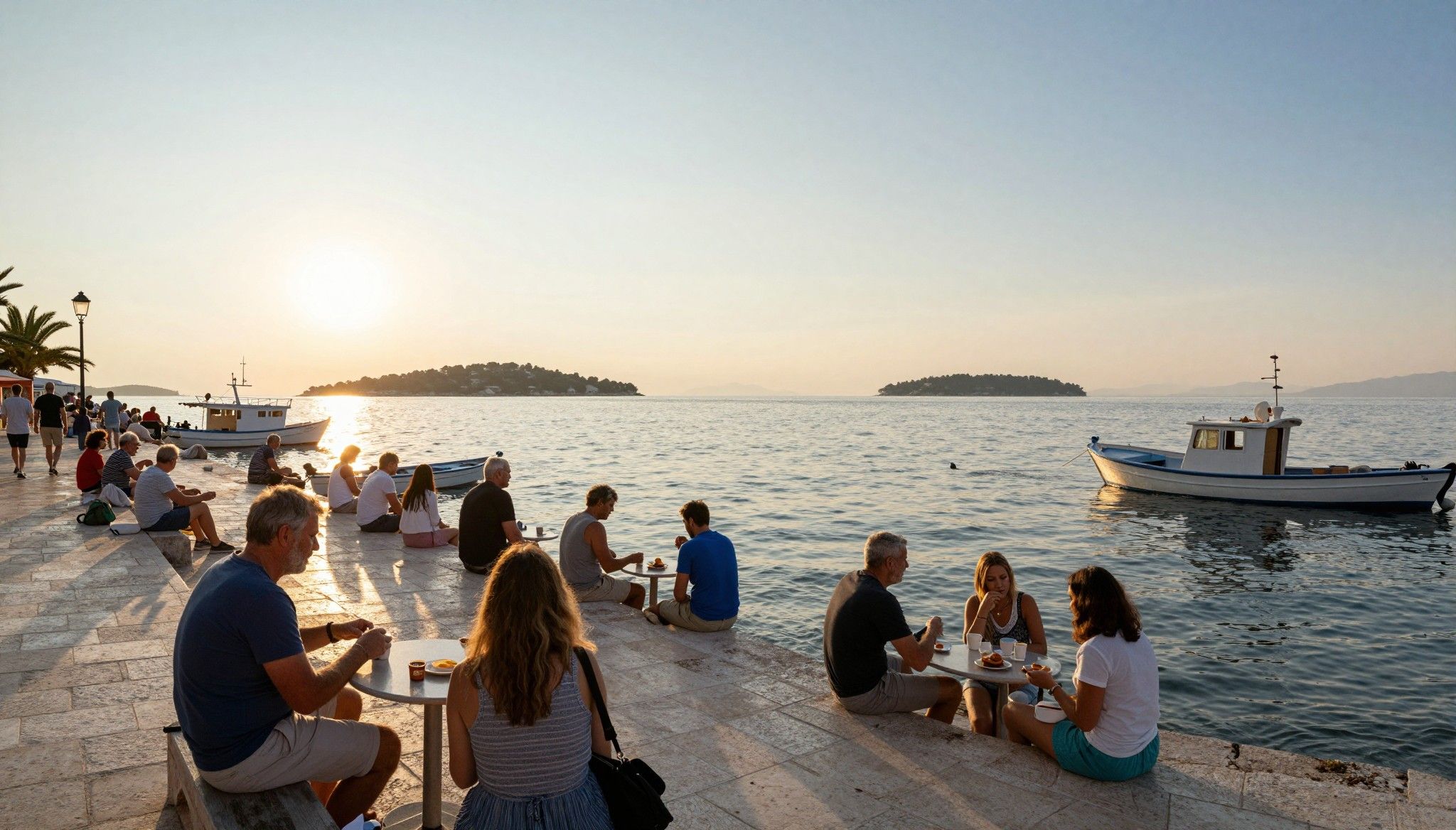
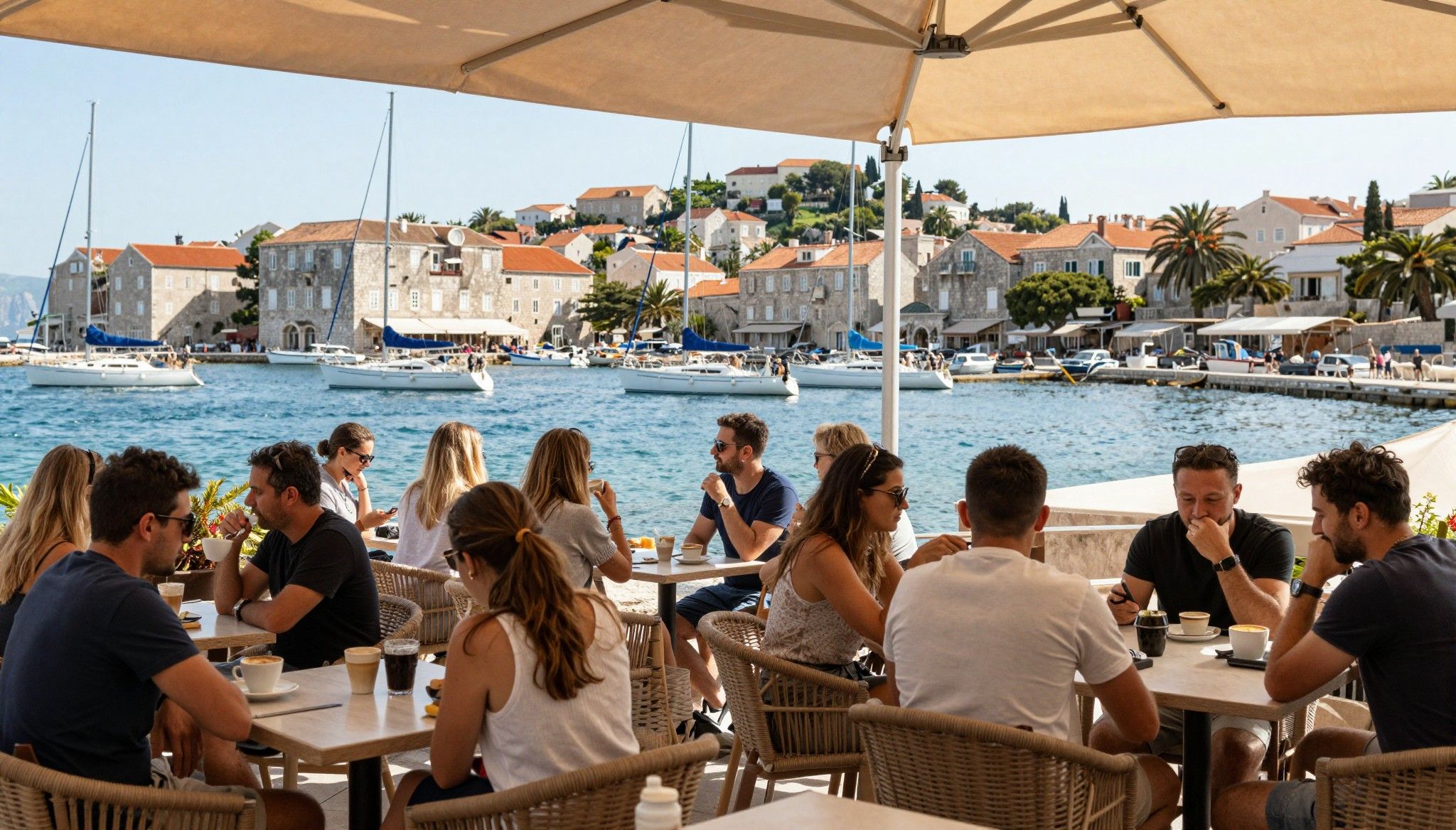
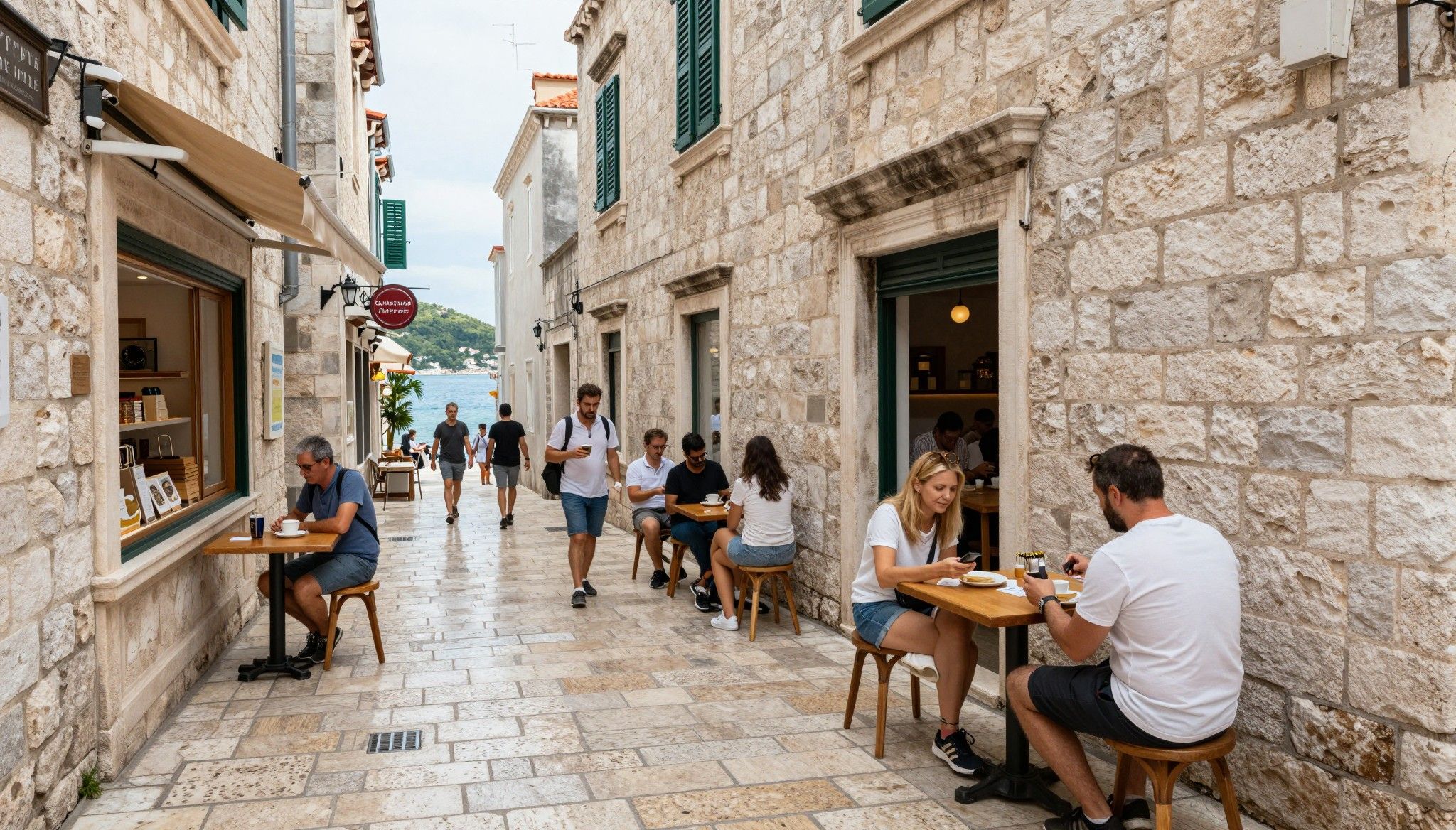
Imagine stepping out for an espresso on Split’s Marmont Street at 9am, then signing the preliminary contract for a stone apartment with a sea view that afternoon. Croatia sells that daydream easily: sunlit promenades, markets overflowing with figs, and islands that feel like private clubs. But the paperwork behind that dream—two parallel registers, seasonal demand spikes, and patchy data—can turn romance into a lesson in patience. This guide blends the life you’ll fall for with the transparency checks you must insist on before you hand over a deposit.
Living the Croatian lifestyle
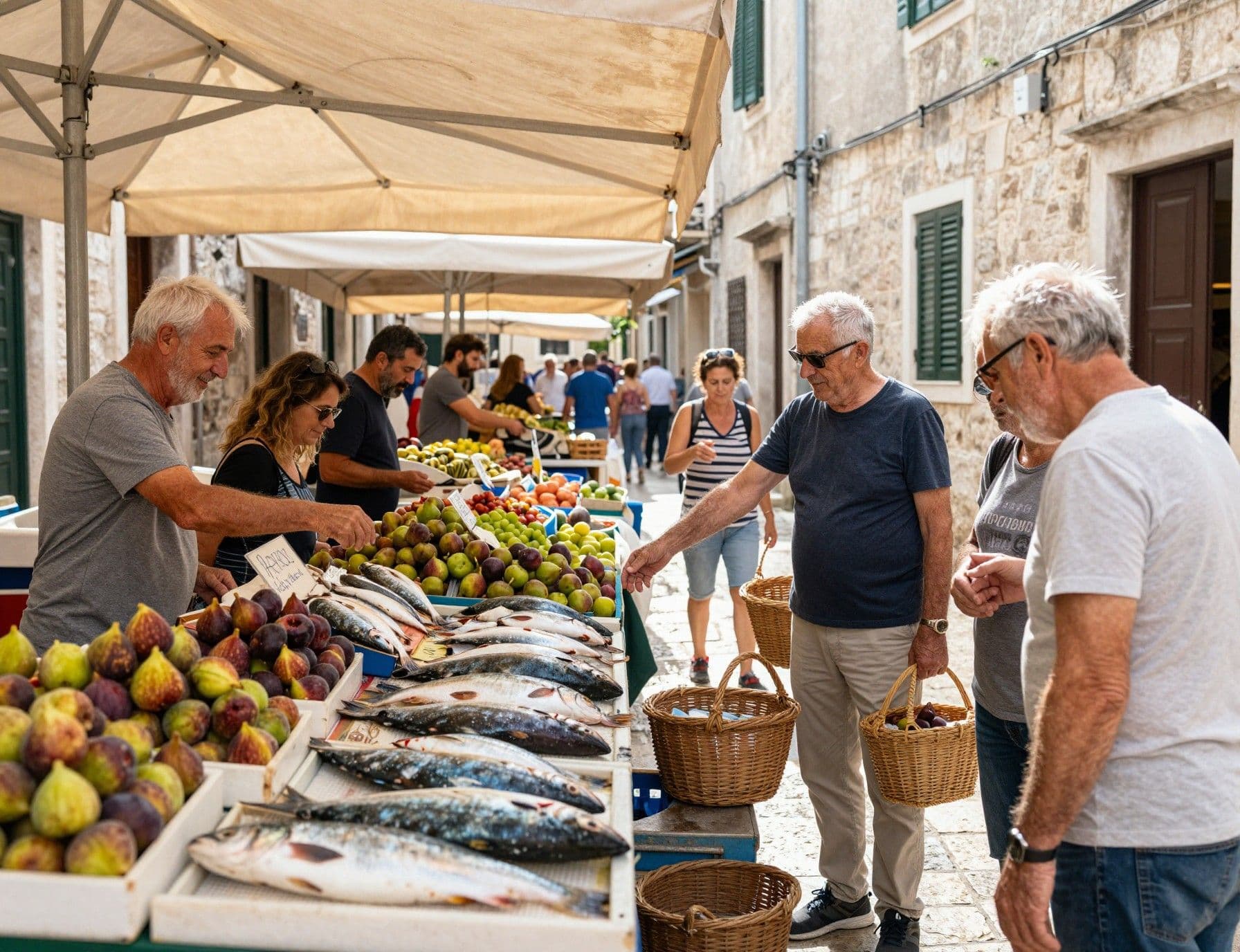
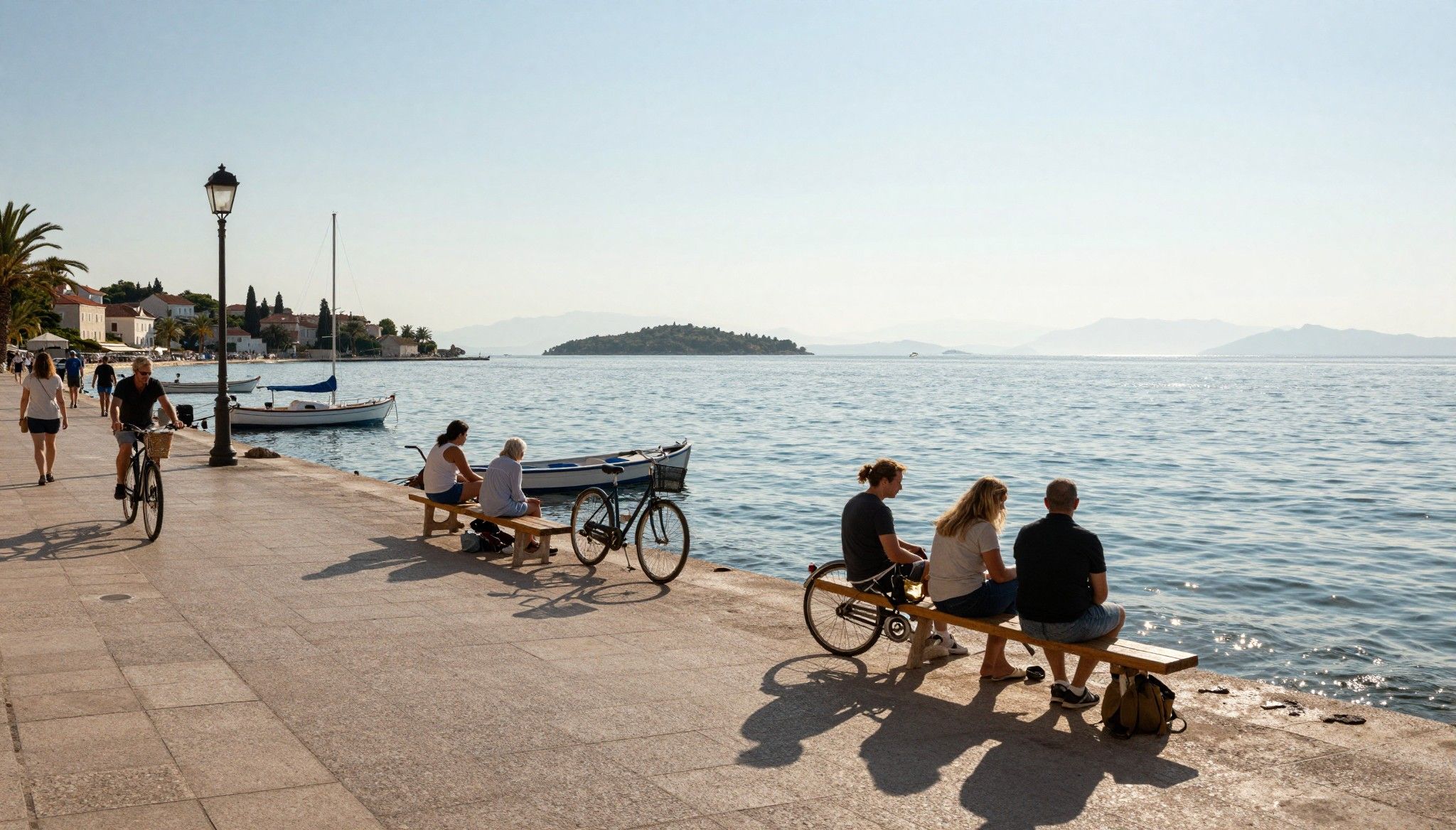
Croatia’s rhythm is coastal and continental at once: late breakfasts on the Dalmatian riviera, market Saturdays in Istria, weekday quiet in Zagreb’s leafy neighborhoods. Days are organized around food and the outdoors—swimming before work in summer, truffle hunts in autumn, and slow, sociable dinners that can start after 8pm. For buyers, lifestyle choices map directly onto property types: apartments in stone towns, villas on peninsulas, and renovated farmhouses inland.
Dalmatian coast: stone streets and marina mornings
From Trogir’s medieval alleys to Hvar’s yacht-fuelled summer nights, the Dalmatian coast is where day-to-day life is porous with tourism. Mornings smell of bread and salt; afternoons are for small boat trips and late-afternoon markets where fishermen sell straight-off-the-boat catch. Expect narrow streets, apartments with thick stone walls, and a market that dictates your lunch plans more than any supermarket.
Istria & inland: truffles, olive oil and quieter value
Istria’s hilltop towns—Motovun, Grožnjan—or Zagorje’s stone farmhouses offer a different tempo: slow weekends at rural konobas, harvest-season community fêtes, and an emerging scene of chefs and winemakers. These areas can give you more land and lower density for the same budget as a tiny coastal flat. For lifestyle-driven buyers, that trade-off between solitude and seaside bustle is often decisive.
- Lifestyle highlights: Morning markets in Dolac (Zagreb); espresso at Kavana Zrno in Split; late-afternoon swims at Zlatni Rat (Brač); truffle tastings around Motovun; island-hopping from Split harbour; weekend gastronome fairs in Poreč.
Making the move: transparency matters
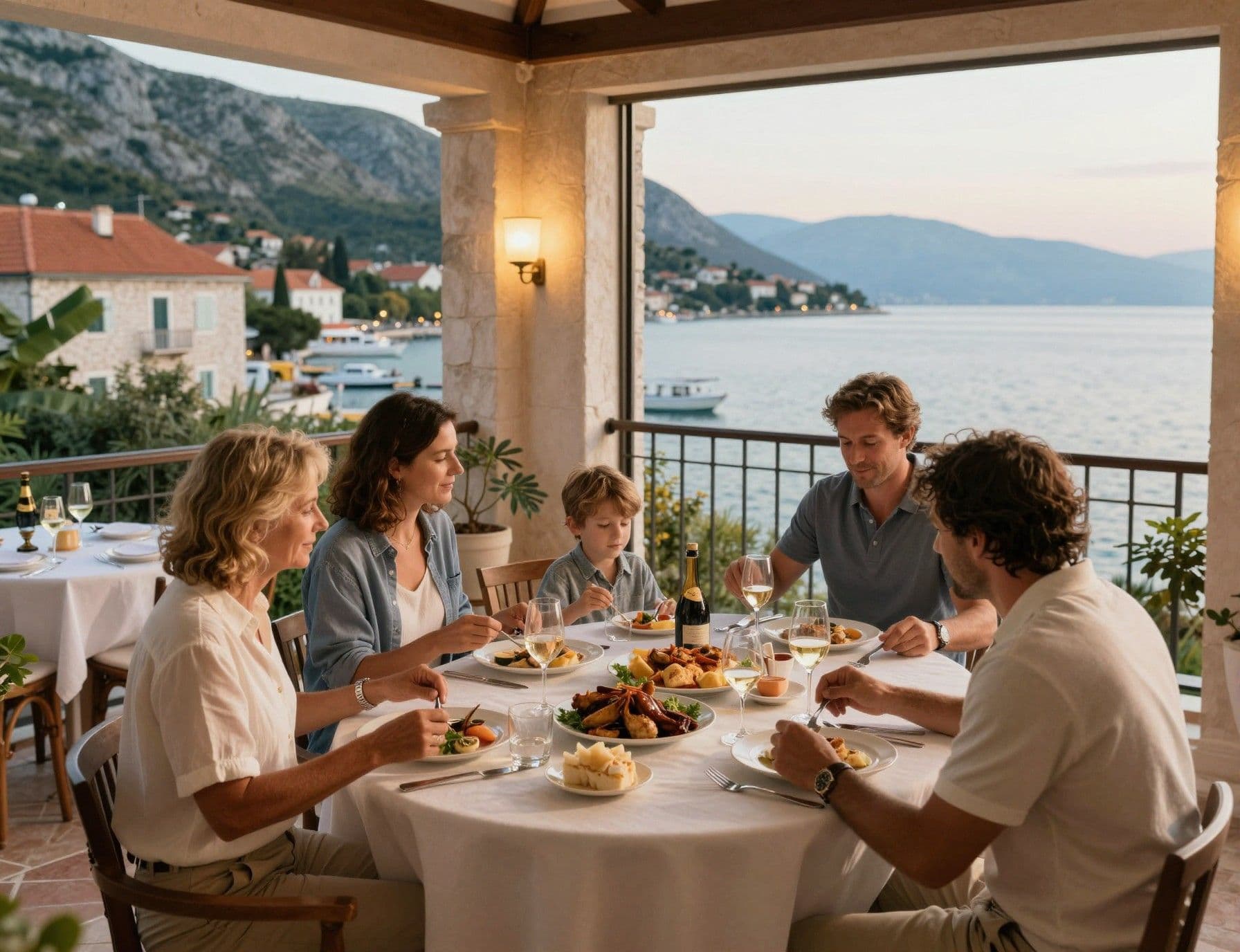
Dreams meet documents in Croatia. Official indices show strong price growth in recent years, particularly along the Adriatic, but the headline numbers hide regional variation and seasonal distortions. Two registers—the land book (land register) and the cadastre—don’t always align, and unresolved discrepancies are a leading cause of delayed closings or renegotiated prices. Before you sign, insist on clear title evidence and up-to-date cadastre maps.
Property styles and what to expect
Stone town apartments are atmospheric but often constrained by access, parking, and renovation limits. New-build coastal complexes offer amenities but can sit on fragile planning ground where permits are contested. Inland villas and renovated wineries give space and privacy but may need geodetic regularisation to match the land register. Match the property type to how you actually want to live—entertaining terraces, winter heating, or low-maintenance locks-and-go.
Working with local experts who know the file
- 1. Ask for both land registry excerpts and cadastral extracts; cross-check parcel sizes, boundaries and registered rights. 2. Commission a local geodetic survey if anything is ambiguous—this prevents surprises at closing. 3. Use a lawyer fluent in Croatian property law and experienced with non-resident buyers; they’ll read conditions that agencies sometimes miss. 4. Talk to neighbours or the municipality about unresolved building permits or planned infrastructure that affects value. 5. Build time and contingency into your offer for registry corrections.
Insider knowledge: myths, red flags and seasonal timing
Three persistent myths trip up buyers: that coastal prices are always the worst value, that published price indices tell the whole story, and that ‘off-season’ inspections aren’t useful. In practice, micro-locations (a quiet cove, a harbour street, a villa-lined peninsular) can outperform expectations, and off-season visits reveal noise, accessibility, and heating issues that summer showings hide. The real red flags are mismatched registry records, missing permits, and properties heavily reliant on short-term rental income without transparent occupancy data.
What expats wish they’d known
Buyers tell a common story: they fell for the beach and only later learned that winter access, municipal services, and tax treatment of second homes can change the living experience. Many also underestimated the time courts and offices need to sort cadastre/land-book discrepancies. Allow for extra months in your timeline and budget for local consultants—those costs buy peace of mind and protect your investment.
- Red flags to act on immediately: conflicting land book vs cadastre entries; properties without building permits for extensions; utilities not connected as stated; heavy dependence on seasonal rental revenue; unclear road access or easements.
Conclusion: fall in love, but check the file
Croatia offers a life that’s easy to fall for: markets full of produce, islands that feel intimate, and towns where community matters. To protect that life—and your capital—treat transparency as part of the romance. Demand full registry documentation, use local geodetic and legal experts, and visit out of season to see how a place actually breathes. If you want, we can connect you with Croatian specialists who work through cadastre issues and make the paperwork as seamless as your espresso rituals.
Danish investment specialist who relocated to Costa del Sol in 2015. Focuses on data-driven market timing and long-term value for Danish buyers.