Greece: Fall for the Life, Then Read the Market
Fall for Greece’s seasons and neighbourhood rhythms—then match them to market reality. Regional price trends and 2024–25 residency rule changes reshape where international buyers find value.
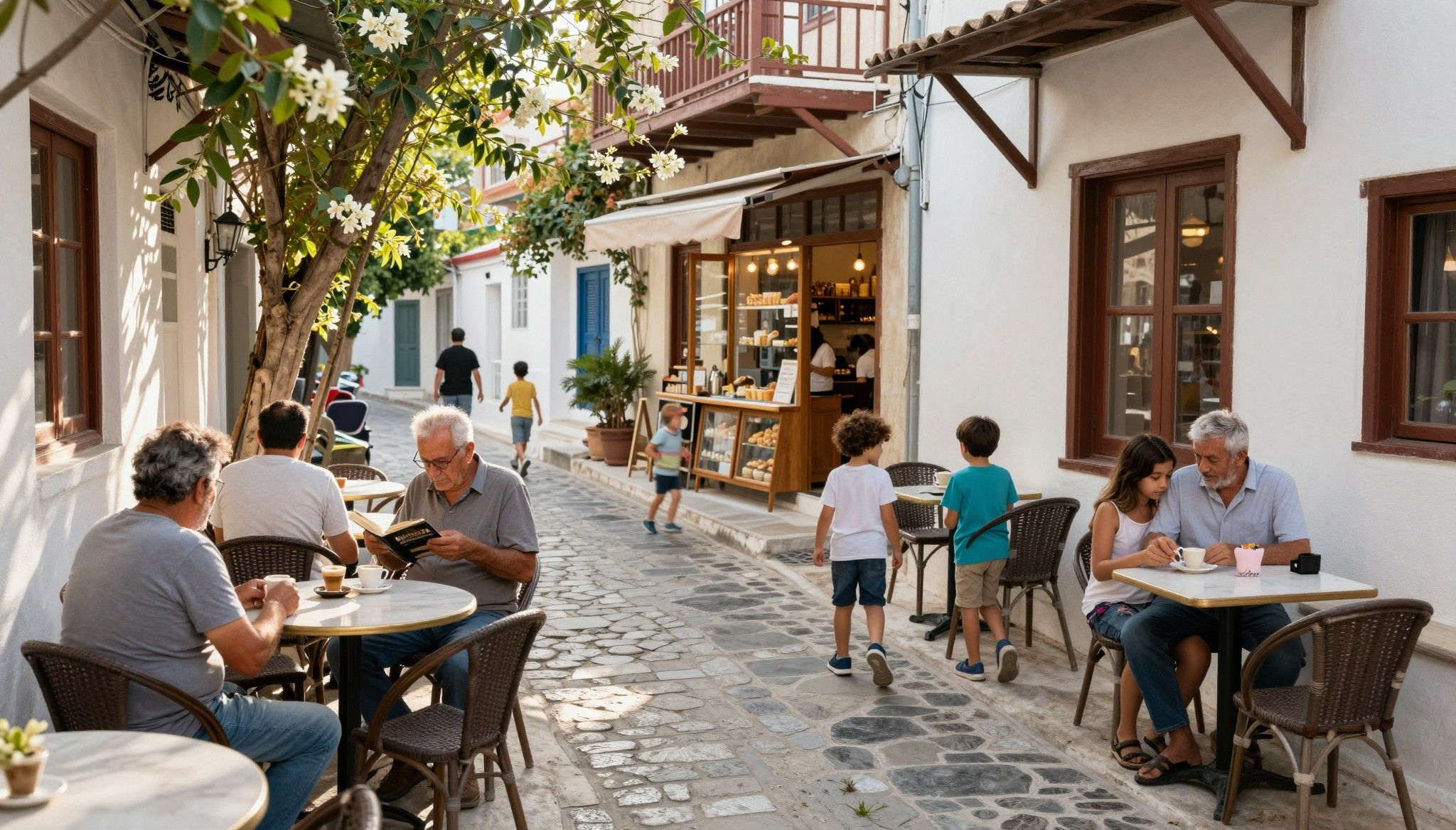
Imagine a Sunday morning in Plaka: ceramic cups clink, jasmine perfumes a narrow street, and an elderly man folds the daily newspaper at a kafeneio while children chase pigeons near the Roman Agora. That slow, tactile life—markets that open with the dawn, tavernas that warm at dusk, islands where the harbour becomes a stage—sells the idea of Greece better than any glossy brochure. But if you’re thinking about buying here, the romantic image needs to be matched with market facts: prices vary sharply between Athens, Thessaloniki, popular islands and quieter mainland towns. Below we weave both the lived pleasures and practical signals international buyers should know before making an offer.
Living the Greece lifestyle
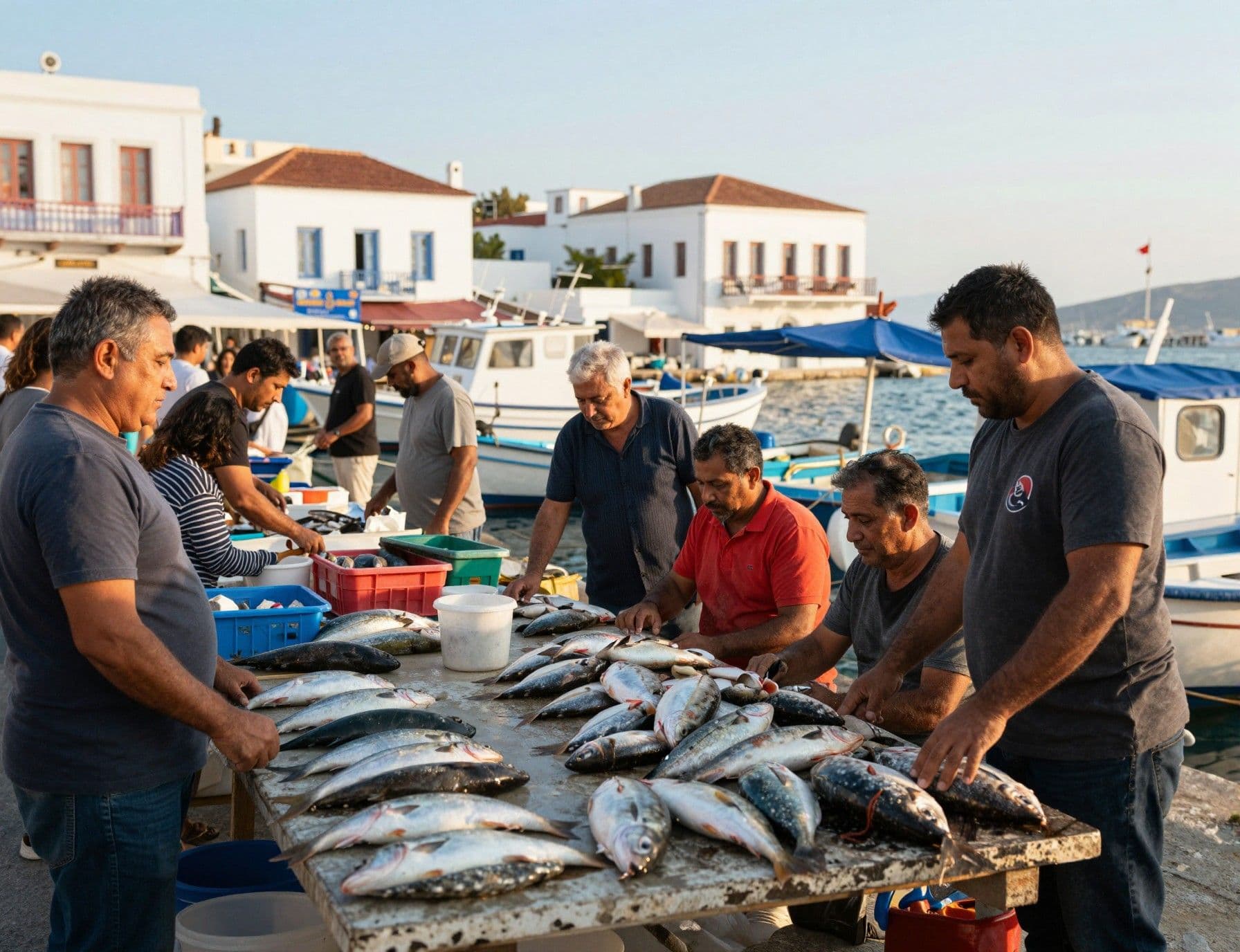
Greece lives in seasons: spring markets brim with almonds and wild greens, summers belong to beaches and late-night plate sharing, and winters centre around neighbourhood kafeneia and wood fires in mountain villages. Daily life changes by place—Athens is a city of terraces, bookshops and late cafes; the islands are measured in light and ferry timetables; the Peloponnese offers agricultural rhythms and quieter neighbourhoods. For buyers, that translates into lifestyle choices that must match property types, local services and accessibility to health care or schools. Economic context matters too: growth and tourism both shape demand and the kinds of homes that make sense to own or rent.
Athens neighbourhoods: city life with varied moods
Walk from Koukaki’s apartment terraces to Kolonaki’s boutiques and you’ll feel how different Athenian life can be in a single afternoon. Koukaki and Pangrati give you a neighbourhood that’s walkable, with neighbourhood bakeries and late cafés — great for daily living and easier for long-term rentals. Kolonaki is more formal, with galleries and restaurants that appeal to buyers seeking prestige and compact, well-serviced flats. Price pressures are visible: central Athens saw steady price growth in recent years, but pockets still offer value for buyers willing to compromise on space or renovation needs.
Island life: Mykonos vs. Naxos vs. an overlooked port
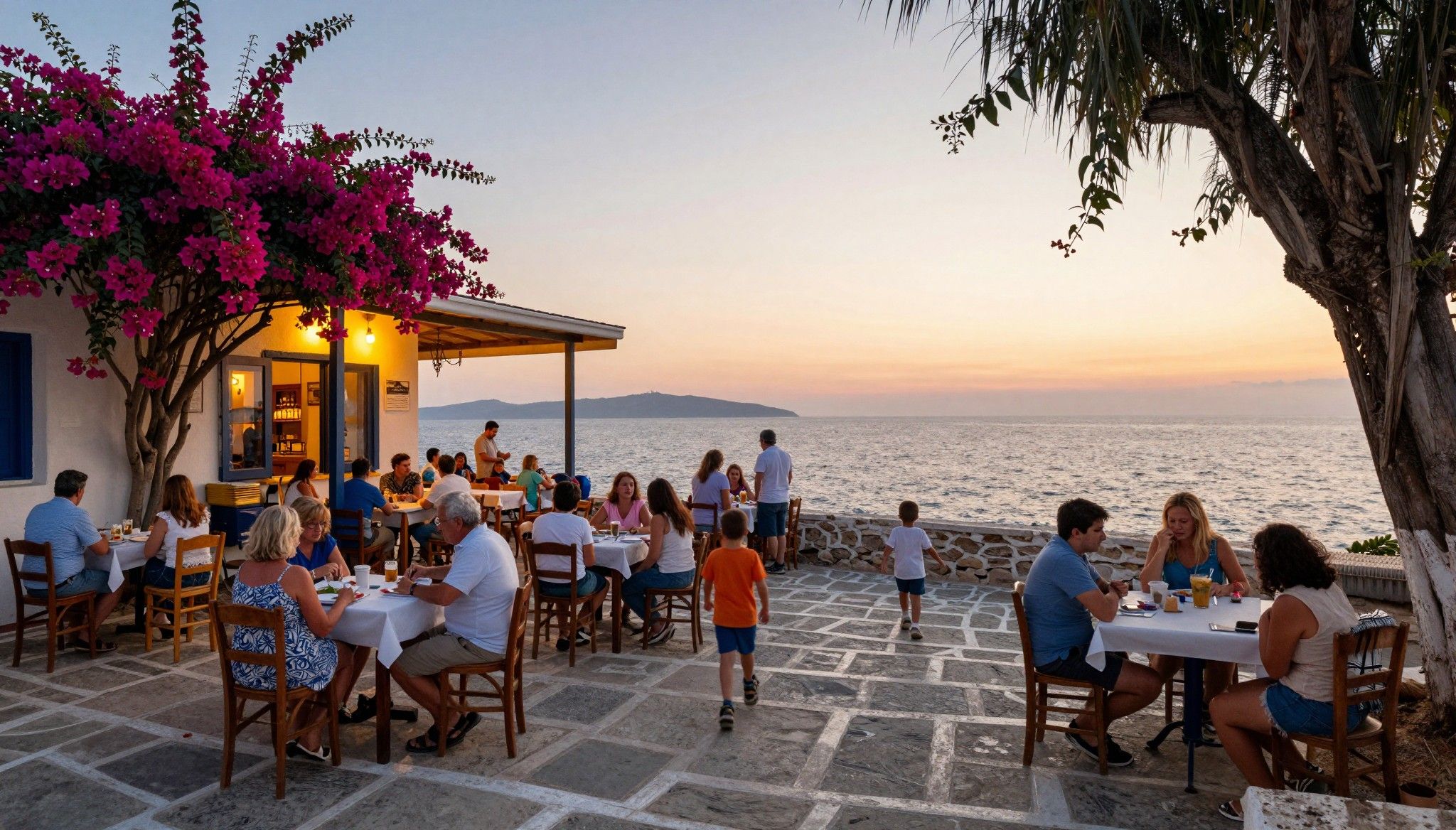
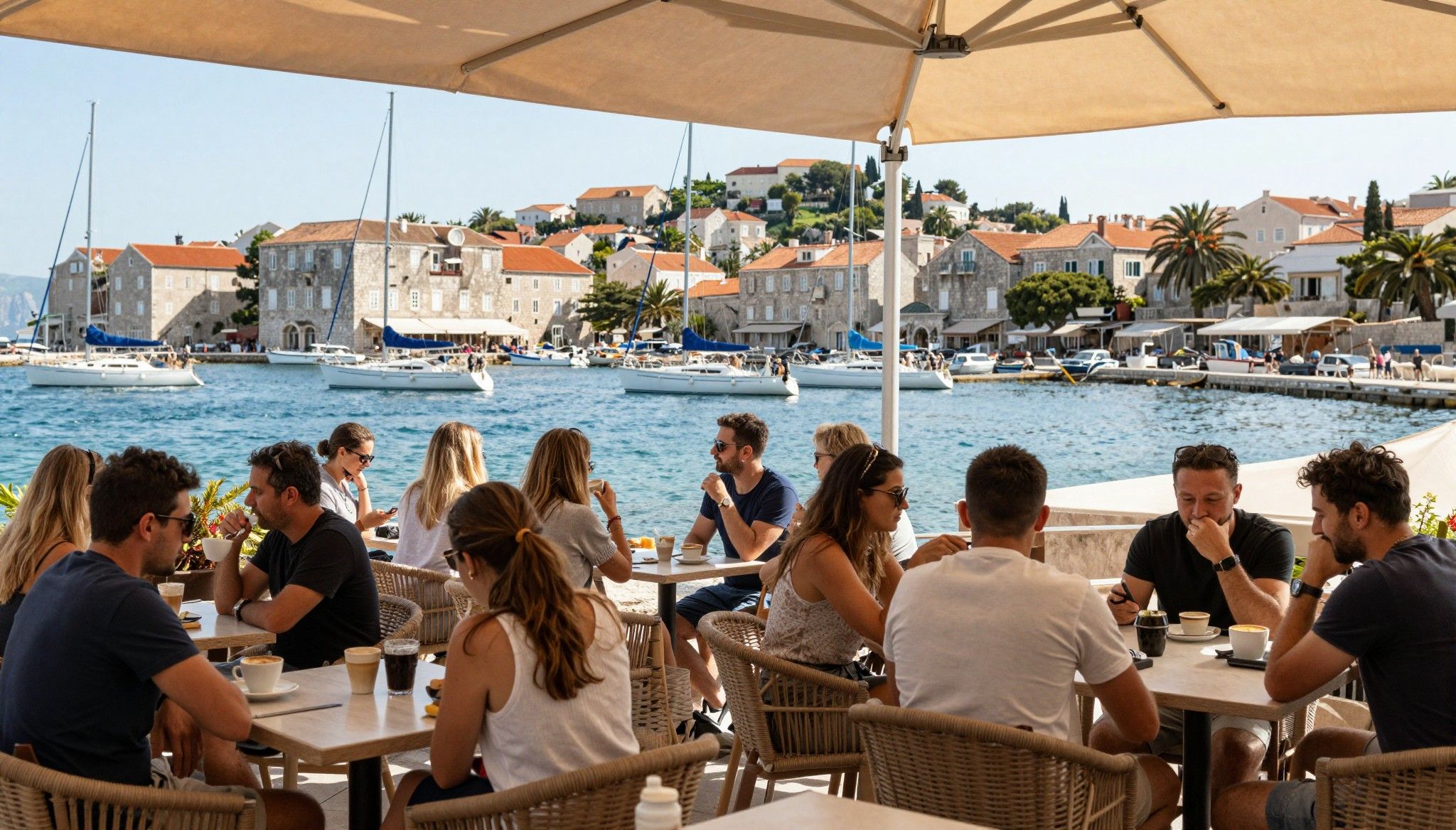
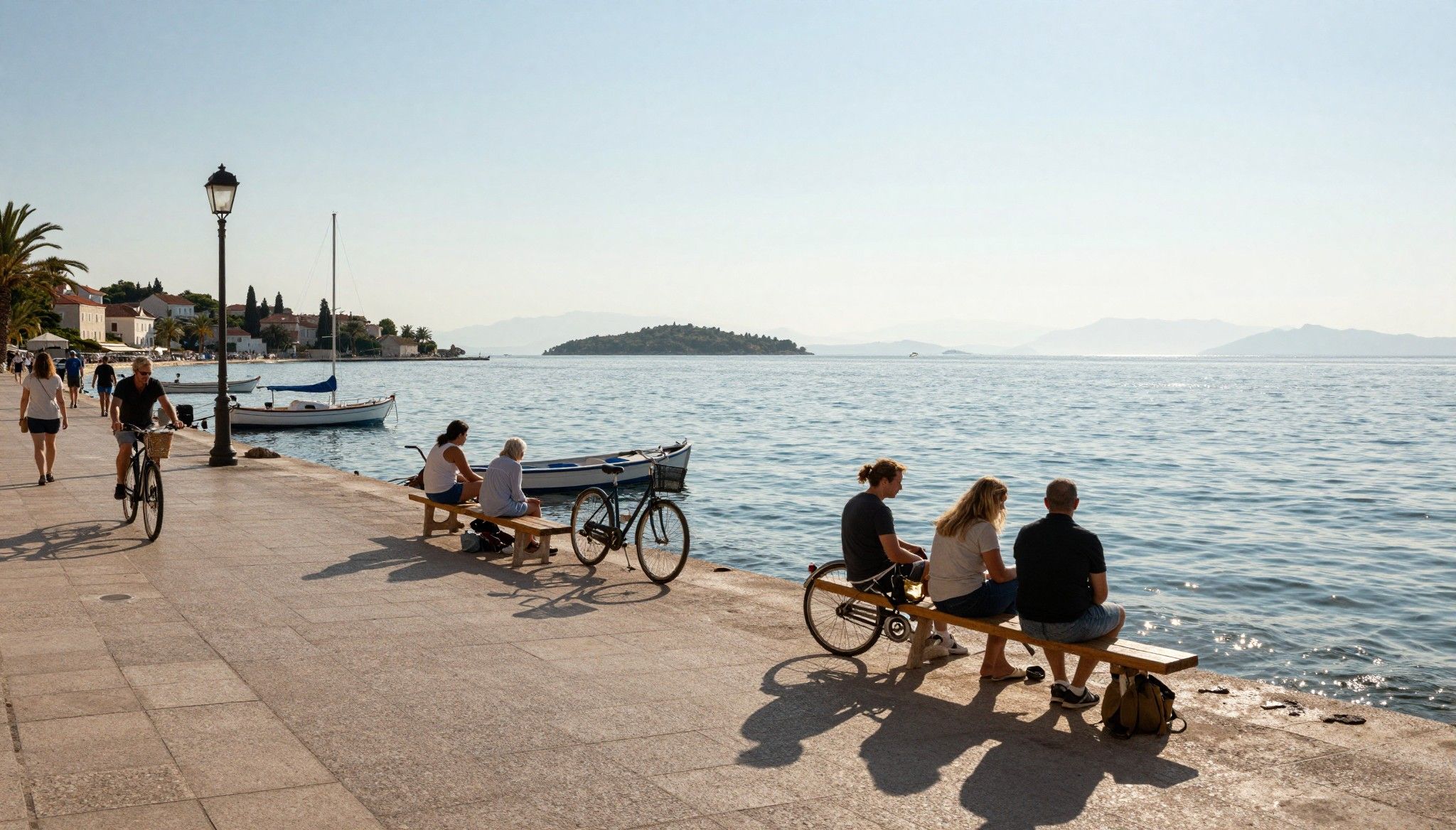
Mykonos and Santorini carry the tourist premium: short-season rentals can be lucrative but come with high purchase prices and stricter Golden Visa thresholds in regulated zones. Naxos, Paros or smaller Ionian islands offer calmer summers, lower thresholds in many cases and more authentic village life—better if you want a genuine island community and year-round living. Consider ports like Volos or Kalamata if you want coastal access without the steep seasonal spike; they have emerging food and marina scenes and often surprise buyers with better value. The recent revisions to residency-by-investment rules mean island location can affect minimum investment thresholds—check the specifics for the island before budgeting.
Making the move: practical considerations
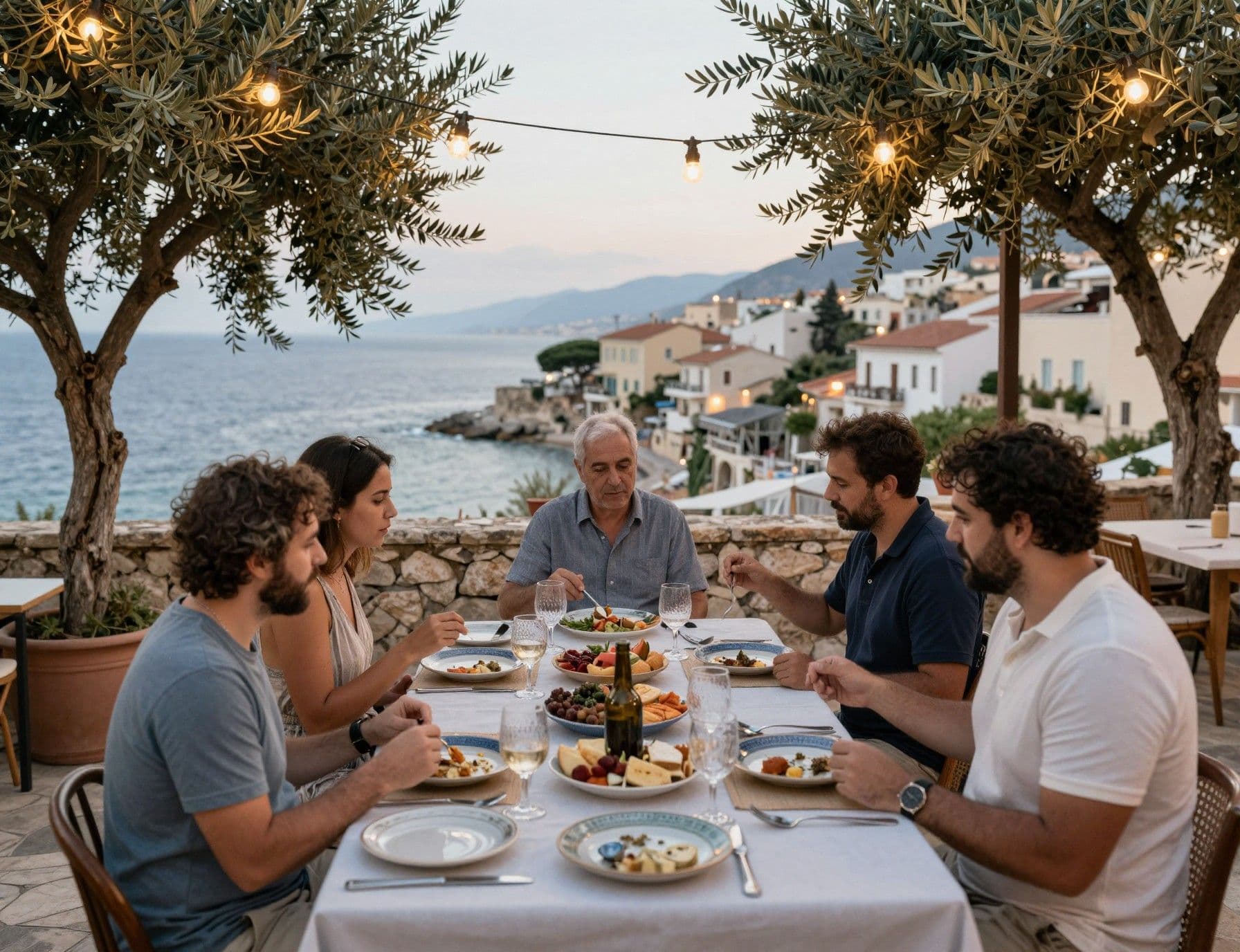
Dreams meet deeds at the notary. Start by matching the lifestyle you want to the type of property that enables it—terrace apartments for city mornings, farmhouse or neoclassical houses for slow country life, or small villas for island sunsets. Market indicators show continued price growth but with regional variation: national indices rose in recent years while urban areas show deceleration in some quarters, so timing and location matter. Work with an advisor who can read local supply constraints, renovation costs and rental demand if you plan to let the property when you’re away.
Property styles and lived realities
A 19th-century neoclassical in central Ioannina behaves differently from a contemporary apartment in Glyfada. Stone homes in mountainous regions need insulation and roof work; island whitewashed houses demand humidity-aware finishes. New-build apartments often come with warranties and modern mechanical systems—easier for remote owners—but older properties may offer character and square metres at a lower price per metre. When planning living arrangements, ask how a property’s layout performs across seasons: breezy cross-ventilation matters in summer, while heating and insulation become priorities in colder, higher-altitude areas.
How a local agency helps (4 steps)
- 1) Match lifestyle with micro-location: agencies can show you which streets in Chania have sea breezes at night and which are noisy in July. 2) Translate local listings and negotiate with Greek sellers attuned to domestic buyers. 3) Coordinate inspections, structural surveys and renovation estimates with trusted local contractors. 4) Advise on residency thresholds and paperwork changes that affect investment plans, especially post‑2024 Golden Visa rule adjustments.
Insider knowledge: what expats wish they'd known
We hear the same confessions from buyers: underestimate renovation timelines, overestimate summer rental yields on small islands, and ignore neighbourhood rituals that determine how neighbours interact. Language helps—learn basic Greek phrases for market conversations—but good agents smooth most transactions. Also, policy shifts around residency investment (updated in 2024) altered incentives for buying in high‑demand island areas and parts of Attica; this shifted buyer interest toward mid‑market islands and mainland coastal towns. In short: lifestyle choices change when you account for seasonality, policy thresholds and the local community’s rhythm.
Cultural integration and daily life
Greece rewards curiosity: volunteering at a local festival, joining a neighbourhood taverna’s regulars, or shopping weekly at municipal markets accelerates friendships. Many expats find their community around language schools, sailing clubs or farmers’ markets rather than expatriate bubbles. Practicalities—opening a bank account, registering with a doctor, understanding waste collection schedules—are local rituals you’ll learn quickly with the right introductions. A local agency or fixer who knows municipal offices saves weeks of frustration and keeps your lifestyle plans on track.
Long-term lifestyle & property factors to weigh
• Accessibility: ferry frequency, proximity to an airport and seasonal road quality determine year-round practicality. • Utilities & services: check internet speeds, water pressure and waste collection for islands or remote villages. • Climate resilience: properties on low-lying shores may face sea-spray corrosion; inland homes need good heating and insulation. • Community trajectory: towns with a growing local food scene or new coworking spaces often offer better long-term lifestyle satisfaction and rental demand. • Local planning: recent policy shifts aim to manage tourism-driven price spikes—understand zoning and permitted uses before buying.
Start small, then scale. If you’re unsure, test the neighbourhood with a short-term rental and local life for a season; you’ll learn quicker than any brochure can teach. Combine that with solid local advice: read recent Bank of Greece housing indices, ask for comparable sales, and request renovation quotes before committing. Laws and thresholds changed in 2024–2025, so don’t rely on old rules or second‑hand claims—verify current residency investment requirements and regional thresholds with a specialist. When you’re ready, a focused agency will help you marry the life you want with a property that supports it.
Conclusion: Greece is a place that invites slow discovery—olive trees, seaside rituals and café corners that become part of your day. If you want that life, balance the romance with recent market evidence and regulatory details: national price indices show growth but regional variation, and Golden Visa reforms affect where international buyers should focus. Talk to local agencies who know streets and schedules (not just photos), verify legal thresholds with up-to-date sources, and then move in slowly—Greece rewards patience. When you’re ready, we’ll introduce you to agents who actually live in the neighbourhoods they show.
Dutch relocation advisor who moved to Marbella in 2016. Guides Dutch buyers through visa paths, relocation logistics, and balance of lifestyle with value.