Greece: Why Island Hype Makes Mainland Coasts Smarter Buys
Why island hype inflates prices — and where Greece’s coastal life delivers the same charm for less cost, backed by official housing indices and legal updates.
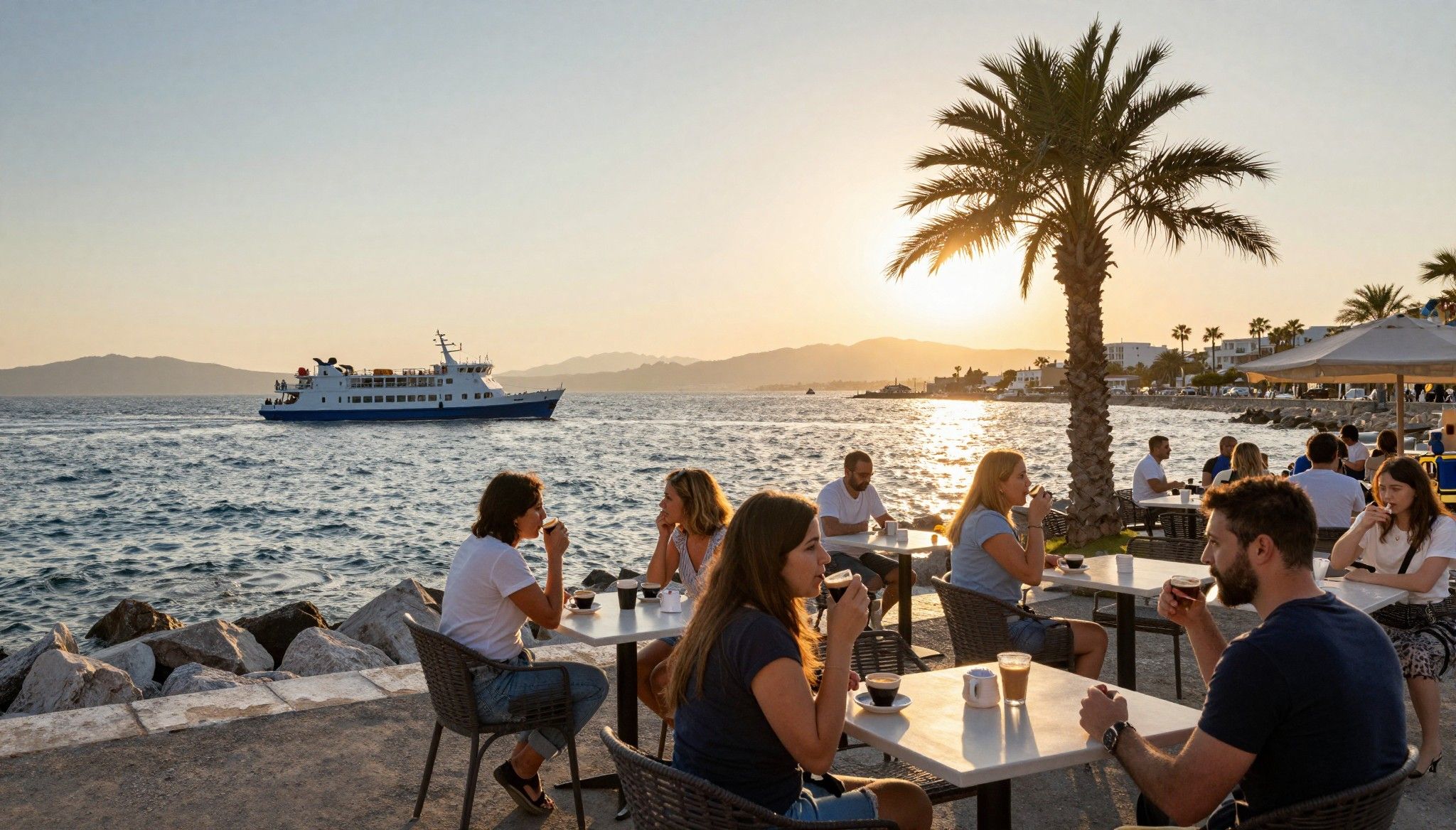
Imagine waking before sunrise, stepping onto a narrow terrace in Piraeus or a hilltop village on the Peloponnese, and smelling fresh bread, sea salt and the first espresso of the day. Greece moves at pocket-watch rhythms: lively market mornings, long lunches that stretch into local gossip, and late-evening promenades where neighbourhoods reveal themselves slowly. For international buyers this is the magnet — the food, light and convivial streets — and the catch: the market is shaped by seasonality, shifting policy and very local supply dynamics. We’ll show you why the island headline stories sell a dream, and how lesser-known coastal towns and mainland pockets can deliver the same life for less money and far fewer headaches.
Living the Greek Coastlife
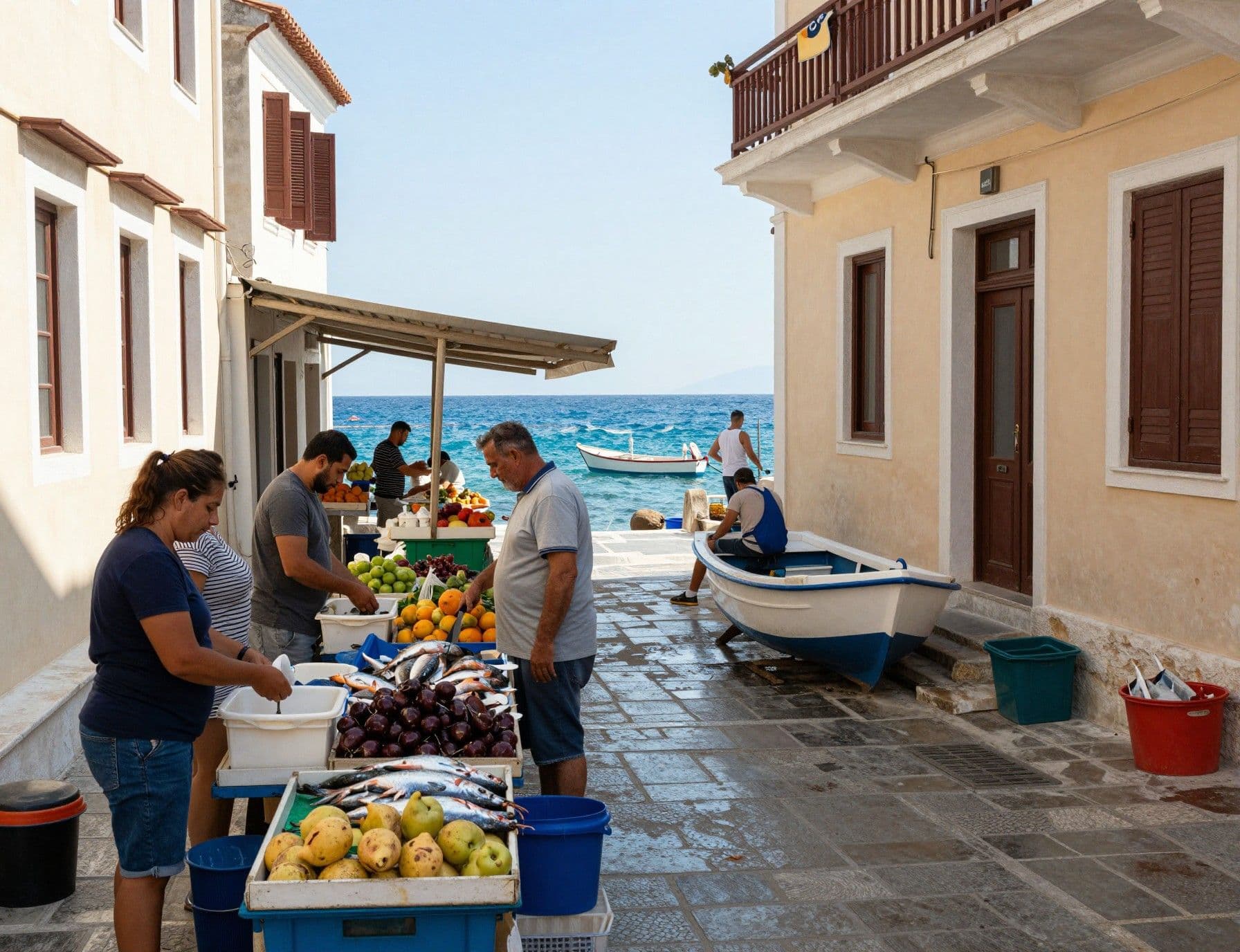
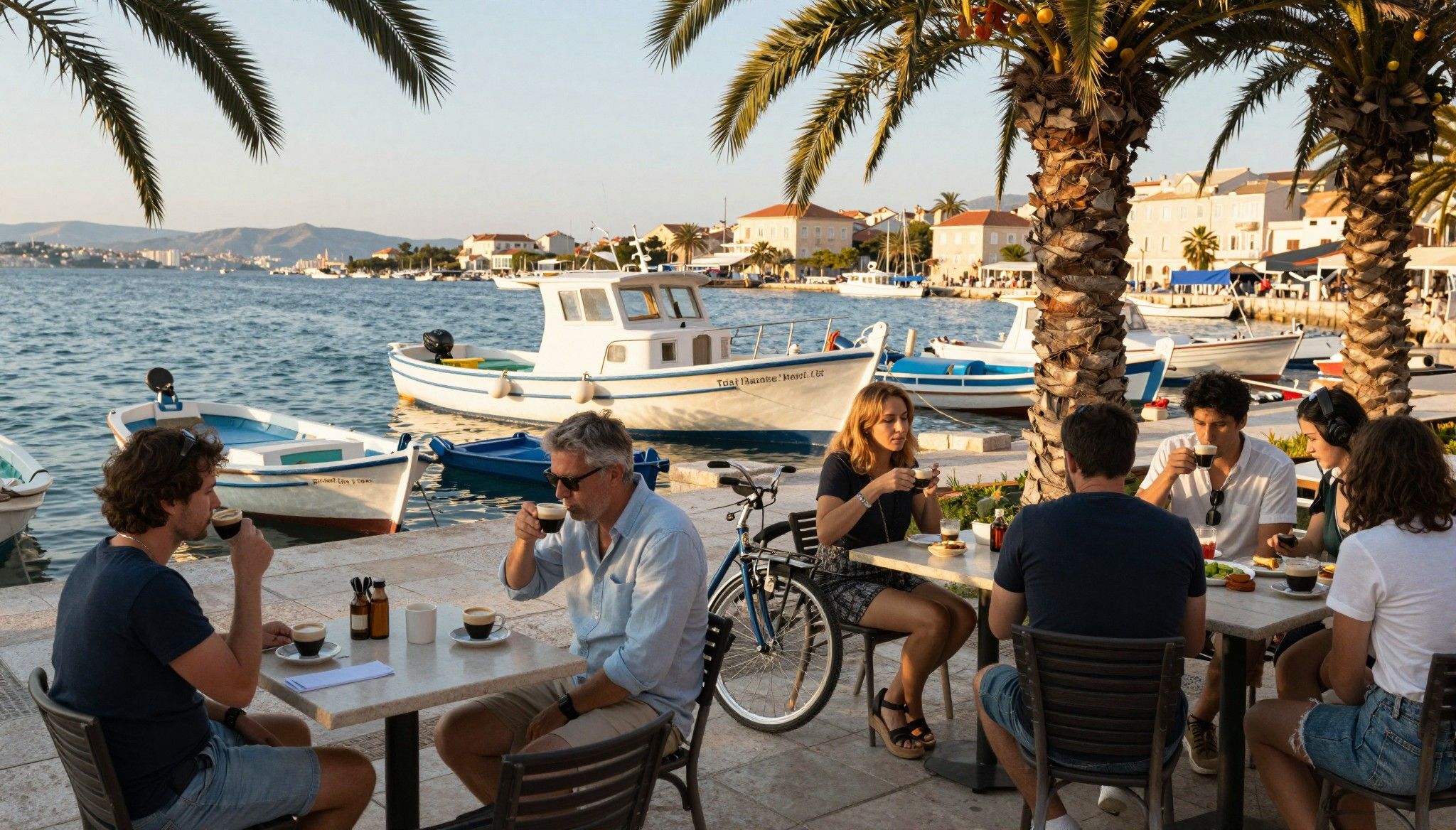
The day-to-day in Greek coastal towns is sensory and social. On Corfu’s Liston you’ll hear shutters clack and café cups ring; in Kalamata the fishermen’s market sets the morning tempo; in Glyfada and Vouliagmeni near Athens, beaches and seaside tavernas create a weekend ritual. These living patterns shape what you’ll want from a property: terraces for long breakfasts, shaded courtyards for summer siestas, and small kitchens built for market produce. Note: recent European housing data shows house-price growth across Greece has been uneven, with demand concentrated in hot nodes while many coastal and mainland pockets remain comparatively affordable. (See Eurostat and national indices for context).
Neighborhood spotlight: Athens Riviera vs. Peloponnese harbours
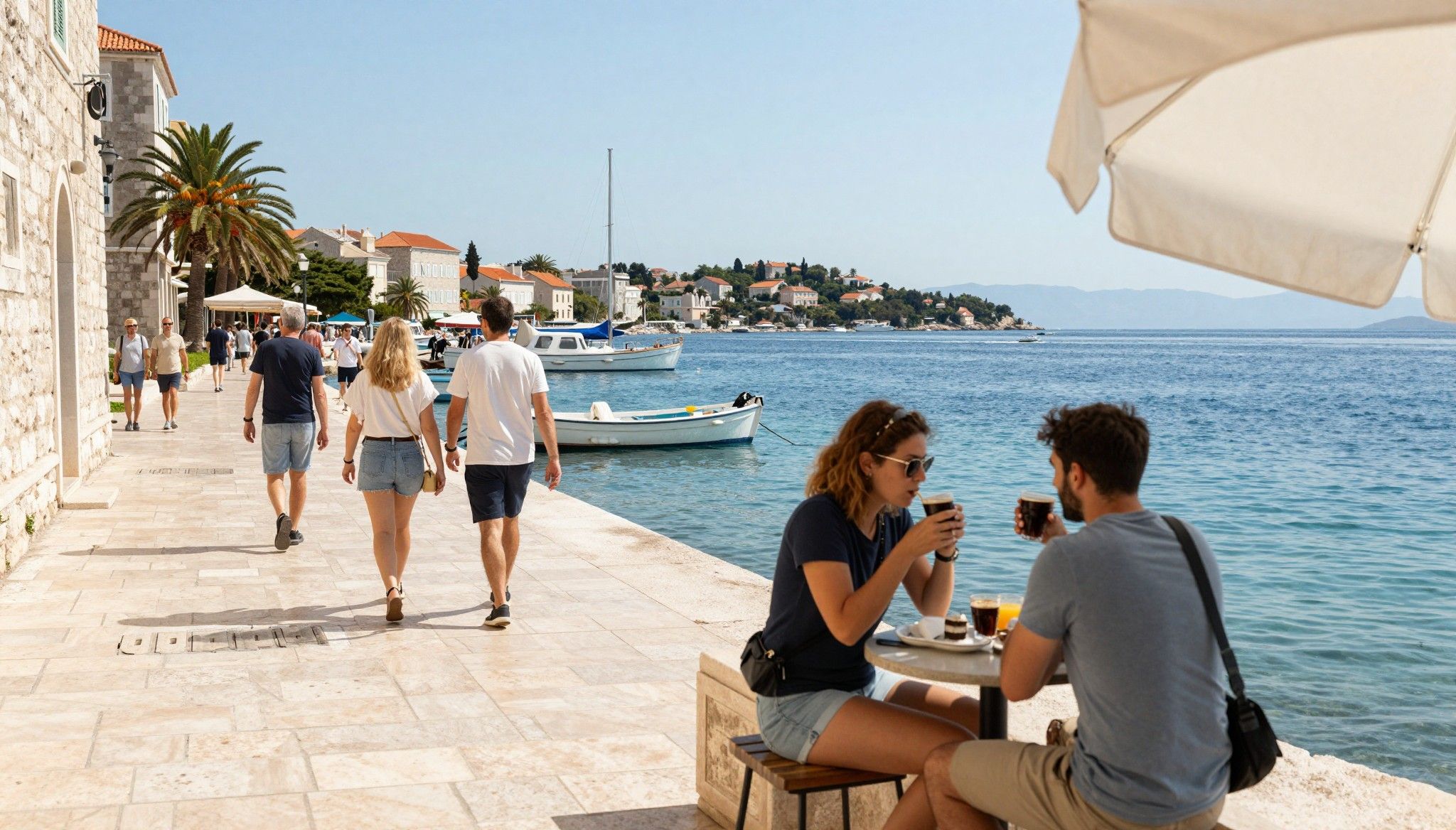
Athens Riviera neighbourhoods like Glyfada and Voula feel cosmopolitan — designer shops, organised marinas and predictable public transport. Contrast that with the Peloponnese harbours (Nafplio, Kyparissia) where stone-paved squares, fewer international tourists and stronger local rhythms produce quieter, year-round communities. The Riviera commands a premium for convenience and international services; the Peloponnese trades that for pace, space and lower prices. If you crave a real local life — morning market runs, neighbours who know your name — the quieter harbours often win.
Food, markets and daily rituals
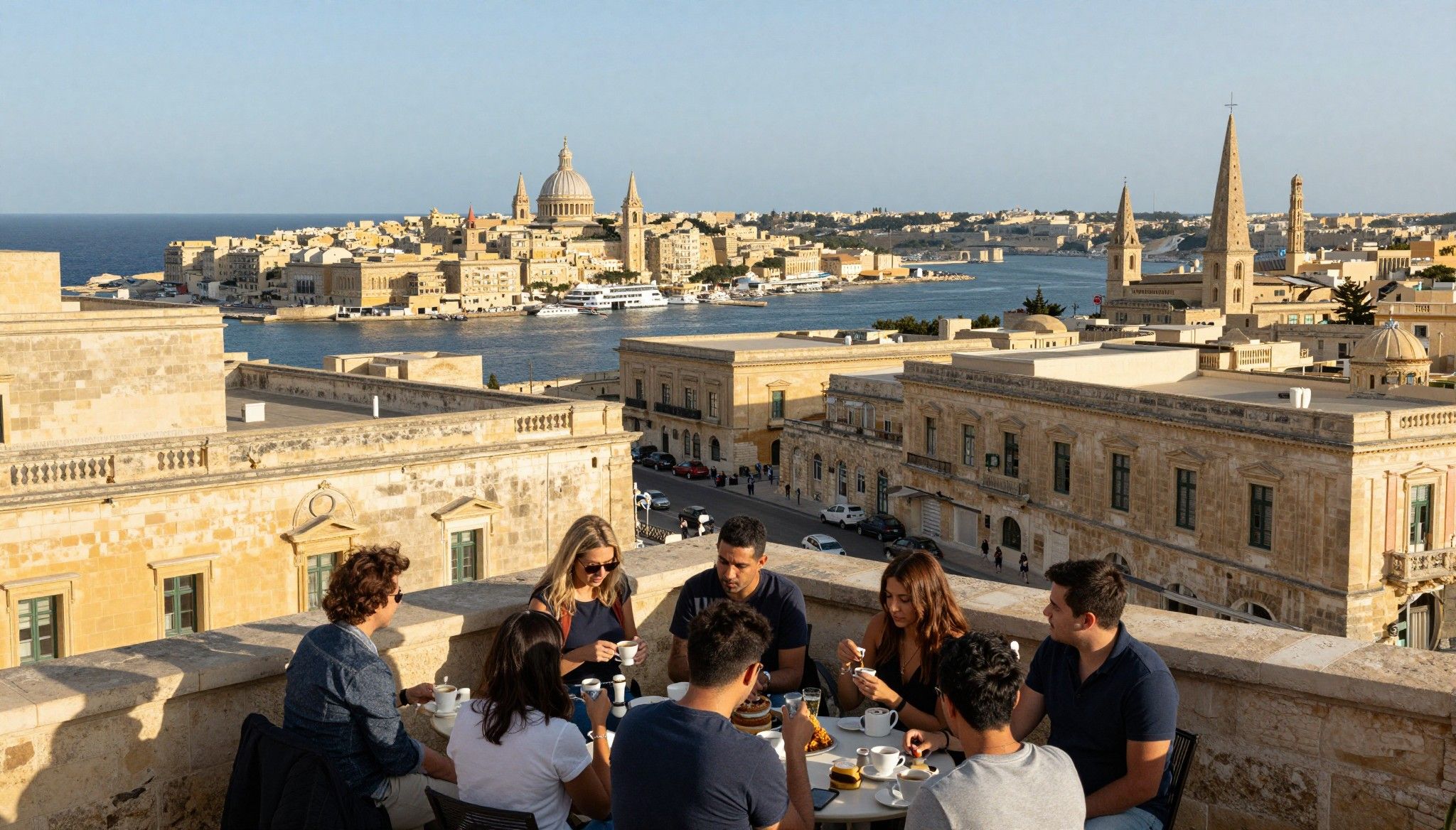
Eating in Greece is civic life: fish stalls at dawn in Piraeus, farmer stalls in Thessaloniki’s Kapani market, and late-night meze in Cycladic tavernas. For buyers this matters practically: kitchens that handle fresh fish, storage for cured cheeses, and proximity to weekly markets increase day-to-day satisfaction. Consider how the rhythm of local food life affects a property’s layout and location — a third-floor walk-up may be charming, but hauling groceries daily is a real test of the romance.
- Lifestyle highlights: real places and small pleasures - Morning espresso at Anemomilos in Nafplio and a stroll along the old ramparts - Fish market breakfast in Piraeus followed by a ferry to small islands - Sunset aperitivo on Vouliagmeni’s waterfront, then a slow seafood dinner - Olive-oil tastings and weekly village markets in Messinia - Walking the maritime promenade in Glyfada, followed by evening jazz in a local bar
Making the Move: Practical Considerations
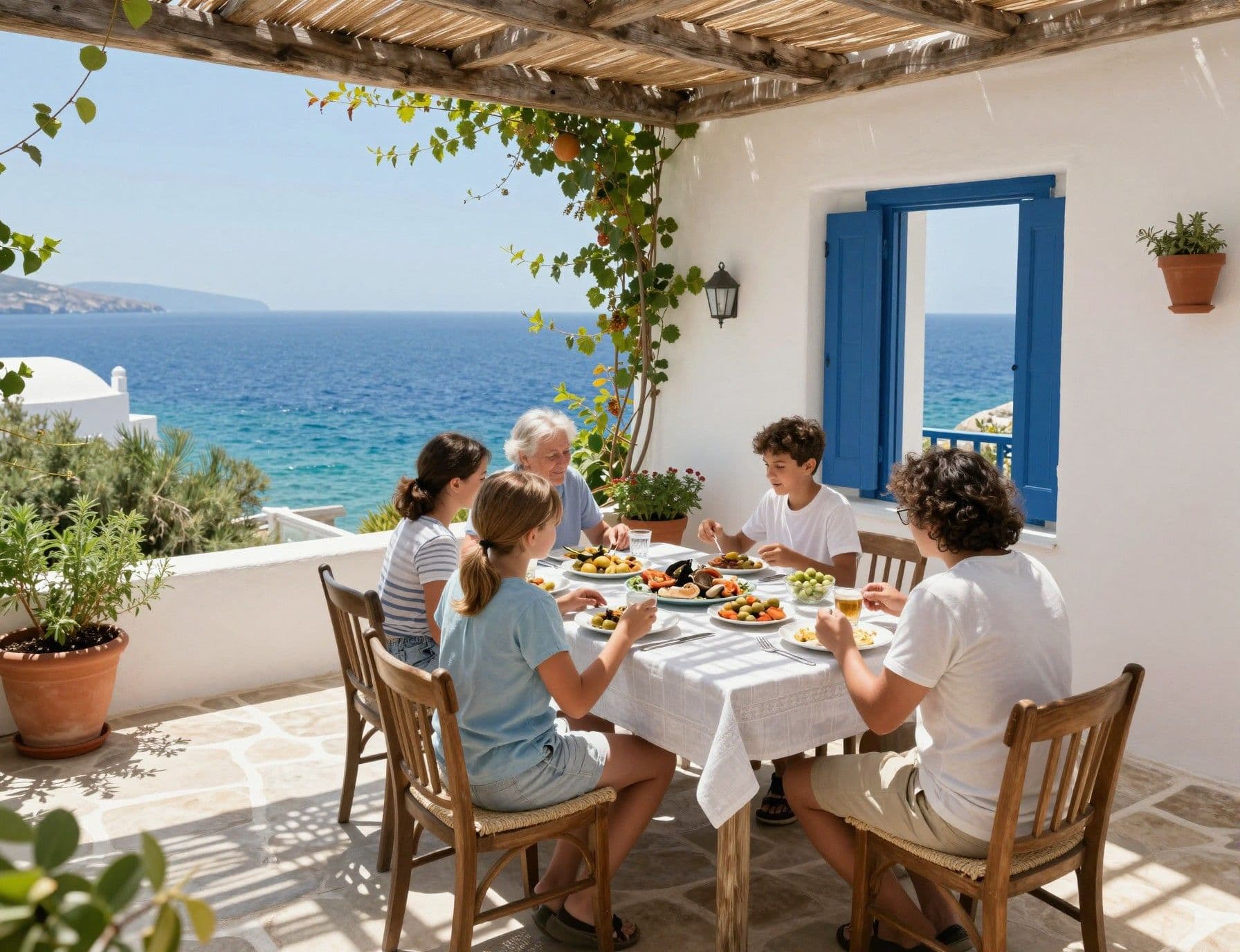
Love the lifestyle first, then frame the purchase around practical realities. Price trends show growth concentrated in Athens, Mykonos and Santorini, while many coastal mainland towns have steadier, more affordable trajectories. That means you can achieve the same coastal life — laundry on a sunlit terrace, fresh fish within walking distance — but with a different financial profile if you look beyond the headline islands. Use official housing indices and local agency records to compare actual transaction prices, not just advertised asking prices.
Property styles that fit coastal living
In Greece you’ll meet Cycladic white cubes, neoclassical townhouses, modern apartments on the Athens coast and stone villas inland. Choose by how you want to live: if social life is a priority, a small seafront apartment with a balcony is better than a remote villa; if privacy and garden life appeal, look for converted farmhouse properties near ports. Also look at practical features for the climate: shading, natural ventilation, roof terraces and simple storage for water and supplies. Renovation is common — expect to budget time and local contractors.
Working with local experts who know the life
Agencies who live locally — not just list online — make the difference. They show you cafes at the right hour, explain seasonal quirks (ferries change in low season), and steer you to neighbourhoods that match the life you imagine. They also know evolving regulations: Greece revised Golden Visa thresholds and regional rules in 2024, which affects where buyers target investments if residency is a factor. Partner with a lawyer who understands local property registration and a surveyor who can verify boundaries and building permits.
- Practical checklist blending life and process 1. Visit both high-season and low-season to sense year-round life. 2. Compare transaction data from Bank of Greece and Hellenic statistics against asking prices. 3. Confirm utility access, road maintenance and public transport schedules for your chosen neighbourhood. 4. Ask the agency for recent comparable sales (not just listings) and a surveyor’s read. 5. Budget for renovation and local contractor lead times, especially off-season.
Insider Knowledge: What Expats Wish They'd Known
Expats often arrive enchanted and then discover the slow truths: local bureaucracy takes time, off-season life is different (quieter shops, fewer ferry options), and community acceptance grows from small repeated gestures — speaking some Greek, joining the local market on Saturdays, or supporting a neighbourhood café. Many also wish they’d checked micro-details: exact street orientation (sun matters), proximity to a municipal water supply, and whether the roof terrace has a legal licence for conversion.
Cultural integration and daily community life
Language helps. Even a handful of phrases opens doors and invites invitations to family celebrations. Local clubs — sailing, walking groups, olive-press days — are the social backbone in many towns. Plan for seasons of solitude (winter) and bustle (July–August), and think tools: a reliable local fixer, a bilingual lawyer, and a neighbour who can collect deliveries when you’re away.
Long-term living: what evolves after year one
After a year you’ll notice two things: the house becomes a social anchor (friends, weekend routines) and local infrastructure matters more than glamour. Schools, healthcare access, and reliable transport shape daily decisions. Property that seemed remote can feel central once you’ve found a rhythm — but only if maintenance is predictable and the municipality is responsive. For investment-minded buyers, markets with steady rental demand (near universities, year-round towns) often offer more reliable returns than purely seasonal hotspots.
- Red flags we’ve seen and how to avoid them - Advertised ‘sea-view’ lots that lose the view once a neighbouring rooftop is built — check planning permissions. - Properties without up-to-date energy certificates or declared building permits — insist on documentation. - Over-reliance on verbal assurances from sellers about shared costs (roads, wells) — get written agreements. - Buying sight unseen off-market because of a low price — always visit in both seasons and commission a local surveyor.
Conclusion: Fall for the life, then buy the file. Greece gives you mornings of markets and evenings by the sea, but the best purchases come from marrying that romance to data, local knowledge and realistic timelines. Start with a few neighbourhoods that match the life you want, verify prices with official indices (Bank of Greece, ELSTAT, Eurostat), and work with agents who live in the towns they sell. If you want a hand refining a shortlist, we can point you to local experts who know both the markets and the cafés that make them feel like home.
Danish investment specialist who relocated to Costa del Sol in 2015. Focuses on data-driven market timing and long-term value for Danish buyers.