Greece's Quiet Corners Outsmart the Island Hype
Greece’s best buys hide off the postcard path: neighbourhood life, seasonal trade‑offs and official data show quieter coastal towns and Athens pockets often outpace headline island hype.
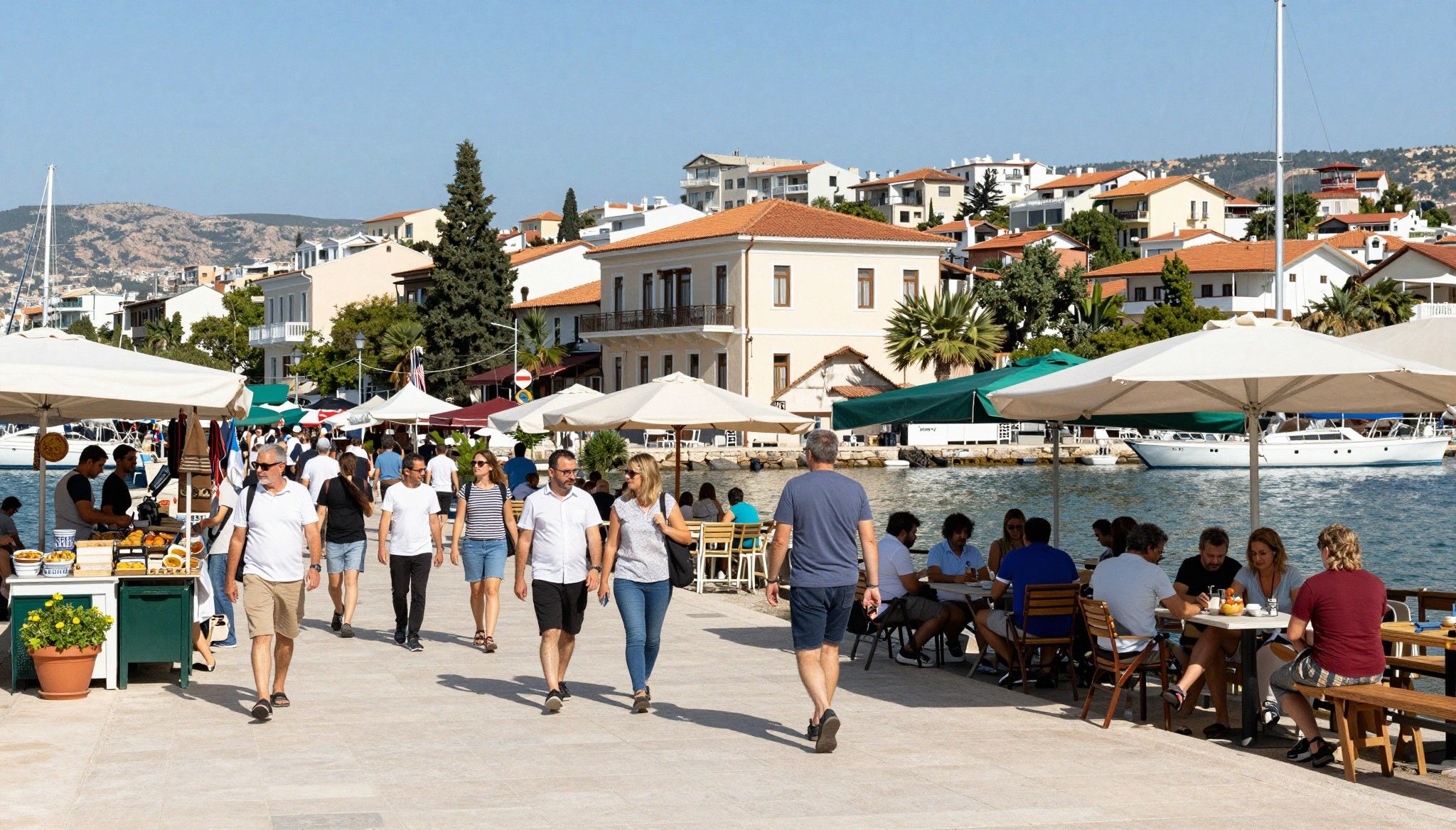
Imagine stepping out at 8 a.m., espresso in hand, along a shaded, palm‑lined street in Glyfada, or wandering a narrow Koukaki lane where a bakery still slides warm koulouri into your hands. Greece often sells itself as islands and postcard views, but much of the real life—and smarter buyer opportunity—lives in quieter corners, coastal suburbs and overlooked mainland towns. We’ll show you why those places often beat the island headline prices, how seasonality reshapes value, and what to look for on the street level before you make an emotional offer.
Living the Greece lifestyle — beyond the postcard
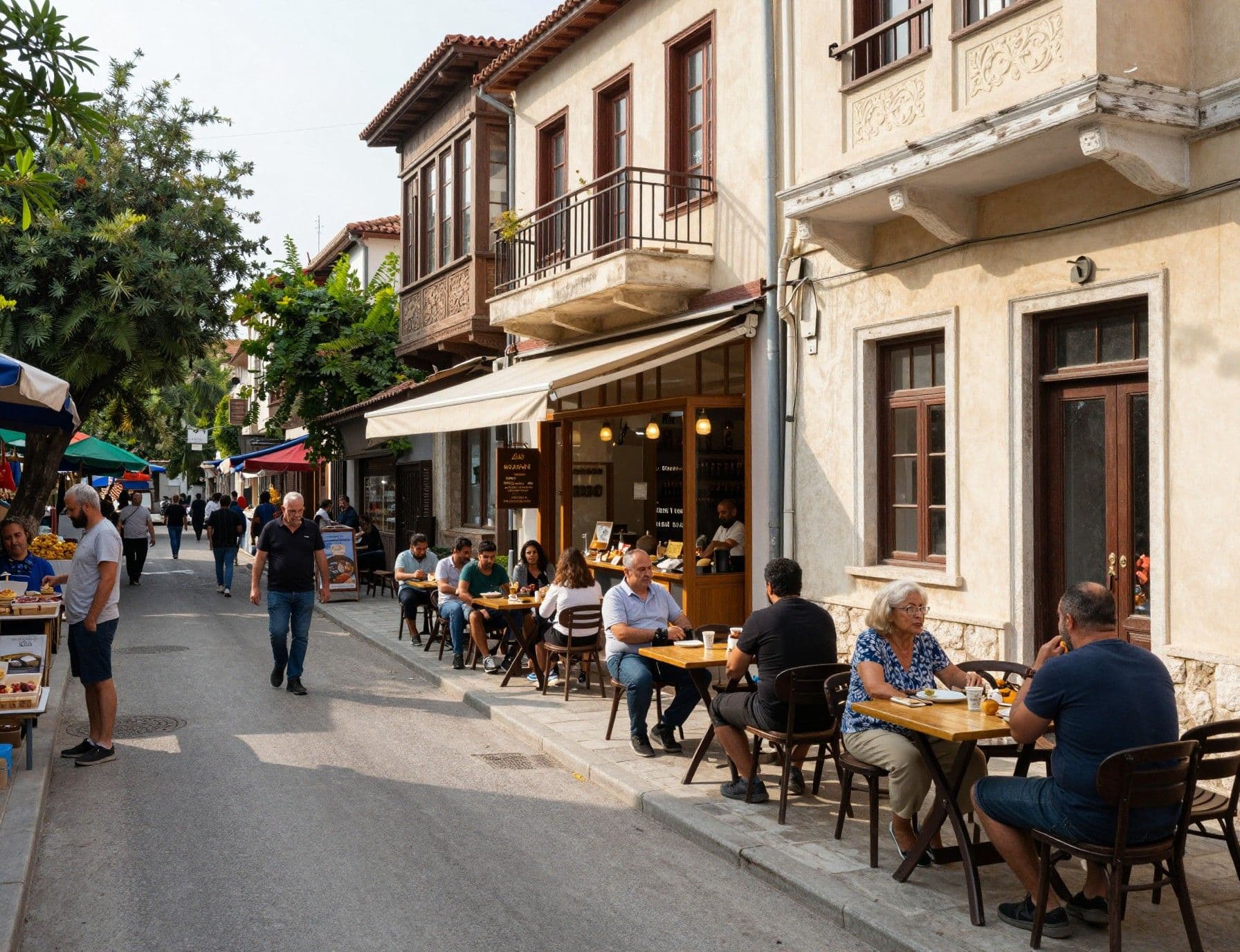
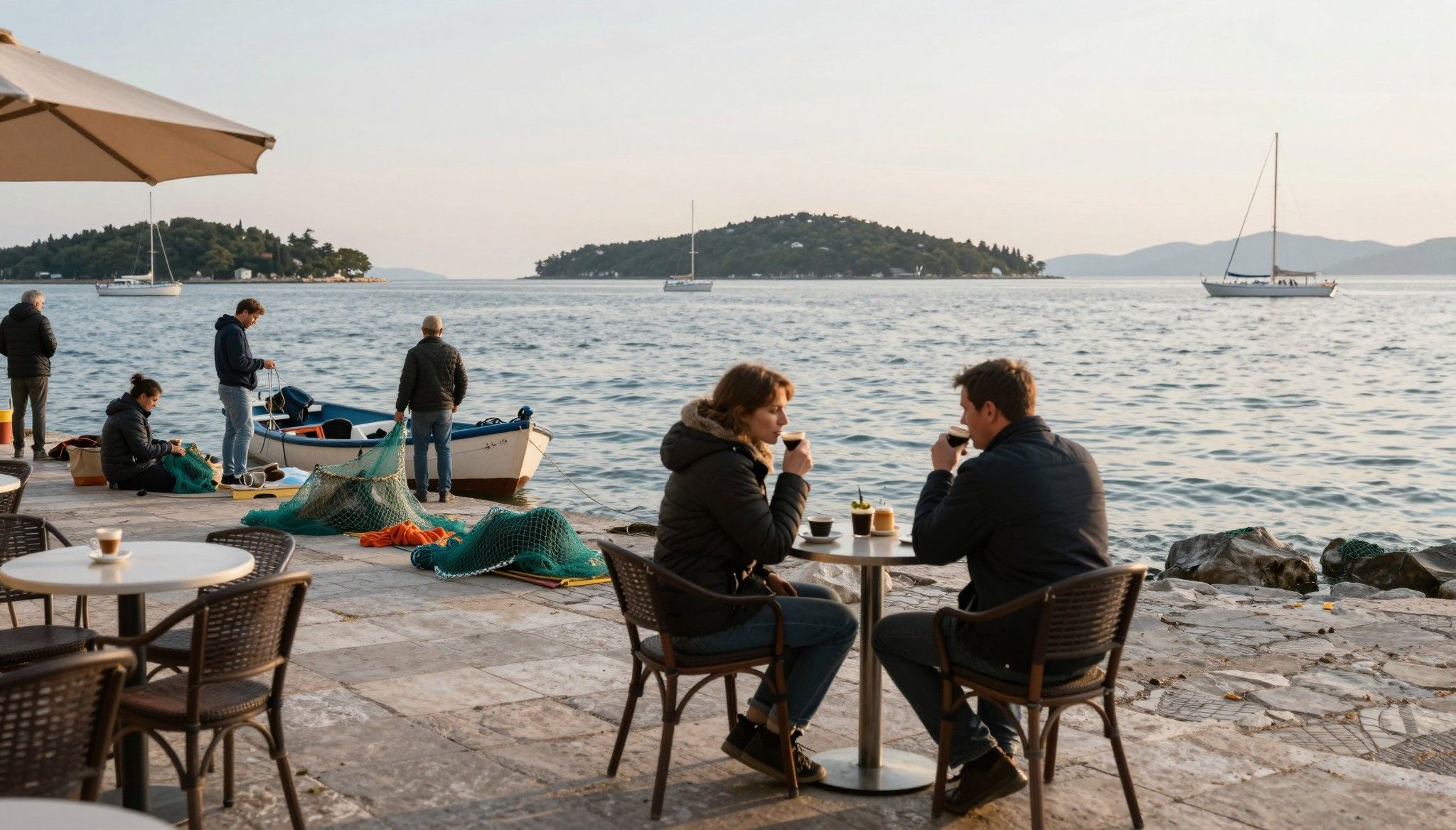
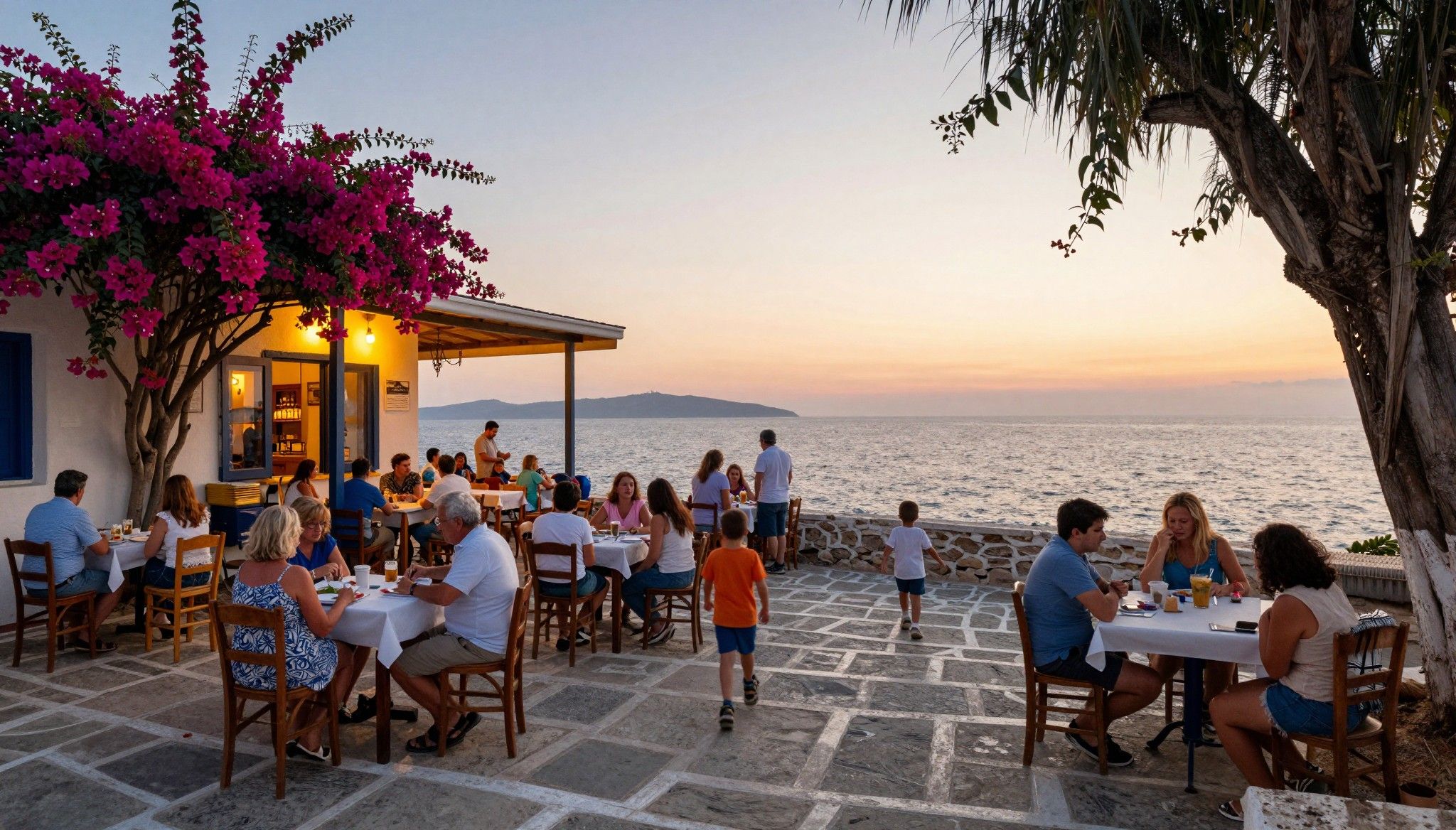
Greece’s day is lived outdoors. Mornings belong to markets—fishmongers at Varvakios in Athens or sea‑fresh stalls in Chania—afternoons to siesta‑light pauses and terrace conversation, evenings to long dinners that run into the night. Locals measure weeks by island weekends, festival calendars and olive harvests, but the day‑to‑day warmth comes from neighbourhood cafés, municipal squares, and the baker you see three times a week. That cadence matters for buyers: you’re not just buying a view, you’re buying the daily rituals that keep a place alive.
Athens’ pockets: Koukaki, Pangrati, Glyfada — different kinds of calm
Koukaki feels like living next to the Acropolis without being trapped in a postcard. Pangrati hums with local grocery stores, family tavernas and parks where kids learn to ride bikes. Glyfada gives you Mediterranean light, marina life and an expat‑friendly strip of restaurants and schools. Each offers a different tempo: proximity to culture in Koukaki, neighborhood stability in Pangrati, seaside everydayness in Glyfada. Walk the blocks in each and you’ll understand why buyers who prioritise life over Instagram find much better long‑term satisfaction here.
Food, markets and the small rituals that define neighbourhood life
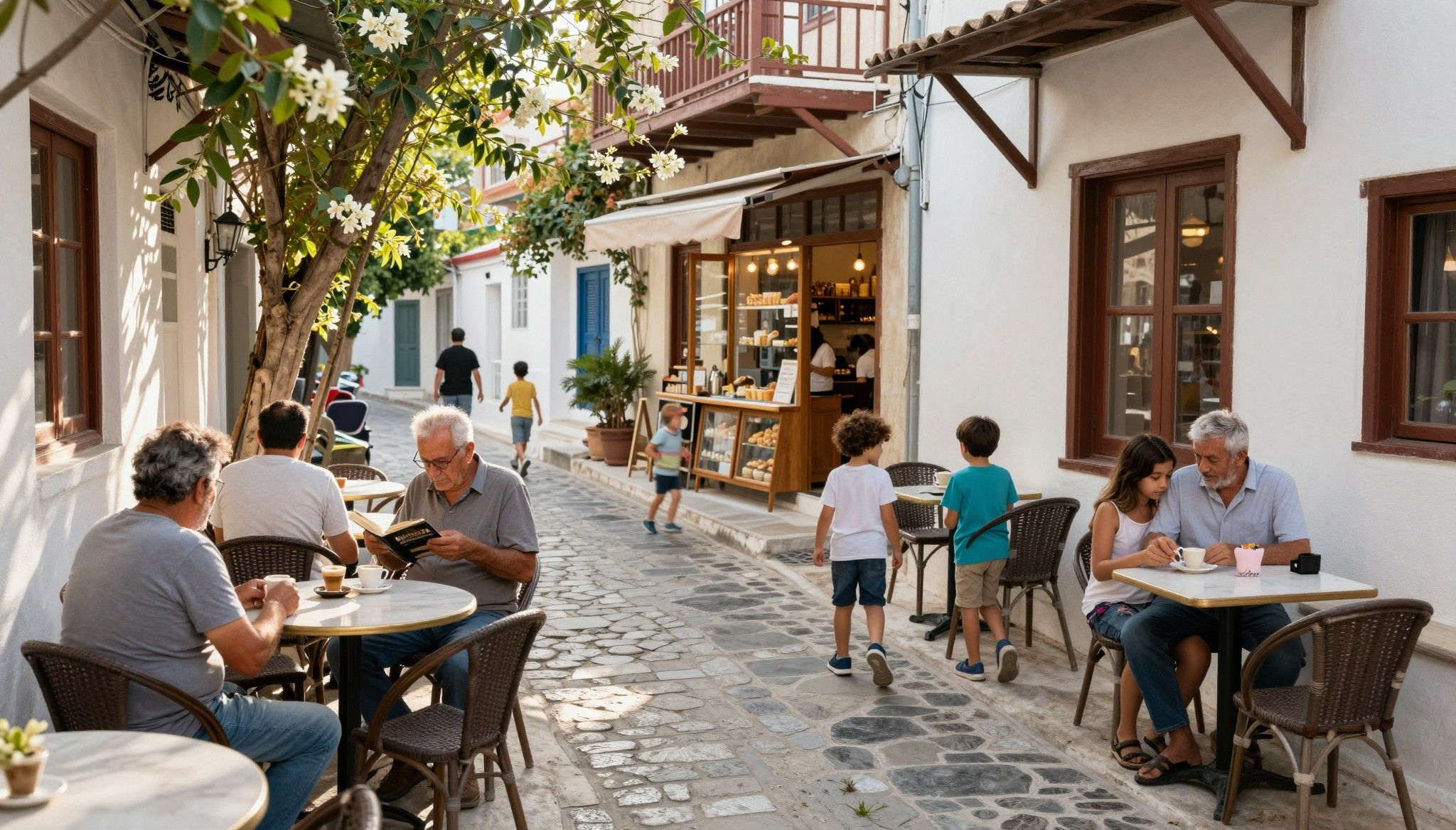
Picture buying oranges from a late‑morning market, taking a pastries detour at a century‑old kafeneion, and returning home past a taverna with tables spilling into the street. These scenes anchor the kinds of properties that age well: modest terraces, ground‑floor courtyards, apartments with community balconies. For international buyers, the social return—neighbors who borrow sugar, shopkeepers who know your name—often outweighs a marginally larger square metre closer to the Acropolis.
- Neighbourhood lifestyle highlights: Koukaki bakery runs; Pangrati parks and playgrounds; Glyfada marina strolls; Chania’s old harbour evenings; Nafplio’s Saturday market; Pelion’s mountain tavernas.
Making the move: practical considerations that preserve the lifestyle
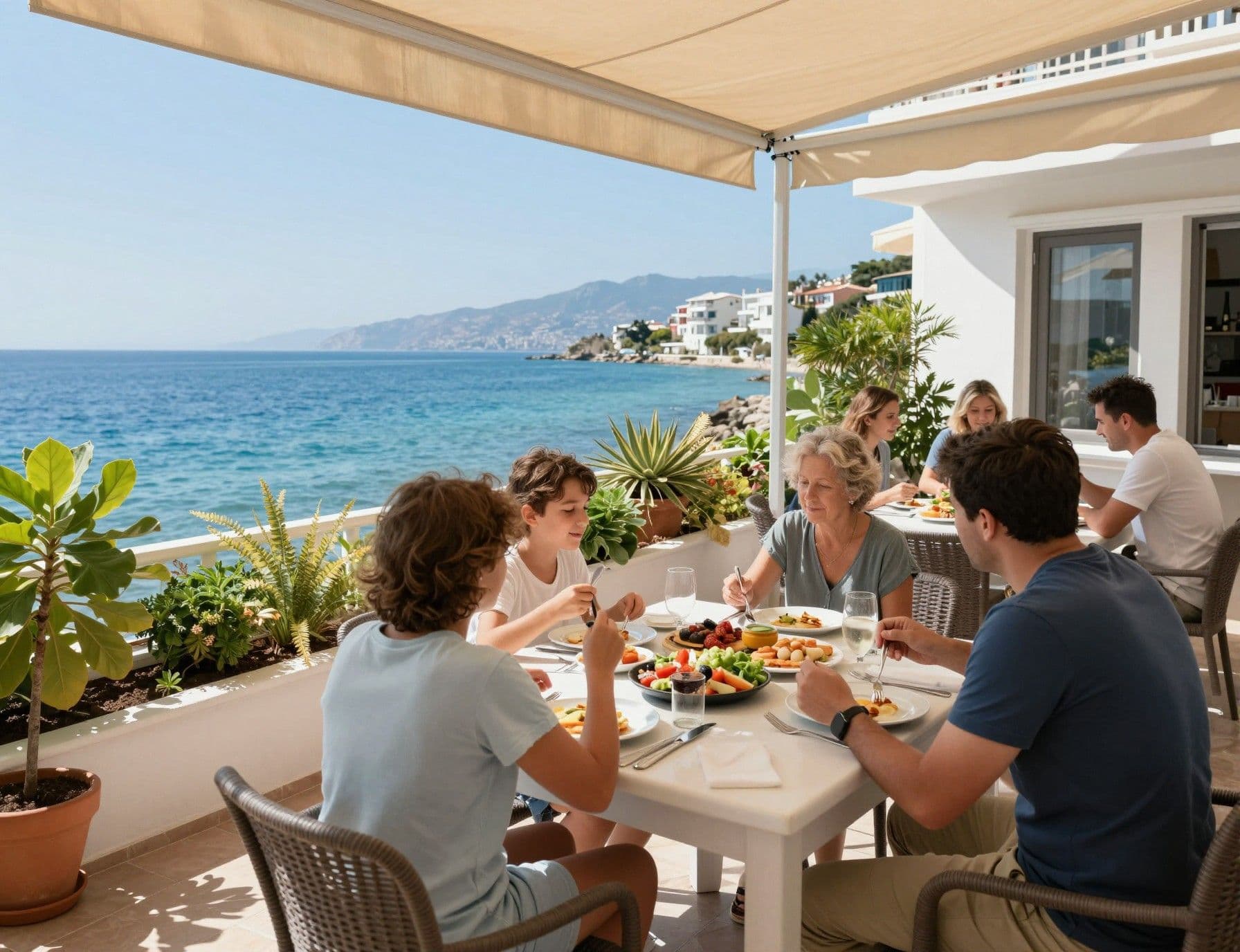
Turn the lifestyle wish into a durable purchase by starting with market‑backed reality. Official data shows Greek apartment prices rose through 2024, with notable gains in Athens and regional cities. That’s not universal: some islands softened outside high season and smaller mainland towns showed steadier, less volatile growth. Knowing which micro‑markets track steady lifestyle use (year‑round communities) versus tourist‑led rent spikes will change both your offer strategy and renovation priorities.
Property styles that actually match Greek life
Stone village houses, neoclassical Athens flats with tall ceilings, coastal apartments with terraces—they all offer different everyday benefits. If you love café culture and walking, an apartment near a municipal square (and with good balcony sunlight) matters more than a sea view you see only three months a year. If you plan to host family across seasons, prioritise decent storage, insulation and a layout that supports multi‑generational visits rather than an ultra‑open plan meant only for summer.
Why local experts must know more than price per square metre
A good local agent is your translator of rhythm. They’ll tell you which streets empty in July, which bakery closes in January, and which municipal plans signal a new bypass that will change traffic noise. That insight prevents impulse buying driven by holiday charm, and it finds properties where life matches your priorities. Agencies with on‑the‑ground networks (lawyers, engineers, property managers) keep the move smooth and protect you from common surprises like unregistered renovations or unclear land use.
- Step‑by‑step checklist to align lifestyle and purchase: 1) Spend three non‑consecutive weeks in the area across seasons; 2) Meet local residents (cafés, schools, markets) to test fit; 3) Commission a survey and title search before offers; 4) Verify municipal plans and utilities with a local architect; 5) Factor in realistic running costs and seasonal closures.
Insider knowledge: what expats wish they’d known
Expats often arrive enchanted and then learn local rhythms the hard way. Language gaps matter for paperwork and building relationships; small civil‑servant delays are normal and predictable; and a beautiful terrace can come with a moth infestation story you won’t see in listing photos. The common regret isn’t price—it’s buying a property that doesn’t support how you want to live through the quieter months.
Cultural cues that matter for community life
Greeks prize neighbourliness and routine: know when the baker is open, learn basic greetings, and accept that appointments can be relaxed. Participate in local festivals and you’ll be invited into networks that matter when you need a tradesperson or a school recommendation. Small social investments early pay off in practical ways later—welcome baskets and learning a handful of phrases go further than a price negotiation alone.
Long‑term lifestyle planning: seasons, maintenance and future proofing
Plan for seasonality: islands can be lively rent generators but quieter in winter, which affects resale and living costs. Mainland towns and Athens suburbs often give steadier year‑round occupancy and local services. Also, residency and investment rules (including Golden Visa changes in 2023–2024) evolved—work closely with counsel to understand thresholds and transitional rules so that your purchase supports long‑term plans rather than short‑term incentives.
- Red flags to watch on the street: unclear title records; missing building permits; properties with no winter heating infrastructure; neighbourhoods with high short‑term let turnover; streets scheduled for major road works.
Before you sign, imagine a year of living there. Can you get groceries in January? Are doctors reachable? Will the balcony be usable in winter? Those questions separate a holiday purchase from a life choice. If the answers check out, you’ll have bought more than a property; you’ll have bought a set of daily moments that make Greece feel like home.
Conclusion: fall for the life first, then buy the file. Start with neighbourhood walks, seasonal stays and conversations with locals. Use official data (house price indices, municipal plans) and a local team to pair the life‑you‑imagine with a property that supports it through all seasons. When you buy where locals actually live—on the quieter street, beside the market, in the suburb with year‑round life—you buy a Greece that’s sustainable, delightful and smarter than the postcard.
Danish investment specialist who relocated to Costa del Sol in 2015. Focuses on data-driven market timing and long-term value for Danish buyers.