Why Winter House‑Hunting in Croatia Beats Summer
Skip the summer shortlist: winter house‑hunting in Croatia reveals real lifestyle, legal and tax signals that protect buyers and uncover value.
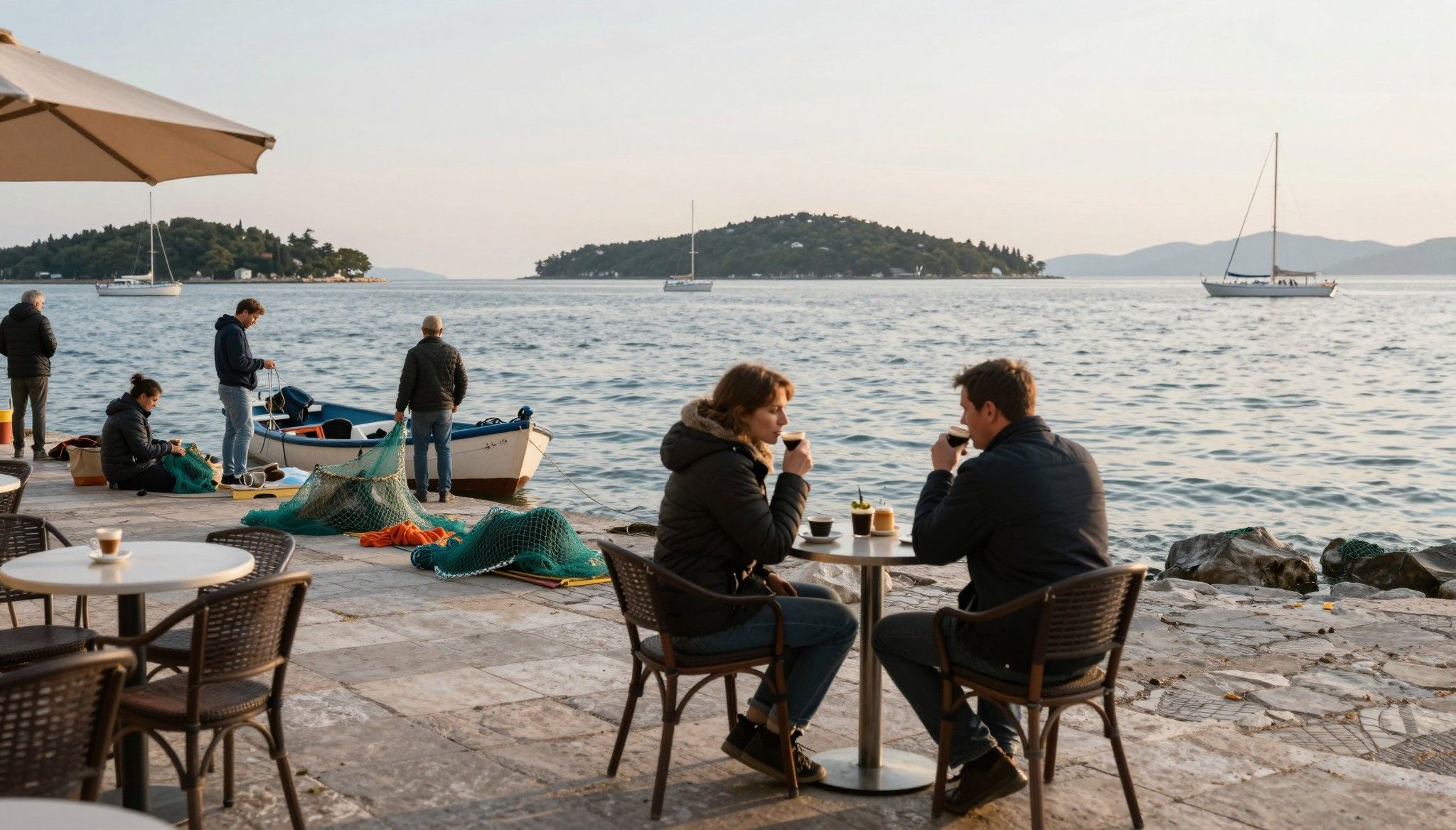
Imagine a December morning in Dubrovnik: cafes steaming, narrow streets empty enough to hear church bells, Adriatic light that actually lets you inspect roof tiles and window frames. That quiet is the practical advantage most buyers miss when they only visit in July. We start here because the rhythm of life — not just price charts — decides whether a purchase turns into a long-term love affair or a holiday regret. For international buyers, Croatia’s legal and tax landscape is straightforward — if you look at it off-season and with the right local expertise. (See official guidance on purchase rules for foreign nationals.)
Living Croatia: what winter reveals
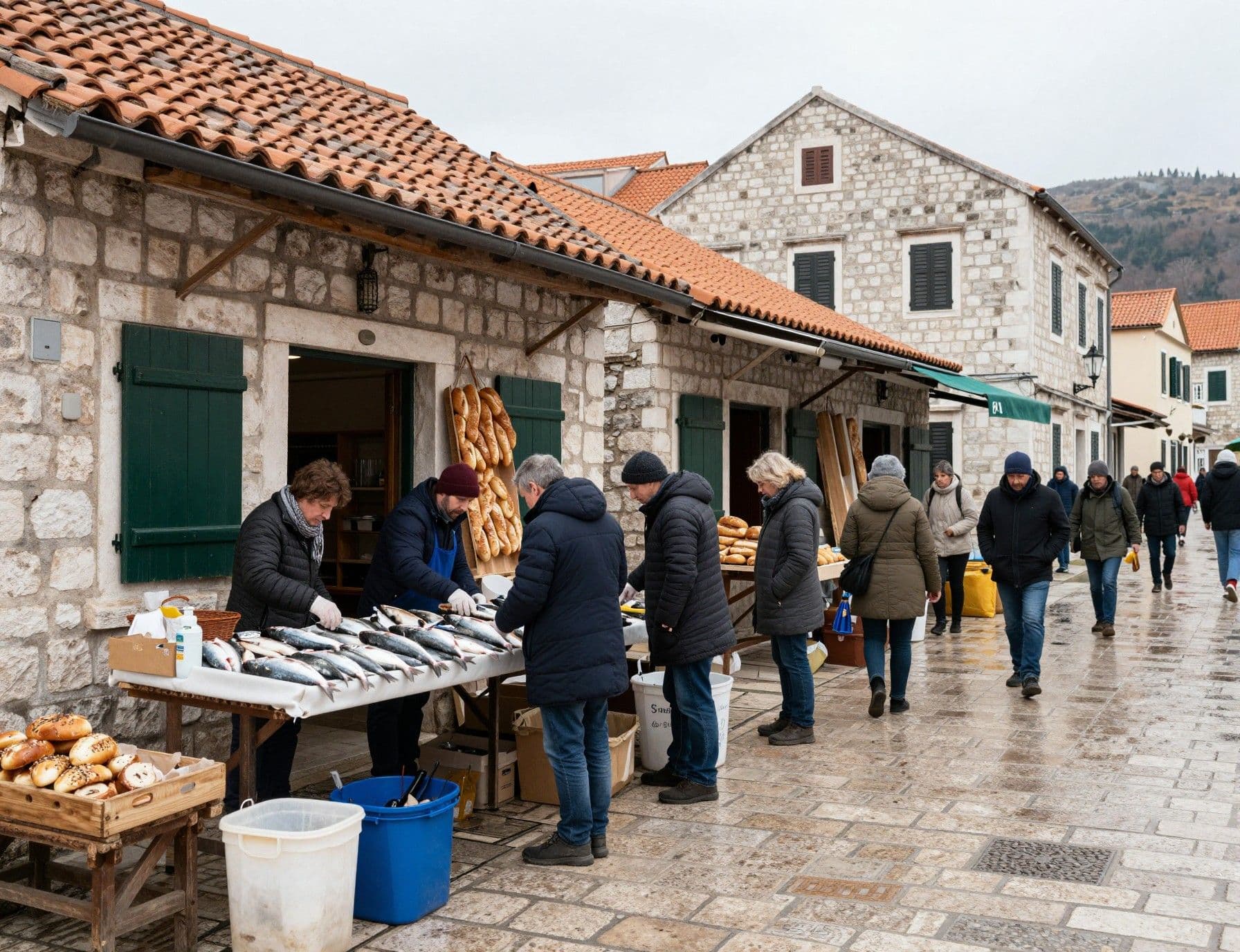
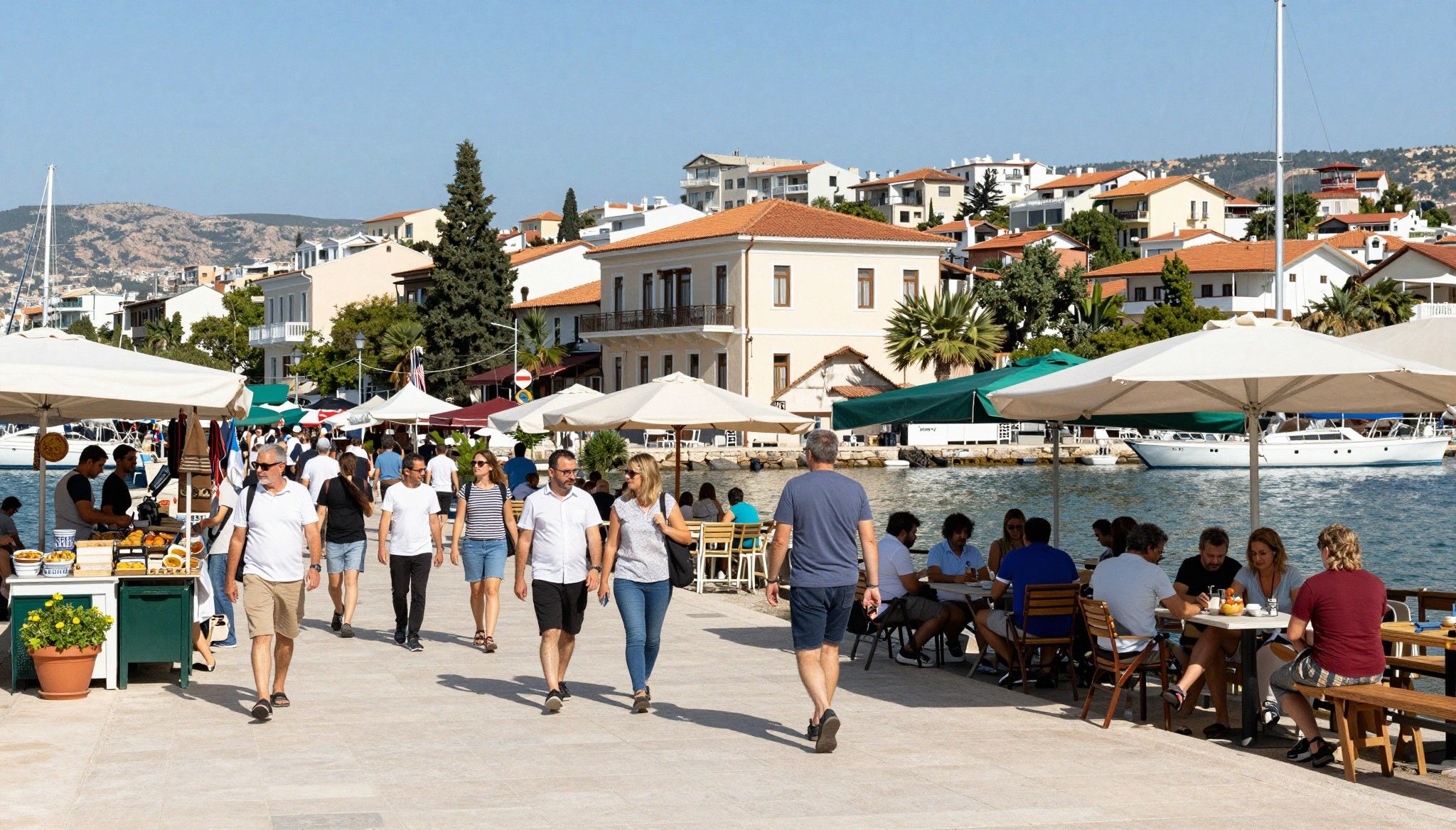
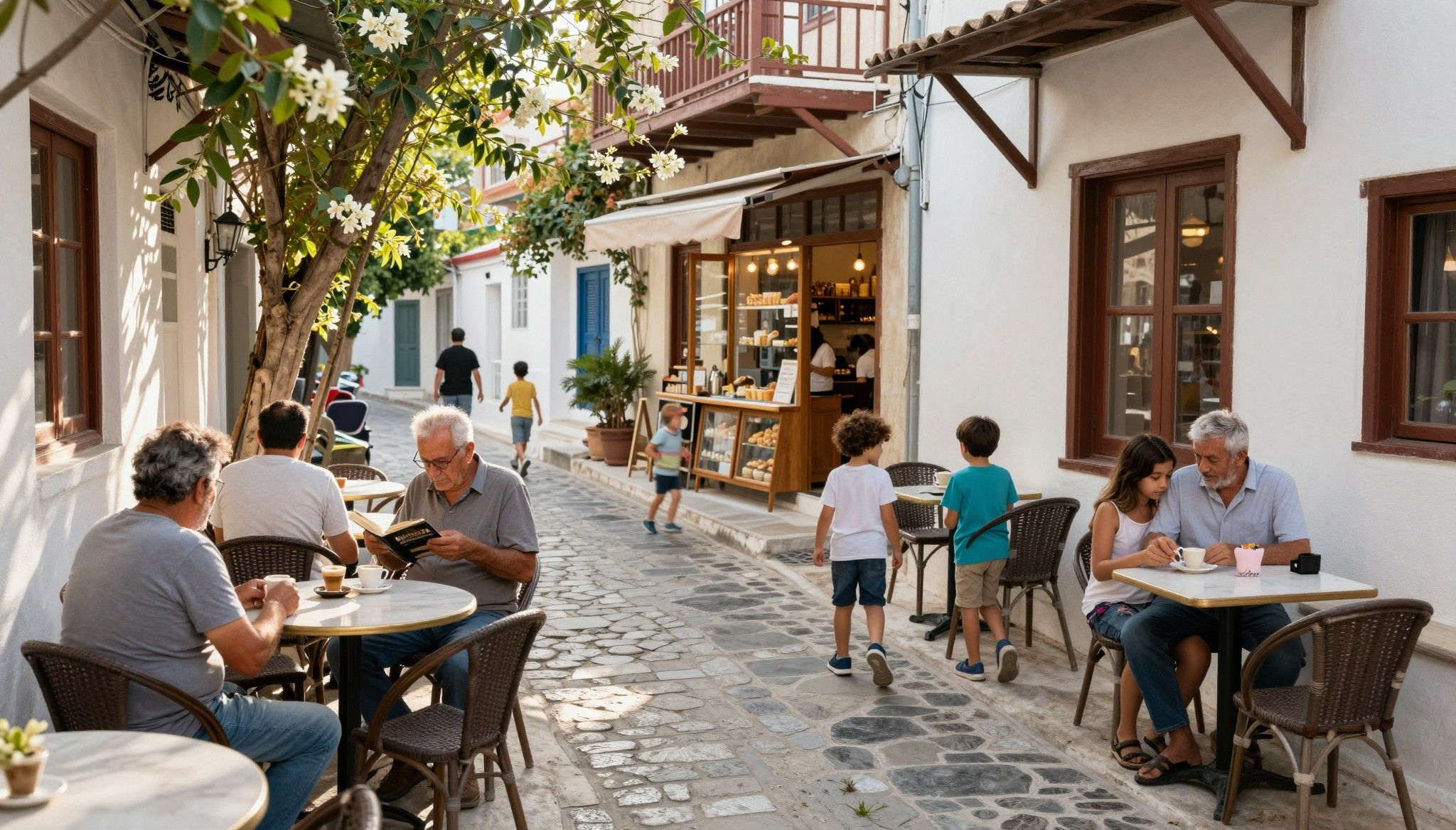
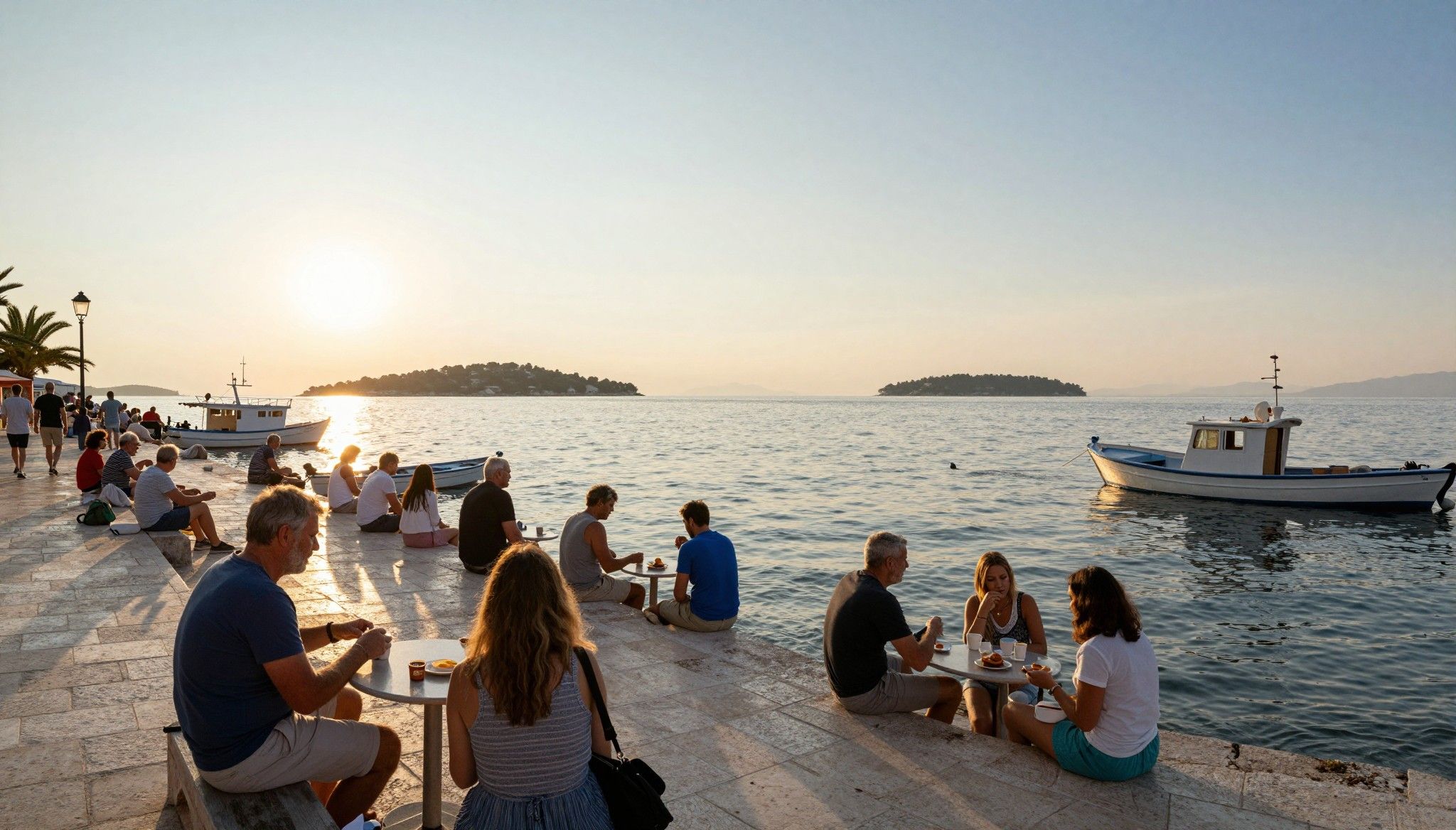
Life in Croatia isn’t a constant postcard. Coastal towns pulse in summer, but the year-round character — bakeries that open at 6 a.m., the rhythm of local markets, evening promenades on quieter piers — is visible far more clearly between November and March. Those months let you test insulation, heating, water pressure and how neighbours behave when it’s raining. If you want to live here, not just own here, winter shows whether a place will feel like home.
Neighbourhood checks that only winter allows
Walk down Split’s Varoš or Rovinj’s old harbour on a cold weekday and you learn practical things: where the nearest grocery stays open, which cafes are truly local, and whether the lane outside your future front door floods after heavy rain. Sellers often stage properties in summer; winter reveals real wear, drafty windows, and whether heating actually works. That’s the difference between buying a summer story and buying a home.
Food, markets and weekday life
Outside peak season, you see which fishmongers turn into regulars, which konobas (family-run taverns) actually cook from local supply, and which weekend festivals are the real cultural anchors. These everyday connections matter for renters, long-term community building, and your own quality of life. The rhythm of markets and small businesses is also an early indicator of local resilience — useful for investors aiming for steady rental demand.
- Lifestyle highlights to look for in off-season visits: - A weekday market that still has fresh produce (name: Split’s Pazar or Rijeka’s Korzo stalls) - A neighbourhood bakery open mornings all year (look for bakeries near residential streets, not tourist hubs) - Local cafés where residents know each other — a sign of community cohesion - Reliable ferry schedules in winter (especially important for island properties) - Visible maintenance on façades and roofs rather than summer cosmetic fixes
Making the move: law, tax and timing (practical winter advantages)
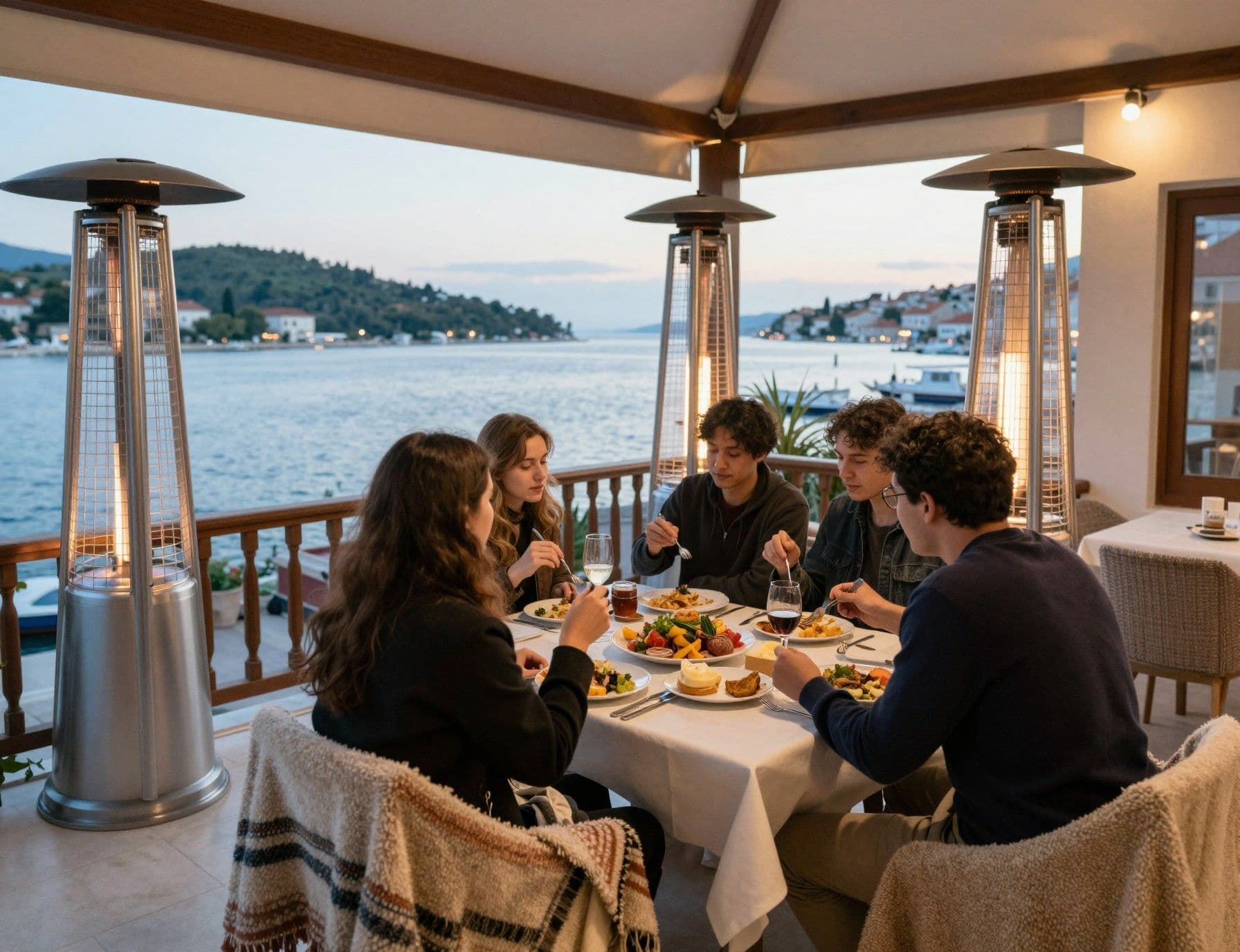
The legal framework for buying in Croatia is clear: EU nationals buy under the same conditions as Croatians (except some exempt areas), while non‑EU buyers may need administrative consent and sometimes a local company structure. Practical advantage: starting the legal process in winter gives you time for full due diligence, administrative approvals and translation of documents while not missing peak-season viewings and contractual pressure. Be aware of the taxes that matter most to buyers — notably the real estate transfer tax and VAT rules for new builds — so you can time purchase structure and negotiate with facts, not feelings.
Tax mechanics that change the math
Key numbers you’ll actually use: resale properties are typically subject to real estate transfer tax (currently around 3% of the sale price) unless VAT applies; new-builds sold by VAT‑registered developers are usually subject to VAT (standard rate 25%), not transfer tax. These rules affect whether you can negotiate an ‘all-in’ price and how quickly closing costs add up. We always check whether the seller is a VAT-registered entity — that single fact changes the buyer’s tax exposure and negotiation room.
- Practical winter steps to reduce risk and cost: 1. Start administrative consent (if non‑EU) while sellers are less pressured — timelines run regardless of season. 2. Commission a full technical survey in wet months to reveal damp, insulation or roof issues. 3. Confirm VAT status of the seller to know whether transfer tax applies. 4. Negotiate conditional clauses tied to heating, winter utilities and ferry reliability (for islands).
Insider knowledge: what expats wish they’d known
We’ve worked with buyers who chose Croatia for sunsets and then learned the local calendar — ferries, festivals, school holidays — determines rental demand and community life. Expats often underestimate bureaucracy timelines (ID numbers, bank accounts, utilities) and overestimate the speed of renovation approvals. They also miss micro-local differences: a waterfront street in Zadar may see tourist footfall year-round, while a lane two blocks inland offers quiet long-term renters and lower rates.
Cultural and community considerations
Croatians value local ties. Becoming part of a neighbourhood is helped by small gestures: shop at the same konoba, learn basic Croatian phrases, and respect market timetables. For families, school calendars and access to healthcare matter more than a view. For investors, reliable year-round tenants often come from local industries, universities or long-stay seasonal workers — not holiday crowds.
- Local red flags to watch for in winter inspections: - Visible mould or weak insulation around attic and windows - Irregular heating systems or absent radiators in advertised rooms - Evidence of neglected drainage that appears during rains - Sellers who refuse winter viewings or insist on sunny-day visits only - Ferry or road links with seasonal schedules that leave islands isolated
How agencies help (the right way)
Good local agents do more than show pretty terraces. They triangulate the lifestyle you imagine with practical checks: confirm vendor VAT status, test utilities in winter, produce trusted local surveyors, and introduce you to lawyers who can handle consent and STR (short‑term rental) rules. We recommend agencies who will walk the street with you on a grey Wednesday — that’s how you learn the real rhythm of a place.
- A recommended winter timeline (practical next steps): 1. Visit in winter; shortlist 3 neighbourhoods and test daily routines. 2. Ask your agent to confirm seller VAT status and provide recent utility bills. 3. Commission a technical survey and legal checks (title, encumbrances, permissions). 4. Start administrative consent (if required) and open a local bank account. 5. Negotiate contracts with winter-based conditions (heating, drainage, ferry clauses).
Conclusion: fall in love with the life, buy with winter eyes. Croatia’s charm is obvious in summer; its durability is tested in winter. If you measure a place by how it behaves on an ordinary Tuesday in January, you’ll avoid common mistakes and buy something that actually fits the life you want. Start with off-season visits, use the right local experts to interpret legal and tax signals, and structure offers that reflect the year-round reality of places you could call home.
Norwegian market analyst who serves Nordic buyers with transparent pricing and risk assessment. Specializes in residency rules and tax implications.