Croatia: Love the Life — Check Reciprocity, Tax & Permits
Fall for Croatia’s daily life — but pair the dream with practical checks: reciprocity, transfer tax vs VAT, permits and seasonal realities backed by official guidance.
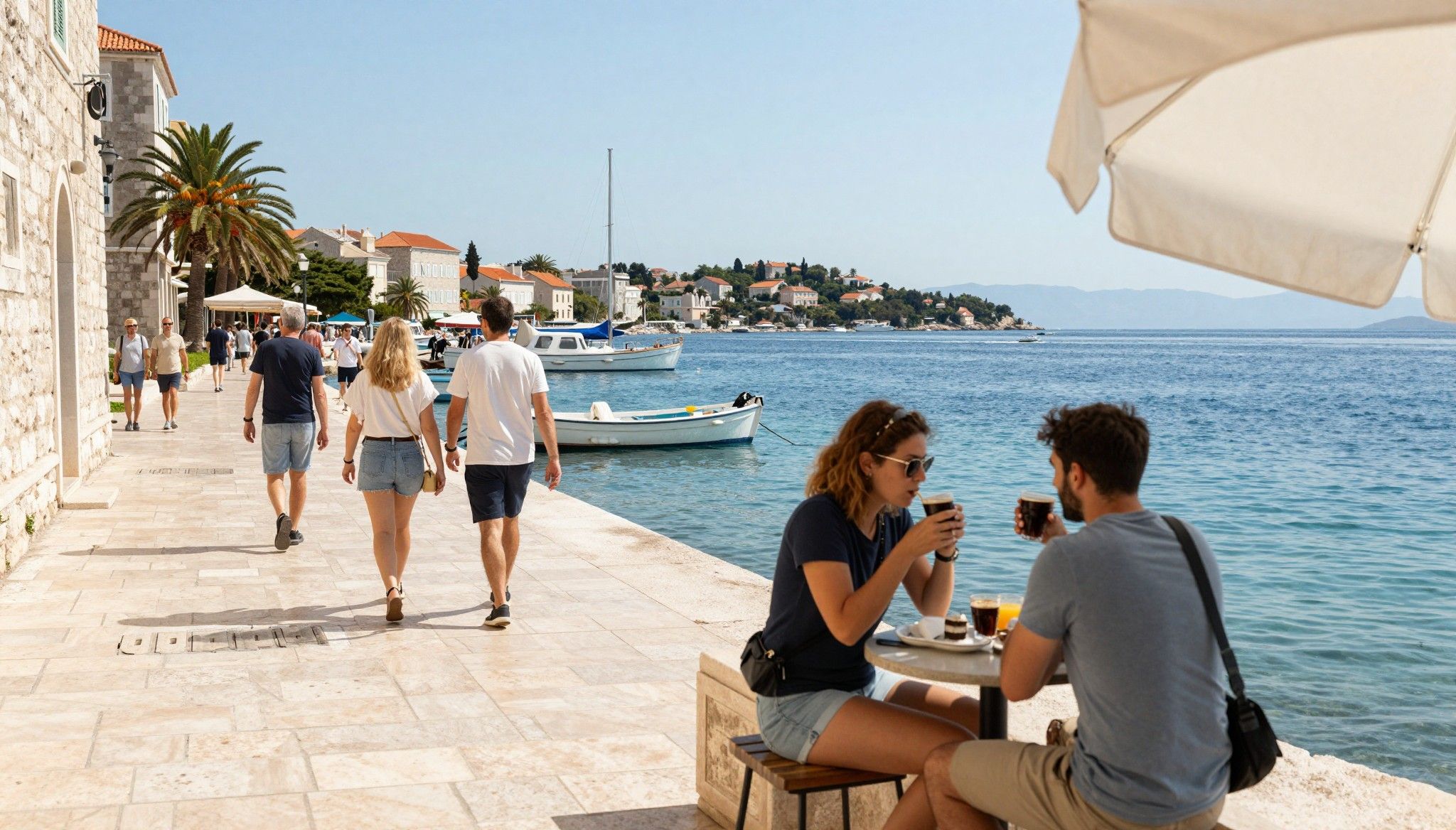
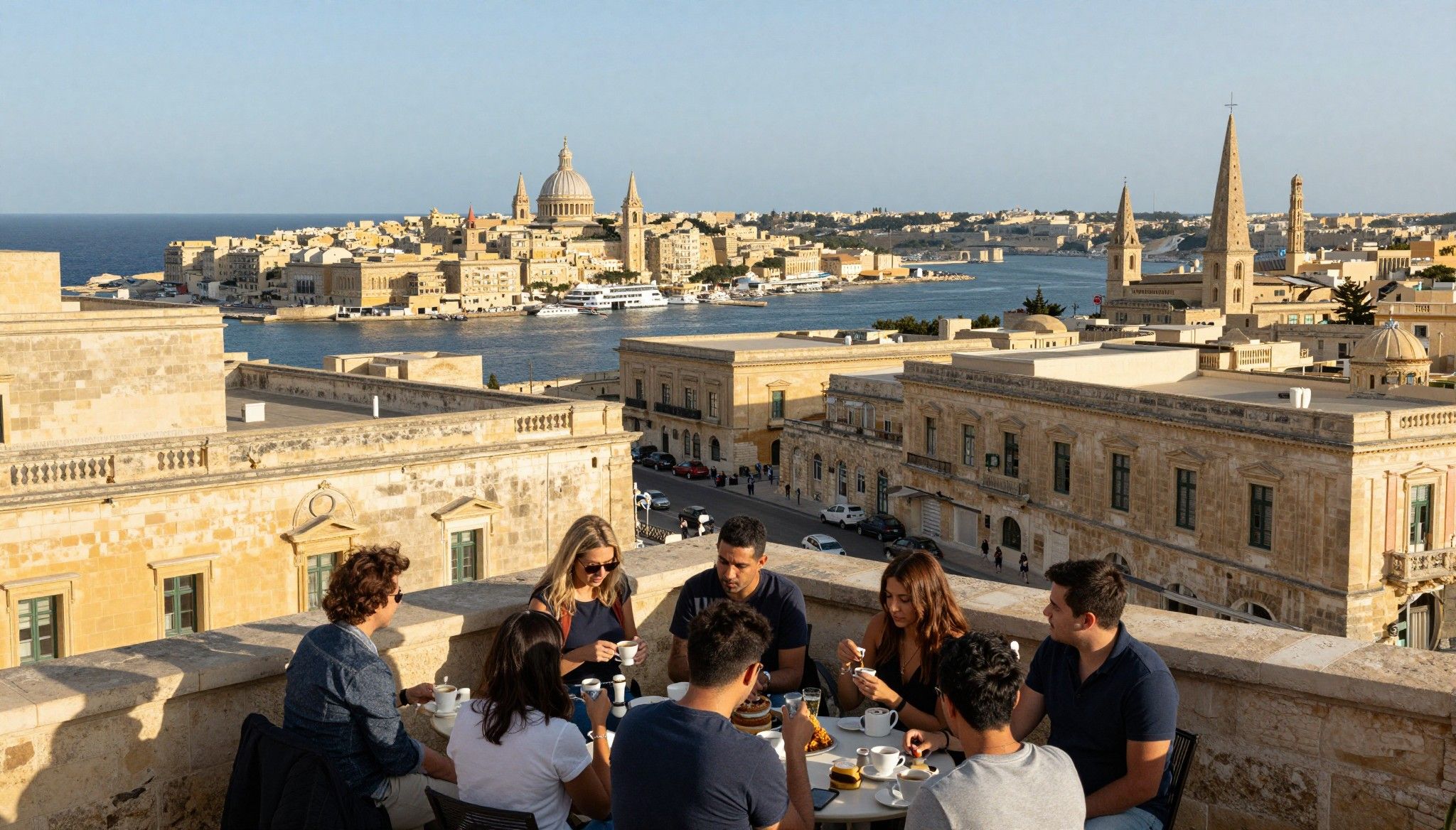
Imagine morning light spilling across a terrazzo balcony in Split, a barista calling out your name in a narrow stone street in Rovinj, or a weekend market piled with figs and paški sir. Croatia lives in textured, small moments — slow coastal mornings, energetic summer festivals, and quieter autumns where the Adriatic is suddenly yours. But those moments have rules. If you love the life, you should also know how the law shapes which properties you can actually own and what that ownership will cost.
Living Croatia: the daily atmosphere that sells a lifestyle
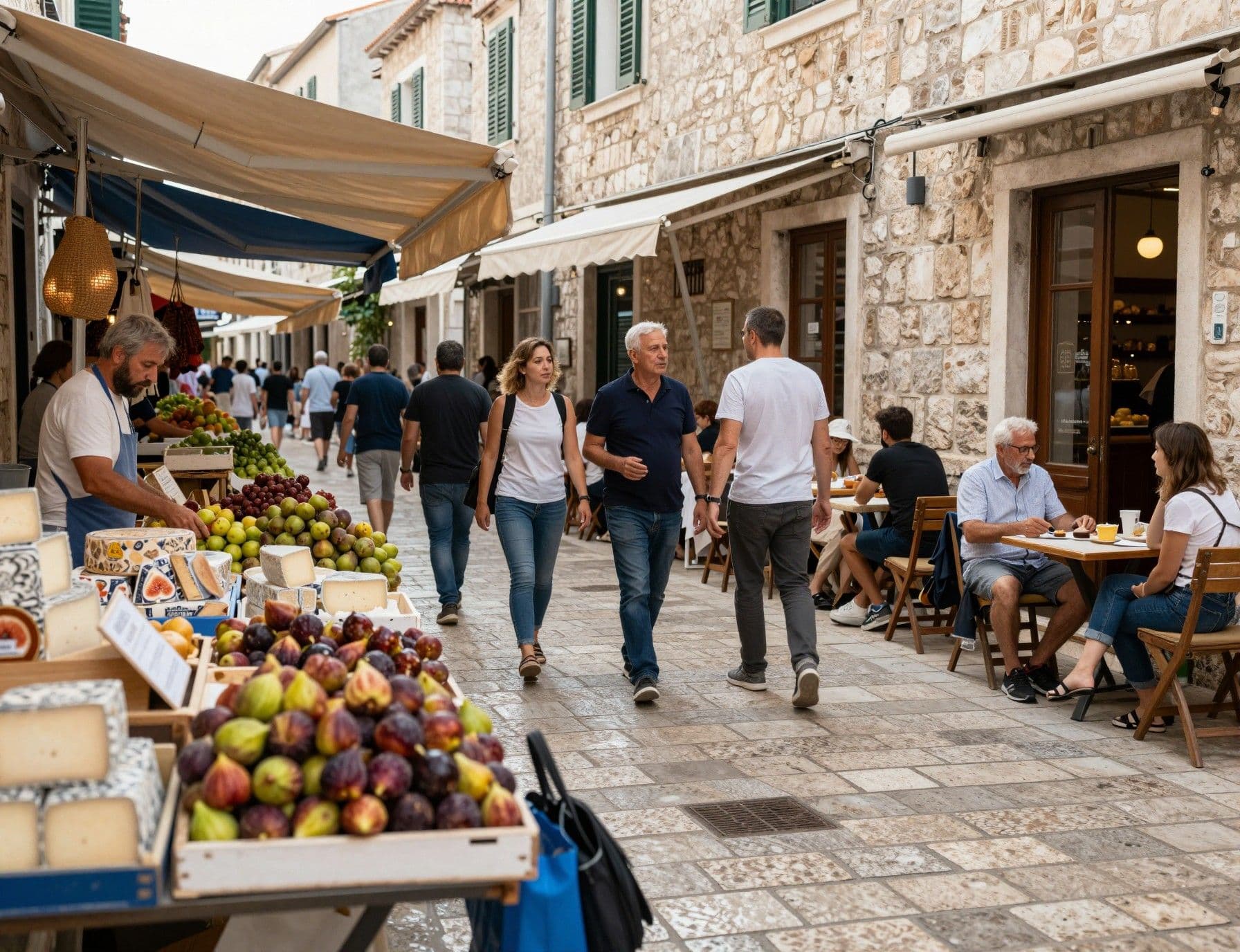
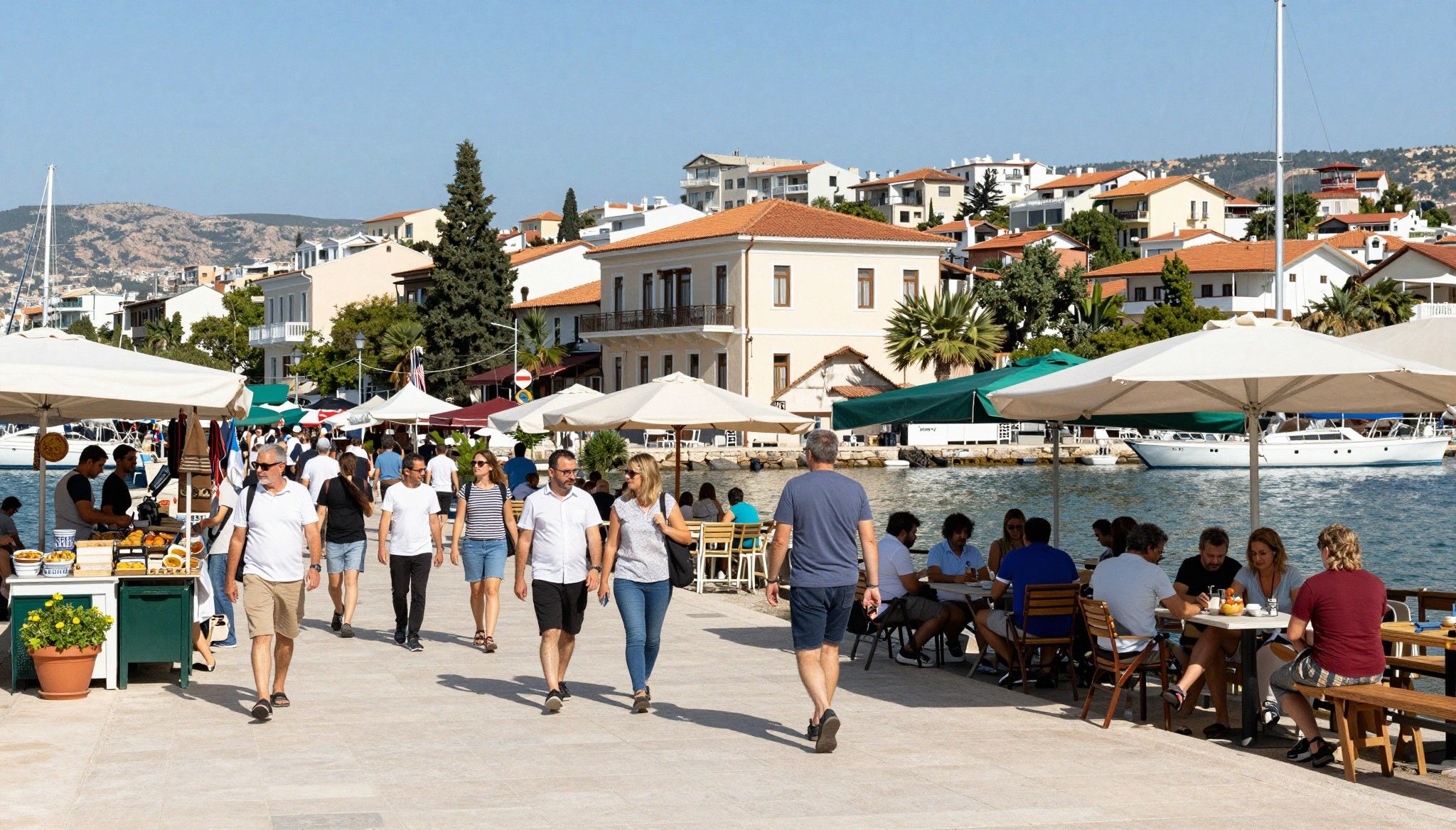
Living here feels local before it feels international. In Zagreb you’ll find early espresso culture and weekday markets; along the Dalmatian coast towns like Dubrovnik, Trogir and Hvar pulse with tourist seasons and quiet winters. The islands reset your sense of scale: fewer cars, lunchtime swims, and neighbours who still barter for olives. That rhythm determines what property works — a city apartment for year-round life, a coastal stone house for seasonal use, an island villa if you’re ready for slower logistics.
Neighborhood spotlight: Split — Varoš to the Riva
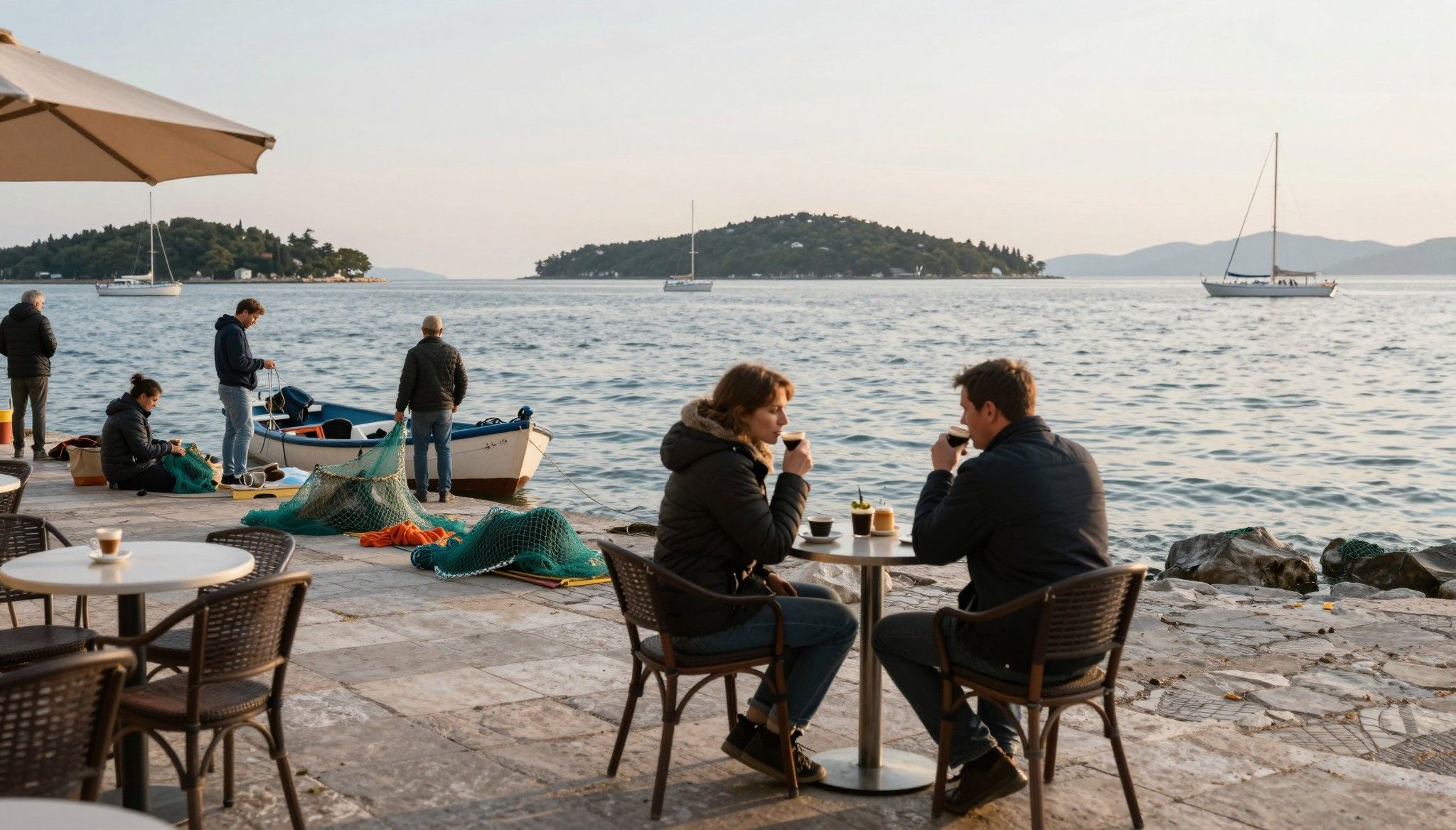
Walk Varoš at sunrise and you’ll see fishermen mending nets, cafés opening on Marulić Square, and terraces that look over the Riva. Properties here range from carved stone houses with small courtyards to compact modern conversions. For buyers who want the city’s heartbeat, proximity to the waterfront and access to local markets matter more than square metres — and those features affect price and rental appeal.
Food, ritual and seasons: why markets matter to property choice
A property near a morning market or fishmonger changes daily life: weekend cooking, easy entertaining, and social friction that turns neighbours into friends. In Istria and Dalmatia, harvest festivals and truffle seasons create temporary spikes in footfall — useful if you plan short-term rentals, troublesome if you prefer off-grid quiet. Seasonal reality is part of the product; plan for both the high season and the months when the shutters close.
- Lifestyle highlights: real, specific draws
- Walk the Riva (Split) for morning coffee; browse Dolac market (Zagreb) for produce; try batana neighbourhood cafés in Rovinj; swim off Zlatni Rat (Brač) in June; attend the St. Donatus festival in Zadar for music and community; visit the fish market on Hvar at dusk.
Making the move: practical legal and fiscal realities
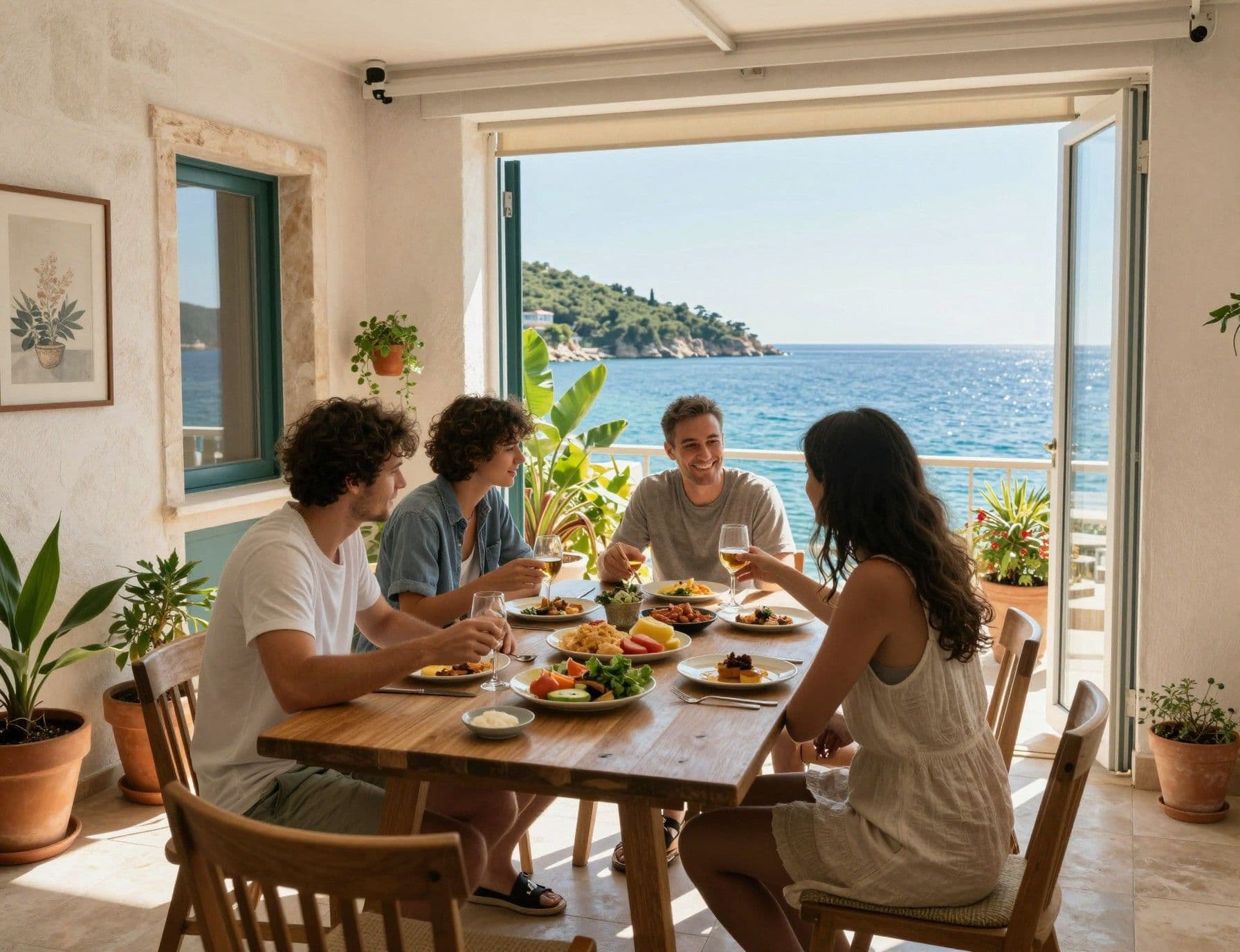
You can fall for a terrace view and then discover you can’t actually buy the land. Croatia’s rules distinguish EU (and EEA/Swiss) nationals from others, and reciprocity matters. For many non‑EU buyers the practical route is registering a Croatian company or seeking consent via administrative procedures. Read the official guidance, because the difference between a quick sale and a months‑long approval process can change which properties are realistic.
What you’ll likely pay: transfer tax, VAT and running costs
If a sale is not subject to VAT, a real estate transfer tax (commonly 3%) usually applies; transactions with VAT (new builds sold by VAT-registered developers) follow different rules. Beyond acquisition tax, factor in annual property tax, utilities, and sometimes higher insurance or maintenance on older stone houses. Budget for notary and registry fees, and expect legal fees for foreign buyers to be higher because of required translations and additional checks.
Working with local experts to protect the lifestyle you want
- 1. Ask agents about reciprocity and whether the property requires ministerial consent. 2. Hire a Croatian lawyer to check the land registry (Zemljišna knjiga) and liens. 3. Confirm VAT status: buying new build vs private sale changes tax and timing. 4. Verify utility connections and coastal setbacks where applicable. 5. Arrange local property management if you’ll be absent during low season. 6. Plan for translation and certified documents long before contract signing.
Insider knowledge: expat realities and common surprises
Expats tell the same three things: paperwork takes longer than you expect, locals value clarity and relationships, and seasonal life can make a place feel two different countries. You’ll hear buyers complain about hidden renovation costs in old stone houses; you’ll also hear how those same houses repay patience with views and character that new builds rarely match.
Cultural cues that change how you live — and what you buy
Neighbors in tight-knit towns expect small courtesies: introduce yourself, learn a few phrases, and be ready for seasonal rhythms (restaurants and shops can close for weeks outside summer). This affects location choice: if you want year-round services, pick regional centres (Rijeka, Split, Zagreb); if you want island quiet, prepare for logistics and limited winter infrastructure.
Longer-term thinking: resale, rental and inheritance quirks
Plan ahead: capital gains tax rules, tenancy laws, and local inheritance customs can change the value equation. If you buy through a Croatian company, consider exit taxes and corporate reporting. For rental income, local licensing and tourist regulations in coastal towns are enforced; non-compliance can mean fines or forced closures, which damage rental yields.
- Red flags we've seen (and how to avoid them)
- Seller can’t produce a clear land-registry extract; missing building permits for alterations; VAT status unclear on new developments; coastal setback violations; properties sold via power of attorney without proper notarisation.
- 1. Check land registry extracts and building permits. 2. Confirm VAT or transfer-tax treatment in writing. 3. Get a local lawyer to request proof of reciprocity if you're non‑EU. 4. Include clear contract clauses for deposits, completion dates, and remedies.
We love Croatia because it rewards patience: a well-chosen stone house in Istria or a compact flat near Split’s Riva gives you a daily life many dream about. But love without homework is how buyers end up with expensive surprises. Start with lifestyle first — which town, which rhythm — then lock in legal certainty. Use a local agent who understands both the market and the municipal quirks, and hire a lawyer before you sign.
Next step: if a specific neighbourhood has caught your imagination, send it to us. We'll point you to the exact checks you need: reciprocity status, likely tax outcome, and the permits you should see. That way you can fall in love with the right house — and keep the paperwork tidy.
Norwegian market analyst who serves Nordic buyers with transparent pricing and risk assessment. Specializes in residency rules and tax implications.