Malta micro‑markets: life before the m²
Small‑island living, big decisions: how Malta’s micro‑markets shape lifestyle and real estate strategy for international buyers.
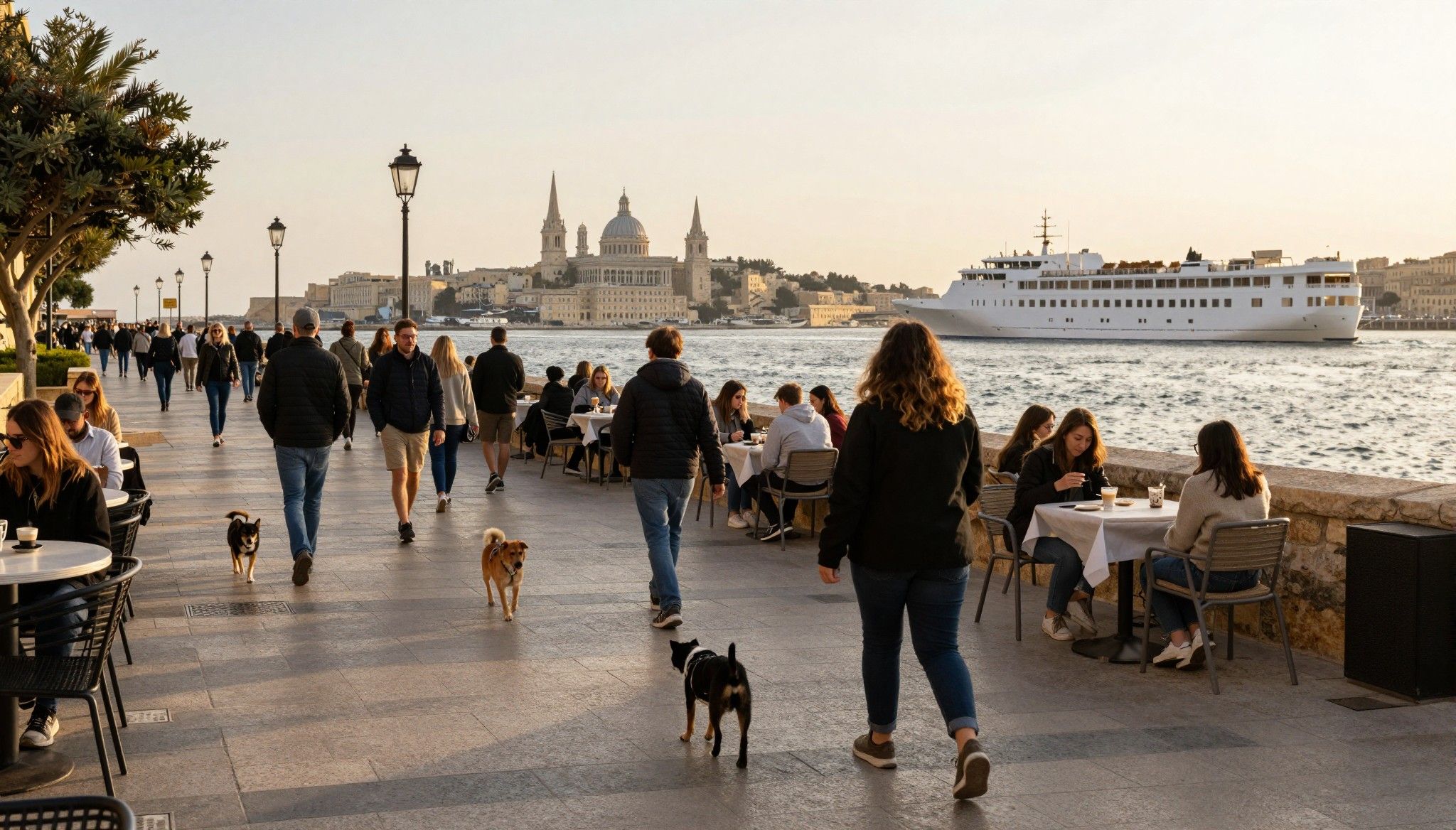
Imagine waking to a coffee on a Valletta balcony, walking to a fish market in Marsaxlokk at 08:00, and closing a property deal that afternoon — that compactness is Malta’s charm. But charm hides complexity: tight supply, localized price gaps and residency rules that change behaviour. We’ll show you the life you’ll fall for, the neighbourhoods that actually fit different rhythms, and the handful of practical moves that keep the dream realistic and durable.
Living Malta: small island, big life
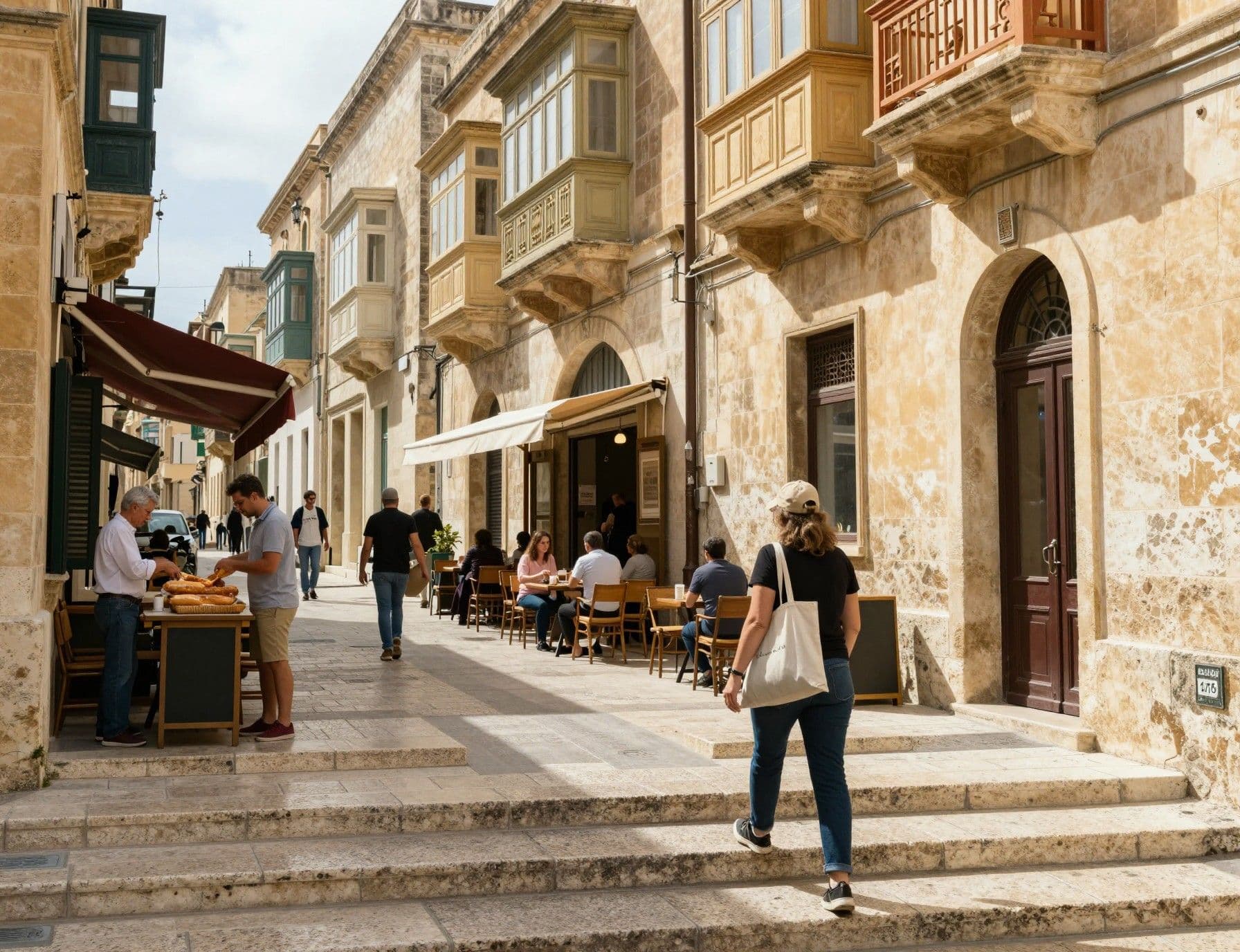
Malta’s island scale means daily life and property markets overlap in ways bigger countries don’t. Public transport lines connect seaside promenades to inner courtyards; an evening out in Sliema looks different from an evening in Valletta. Official transaction numbers show fast turnover in apartments and steady demand for coastal towns — the result: micro-markets matter as much as headline national trends.
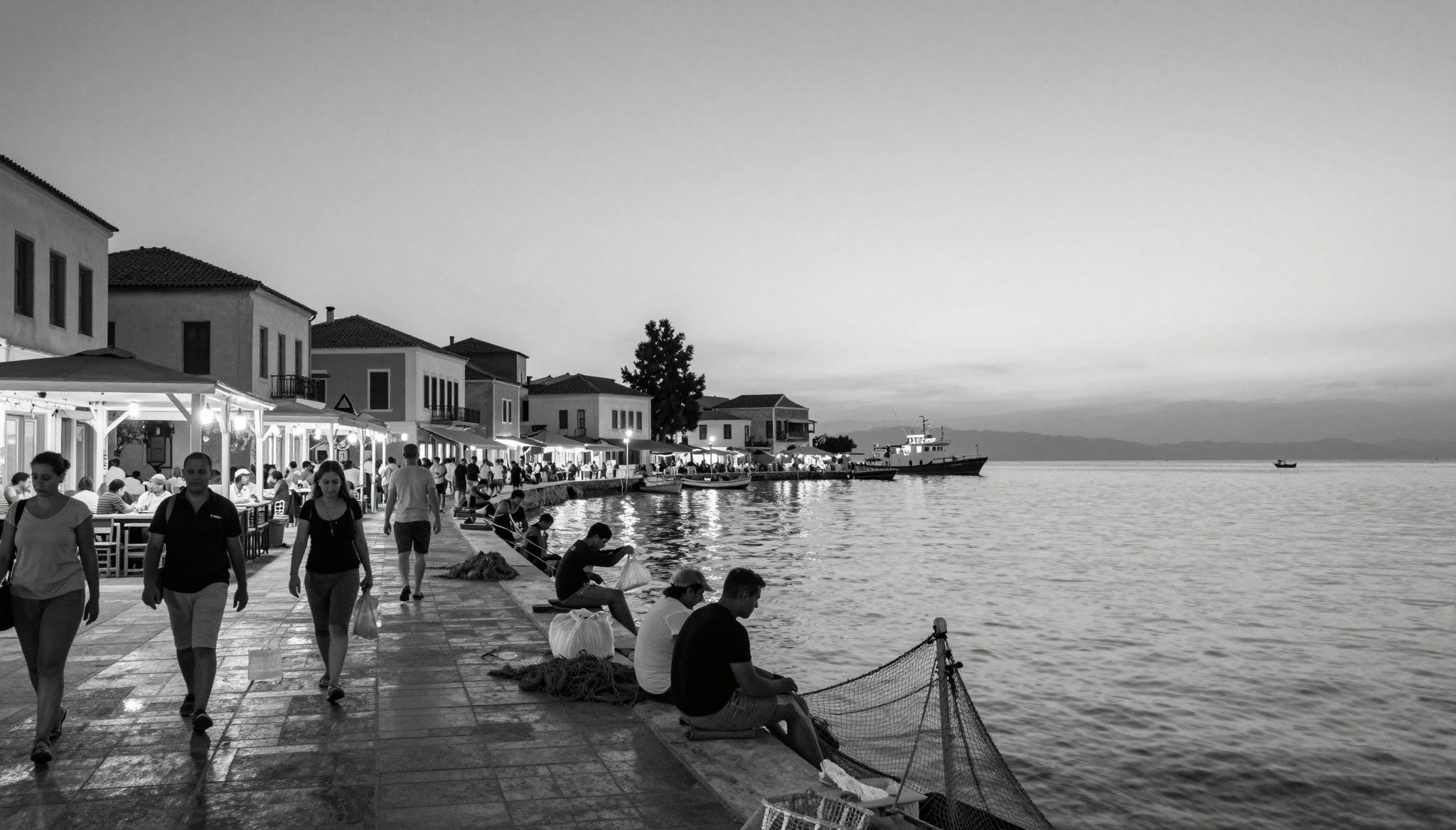
Sliema: the living room of modern Malta. Think long promenades, coffee shops facing Marsamxett Harbour, mid-century apartment blocks alongside recent conversions on Tigné Peninsula. It’s where professionals, families and expats cluster — handy for ferries to Valletta and walking distance to public services.
St. Julian’s and Paceville: evenings buzz with restaurants and the iGaming crowd. If you want nightlife and short-term rental potential, this is where footfall and rents are strongest. But expect noise and seasonal churn: pockets near Spinola Bay are lively year-round, while fringe streets quiet down in winter.
For slower mornings and sand underfoot, Mellieħa and Gozo deliver. These are family and retiree magnets — bigger homes, calmer streets, nature reserves nearby. You trade proximity to Valletta for space and a different social rhythm: long lunches, community fêtes, and ferry timetables that shape life.
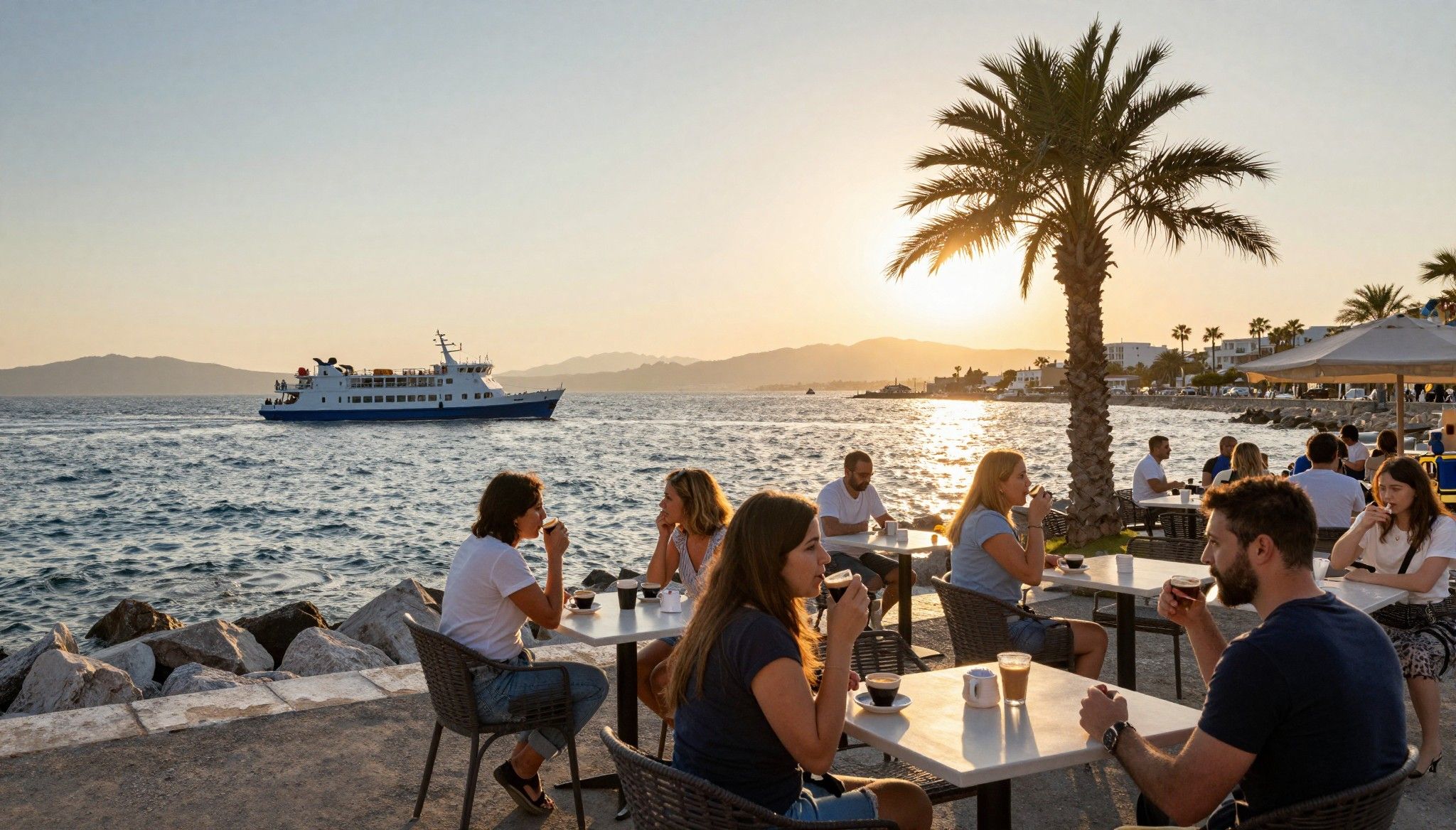
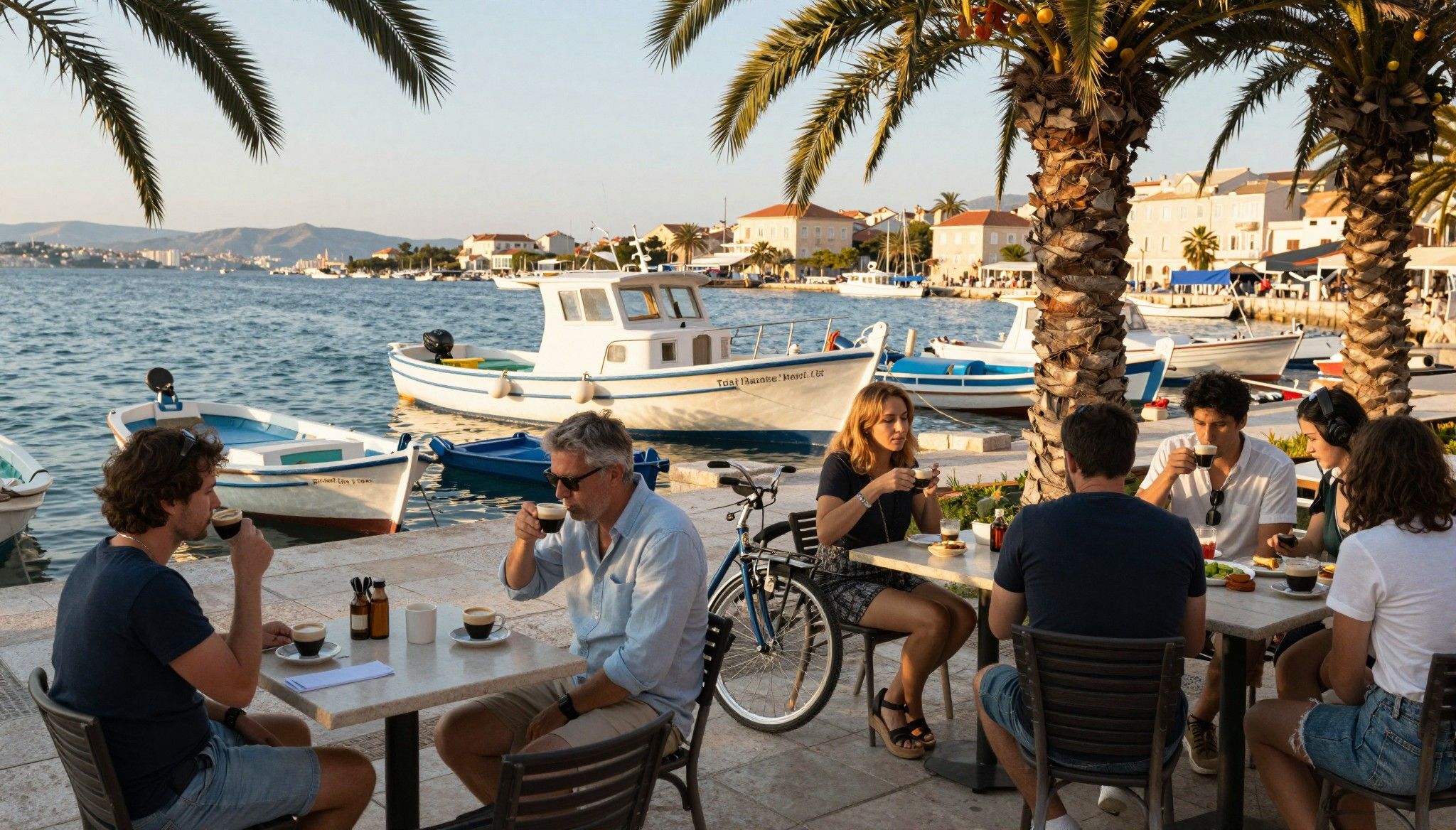
- Lifestyle highlights to experience before you sign: • Morning espresso on Republic Street, Valletta • Fish market walk in Marsaxlokk at 08:00 • Sunset drink on Sliema promenade • Weekend hike around Dingli Cliffs • Sunday brunch in Spinola Bay • Exploring narrow streets of The Three Cities
Making the move: how lifestyle shapes property choices
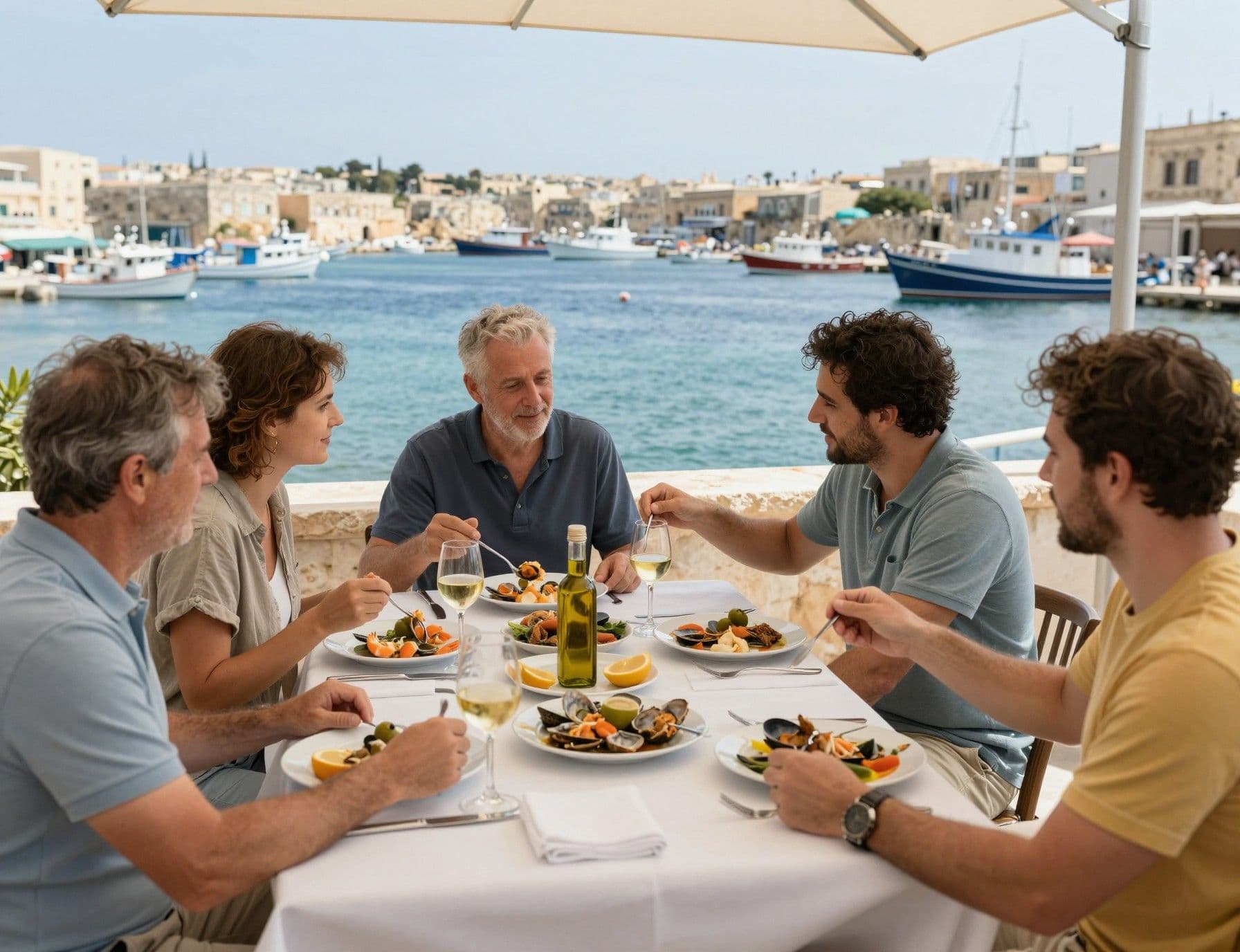
Once the lifestyle fits, practical differences follow quickly. Apartments dominate the market; townhouses and terraced houses are rarer and often in conservation areas. That affects renovation rules, mortgage availability and monthly running costs. The tax and stamp duty framework is small but meaningful — budget for it early and confirm exemptions that might apply to first-time buyers or conservation restorations.
Small, high-ceilinged Valletta flats feel like living inside history — great for culture lovers, less convenient for parking. Sliema apartments give you promenade life and better resale liquidity. In Mellieħa or Gozo, you’ll find larger terraces and private gardens, which matter if you want outdoor life and long-term comfort.
Work with agents who link lifestyle to product. Don’t say “I want 2 beds”; say “I want morning sun on a terrace and a 20‑minute commute to the marina.” The right brief finds the streets where that life is possible.
- Steps we recommend before making an offer: 1) Map your day: morning routes, grocery runs, medical access. 2) Test a neighbourhood for 48–72 hours across different days. 3) Get a local conveyancer to check Acquisition of Immovable Property permit rules and any conservation constraints. 4) Ask the agent for utility bills and running-costs history. 5) Reserve a notary and prepare stamp duty funds (typically around 5% but confirm current rates). 6) Photograph and timestamp any defects before signing.
Insider knowledge: what expats wish they’d known
Expat buyers often arrive enchanted — then learn the island’s small scale means neighbourhood reputations shift fast. What’s quiet today can be lively after a new development; conversely, a single redevelopment can push prices up in a previously affordable street. The International Monetary Fund and local analysts note measured growth and the importance of micro-locations: read national headlines, then drill into street-level data.
Language, customs and daily life
English is an official language, which flattens the learning curve for many buyers. Still, small‑town social life leans local: introduce yourself at the bakery, learn a few Maltese phrases, and accept that invitations to village festas are the fastest route to feeling rooted. That social capital pays off when you need neighbours’ recommendations for builders, electricians or a plumber.
Long-term lifestyle and market realities
If your plan spans 5–15 years, prioritise location over short-term yield. Central apartments in Sliema/Valletta keep value because demand is constant. Peripheral homes in Mellieħa or Gozo give lifestyle upside but slower resale liquidity. Recent market commentary points to moderate growth island-wide, with the best purchasing opportunities in emerging localities rather than headline hotspots.
- Key practical red flags to check before committing: • Conservation area restrictions (permit delays) • Unclear title history or undeclared easements • Noise mapping for coastal tourism zones • Cooling system capacity on older units (summer heat) • Historical building fabric requiring specialist insurance
We’ve seen buyers rescue a purchase by insisting on a 30‑day pre‑completion inspection clause and an itemised list of defects. Small islands reward granular checks: one blocked drain or a non-compliant extension can turn your terrace dream into a long-term headache.
Conclusion: fall for the life, then act like a local. Start with a short stay, map daily routines, meet a conveyancer early, and ask agents for street-level transaction data. A neighbourhood decision in Malta is a lifestyle decision — treat it that way and the island gives back tenfold.
Danish investment specialist who relocated to Costa del Sol in 2015. Focuses on data-driven market timing and long-term value for Danish buyers.