Cyprus: Love the Life — Check the Deeds First
Cyprus seduces with sun and sea, but buyers must pair lifestyle vision with hard checks: title deeds, district price indices, and proven local advisers.
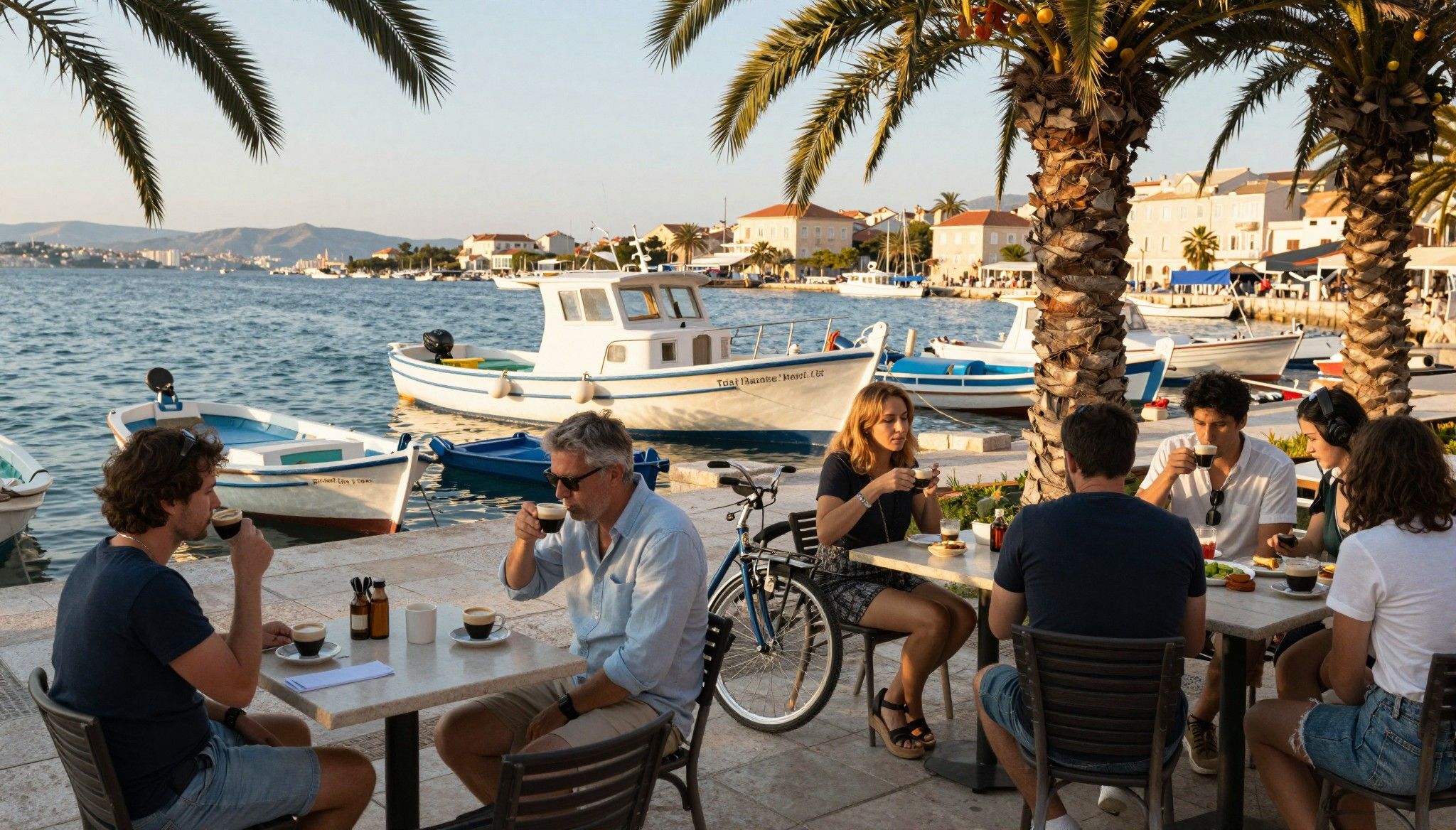
Imagine a Sunday morning in Limassol: sea air, corner cafés filling with Greek espresso, construction cranes on the skyline and a local bakery on Anexartisias Street handing out warm koulouri. Cyprus feels small and convivial — villages where everyone knows your name, coastal towns humming with seasonal life, and cities where language mixes easily into English. That charm draws buyers. But behind the almond trees and blue sea lies a market with quirks: patchy title-deed clarity, a concentration of foreign buyers in hotspots, and data that needs careful reading before you write a cheque.
Living the Cyprus life — first impressions
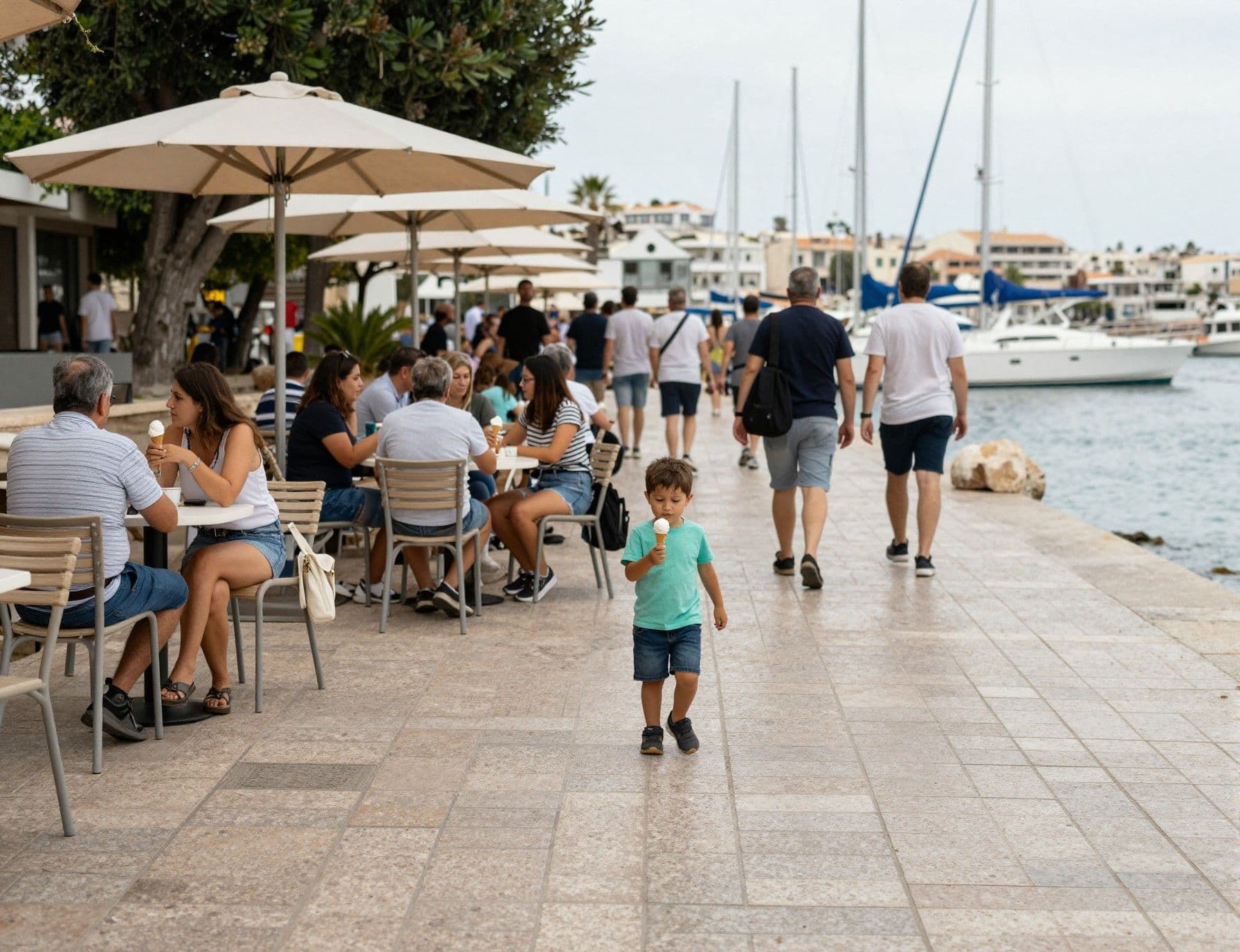
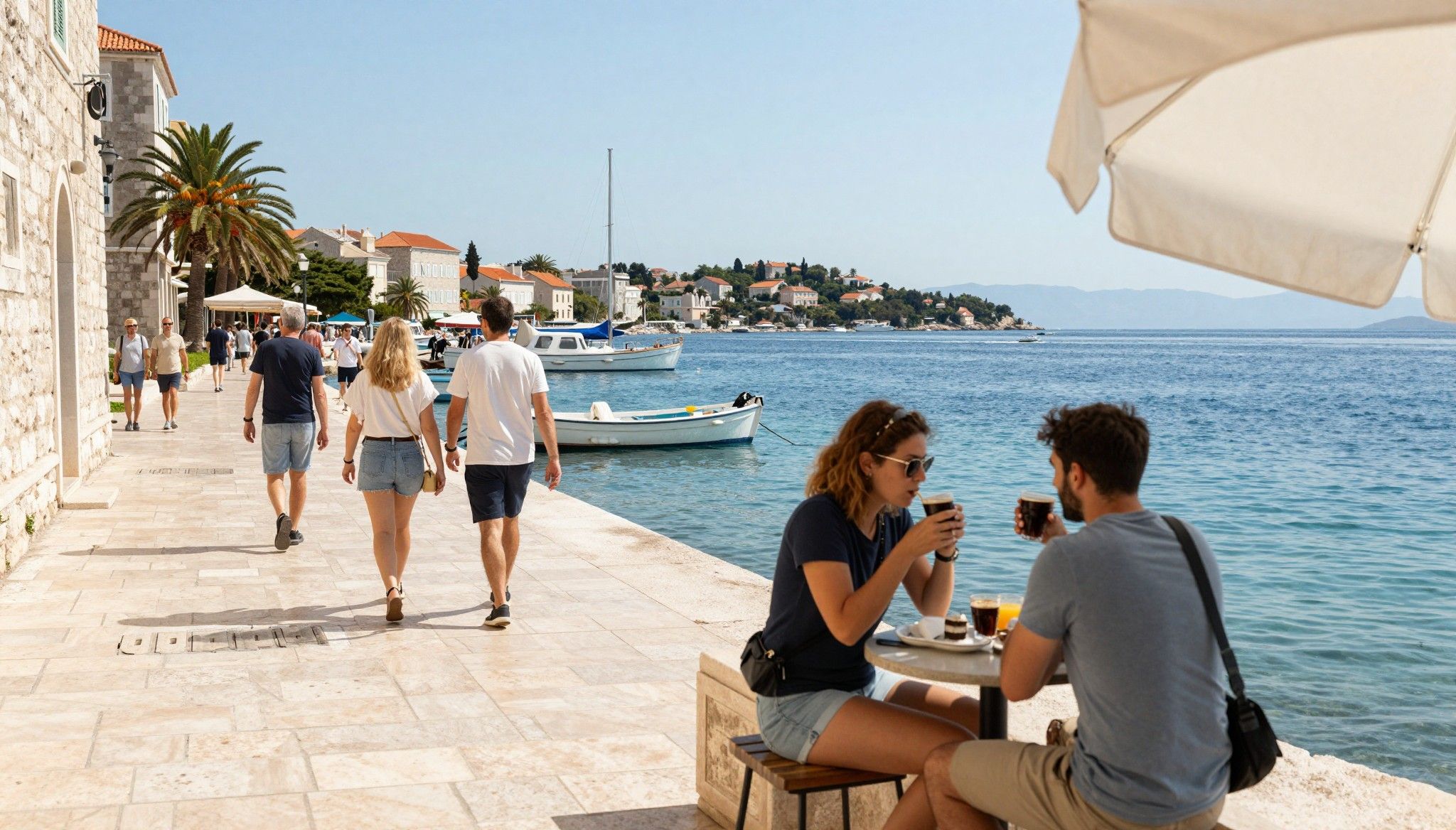
Cyprus is weather first: long, bright summers and mild, wet winters shape how people live. Days begin with café culture in Nicosia’s Ledra Street or a sea-walk in Paphos, and end with tavernas spilling onto cobbled lanes in Omodos. The island’s compact size means short commutes, and many expat communities cluster around Limassol, Paphos and Larnaca where international schools and English-speaking services exist. Living here feels like an invitation to slow down — but that softness can obscure real estate red flags if you’ve only fallen for the sunsets.
Limassol & Molos: Coastline life and investment heat
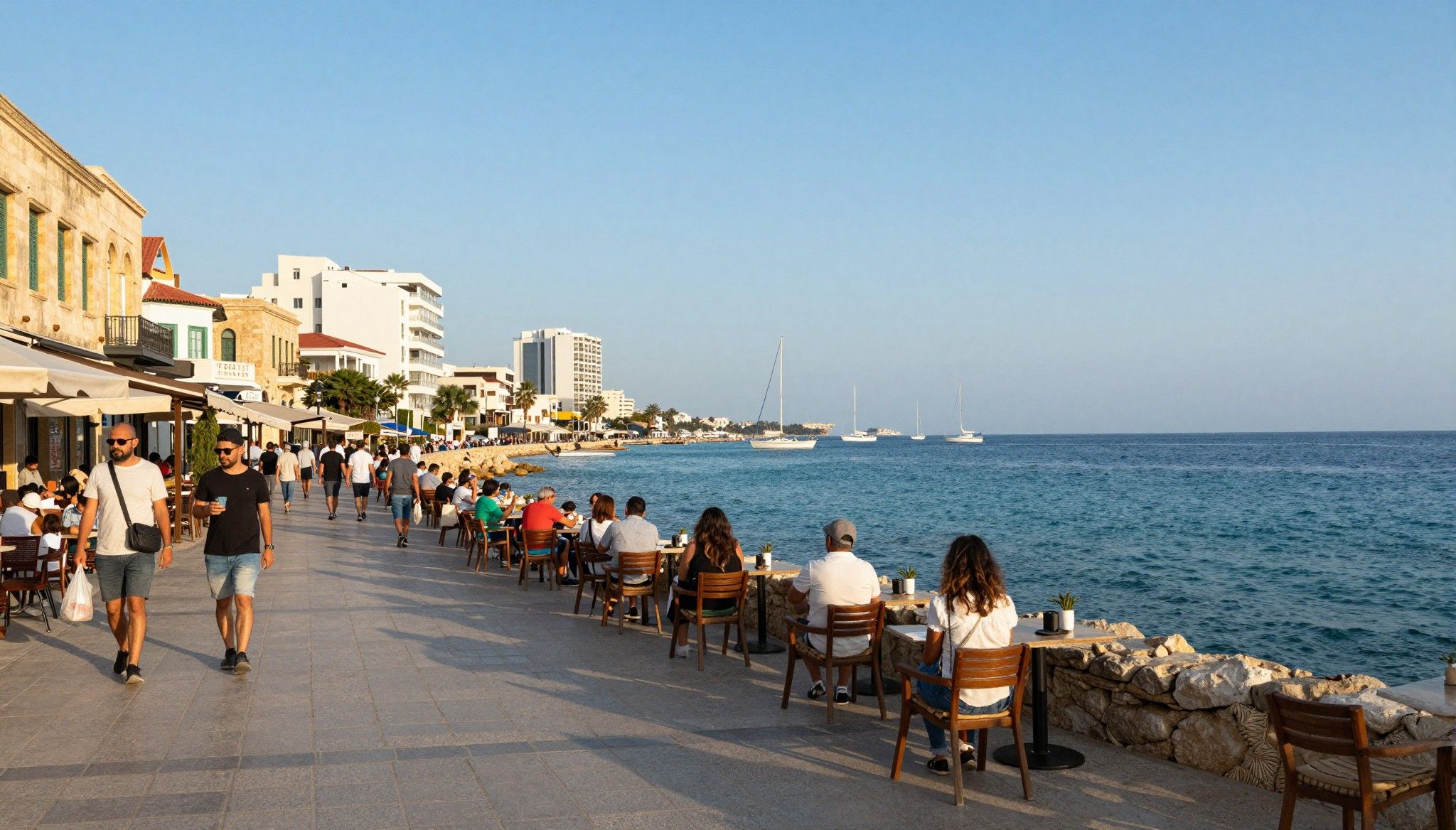
Limassol’s Molos promenade and the Old Port area are where cafés, marinas and contemporary apartments overlap. Expect modern blocks with sea-facing terraces, boutique restaurants, and short-term rental demand that spikes in summer. For buyers this means choice — high demand but also higher scrutiny: confirm title deeds, verify built‑area vs. advertised area, and expect premium pricing for genuine sea views. The neighbourhood delivers the life many imagine — morning swims, evening sunsets and the convenience of city services — but it also concentrates investor attention, which affects price transparency.
Paphos & Polis: Village rhythms and slower growth
Paphos keeps a quieter tourist calendar and a strong local community around Kato Paphos and the old harbour. Here you’ll find restored townhouses on streets like Poseidonos and inland villages such as Tala where larger plots and traditional architecture remain affordable compared with Limassol. If you crave a balance of Mediterranean pace and authentic community living, this is where properties often reward patience rather than quick flipping. Remember that transport and services are more spread out — factor that into seasonal rental projections or family life plans.
Making the move: market reality meets lifestyle

The headlines say prices are rising — and they are, modestly. Official indices from the Central Bank and the Statistical Service show steady year‑on‑year growth in recent quarters, with apartment prices often outpacing houses. That growth is real, but it’s uneven across districts: Limassol and parts of Larnaca lead in demand, while some mountain villages barely move. For an international buyer that means opportunity and risk sit side‑by‑side; lifestyle choice (sea, city, village) should dictate where you look, and data should decide what you pay.
Property types and what they mean for daily life
New coastal developments offer pools, concierge-style amenities and easy maintenance — ideal for a lock-and-leave buyer who wants immediate beach life. Traditional townhouses and village homes give character and larger outside spaces but often need renovation and careful title checks. Apartment living in cities trades private gardens for terraces and proximity to cafés, shops and international services. Choose a property type that matches how you’ll actually spend your days: morning markets, afternoon remote work, evenings in small tavernas or weekends hiking Troodos.
How to blend lifestyle and due diligence
Select properties that match your routine, then apply checks in this order: 1) Confirm title deeds with the Department of Lands and Surveys and insist on sight of the original deeds; 2) Ask for a recent Levelling/Topographical plan to match built area to advertised size; 3) Review planning permits and any pending applications at the local municipality; 4) Commission a structural and services survey before exchange. These steps protect the lifestyle you fell in love with — living well depends on legal clarity.
Insider knowledge: transparency, red flags and local realities
Transparency issues aren’t theoretical in Cyprus — they’re documented. Recent reporting shows over a quarter of transactions involve non‑EU buyers, concentrating demand in certain districts and complicating price signals. Court decisions have also clarified that the Land Registry does not have a duty to proactively inform buyers of pre-existing sale agreements, which places more responsibility on you and your lawyer. That mix of concentrated foreign demand and limited automated disclosure creates situations where advertised listings and legal reality diverge.
Common red flags local agents watch for
1) Listings without scanned title deeds or without a deed number; 2) Advertised square metres that don’t match the Land Registry plot plan; 3) Properties sold ‘off-plan’ where developer insolvency risk exists; 4) Ownership structures hiding beneficiaries behind nominee companies. If any of these appear, pause and ask for documentation — lifestyle fantasies don’t survive legal surprises.
Why good local advisors matter (and what to expect)
A knowledgeable local agent and a Cyprus-qualified lawyer shorten the path from dreaming to living. Expect them to: provide original title-deed scans, source municipal planning confirmations, explain common ownership structures, and connect you with surveyors and tax advisers. Use official data — the Central Bank’s RPPI and the Statistical Service HPI — to test price expectations and rental assumptions. Advisors who show you the numbers and walk the streets with you earn your trust for good reason.
Integrating into local life: small practical notes
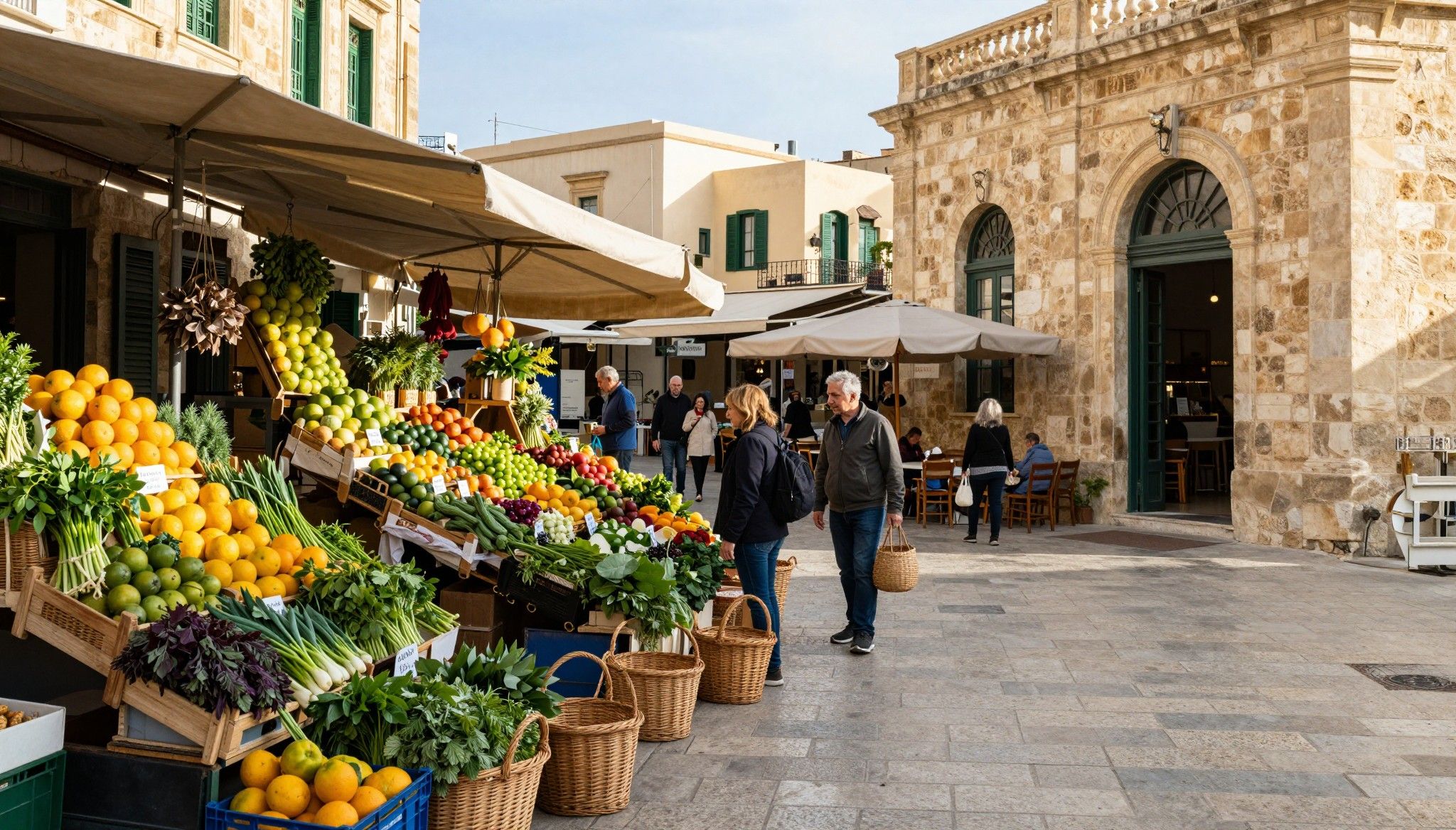
Learn some basic Greek phrases — shopkeepers and neighbours appreciate the effort and it speeds integration. Expect a slower bureaucracy: municipal permit sign‑offs and registry processes can take weeks. Join local Facebook groups (Limassol Expats, Paphos Community) and visit farmers’ markets (Larnaca municipal market on Sundays) to feel the rhythm of the place before buying. These little steps turn a house into a home and reveal neighbourhood realities that listings never will.
Practical next steps to protect both lifestyle and investment
1) Have a lawyer check title deeds and any encumbrances; 2) Visit the Land Registry in person or ask your agent to obtain certified extracts; 3) Cross-check price trends with the Central Bank RPPI and the Statistical Service HPI; 4) Insist on final completion certificates for recent builds and a structural survey for older homes; 5) Budget 5–8% additional for taxes, registration fees and unexpected fixes. These steps keep the life you imagined intact and the investment defensible.
Cyprus rewards those who pair imagination with paperwork. The island’s light, food and social ease make it easy to fall in love; transparency, documentation and local expertise make that love last. If you want to feel the sea breeze from a Limassol terrace or the quiet of an Akamas village, start with a short list of neighbourhoods, gather the Central Bank and Statistical Service data for those districts, and bring a lawyer early. We’ll walk you to the café, show you the deeds, and make sure the life you buy is the life you get.
Swedish expat who moved from Stockholm to Marbella in 2018. Specializes in cross-border legal navigation and residency considerations for Scandinavian buyers.