Malta: Buy for the Rhythm, Not the Postcard
Malta’s compact, English‑friendly lifestyle hides micro‑market quirks—buy for the rhythm of daily life, not the tourist postcard; check titles and seasonality.
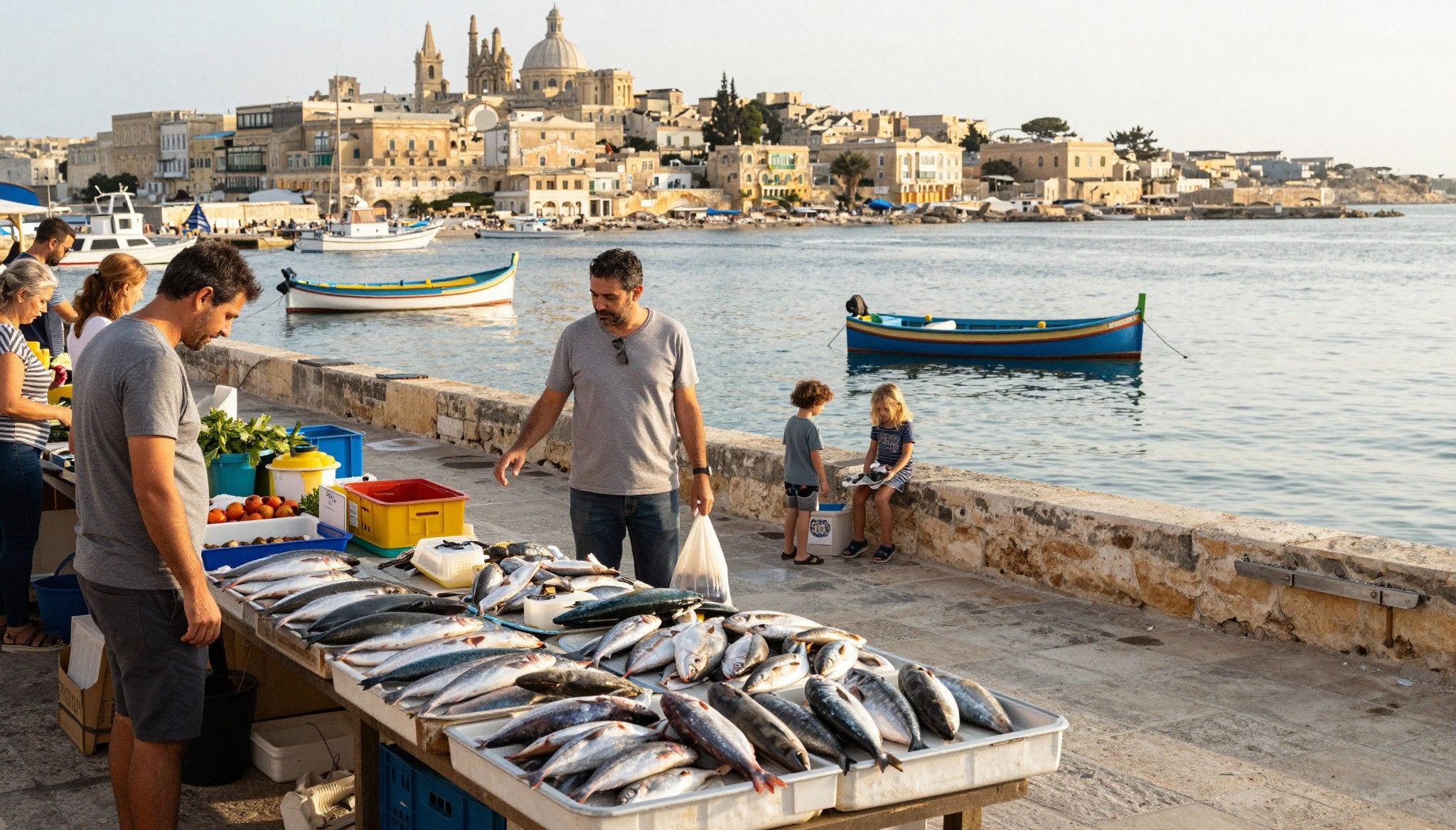
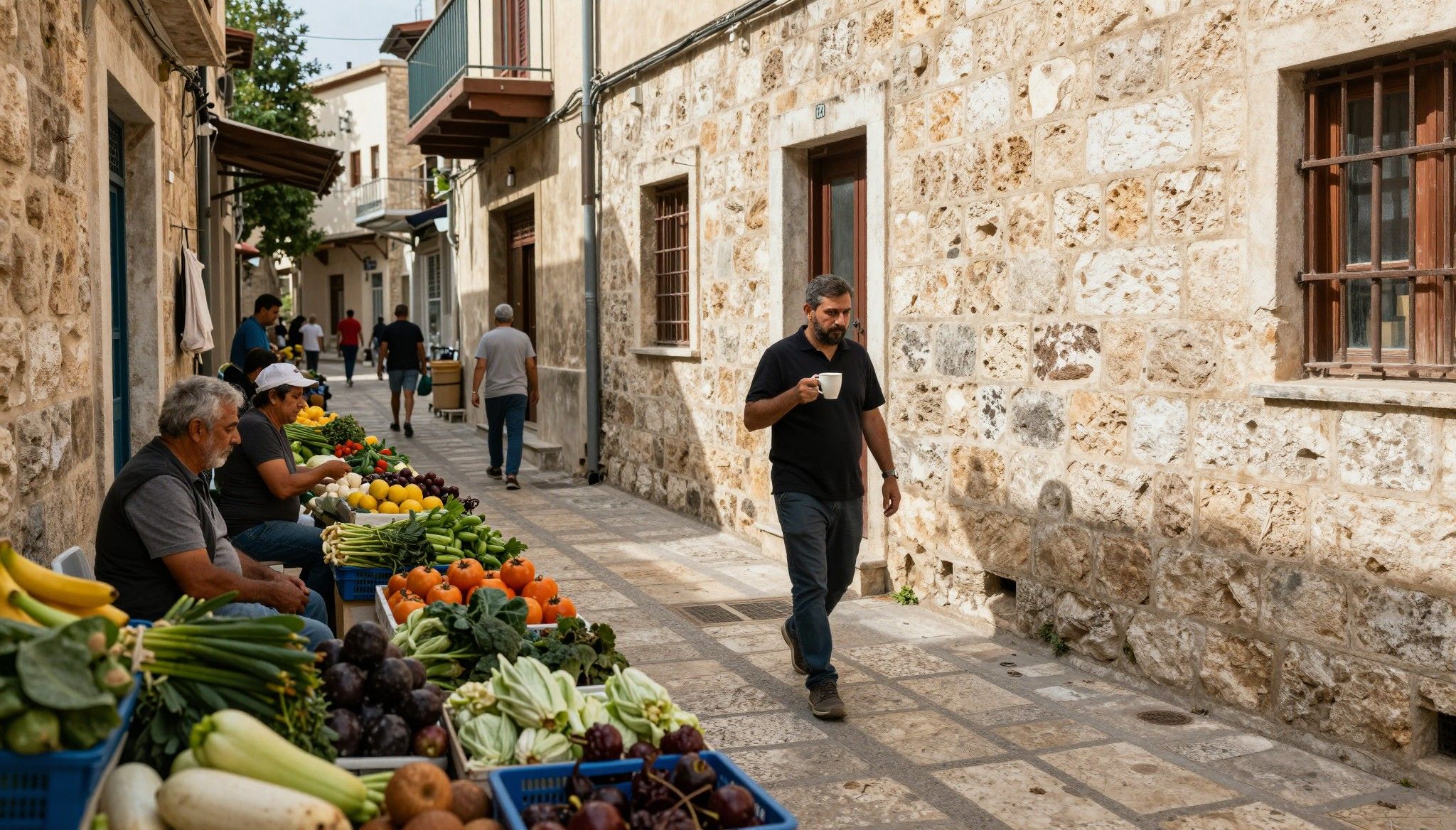
Imagine waking on a narrow Valletta street, sunlight cutting across limestone and a café owner already sweeping the step outside. Picture late afternoons on the promenade in Sliema, sea air and fishing boats nodding in the harbour while neighbors gather for a swim. That compact, coastal rhythm is Malta—intimate, loud in the right moments, and far more layered than most buyers assume. For international buyers, Malta’s appeal is equal parts lifestyle and logistical puzzle: the island offers English‑friendly daily life, fast ferry rides, and neighbourhoods where you can feel rooted in weeks. But to buy well you need the local picture, not the brochure.
Living the Malta life
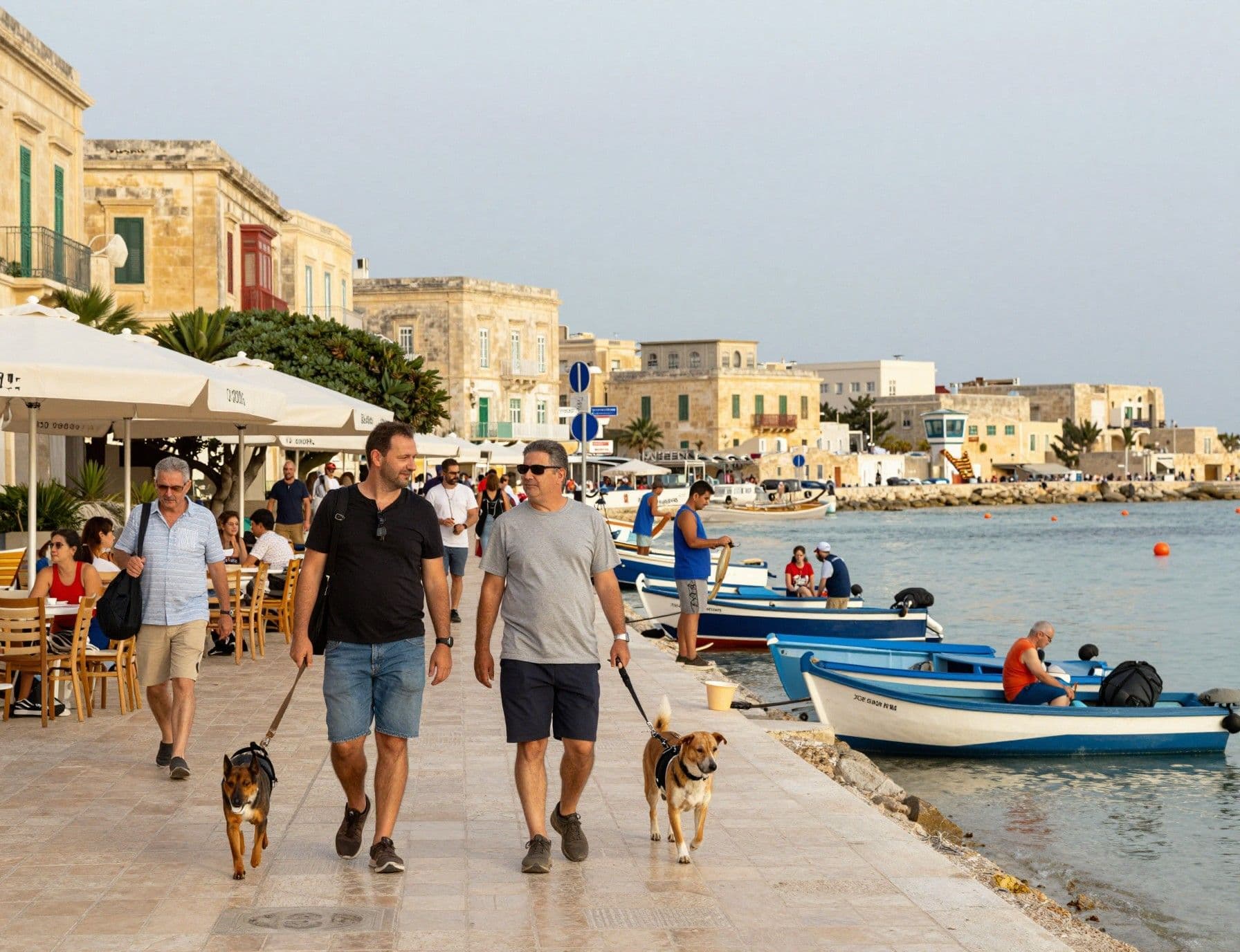
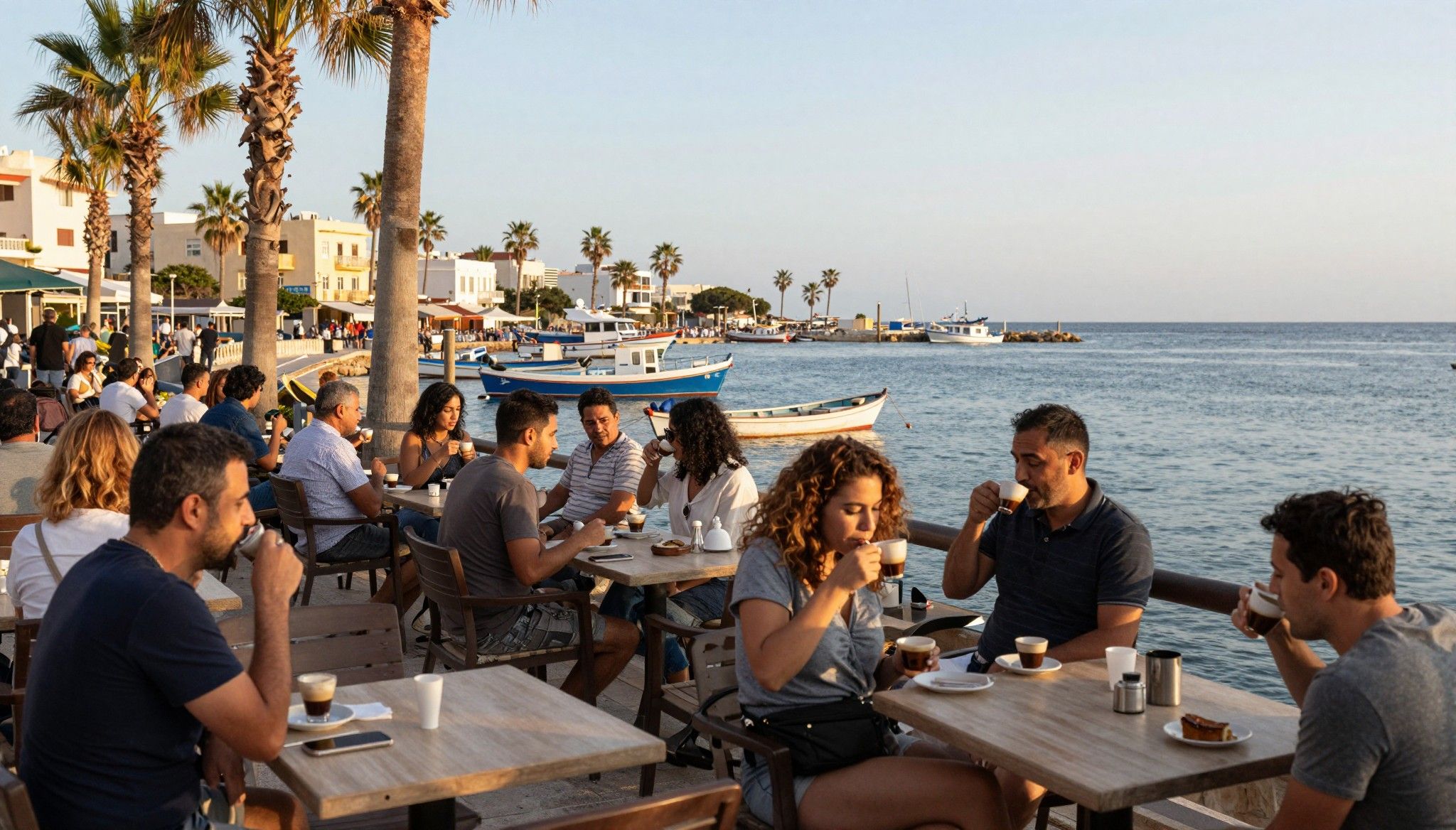
Malta is an island of short commutes and long rituals: espresso at 8am, a local bakery line, and weekend rituals that centre around the sea. Life here moves on neighborhood cues—Valletta’s stone alleys are a daily museum; Sliema and St Julian’s pulse with cafes and evening promenades; Gozo trades bustle for a slower, village scale. Recent market reporting shows modest price growth and high demand for well‑sited apartments, which explains why lifestyle hotspots can feel competitive fast. We’ve walked these streets; here’s what the lifestyle actually buys you.
Valletta & The Three Cities — history as neighbour
Valletta gives you compact, layered living: narrow streets, restaurants tucked into converted townhouses, and cultural life on your doorstep. Living here means accepting steps over lawns and trading larger terraces for proximity. House price indices show steady demand for centrally located historic units; buyers who prize walkability often accept renovation work to unlock the best addresses.
Sliema, St Julian’s & Paceville — coastal buzz and services
If you want a brisk seaside commute, cafés open from dawn, and an international expat scene, Sliema and St Julian’s deliver. Apartments overlooking the promenade are prized for morning light and views; nightlife clusters in Paceville, which suits renters and younger buyers but is noisier at night. Practical note: the best lifestyle addresses tend to command premiums, so weigh daily convenience against long‑term value.
Lifestyle highlights: Valletta theatres and rooftop bars; Sliema promenades and ferries; St Julian’s restaurants and evening buzz; Marsaxlokk fish market Sundays; Gozo’s rambling lanes and quieter beaches
Making the move: practical considerations that protect the life you want
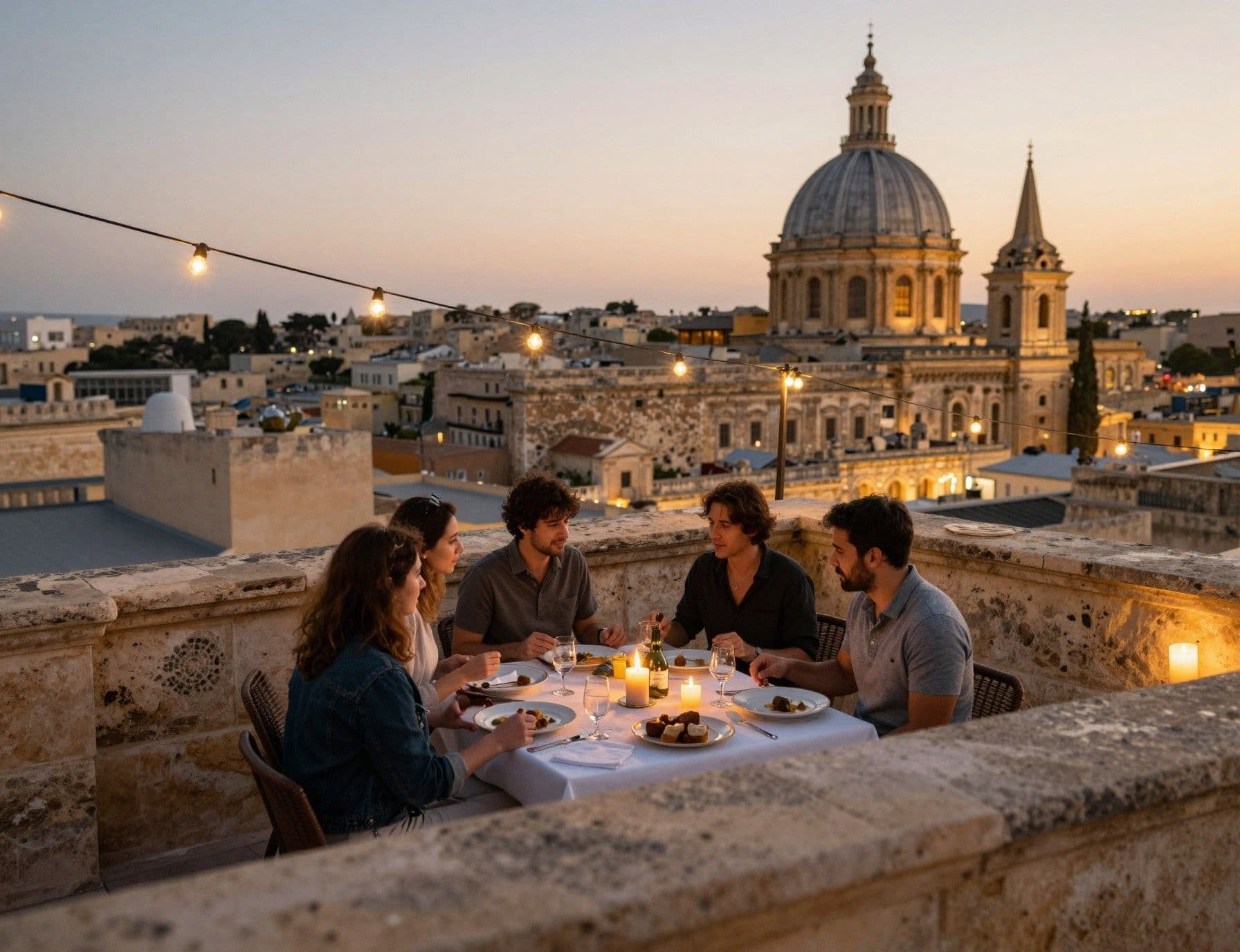
You can fall for the sun and culture, but buying without a local frame leads to compromises—noisy terraces, tricky titles on older houses, or neighbourhoods that look charming on a postcard but lack daily conveniences. Malta’s small market means liquidity and micro‑market quirks matter: a beautifully restored townhouse in Valletta behaves differently as an asset than a modern apartment in St Julian’s. We’ll map lifestyle needs to property types so your purchase fits how you’ll actually live.
Property styles — which suits how you’ll live
Traditional townhouses: character, internal courtyards, and renovation needs—perfect if you want a home with a story and don’t mind project work. Modern apartments: maintenance and amenities appeal to renters and remote workers. Seafront maisonettes: instant lifestyle but watch for noise and tourism flux. Think less in square metres and more about routines: morning light on a terrace, proximity to your favourite cafe, or space for guests.
Work with local experts who know the lifestyle
A local agency is the difference between a matched lifestyle and a mismatched purchase. Agents who live locally will steer you to midday light, quieter streets, and buildings with solid title histories—and they’ll advise on residency pathways if those matter to you. Recent changes to Malta’s Permanent Residence Programme make timing and qualified advice important for buyers who want residency tied to investment.
Steps that blend lifestyle and practical sense: 1) List three non‑negotiable daily rituals (coffee spot, swim, market) and map neighbourhoods that deliver them; 2) Inspect at the time of day you’ll live there—mornings, siestas, and late evenings can differ; 3) Check title and planning records for older townhouses before committing; 4) Factor in service charges, seasonal rental potential, and local council plans that affect tranquillity; 5) Meet at least two local agents and ask for neighborhood references, not listings.
Insider knowledge: the things expats wish they’d known
We’ve helped buyers who arrived enchanted and discovered three weeks later that their choice felt cramped in winter or too loud in summer. Malta’s seasonality is compact: summer brings tourists to coastal promenades; winter reveals how neighbourhood services operate year‑round. The best long‑term decisions balance the summer narrative with how life actually feels in January.
Cultural integration, language and social life
English is an official language and that flattens many barriers: doctors, banks, and utilities are accessible. Still, local warmth arrives through community rituals—village festas, market mornings, and church squares. If you want to be invited to table, learn a few Maltese phrases and show up to local events. Expats who integrate quickly join clubs, language meetups, and volunteer for festa committees.
Long‑term lifestyle and value—what changes after year one
After a year you’ll notice what locals call ‘micro‑seasons’: quieter winter weeks, a spring of local festivals, and a tourist‑heavy July/August. These rhythms affect rental demand and resale appeal. Buyers who plan for flexible use—renting seasonally, keeping a local manager, and choosing resilient neighbourhoods—tend to enjoy lifestyle benefits without sacrificing value.
Red flags and real checks: unclear title notes on historic houses; poor ventilation in converted basements; service charge surprises in modern blocks; planning notices for nearby development; neighbourhood noise patterns after 10pm
If Malta’s compact size and English‑friendly life fit your dream, act like a local: prioritise street life, ask neighbours where they buy bread, and match the property type to how you’ll live each season. Use agents for local access, lawyers for title diligence, and expect modest price growth—backed by official RPPI data—and policy shifts in residency programmes. We’ll help you find the street you’ll miss when you travel, not just the asset you can resell.
Next steps: visit during an off‑season week, meet two agents who live in the neighbourhood you love, and ask them for three local references—a cafe, a builder, and a neighbouring owner. That trio tells you more than any listing. When you’re ready, we’ll introduce you to agents who think about life first and listings second.
Danish investment specialist who relocated to Costa del Sol in 2015. Focuses on data-driven market timing and long-term value for Danish buyers.