Fall for France — Then Budget for Reality
Fall in love with France’s rhythms — then plan for department fees, residency tests and IFI exposure. Visit seasonal life, secure local experts, and budget with precision.
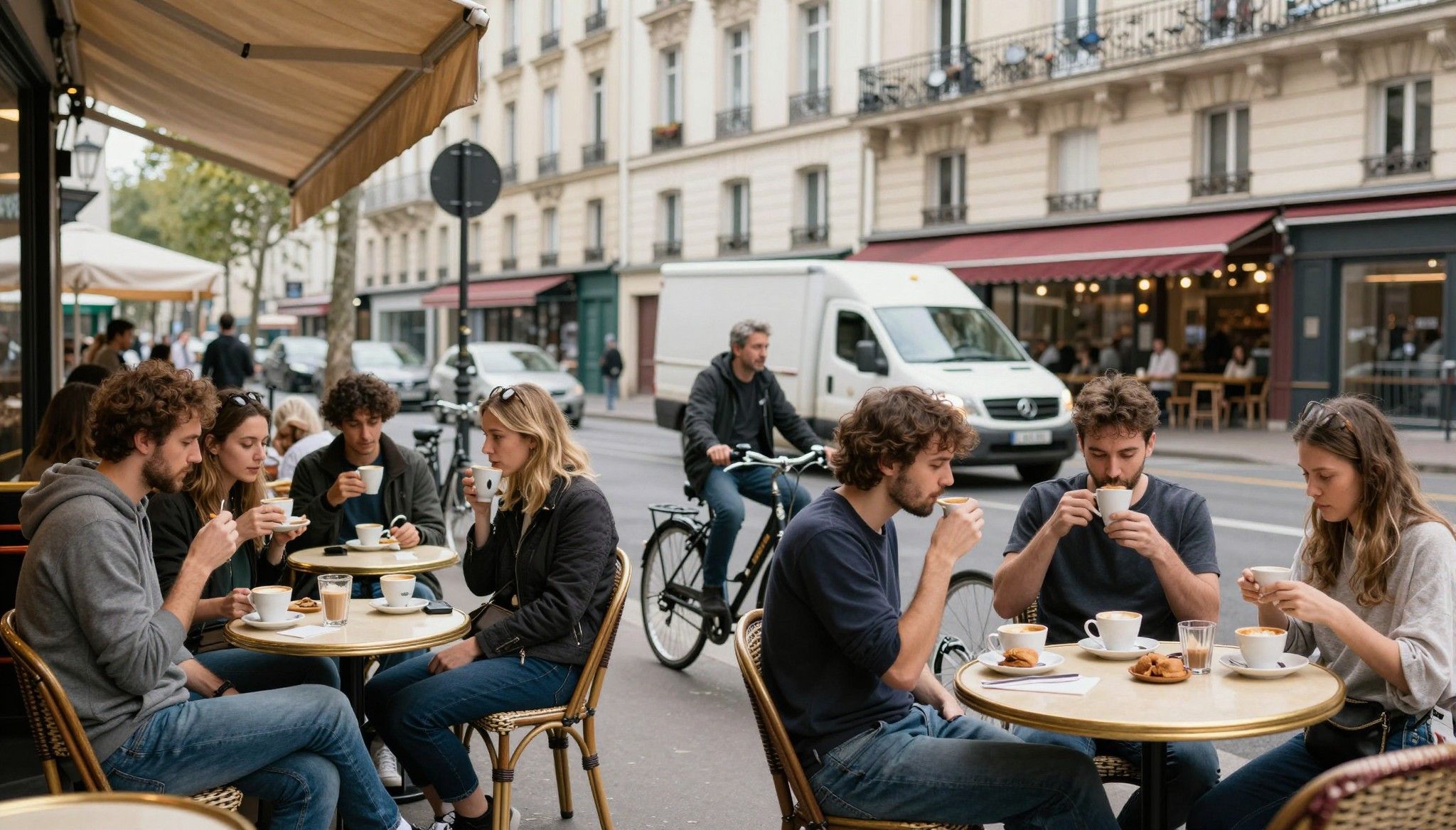
Imagine starting your morning with a café au lait on Rue des Rosiers in Paris, wandering a Saturday market in Lyon, or watching the light shift over the Médoc vineyards from a stone terrace. France is not one mood but many: elegant urban mornings, slow provincial afternoons, and coastline evenings where dinner stretches for hours. That sense of rhythm — food, place, language — is what pulls people here. But falling in love with the life and closing a sale are separate acts. We’ll begin with the life you’ll live, then meet the legal and fiscal realities you need to own it with confidence.
Living the France life: textures, streets and small rituals
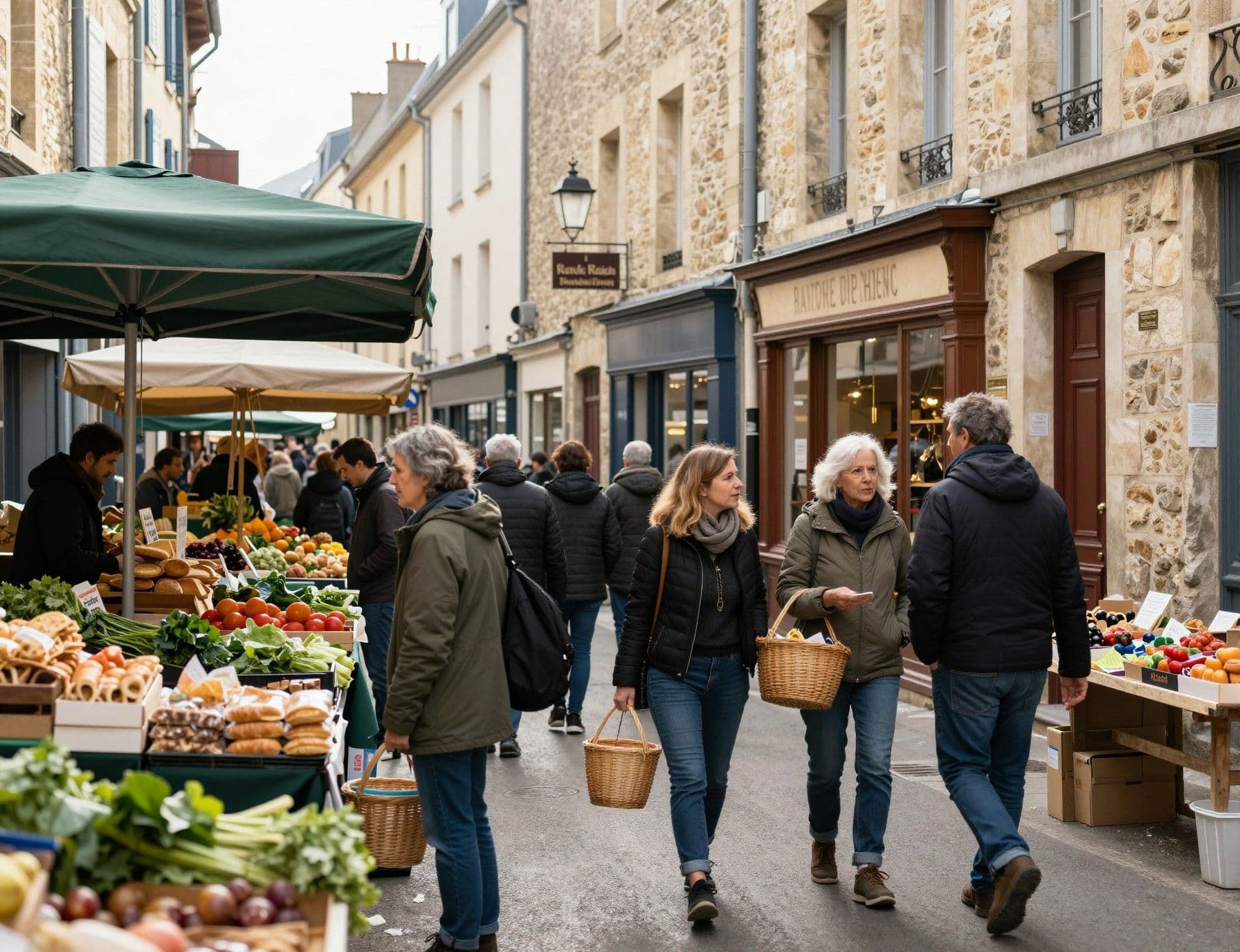
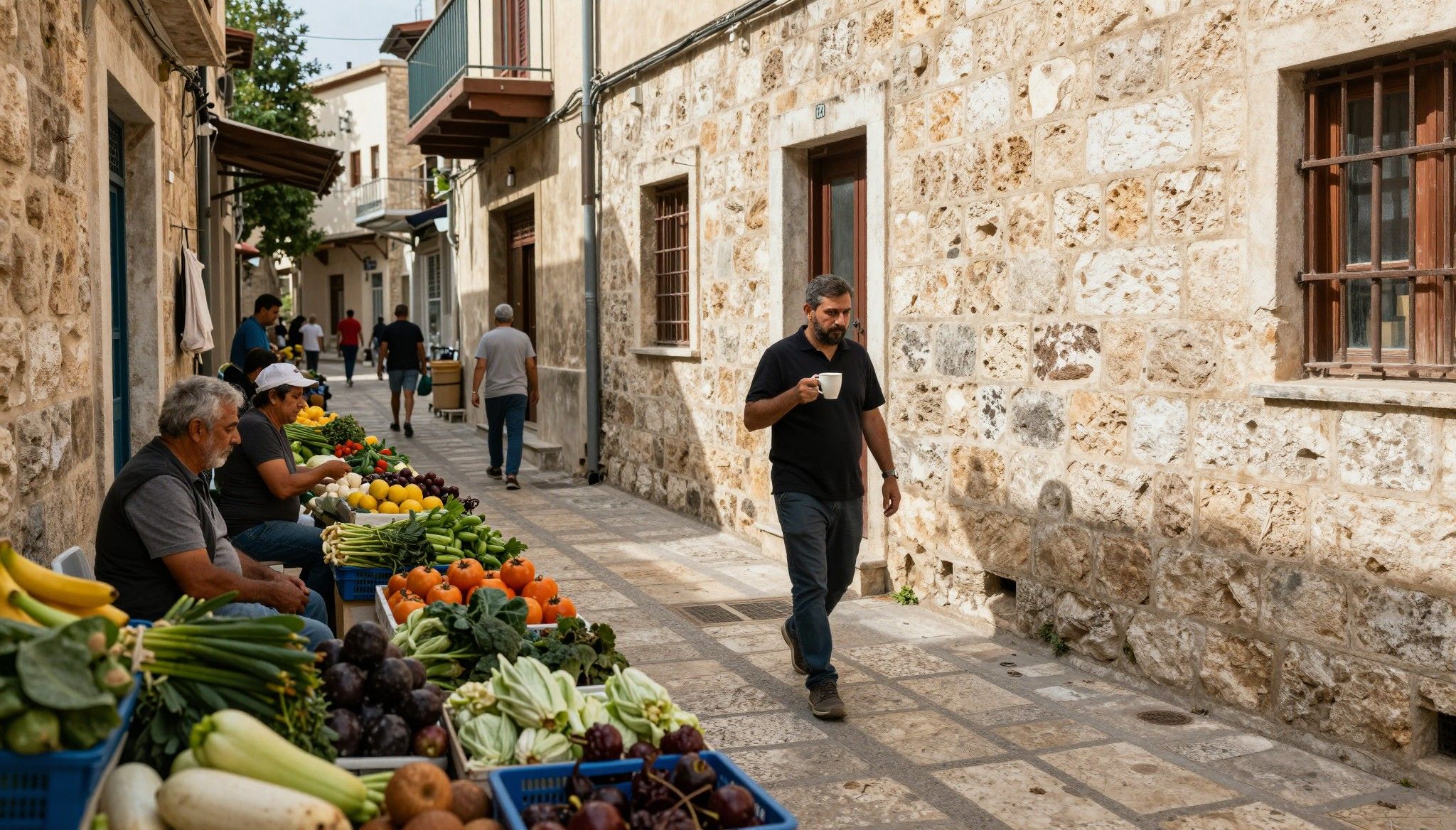
France’s daily life is sensory: the limestone facades of Aix, the sea-salt air on Rue du Soleil in Antibes, the rattle of a boulangerie’s oven at 7am. Neighborhood identity matters — not just the arrondissement or department, but the street: Rue Cler’s market rhythm in Paris, the quai side cafés in Bordeaux, the fishermen’s terraces of Collioure. For many internationals the surprise is how quickly small rituals — the weekday marché, the bookshop owner who knows your name, the bakery that opens at dawn — define daily living more than the square metres on paper.
Spotlight: Marais, Bordeaux Chartrons, and Saint‑Tropez inland villages
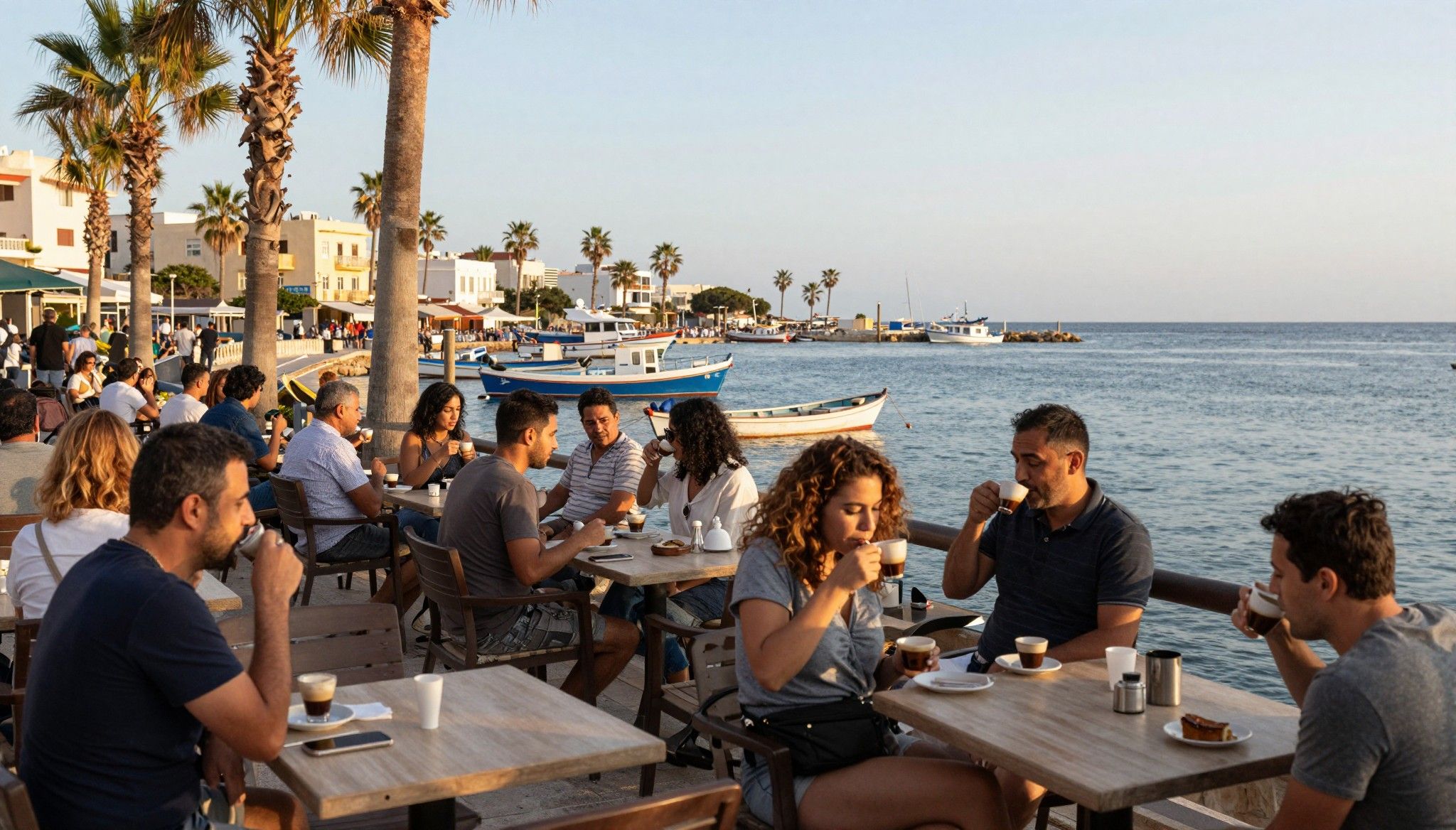
The Marais (Paris) still feels lived-in: narrow courtyards, Jewish delis, late-night wine bars — small apartments with tall windows and surprising quiet. In Bordeaux’s Chartrons you’ll find antique shops, river walks and a café culture where winemakers and designers bump into each other. Move east and older locals in Provençal villages around Lorgues gather at the same café every afternoon; life here runs on seasons more than schedules. These are the streets where you’ll learn names and loyalties, and where property choices must reflect how you want to live, not how investors say you should own.
Food, festivals and the calendar that structures life
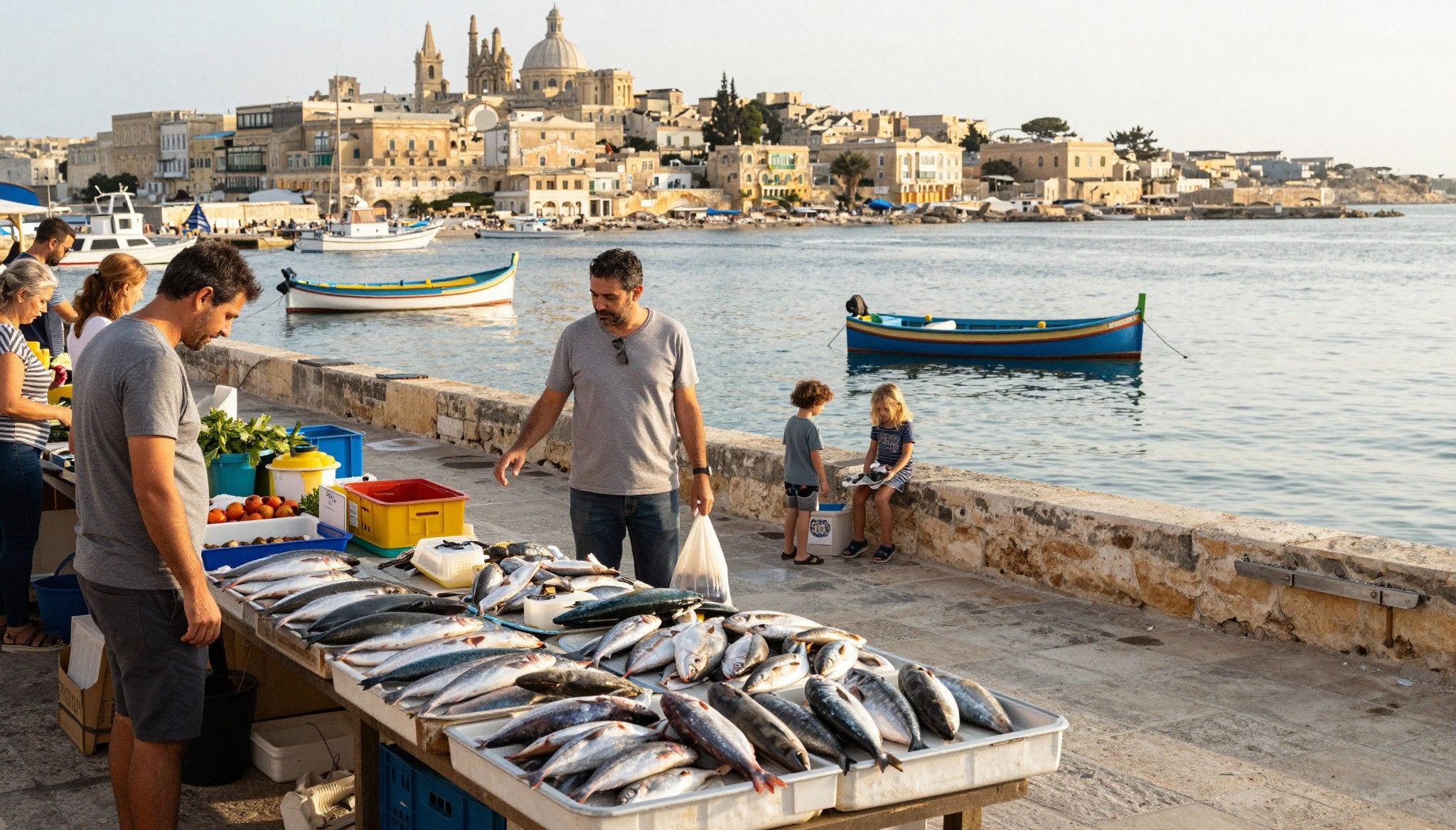
Think truffle season in Périgord, spring markets in Brittany, and summer jazz festivals in Nice. Routine in France is punctuated by food and local festivities: weekly marchés, harvest weekends, fêtes de village. These moments shape when neighborhoods hum and when they sleep. For buyers, timing a visit around local events gives you a clearer picture of community life — and sometimes access to owners who prefer to sell off-season when the place is quieter.
- Market and lifestyle highlights: - Rue Cler (Paris): daily market life and morning cafés - Les Halles de Lyon: food culture that defines weekend routines - Le Moulleau (Arcachon): oyster shacks, low-key beach days, village feel - Médoc vineyards: seasonal harvests that shape community life - Collioure: small‑town artistic scene and coastal walks
Making the move: practical realities that preserve the life you want

The paperwork and fees in France are part of the experience — and can also be a source of surprise. The so‑called “frais de notaire” are mostly taxes and vary by department; they matter for budgeting and negotiation. Beyond closing costs, residency status, income taxes on rental income, and wealth‑tax exposures are the rules that shape whether a property is an easy refuge or a financial headache. Knowing where the rules bite helps you preserve the life you fell for.
Property styles and how they change daily life
A haussmannian flat in Paris means vertical living, stairs, and a concierge rhythm; a stone farmhouse in Dordogne brings land, winter heating costs and renovation realities; a villa near Biarritz is about outdoor life and storm resistance. Match property type to lifestyle: courtyards and terraces for social hours, cellars and attics for seasonal storage, and insulation/central heating choices for year‑round comfort. These details affect both monthly running costs and long‑term value.
Work with experts who understand neighbourhood life
- Steps we recommend blending lifestyle and legal certainty: 1. Visit in different seasons — check markets, noise, and weekday rhythms. 2. Get a local notaire early to estimate frais de notaire and registration taxes by department. 3. Ask your advisor about IFI exposure if your net property holdings approach €1.3m. 4. If renting short-term, confirm local mairie rules and lease registrations. 5. Build a running-costs spreadsheet: heating, taxe foncière, copro charges, insurance. 6. Use a bilingual lawyer for purchase contracts to avoid translation traps.
Insider knowledge: myths, red flags and expat truths
Real-talk: France is not uniformly expensive, but the tax and administrative overlay can make small mistakes costly. IFI starts at €1.3m of net real-estate wealth; residency is determined by multiple tests, including 183 days and centre of economic interests. Non-resident owners still face taxes on rental income and may be liable for social charges depending on circumstances. These rules don’t kill the dream — they shape which towns and property types make sense for you.
Common red flags we see and how to avoid them
- Red flags and fixes: - A price that’s much lower than comparable streets: check title, servitudes and seismic/flood risk reports. - Vague copro (condominium) charges: ask for three years of accounts and the syndic’s meeting minutes. - No clear heating history in older houses: get an energy audit and an estimate for modernization. - Owners who won’t provide diagnostics (DPE, lead, termites): walk away or insist they be supplied before contract. - Short‑term rental restrictions (local arrêtés): confirm with the mairie before budgeting rental income.
Long‑term lifestyle and legal considerations
Think five to ten years ahead: will your neighbourhood keep its character? Are there planned urban projects or tourism developments nearby? How will running costs evolve if you renovate for energy efficiency? These questions marry lifestyle hopes with legal and tax planning. Work with a local notaire and an accountant early — they translate local nuance into budgets and clauses that protect both your lifestyle and your balance sheet.
Conclusion: fall for the life, then lock the details. France rewards those who invest time in its textures: visit at different seasons, learn a favourite boulangerie, and gather three local experts — a notaire, an accountant and an agent who knows the street—not just the city. Those three voices will protect the rhythm you want to keep. If you’re ready, make a shortlist of streets, book season‑spanning visits, and ask your advisor for department‑specific frais de notaire and IFI projections to avoid surprises.
Dutch relocation advisor who moved to Marbella in 2016. Guides Dutch buyers through visa paths, relocation logistics, and balance of lifestyle with value.