Malta: Choose Terrace, Team, and Street — Not Just m²
Malta’s compact Mediterranean life rewards buyers who prioritise terraces, maintenance records and neighbourhood rhythm over mere square metres.
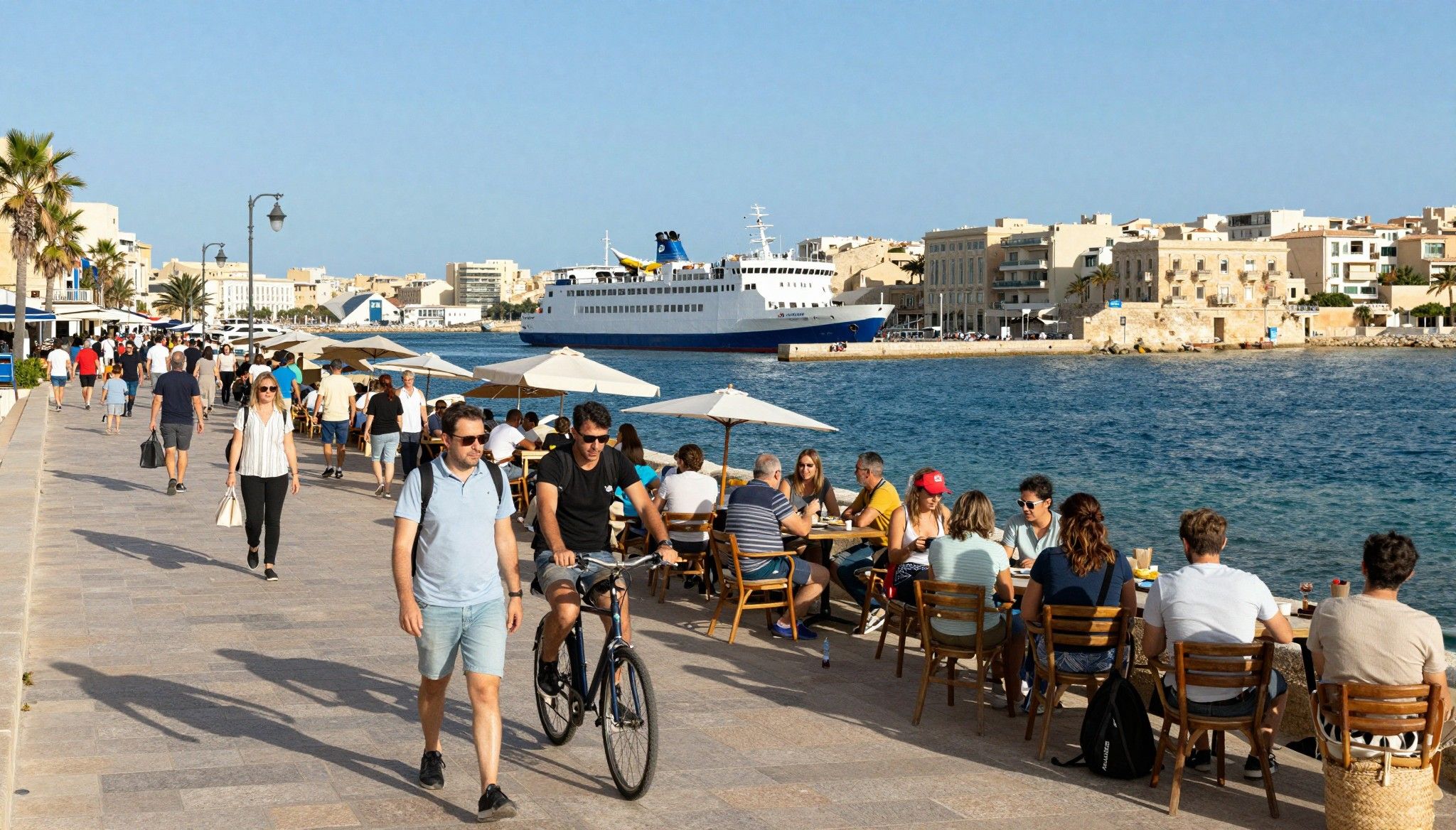
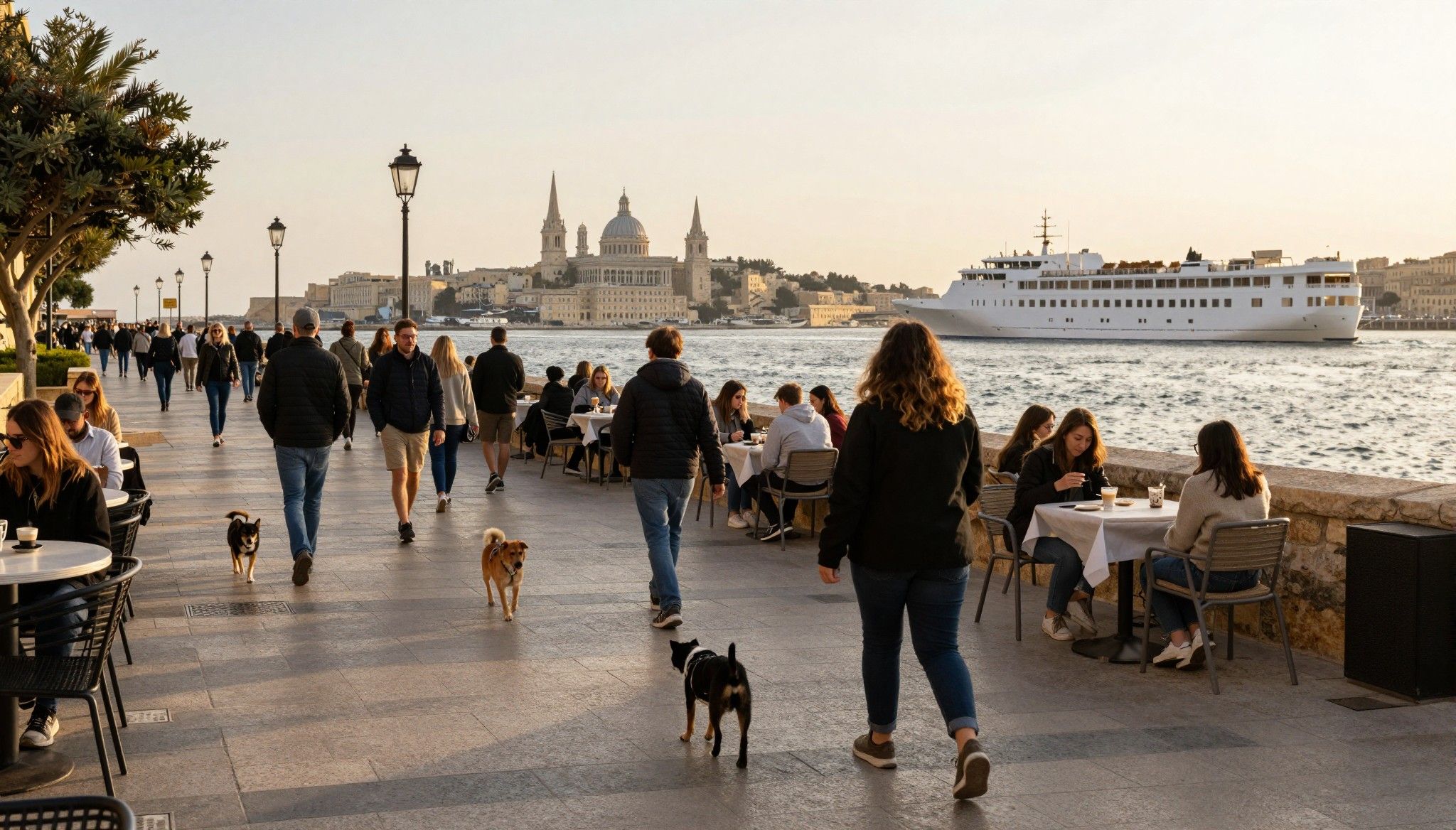
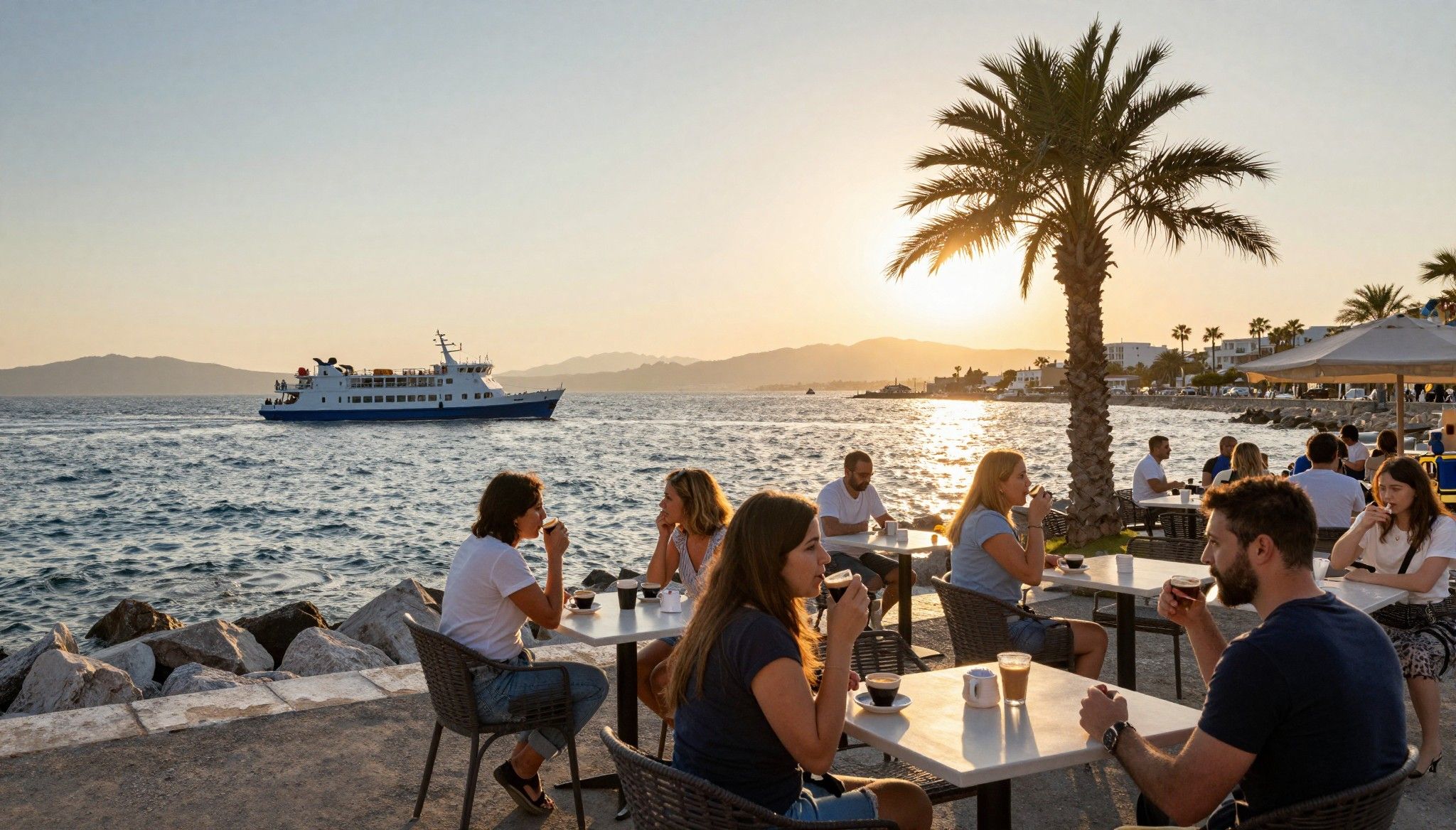
Imagine starting your morning with a cornetto and espresso on Triq ir-Repubblika in Valletta, the limestone façades warming under a bright Mediterranean sun. You’ll hear church bells, delivery scooters, and Italian chatter at the cafe next door — and then you’ll remember that this island is small enough that the beach, a vineyard and a buzzing craft beer pub can all be part of your Saturday.
Living the Malta life — close, textured, unexpected
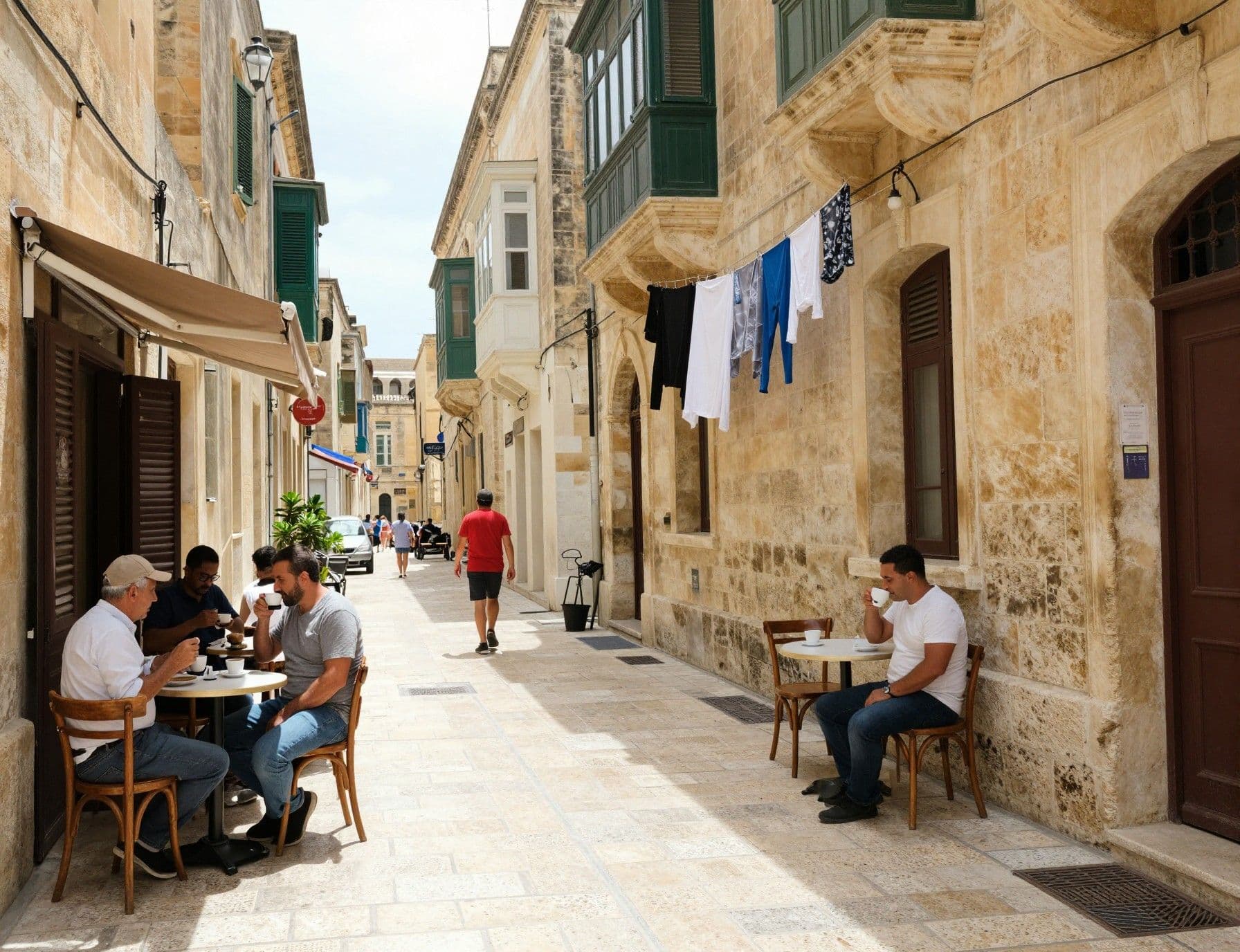
Malta is dense in ways other destinations are not: streets fold into piazzas, new-build towers sit beside restored townhouses, and neighbourhood personality changes in a three-minute walk. Life here is about texture — the rough limestone, narrow staircases, and sea breezes that arrive like punctuation. That texture shapes property choices: a small terrace in Sliema can feel as valuable as a larger inland garden when you value social life and walkability.
Valletta & the Three Cities — history as daily backdrop
Valletta lives like a museum that people actually inhabit. Morning coffee on Republic Street, late-night theatre at the Manoel, and limestone courtyards where neighbours gossip over washing lines: that’s the rhythm. Across the Grand Harbour, Senglea and Vittoriosa offer quieter, marine-focused living — older stone houses, a slower pace, and harbourside cafes that feel local rather than touristy.
Sliema & St Julian’s — the social engine
If you want terraces, promenades and an easy international social scene, Sliema and St Julian’s are where expats orbit. Sliema’s coastal walk and independent cafes make it a daytime dream; St Julian’s provides nightlife, co-working spots and luxury apartments in Portomaso and Spinola Bay. Expect higher asking prices here, but also convenience: supermarkets, clinics and international schools are nearby.
- Lifestyle highlights — what you’ll actually do here
- Morning espresso on Triq ir-Repubblika (Valletta) and a ferry to the Three Cities for a weekend lunch
- Sunset swims at Golden Bay or quiet coves like Gnejna — short drives become rituals
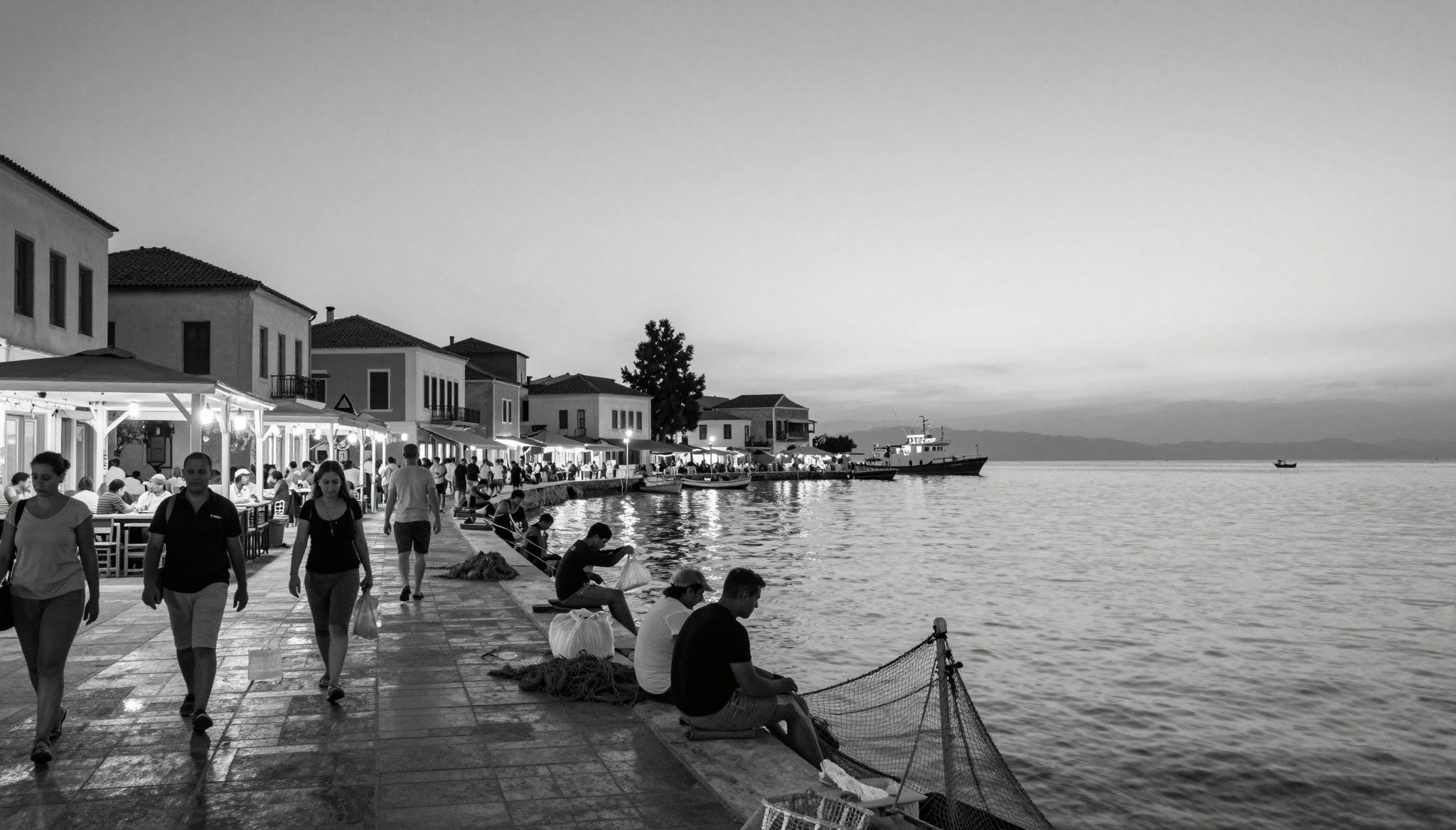
- Markets at Marsaxlokk on Sunday — fish stalls, sea air and fresh produce for home cooking
Making the move: lifestyle-led property choices that actually work
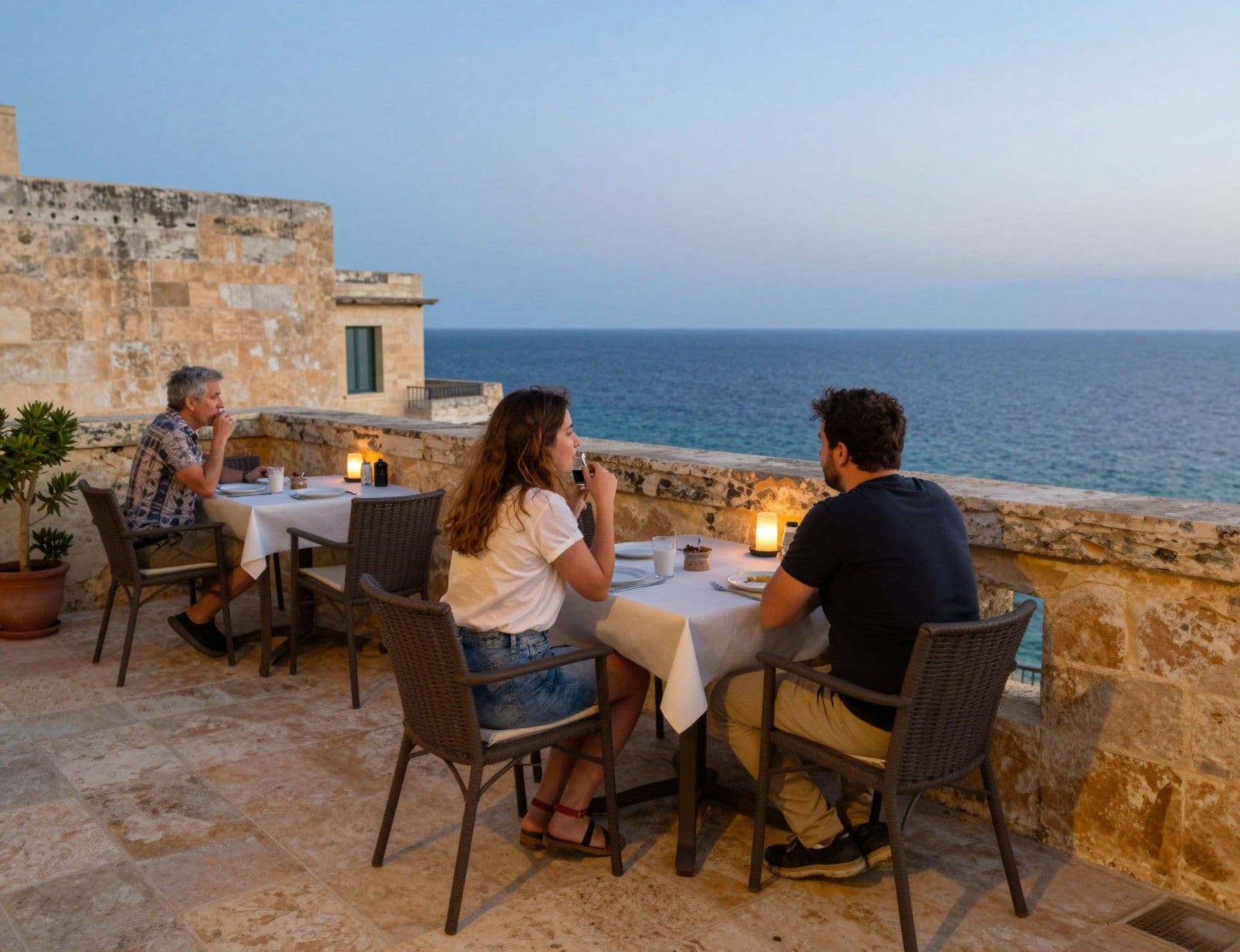
You can fall for Malta’s lifestyle quickly — but turn that feeling into a good property decision by matching the kind of life you want to the right building type. Younger buyers often value proximity to social centres; retirees prize quiet streets and sunlight. Developers increasingly sell lifestyle (sea views, terraces, communal pools) rather than square metres; your job is to check how those promises age over time.
Property styles and how they shape daily life
Apartments and maisonettes dominate urban Malta; traditional townhouses (with inner courtyards) are rarer and often require renovation. Data shows apartment prices driving recent growth, so expect competition in Valletta, Sliema and St Julian’s. That matters practically: if you prioritise outdoor living, look for properties with usable terraces or communal amenities rather than assuming a larger interior will replace the missing outdoor space.
Working with local experts who know the lifestyle
Local agencies do more than supply listings — they translate neighbourhood culture. Good agents will tell you which streets quiet down after summer, which buildings suffer from humidity, and which communities have active resident committees. Ask any agency for recent comparable sales, photos of the building’s roof and terrace, and references from buyers who moved in the last 12 months.
- How to blend lifestyle and practicality when choosing a home
- Decide whether walkability (cafes, ferry, shops) matters more than interior space
- Inspect terraces after high winds — usable outdoor space is often the decisive feature
- Ask for recent roof and façade maintenance records; limestone needs care
Insider knowledge: what expats wish they’d known
Expats often underestimate seasonal rhythm. Summer brings tourists and louder streets; winter reveals quieter community life but also practical concerns like damp in older houses. Language is less of a barrier — English is an official language — but social integration still requires time and local rituals: church fêtes, village band marches and market mornings are where relationships form.
Cultural integration and daily routines
In Malta you make friends slowly and in places that have existed for generations: the corner bakery, the parish festa, the diving club. Join a language class, volunteer at a community event, and learn the unspoken courtesies — like greeting shopkeepers — and you’ll find doors open. That social capital also helps when negotiating with owners or understanding building committees.
Long-term lifestyle considerations
Think five to ten years ahead: will you want a garden for guests, or a second bedroom for visiting family? Malta’s compactness and rising prices mean trade-offs are constant. If rental income matters, apartments in central hubs or SDAs (Special Designated Areas) tend to be easier to lease. If permanence matters, a restored townhouse near local services will repay patience.
- Red flags we see repeatedly
- No documented roof/terrace maintenance — a future cost that erases savings
- Developer promises without permits — always check planning approvals
- Overpaying for views when waterfront access is seasonal or restricted
Conclusion: Malta as lived, not just bought — next steps
If Malta’s compact, convivial lifestyle appeals, start by spending at least two extended weekends in different hubs: Valletta, Sliema, a Three Cities village and a quieter west-coast town. Bring a local agent who knows maintenance records, ask to meet building committees, and prioritise outdoor space and documented upkeep over glossy staging. When you pair lived experience with narrow, evidence-based checks, the island’s lifestyle becomes a practical choice, not a postcard.
Norwegian market analyst who serves Nordic buyers with transparent pricing and risk assessment. Specializes in residency rules and tax implications.