Italy: Where Lifestyle Signals Emerging Market Value
Italy’s charm masks regional opportunity: visit off‑season, prioritise neighbourhood lifestyle and pair local market data with on‑the‑ground checks.
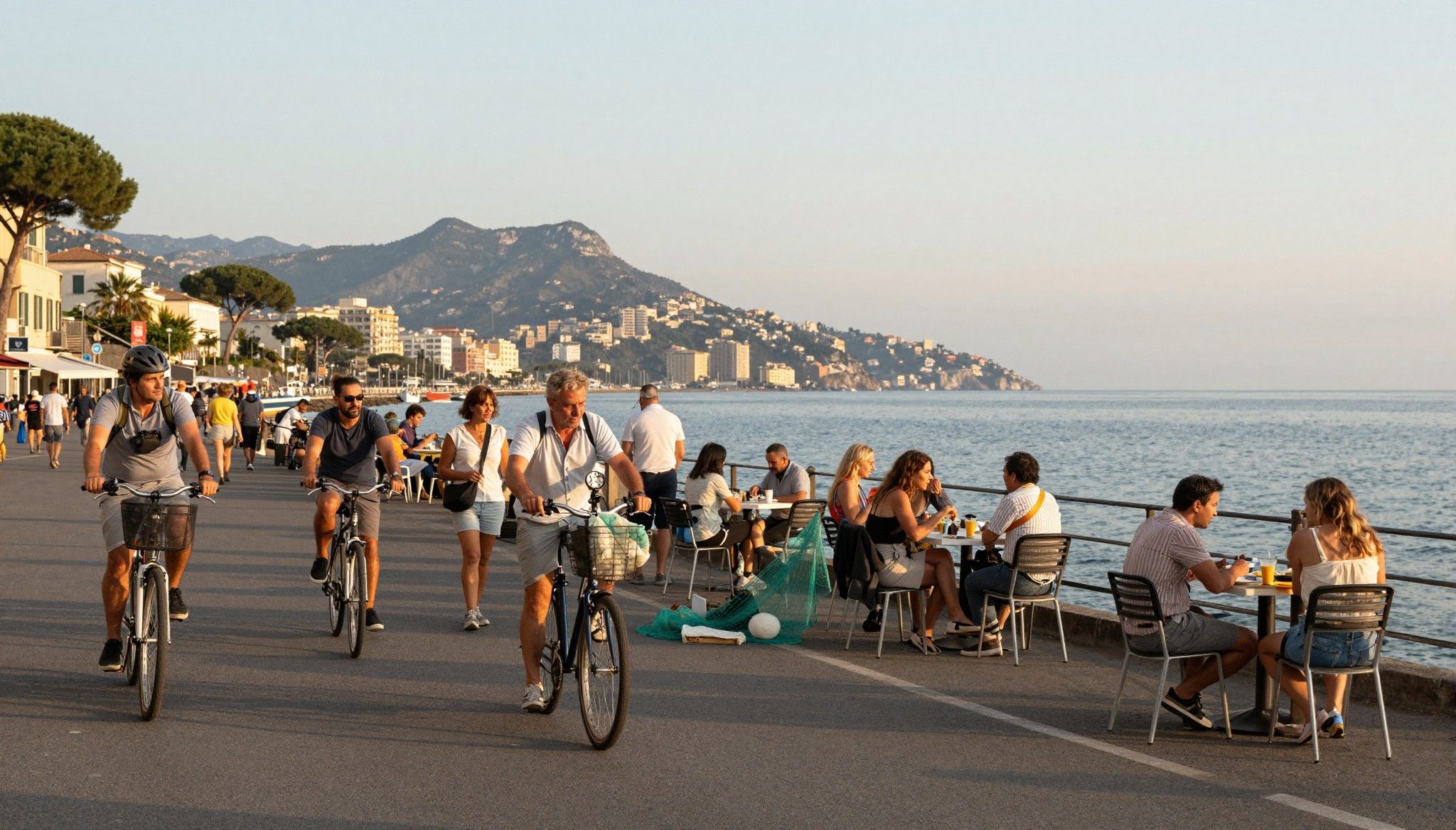
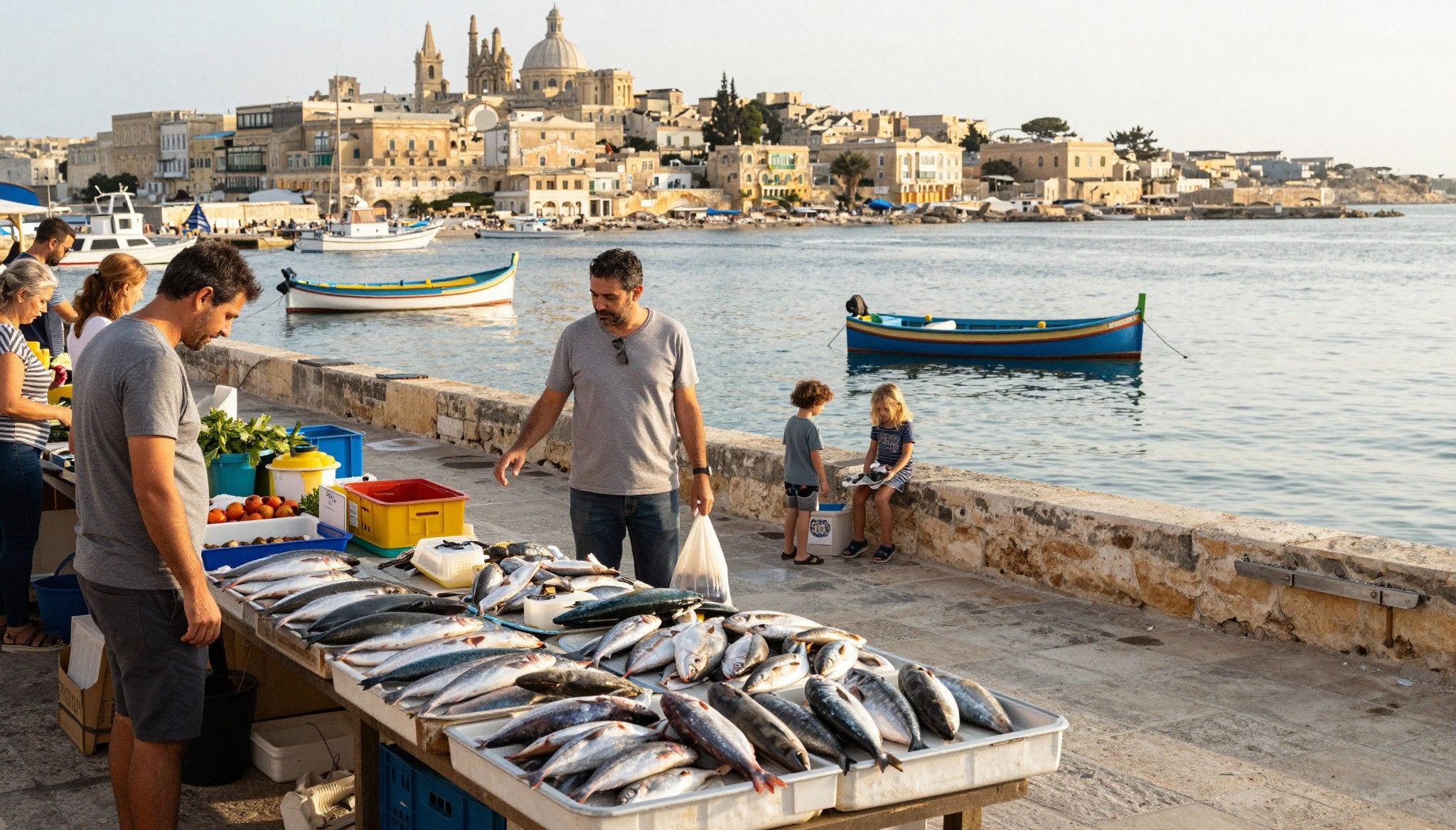
Imagine stepping out for morning espresso in Bologna’s Quadrilatero, buying seafood at Genoa’s Mercato Orientale for tonight’s dinner, then driving an hour to a hilltop vineyard at dusk. Italy is small enough for that kind of life and large enough to offer wildly different daily rhythms within a few train stops — which is precisely what makes it an unusual, emerging opportunity for buyers who value lifestyle as much as value.
Living the Italy lifestyle — vivid and contradictory
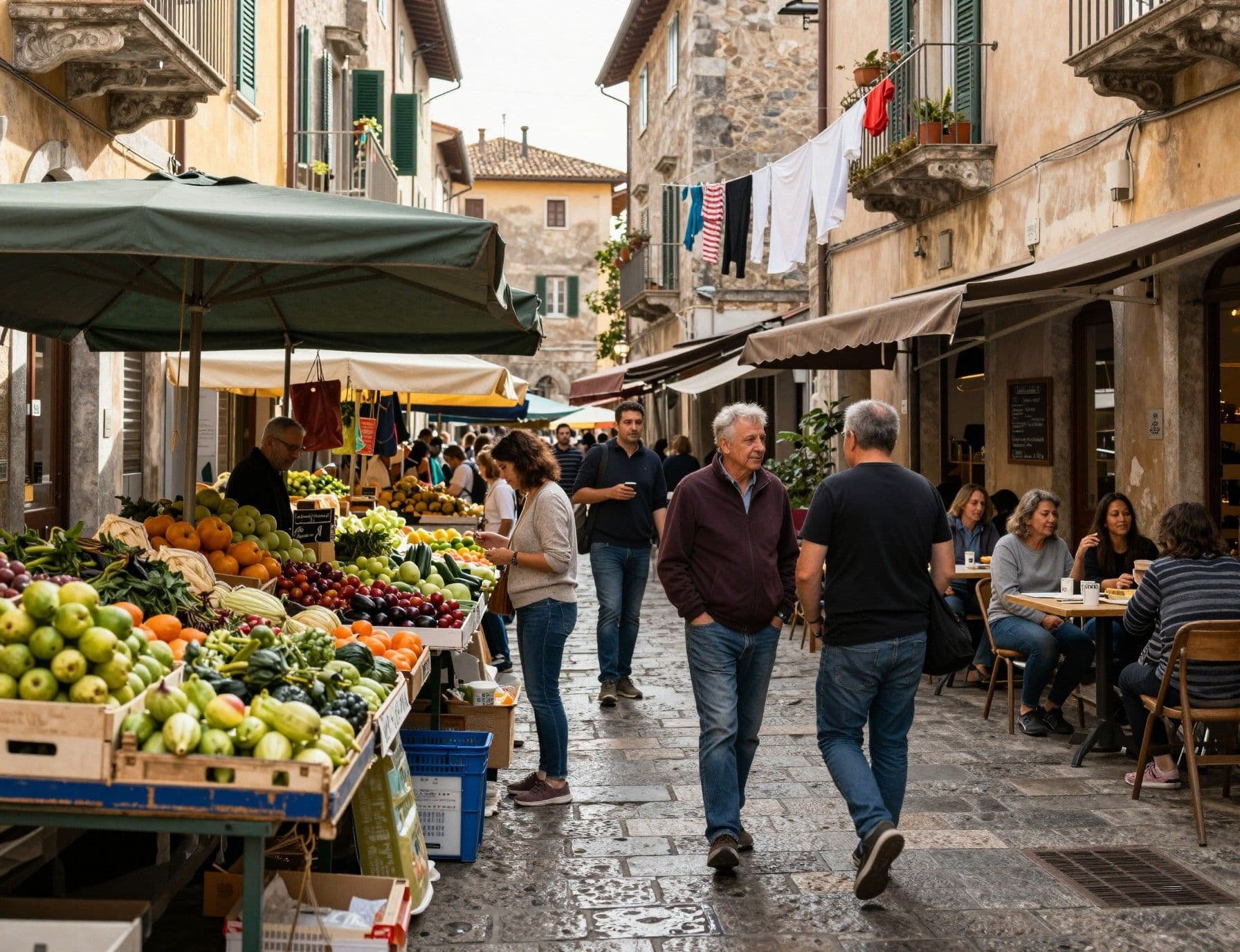
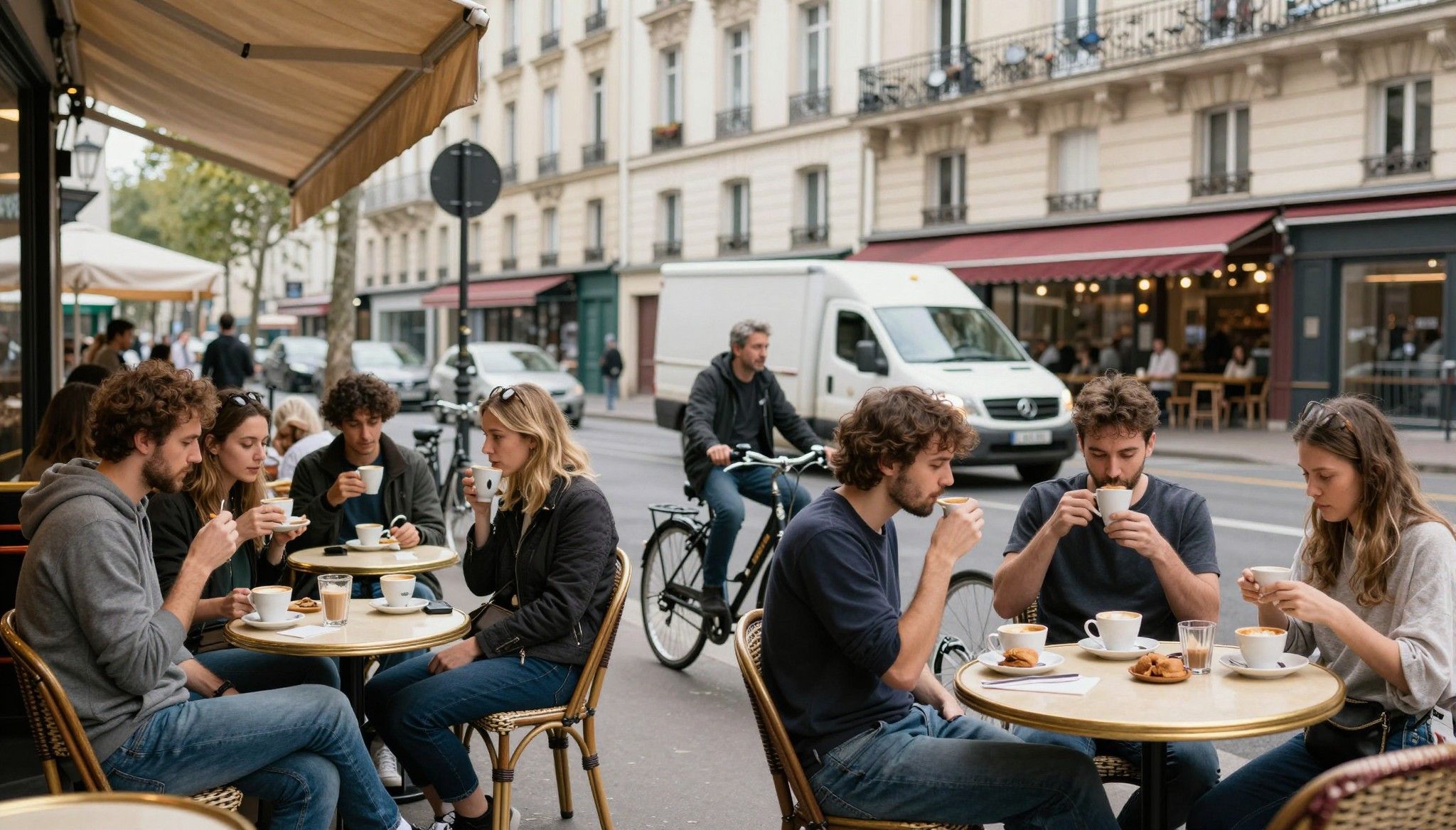
Italy’s pull isn’t a single image. It’s the barista who remembers your order in Trastevere, the fisherman who tosses you a tip for how to grill branzino on the beach in Liguria, the tram driver who waves as you cross at dusk in Milan. For buyers this means lifestyle choices — historic centre charm, coastal ease, or inland quiet — translate directly into property choices and long-term satisfaction.
Neighbourhood spotlight: Rome — Trastevere vs Prati
Trastevere is the postcard: cobbled lanes, tiny trattorie, nightlife that hums late. Prati sits across the river — quieter, wider streets, bright morning markets and easier parking. Both sell the Roman life, but the difference shows in price per square metre, renovation requirements and the kind of neighbours you’ll keep. Treat the vibe as a real line item in your purchase brief.
Food, ritual and markets — how Italy structures your day
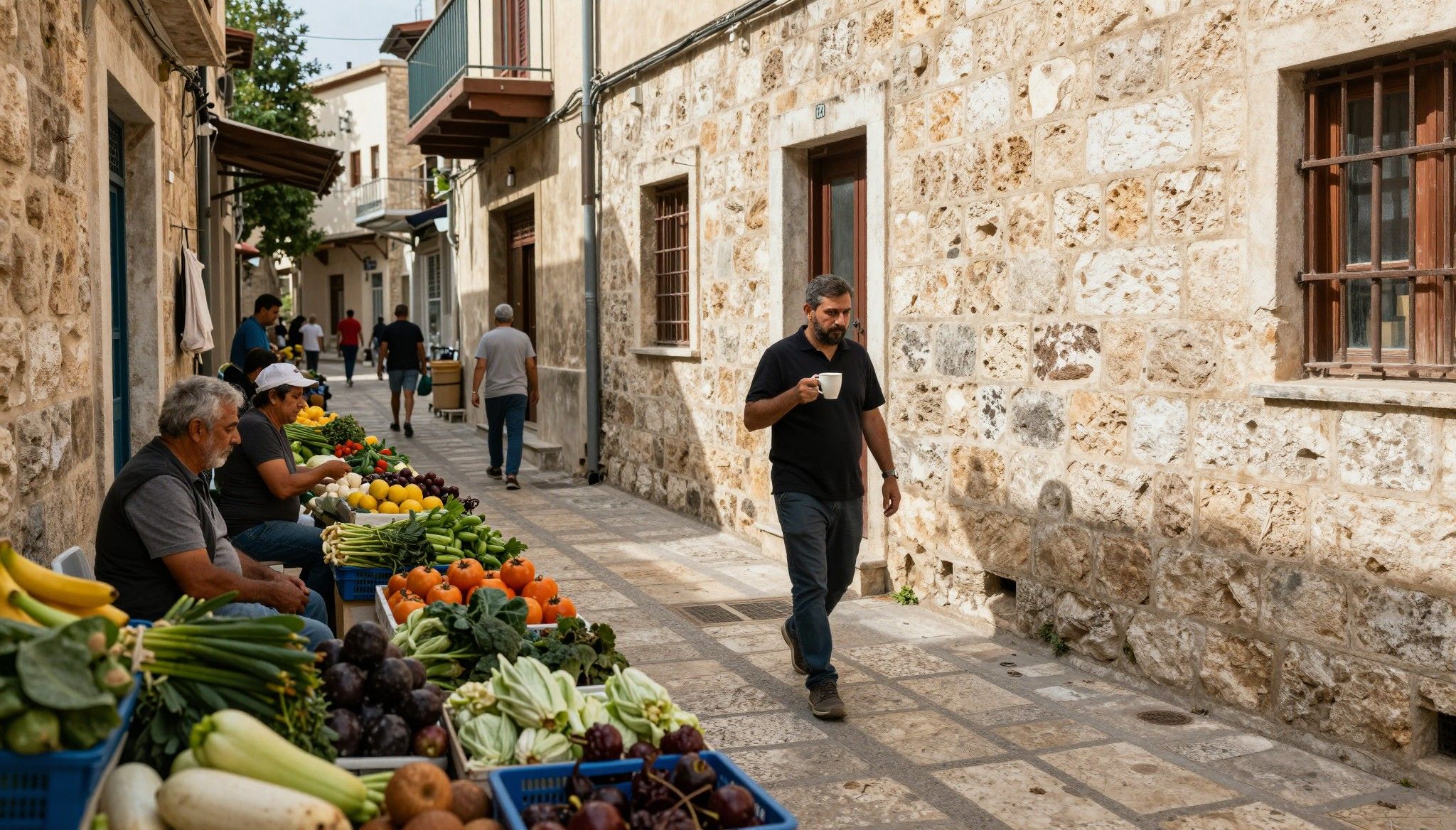
Markets shape time here. Mornings are for produce and conversation; late afternoons are for aperitivo; Sundays are for family lunches that stretch until the light changes. Those rhythms influence everything from apartment layout (a proper kitchen matters) to outdoor space (terraces and balconies are used year-round in many regions). Buying with lifestyle in mind means mapping seasons and rituals to property features.
- Market-to-table moments: Mercato di San Lorenzo (Florence), Mercato Centrale (Bologna), Mercato Orientale (Genoa), weekly markets in Palermo
Making the move: practical considerations that preserve lifestyle
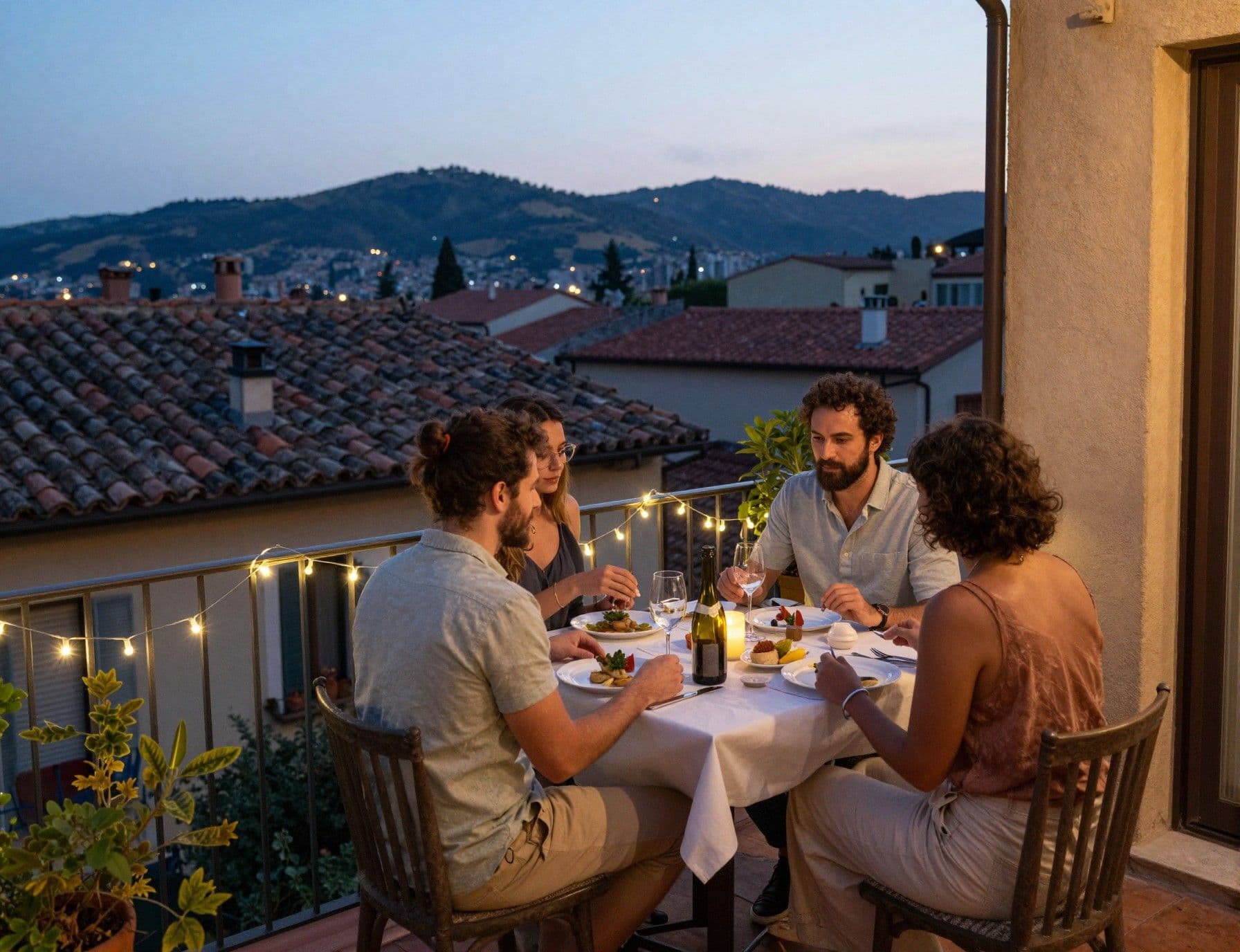
Dreams meet data: recent industry analysis shows Italy’s residential market regained momentum in 2025 with rising transactions and modest price growth, but regions diverge. That means opportunity — and the usual traps — are local. Use national statistics as a backdrop, but underwrite your purchase against neighbourhood-level supply, local demand and tourist seasonality.
Property styles that fit how you’ll live
If you want morning cafés and walkable errands, aim for a centro storico apartment with high ceilings and shutters. If you crave year‑round outdoor living, look at Ligurian terraces or Puglia’s masseria conversions. Renovation budgets matter: older stone buildings often need structural and heating upgrades, while newer condos trade authenticity for convenience.
Work with experts who know daily life, not just listings
- 1. Start with a local agent who can show morning routines, not just photos — ask to visit at 8am and 8pm. 2. Hire an architect or surveyor familiar with local construction practices (masonry, seismic retrofits). 3. Confirm utility readiness — heating type, gas lines, and broadband speed for remote work. 4. Check community rules: many historic centres have strict façade and balcony regulations that affect renovations. 5. Budget for energy upgrades — insulation and efficient systems increase comfort and resale value.
Insider knowledge — realities expats wish someone had told them
The romance is real, but practical wrinkles show up fast: paperwork moves slowly, bureaucracy prefers originals over scans, and local relationships accelerate solutions. Bank of Italy industry surveys point to persistent regional differences in transaction speed and financing availability — plan timelines accordingly and avoid assuming the same rules apply across provinces.
Language, community and the small social rules that matter
Learning a few phrases opens doors. Addressing neighbours by name, knowing the local shopkeeper’s hours, and respecting riposo (midday quiet) changes how you experience neighbourhood life. Expat clusters exist — look to Bologna’s university quarters, parts of Milan, or coastal pockets in Emilia‑Romagna — but integration usually happens one coffee and market visit at a time.
Seasonality and the timing myth: why summer house‑hunting can mislead
Summer shows a place at its most cosmopolitan or most crowded — neither is the whole story. For coastal towns, infrastructure and pricing shift with short‑term rentals. For inland towns, winter reveals insulation, heating costs and quiet rhythms. Smart buyers visit in low season to see real life and check liveability, not just postcard moments.
- Practical red flags: unclear land registry records, missing energy certificate (APE), façades under restriction, disproportionate condo fees, and inconsistent broadband availability
Longer view: how Italy’s regional recovery creates niche opportunities
With 2025 showing stronger transaction volumes, secondary cities and formerly overlooked coastal stretches are attracting adaptive reuse projects and demand for flexible living (co‑living, senior housing). These are the emerging markets to watch — not because they’re cheap, but because they’re changing faster than headlines admit.
- 1. Prioritise neighbourhoods with active public investment or heritage restorations. 2. Look for towns with stable year‑round temperatures and good rail links to major cities. 3. Underwrite rental potential with local tourist flows and long‑let demand. 4. Always commission a cadastral and title check before signing a preliminare.
We’ve seen buyers fall for a piazza’s charm, only to regret an apartment’s poor heating in January. Others bought in secondary-market towns where railway upgrades doubled mid‑term demand. The rule we give clients is simple: fall in love — but demand evidence. Visit at different times, ask to see utility bills, and prioritise a local agent who spends weekends in the neighbourhood they sell.
Ready or not, Italy will change the way you measure value. It’s less about square metres and more about morning light, a trusted market, a good grocer and the terrace you’ll actually use. If that matches your brief, start with a short list of neighbourhoods, bring local experts, and plan two visits across seasons.
Next steps: ask for a neighbourhood walk‑through at different times of day, request recent utility bills and condominium minutes, and commission a local surveyor before you exchange. With that, your Italian life will be as durable as the stone façades that first attracted you.
Sources
The statistics and market outlook referenced above come from Istat’s house price indices, Nomisma’s 2025–2026 reports and the Bank of Italy housing surveys — all useful for neighbourhood-level follow‑up when you narrow your search.
Swedish expat who moved from Stockholm to Marbella in 2018. Specializes in cross-border legal navigation and residency considerations for Scandinavian buyers.