Neighbourhood tempo vs. market signals in Italy
Italy’s romance meets data: match neighbourhood tempo to market signals and use local experts to turn lifestyle dreams into savvy purchases.
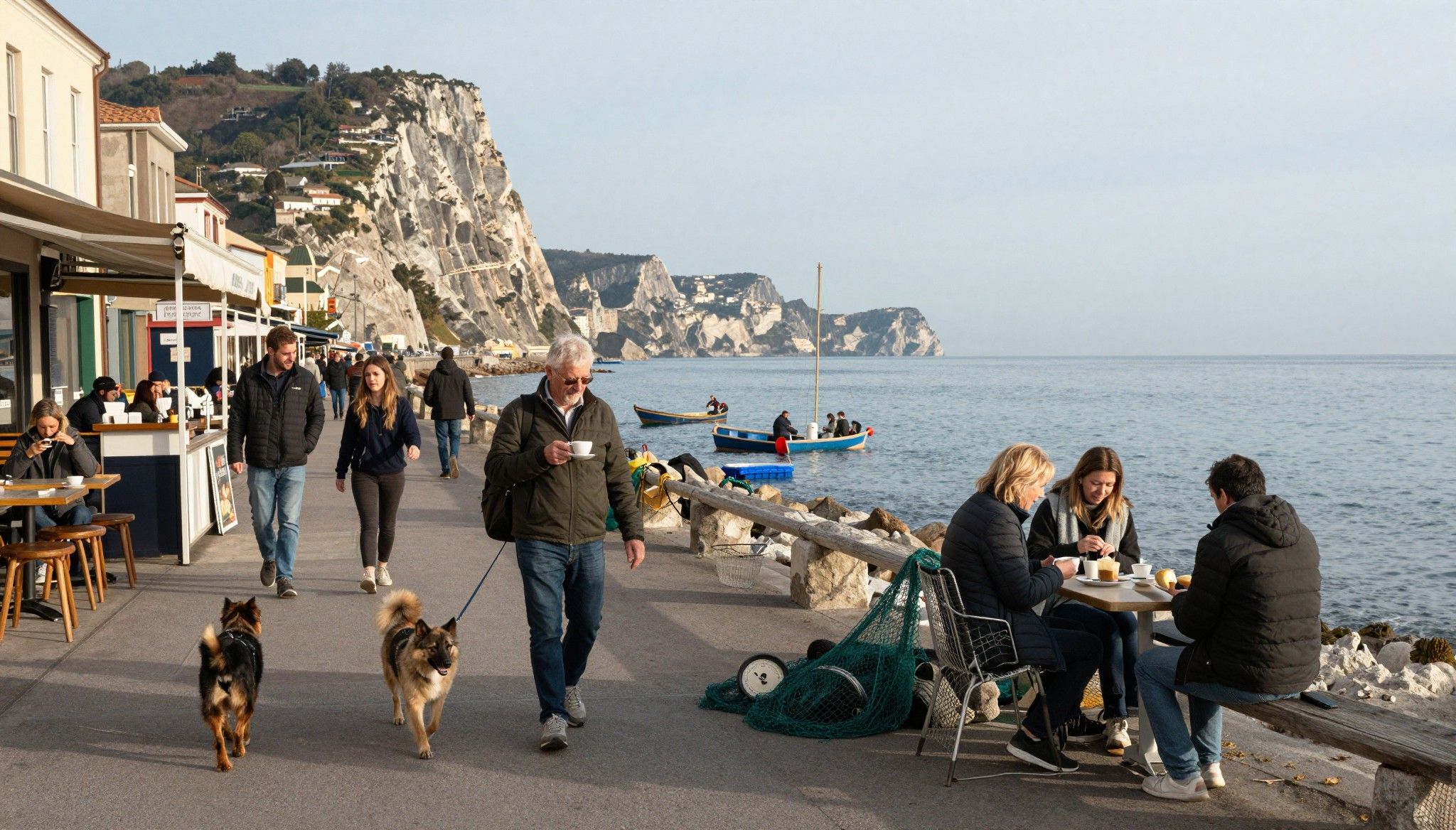
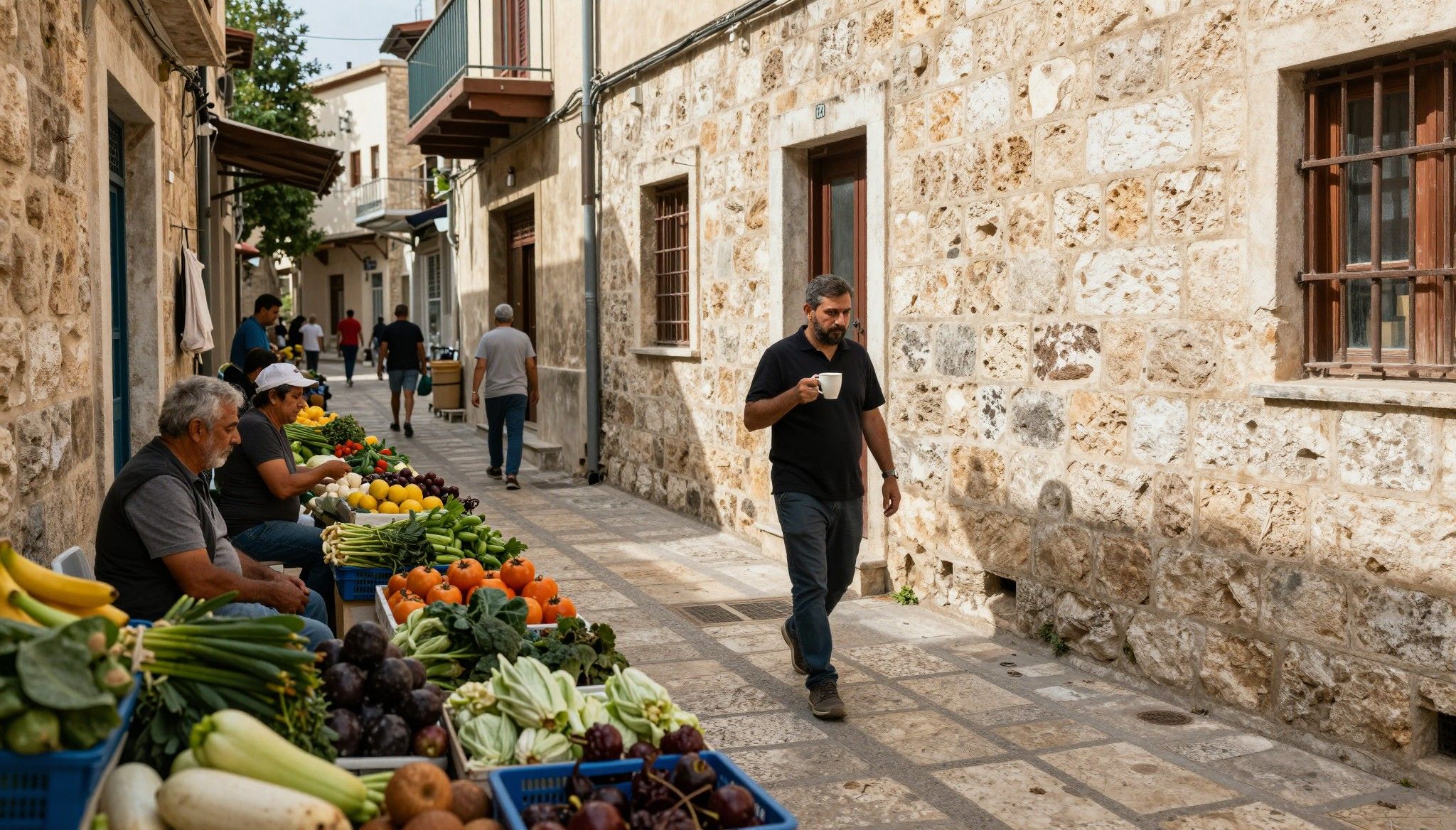
Imagine waking to a barista who knows your name, buying fruit from a piazza market, then crossing a narrow street to a terrace that looks down on terracotta roofs and a church bell. Italy feels lived-in: layered history underfoot, neighbourhoods that keep their rhythms, and seasons that change what you do from morning to night. For many international buyers that romance is the purchase’s real engine — but the smart move is to pair that romance with hard, local signals about where value is actually shifting. We start with the life you want, then show how the market and local experts make it possible.
Living the Italy lifestyle
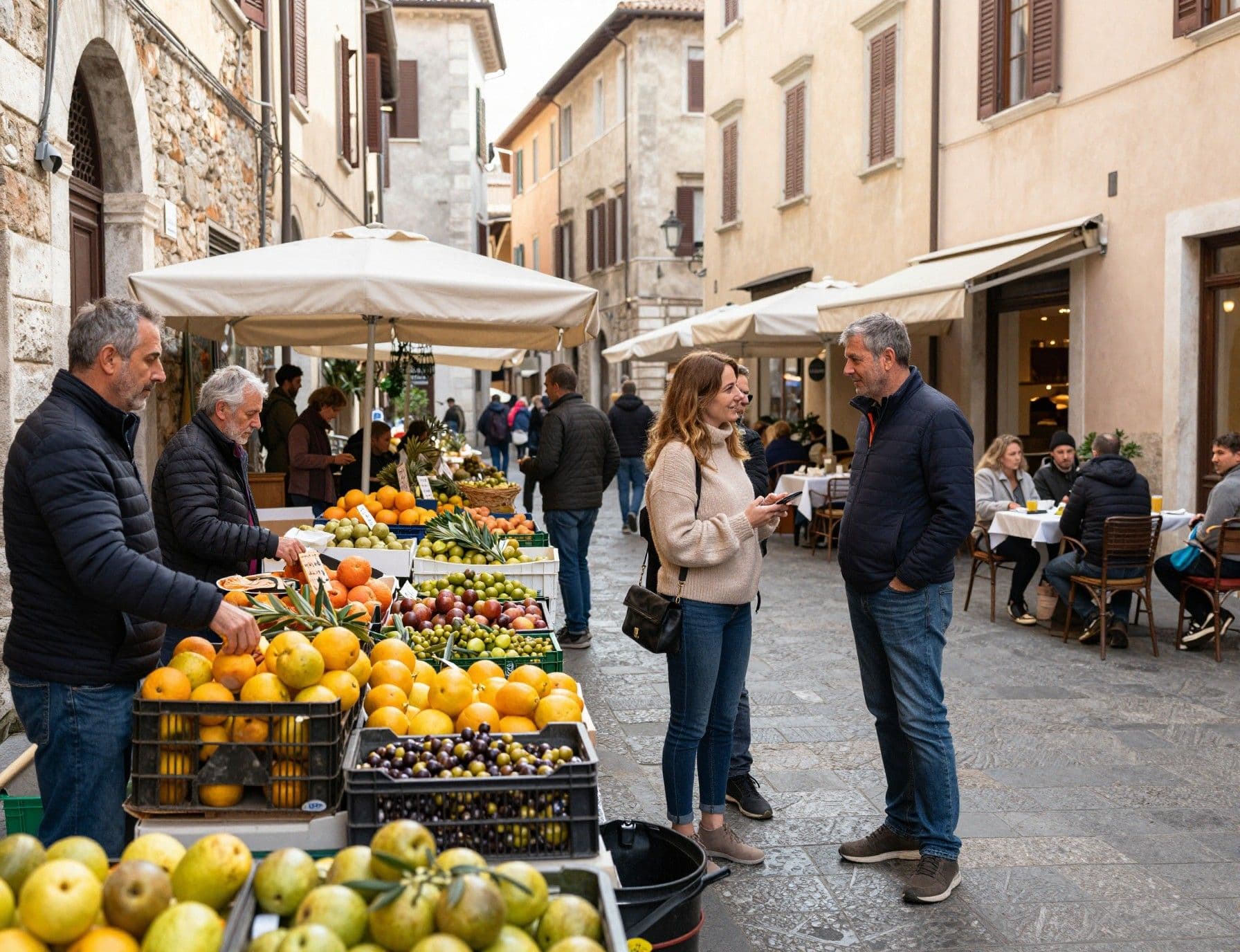
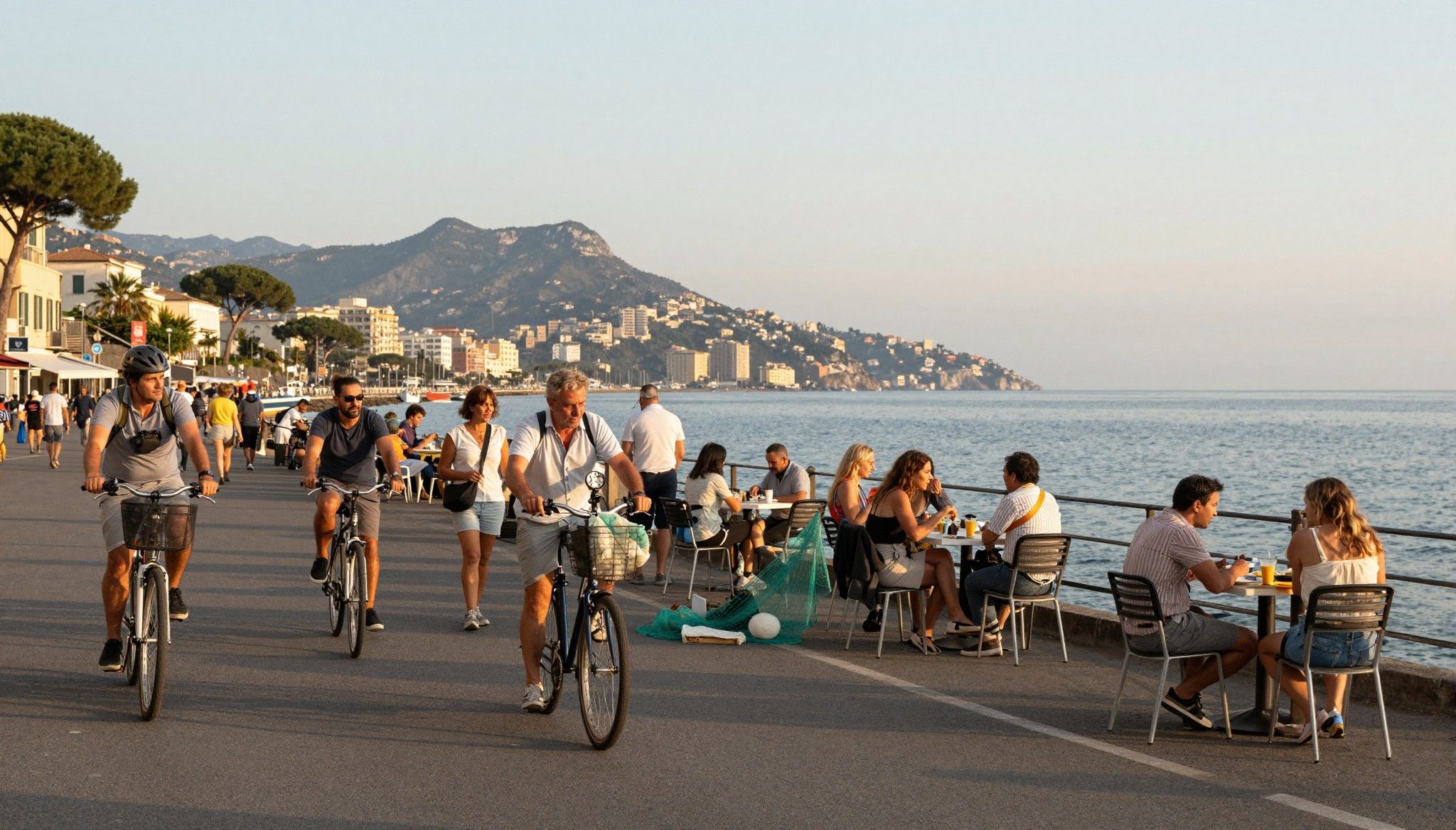
Italy’s rhythm is local first. Morning espresso and cornetto, a slow mercato on Saturday, aperitivo that spills into narrow lanes at dusk — these are not tourist moments, they’re how people live. Where you buy changes what you’ll do: a Lombardy apartment puts you near boutiques and business hours; a Puglia masseria invites outdoor kitchens, olive groves and long dinners. The good news for buyers: recent national data show the market stabilising and regional pockets reopening to international interest, so lifestyle choices increasingly align with sensible market moves.
Cities and neighborhoods that keep you close
Milan’s Brera gives you narrow streets, art galleries, and neighbourhood cafés where business and life meet; Florence’s Oltrarno is workshop-heavy and reminders of craft around every corner; Bologna’s Santo Stefano offers porticoes, a lively student scene and markets that anchor daily routines. Each of these places trades off quiet evenings for daytime energy or vice versa — pick the tempo that fits the life you imagine. We recommend spending at least a week in a neighbourhood before looking at listings: lifestyle observation beats glossy photos every time.
Food, markets and seasonal life
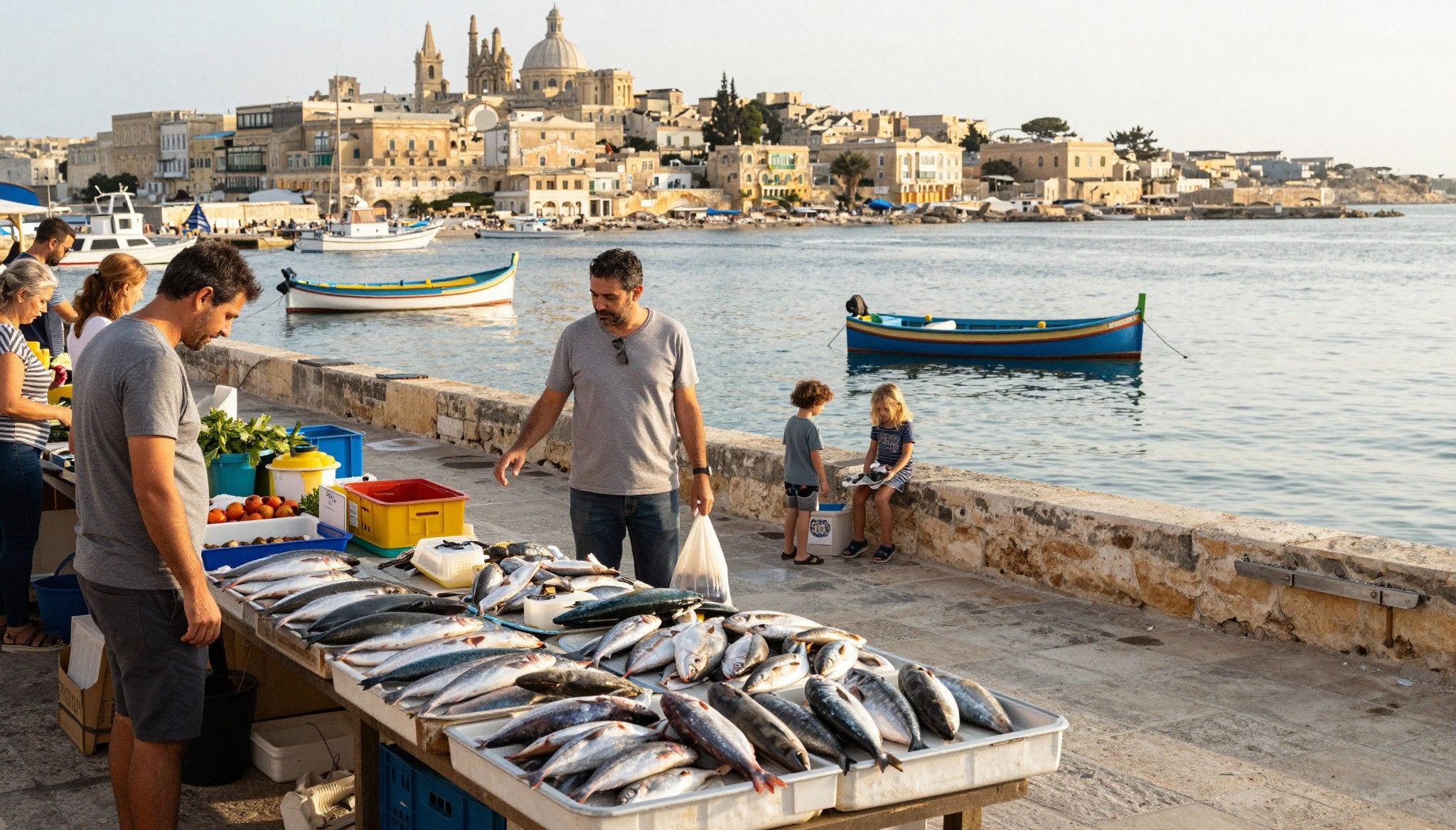
Italy’s seasons structure social life. Spring markets burst with asparagus and artichokes; summer brings beach clubs and late-night passeggiata; autumn is truffle hunts and vine harvests; winter means indoor gatherings and city museums. These cycles affect demand: coastal towns spike in summer but cool off by October, inland hill towns enjoy steadier year-round living, and wine-country villas sell well to buyers wanting seasonal entertaining space. If you want the food-and-festival life, match property type to seasonality — a winterised townhouse for year-round life, or a seaside apartment if you accept slow winters.
Making the move: practical considerations

Romance is vital, but so is context. Recent national statistics show modest price growth and rising transaction volumes, yet regional variation is the real story: Lombardy and major northern cities remain pricier, while parts of the south and interior present lower entry prices and growing interest from foreigners. That divergence matters because it changes transaction timelines, renovation realities and rental prospects. Work with local agents who can show you comparable sales and explain how micro-markets — a street, a square, the block near a market — behave differently from city averages.
Property styles and how they fit daily life
Historic centre apartments put you inside the rhythm but often come with stairs, small kitchens, and strict renovation rules. A modern suburban villa buys space, parking and gardens but trades proximity for a commute. Restored farmhouse (masseria) in Puglia or agriturismo in Tuscany gives views and land, but expect maintenance, olive grove management and seasonal guests. Choose by lifestyle first: if café culture and walking to shops matter, prioritise a central flat; if gardens and outdoor living top your list, the countryside will reward you.
Working with local experts who know the lifestyle
1. Ask agencies for street-level comparables — not only city averages. 2. Insist on viewing at different times of day and at least one weekend. 3. Meet a notary early to explain contract norms and timelines (Italy uses a multi-step pre-contract/deed system). 4. Get local builders to estimate renovation realistically — old stone houses have hidden costs. 5. Check municipal plans for any coastal protection or seismic constraints that affect renovations.
Insider knowledge: myths, real trade‑offs and expat realities
Myth: "Southern Italy is always cheap." Reality: pockets of the south (Puglia, parts of Calabria and Basilicata) offer low entry prices but varying service levels — think slower internet or fewer international flights. Myth: "Cities are overpriced." Reality: some secondary cities and suburban neighbourhoods provide city amenities at lower cost and strong rental demand from students and young professionals. We’ve seen foreign buyer share rise to roughly 9–10% in recent years in some regions, showing that off‑radar places are suddenly on international radars.
Cultural integration, language and daily life
Learning even basic Italian changes everything: market conversations, building permits, and the warmth of local neighbours. Join a language class in a local bar or volunteer at market stalls to meet residents. Many expats emphasise that friendships form around food: help at a harvest, bring pastries to a festa, and you’ll be welcomed faster than by showing up with a contract. Expect bureaucracy to be slower than you’re used to; patience and a friendly local intermediary speed transactions and smooth daily life.
What expats wish they’d known
Ask about heating costs in older homes — winter bills can surprise you. Check seismic retrofit history — many regions require upgrades. Clarify parking rights and condominium rules for historic centre flats. Understand seasonal rental demand if you plan to rent out — coastal towns vary wildly. Confirm energy class and potential for upgrades — it affects resale and mortgages.
Where the market stands (short data snapshot): national agencies and banks report modest price growth and rising transaction volumes — ISTAT and the Bank of Italy show year-on-year increases while the Agenzia delle Entrate noted growing sales value in 2024–2025. That means buyers who prioritise lifestyle can often find reasonable entry points outside headline neighbourhoods, but you must match micro-market data to your life plan. Use official OMI reports and local notary statistics to benchmark any offer you make.
Conclusion: imagine the life — then make it factual. Italy’s daily pleasures are the real return on a property purchase, but transactions work best when lifestyle choices meet careful, local research. Spend time in neighbourhoods, bring in local experts early, and treat seasonal patterns as part of the asset you’re buying. If you want help turning a favourite corner of Italy into a realistic shortlist, we can introduce local agencies who combine street-level market knowledge with the cultural intuition you need to live there well.
Swedish expat who moved from Stockholm to Marbella in 2018. Specializes in cross-border legal navigation and residency considerations for Scandinavian buyers.