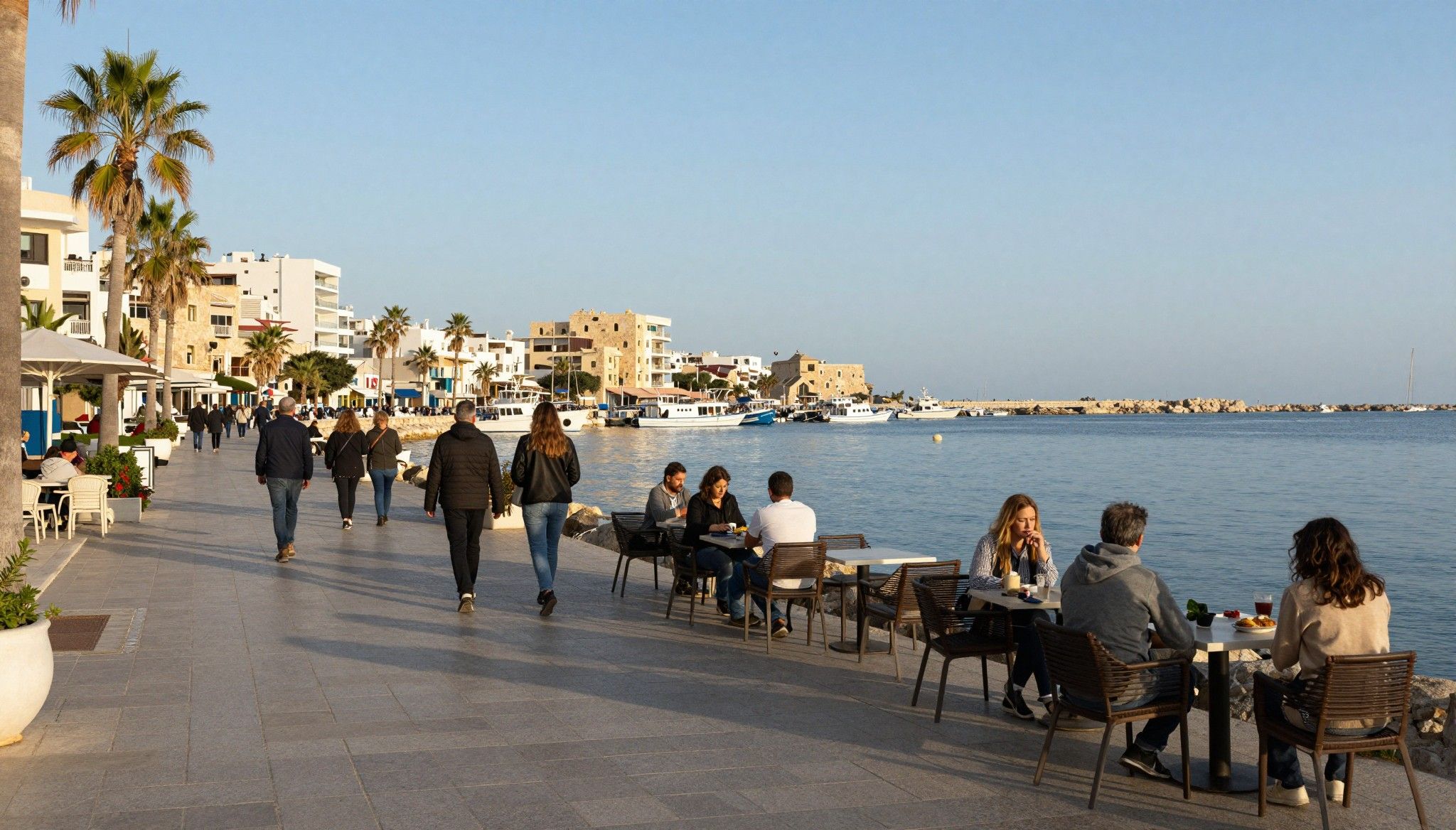
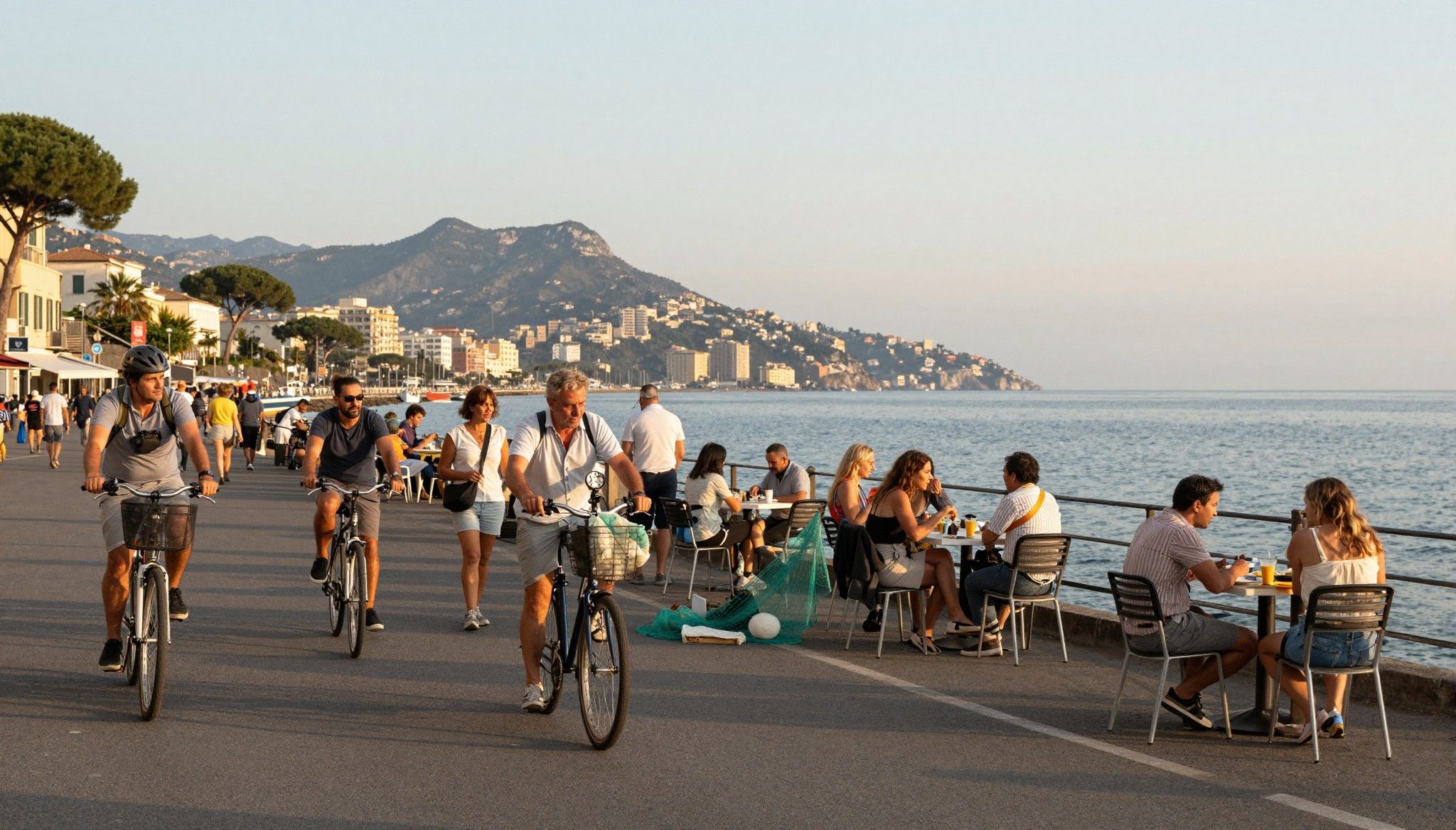
Cyprus: Love the Life — Insist on the Paperwork
Cyprus’s charm hides patchy transparency — love the life, but insist on title deeds, permits and local comparables backed by Central Bank and government data.
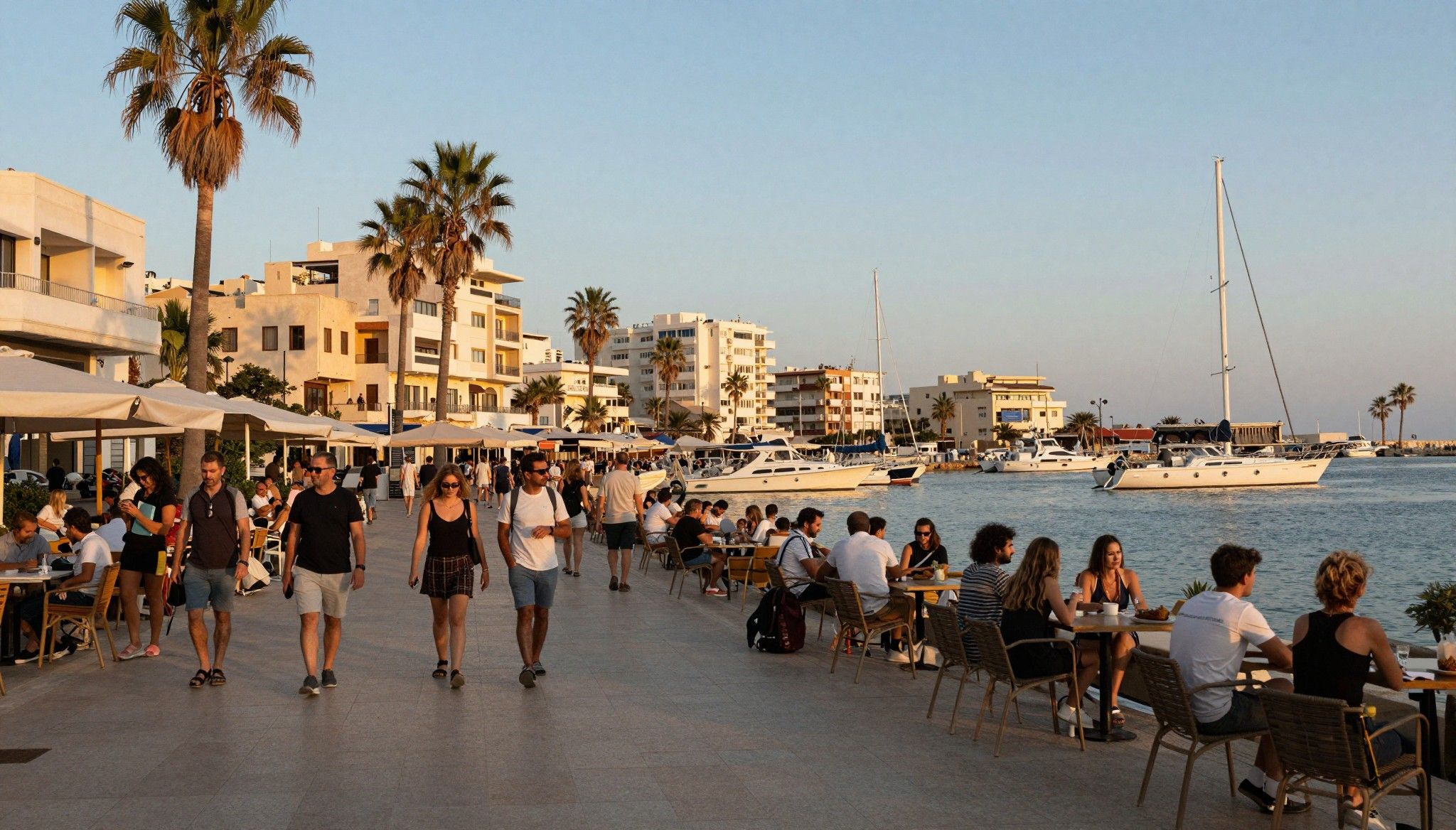
Imagine sipping late‑morning coffee at Fig Tree Square in Nicosia, then hopping a 45‑minute drive to a Paphos harbour evening of fresh fish and sea air. Cyprus lives in contrasts — slow mornings in mountain villages and compact, high‑energy afternoons on Limassol’s marina promenades — and those rhythms shape where people buy, how homes are used, and what information you must insist on before you sign.
Living Cyprus: light, seasons and neighbourhood character
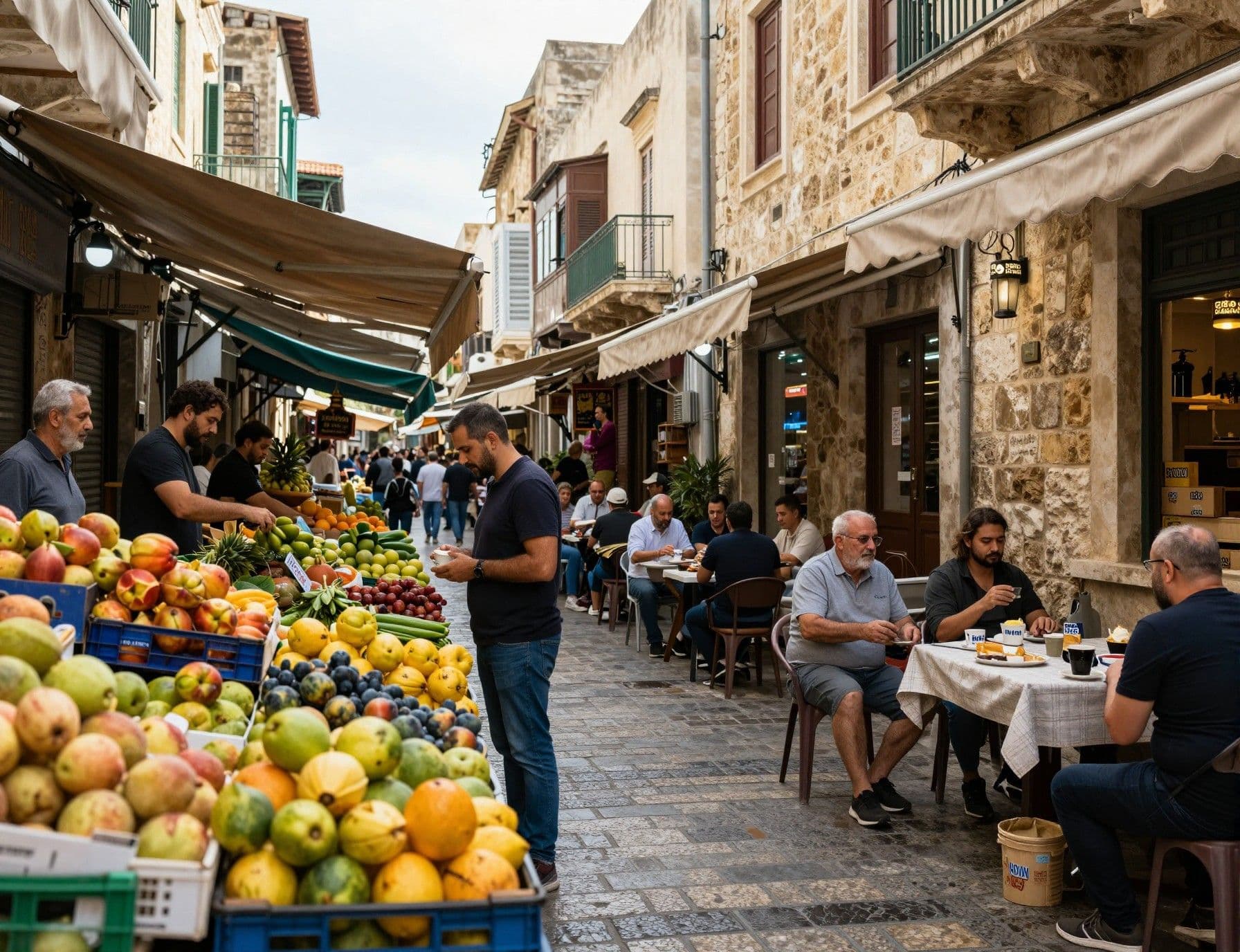
Cyprus feels Mediterranean in the particulars: cheap, excellent coffee counters; late lunches that stretch into siesta; and a coastline that alternates between small pebbled bays and long sand beaches. But lifestyle choices here are local — Limassol is cosmopolitan and busy, Paphos quieter and family‑oriented, Larnaca blends airport convenience with a growing café culture, and the Troodos villages trade the coast for cooler summers and stone houses.
Limassol & Marina life
Walk the marina at dusk and you’ll understand why buyers flock here: contemporary apartments, yacht activity, and restaurants that stay lively late. That cosmopolitan energy feeds demand — which means tighter supply and faster price movement on well‑located apartments and penthouses close to the seafront.
Paphos, Larnaca & quieter rhythms
Paphos has old‑town charm, archaeological sites and a slower pace that appeals to families and retirees. Larnaca mixes practical transport links with a compact city life and a long seafront. These areas often offer better value per square metre, but expect variable resale liquidity depending on exact neighbourhood and property type.
- Local highlights: Fig Tree Square (Nicosia), Limassol Marina promenade, Paphos harbour, Mackenzie Beach (Larnaca), Omodos village (Troodos), Kato Paphos archaeological park
When lifestyle meets the ledger: what current data really tells you
The data point to steady, regionally uneven growth: apartment prices have outpaced houses in recent quarters, and Limassol and Paphos show stronger gains than other districts. Official indices from the Central Bank and the government’s HPI are your best baseline — they show direction more than predict exact neighbourhood moves, but they’re essential when you’re comparing micro‑markets or judging whether a price feels stretched.
Why micro‑markets beat country averages
National indices smooth out the bumps. A Limassol seafront flat behaves differently from a village bungalow in the Troodos. Expect stronger apartment inflation in coastal centres and much slower movement inland. Use the national reports to identify trends, then drill down using local agency sales data and recent transaction records for the neighbourhood you love.
Key transparency traps: deeds, permits and 'off‑plan' reality
Here’s where we get blunt: not every paid property in Cyprus has a clean, transferable title deed immediately. 'Trapped buyers' and incomplete permits have been visible in public briefings. Always demand proof of title, recent land registry extracts, and evidence that building permits and final approvals are in place — ideally before you transfer significant funds.
- Transparency checklist (what to insist on): certified title deed extract; planning/building permit and completion certificate; up‑to‑date utilities connection receipts; recent cadastral/land registry search; seller’s mortgage release evidence
How to marry the dream with safe steps: practical local playbook
You should buy the life first and the legal paperwork second — but you must have both in hand. Start with on‑the‑ground visits to experience the neighbourhood at different times, then lock down a local agent and a Cyprus‑licensed lawyer who’ll work together on document checks. Treat contracts as living documents that must reference solvency, title transfer timing, and remedies for missing approvals.
Property types and what they mean for day‑to‑day life
Seafront apartments give easy social life and rental appeal but higher maintenance and service charges. Traditional village homes offer space and seasonal comfort but may need renovation and have slower resale. New developments can be tempting for warranties and amenities — but verify developer track records and completion guarantees before committing.
Stepwise due diligence (what we actually do with clients)
- 1) Visit the area at least twice (weekday and weekend). 2) Ask the agent for 12–24 months of comparable sales. 3) Order a land registry and title deed extract. 4) Have a lawyer verify permits and mortgages. 5) Agree contract milestones linked to title transfer and escrowed funds.
Insider knowledge: what expats tell us they wish they'd known
Expats repeatedly tell a similar story: the life is better than the listing photos, but the paperwork can be slower than expected. Learn basic Greek phrases, join a local community centre or a foodie group, and accept slower administrative timelines — then the long‑term benefits (sun, community, lower living costs in some areas) start to compound.
Cultural and seasonal realities that shape value
Cyprus’s summer season swells coastal towns and can mask year‑round vacancy rates in short‑let‑heavy areas. Conversely, properties close to schools, hospitals, and local markets hold value for residents and long‑term renters. Think about the rhythm you want: lively summers or steady year‑round life — that choice changes where you should focus.
- Expats’ quick tips: learn local waste collection days; budget for communal service charges (ups the real cost of seafront living); meet neighbours before buying; verify internet speeds if remote work matters
We fall for Cyprus for the daily rituals — coffee by the sea, village festivals, Monday fish markets — and we buy here with clear paperwork. Start with lifestyle visits, then demand the documents the data recommends: land registry extracts, planning approvals, comparable sales and a lawyer who will not let you shortcut title checks. That combination keeps the dream intact and reduces risk.
Next steps: schedule two visits (one weekday, one weekend), request neighbourhood comparables from your agent, and instruct a Cyprus‑licensed lawyer to run title and permit checks before you place any serious deposit.
Dutch relocation advisor who moved to Marbella in 2016. Guides Dutch buyers through visa paths, relocation logistics, and balance of lifestyle with value.