Cyprus: Love the Street, Check the Title
Cyprus pairs irresistible Mediterranean life with a regulated property market; pick the lifestyle first, then align taxes, title checks and local expertise for a confident buy.
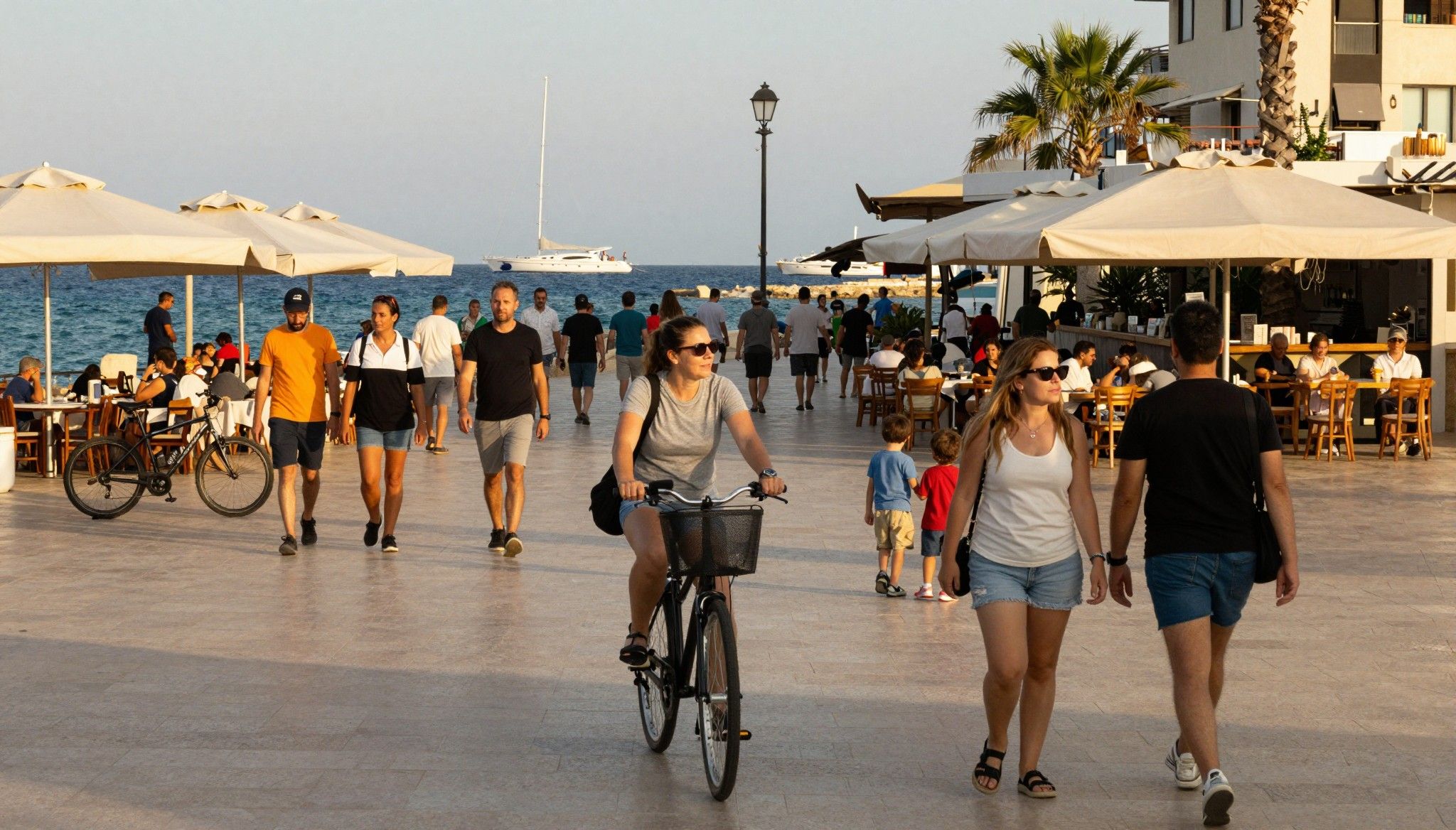
Imagine stepping out at dawn onto Limassol’s Molos promenade with an espresso in hand, the sea lapping a few metres away and a mix of Cypriot families, yacht crews and remote workers already setting the day’s pace. Cyprus feels like a place that balances the slow Mediterranean rhythm with surprising modern momentum — and that tension is exactly what shapes how you should buy here.
Living Cyprus: daily rhythms, neighbourhoods and honest appeal
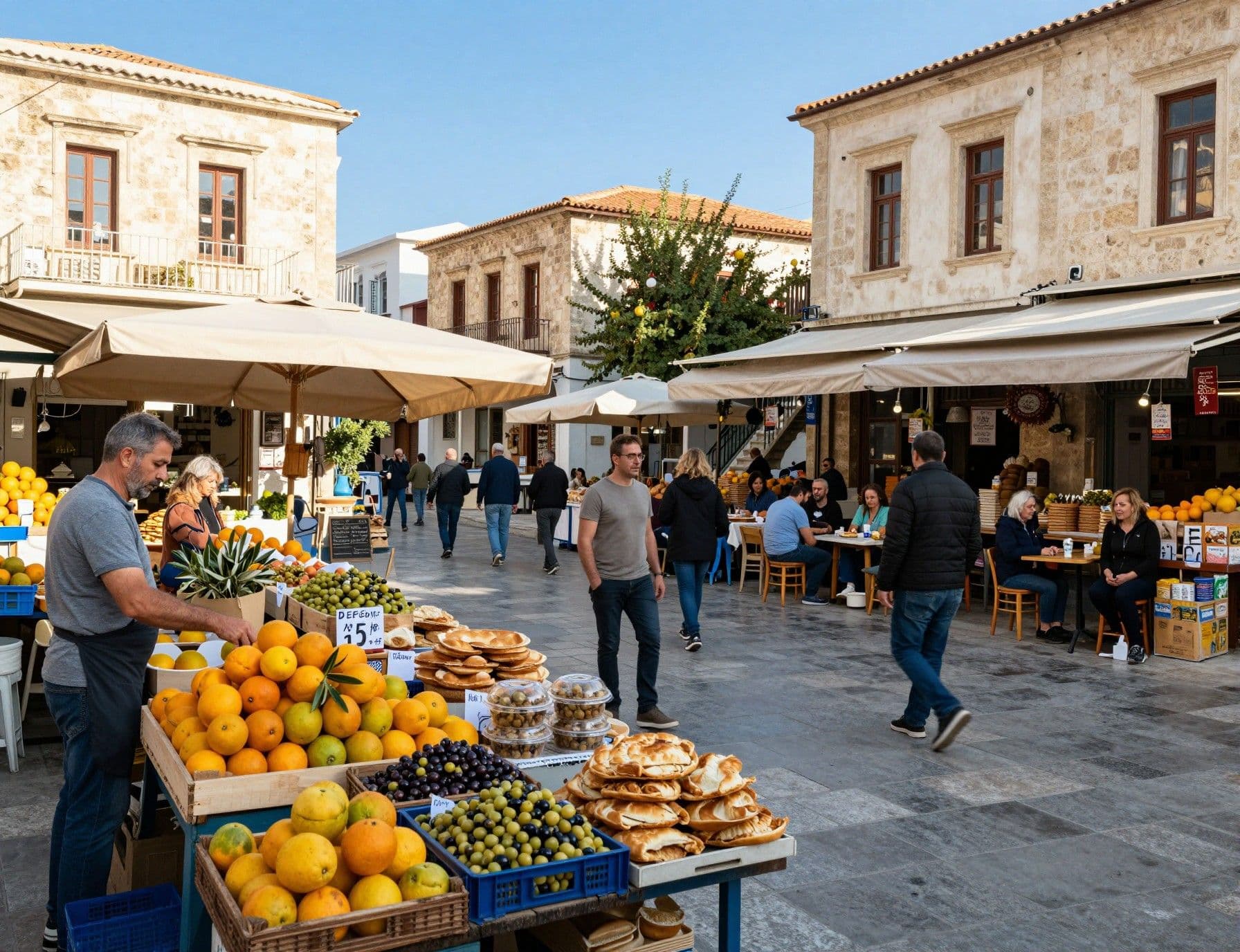
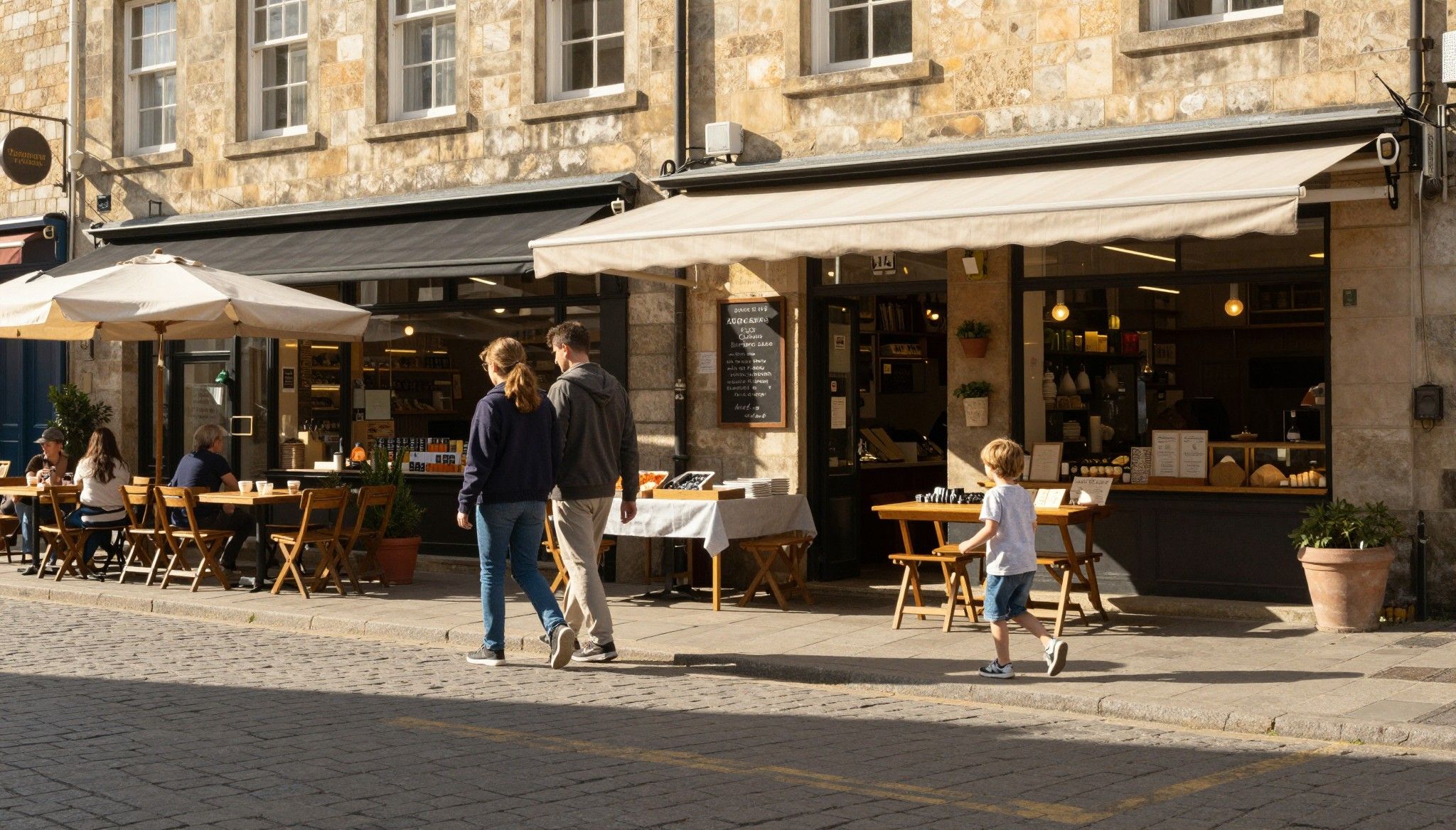
Cyprus is not one vibe — it’s several. Nicosia’s compact cafés and university crowd feel different from Limassol’s marina life; Paphos trades glitzy beachfront for archaeological layers and a steadier pace. We tell clients: pick the life first, the property second. Your mornings should match the street you choose.
Limassol & Molos: sea, sport and late cafés
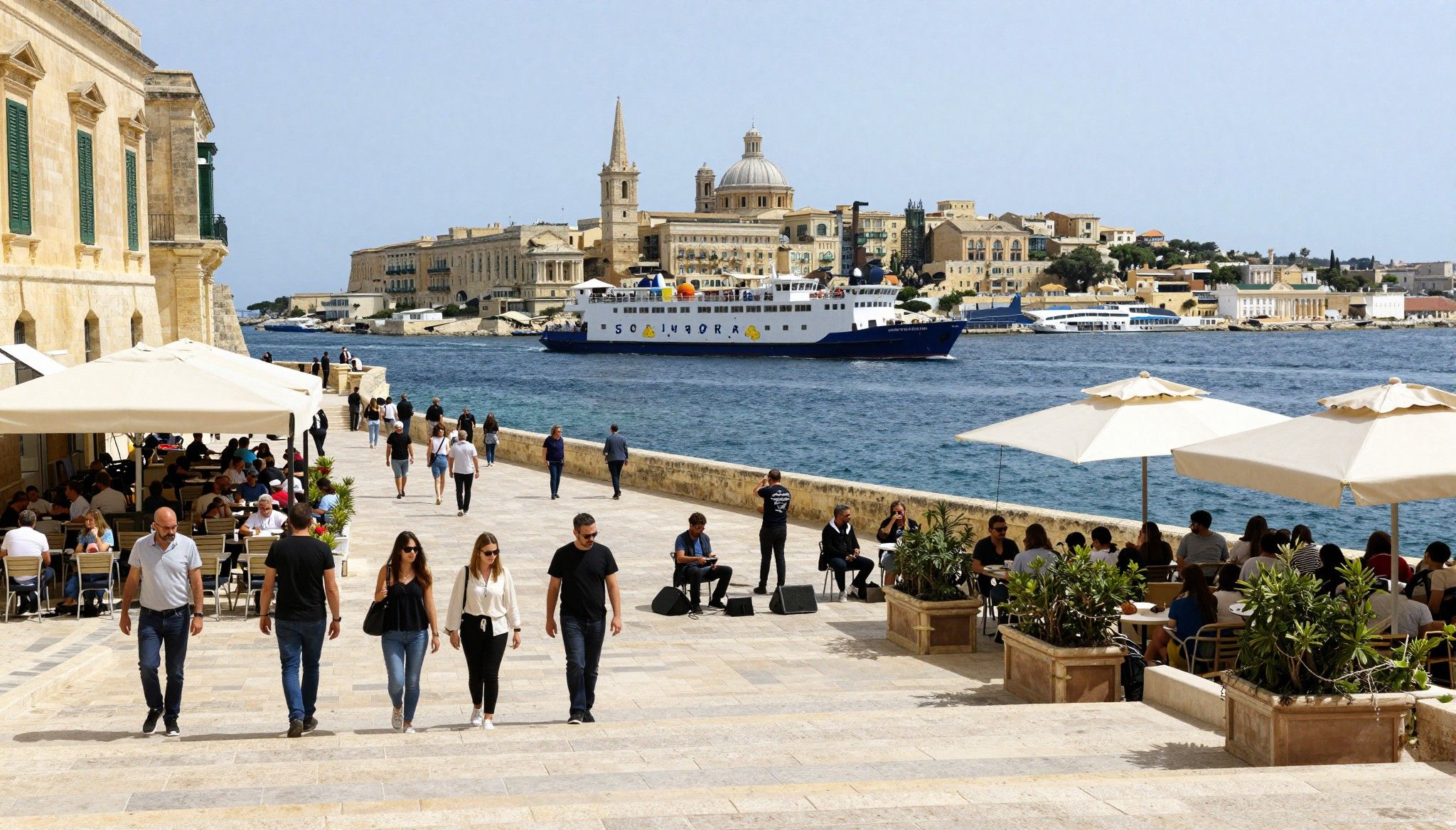
If you crave sea views and an active social life, Limassol’s Molos and old town deliver. Terraced apartments and converted warehouses sit alongside new-build towers; the trade-off is price and noise. For buyers, that means prioritising soundproofing, outdoor living spaces and a reliable local agent who knows which streets quieten at night.
Paphos, Polis and the west: archaeology, quiet coves, slow Sundays
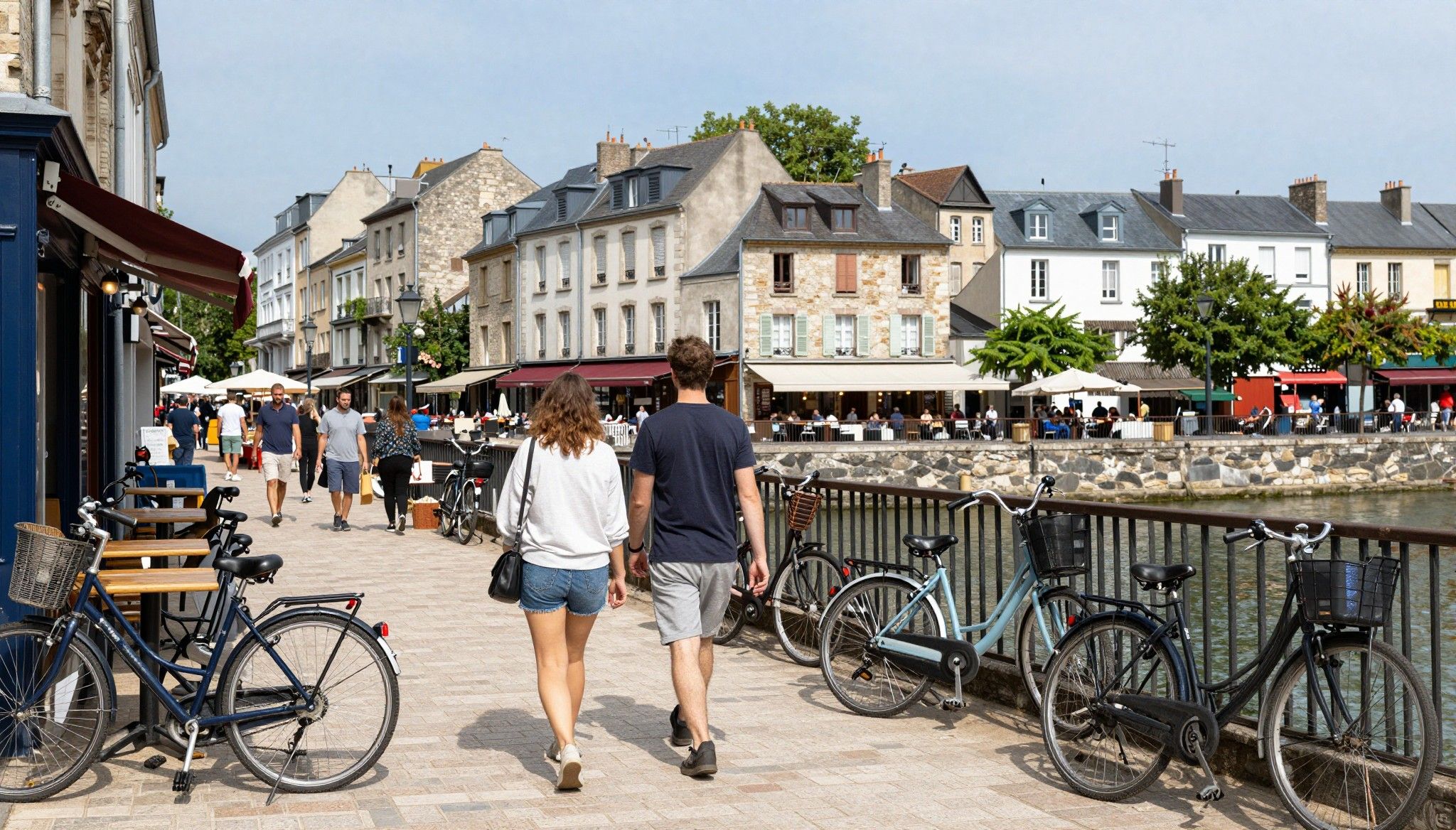
Paphos and Polis reward people who want place over podium. Think village tavernas on stone-paved lanes, fishing boats at dawn and rental seasonality that’s kinder to long-lets than short-term lets. If you value community, look for streets near the municipal parks and the daily coffee shops where locals swap news.
Practical reality: how the rules shape what you can buy
Buying in Cyprus is straightforward — but the details matter. EU citizens face no limits; non-EU buyers can usually acquire one residential property or a plot up to 4,014 m² and must apply under Chapter 109. Those formal steps sound bureaucratic but protect you — and they’re the moment where local legal expertise pays off.
Title deeds, timing and a local reality check
Title-deed delays are real. Expect a 2–4 month purchase timeline from reservation to transfer for most resale and new-build transactions, but allow extra time if planning permissions or partitioning are involved. That cushion will save you stress and bank-fee surprises.
Tax picture that matters for lifestyle buyers
Cyprus offers attractive tax features but they’re nuanced. Capital Gains Tax is generally 20% on taxable gains; rental income is taxed under income tax rules and may attract additional levies for residents. For many expats, the non-domicile regime removes SDC on dividends and interest — a potential lifestyle benefit worth planning around with a local tax advisor.
- What to budget for beyond the asking price: transfer fees, VAT on new builds (standard rate 19% may apply in certain cases), legal fees, notary and municipal rates.
Market signals: where prices, yields and new builds are really heading
Macro reports show steady, moderate growth rather than headline booms. Transaction volumes and new-build activity have been robust, with pockets of stronger demand in Limassol and Famagusta. For buyers: precise location choice and product quality drive return more than broad market timing.
Why luxury coastal numbers don’t tell the whole story
Luxury seafront units can skew district averages. We’ve seen projects priced for international buyers that look headline‑attractive on paper but depend heavily on short-term rental demand. If your plan is to live here part-time, match the apartment layout to living needs — not expected tourist yields.
Where value hides: mid‑market terraces and inland villages
If you want quality of life plus upside, consider town fringes and traditional mountain villages near the Troodos slopes. They offer larger plots, authentic community and lower entry prices — particularly attractive if you’re after renovation projects or a quieter retirement pace.
Insider knowledge: expat truths, red flags and steps that matter
We’ve worked with buyers who focused solely on sea view and then discovered noisy late-night promenades, difficult parking and seasonal rents that didn’t match expectations. The local rhythm — school runs, municipal market days, church festivals — shapes how a street feels year-round. Visit across seasons if you can.
Cultural integration and everyday life
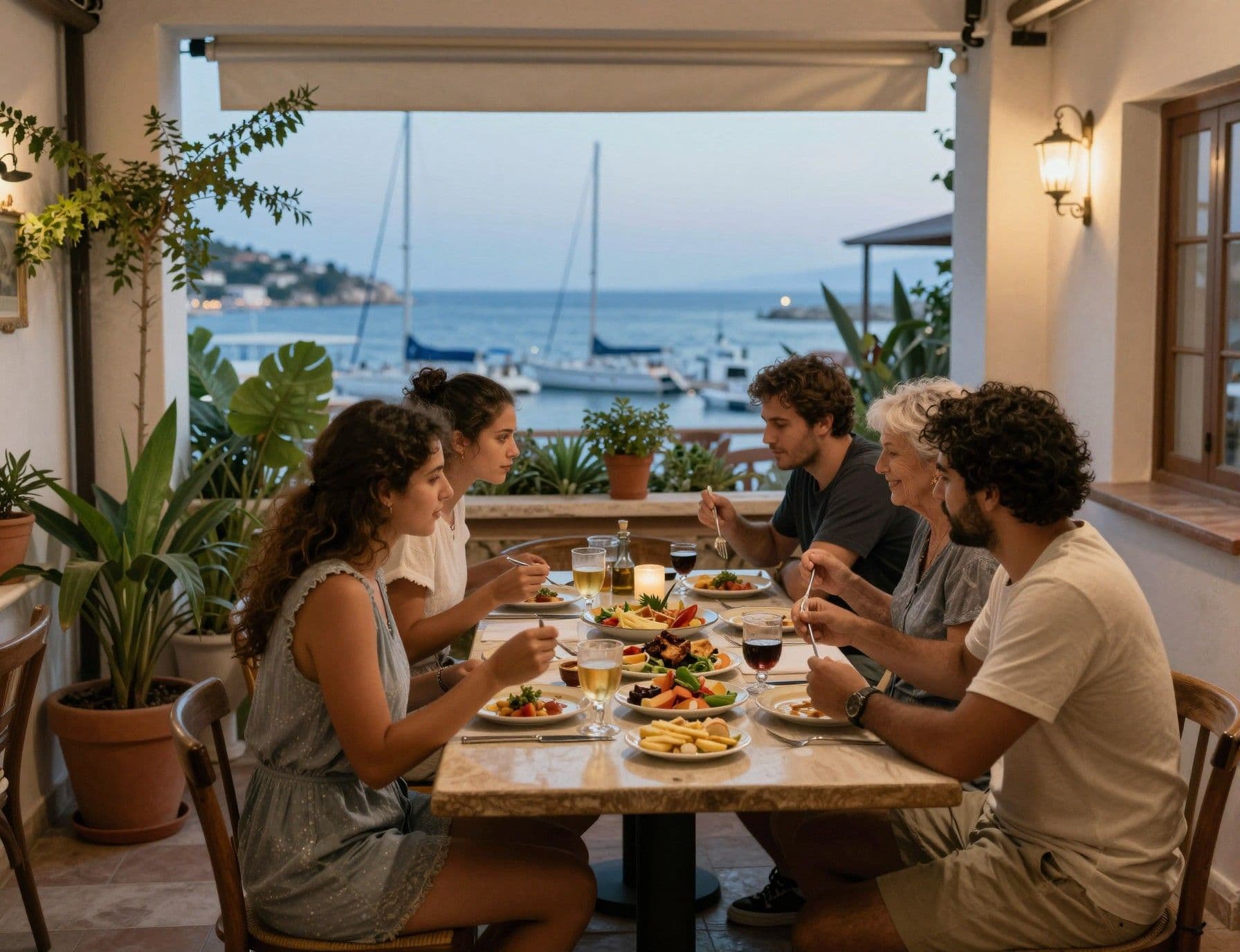
Greek is the working language, but English is widely spoken in business and tourism. Learning key phrases opens doors — not because people won’t speak English, but because markets, bakeries and neighbours appreciate the effort. Social life often centres on taverna tables, municipal squares and weekend trips to the Troodos.
Step-by-step checklist before you sign
- 1) Verify title deeds and any planning conditions; 2) Confirm VAT status on new-builds; 3) Budget for transfer and notary fees; 4) Run a rental projection if relying on income; 5) Meet neighbours and visit at night; 6) Retain a Cyprus-qualified lawyer and a trusted local agent.
- Legal & tax hires that save money: a conveyancing lawyer for title checks, a tax advisor for residency and rental planning, and an architect if you plan renovations.
Conclusion — Cyprus keeps a foot in both worlds: seductive Mediterranean lifestyle and a regulated property market that rewards methodical buyers. Fall in love with the streets, the coffee, the festivals — but do the paperwork, budget for taxes and use local experts. When lifestyle and legal clarity align, Cyprus becomes not just a holiday but a durable place to live.
Danish investment specialist who relocated to Costa del Sol in 2015. Focuses on data-driven market timing and long-term value for Danish buyers.