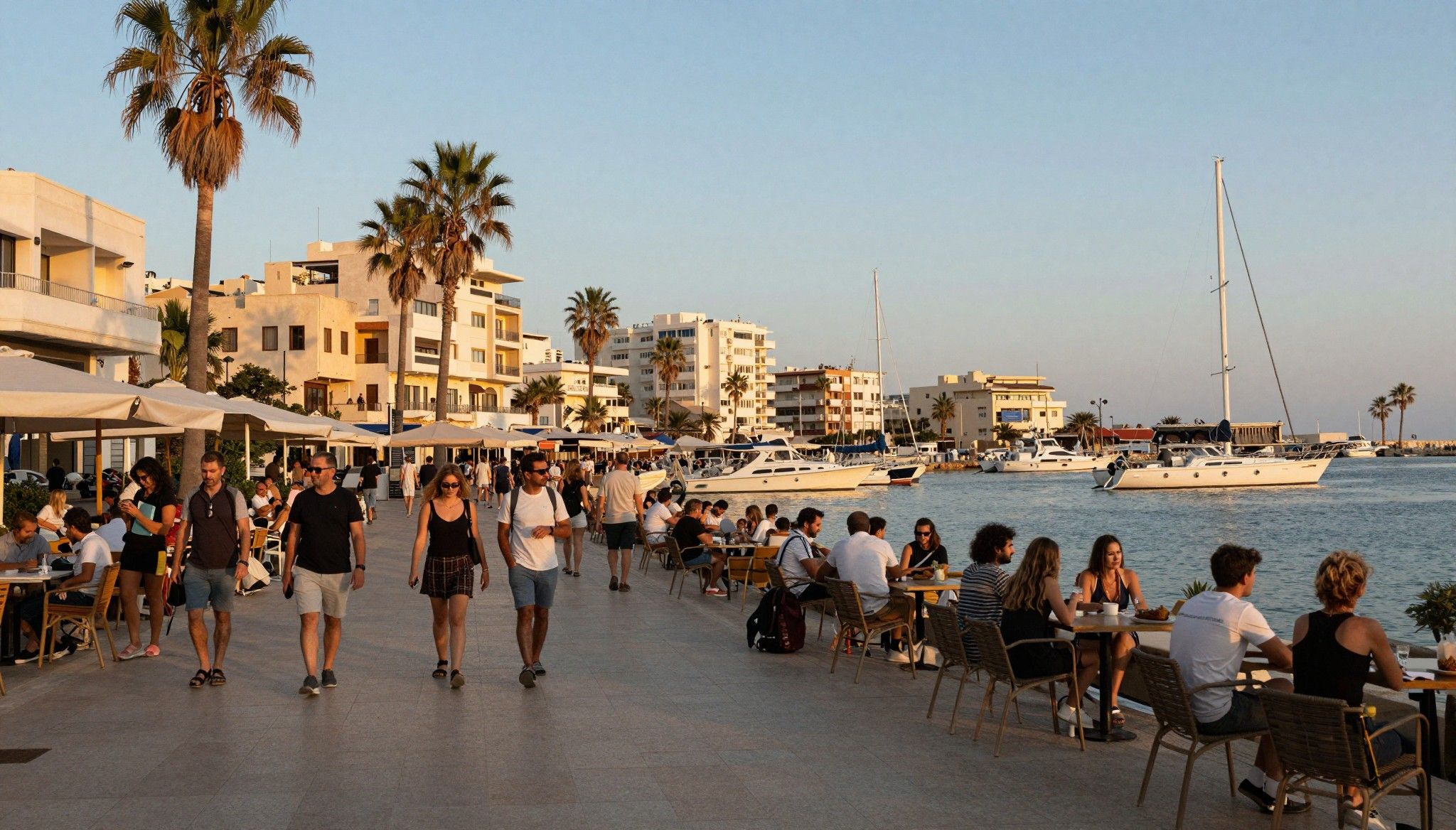
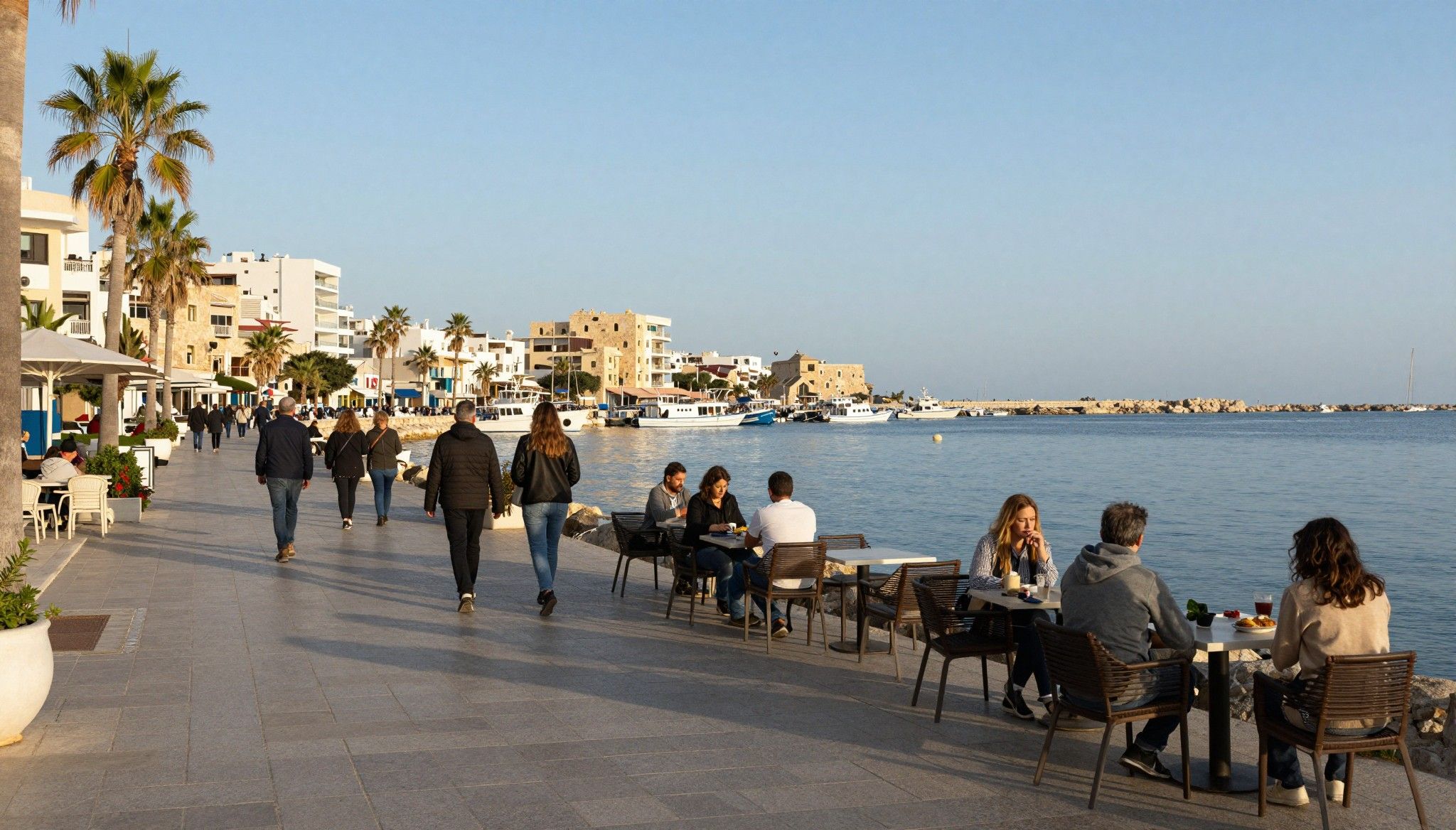
Croatia: Love the Life—Read the Registry First
Fall for Croatia’s rhythm — but read the land registry and cadastre early. Learn where price growth is concentrated, the reciprocity rules for non‑EU buyers, and practical checks that protect your lifestyle.
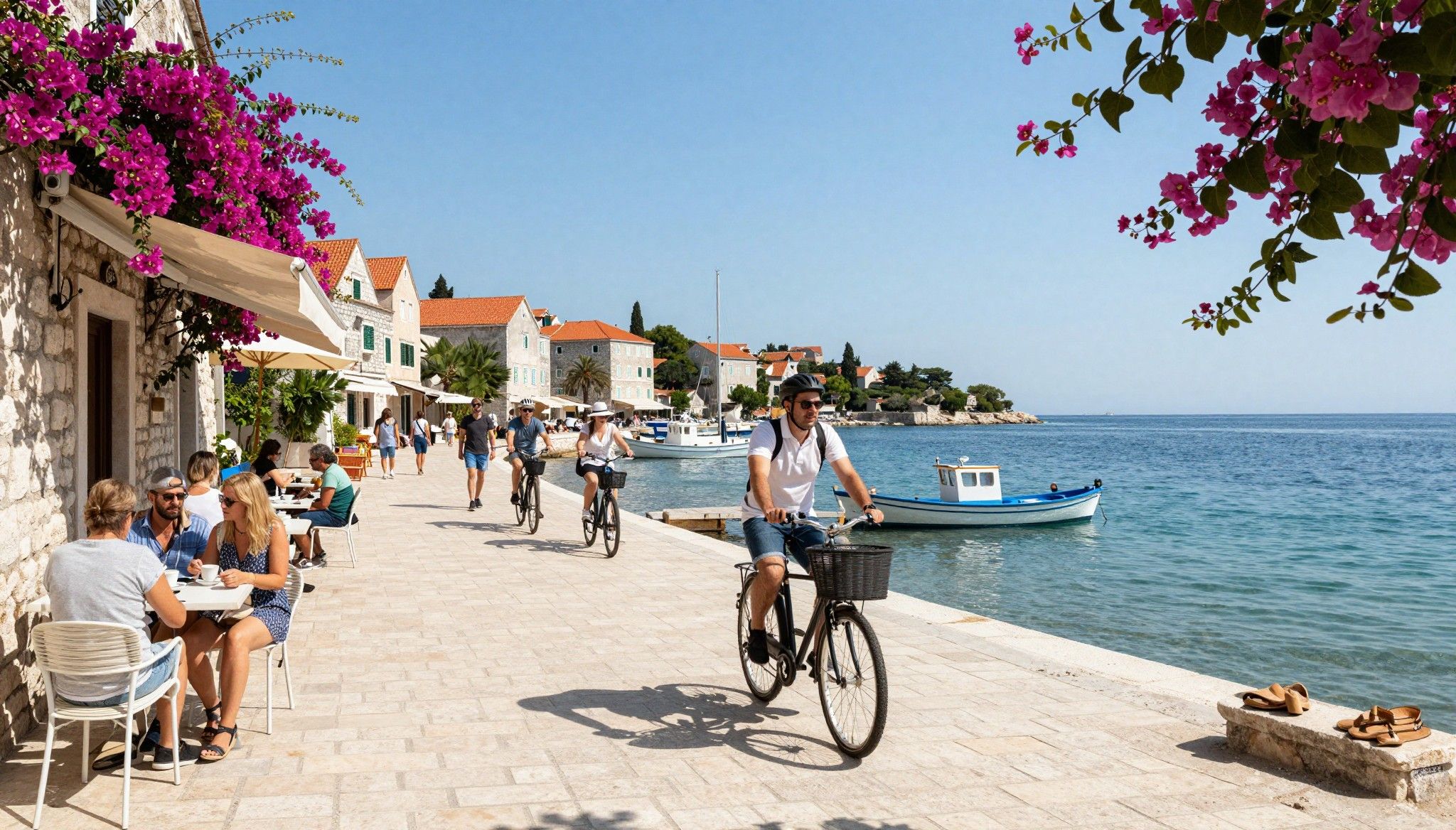
Imagine starting your morning with espresso at Split’s Riva, then wandering down a stone lane in Trogir where bougainvillea drapes a balcony and a local baker already knows your order. Croatia feels small and immediate: coastal towns that hum with seasonal energy, inland villages that hold their quiet routines, and cities where modern cafés sit alongside Roman walls. That mix is why buyers fall for Croatia fast — and why small transparency gaps in property records can turn a dream into a drawn‑out negotiation.
Living the Croatian life — what you actually buy into

Living in Croatia is sensory and scheduled: coffee before work, a long lunch that sometimes becomes a siesta, beaches that fill in July and empty by October. On the Adriatic, mornings smell of sea and grilled fish; inland, markets are fragrant with seasonal produce. That rhythm reshapes what you want from a property — a compact apartment with a balcony in Dubrovnik will buy you social life; a restored stone house in Istria buys you land, olive trees and slow winters.
Coastlines and neighbourhoods that live differently
Zagreb’s neighbourhoods (Maksimir, Lower Town) feel urban and calendar‑driven; Split’s Veli Varoš and Bačvice lean local and lived‑in; Hvar Town and Rovinj offer the island‑and‑old‑town romance. Street names matter: in Dubrovnik, Stradun’s footfall isn’t for everyone; look instead to Lapad for calmer, year‑round life. Knowing the micro‑tempo of each area matters as much as a sea view when judging resale or rental potential.
Food, market life and the social calendar
From Dolac market in Zagreb to fish stalls at Zadar’s harbour, local markets define neighbourhood social life. Summers bring festivals — Ultra in Split, St. Blaise in Dubrovnik — that swell short‑term rental demand but don’t change long‑term neighbourhood fabric. For buyers, proximity to weekly markets and a favourite konoba (tavern) often beats marginal increases in square metres.
- Lifestyle highlights: morning espresso at Riva (Split), Dolac market haul (Zagreb), kayak from Stari Grad (Hvar), sunset walk at Punta Corrente (Rijeka), truffle lunches in Motovun, local konoba dinners in Korčula.
Making the move: the parts most agents don’t dramatise

Dreams meet documents here. Two technical realities you’ll want an honest conversation about: the land registry (zemljišne knjige) is the legal source of ownership, while the cadastre (katastar) records possession and maps. They won’t always match — and mismatches are where deals stall. Recent guides from Croatian legal practitioners explain why relying on both records, not just one, is non‑negotiable.
Property styles and the lifestyle they enable
Stone houses in Istria give you land and a renovation story; Dalmatian apartments give you proximity and rental income; new builds near Split and Zagreb give ease and systems but less character. Choose the type that fits daily life: terraces and rooftop views for social summers, insulation and heating for inland winters, storage rooms if you plan seasonal renting.
Working with local experts matters more here than in many markets. EU citizens have near‑parity with locals; non‑EU buyers often need reciprocity confirmation and ministry sign‑off, which can take months. A Croatian lawyer familiar with land registry practice and a notary who speaks your language reduce surprises — your lawyer can even represent you so you don’t have to be present.
- Steps that blend lifestyle and legal sense: 1. Visit in season and off‑season to check rhythm and noise. 2. Ask your agent to show equivalent off‑market listings (locals sell quietly). 3. Order land registry excerpt and cadastre map before earnest money. 4. Commission a local lawyer to check encumbrances and reciprocity rules. 5. Confirm expected registration timeline with Ministry of Justice if non‑EU.
Insider knowledge: red flags, useful data and timing myths
Two myths to bust. Myth one: coastal Croatia is uniformly expensive. Not true — island towns and prime old centres command premiums, but inland Istria and secondary Dalmatian towns offer value. Government house price indices show Croatia experienced notable growth recently, but it’s concentrated and uneven. Myth two: buy in summer when everything looks best. Peak season hides noise, access problems, and inflated short‑term rental expectations.
What locals wish foreigners checked
Locals remind foreign buyers: check utility connections (water/sewer), seasonal road access, and historical flood or planning restrictions. Ask for recent apartment association (etažna) meeting minutes and confirm whether terraces are legally registered. These granular checks reduce renegotiation after inspection and protect both lifestyle plans and resale value.
Numbers that matter
- Key datapoints to request from your agent or lawyer: recent house price index changes (national and coastal vs inland), recorded days‑on‑market for the micro‑area, comparable rental yields for similar properties, and whether the plot/building has registered encumbrances.
When you pair the sensory love‑at‑first‑sight with these checks, you buy more than a view — you buy a life that works year‑round. Start with a neighbourhood coffee, request registry excerpts early, and bring a lawyer who knows the cadastre traps. We’ll help you find properties that match how you want to live here, not just how they look in July.
British expat who relocated to Marbella in 2012. Specializes in rigorous due diligence and cross-border investment strategies for UK and international buyers.