Greece: Lifestyle‑First Property Truths
Greece’s appeal is lifestyle-first: pick neighbourhoods where daily rituals—markets, cafés, sea swims—match the property type, while tracking evolving Golden Visa rules and price pockets.
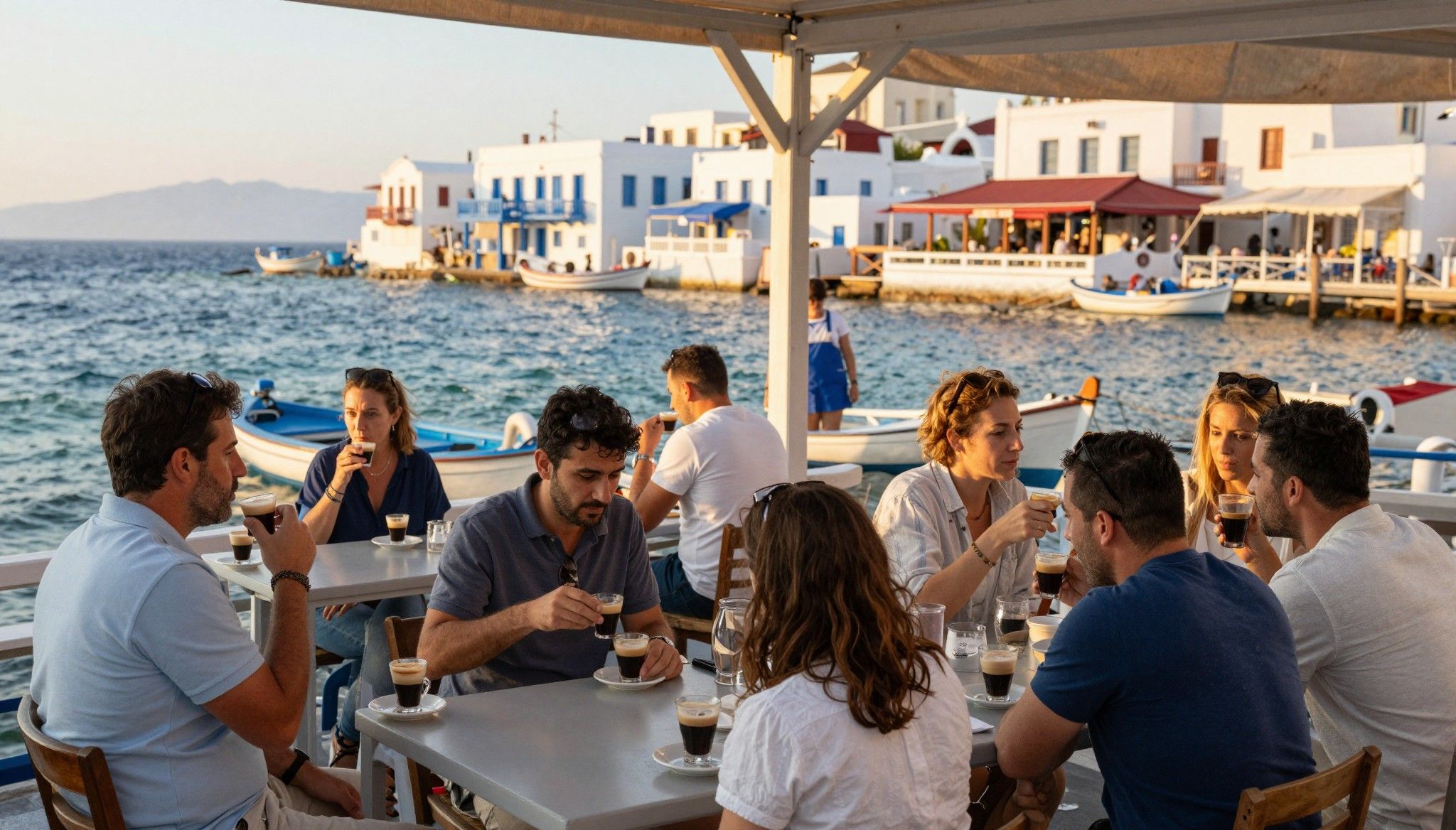
Imagine mornings in Greece that begin with a strong espresso, a corner boulangerie’s warm spanakopita, and a stroll along a whitewashed laneway where a fisherman hangs his nets to dry. This is the side of Greece that hooks you — the light, the sea breeze, the market chatter — but it’s not the whole story. We’ll show you the lived-in details: which neighbourhoods keep their heart after tourism peaks, what property styles actually suit daily life, and the regulatory shifts shaping buyers’ choices today.
Living the Greece life: taste, rhythm, and real streets

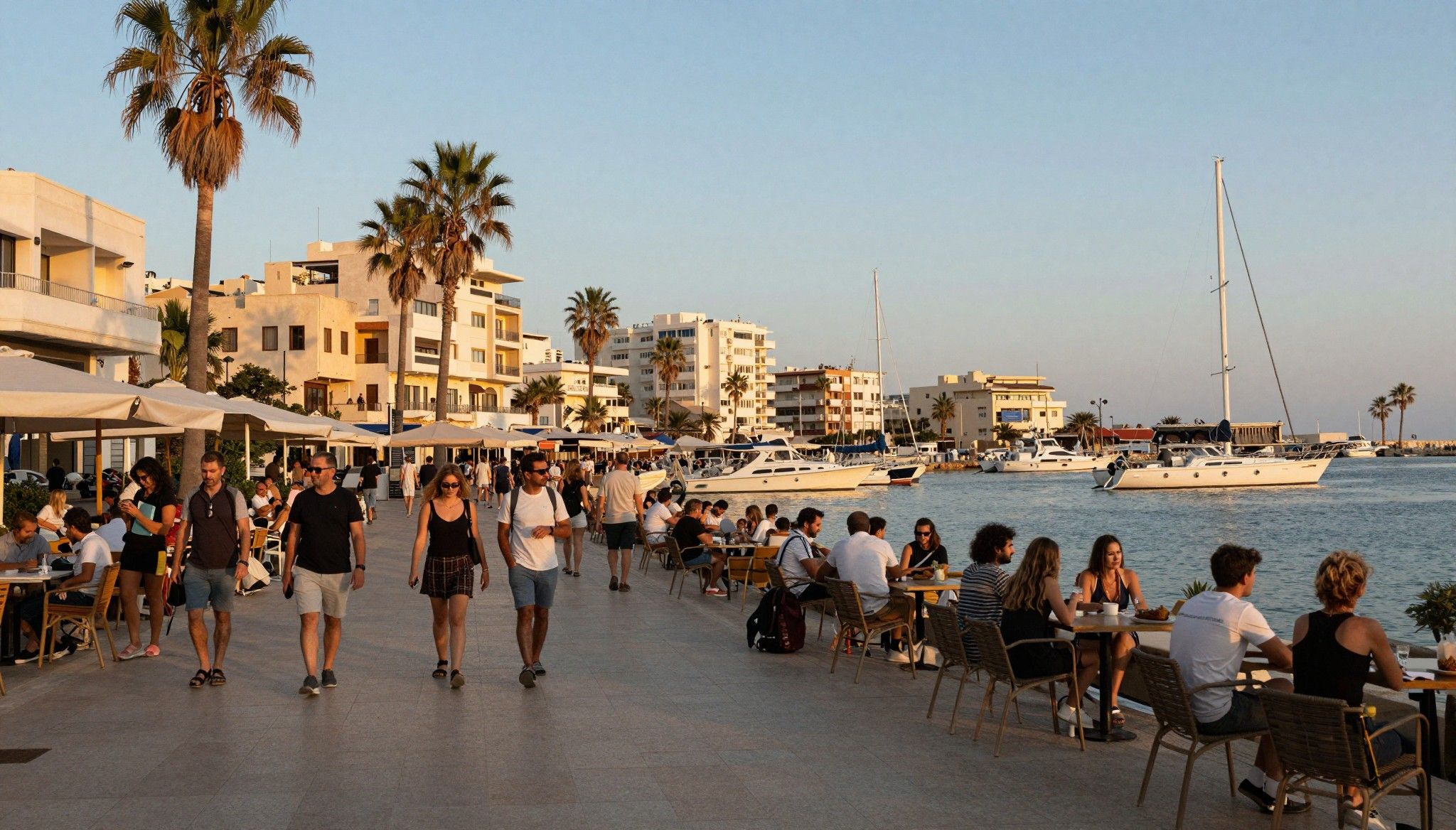
Greece moves at a variable tempo. Athens hums in the mornings with commuters and cafés pouring freddo espresso; the islands slow time down to aperitivo and late dinners under bougainvillea. Climate, geography and history determine the pulse: Cycladic white for sundrenched simplicity, Ionian green for olive groves and calmer seas, Attica for city services and culture. That variety is why buyers fall in love — you can choose an energetic, service-rich life in suburbs near Athens or a relaxed island routine where neighbors still know one another by name.
Athenian neighbourhoods: Koukaki, Pangrati, & Glyfada
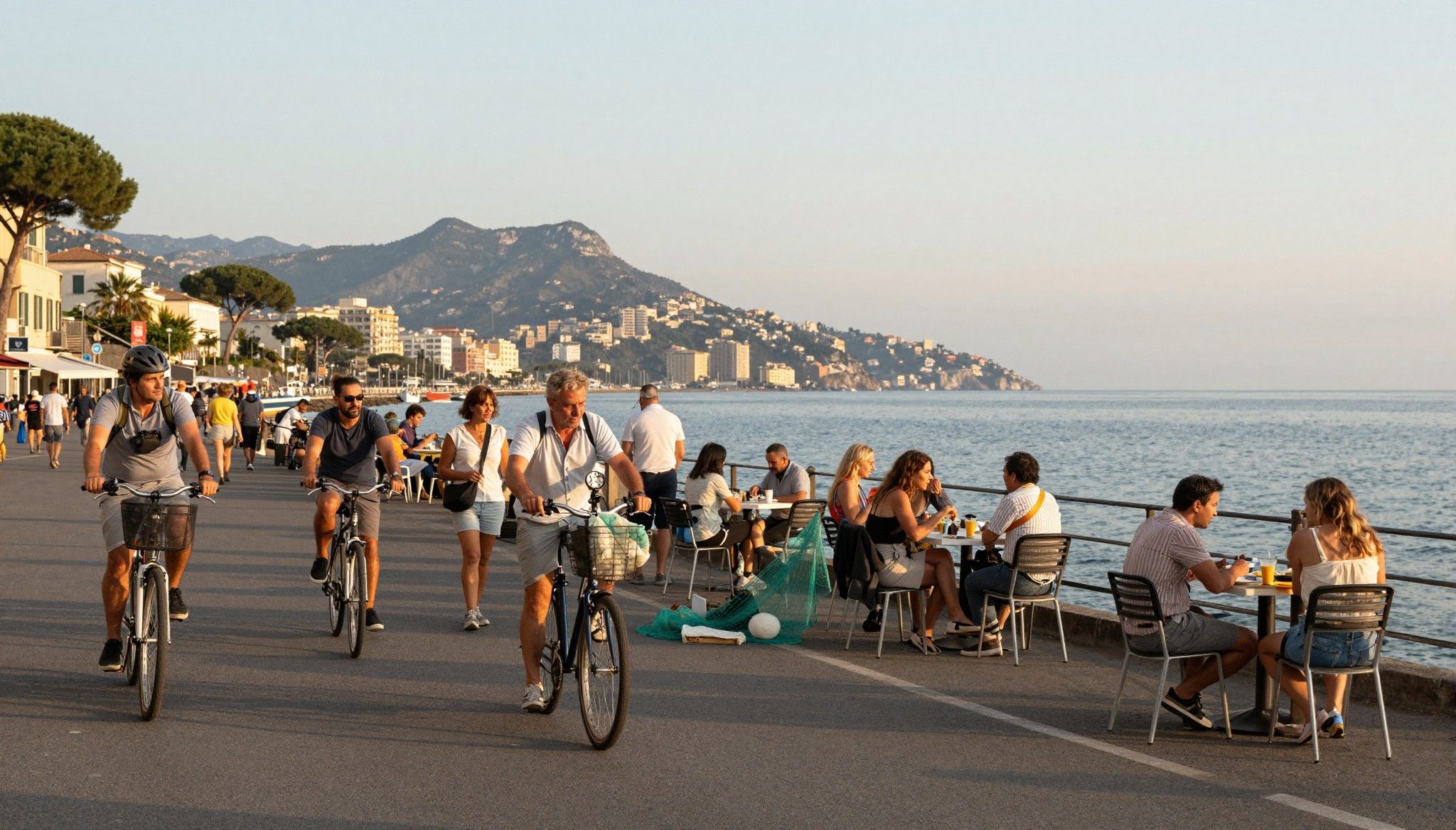
Koukaki sits an easy walk below the Acropolis — cobbled streets, morning markets and small tavernas where locals gather. Pangrati offers a quieter, residential pulse with cafés spilling onto squares and good access to parks, while Glyfada on the Athens Riviera is where many buyers choose sea-adjacent apartments with international schools and yacht clubs nearby. Each area trades off scale for a different everyday: walkability and culture in central Athens versus coastal amenities and international services in Glyfada.
Islands & coasts: Naxos, Pelion, Halkidiki slices of life
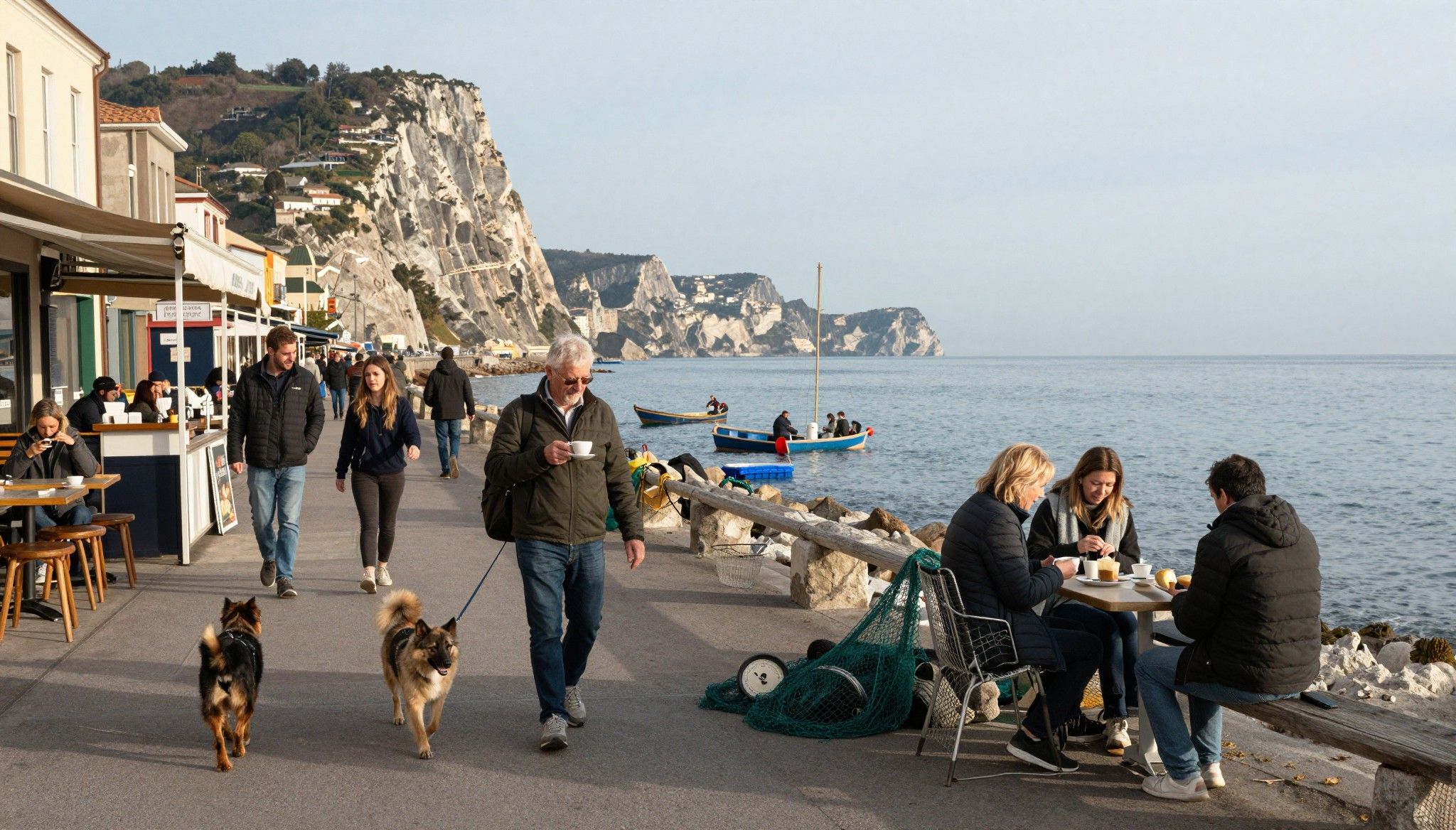
Don’t assume all islands are tourist traps. Naxos balances beaches with fertile valleys and year-round communities; Pelion (on the mainland) gives you stone villas and family-run taverna culture; Halkidiki delivers pine-backed beaches within a short drive of Thessaloniki’s airports. These places offer a slower social calendar, local produce markets, and homes that are built for Mediterranean seasons — think shaded courtyards, deep eaves and terraces designed for late-night living.
Four lifestyle highlights to seek in any Greek market
Morning espresso culture — find a neighbourhood with an all-day café rhythm rather than one that sleeps until noon.
Markets and fishmongers — access to fresh food is a daily pleasure and reduces the need for big kitchens.
Walkable squares and small parks — these are where communities form and where expats meet neighbours.
Making the move: how lifestyle shapes property choices

Your lifestyle brief — city apartment, village house, or island retreat — should determine the property type you prioritise. But recent regulatory shifts (including changes to the Golden Visa program and thresholds) mean buyers also need to match lifestyle goals to legal reality. That affects pricing, demand pockets and where agencies will advise you to look. We lean on local data and recent policy updates when recommending markets because the rules change how value accumulates.
Property styles and what they deliver
Stone village houses give you walls that stay cool in summer and thick character, but expect renovation realities: wiring, insulation and planning permissions. New-build apartments in Athens provide warranties and easier maintenance but can lack the soul of older blocks. On islands, look for properties with covered outdoor rooms and storage for seasonal living. Match the architecture to how you want to live — terraces for social evenings, interior courtyards for privacy, and roof decks for views.
Work with local experts who understand life, not just listings
1. Ask agencies about long-term running costs (septic vs sewer, winter heating, insurance) as they affect livability year-round. 2. Request neighbourhood walk-throughs at different times (market morning, siesta hour, evening) to feel day-to-day life. 3. Insist on introductions to local tradespeople and property managers — these relationships make coastal life manageable. 4. Verify proximity to medical services and transport for seasonal living and family needs.
Insider knowledge: what expats wish someone told them
Real-talk: prices in popular pockets have been rising — Bank of Greece data shows clear upward pressure in urban areas — but value still exists off the beaten track. Expect busy summers but calm off-season rhythms. Many expats underestimate how social life shifts: islands have strong winter communities in some places, and almost none in others. Understanding seasonality changes everything about where to buy and how to rent a property sensibly.
Cultural integration: language, festivals, and neighbourliness
A few words of Greek go a long way — locals appreciate the effort and it opens doors to community life. Festivals (panigyria) are seasonal anchors where neighbours share food and stories; join them and you’ll meet the people who keep a place alive in winter. Expect directness in daily dealings and a slower bureaucracy; patience and a local fixer go a long way.
Longer-term lifestyle decisions that affect value
Prioritise durable features: water tanks and shaded terraces beat designer finishes when climate and maintenance matter.
Consider rental seasonality if you plan to let — some islands have intense summer windows but little off-season demand.
Look for properties close to a year-round community if you want friends beyond tourist months.
1. Start with a lifestyle brief: list three daily habits you want (market shopping, daily swim, city museums). 2. Shortlist areas that support those habits and request in-person or virtual neighbourhood checks. 3. Ask agencies for running-cost estimates and winter-use scenarios. 4. Check recent price indexes and policy changes affecting residency — these change demand pockets quickly.
Conclusion: Greece rewards buyers who fall in love with how life feels and then match that feeling to sober local facts. Start with where you want your mornings and evenings to be, then work with a local agency that knows both the lanes and the legal file. If you prioritise community, weather-smart design and a realistic view of seasonality, you’ll find homes that feel like they were made for the life you imagined.
Danish investment specialist who relocated to Costa del Sol in 2015. Focuses on data-driven market timing and long-term value for Danish buyers.