Malta: Buy the Street, Not the Square Metre
Malta’s compact Mediterranean life rewards street‑level choices — buy for the tempo, not the headline price; combine neighbourhood taste with transaction-grade data.
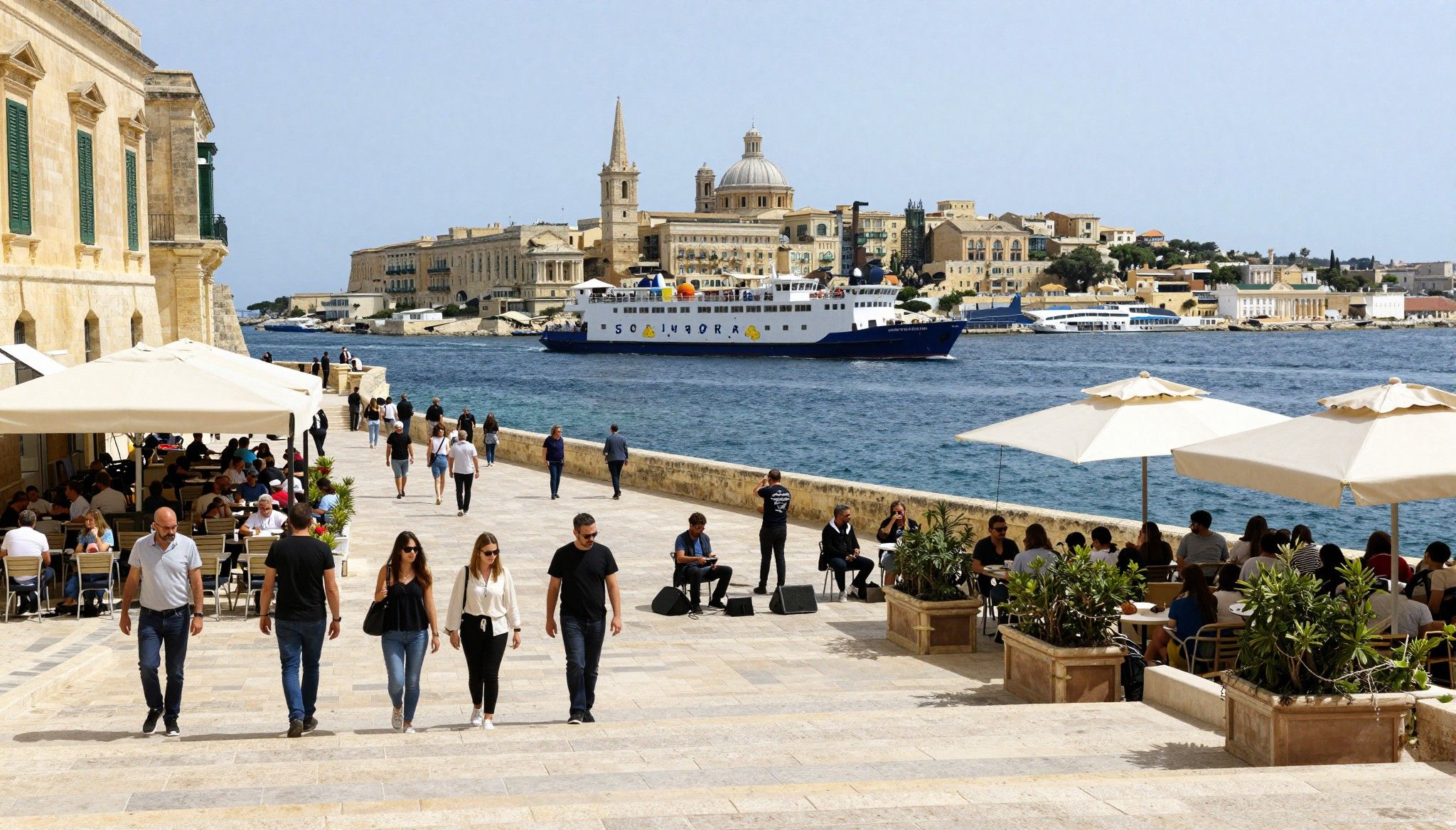
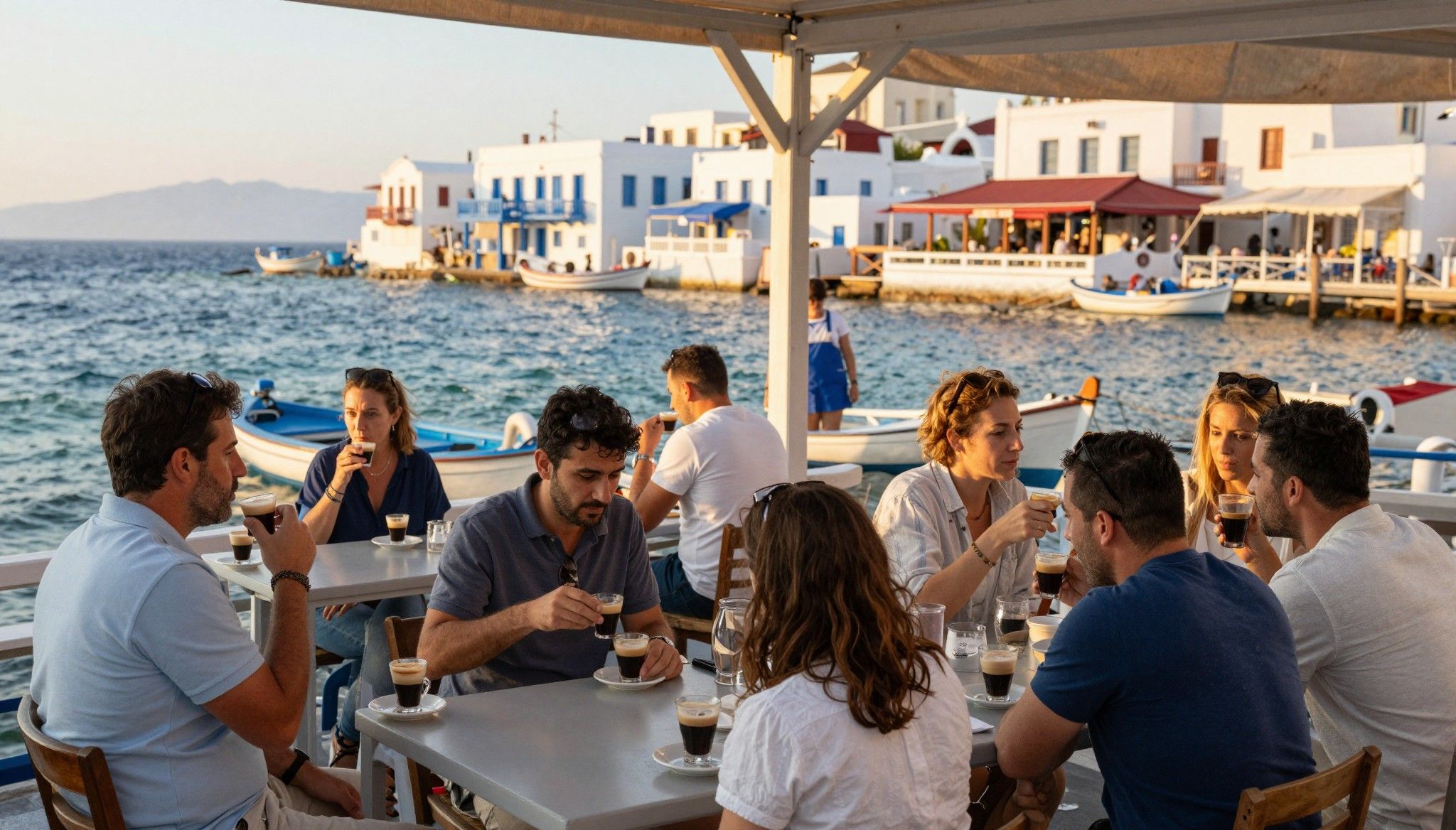
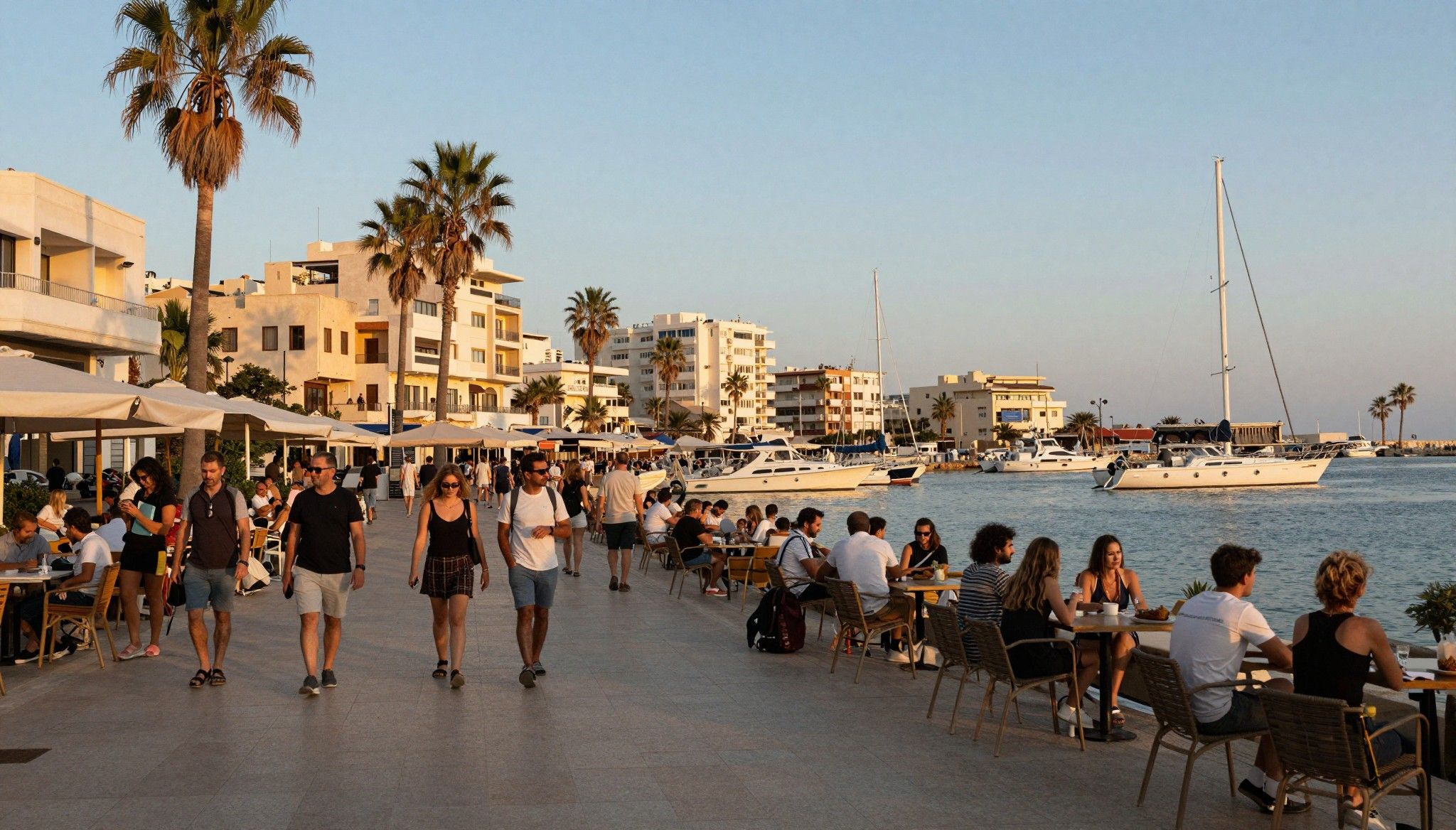
Imagine sipping an espresso on Sliema’s seafront promenade as fishermen return to Marsamxett — that daily rhythm is Malta. The island compresses Mediterranean life into short distances: a morning market in Marsaxlokk, an afternoon dip at St George’s Bay, and an evening passeggiata in Valletta. For international buyers, Malta’s compactness is its charm and its complication: you can live by the sea and still be ten minutes from a UNESCO baroque centre. This piece pairs the lived pleasures of Maltese life with the practical realities you need to buy well.
Living the Malta lifestyle
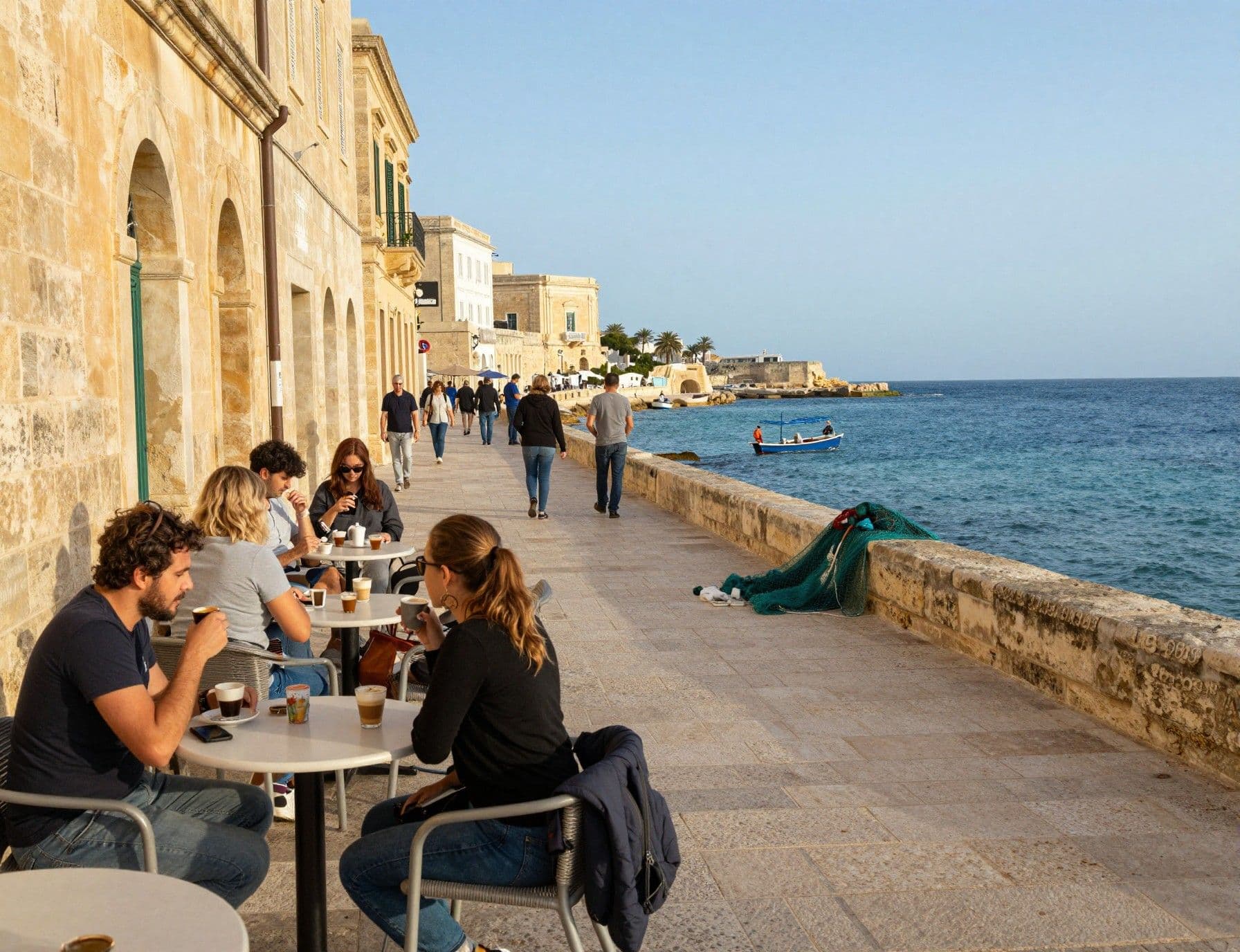
Life in Malta is tactile and neighbourhood-led. You buy a street as much as a home: mornings at a bar for a quick shot of coffee, afternoons on a rocky lido, and parish festas that rearrange the weekend. Sliema and St Julian’s pulse with cafes, expat services and waterfront promenades; Valletta offers narrow streets, late-night wine bars and the kind of architecture that makes you slow down. Those daily textures decide where you’ll feel at home more than headline price-per-square-metre figures.
Neighbourhood spotlights: Sliema, St Julian’s, Valletta
Sliema feels like living by an extended living room — broad seafront, morning markets and ferry rides to Valletta. St Julian’s shifts between family-friendly Balluta and the louder Paceville nightlife; choose your street carefully if you work nights or value quiet. Valletta is compact and historical: apartment life here means grand facades, tiny terraces and a daily programme of museum openings, concerts and restaurants. Each area carries a different tempo; pick the tempo you want to wake up to.
Food, markets and small rituals
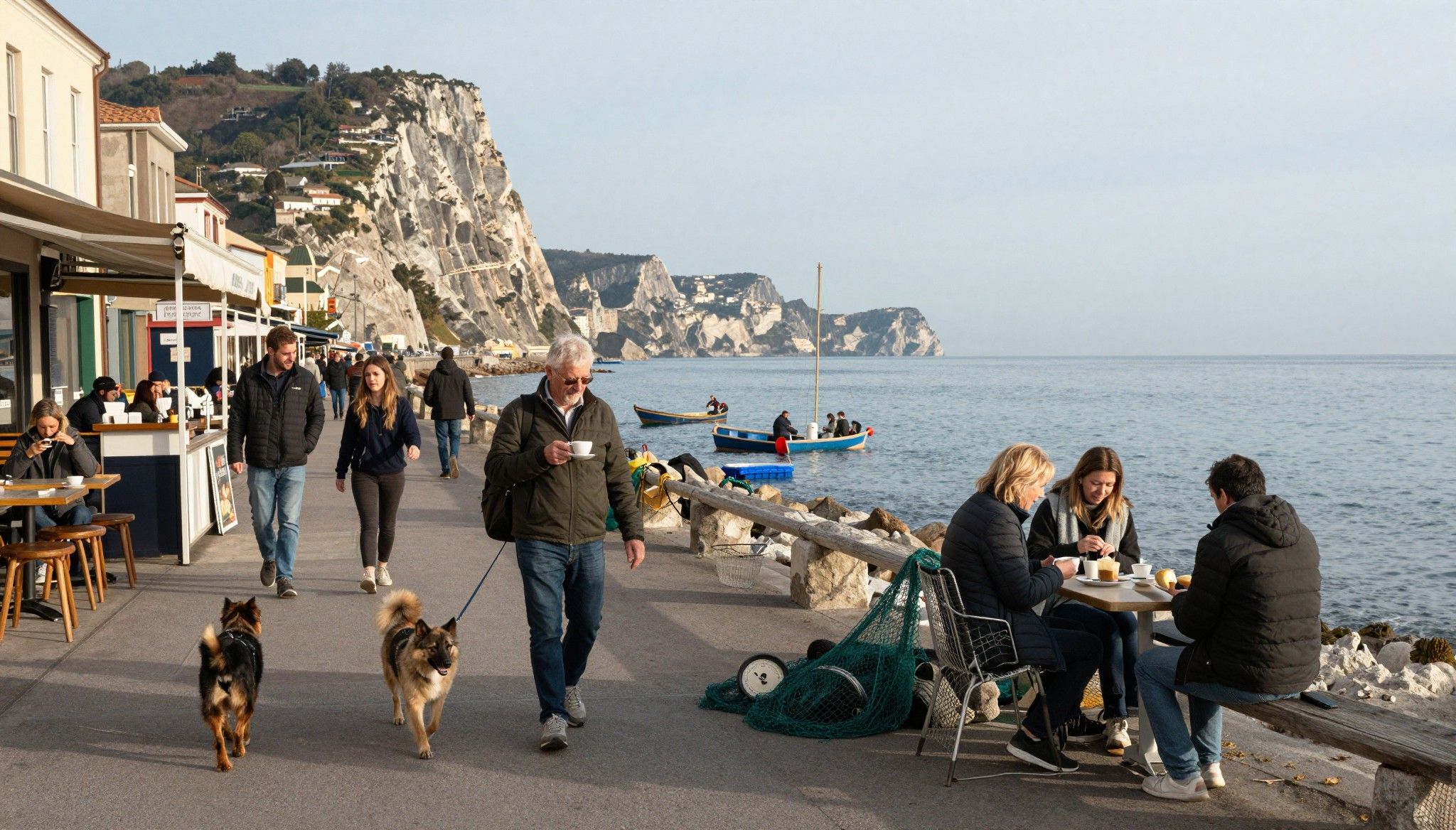
Maltese daily life orbits food: fresh fish in Marsaxlokk on Sundays, strong coffee in corner bars, and pastries at bakery counters. Eating out is a year-round activity; terraces are usable through mild winters and packed in summer. For buyers, proximity to markets and cafés matters because social life happens on foot and on terraces. If you want to belong quickly, find a corner café and make it yours — trust us, locals notice.
- Lifestyle highlights to look for when choosing a street
- Ferry connections to Valletta for weekday commutes and weekend promenades
- Proximity to a local market (fish, produce) — it shapes weekend routines
- A neighbourhood bar or café you can see from your front door
- Walkable access to a lido or small sandy beach for daily swims
Making the move: practical considerations
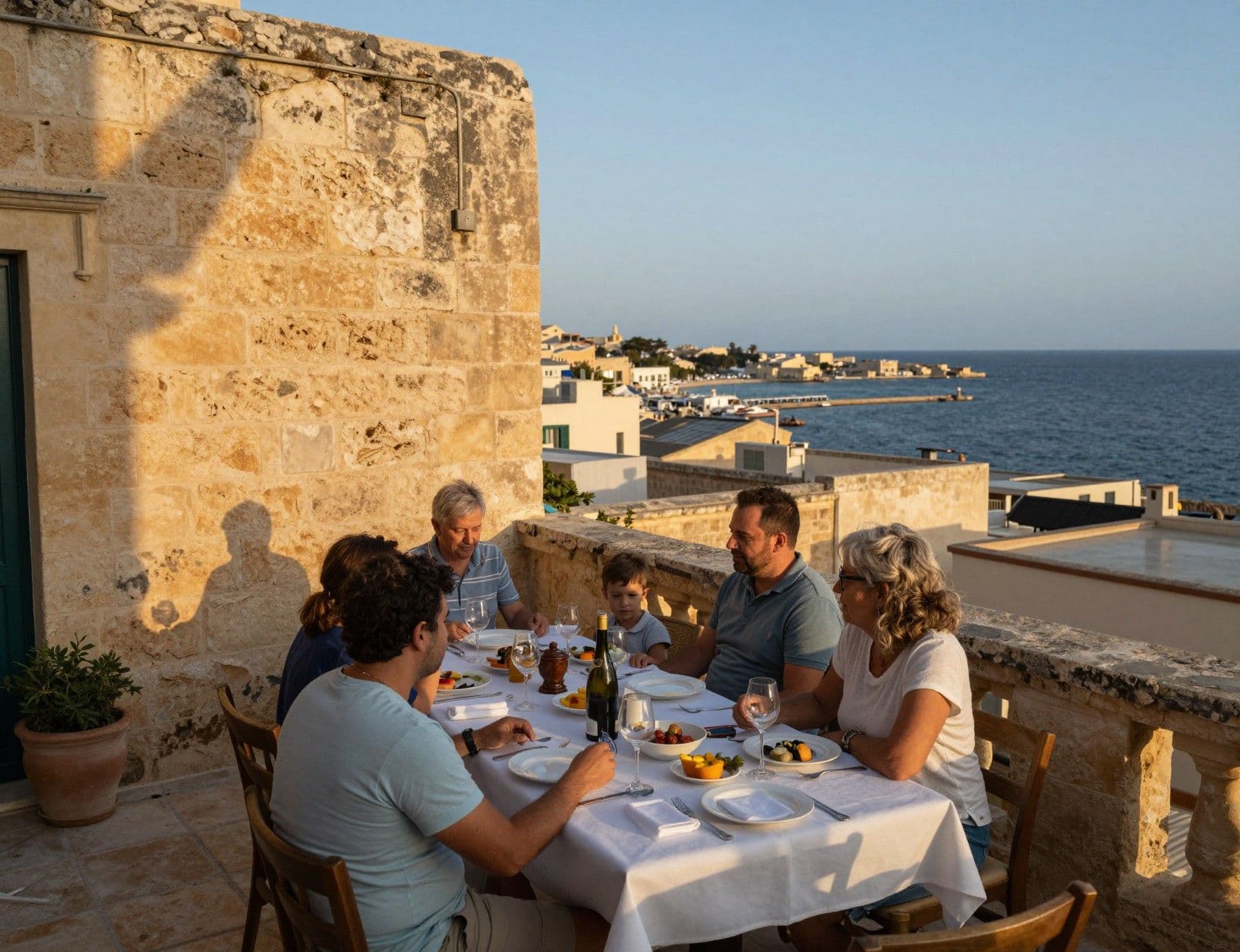
Malta’s charm has pushed prices and complexity together. National data shows steady year‑on‑year price growth in recent quarters, but that headline masks sharp differences between central Valletta, northern suburbs and seaside hotspots. Inventory can feel large on paper while truly good street-level options are thin; you’ll want local market intelligence to spot real value. That means pairing lifestyle taste with data — and an agent who knows both.
Property types and how they shape daily life
Maisonettes and traditional townhouses give you terraces, character and cooler interiors in summer; modern apartments offer amenities but often smaller outdoor space. If you plan to host friends, look for apartments with terraces that face the sea or a quiet courtyard — Maltese social life centres on outdoor eating. PwC and local registries now track price per square metre more transparently, but the difference between two neighbouring streets can still be significant: inspect beyond averages.
Working with local experts who match lifestyle to location
A good local agency does more than show listings: they introduce you to daily life. Expect agents to take you to a café, point out bus routes, suggest ferry times and show the noise patterns of a street at 10pm. Use experts who can read data (KPMG and national reports) and translate it into where you’ll actually live — not only where prices look attractive on a chart. That combination saves time and prevents costly compromises.
- Steps that blend lifestyle check and transaction sense
- Walk the street at three different times (morning, afternoon, late evening) to check tempo and noise
- Ask for recent comparable sales on the same block, not the same neighbourhood — micro-markets matter
- Confirm outdoor space orientation (sun in winter vs shade in summer) and check terrace privacy
- Discuss lift access, resale history and service-charge expectations with your agent before making an offer
Insider knowledge: what expats wish they'd known
Expats tell a consistent story: the lifestyle is immediate, but local rules and building quirks take time to understand. The devil is in the ducts — old buildings may need rewiring, thermal insulation is inconsistent, and water pressure varies between streets. Many buyers underestimate maintenance on traditional stone houses. Do a technical survey focused on services, not just shells and views.
Cultural integration and daily life
English is an official language, which shortens the learning curve, but social belonging comes from repetition: the bar you visit weekly, the butcher who knows your name, the festa where your children hand out sweets. Expect bureaucracy to be personable and occasionally circuitous; patience and local contacts pay off. For families, school placement and proximity to Mater Dei Hospital matter more than a view.
Long-term lifestyle considerations
Malta’s market is maturing: residential indices show steady gains rather than explosive jumps, and policy changes have nudged transparency higher. That matters for long-term owners: you’re buying a rhythm, not a quick trade. If you want rental income, target areas with steady year-round demand (Sliema, St Julian’s, certain Valletta quarters) rather than purely seasonal spots. Think five‑ to ten‑year horizons and buy for life first, yield second.
- Red flags and practical checks to avoid later regret
- Unclear ownership history or multiple informal transfers — insist on clean title searches
- Missing technical certificates for electrical and plumbing upgrades — budget for these fixes
- Overpaying for a view when the terrace is unusable (wind, public access, privacy issues)
- Assuming 'sea‑view' equals high rental yield — location and accessibility matter more
- Practical next steps we recommend
- Shortlist streets you like and ask a local agent to schedule viewings across three different weekdays
- Order a full technical survey and a title search before contract signature
- Negotiate with facts: comparable sales on the same block, recent service‑charge history and any pending planning changes
Malta feels like a life you can step into tomorrow: small islands of daily pleasures gathered tightly together. But buying here is equal parts romance and legwork. Start with where you want to wake up, then bring the data and the right local team. We’ll introduce you to the streets where that life is already being lived, and the agents who understand both coffee rituals and contract clauses.
Norwegian market analyst who serves Nordic buyers with transparent pricing and risk assessment. Specializes in residency rules and tax implications.