Why France's 'Expensive' Label Hides Street Opportunities
France isn't uniformly expensive — street-level lifestyle, energy diagnostics and notarial indices reveal overlooked opportunities for international buyers.
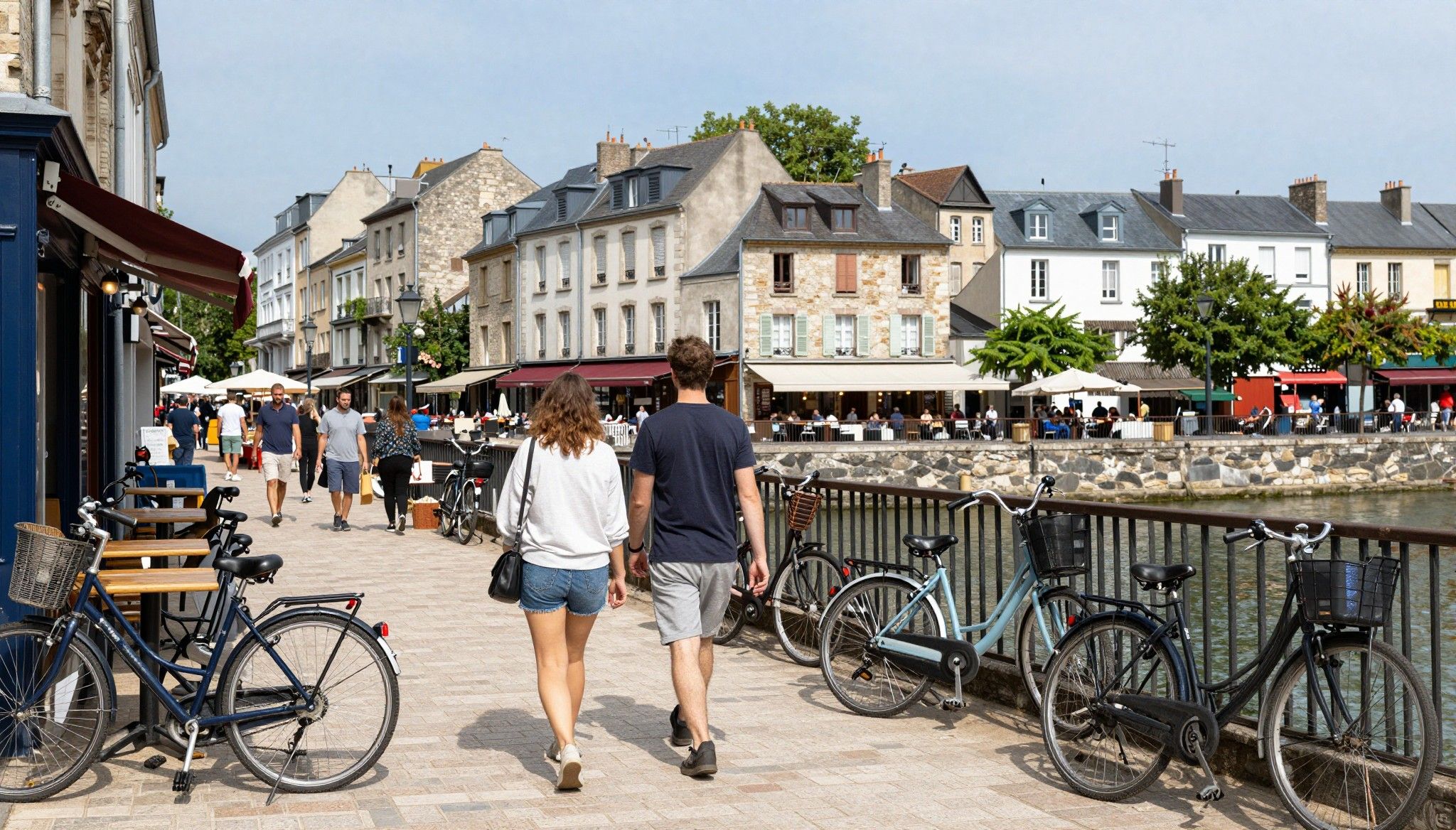
Imagine stepping out for a morning espresso on Rue des Rosiers in Paris, then by late afternoon swapping cobbled lanes for a sea breeze on Nice’s Promenade des Anglais. France feels like a dozen countries rolled into one: provincial calm in Dordogne, design-forward life in Lyon, and full-throttle conviviality along the Riviera. But the myth most international buyers bring with them is tidy and dangerous: ‘France is uniformly expensive.’ It isn’t — and understanding where that myth breaks down is the first step to a smarter buy.
Living French: rhythms that shape where you buy
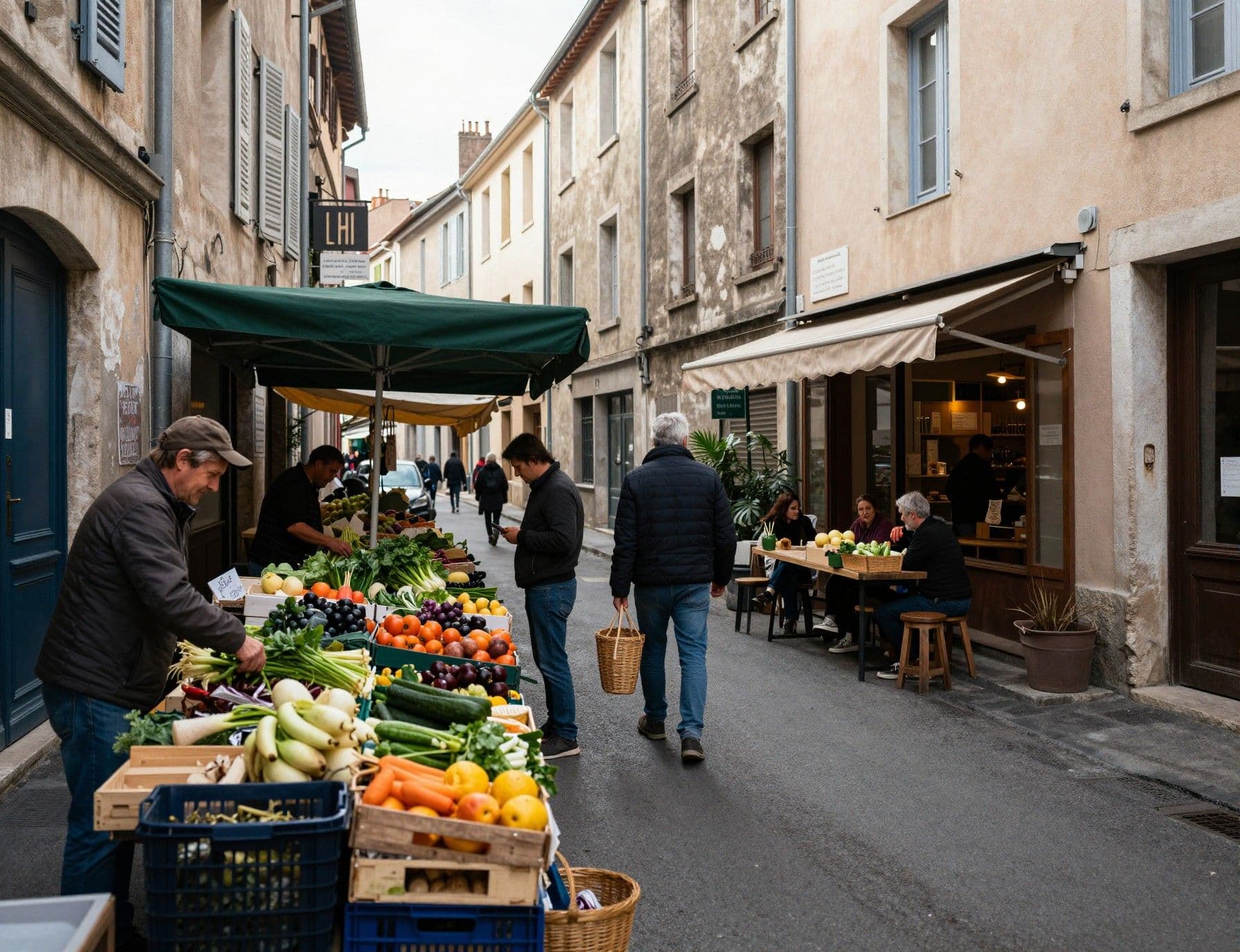
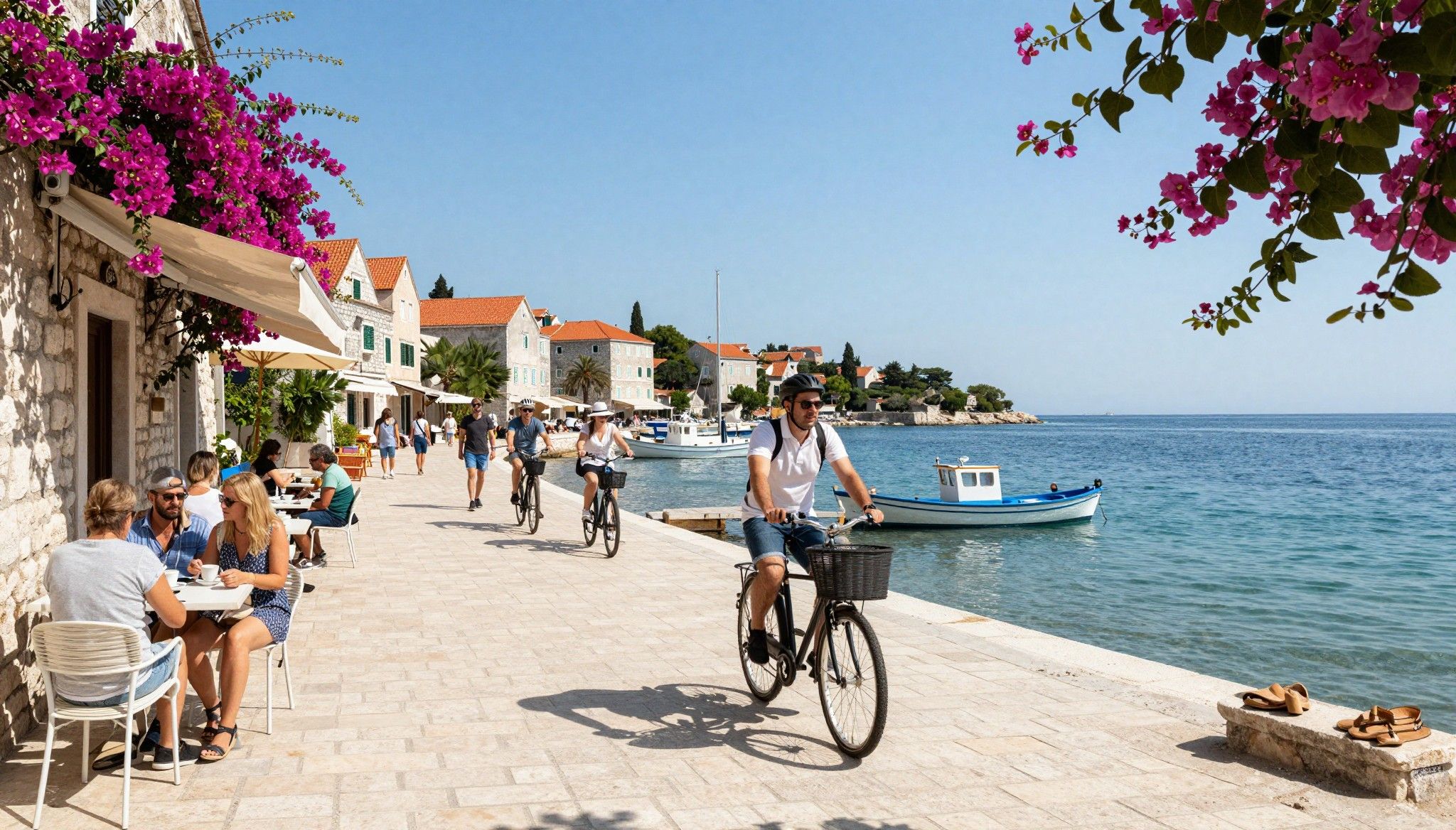
Life in France is tactile — markets at dawn, long lunches, and neighbourhood cafés that double as living rooms. This daily cadence changes the value of property in ways m² cannot capture: a small apartment on Rue Saint-Séverin buys you front-row social life in Paris, while a modest house beside the Médoc vineyards buys you space and a seasonal tempo. Picture laundry lines, boulangeries, municipal parks and school pick-up rhythms; these are as important as price per square metre when judging a purchase’s fit.
Paris arrondissements vs. provincial towns
Paris is a patchwork: the 4th and 7th feel like museum wings; the 10th and 18th hum with affordable pockets and creative energy. Outside the capital, places like Nantes, Rennes and Toulouse offer a different bargain — strong local economies and lower entry prices but with great cafés, concert life and good transport links. What matters is matching the daily life you want (walkable errands, schools, nightlife) with neighborhoods that actually deliver that rhythm, not just headline price labels.
Coastal myths: Riviera vs. lesser-known shores
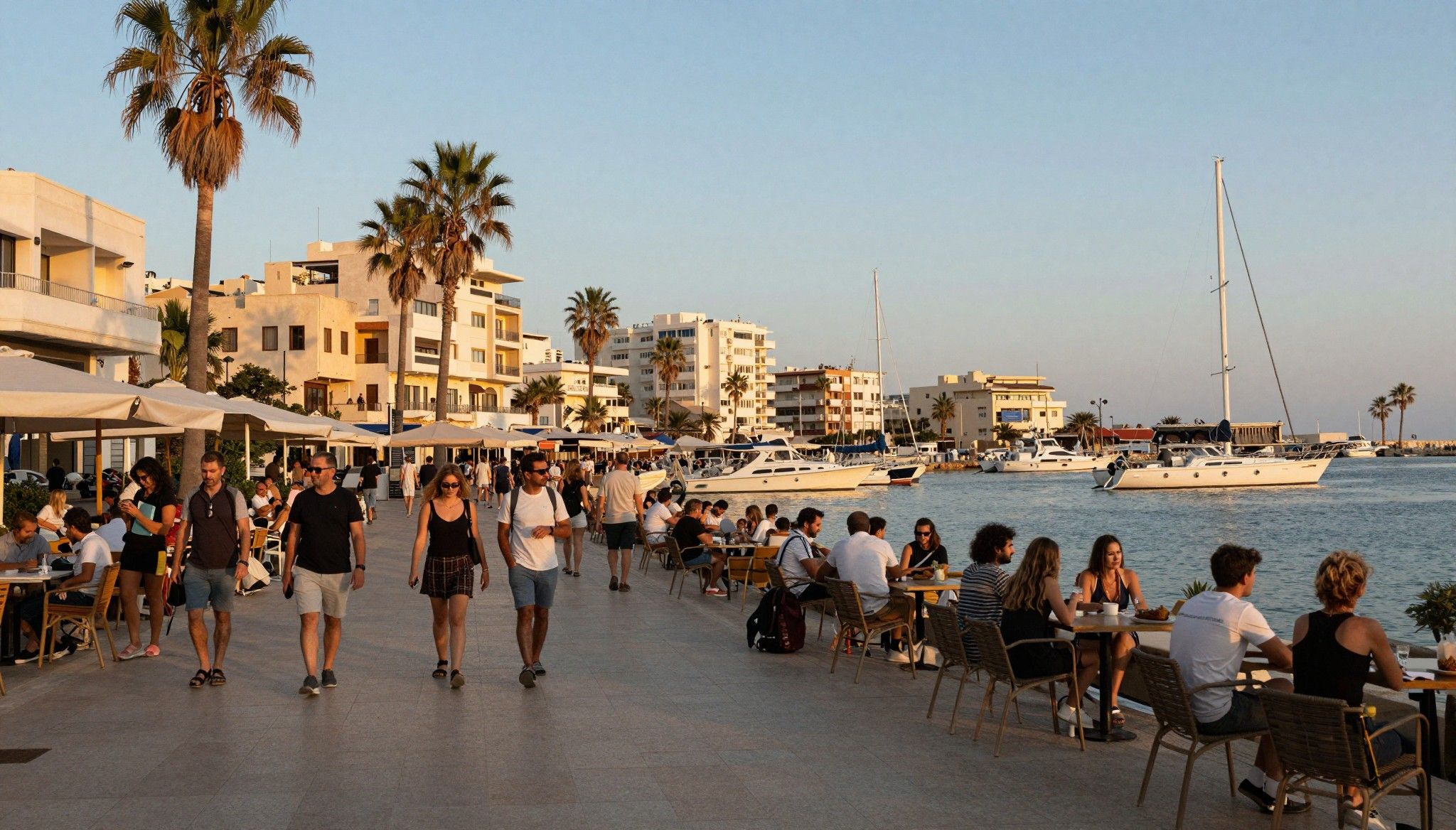
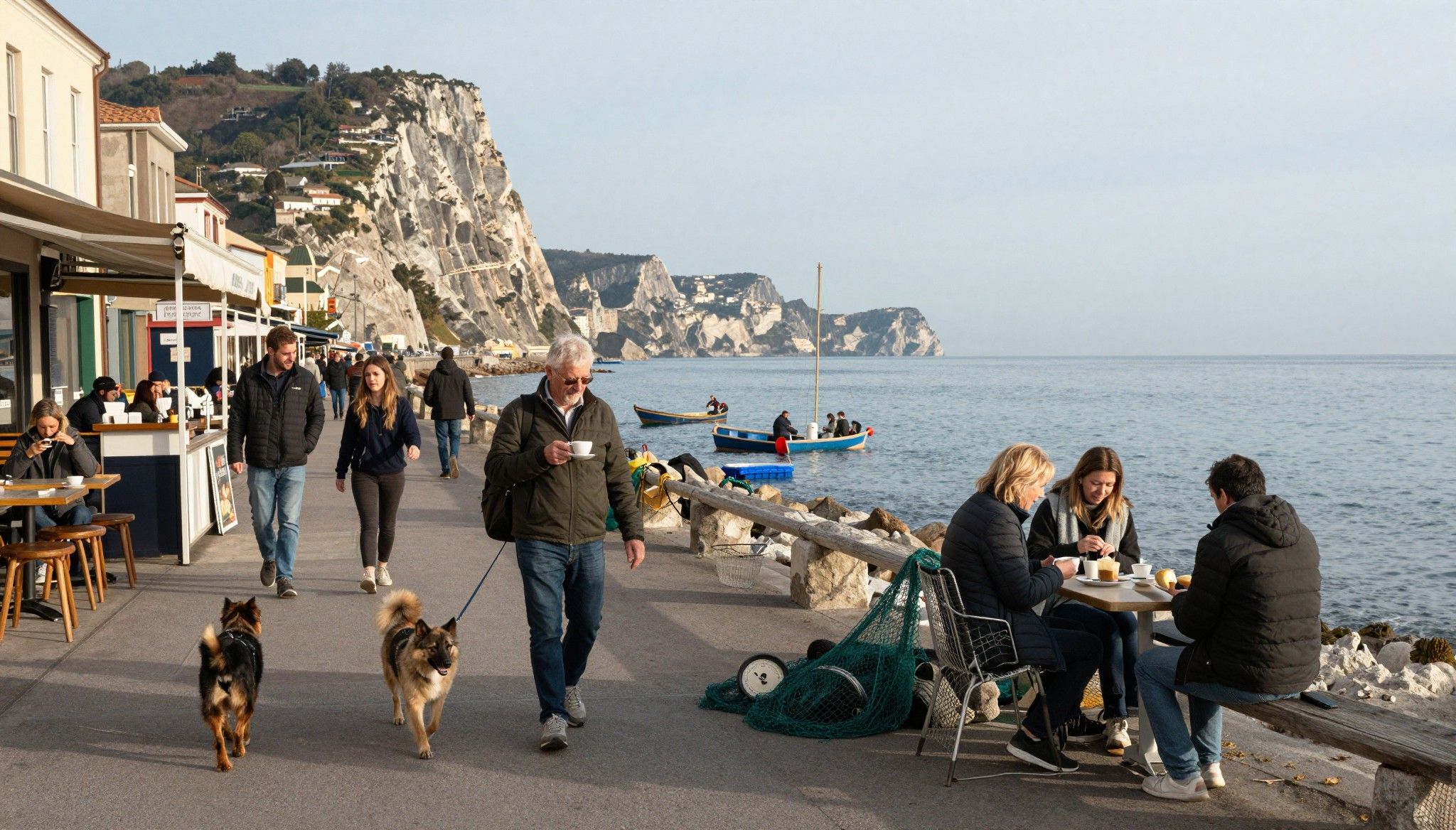
The Côte d’Azur draws postcards and big numbers — but eastern Provence and Languedoc have coastal towns where lifestyle feels identical and prices can be materially lower. For example, Perpignan and Sète deliver sunny weekends, seafood stalls, and ferry access without the same premium as Nice or Antibes. Lifestyle parity often exists at a street level; the trick is discerning which streets attract year-round residents versus purely seasonal buyers.
- Lifestyle highlights to scout in France
- Morning markets: Marché d’Aligre (Paris), Marché des Halles (Bordeaux), Marché Forville (Cannes) — look for properties within a ten-minute walk.
- Café culture streets: Rue des Abbesses (Montmartre), Rue du Palais (Biarritz) — where terraces tell you about community life.
- Evening life: Vibrant pedestrian zones like Rue Sainte-Catherine (Bordeaux) signal restaurants that bolster year-round rental demand.
Making the move: transparency, documents and what to check first
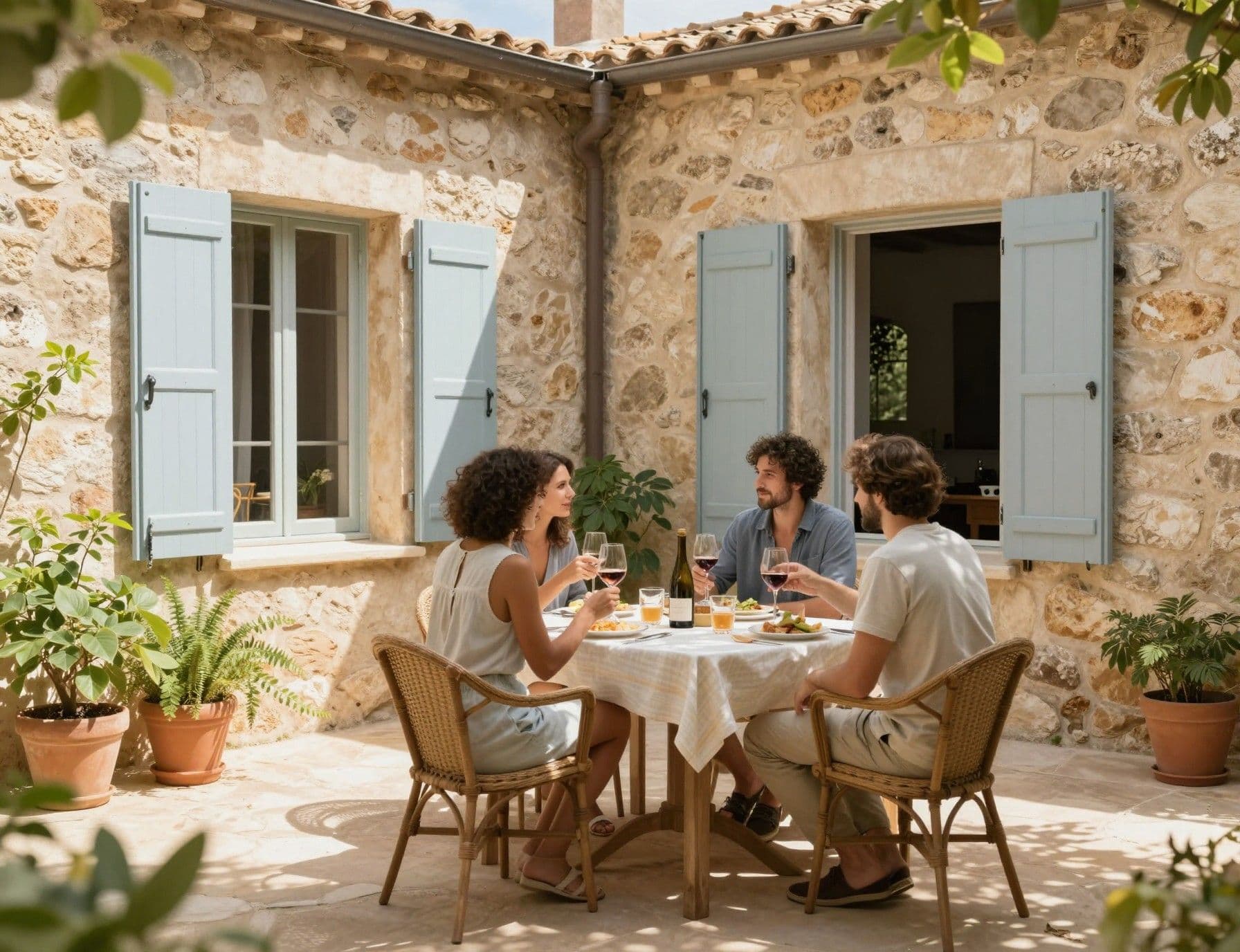
The paperwork in France tells a story — if you know how to read it. Mandatory diagnostics (DPE for energy performance, checks for asbestos, lead, termites, gas and electricity) are standard for sales, and recent reforms have tightened standards to reduce fraud in energy reporting. Notaries publish regional price indices that reveal surprising micro‑gaps between neighbourhoods; these provide a reality-check if an agent’s comparables look too flattering.
What the DPE and diagnostics really reveal
The DPE used to be an advertising detail; today it affects market value and renovation needs. A poor rating can be a negotiation lever — or a red flag if the seller hides major retrofit costs. International buyers should ask for historic diagnostics, recent invoices for improvement works, and clarification about whether listed fixtures (heating, windows) are included in the sale price.
Off‑market and ‘local street’ opportunities
- 1. Build local contacts: small agencies and neighbourhood notaires often know sellers before a public listing. 2. Attend local markets and cafés: agents and owners meet here — you’ll spot genuine year‑round community listings. 3. Use price indices (notaires & INSEE) to set a fair offer range and to spot over‑optimistic comparables.
Insider knowledge: what expats learn the hard way
Expat buyers often fall in love quickly — with a street, a view, a café — then discover seasonal realities, association charges, or renovation headaches. Recent INSEE and notarial data show how volatile local pockets can be; prices can bounce back quickly in desirable urban cores but lag in smaller towns. That’s why pairing a lifestyle shortlist with objective indices makes for better decisions and calmer negotiations.
Cultural realities that change where you buy
Language matters less for paperwork (notaires and agents often use translation) and more for neighbourhood life. If you want to be part of a local scene, learn basic French phrases and attend municipal events. Social integration is the currency of daily living here — neighbours, market vendors and the mairie are your fastest route to a comfortable life.
Longer-term view: growth, sustainability and resale
- 1. Prioritise transport and schools within the neighborhood for resilience of demand. 2. Check municipal plans for zoning changes — these alter supply and character. 3. Treat energy performance as a future-proofing metric: better DPEs attract both tenants and buyers.
If you’re tempted by the headline ‘France is expensive’, pause and look street-by-street. There are coastal lanes, market squares and inner-ring suburbs where lifestyle parity with expensive icons exists quietly and affordably. Start by pairing the life you want (cafés at dawn, beaches at dusk, market baskets midday) with the objective checks we’ve laid out: diagnostics, notarial indices and local insight. When that lines up, you’ll buy not just a property, but a place you actually want to live.
Swedish expat who moved from Stockholm to Marbella in 2018. Specializes in cross-border legal navigation and residency considerations for Scandinavian buyers.