Italy: Where Lifestyle Signals Emerging Market Value
Italy’s charm is real—so are regional market differences. Discover where lifestyle and value meet, with data‑backed tips and local steps to buying well.
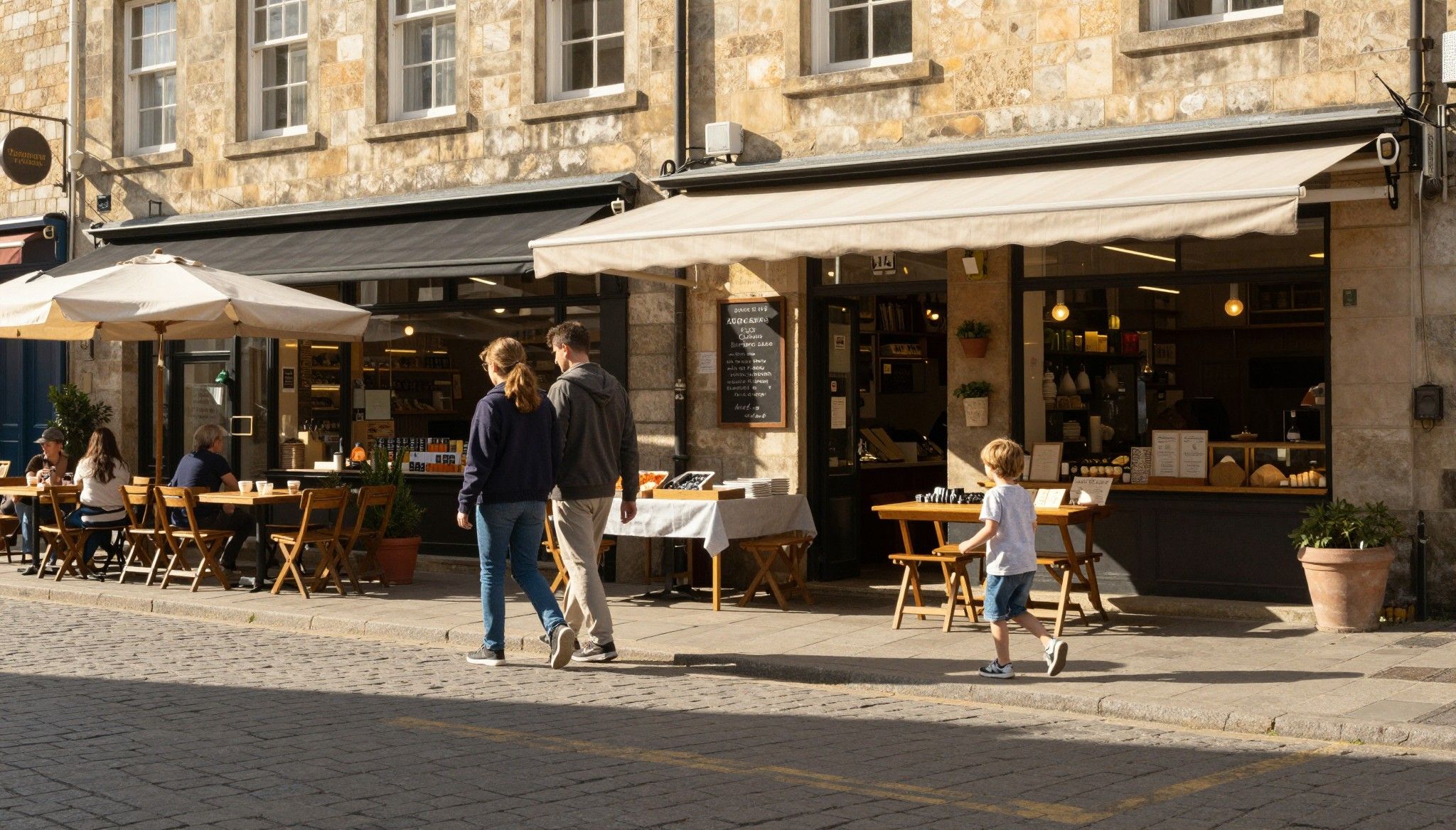
Imagine walking a narrow cobbled street at dawn—an espresso in one hand, a boulangerie scent from a corner bakery in the other—then stepping into a second‑floor apartment whose tall windows frame terracotta roofs and a church bell. That sensory moment is why buyers fall for Italy. But behind that romance are real, regional markets, shifting buyer flows and practical rules that shape what you can actually buy and live in. We’ll show you both the life and the ledger.
Living the Italian Life — More Than Postcards
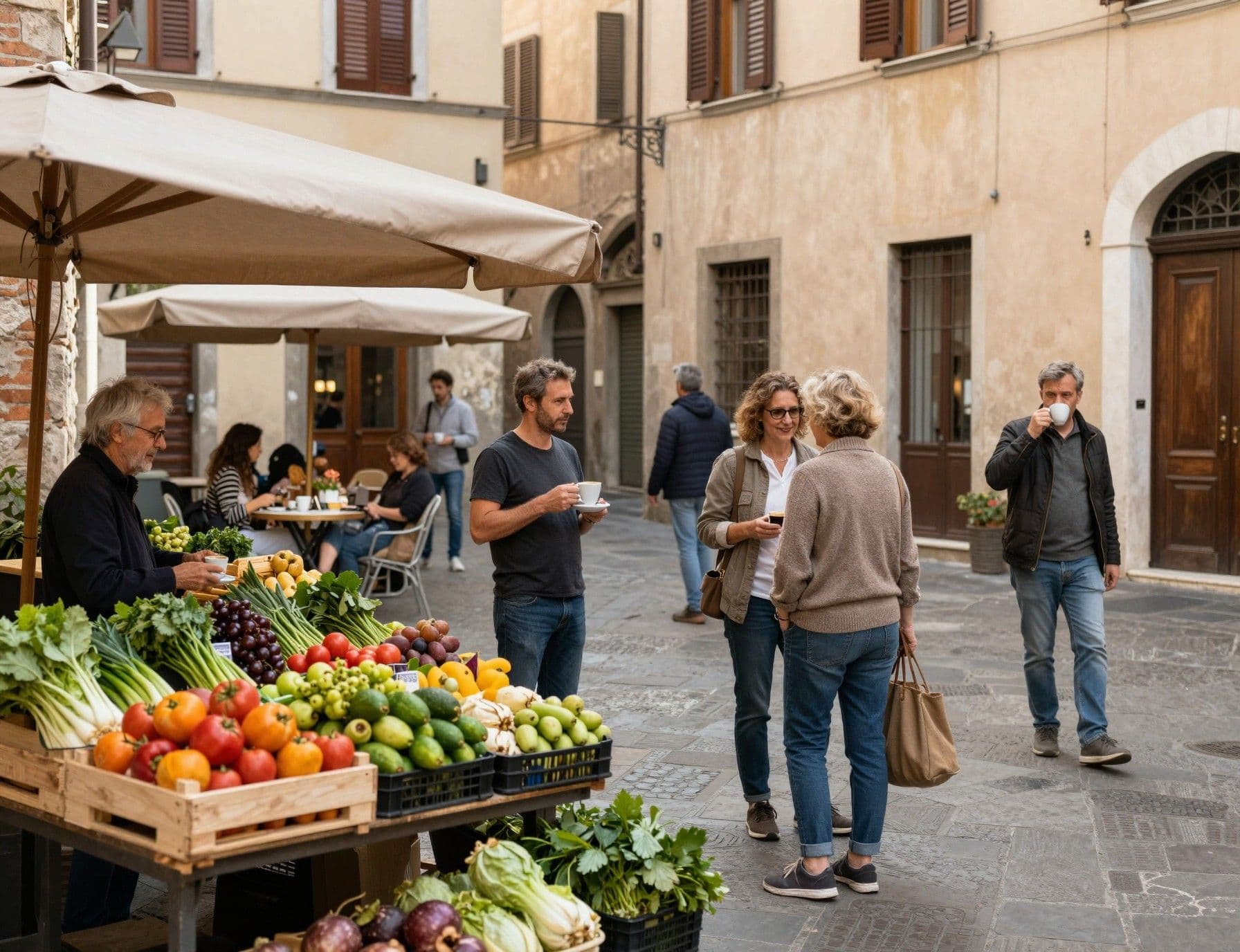
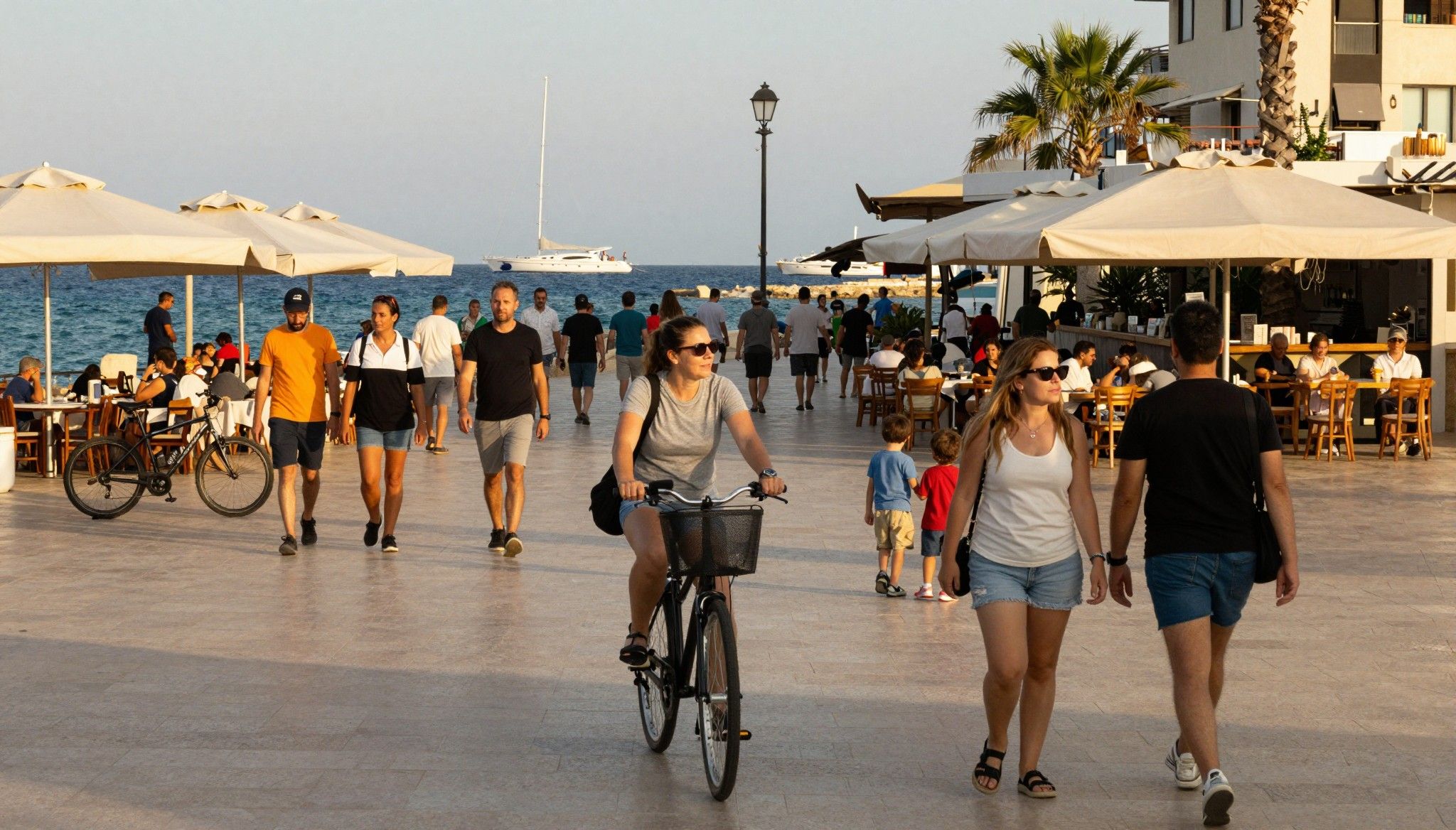
Italy’s daily rhythm isn’t an aesthetic; it’s choreography. Morning markets pulse in Florence’s San Lorenzo and Palermo’s Vucciria, baristas know your order by day three, and small piazzas turn into conversational salons after dinner. Depending on where you land—Milan’s efficient grid, Bologna’s porticoes, or Puglia’s whitewashed villages—your daily life will feel distinct and whole.
Northern cities: Milan, Turin, Lake Como
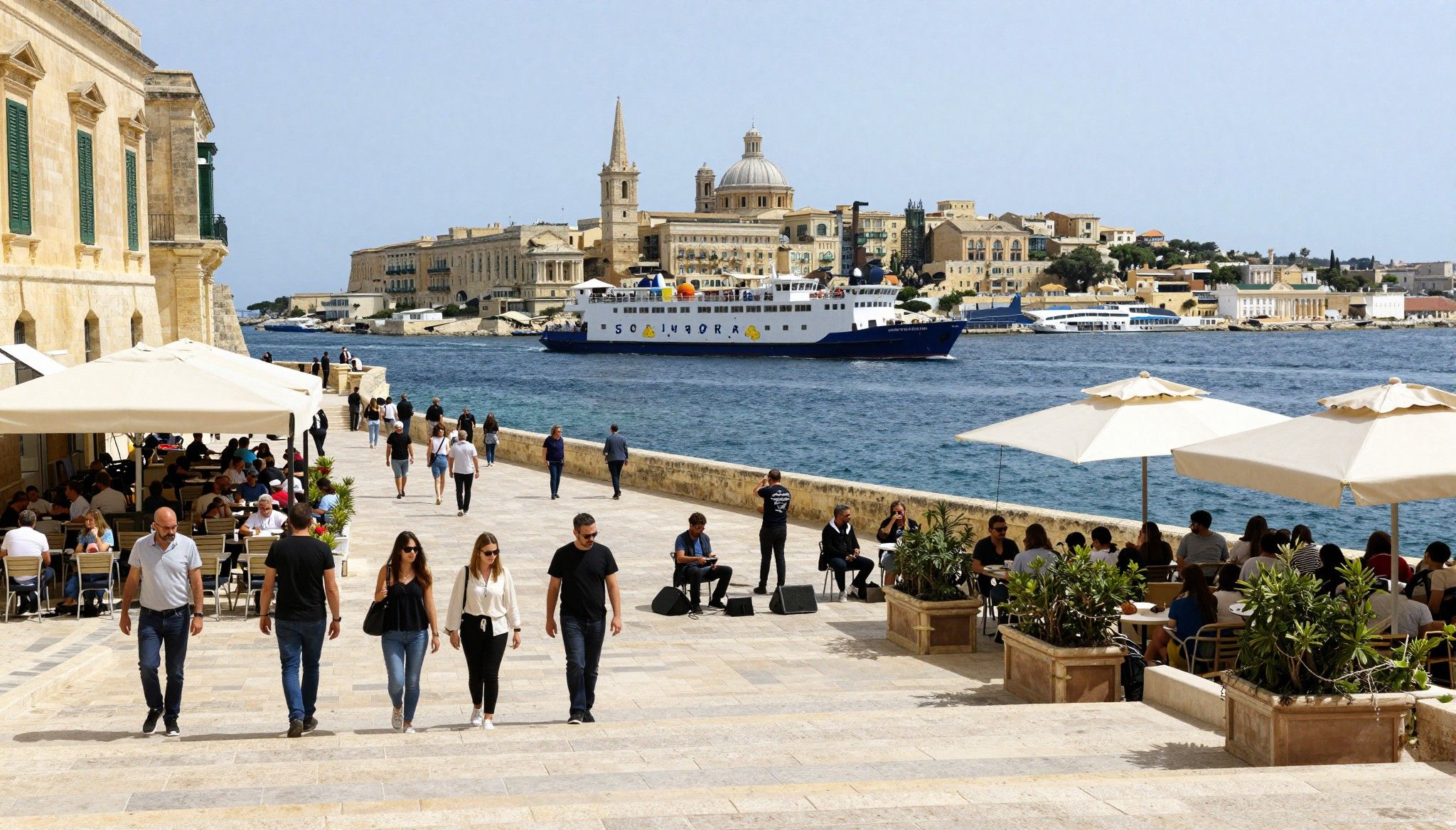
In the North, mornings are brisk and purposeful. Expect high‑quality services, efficient transport, and a calendar of contemporary galleries and design fairs. Neighborhoods like Milan’s Brera or Como’s centre deliver walkable life, high‑end restaurants and stronger price resilience—they’re where international buyers often settle for both lifestyle and liquidity.
Central charm: Rome, Florence, Tuscany towns
Central Italy trades on history. Florence’s Oltrarno has artisan workshops and sunset views from Piazzale Michelangelo; Siena and small Tuscan hill towns offer that farm‑to‑table weekend life. Expect properties with high ceilings, stonework and renovation needs—and a cultural life that rewards staying put rather than rushing to new openings.
South & islands: Puglia, Sicily, Sardinia
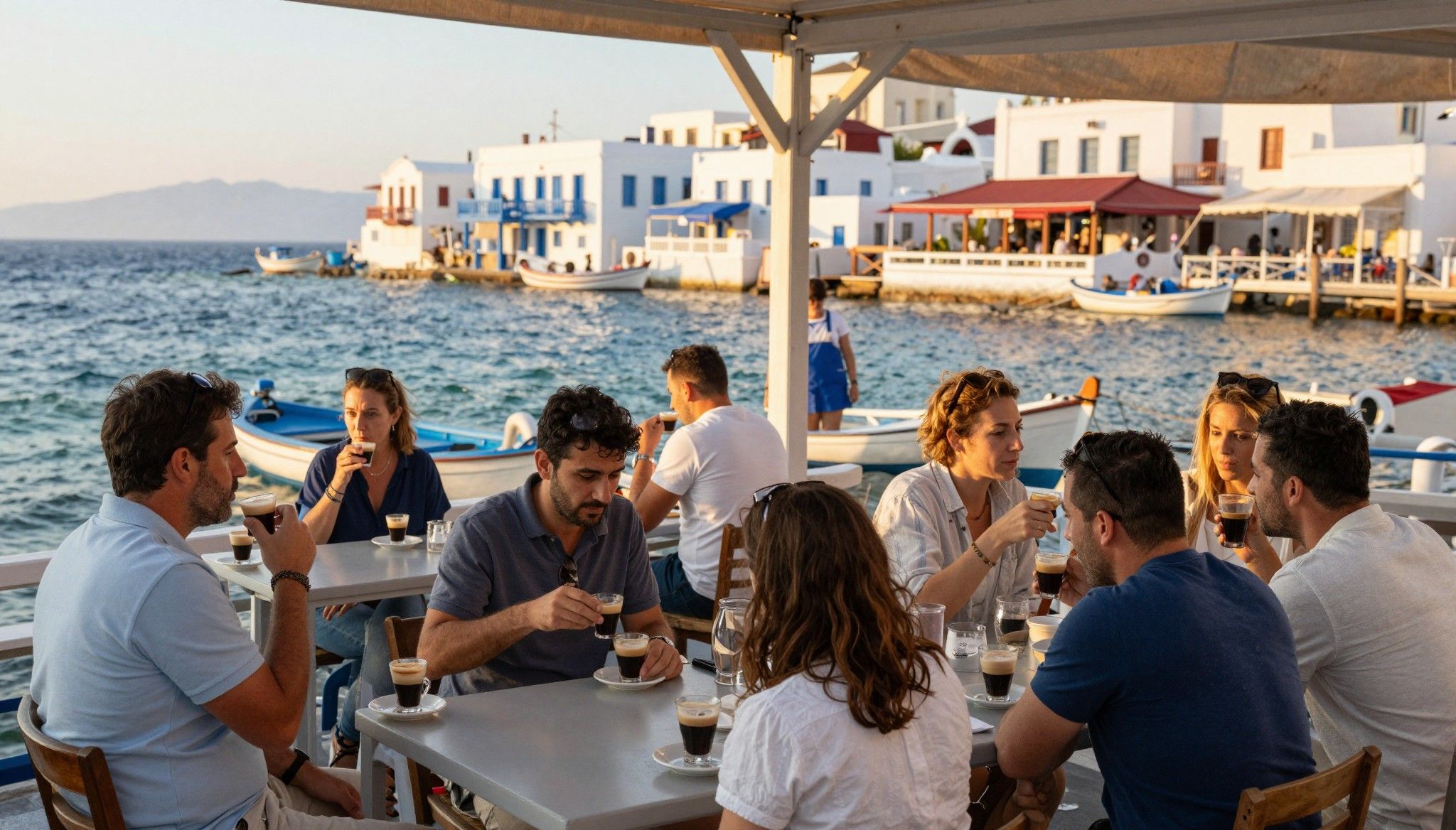
The South gives you space and pace: trulli in Puglia, baroque streets in Lecce, and wide beaches in Sardinia. Prices can be gentler here, but so can services and international flight links. For buyers craving laid‑back days, seasonal markets and a strong sense of local identity, these regions reward patience and a willingness to adapt.
- Local flavor matters—and so do the numbers: Nomisma documents a national recovery in 2024–25 with rising transactions concentrated outside capital cities, while Cushman notes renewed momentum in residential segments, especially prime properties in the North. For buyers, that means lifestyle choice and market timing diverge by region. (Sources: Nomisma; Cushman & Wakefield).
Making the Move: Practical Considerations Without the Panic

Love the light, but also check the ledger. Italy welcomes foreign buyers without major ownership restrictions, but regional quirks, renovation rules, and tax choices change the math. Think of agents as culture translators: the right one explains how a seaside town’s seasonal cadence affects rental demand, or why that hilltop farmhouse needs seismic reinforcement before sale.
Property types and how they shape everyday life
A Genoa flat with internal shutters feels different from a renovated farmhouse in Umbria. City apartments often prioritise light, proximity and historical charm—expect small kitchens and thick walls—while countryside homes trade convenience for outdoor space and renovation scope. Choose by lifestyle first: terrace breakfasts, commuting needs, or a garden for kids will determine the property type you should prioritize.
Working with local experts who know the life, not just the listings
- 1. Hire an agent rooted in the neighbourhood you love—ask for three recent off‑market references. 2. Get a local surveyor early: historic buildings often hide structure or compliance work. 3. Consult a fiscal advisor about residency options and local taxes tied to region (rates differ between municipalities). 4. Factor seasonality into rental plans—coastal towns can double demand in summer but fall silent in winter. 5. Confirm utilities and internet speed (essential if you remote‑work).
Insider Knowledge: Little Truths Expats Wish They Knew
The biggest surprises for newcomers aren’t always legal—they’re social and seasonal. You’ll learn that shops close mid‑day in many towns, that friendships form in weekly markets, and that a building’s character often comes with maintenance commitments. These rhythms affect where you buy: a lively quarter can look noisy for a week of vacation but be exactly what you need for daily life.
Language, community and daily integration
You don’t need fluency to live well, but you do need cultural curiosity. Learn basic Italian phrases, join market mornings, and spend time in local cafés. Many towns have active expat groups—use them to find reliable builders, cleaners and tutors. Integration makes a neighbourhood feel like home faster than any renovation.
The long view: prices, yields and risks
- Recent data shows modest national price growth with regional variation; prime areas tightened while provincial towns saw stronger transaction lifts. Rental yields vary by city and property type—expect higher gross yields outside prime central locations but plan for management and seasonal vacancy. (See Nomisma, Global Property Guide.)
- 1. Research municipal price trends, not just national averages. 2. Prioritise a property that fits your intended use (full‑time, seasonal, rental). 3. Budget 10–20% of purchase price for realistic renovation and compliance costs in older buildings. 4. If aiming for rental income, model conservative occupancy—coastal summer peaks won’t cover winter low‑season unless you diversify. 5. Engage an English‑speaking notary early to explain deed clauses and inheritance rules (Italian succession law can surprise international buyers).
Conclusion: The life you want is attainable in Italy, but it’s shaped by local rhythms as much as by spreadsheets. Start by choosing the life—morning markets, city rhythm, or slow coastal summers—then assemble the local team to realise it. If you’d like, we can connect you with agents and advisors who work the neighbourhoods above and compare realistic properties that match how you want to live.
British expat who relocated to Marbella in 2012. Specializes in rigorous due diligence and cross-border investment strategies for UK and international buyers.