Malta: Why the Island’s ‘Expensive’ Tag Misses the Point
Malta’s headline ‘expensive’ label hides street-level opportunities: match the life you want (Valletta lanes, Sliema promenades) to property type, and lean on local experts.
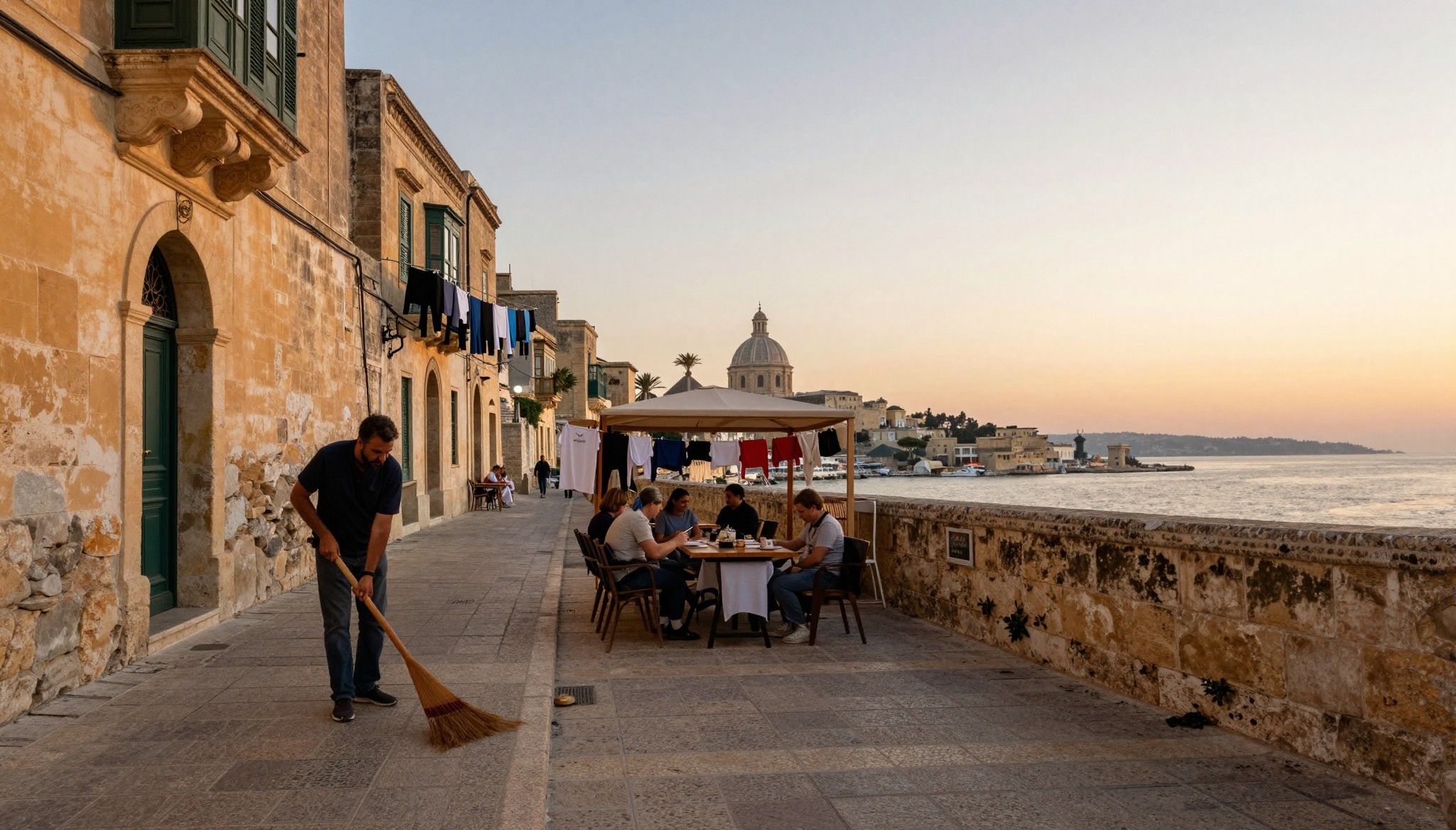
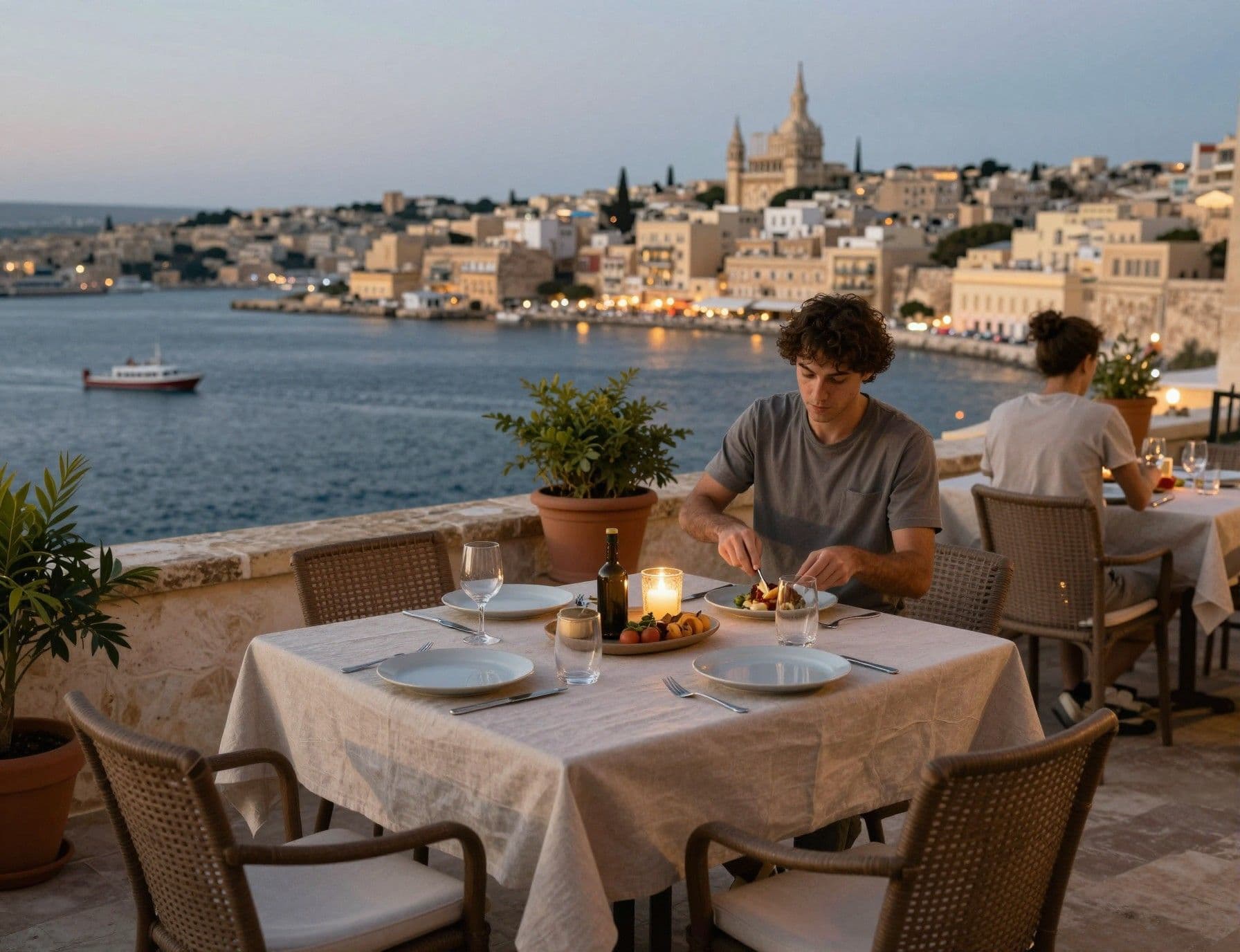
Imagine waking up in a narrow Valletta lane, coffee steam curling against limestone, or watching a ferry cross Marsamxett Harbour from a Sliema balcony. Malta feels small, tactile and human: streets where neighbors know each other, cafés that operate like living rooms, and a coastline that folds you into the Mediterranean. But when international buyers say “Malta is expensive,” they’re often talking about headlines, not street-level reality — and that’s where the opportunity for a thoughtful purchase lives. We’ll show you the lifestyle that inspires a move, and the practical choices that make buying here sensible, not sensational.
Living the Malta life
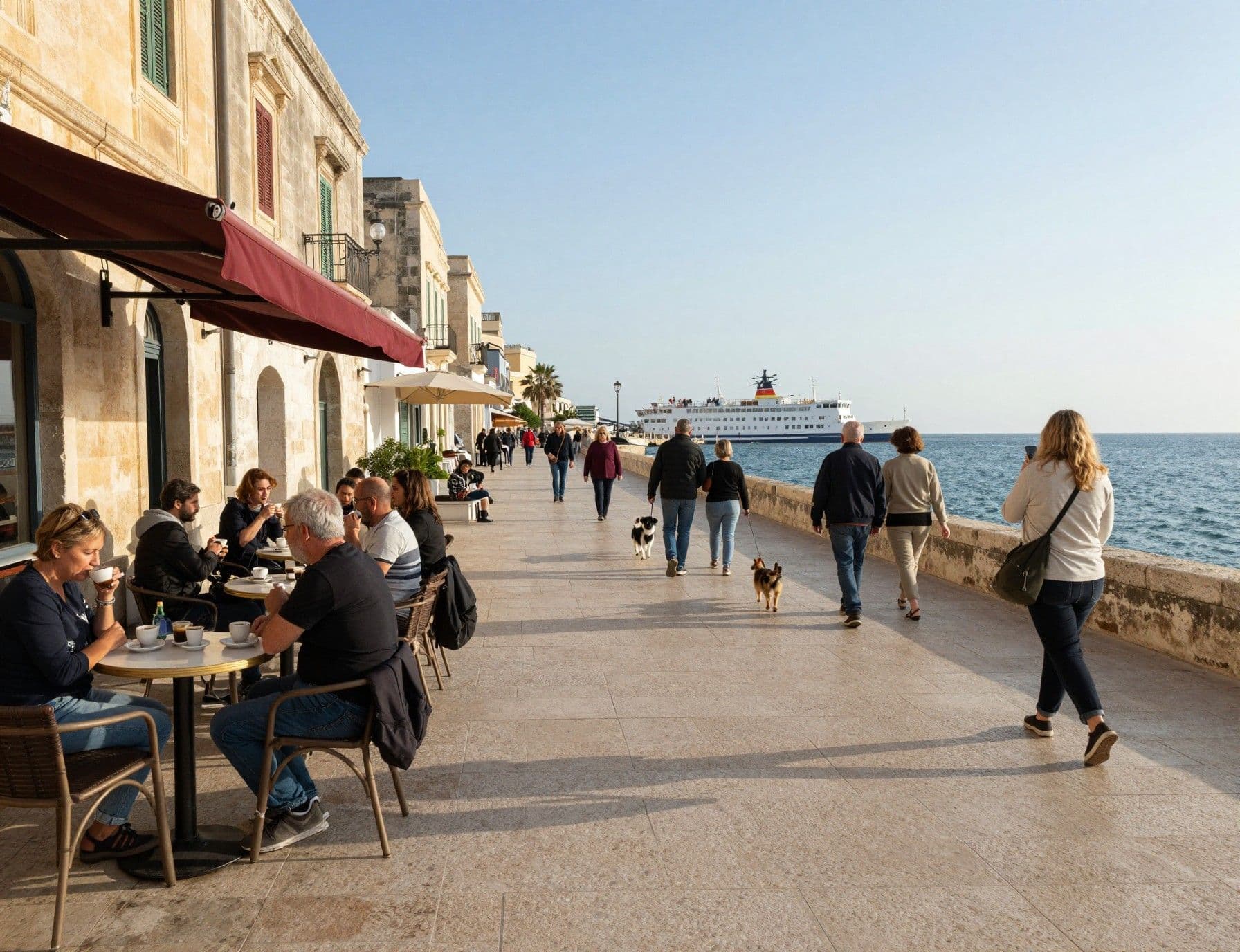
The island’s rhythms shape day-to-day life: market mornings in Rabat, late-lunch culture in Msida, and terraces that fill as the sun moves toward the sea. Prices have risen — the NSO shows a steady RPPI increase through 2025 — but those figures use national averages that hide deep local variation between compact historic apartments and newer coastal blocks. That difference is important for buyers who want life first and headline returns second.
Valletta, Sliema and St Julian’s: three different mornings
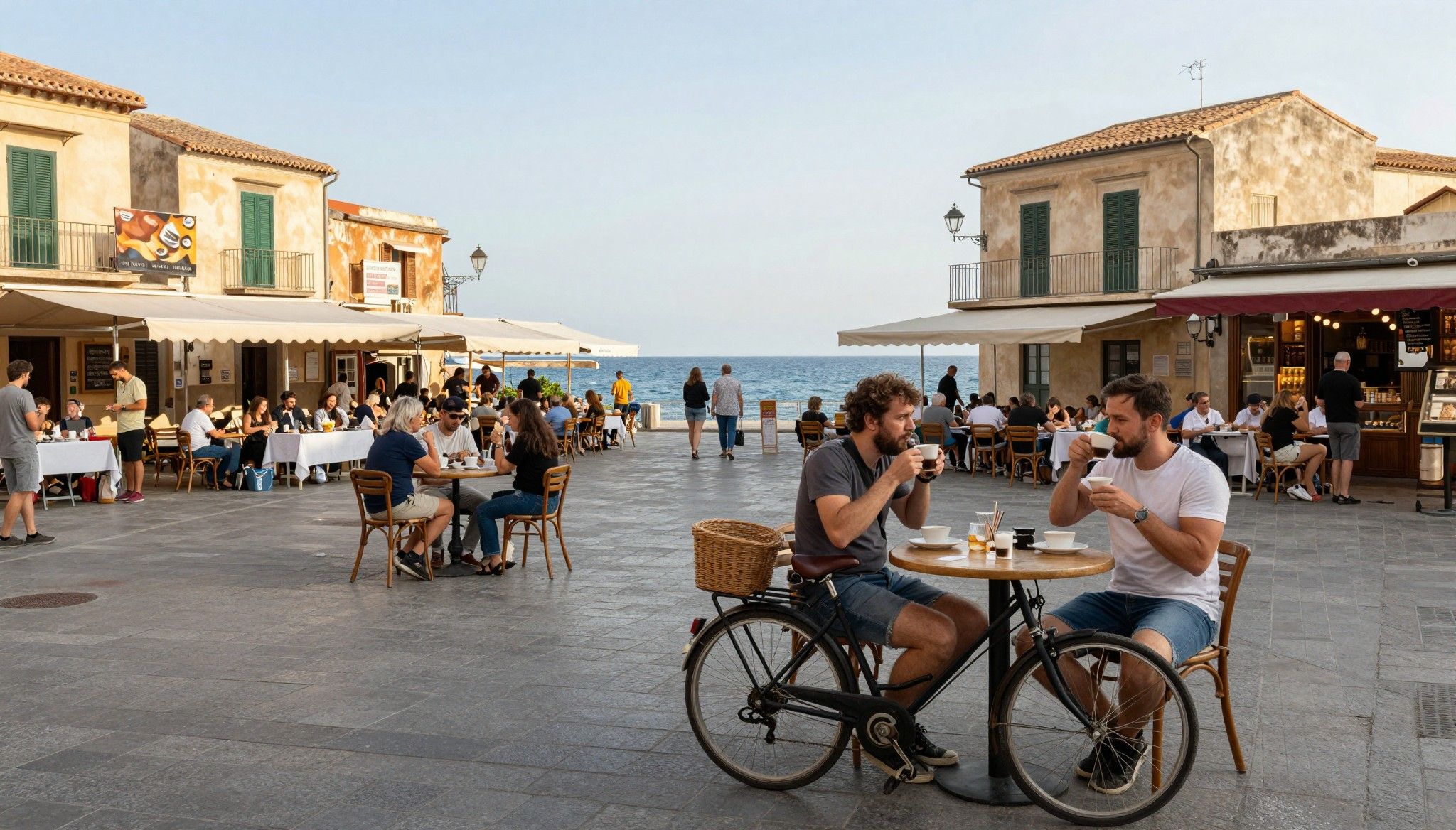
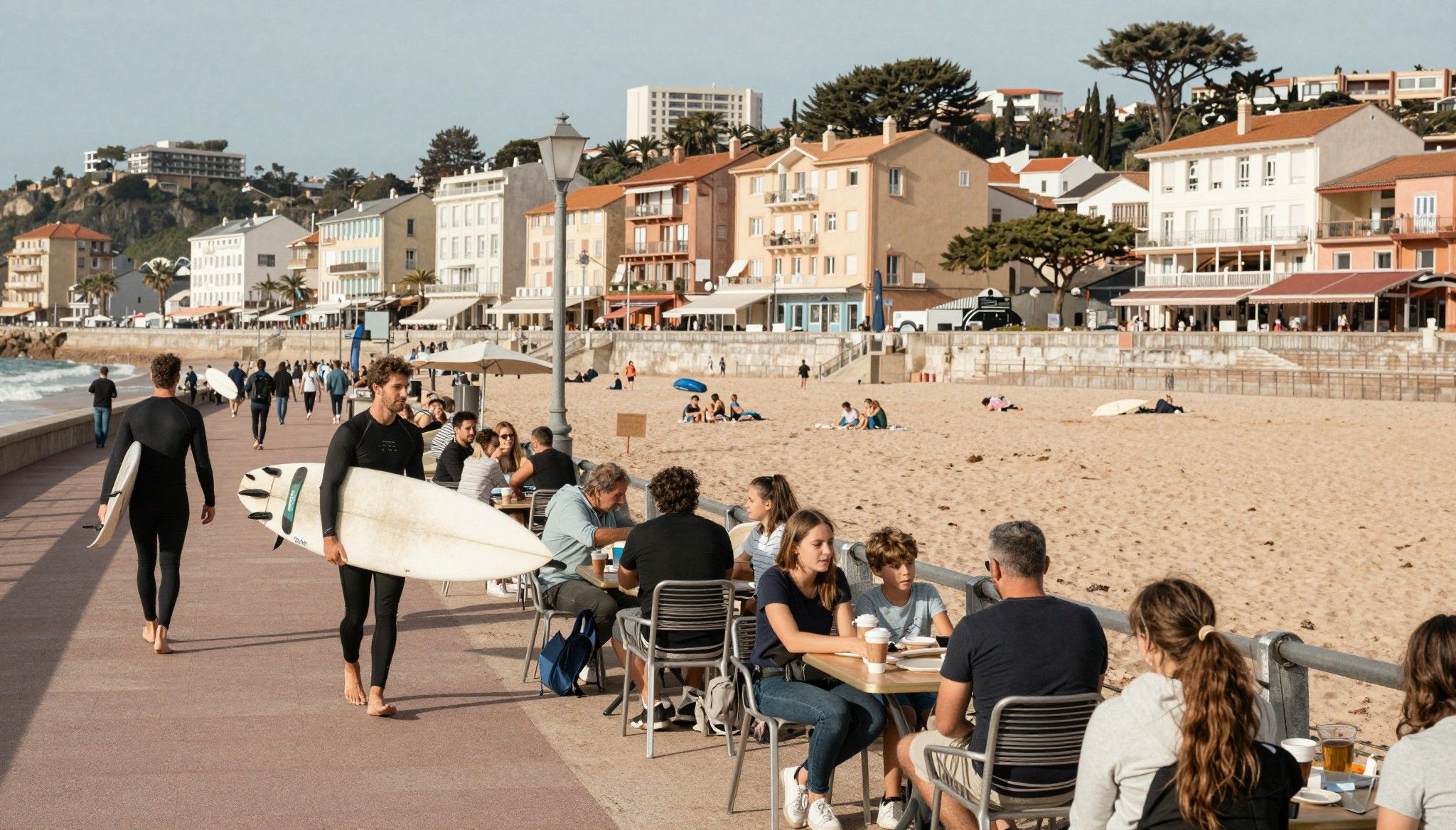
Valletta wakes quietly — narrow streets, baroque facades, and the clack of shutters. Sliema is promenade life: cafés, laundries, and terraces that look toward Valletta, where families walk after dinner. St Julian’s splits its character between calm Spinola Bay mornings and the Paceville buzz after sunset; these are different lifestyles under the same postcode, and each affects what kind of property suits you.
Food, markets and the sea: the sensory draw
Picture buying fresh gbejniet at a neighbourhood market, an evening fish grill on the quay, and short walks from home to swimming spots like Exiles or St George’s Bay. The food scene is small but intense — family-run bakeries, neighbourhood pastizzi shops and chef-led bistros concentrated in tight pockets. These everyday pleasures are the practical reason many buyers pay a premium: proximity and lifestyle are part of the asset.
- Lifestyle highlights: Valletta theatre nights, Sliema promenade cafés, Spinola Bay dining, Rabat weekend markets, Dingli Cliffs sunset walks, quiet Mdina lanes.
Making the move: practical considerations
Dreams meet deeds here. Malta’s market shows steady transactions and rising permits, so supply is catching up to demand — but not uniformly. Before you fall for a terrace view, understand how property type, age and planning status influence price growth and running costs. The data are useful, but an agency that knows which streets actually trade and why will save you time and regret.
Property types and how they feel to live in
Traditional townhouses in Mdina or older Valletta maisonettes give you height, shutters and that limestone light — but often require renovated services and careful maintenance. New coastal blocks in Sliema and St Julian’s offer elevators, balconies and easier tenancy management, which matters if you plan to rent. Match the architecture to your life: do you want a project to restore, or an apartment you can lock, leave and rent?
Working with local experts who know the rhythm
- 1. Use an agent who understands MPRP rental vs purchase options and can show qualifying properties. 2. Ask for recent trading comparables on the street — not the municipality average — to price offers correctly. 3. Confirm planning permission and permit history with local architects before contracting. 4. Insist on seeing utility bills and common-area accounts for older buildings to forecast running costs. 5. Build a six-week buffer into your move timeline for notarial searches and registration.
Insider knowledge: what expats wish they'd known
Expat forums brim with the same regrets: underestimating humidity in older houses, assuming a quick rental market, or missing seasonal noise in Paceville-adjacent addresses. Being able to speak English helps — it’s an official language — but local relationships matter when dealing with councils, tradespeople and neighbours. Practical patience pays: the right team and modest expectations on renovation timelines often determine happiness more than a sea view.
Cultural cues and community life
Maltese social life orients around family, feasts and festas — neighbourhood patron-saint celebrations that fill lanes with food stalls, brass bands and chairs on balconies. Weekends include market runs, café conversations and spontaneous sea swims; that rhythm affects property use because many homes are lived in, not staged. Integrating means showing up: get to know the grocer, the notary and the local council clerk.
Longer-term lifestyle trade-offs
If you want low-maintenance coastal life, new-build apartments near Sliema will deliver convenience and liquidity; if you want character, older Valletta homes reward patient owners. Consider taxation and residency choices early: the MPRP offers routes to residence that change the calculus on whether to rent or buy first. Over five years, areas with solid planning control tend to hold value better than speculative coastal fringes.
- Red flags to watch: missing planning permits, unclear common-area accounts, absent building maintenance funds, over-optimistic rental yield promises.
- 1. Visit neighbourhoods at different times (weekday morning, evening, Sunday). 2. Get a local structural report for older limestone homes. 3. Verify title and encumbrances with a notary. 4. Ask for three years of service-charge and utility bills. 5. Confirm MPRP eligibility and timelines with a Residency Malta agent.
If Malta’s price headlines scare you, remember they describe an island market — limited land, concentrated demand and distinctive lifestyle premiums. But that premium buys something real: walkable streets, sea adjacency, English-language convenience and an island pace of life that can feel like a daily holiday. Start with the life you want, then match streets and property types to that life, and bring local specialists who can translate headlines into practical steps.
Ready to see what living in Malta actually feels like? Book neighbourhood viewings at different times, ask your agent for street-level comparables, and check MPRP qualifying lists if residency matters. We’ll help you match the life you imagine — breakfast at a harbour café, an evening swim — with the kind of property and team that makes it work. This is where the island earns its price: not as a number in a report, but as a place you can live well.
British expat who relocated to Marbella in 2012. Specializes in rigorous due diligence and cross-border investment strategies for UK and international buyers.