Summer Hype Hides Better Buys: When to House‑hunt in France
Contrarian house‑hunting advice for France: avoid the summer postcard, time viewings around local rhythms, and budget 7–8% acquisition costs—backed by INSEE and Notaires de France.
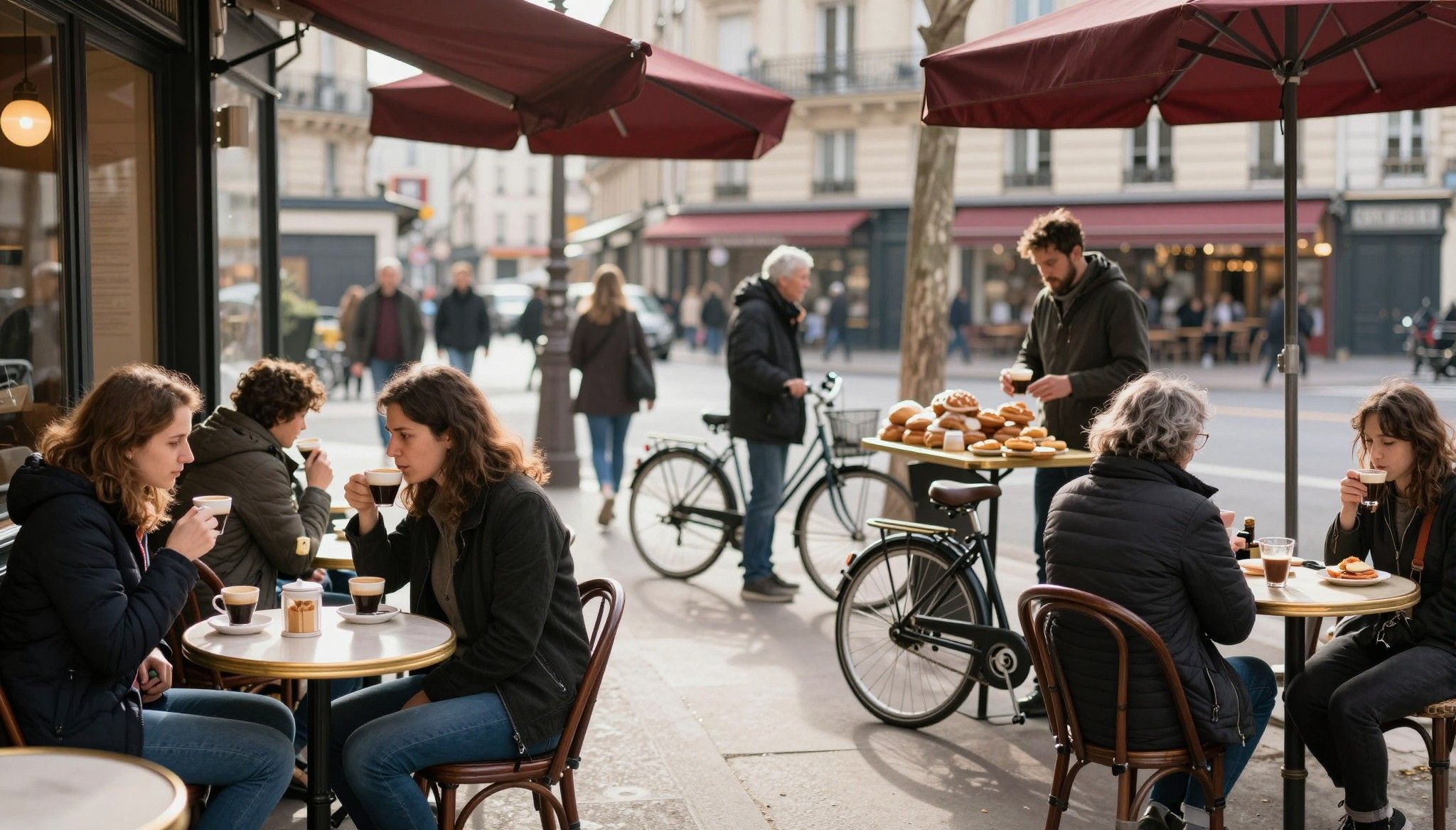
Imagine arriving in a sleepy Provençal market on a Wednesday morning — croissant steaming, olive stalls lit by soft light, a baker calling out names — and realizing the street where locals buy bread is also where the smartest buyers find value. This guide starts there: lifestyle first, then the precise legal and fiscal reality you need to make a confident purchase in France. We’ll break a few myths, show contrarian timing that often beats the summer house‑hunt, and give concrete sources so you can act with both heart and head.
Living France: More Than the Postcard
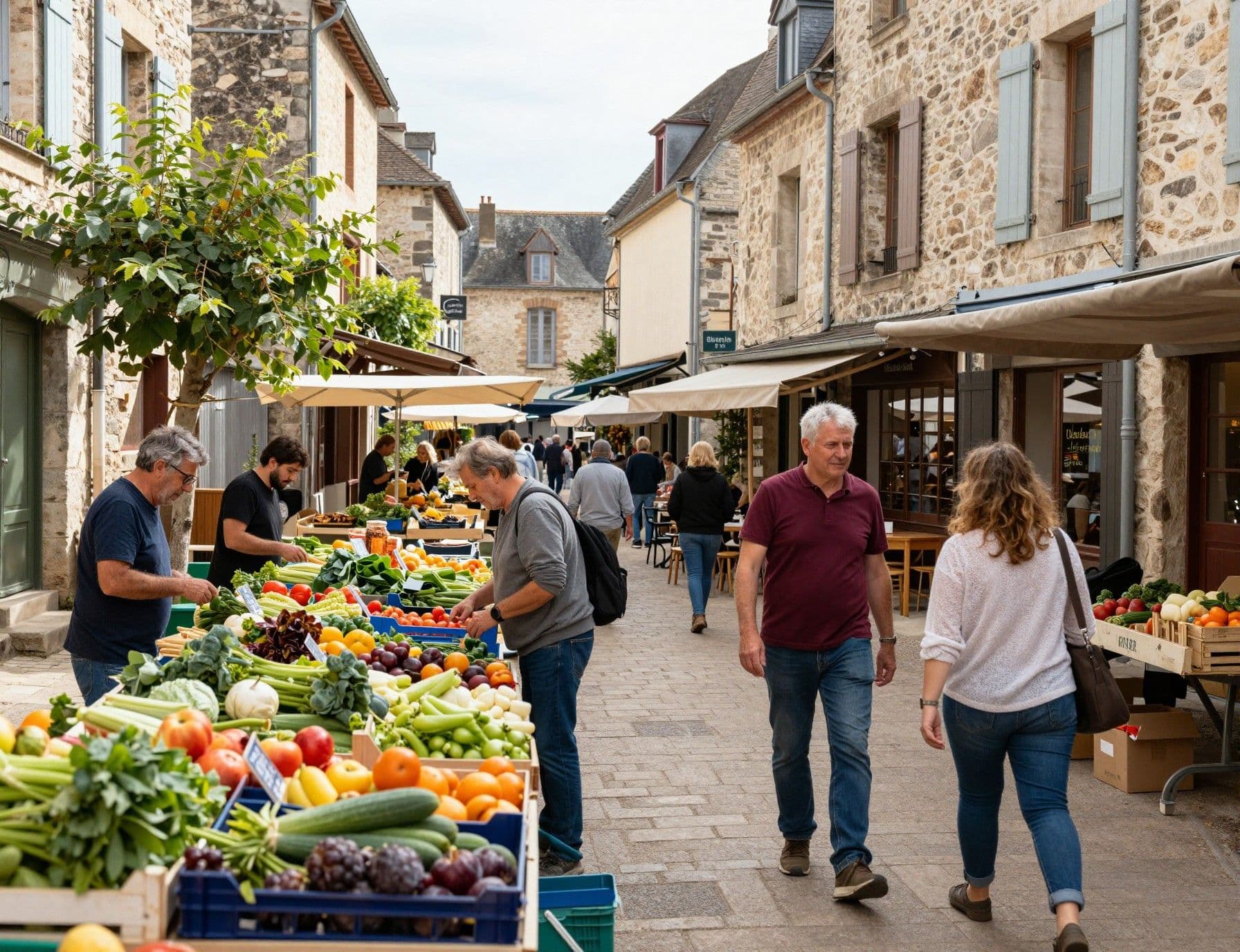
France feels different by the hour: breakfasts in Saint‑Germain, late lunches on Rue des Rosiers, afternoon walks along the corniche in Nice. Neighborhoods carry distinct rhythms — student cafes in Montpellier, slow markets in Brittany, the quiet dignity of Lyon’s Croix‑Rousse — and what you buy should match how you want to live, not a travel brochure. For many internationals, the dream is less about a single view and more about a daily ritual: where you buy your bread, which park becomes yours, how the year’s festivals map onto your life.
Neighborhoods that teach you how to live
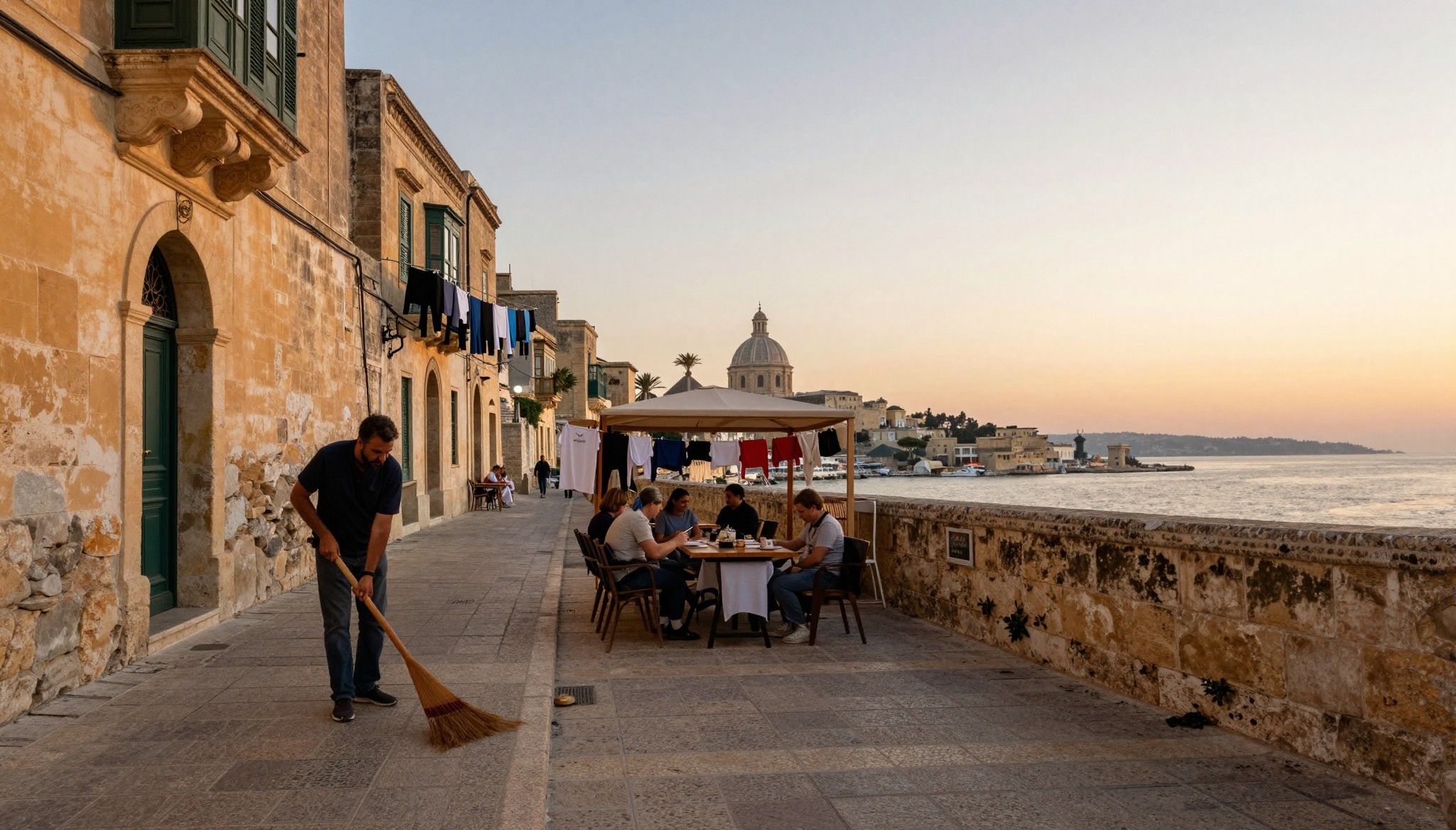
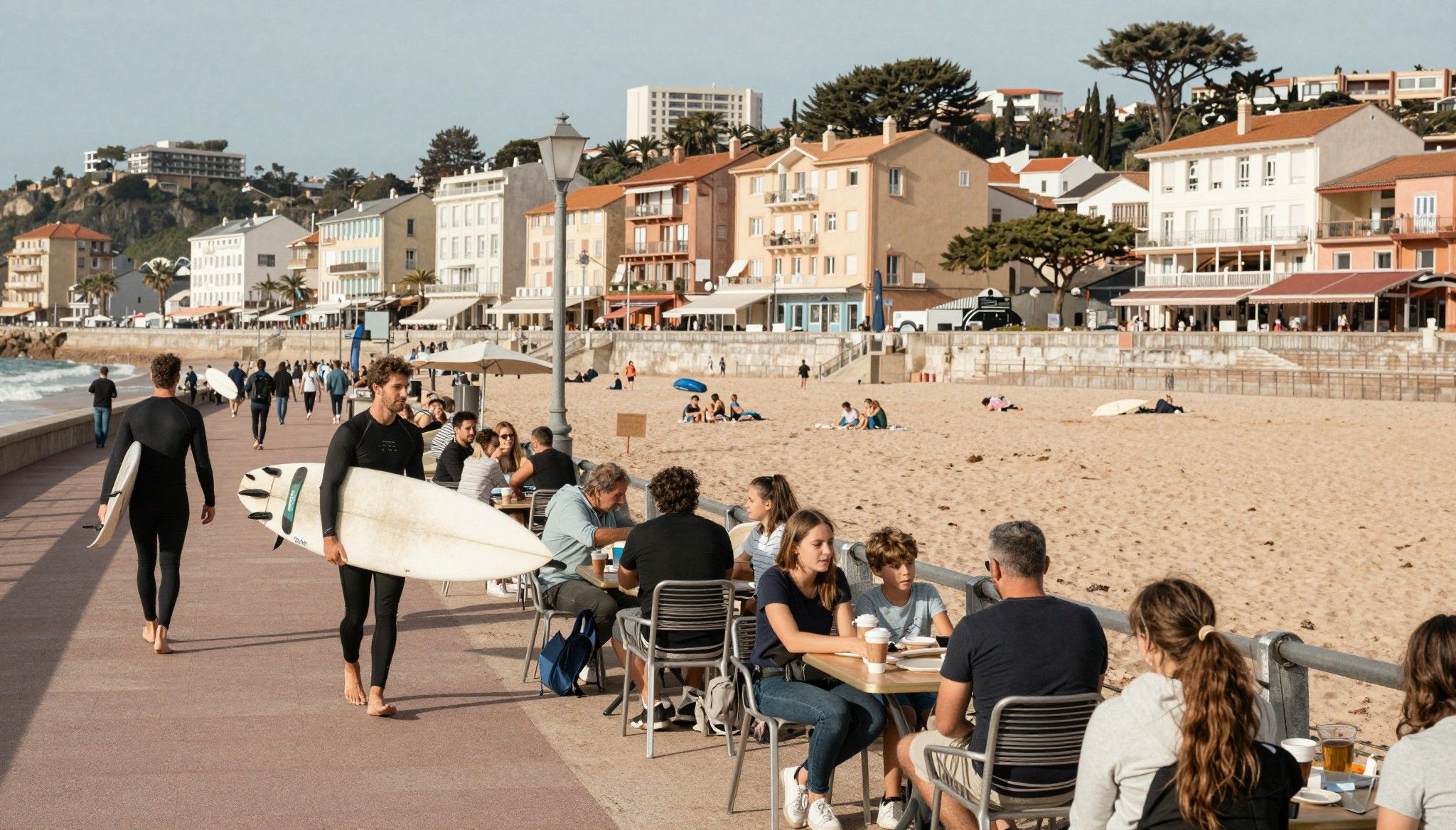
Walkable streets matter. In Paris, the Marais whispers history and boutique mornings while Canal Saint‑Martin offers casual cafés and a younger tempo. On the Riviera, Calle du Port streets in Antibes show how morning markets and afternoon beaches can coexist block by block. In Bordeaux, Bassins à Flot mixes renovated warehouses with new‑build confidence; in rural Dordogne, weekday market rhythms set the pace for slow living. Each of these places tells you what kind of home — apartment, townhouse, renovated farmhouse — will best support the life you want.
Food, seasons and the local calendar
Food is the social glue. From the Marché des Enfants Rouges in Paris to outdoor fish stalls in Marseille, eating locally shapes where you’ll spend Saturday mornings and who you’ll know by name. Seasonal patterns matter: many coastal towns fill in July and August, while autumn truffle and mushroom seasons change weekend life and sometimes property availability. That calendar also affects logistics — viewings, notaire availability and local admin rhythms — which is why timing a property search around seasonal life is practical, not just poetic.
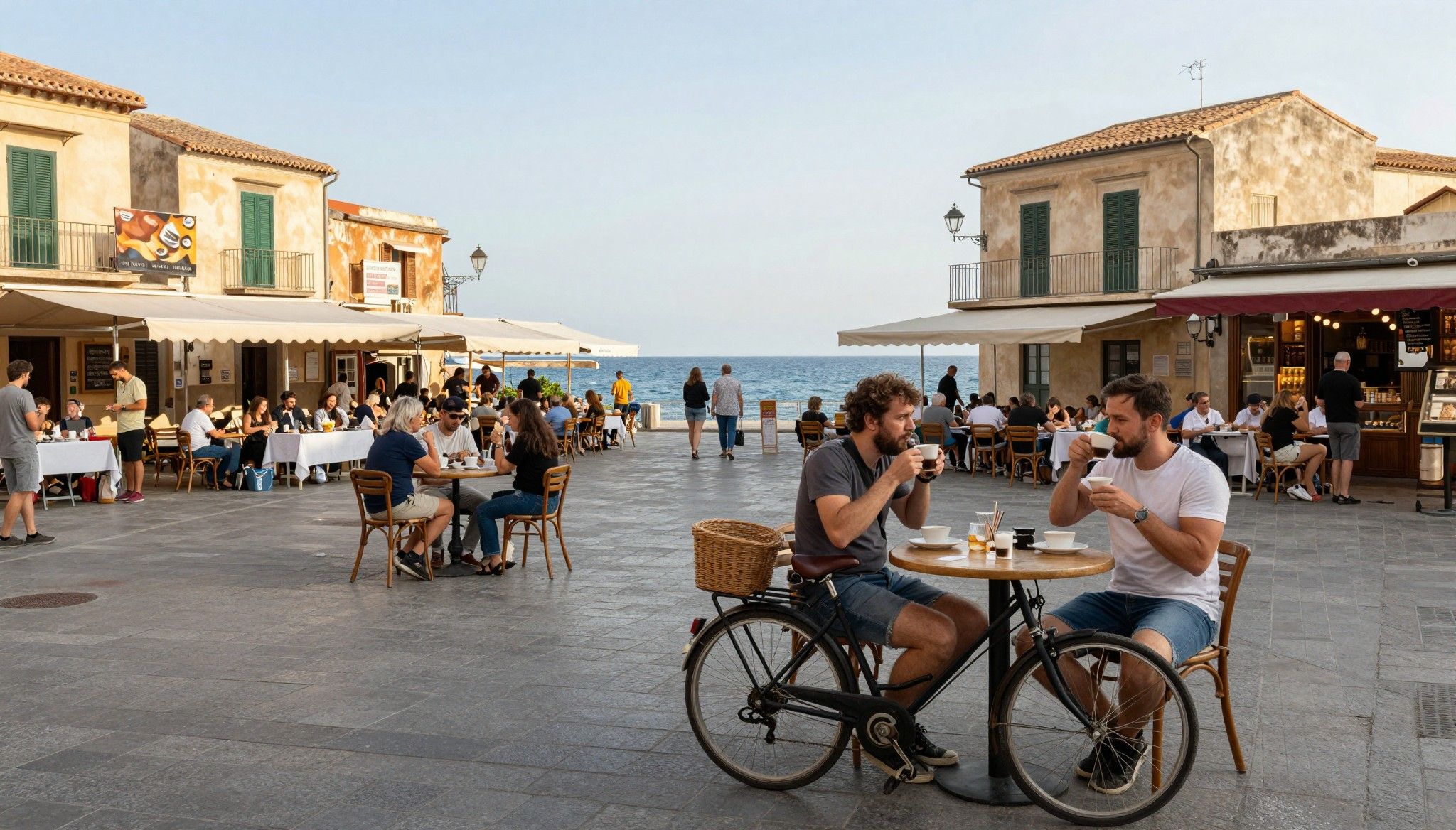
Lifestyle highlights to scout during a visit - Morning markets: Marché Forville (Cannes), Marché d’Aligre (Paris) for neighborhood feel - Cafés where locals linger: Café du Commerce (Lyon), Le Select (Paris) to test daily rhythm - Weekend walks: Promenade des Anglais (Nice), Ile de la Cité circuits for urban life - Local fêtes: Fête de la Musique (nationwide, June) and harvest festivals in wine regions - Hidden streets: Rue Montorgueil (Paris) and Rue Saint‑Roch (Aix‑en‑Provence) for lived-in charm - Coastal pockets: Cap Ferret coves and the less-touristy sectors of the Var for year‑round calm
Making the Move: Practical Considerations
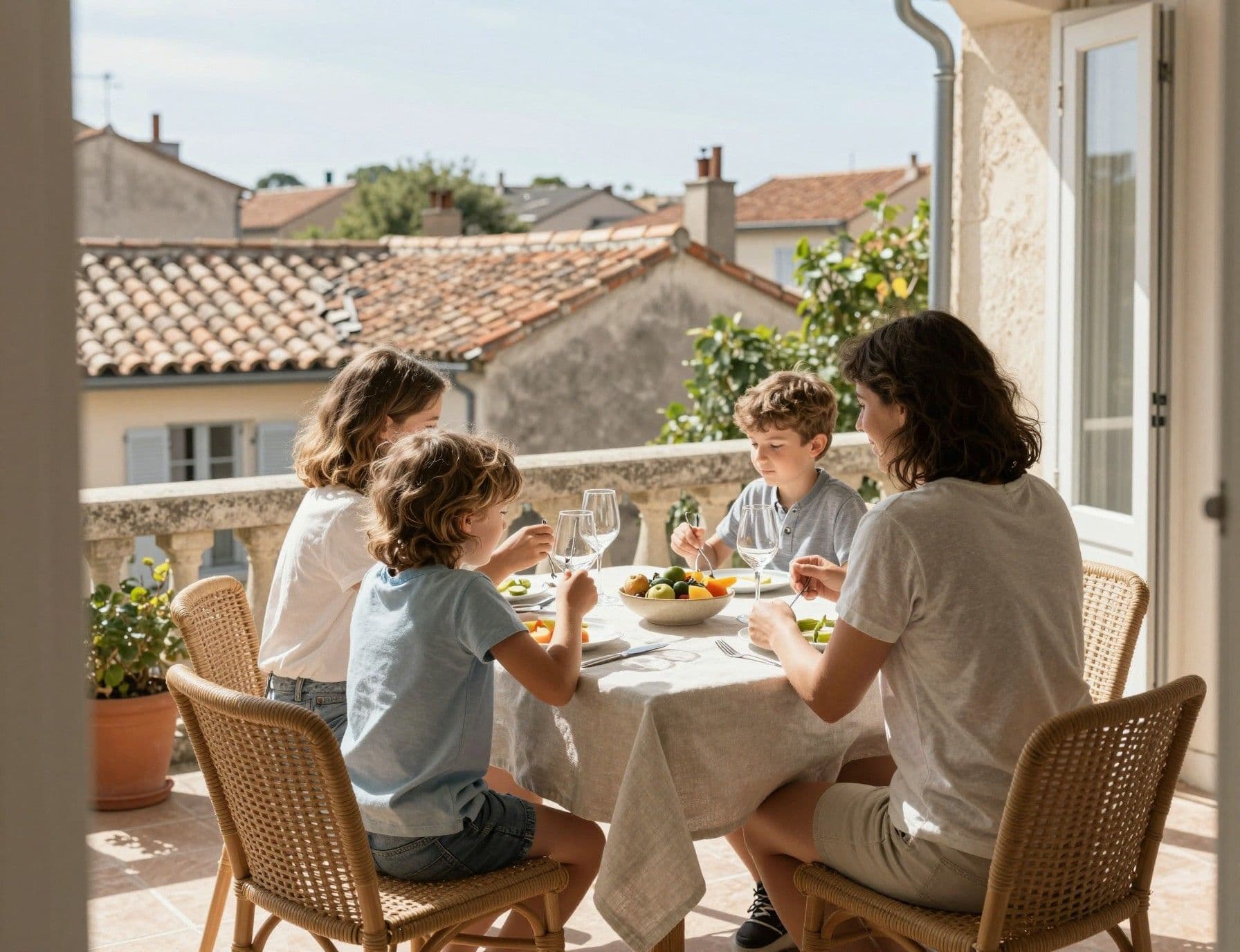
Now the essentials. Buying in France carries predictable transaction layers — transfer taxes, notary emoluments, agency fees — that typically add 7–8% on an existing property and closer to 2–3% for new builds. Knowing where that money goes (state registration, notary disbursements, modest fixed emoluments) helps you read listings more honestly and budget correctly. We recommend you line up local notaire guidance early: they are gatekeepers of the deed and the one professional whose signature finalizes ownership.
Property types and how they shape daily life
An 18th‑century apartment in Nantes will give you tall windows and timber beams but potentially higher renovation rules and insulation work. A contemporary seaside apartment in La Rochelle brings ease of maintenance and better thermal performance but may trade local character for uniform façades. Country farmhouses in Burgundy offer space and a garden but expect higher running costs and occasional long drives for services. Think of each property type as a lifestyle package — factor running costs and administrative differences into the purchase price.
How local experts earn their fee — practical steps 1. Match your lifestyle to micro‑markets: agents and local advisers will map cafés, schools, transport and weekly markets to properties. 2. Pre‑check titles and servitudes with a notaire early to surface any right‑of‑way, copropriété or heritage constraints. 3. Model total cost: purchase price + 7–8% acquisition costs + expected renovation and annual taxes. 4. Negotiate with evidence: comparable recent sales (not just asking prices) and seasonal demand data give leverage. 5. Plan timing: avoid peak tourist months for viewings; many sellers who need quick sales list in autumn or winter.
Insider Knowledge: What Expats Wish They’d Known
Real buyers tell us the same thing: arriving for a July viewing and falling for a sea‑view terrace is easy; securing a sensible deal that reflects the year‑round market is harder. National indices (INSEE) show prices that can pause or reverse in short cycles, while city pockets behave differently — Paris versus provincial regional towns tell distinct stories. That’s why you’ll hear experienced expats advise: don’t buy the summer postcard, buy the street where you can see morning life in autumn and winter.
Language, bureaucracy and how to avoid common traps
Paperwork can slow you down. Expect a formal promesse or compromis de vente, a cooling period, and notaire checks that take weeks rather than days. Use bilingual drafts or certified translations for clarity. Watch rental yield expectations — urban apartments in university cities may produce healthier gross yields than holiday hotspots where seasonal vacancy eats income. And always confirm tax residence rules with a cross‑jurisdictional adviser before relying on any rental return figures.
Red flags and quick checks before you bid - Unusual servitudes or unclear boundary plans — ask the notaire for the cadastre plan - Missing energy performance diagnostics (DPE) or obviously inconsistent energy labels - Listings priced significantly below local recent sales without explanation - Properties in copropriété with large arrears or upcoming major works - Over‑reliance on seasonal income projections in coastal towns
Buying in France is as much about joining rhythms as buying walls. If you want morning cafés, buy near them; if you want quiet winters, look inland rather than the Riviera postcard. Start by visiting outside peak tourist months, brief a notaire early, and choose an agent who knows the street rather than the brochure. When you combine lived experience with clear legal checks — the notaire’s report, acquisition cost modelling, and local market comparisons — you end up with a home that feels right and an investment that’s defensible.
Next steps: plan an autumn or winter scouting trip, ask your agent for comparable sold prices (actes authentiques) rather than asking prices, and instruct a local notaire to pre‑review title and copropriété accounts. If you want, we’ll connect you to advisers who specialise in Franco‑international purchases — people who speak your language and the notaire’s. Above all, buy the life you want, not the postcard. Your neighbours, the baker and that Wednesday market are the real return on investment.
British expat who relocated to Marbella in 2012. Specializes in rigorous due diligence and cross-border investment strategies for UK and international buyers.