The Hidden Clues French Listings Don't Tell You
Learn the quiet clues French listings hide — cadastre checks, Notaires/INSEE context, syndic minutes — so your romance with France becomes a confident purchase.
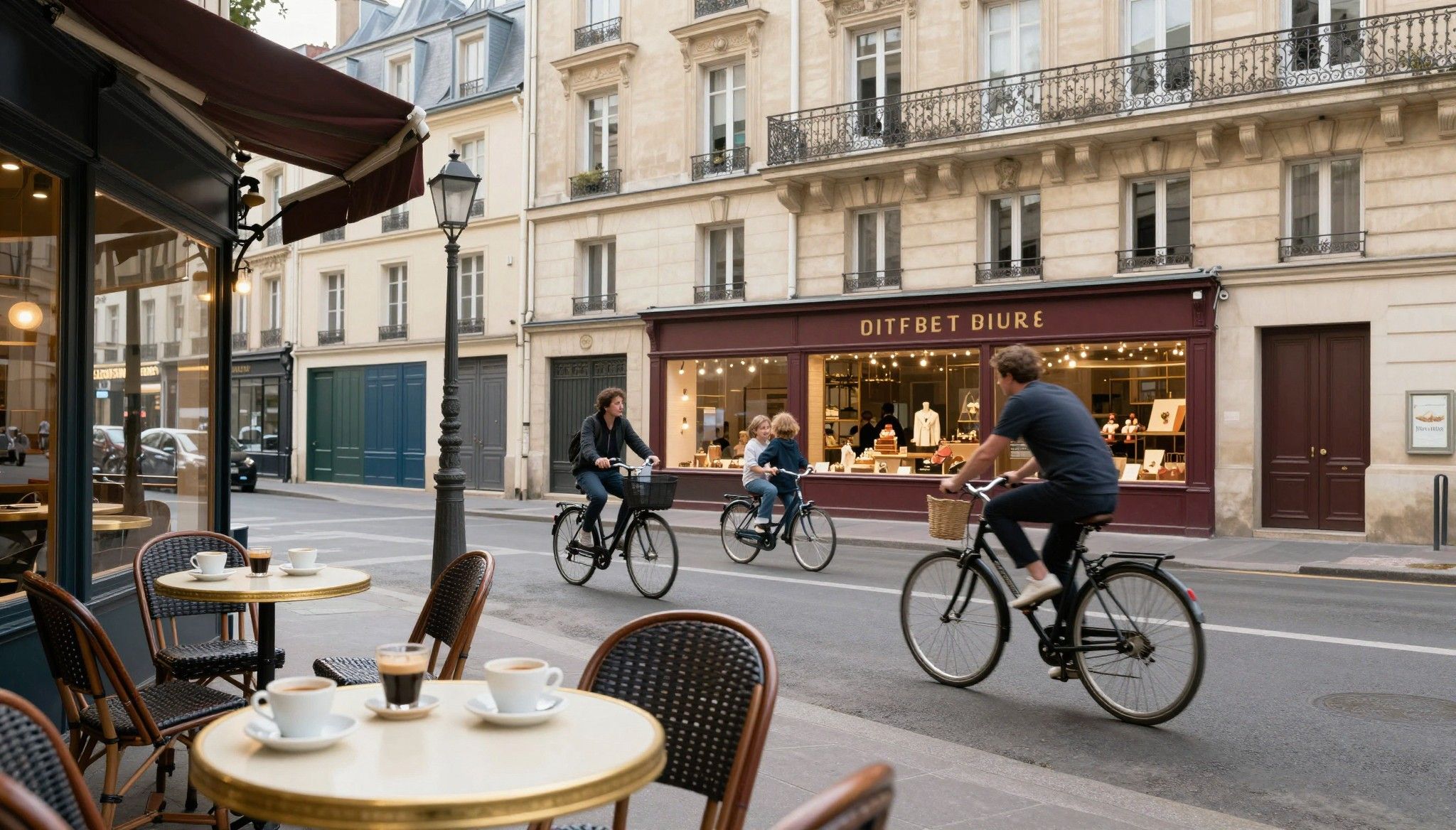
Imagine standing at a café table on Rue Cler in Paris at 9am, espresso steaming, delivery vans humming, and a 19th‑century façade across the street that somehow looks both permanent and negotiable. That tension — the romance of place versus the small, local signals that determine price and risk — is the real story international buyers must learn in France. We’ll show you the subtle, often-hidden clues in listings and local records that say more about value and transparency than the headline price ever will.
Living the France lifestyle — what you’re actually buying
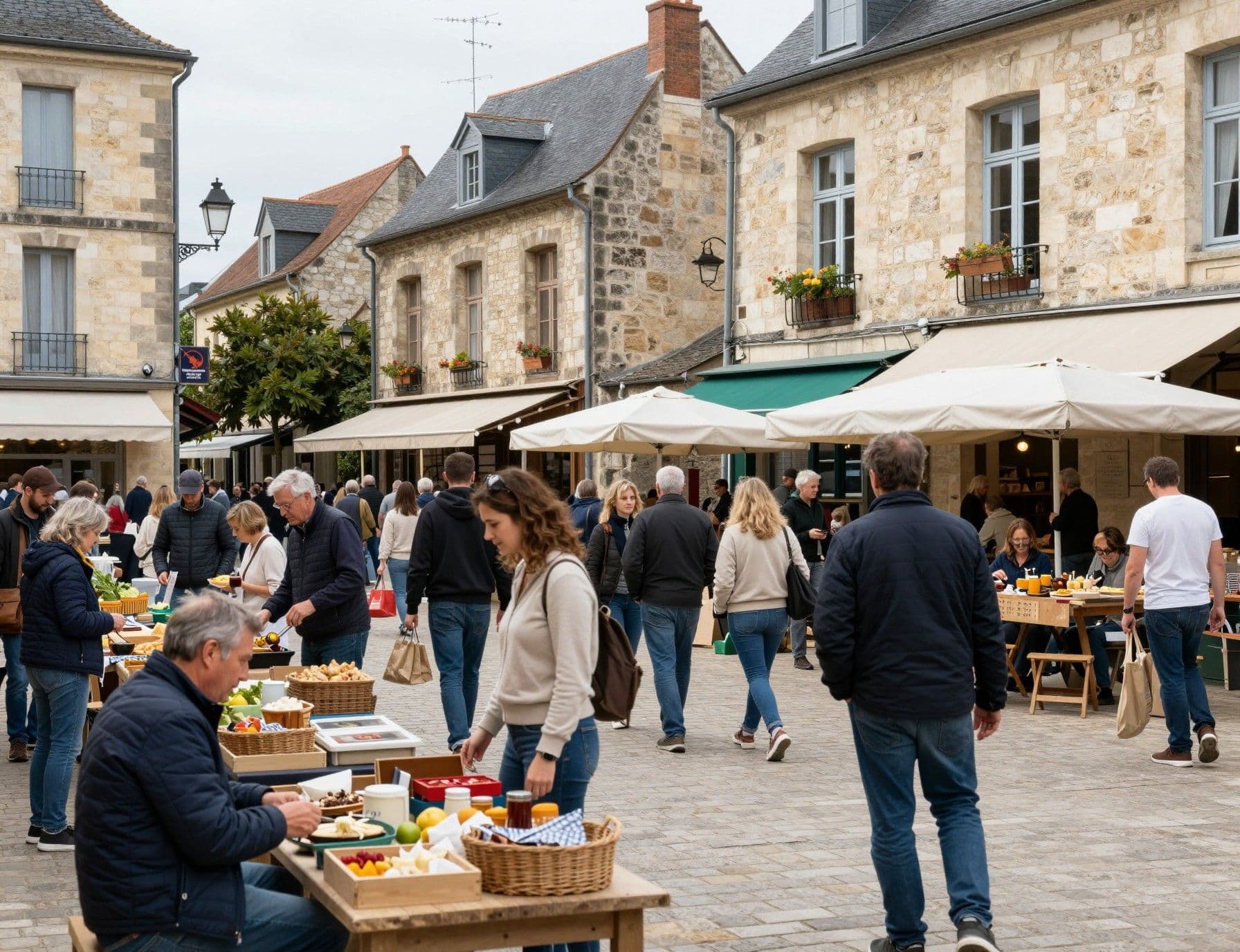
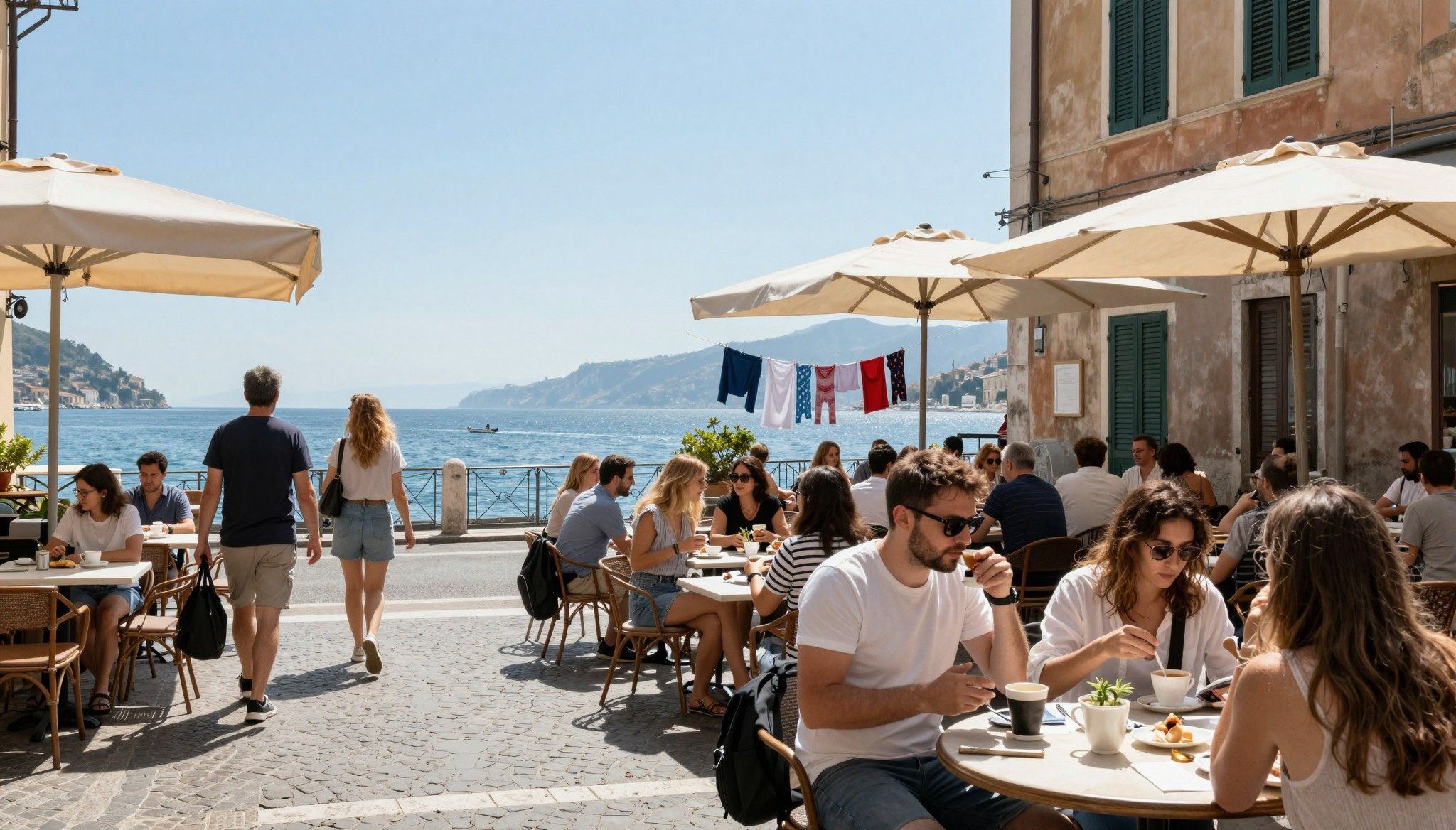
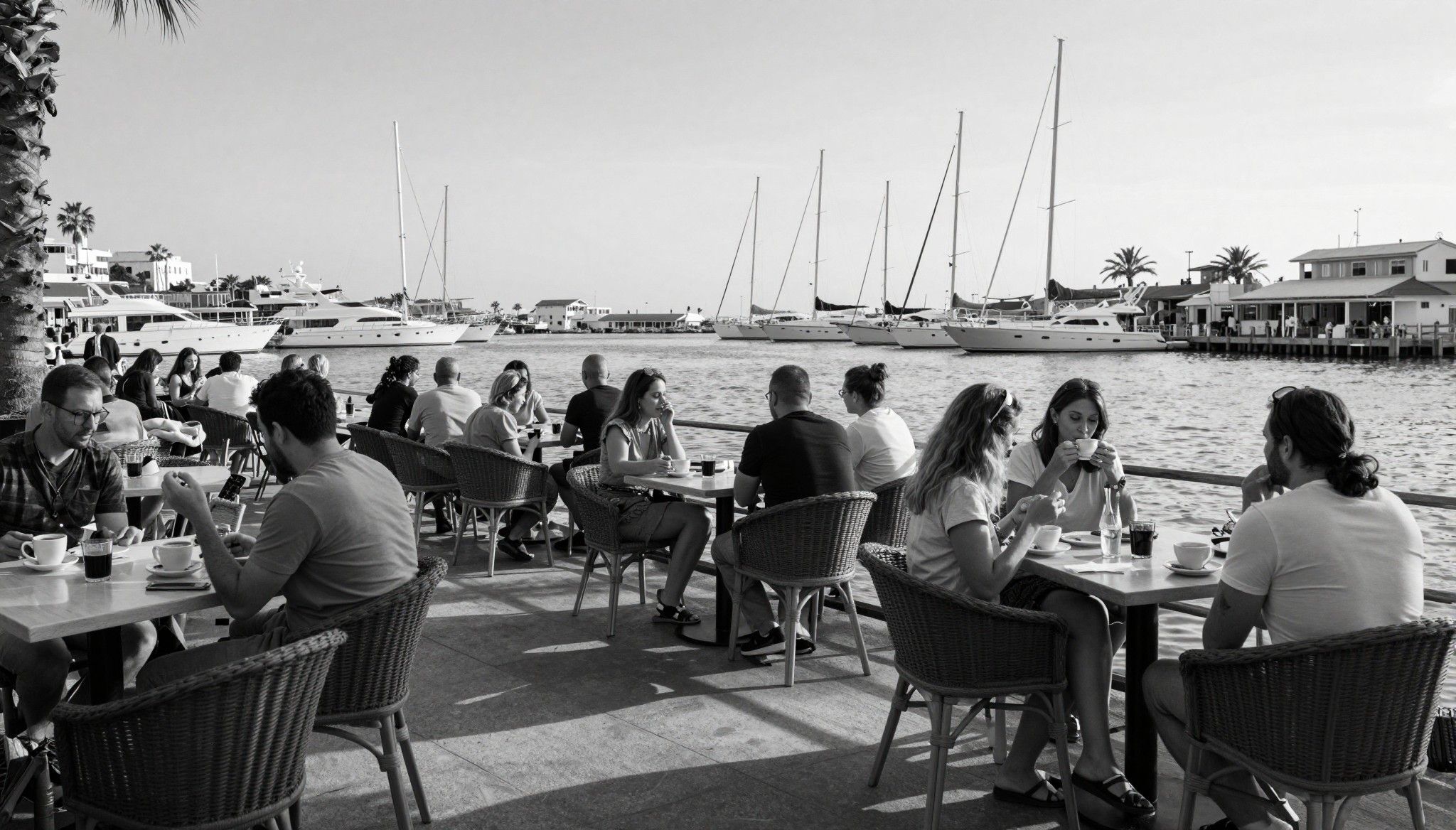
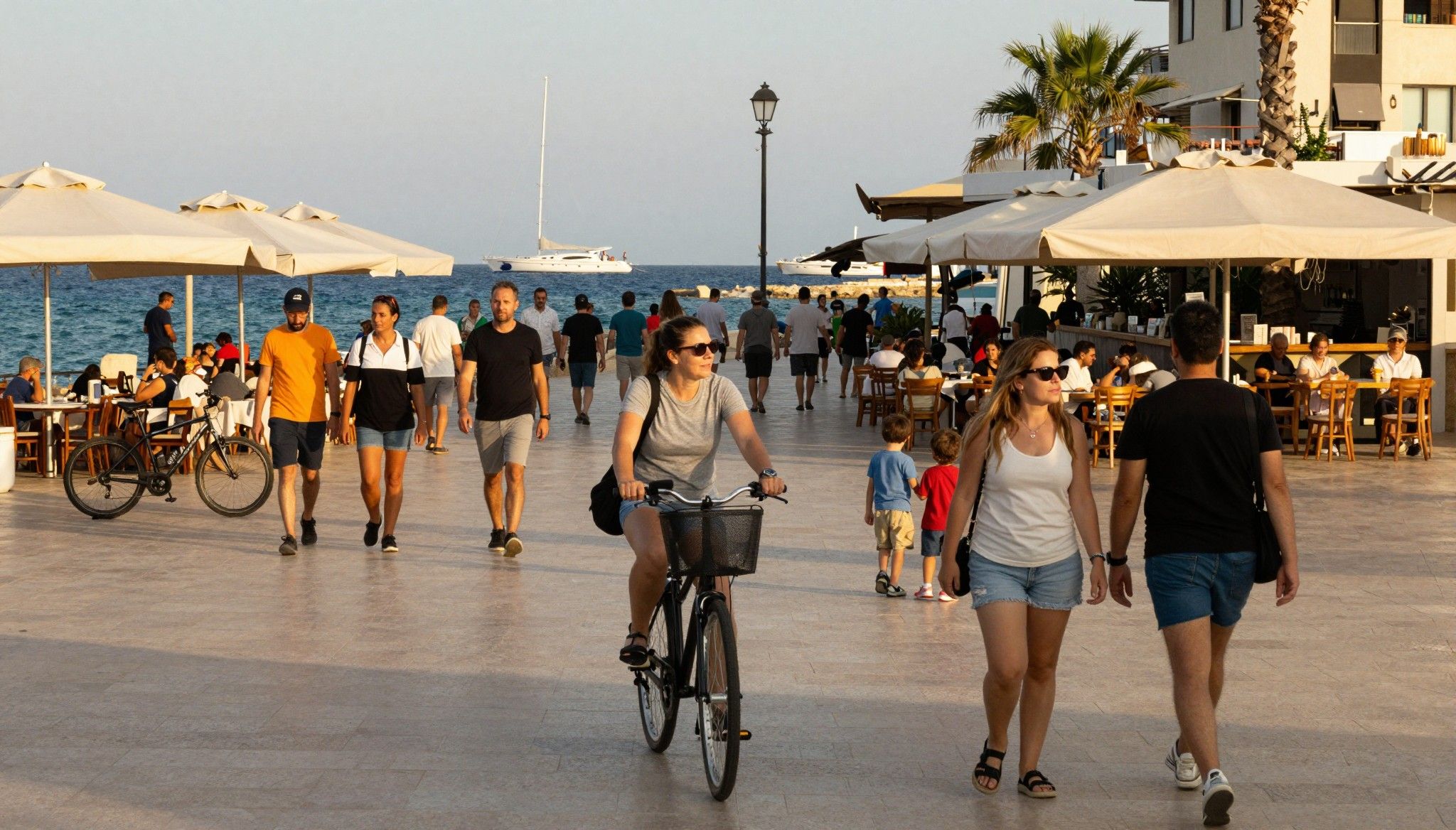
France is not one place; it’s a dozen lifetimes. Mornings in Le Marais are about boulangeries and bike couriers. Afternoons in Aix‑en‑Provence smell of lavender and marché stalls. Evenings on the Côte d’Azur are a slow, salted parade of terrace dining and late passeggiata. When you buy here you’re buying rhythm — the cadence of markets, the seasons of local festivals, the local cafés that double as community noticeboards. Those rhythms show up in the market, and they matter when you compare two seemingly identical properties.
Neighborhoods that tell different stories
Street-level character matters more than arrondissement numbers. In Paris, the Marais (rue des Rosiers) trades in boutique footfall and preserved façades; Saint‑Germain (rue de Buci) trades in cafés and cultural institutions. In Marseille, Le Panier’s narrow lanes and artisan workshops mean smaller apartments but strong seasonal demand; the Prado area gives steadier, local-family buyers. On the coast, Biarritz’s beaches and surf culture produce a different price elasticity than quieter Basque villages a few kilometres inland.
Food, markets and the social infrastructure that raises value
Local markets and dependable cafés are not decorative extras — they’re liquidity signals. A Saturday marché that’s busy year‑round indicates a neighbourhood with active community life and steady demand; a seasonal-only market suggests price spikes in summer and softer long‑term demand. Which matters when you plan rentals, resale or simply a year‑round life in France.
- Lifestyle highlights to watch for in listings and visits:
- Saturday markets that run all year (e.g., Marché d’Aligre, Paris)
- Morning footfall on the street (cafés with queues vs empty terraces)
- Local services within a 10‑minute walk (boulangerie, pharmacy, school)
- Seasonal events (festivals, regattas) that swell demand briefly
Making the move: practical transparency and where the records help
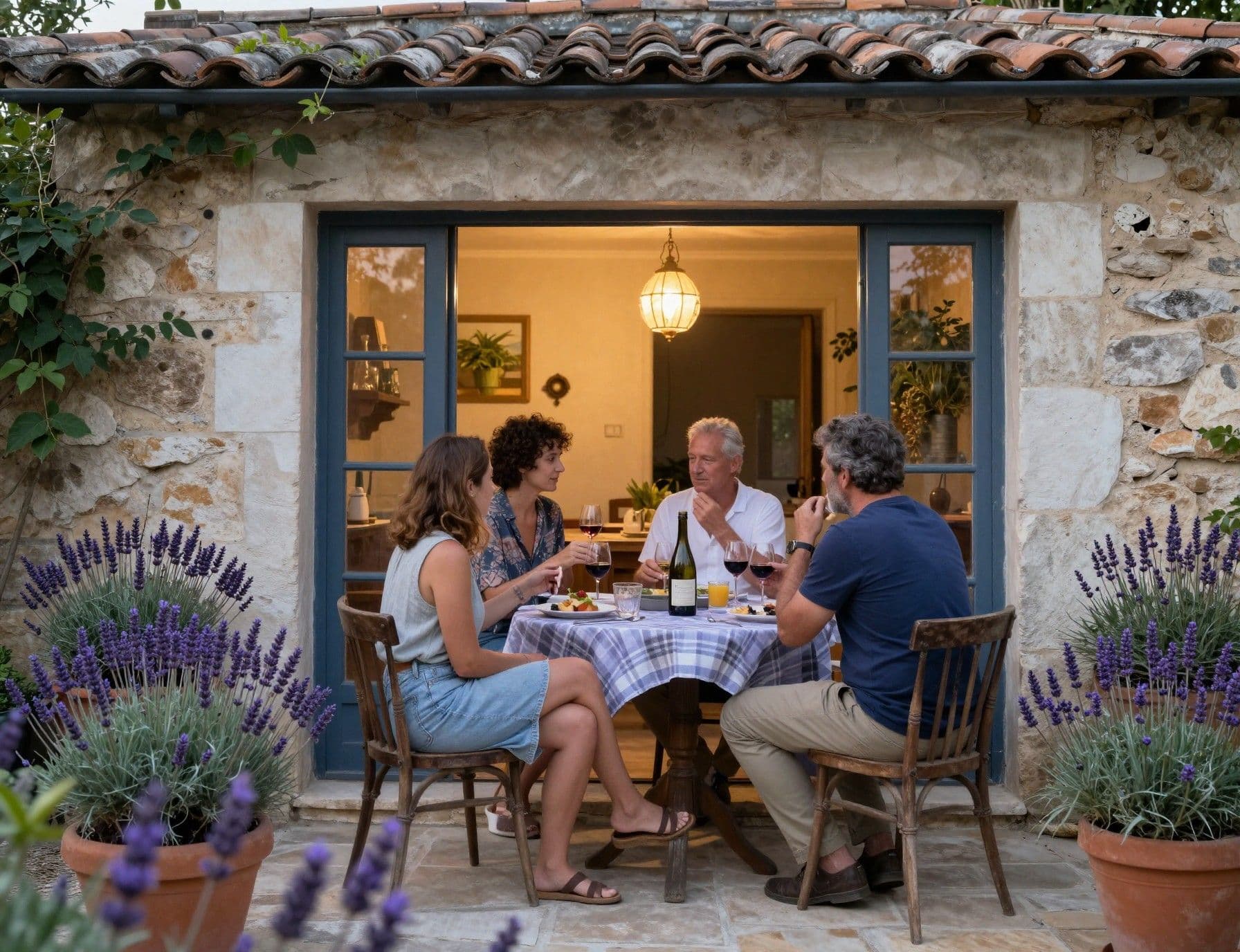
The paperwork in France looks formal because it is: notaires record every sale, and national statistics (INSEE and the Notaires‑INSEE index) give reliable, regionally granular price trends. Use those datasets to check whether a listing price aligns with recent sold prices in the same street or commune — not just the department. Those sources don’t replace local knowledge, but they reveal whether a price is above market, reflective of a one‑off sale, or part of a broader trend. (We cross‑checked the official indices to build the claims here.)
Property records you must consult (and where to find them)
The public cadastre lets you confirm parcel limits and build footprints; it’s free and often the first truth check. Notaire files (actes) record prior sales and charges; they’re accessible via notarial queries. Cross‑referencing the cadastre with the notaire’s deed reduces surprises on boundaries, hidden rights of way, or undeclared annexes.
How official price indices change the conversation
INSEE and the Notaires‑INSEE index show national and regional quirks: some coastal and metro districts continue to outpace rural areas. Those indices are quarterly, so don’t rely on them for day‑to‑day negotiation — use them to set realistic expectations for a 6–18 month horizon and to flag whether a listing is an outlier worth investigating.
- Practical steps to verify transparency before an offer:
- Pull the cadastre plan and compare property footprint to the agent’s plan.
- Ask the agent for the last three notarial deeds or a recent sale comparables list.
- Cross‑check asking price against the Notaires‑INSEE index for the commune or arrondissement.
- Request disclosures on co‑ownership (copropriété) charges, syndic minutes, and planned works.
Insider knowledge: what expats wish they’d known
We’ve seen buyers fall for a postcard view and later discover costly co‑ownership levies or restrictive municipal plans. The common regret isn’t the house — it’s the gap between the lifestyle imagined and the fine print. In France, small items in the syndic minutes (a proposed façade repair, a contested terrace) map directly to future costs and hassles. Ask for the last two years of syndic minutes before you make an emotional commitment.
Language, custom and the art of local questions
Simple questions reveal a lot: who shops at the local marché in winter? Which cafés close in August? Is the building quiet after 10pm? These are not small talk — answers indicate year‑round life, which affects rental prospects and resale. Use a bilingual agent or translator at viewings; cultural fluency turns conversational clues into actionable risk or value signals.
How seasonality skews listing language
Listings often use terms like “seasonal rental potential” or “sea‑view” as shorthand. Translate that into questions: is demand year‑round or concentrated in July–August? Does the seller rely on short‑term lets to cover costs? If yes, check municipal rules — some communes restrict holiday rentals and impose registration or tax duties that can alter expected returns.
- Red flags to spot in listings and agent answers:
- Vague floor plans without parcel or cadastral references
- No syndic minutes for co‑owned buildings or evasive answers about planned works
- Listing price far above Notaires/INSEE comparables for the same commune
- Seller insisting on cash/rapid closing without notarised pathways
Conclusion — fall for the life, then read the signs. France will seduce you — with markets, cafés, coastlines, and calm village squares — but the real skill is translating atmosphere into verifiable facts. Start with the cadastre, consult Notaires/INSEE indices for pricing context, request syndic minutes, and bring a bilingual expert to interpret local signals. Do that, and the place you love will also be a solid decision.
Swedish expat who moved from Stockholm to Marbella in 2018. Specializes in cross-border legal navigation and residency considerations for Scandinavian buyers.