Italy: Coast, City or Countryside — The Tradeoffs That Matter
Italy’s coast, hill towns and historic centres promise distinct daily lives — match the lifestyle you want to the property features and local market realities backed by ISTAT and Nomisma data.
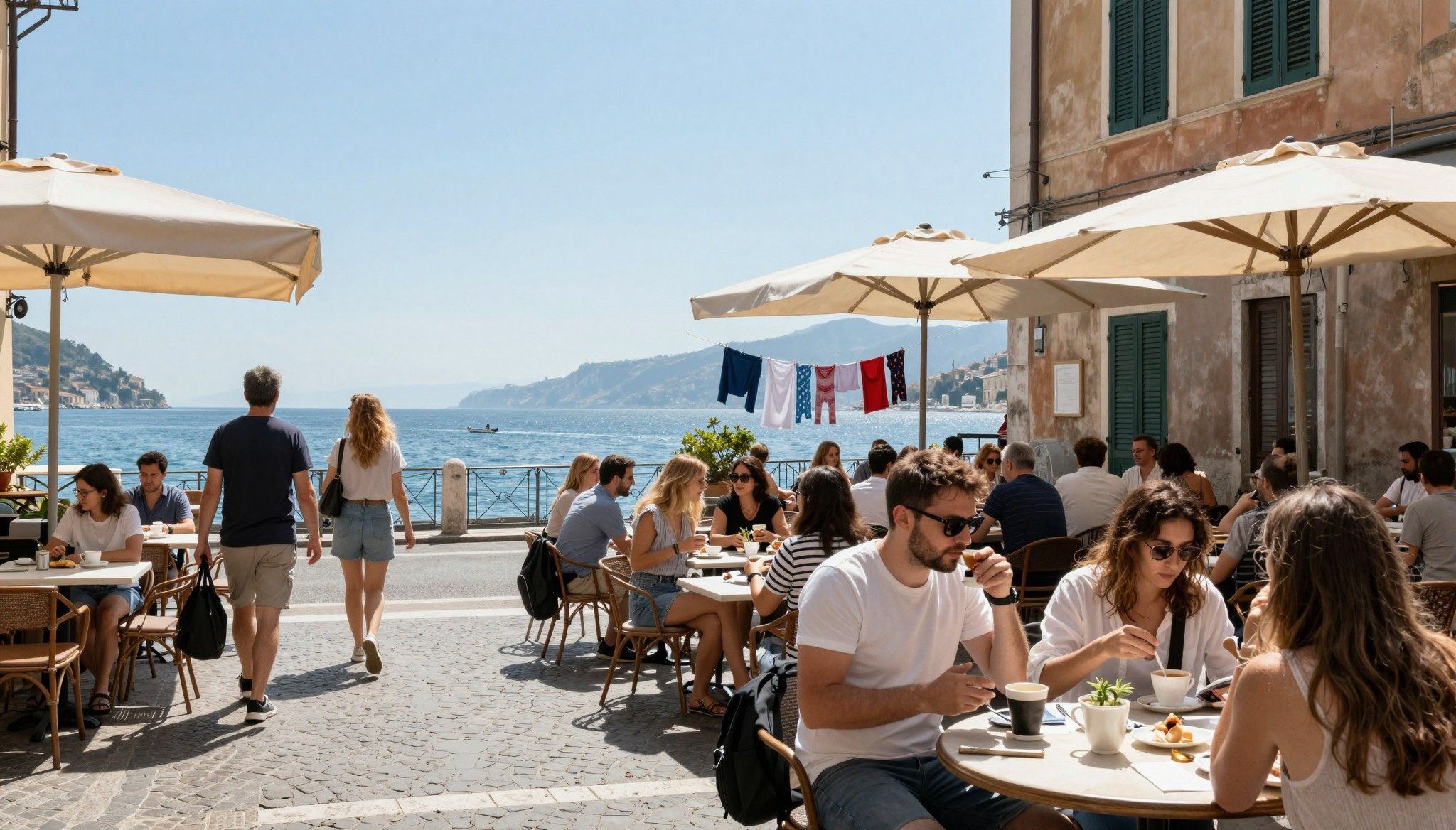
Imagine waking up to a morning market in a sun-warmed piazza, then swapping that for an afternoon walk along a pebble beach where fishermen mend nets. That stretch between dreamy scenes and everyday chores is what buying in Italy really feels like — seductive, varied and sometimes contradictory. We wrote this to help you fall in love with the life, not just the listing: the smells, the rhythms, the cafés, and the small practical trade-offs that change where you should buy. Read on for vivid neighborhood portraits, concrete market data and the odd myth we’ll happily bust.
Living the Italy Life: Mornings, Markets and the Sea
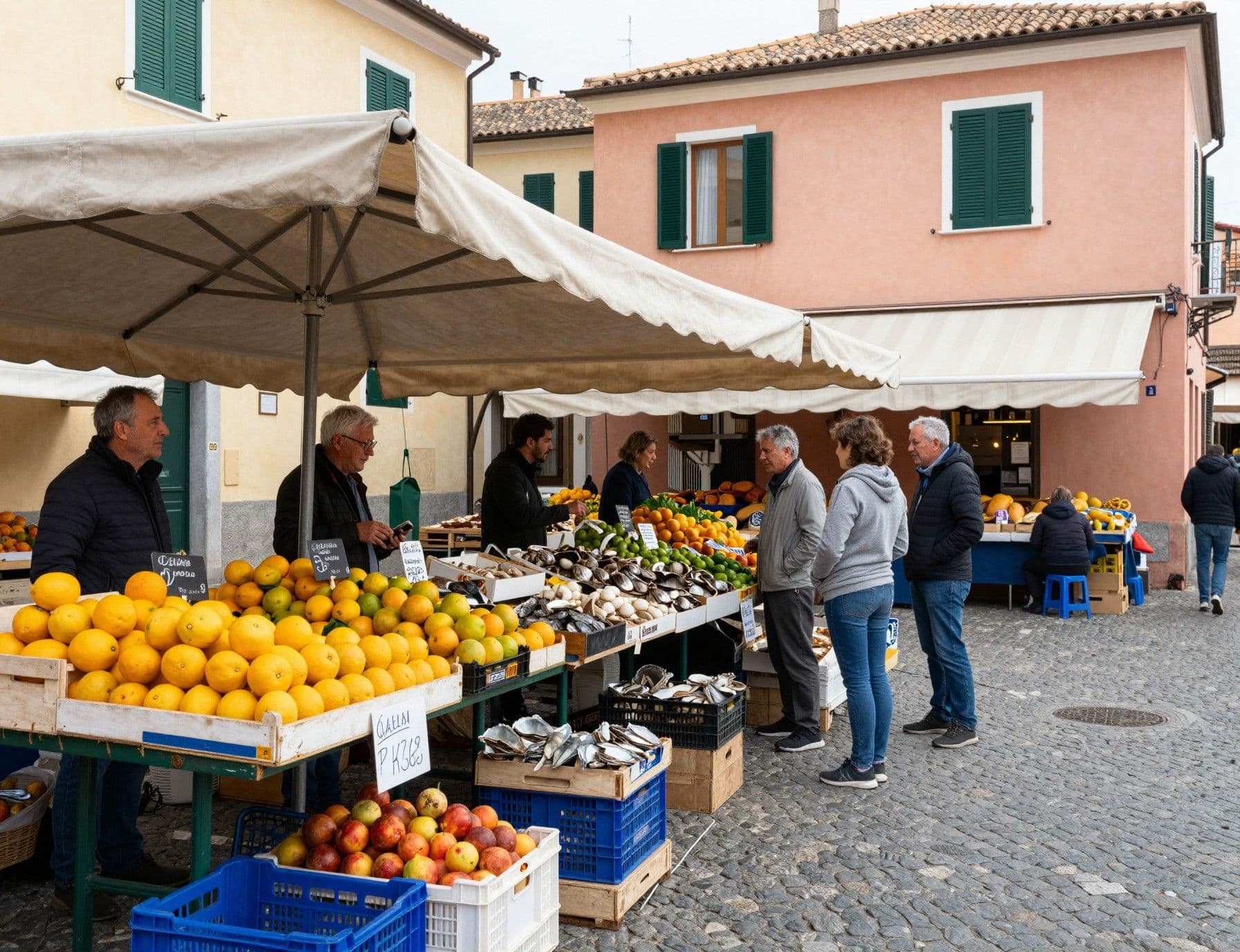
Italy is many lives in one country. In Milan you wake to espresso and efficient tramlines; on the Amalfi Coast you judge time by tides and terrace light; in Bologna the dinner hour stretches like warm pasta. For buyers, the sensory differences matter: sound (church bells vs surf), movement (pedestrian alleys vs promenades) and civic rhythm (market days, festa calendars) shape everyday living more than square metres do. Let’s look at four place-types where internationals actually settle and what each day feels like.
Historic Centres: Piazza life and afternoon light
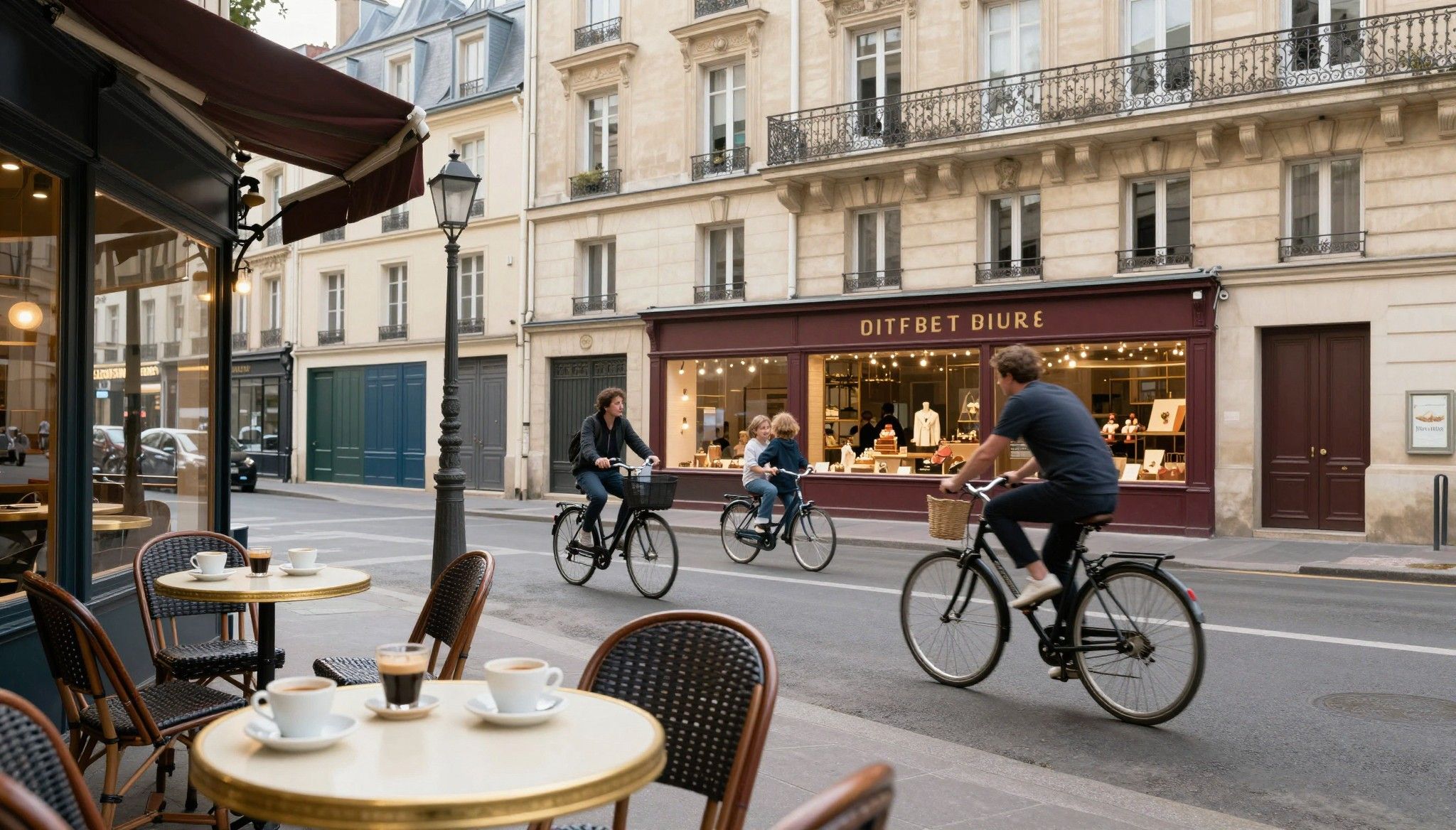
Historic centres — think Trastevere in Rome, Brera in Milan or the Centro Storico of Siena — give you cobbles, tiny bakeries and an immediate sense of neighbourhood. You’ll hear conversations spill from café tables, see the same barista each morning, and learn which trattoria keeps the slow-cooked ragu warm on Wednesdays. Practically, expect higher maintenance (old buildings, narrow staircases) and rules from soprintendenze when you renovate. But if your daily picture includes a corner café and immediate walkability, these areas are unmatched.
Coastal Towns: Sea air, seasonal rhythms
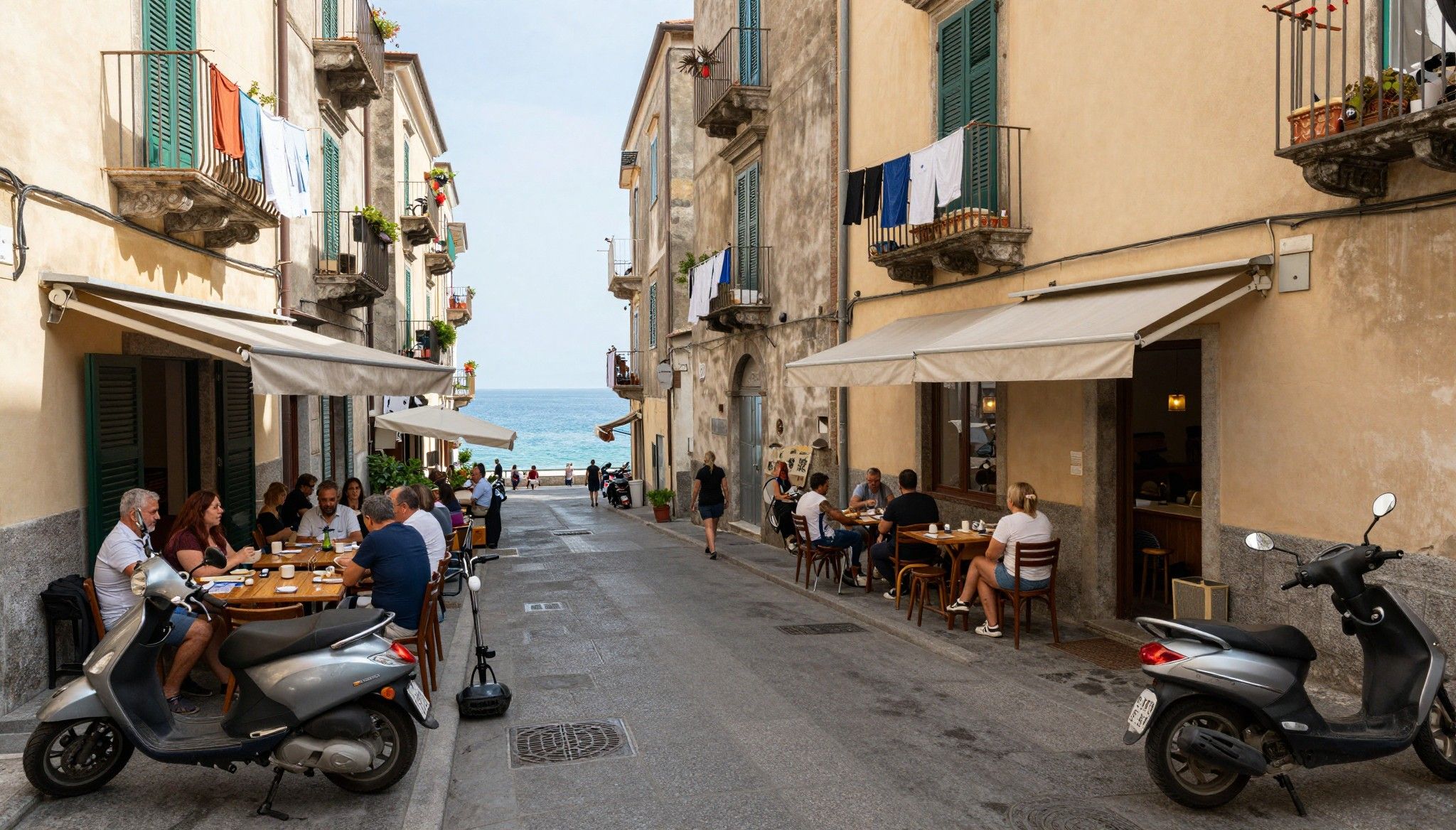
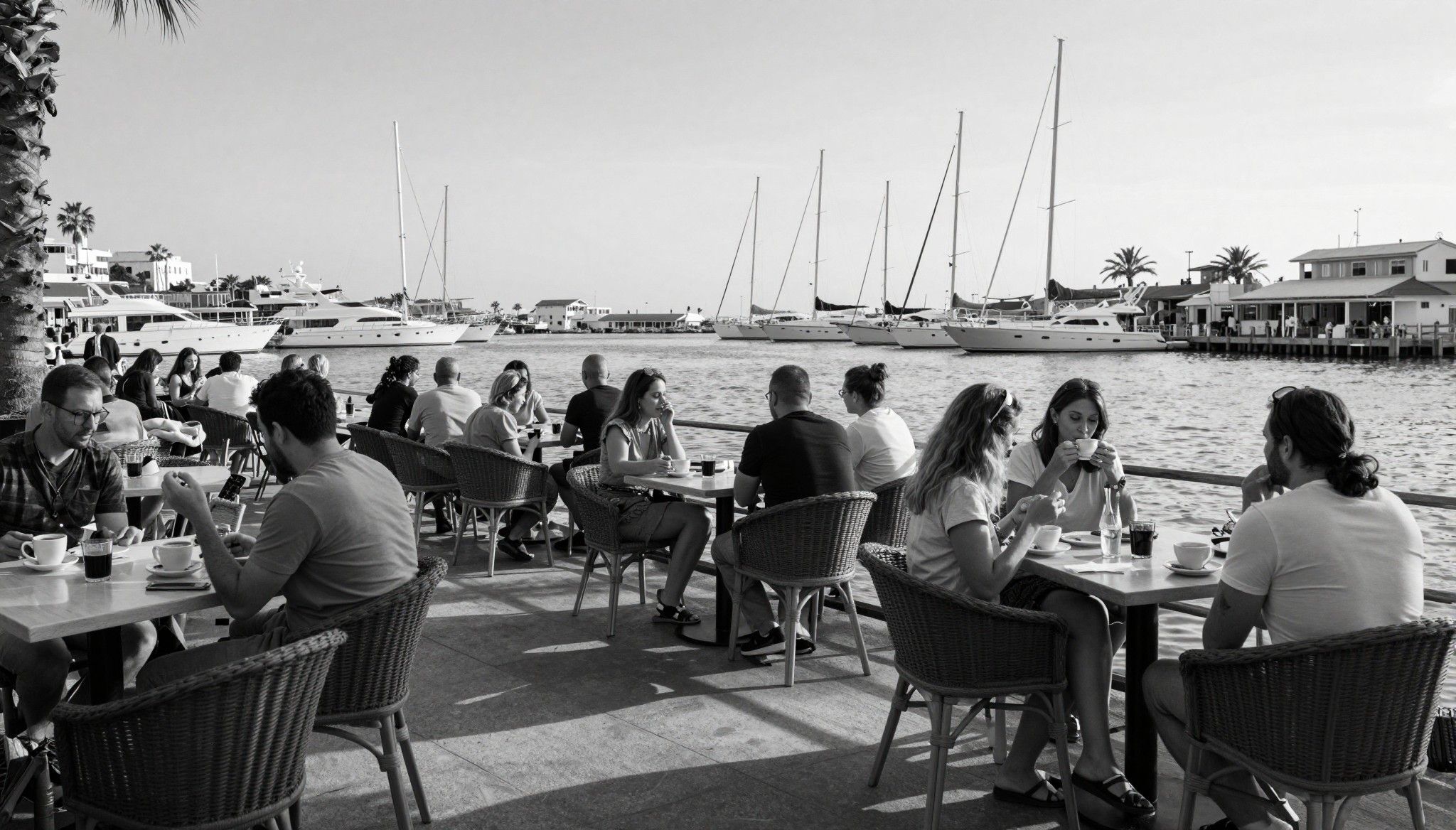
From Liguria’s pastel harbours to Puglia’s long sandy stretches, coastal towns breathe a different schedule: high energy in summer, intimate quiet in winter. You trade a year-round café culture for a calendar driven by season — festivals, beach clubs opening and local produce peaking in summer months. Properties here often include outdoor living (terraces, pergolas) that define how you use the square metres; invest in shade and windproofing, not just views. If you crave surf, seafood markets and promenades, the coast gives daily rituals that city centres can’t replicate.
Countryside & Hill Towns: Slow time and long views
Tuscany’s hill towns or Umbria’s valleys reward patience: olive harvests, vineyard fogs and afternoons on a loggia. Life here runs on local calendars — market Saturdays, harvest festivals, church festas — and neighbours know one another. Expect longer drives for international schools, hospitals and high-speed rail. The upside is space: gardens, cellars, and the sense that property is as much a lifestyle project as an asset.
Making the Move: How Lifestyle Choices Should Shape the Purchase
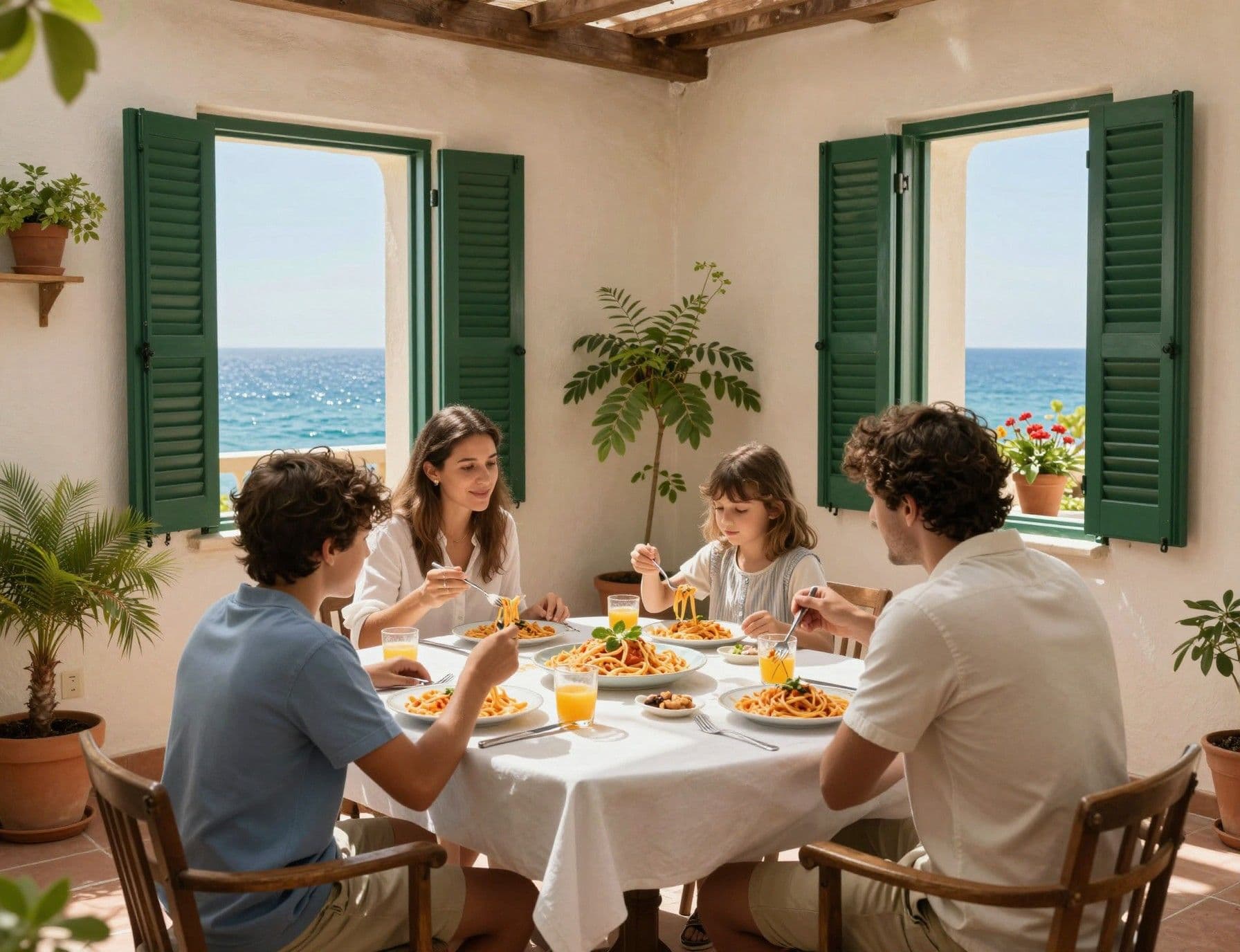
Living-image comes first; contract details follow. Price dynamics in Italy have been quietly firm: official figures show house prices and transactions recovering through 2024–2025, with regional divergence between major cities, popular coasts and inland towns. That means you can still find value, but your timing and local focus matter. Before you bid, match daily life (commute, shops, noise) to property features (terrace orientation, insulation, shutters) — these choices often change your enjoyment more than a marginally lower price per m².
Property types and what they mean for living here
A modern apartment in Milan buys convenience and services; a seaside villa buys outdoor life and seasonality; a restored farmhouse buys land and a long-term renovation project. Nomisma’s outlook (2025) highlights that market strength is uneven — urban cores and tourist coasts show different liquidity and potential for rental income. Think: do you want a lock-up-and-go pied-à-terre, a lived-in family home, or a project you’ll restore over years? Each needs different due diligence and specialist advisors.
- Steps to match lifestyle to property (practical + lived-in)
1) Map daily routes: morning coffee, supermarket and Saturday market. 2) Check terrace orientation and prevailing winds for summer comfort. 3) Ask about communal heating, condominium rules, and renovation permissions. 4) Understand tourist-season dynamics if you plan rentals — occupancy swings can be large. 5) Budget for energy upgrades; older properties reward insulation and efficient systems. 6) Meet neighbours: they’ll tell you the real story about noise, deliveries and festa schedules.
Insider Knowledge: Myths, Local Rules and Expat Lessons
Myth: "Italy is uniformly expensive on the coast." Reality: coastal pricing varies enormously by stretch and season; local micro-markets matter more than region labels. ISTAT’s house-price releases show national increases but strong local differences: cities, high-demand coastlines and quieter inland towns each move differently. Expats often underestimate bureaucracy and overestimate immediate resale prospects — patience and local partners pay off.
Cultural cues that change where you fit in
Language matters, but habits matter more: punctuality in offices, market rhythms, and how neighbourhoods socialise. In smaller towns you buy into a community — expect invitations and inquisitiveness. In big cities the relationship is transactional and conveniences are easy to hire. If you imagine joining local groups (volunteer, food, walking), choose a place that already offers those rhythms; it changes how quickly you feel at home.
- Expat red flags and local realities
• Off-season vacancy: many coastal properties sit empty outside summer, increasing maintenance costs. • Unrecorded works: check past permits — informal renovations are common. • Condominio surprises: shared building rules can limit rentals or renovations. • Access: narrow lanes and stairs are lovely until you move furniture or age. • Utilities: confirm broadband and heating types before buying if you plan remote work.
Practical note: use local registries and ask your notary for a cadastral check, municipal permits and any liens. Work with agents who routinely handle non-resident purchases and can open doors to reliable geometri, architects and accountants. A good local team translates lifestyle desires into the right neighbourhood and a clear contract.
What we’d tell our friends who want the coast but fear the winter
If you love the coast but dread empty winters, split the difference: buy a smaller coastal property and a nearby inland pied-à-terre for winter months, or seek towns with year-round populations (working ports, university towns). Market reports show demand and supply differ by coast; the livelier coasts keep better liquidity off-season. Above all, plan for running costs and winter weatherproofing before you sign.
Conclusion: Fall for the Life — Then Book the Experts
Italy sells itself in scenes: espresso on the corner, a sunset over a tiled roof, a market stall that knows your name. But good moves combine that feeling with local facts — market trends, building permits and the right on-the-ground team. Start by visiting the rhythm you want, take notes on daily life for a week, then bring a trusted notary, geometra and agent to the table. If you want, we can connect you to specialists who match lifestyle to diligence — because the best purchase is the one you love living in.
Norwegian market analyst who serves Nordic buyers with transparent pricing and risk assessment. Specializes in residency rules and tax implications.