Buy the Rhythm: Italy’s Coastal Life and Property Tradeoffs
Italy’s coasts promise market variety and seasonal life — buy the rhythm, not just the view, and pair lifestyle picks with targeted local due diligence.
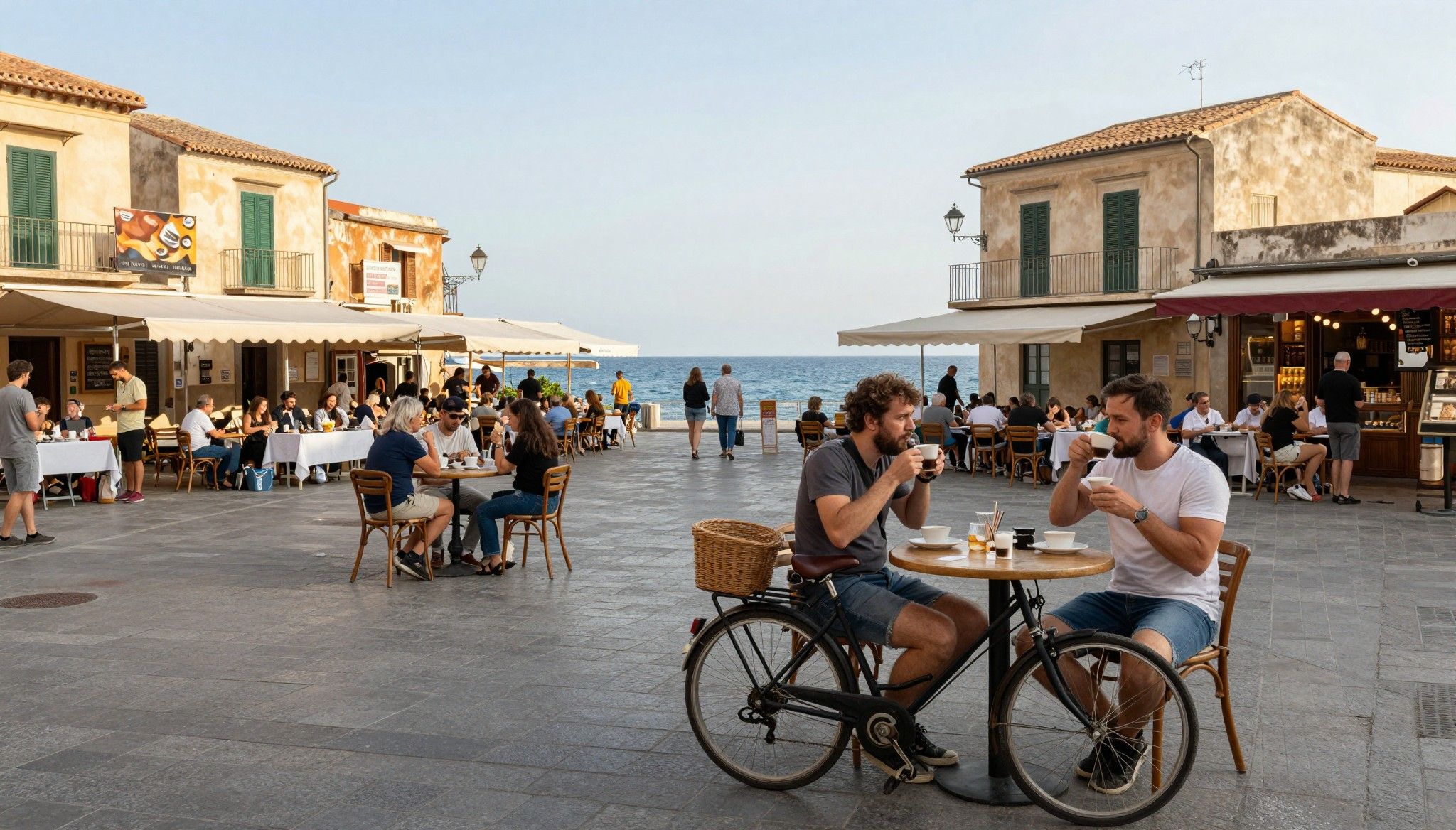
Imagine a morning espresso on Via del Corso, a weekend market in Mondello, and a late‑afternoon swim off a Ligurian cove — Italy is a collage of routines that feel like a full‑time holiday. Recent market analysis shows steady regional variation and pockets of opportunity that international buyers can use to shape a very personal life here. We’ll start with the life you’ll actually live, then walk through the property realities that make that life possible.
Living the Italy lifestyle
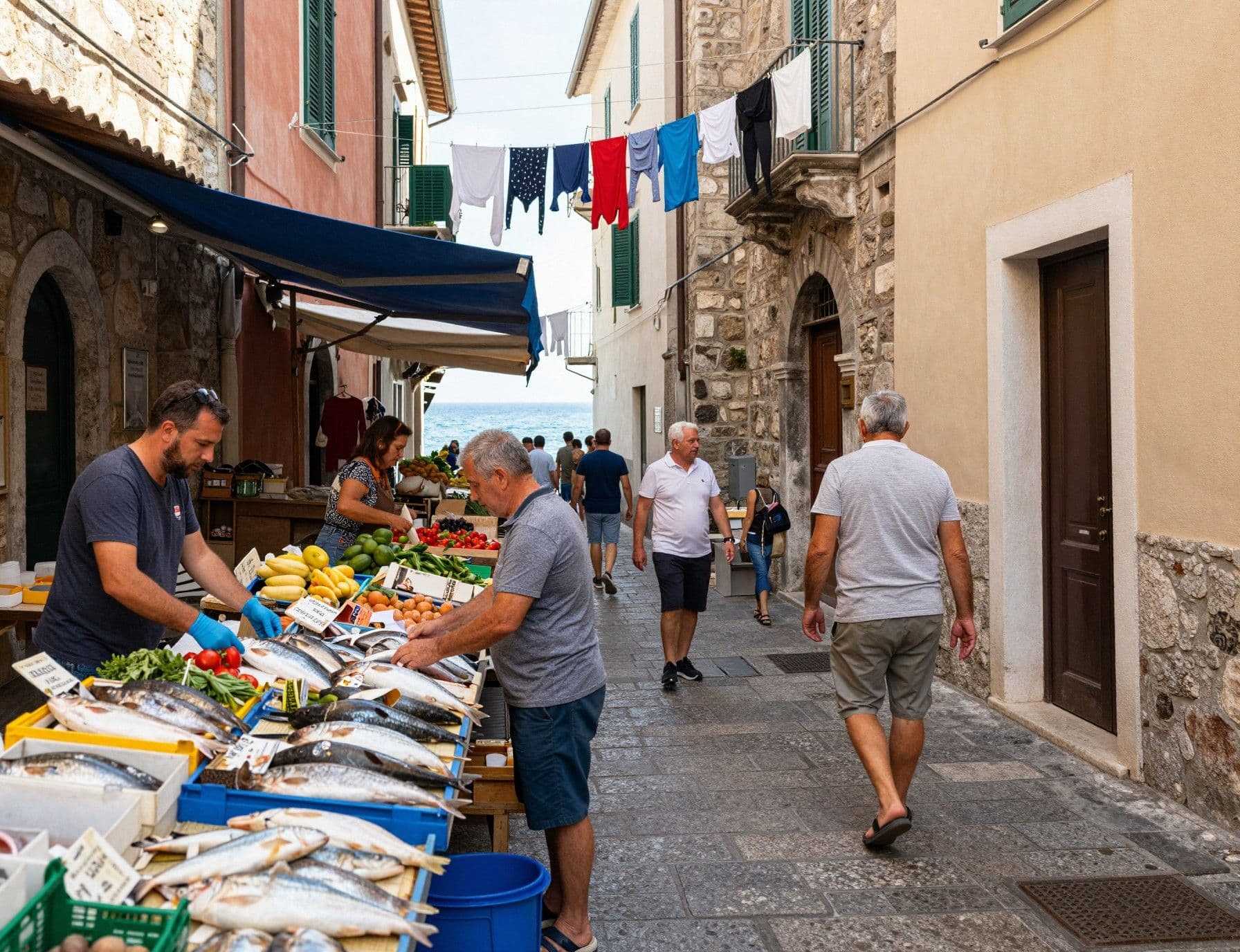
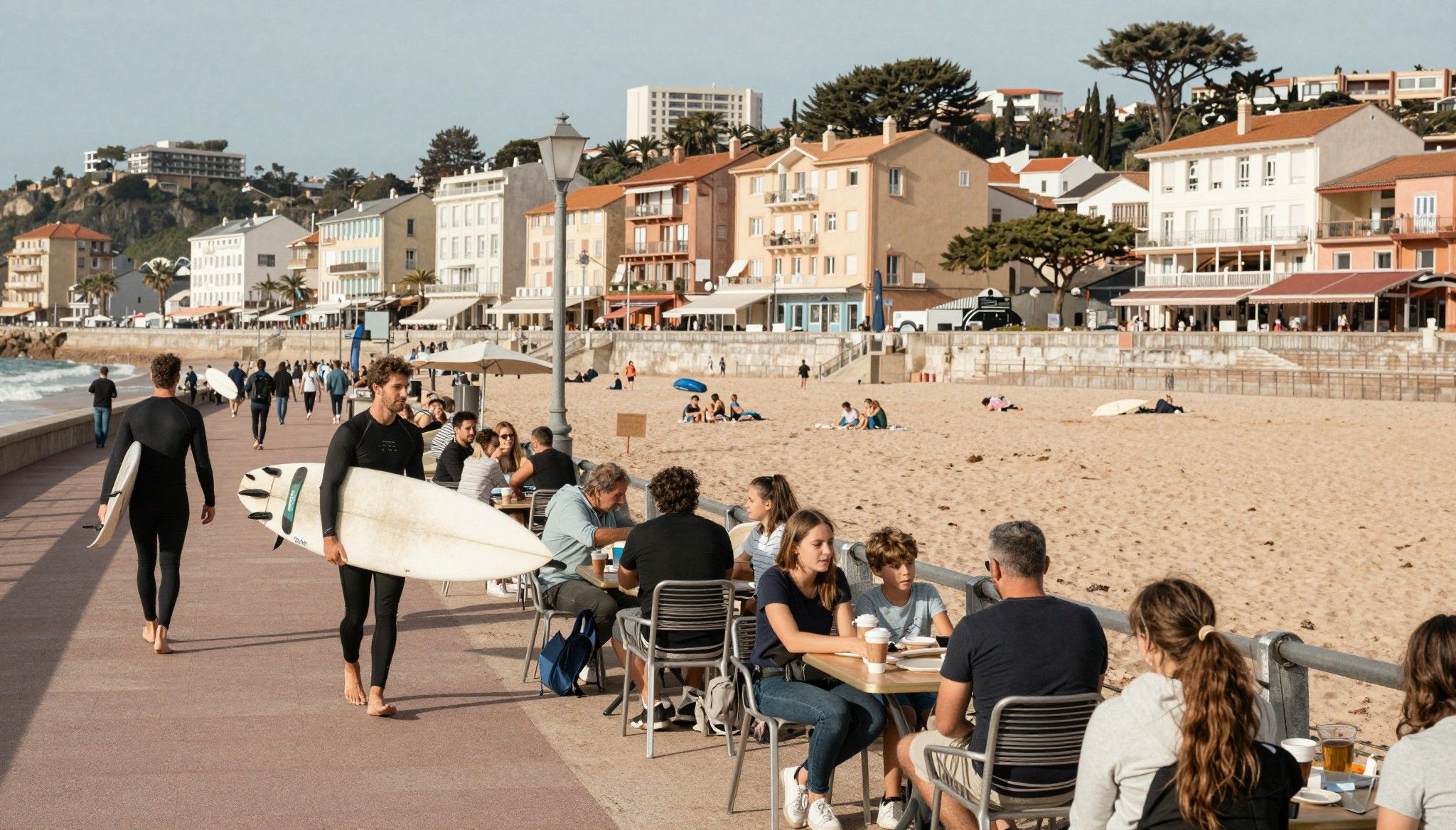
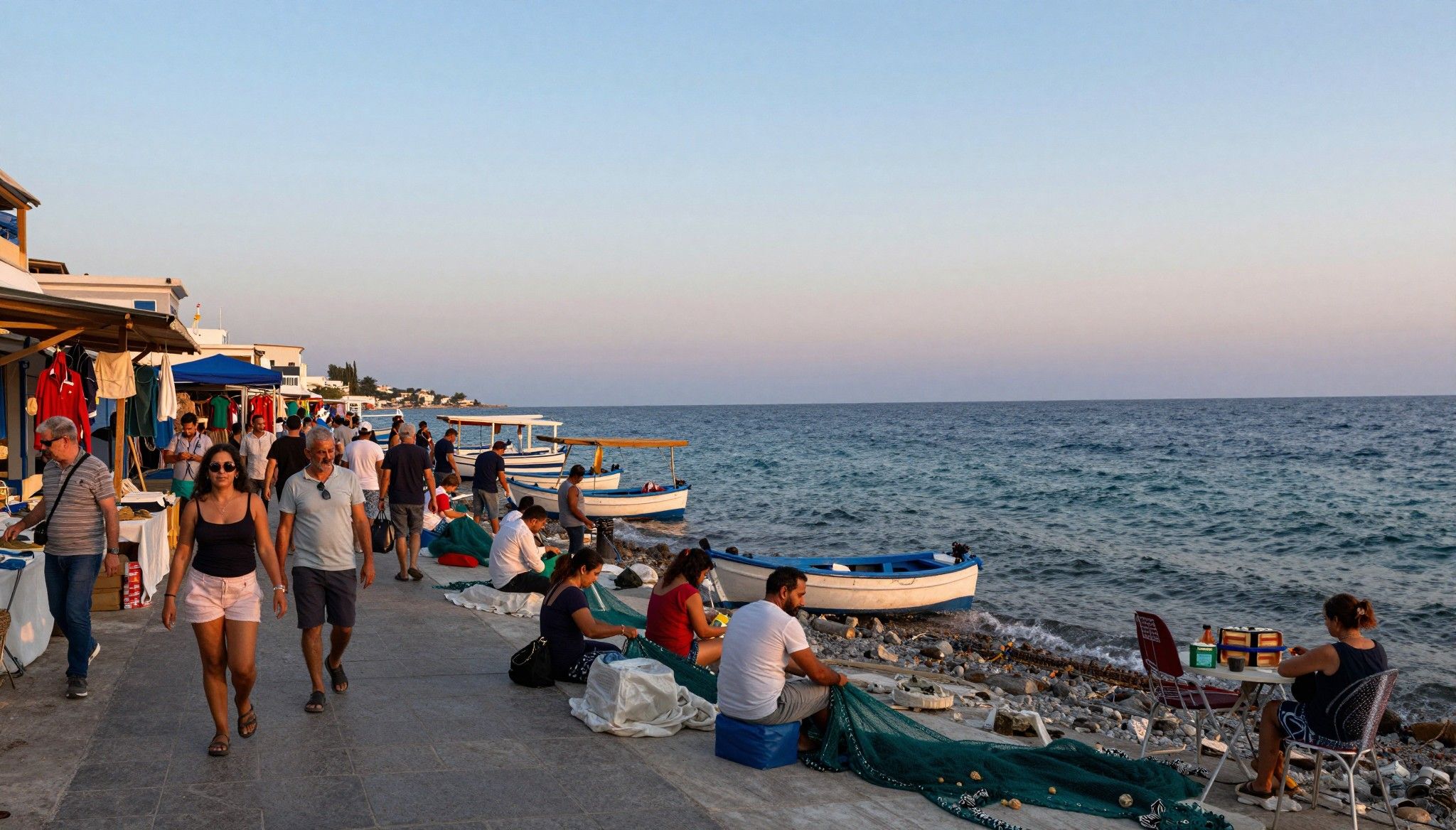
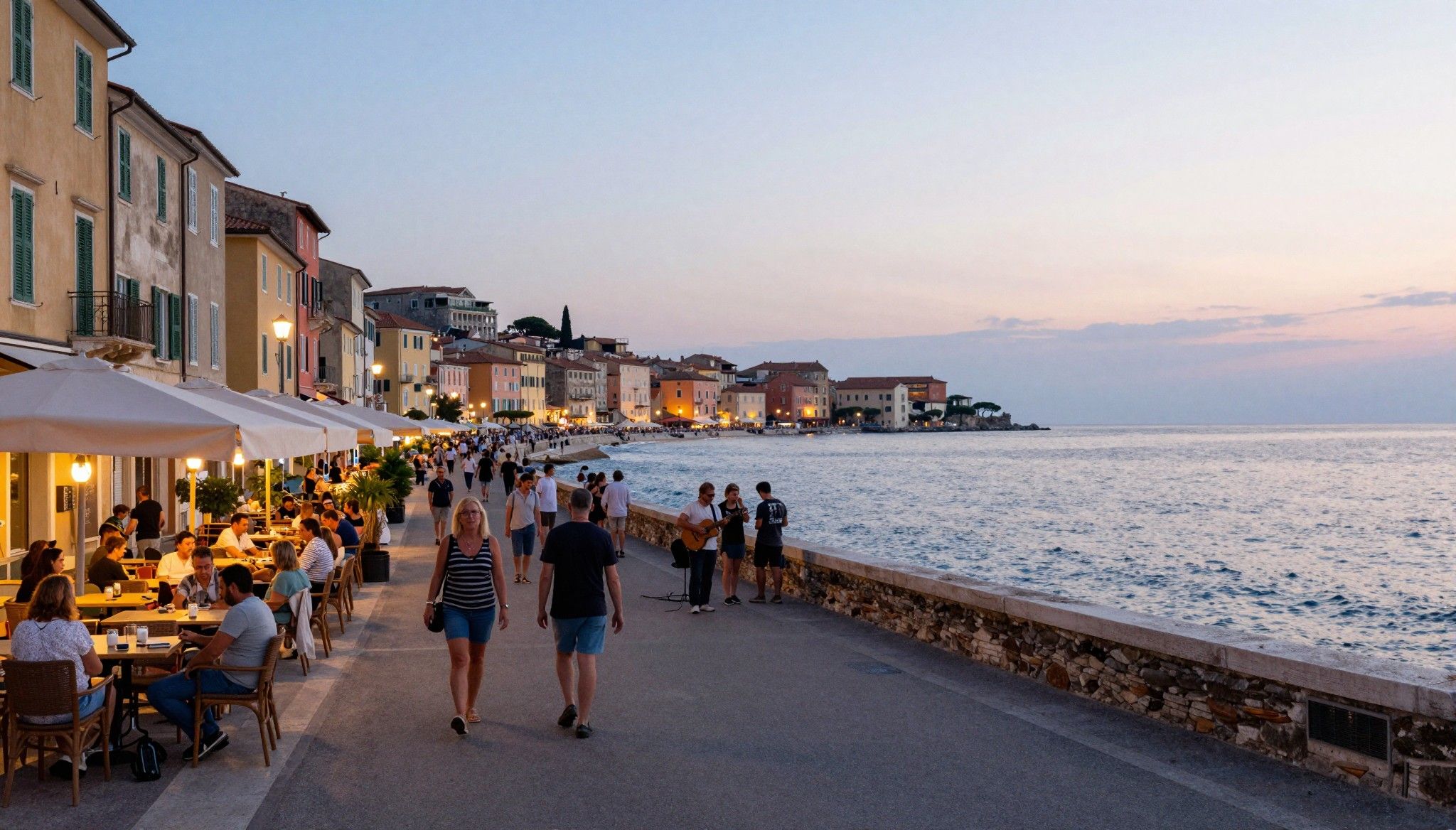
Italy isn’t one lifestyle folded into different postcodes — it’s many. In coastal Liguria you get narrow streets, late‑night gelato runs and fishing boats at dawn; along the Amalfi coast it’s terrace gardens and winding staircases; on the Adriatic, long sandy beaches meet slow seafood lunches. The daily rhythm changes by region: the north runs on early cafés and efficient public transit, the south moves at a more languid pace where the piazza is still the social calendar.
Neighborhood spotlight: Genoa’s Carignano to Liguria’s hidden lanes
Walkable terraces, cheiro of fresh focaccia, and stairways that double as shortcuts — Carignano and adjacent hills reward buyers who prize texture over postcard views. Streets like Salita di Santa Caterina host small cafés and boutique workshops, and properties here often have curious layouts: small terraces, vaulted rooms and stone details that read beautifully once you learn to live in them.
Food, festivals and beach life: where to plan your week
Picture a Thursday at the Mercato di Ballarò in Palermo, Saturday aperitivo in Santa Margherita Ligure, and a Sunday afternoon walking the lungomare in Pescara. Local festivals — sagra events celebrating eel, truffles or lemons — shape seasonal life and can make quieter towns feel instantly alive. Market activity and local demand vary by season; portals and regional reports point to resurging interest in smaller coastal towns as buyers trade buzz for tempo.
- Lifestyle highlights to seek out
- Morning espresso on a neighborhood piazza (try Caffè degli Specchi in Trieste for the ritual).
- Weekly fish market followed by a cook‑at‑home evening (Palermo’s Capo market or Genoa’s Porto Antico stalls).
- Early‑season truffle hunts and autumn sagre in Umbria — perfect for buyers who want seasonal community life.
Making the move: practical considerations
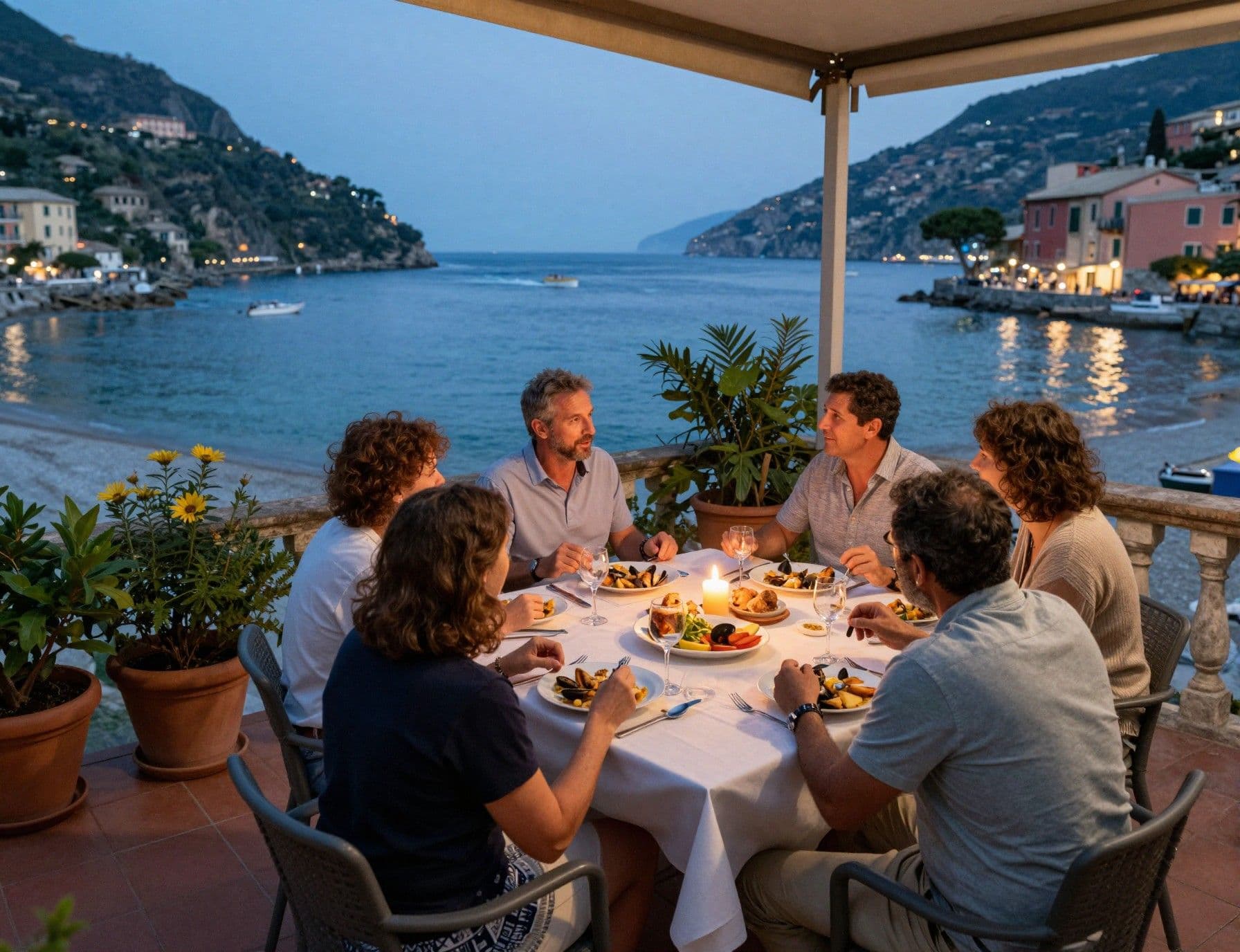
The life you want should determine the property type you pursue. Official statistics and industry reports show regional price divergence: city centres like Milan and Rome behave differently to smaller coastal towns. Before you fall for a view, match daily logistics — groceries, health services, transport — to how you’ll actually live. That reduces renovation surprises and lifestyle friction once you arrive.
Property styles and how they shape living
Seaside apartments often prioritise terraces and cross‑breezes over large internal square metres; historic townhomes reward adaptive reuse but often need wiring and plumbing upgrades. Newer developments in provincial hubs deliver predictable floorplans and parking — useful if you plan long stays and value convenience. Choose the type that complements routines: entertain on a terrace, or prefer an open plan for winter months inland.
Working with local experts who know the life
An agency that understands local rhythms — which cafés fill up at 10am, which trains matter, seasonal restaurant closures — will find homes that actually suit your life. Local notaries and accountants translate legalese; a bilingual agent will spot clauses about condominium rules or maintenance reserves that matter for terraces and shared pools. If residency is part of your plan, check investor visa options early; they’re formal processes with documentation you’ll want lined up.
- Steps that blend lifestyle and logistics
- Spend a week living like a local in your shortlisted town (rent, shop, use public transport, visit a doctor).
- Commission a local property inspection focused on humidity, insulation and terrace waterproofing — coastal properties often hide water issues.
- Ask your agent for recent community meeting minutes or condominium budgets; small fees add up and change the seasonality of costs.
Insider knowledge: what expats wish they’d known
Real talk: language matters more than paperwork in day‑to‑day life. Speaking enough Italian to make small talk at the market opens doors faster than a duplicate set of keys. Expect quieter winters in many coastal towns; the same silence many buyers crave becomes a maintenance factor if you’re not there to manage pipes or plants.
Cultural integration and social rhythms
The piazza is where neighbours meet; introduce yourself. Enroll in a market‑based cooking class, join a walking group, or volunteer at a local festival and you’ll build a social safety net faster than attending expat meetups alone. In many towns, being known locally translates directly into smoother renovations, faster tradespeople and better information on off‑market sales.
Long‑term lifestyle and investment considerations
Data shows modest national price growth with notable local winners. If you plan to rent, coastal towns with reliable tourism seasons can deliver occupancy, but winter income varies greatly. Diversify expectations: buy for life first, upside second. Use local market reports to check recent transaction volumes and price trends before making offers.
- Red flags local buyers watch for
- No condominium minutes or murky service-charge accounting — ask for two years of statements.
- Unexplained damp or recent patches on terraces — coastal waterproofing is often deferred.
- Vague boundary descriptions in older deeds — insist on a cadastral (catasto) check.
Conclusion: Italy’s coastlines and towns give you a life full of ritual, food, and slow afternoons — but the best purchases are the ones that pair that life with clear paperwork and a local team who gets the rhythms. If you love terraces, early markets and small‑town festivals, start with three days living like a local in your shortlist, commission a targeted inspection, and ask your agent for recent community accounts. We'll connect you with vets who know both the market data and the market’s personality.
Danish investment specialist who relocated to Costa del Sol in 2015. Focuses on data-driven market timing and long-term value for Danish buyers.