France: Where Micro‑Markets Beat National Myths
France’s romance hides micro-market realities — use Notaires‑INSEE, DVF and local rhythms to match the life you want with data-backed property moves.
Imagine a Sunday morning in Aix-en-Provence: warm light on limestone façades, a marché alive with olives and chèvre, and a short walk back to a quiet stone apartment where balconies open to jasmine. That sensory life is why people come to France — not the financial charts. Yet those same charts matter when you move from dream to deed. We begin here: a lived-in picture of France, then translate what recent data really means for buyers like you.
Living the French life — what you actually buy
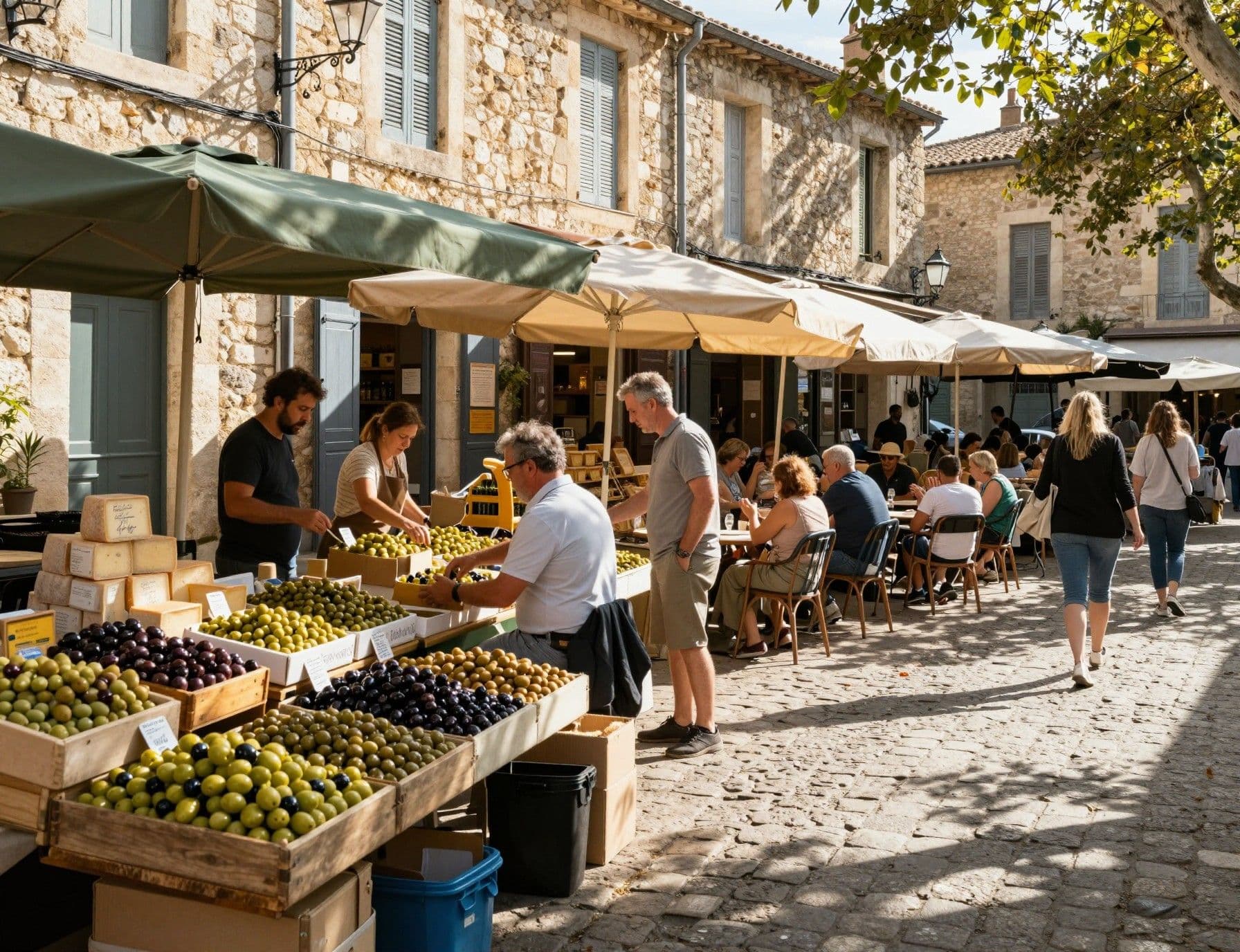
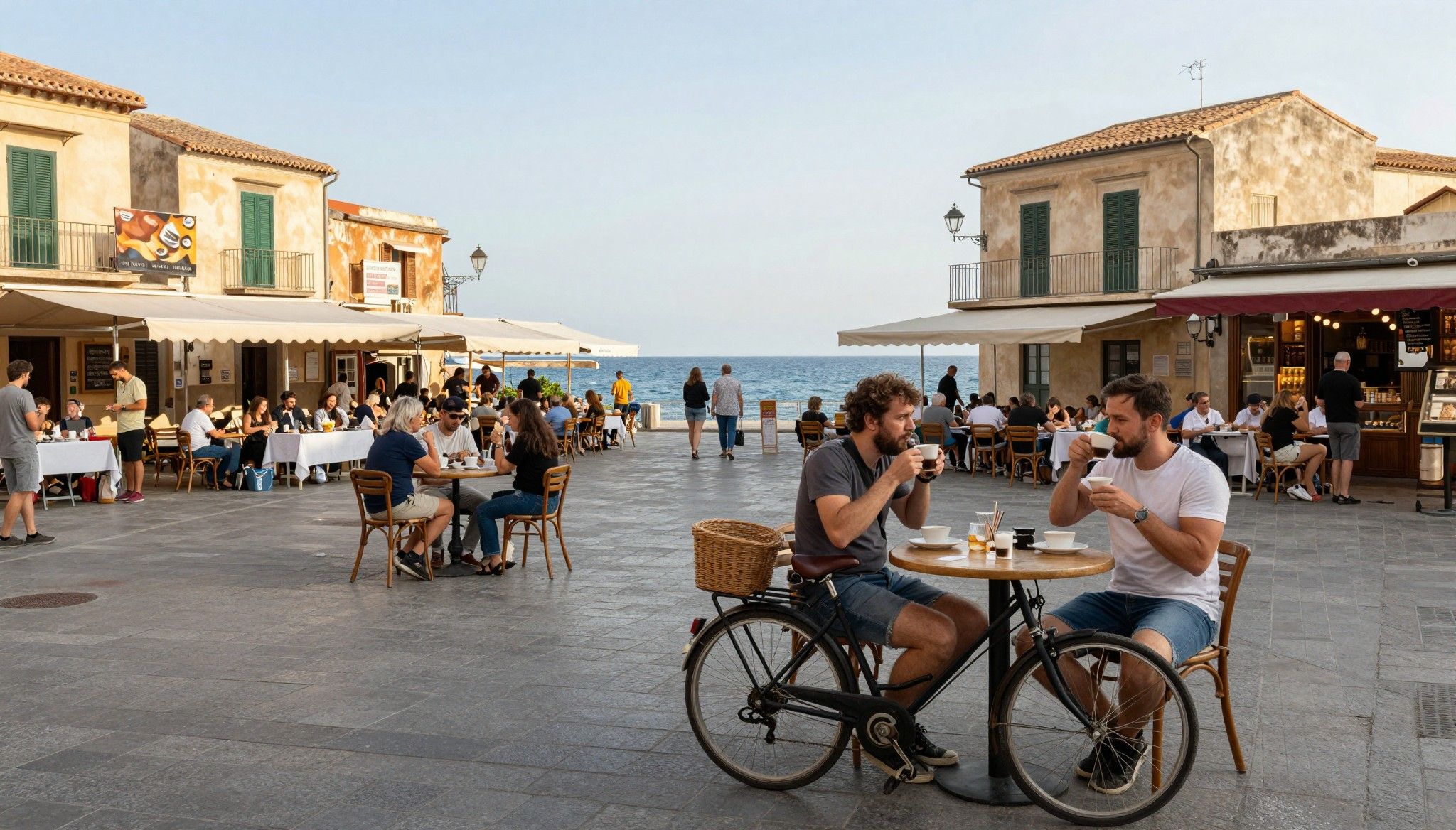
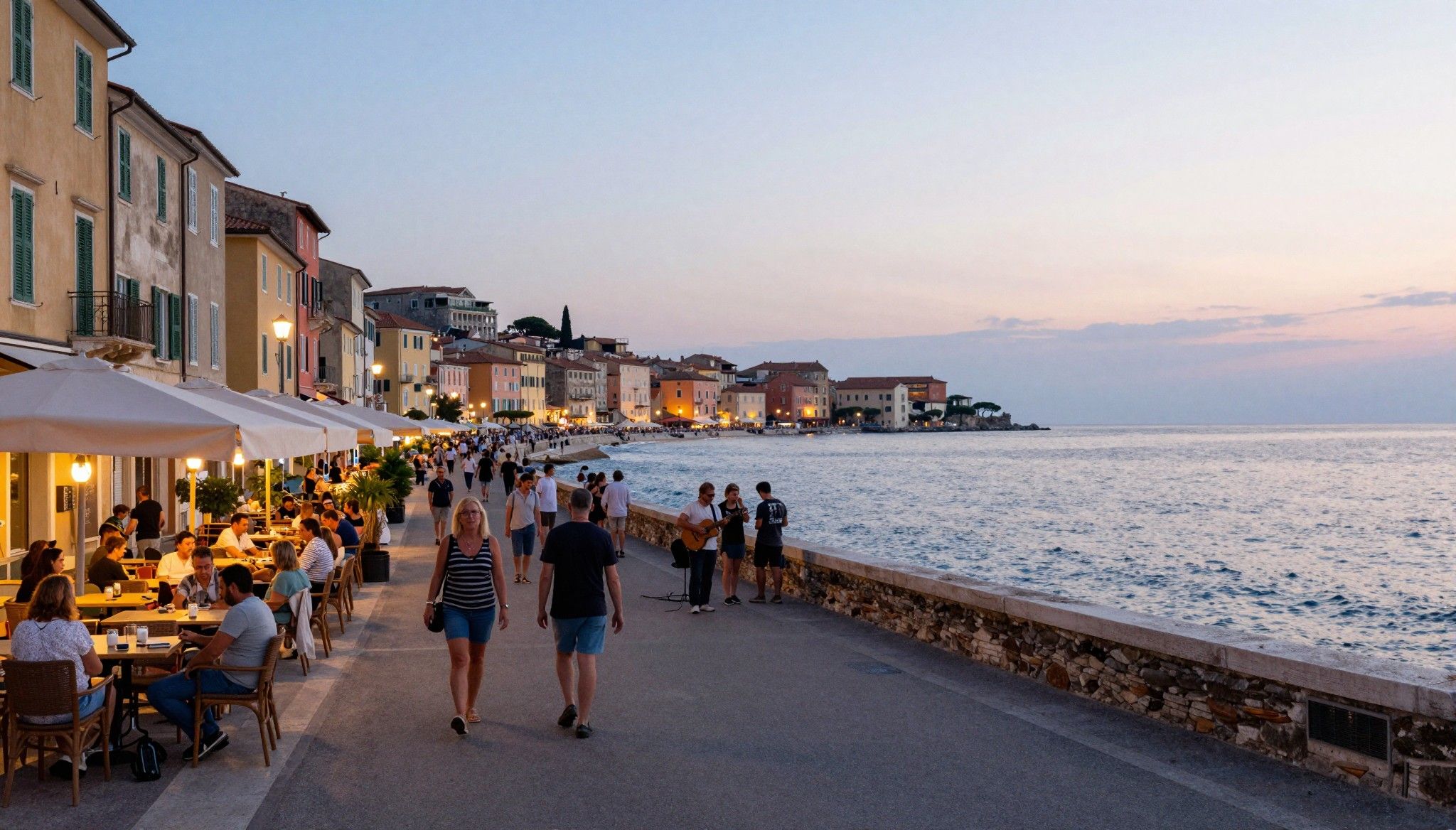
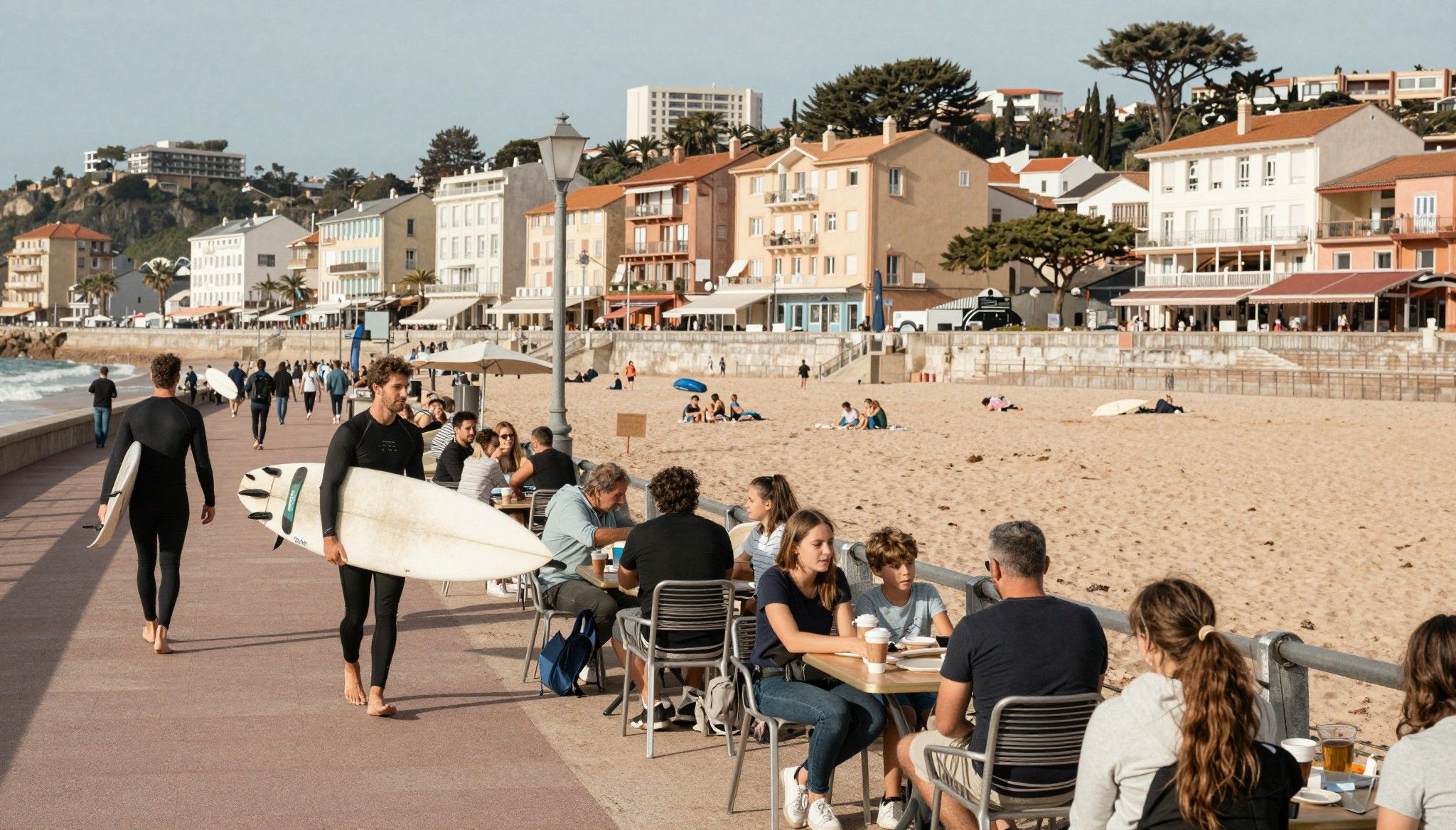
France is many lives at once: morning cafés in Montmartre, seaside terraces in Saint-Jean-de-Luz, château silence in the Loire. Each rhythm influences the kind of property that suits you — a compact Parisian flat for walking life, a sunlit Provençal maison for market weekends, or a coastal apartment for surf and short escapes. That choice shapes price sensitivity, maintenance expectations, and rental potential. When we talk price trends later, think in terms of these life patterns, not only €/m².
Neighbourhood spotlight: Paris 10th, Lyon Croix-Rousse, Biarritz centre
Walk the Canal Saint-Martin in the 10th and you’ll see young families, independent bookstores, and cafés that spill onto cobbles — a micro-market where small flats hold value because of lifestyle proximity. Croix-Rousse in Lyon trades panoramic views for artisan ateliers; buyers here often prioritise light and volume over a perfect commute. Biarritz’s centre is louder in summer, quieter in winter, and its coastal premiums reflect a dual market: holiday demand and year-round surf culture. These pins on the map explain why price movement often clusters by street, not city.
Food, markets and the weekly ritual — why location matters more than size
If your life will orbit around markets, cafés and evening promenades, a smaller, well-situated apartment will outperform a larger property tucked out of town. Think Rue Cler in Paris for daily produce, Cours Saleya in Nice for flowers and socca, or Place du Capitole in Toulouse for people-watching. These place-based benefits create steady demand from locals and internationals, which buffers prices during uncertain periods. We’ll show the data that proves this pattern and where the best street-level opportunities hide.
Making the move: the market signals worth listening to
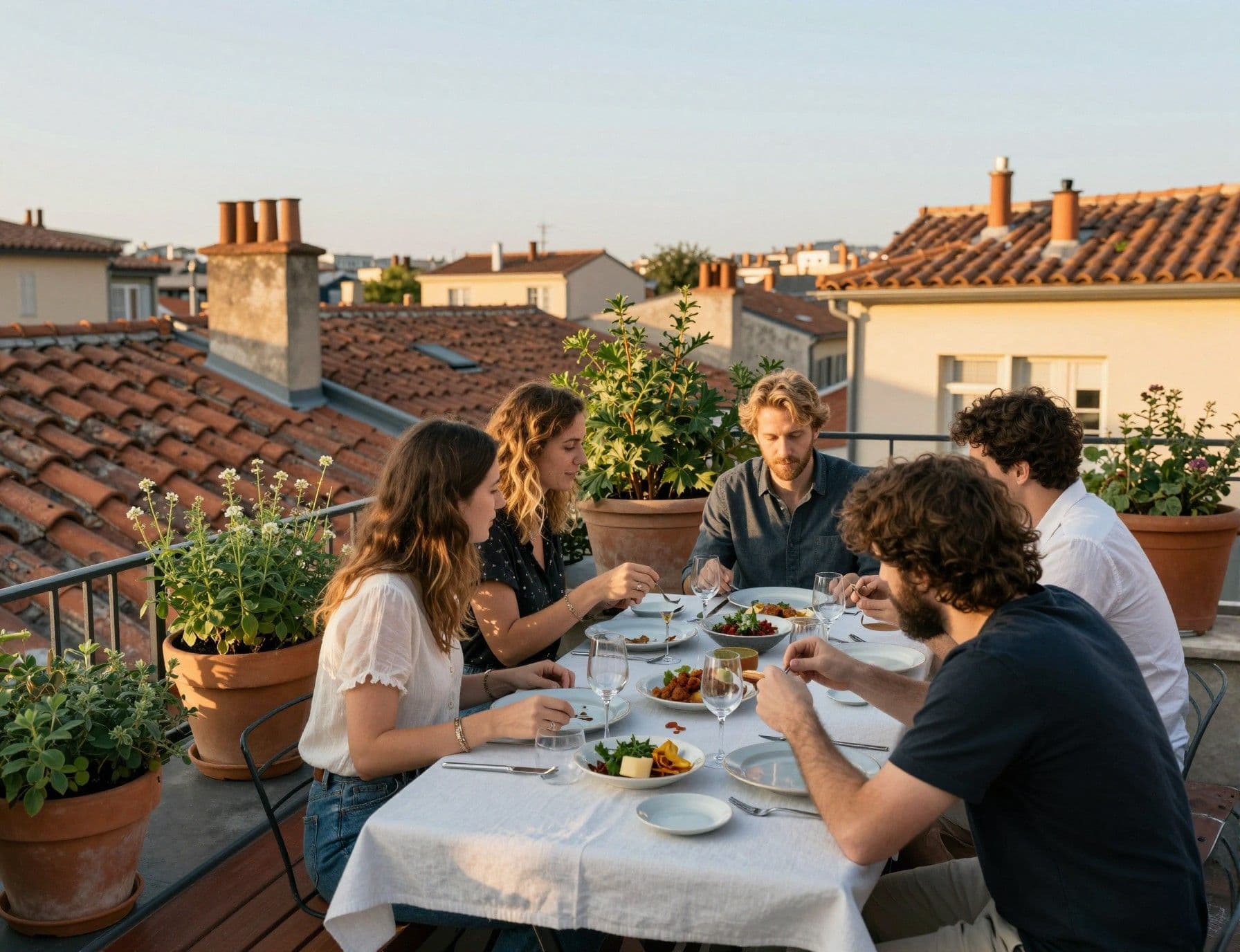
Numbers matter — but context matters more. National indices from Notaires‑INSEE show that after a period of decline, prices stabilised and began modestly rising in 2024–2025, with regional variance. Paris and Provence weather different cycles than rural departments; cities have recently seen renewed transaction activity. Use these indices to spot momentum, then zoom into departmental and commune-level data to find street-level anomalies we call "micro-opportunities."
Property styles and how they shape living (and returns)
Haussmannian flats, post-war apartments, stone farmhouses and seaside contemporary villas each come with predictable pros and cons. Haussmannian flats trade high initial price per m² for steady rental demand and strong resale in central arrondissements. Rural stone houses offer land and lower m² prices but higher renovation and heating costs. Coastal apartments can yield short‑season rental income but face tighter regulation. Match property style to how you’ll use it — primary home, seasonal retreat, or rental asset — and the numbers will make more sense.
How local experts turn lifestyle into a data-led search
Work with agents who pair neighbourhood knowledge with hard data. Ask for recent sale comparables on the same street, energy performance (DPE) records, and historical price movement for the commune. Demand clarity on seasonal rental rules if you’re considering short lets. Specialists can point out micro-market quirks — an upcoming tram line, a school catchment change, or a zoning adjustment — that will alter value more than national headlines.
- Checklist for agent interviews: request recent sales on your street; ask about local demand drivers; verify DPE and renovation needs; confirm rental permissions; get a summary of municipal plans affecting the area.
Insider knowledge: myths, timing and hidden costs
Myth: "France is uniformly expensive." Reality: 80% of French towns saw stable prices in 2025 according to DVF-derived analyses, while growth concentrated in larger cities and sought-after coastal and Alpine communes. Timing myth: buying in summer is not always better; markets cool in August and motivated sellers often appear in autumn and late winter. Hidden costs myth: energy upgrades, copropriété reserves and taxe foncière surprises are frequent — budget for them before you sign.
Cultural and seasonal realities that change value
Festival seasons, harvests and even school calendars shift demand locally. A coastal village that looks sleepy in November can command premiums in July; conversely, a commuter town near a new RER line will see steady week‑round demand that outlasts tourist cycles. Read local calendars and municipal planning notes — these small rhythms are often the earliest signals of a price turn.
- Top red flags we see on French properties: missing notarised plans, unusually low copro charges with deferred works, inconsistent land registry references, DPE class F/G without clear renovation plan, and properties listed repeatedly over months.
What expats wish they'd known — practical integration tips
Language matters but good agents bridge that gap. Join local marché mornings, volunteer at community fêtes, and borrow a neighbour’s tip on the municipal council — small social acts open doors to trusted craftsmen and better renovation deals. Register with the mairie for local information; it’s where you'll learn about school places, bin collection, and small but essential community rules.
- A quick action plan for buyers: 1) Review Notaires‑INSEE indices for the department, 2) pull DVF sale records for target streets, 3) commission a structural and DPE check before offer, 4) request the last three procès‑verbaux de copropriété when relevant, 5) budget 10–15% extra for immediate upgrades or reserve calls.
Conclusion — fall in love, but bid with data
France seduces with light, markets and cafés. Our recommendation is simple: let lifestyle lead the search, but let data decide the offer. Use national indices to understand broad cycles, DVF and notarial records to calibrate street-level price, and local agents to translate municipal rhythm into buying timing. When you pair sensory knowledge of place with rigorous checks, you buy both a life and an asset that will serve it.
British expat who relocated to Marbella in 2012. Specializes in rigorous due diligence and cross-border investment strategies for UK and international buyers.