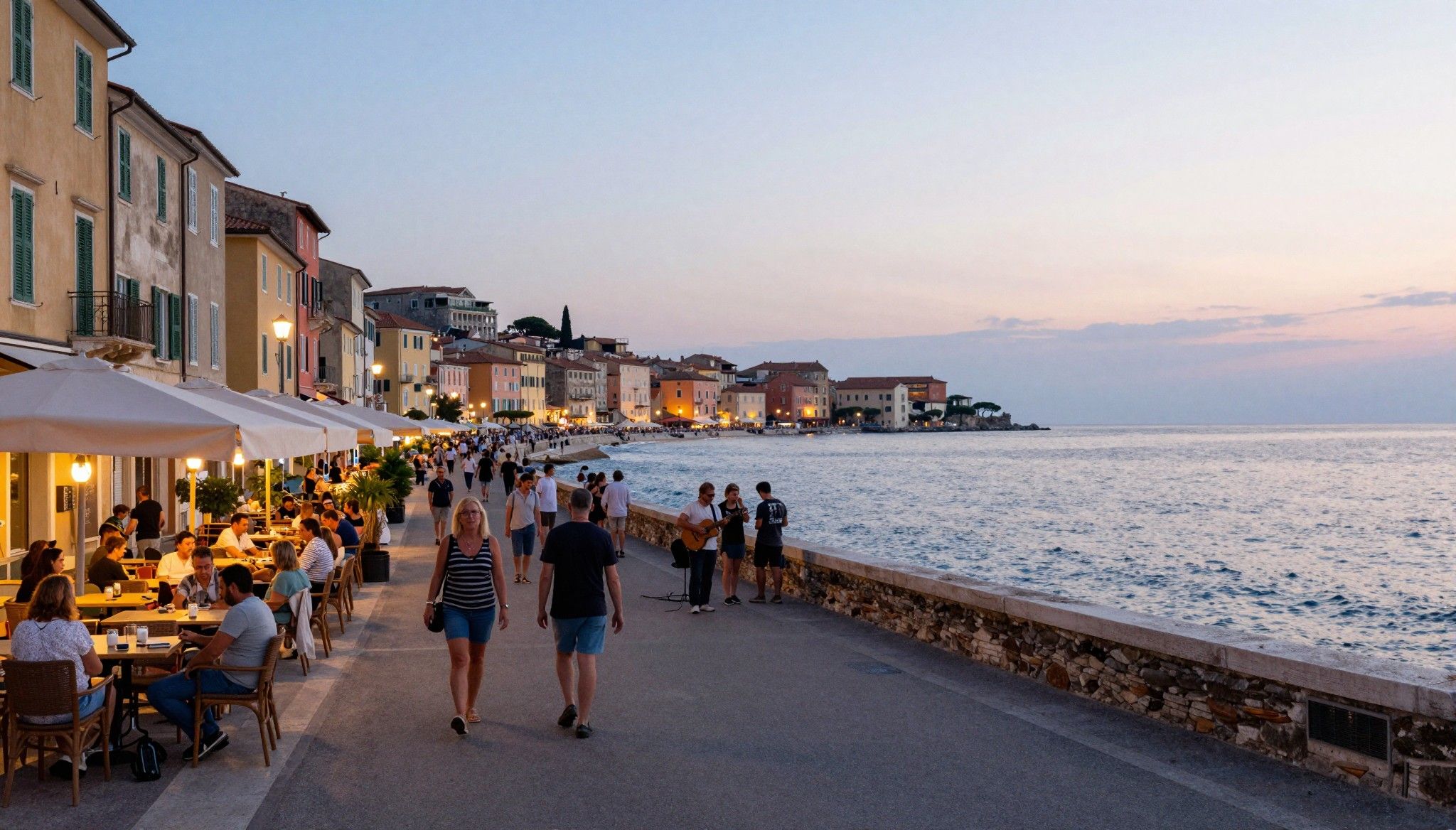
The Residency Clause That Changes Where You Buy in Cyprus
How Cyprus residency rules, taxes and seasonality quietly shape neighborhood choice — and what international buyers should know before they bid.
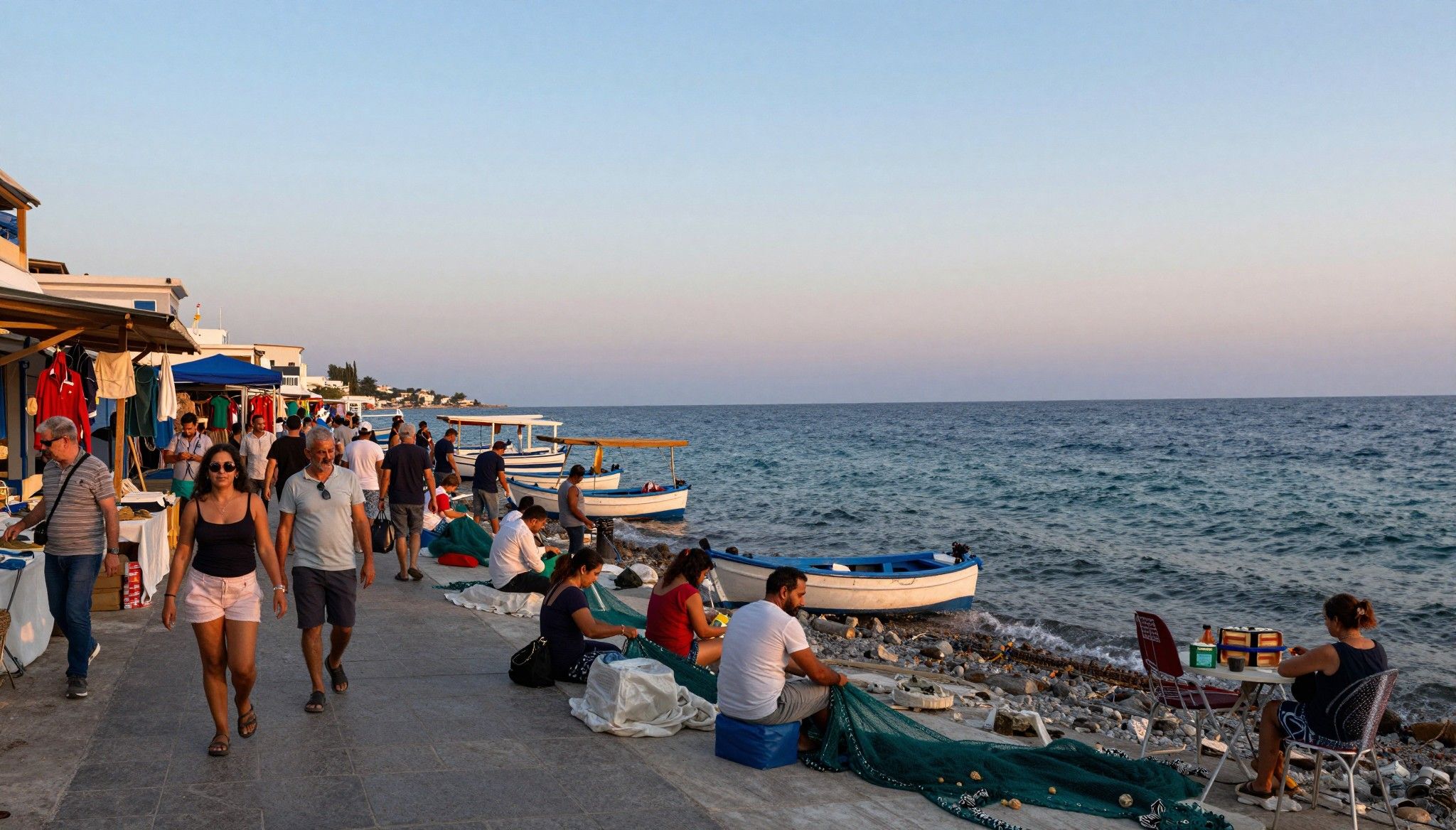
Imagine Saturday morning in Limassol: espresso steaming at Protaras Square, fishermen unloading the day’s catch at the harbour, and a pair of neighbours chatting about school runs and sea breezes. That rhythm — bright light, slow lunches, real neighbourhood ties — is what draws many of us to Cyprus. But if you’re buying here, the residency rules and tax labels quietly shape where you look, what you buy, and how you’ll live once you unpack the boxes.
Living the Cyprus lifestyle
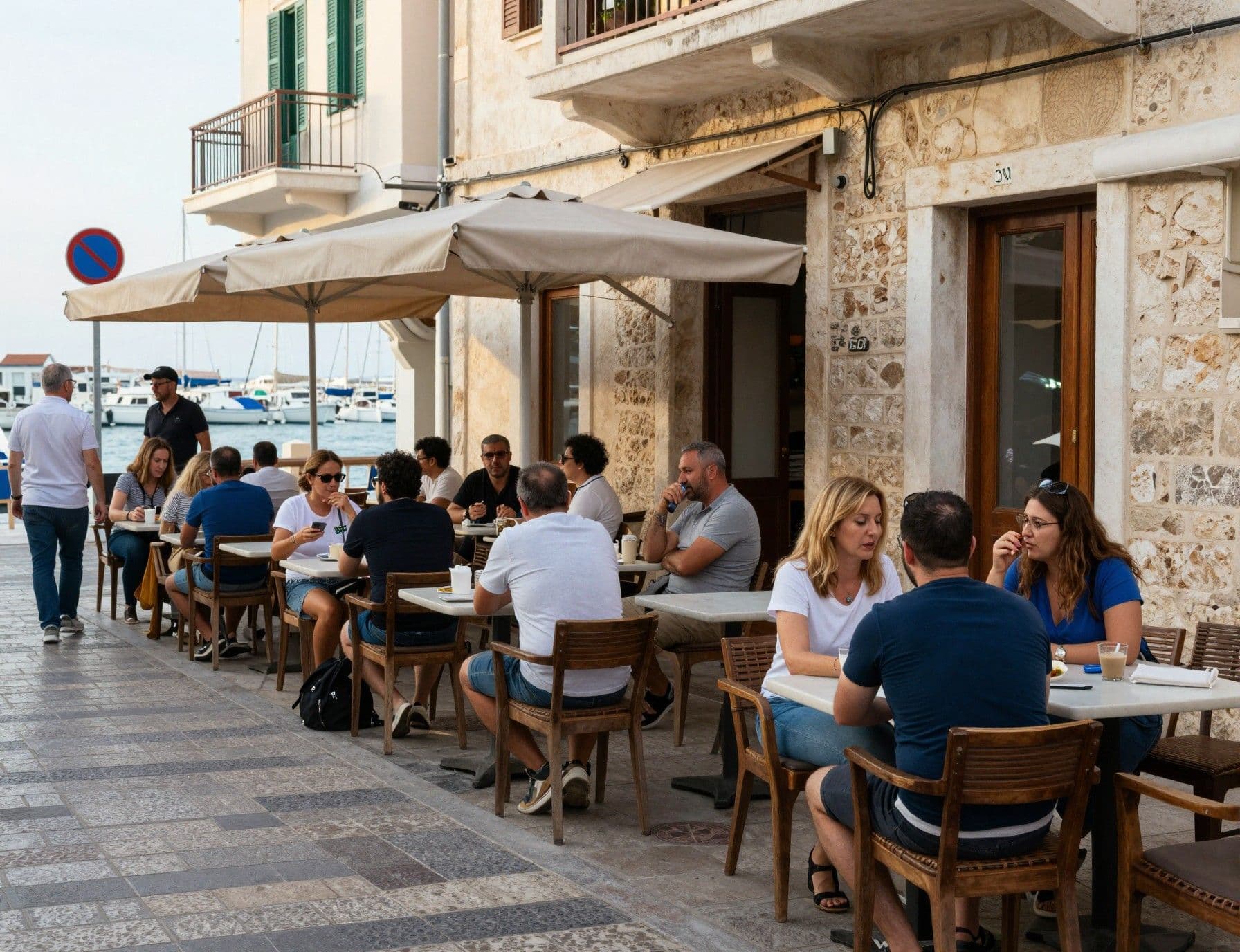
Cyprus isn’t one mood — it’s several. Coastline mornings in Ayia Napa are all salt, cafés and sea-swim culture; village afternoons in Paphos mean bakers, shaded squares and tightly-knit communities; Nicosia’s afternoons carry the muted hum of independent shops and gallery openings. For buyers, the choice between these tempos is as important as the number of bedrooms: it determines commute norms, noise levels, rental appeal and even whether you’ll need shutters for summer winds.
Limassol and old town pockets
Limassol’s Marina and the old town streets of Agios Nikolaos offer compact apartment living within walking distance of bars, markets and the sea. Expect late-night dining, international schools nearby, and a mix of new-build towers and converted nineteenth-century townhouses. If you want café life from your doorstep, look at Anexartisias Street and the lanes around the marina — but be prepared for prices that reflect convenience.
Paphos and the quieter coastal rhythm
Paphos is a gentler pace: Kato Paphos has archeological sites, small seaside tavernas and a steady stream of long‑stay visitors. Move inland to Tala and Peyia for village squares, terraced houses and hilltop views. These areas tend to attract buyers after year two of residency — people who traded nightlife for wide porches and slower Sundays.
- Lifestyle highlights you can actually live: Limassol marina espresso culture; Kato Paphos seaside walks and local tavernas; Nicosia’s Friday market on Ledra Street; Ayia Napa’s white‑sand swims and summer festivals; Troodos mountain trails and village wineries.
Making the move: practical considerations that shape lifestyle choices

Dreams meet reality at the Land Registry counter and your accountant’s desk. Transfer fees, VAT on new builds and the residency category you target change the effective cost of a property — and often the neighbourhood that makes sense. Read the rules before you fall for a seafront penthouse: the numbers will tell you whether your lifestyle choice is affordable long‑term.
Property types and how they map to daily life
New developments along Limassol’s seafront deliver concierge services and lower maintenance worries, but they often carry VAT (check whether the transaction is VATable). Older village houses offer courtyard life and lower purchase taxes but need more upkeep — which suits buyers who want garden time rather than gym memberships. Think about where you will spend weekdays versus weekends and choose the layout accordingly.
Working with local experts who know residency consequences
- Why an agent + immigration lawyer + tax adviser matters: (1) Agents map neighbourhood lifestyle to real costs; (2) immigration lawyers explain fast‑track residency (Regulation 6(2)) requirements and pitfalls; (3) tax advisers clarify non‑dom status, SDC exemptions and how rental income will be taxed.
- Steps to match a lifestyle to the right residency route: 1) Decide your residency priority (permanent, seasonal, or passive); 2) Confirm the property types that qualify under Regulation 6(2) if you need fast-track PR; 3) Run transfer fee and VAT scenarios with your lawyer; 4) Check tax non‑dom implications with a Cyprus tax specialist; 5) Book in-person neighbourhood visits during different seasons.
Insider knowledge: rules, myths and the things expats only learn living here
Here’s the blunt version: Cyprus’s non‑dom tax status and a relatively clear residency fast‑track make it unusually tax-friendly for many buyers, but both come with conditions people overlook. Time‑in‑country tests, domicile definitions and whether your property is first‑sale (new build) matter more than the ad headline.
Residency myths we hear — and the truth
- Common myth: “Buy any house and you’ll get PR.” Truth: The fast‑track (Regulation 6(2)) requires specific investment rules (typically €300,000 + VAT for first sales) and documentation; selling the qualifying property without replacing it can void residency. Common myth: “Non‑dom means zero tax forever.” Truth: Non‑dom gives generous SDC exemptions but other taxes and social levies apply.
What expats wish they’d known about timing and seasons
Summer open‑house weekends are lively, but they’re also when sellers show properties at their most flattering. For a truer feel, visit in March or November: neighbourhoods are quieter, utility costs reveal themselves, and you’ll meet year‑round residents. Seasonal timing also affects rental demand — summer holiday lets spike incomes but complicate residency paperwork if you rely on letting contracts for proof of income.
Before you sign: run the numbers — transfer fees (slabbed by value), possible VAT on developer sales, and the real net rental yield after SDC rules (if you’re domiciled). Use official transfer fee schedules and reputable tax guides so you’re not surprised at closing.
Practical red flags local agents will point out
- Unregistered extensions or terraces; properties sold as “residential” but with historic commercial use; missing planning approvals for pools; sellers unable to produce clear title deeds; properties listed as VAT‑exempt without documentation.
Longer view: life after you move
How lifestyle needs evolve — and what to buy now
Buy with a five‑year lifestyle roadmap. If you expect to shift from holiday‑based renting to part‑time residency, prioritise easy maintenance, connection to healthcare and proximity to community hubs. If long‑term residency is the plan, factor in school catchments, seasonal utility costs, and whether the property can be adapted for aging in place.
- Final checklist before making an offer: 1) Confirm whether the property is a new sale (VAT risk) or resale (transfer fees apply); 2) Ask your lawyer about Regulation 6(2) qualifying criteria if residency matters; 3) Verify title and planning with the Land Registry; 4) Get a tax briefing on non‑dom and SDC implications; 5) Visit the neighbourhood outside high season.
Conclusion: Buy the life, then the house
We want you to fall for Cyprus — the food, the light, the markets — but we also want you to buy with your eyes open. Residency rules and tax status don’t kill romance, they frame it. Bring a shortlist of neighbourhoods, a local agent who knows the streets by name, and a lawyer who knows the forms by heart. Then unpack, sip that espresso, and live the life you came for.
Swedish expat who moved from Stockholm to Marbella in 2018. Specializes in cross-border legal navigation and residency considerations for Scandinavian buyers.