Italy’s Coasts: Pick the Micro‑Market, Not the Postcard
Italy’s coasts are a patchwork of distinct lifestyles; match the micro‑neighbourhood to your daily rhythm and pair romance with local expertise.
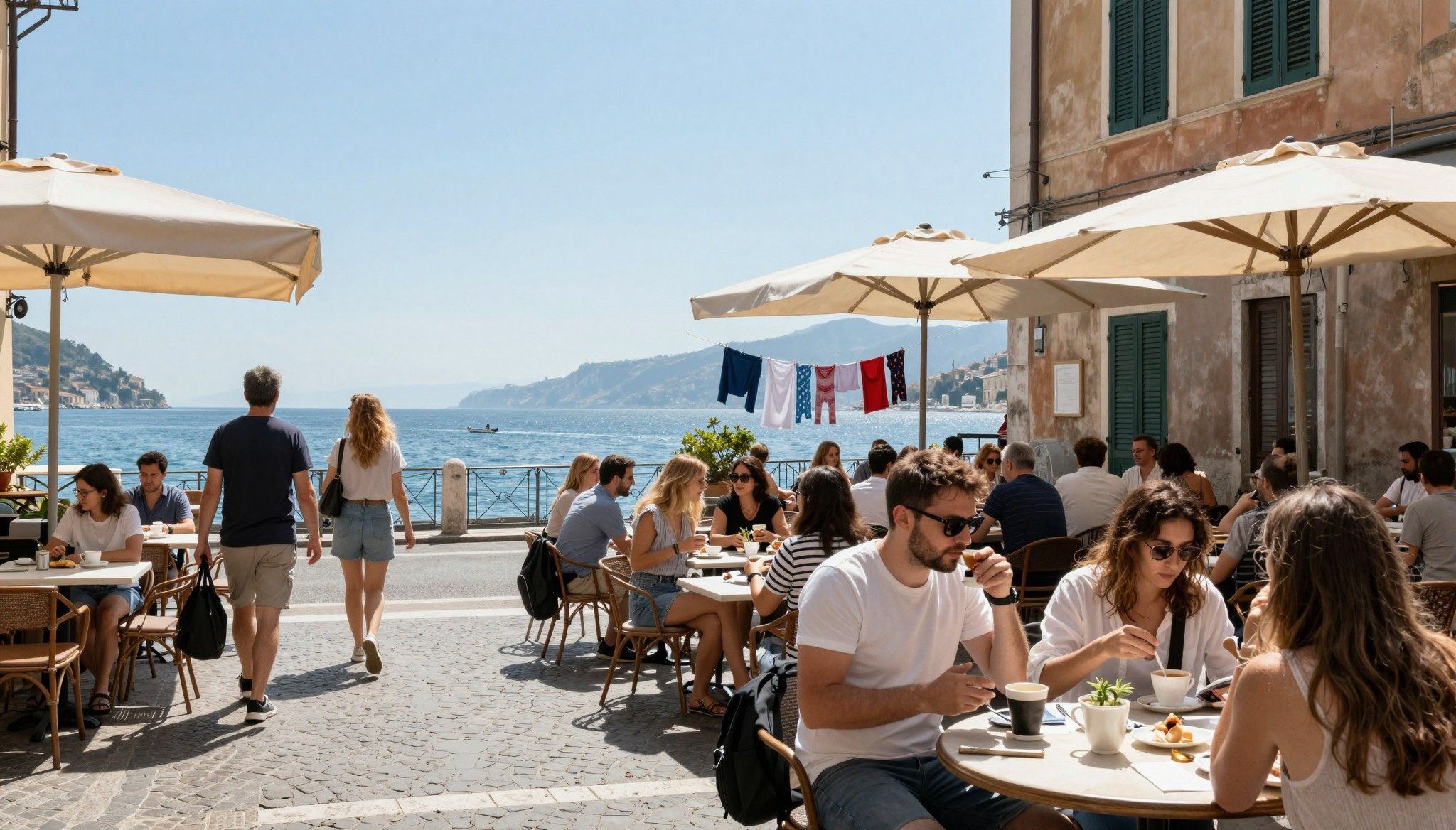
Imagine starting your day with espresso at a sun-warmed piazza in Tropea, a short walk to a cliffside beach in Amalfi, or a cycle through olive groves above Otranto. Italy’s coast is not a single mood but a collection of lives — fishermen in Liguria, slow-summer towns in Puglia, yacht-season glamour in Sardinia. That variety is precisely why international buyers fall in love: every coastline offers a different tempo, a different community, and a different property story. Yet those stories come with practical crosscurrents — seasonal demand spikes, local planning quirks, and micromarket price gaps — which is why seeing beyond postcards matters to anyone moving here.
Living the Italian Coastal Life
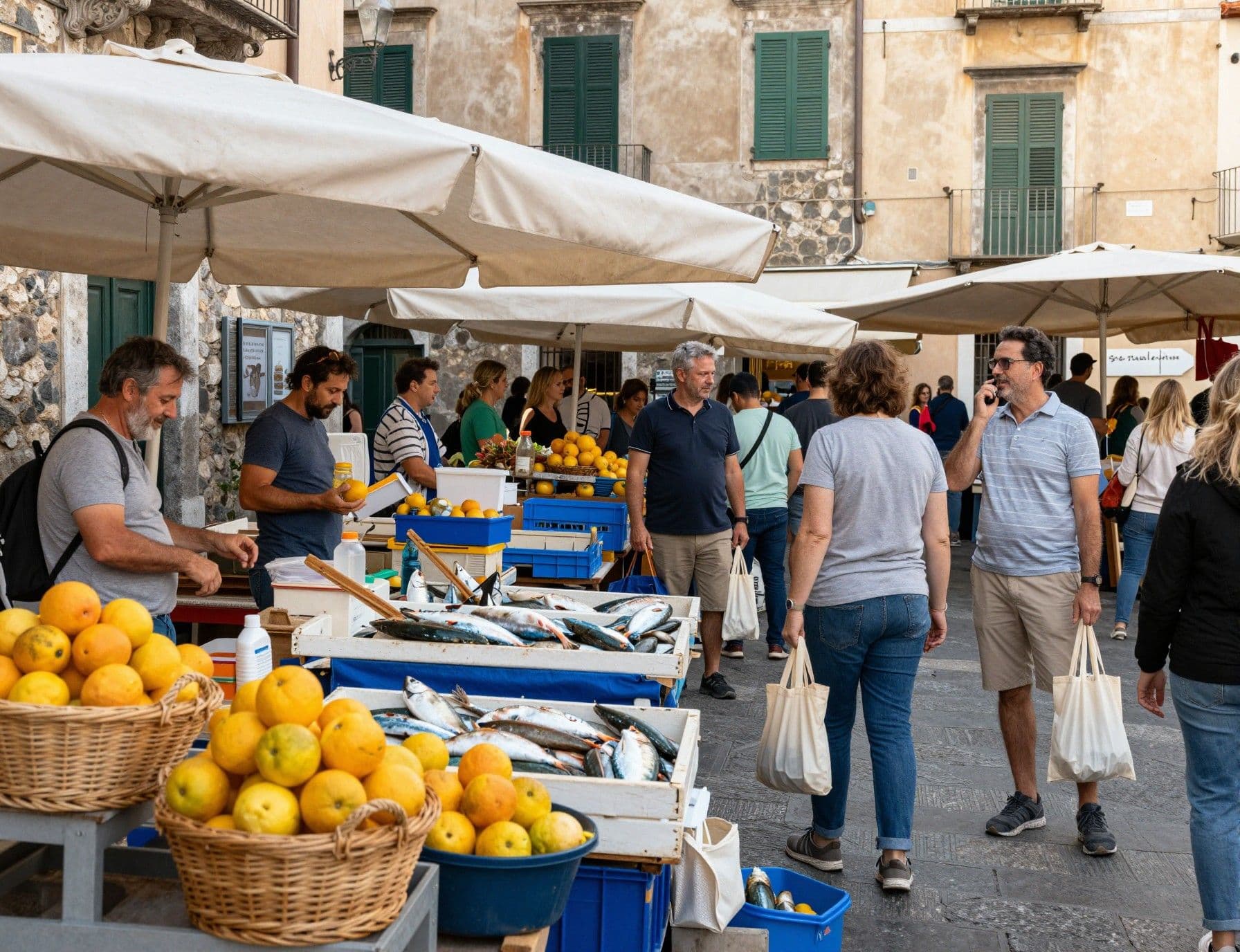
Coastal living in Italy is sensory first: salt on the air, late-afternoon passeggiata, markets stacked with seafood and citrus. Neighborhoods change every ten kilometres — the pebble promenades of Liguria feel different from the sandy bays of Puglia or the granite coves of Sardinia. Those differences shape daily life (and what type of property makes sense). National statistics show house prices rising steadily, but that average masks sharp local contrasts between luxury strips and quieter historic centres, so pick your stretch with care.
Liguria & the Italian Riviera — narrow streets, big sea views
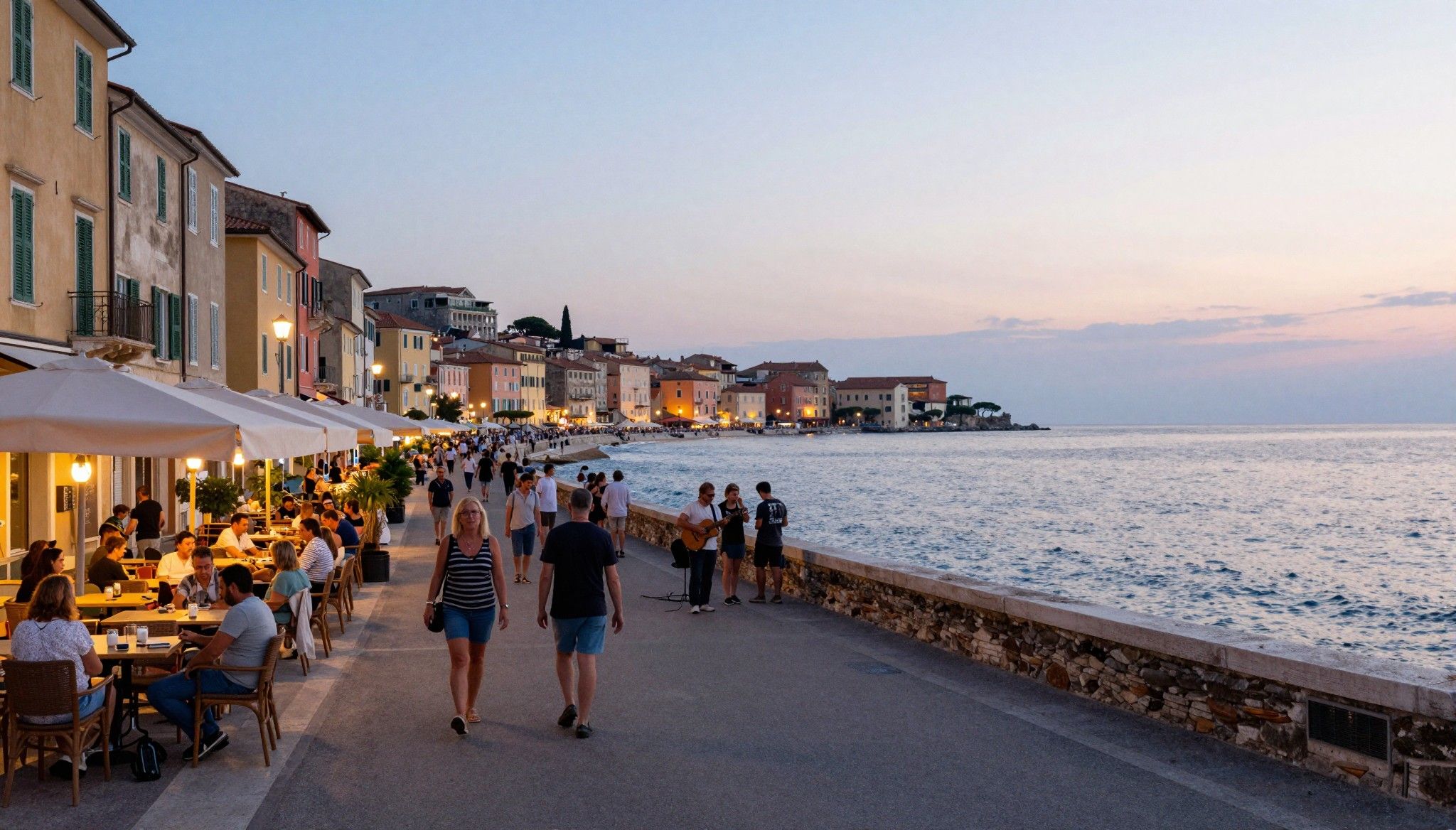
Picture pastel façades, steep lanes that open onto tiny harbours, and terraces that face west for sunsets — that’s Liguria. Places like Camogli or Levanto offer more manageable prices than Portofino while preserving the Riviera lifestyle: good cafes, short walks to coves, and a train line that connects you to Genoa. For buyers who want compact, walkable homes with strong year-round character, Liguria’s micro-neighbourhoods deliver. Rental demand is solid in summer, but long-term returns depend on how close you are to transport and beaches.
Puglia & Salento — slow summers, loud food culture
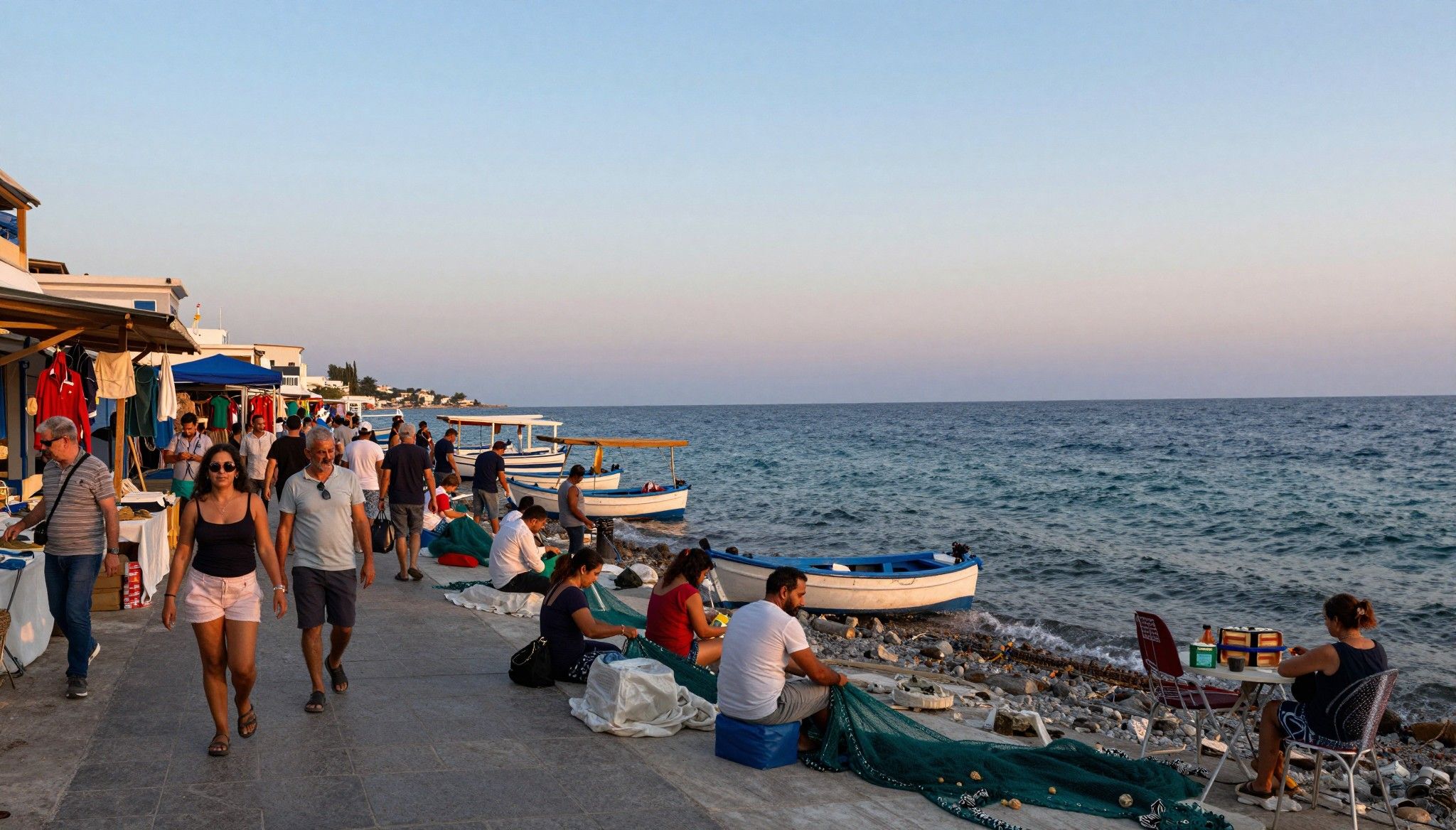
Salento’s beaches and whitewashed towns ground a lifestyle centered on markets, family-run restaurants, and seaside festas. Towns such as Otranto and Monopoli combine affordable entry points with strong seasonal rental potential — and a slower daily rhythm that many expats find intoxicating. Expect houses with traditional stone, internal courtyards, and terraces designed for long dinners. Practical note: summer demand booms, so active seasonality affects both maintenance and rental planning.
Making the Move: Practical Considerations
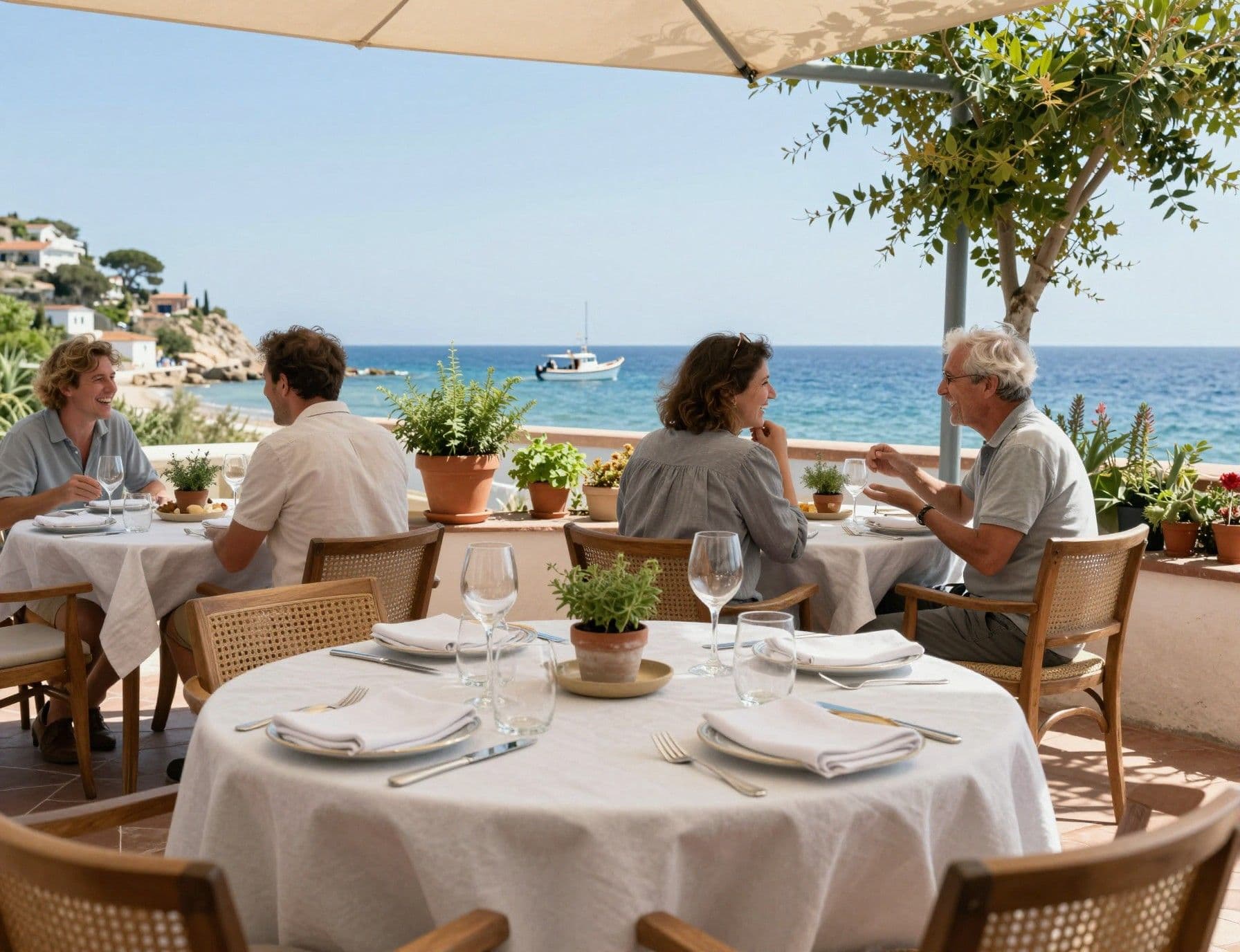
Romance gets you to the brochure; realities keep you in the home. Mortgage availability, local zoning for sea-front renovations, and seasonal maintenance costs shape ownership long after you sign. Central bank and national reports underline that Italy’s price growth is moderate but uneven, with the coast exhibiting both prime pockets and affordable alternatives. Translate that into action by matching your desired lifestyle (year-round living, seasonal rental, retirement) to the micro-market realities of the town you love.
Property styles and what they actually give you
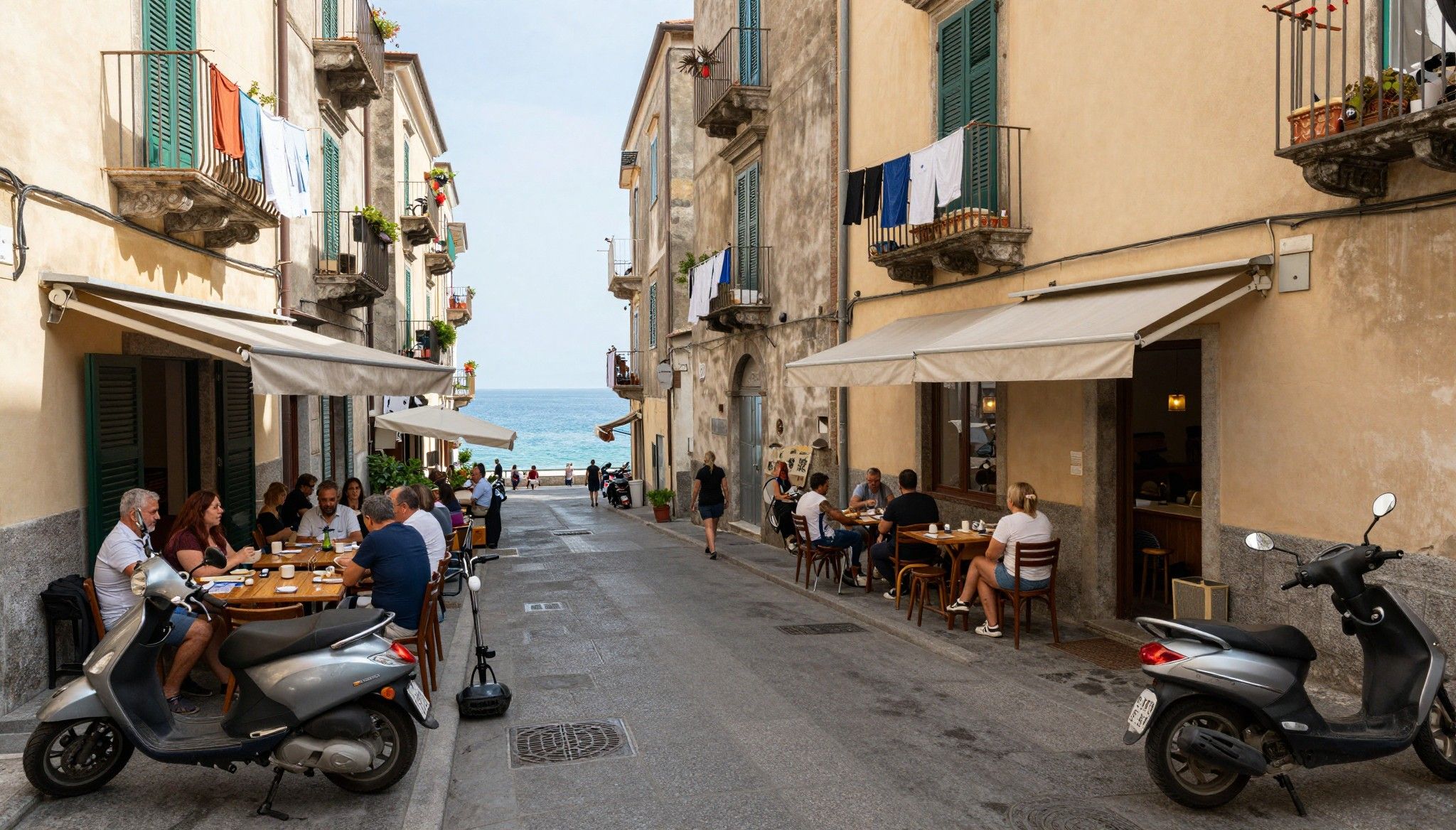
Stone townhouses deliver intimacy and location — often down narrow streets where cars are secondary. Modern seafront apartments offer convenience and better rental turnover but can lack local texture. Villas on Sardinia’s coasts give privacy and outdoor life but require higher upkeep and seasonally higher staff costs. Choosing a property type is choosing how you want to live: garden mornings, social terraces, or compact urban walking life.
How local experts convert lifestyle into listings
1) We map your daily rhythm (markets, school, commute) and filter neighbourhoods that match. 2) We shortlist properties that match that rhythm — not just price or view. 3) We check seasonal costs: utilities, cleaning, and local services before negotiating. 4) We confirm local planning rules for terraces, windows and permitted extensions. 5) We introduce trusted builders and managers who understand coastline specifics.
Insider Knowledge: What Expats Wish They’d Known
Expats often tell us their biggest surprise isn’t bureaucracy — it’s the rhythm of life: how shops close for hours, how the town empties in August, or how neighbours will become family at festivals. Those cultural textures affect when you should visit, what you should buy, and how you’ll manage a property remotely. Market reports confirm what locals know: coastal markets are seasonal but resilient, and quality-of-life gains often outweigh headline returns if you choose the right micro-location.
Language, community & day-to-day integration
Learning a little Italian opens doors — literally and socially. Local cafés, market vendors, and building superintendents appreciate effort and it smooths repairs, rentals and neighbour relations. Join seasonal clubs (sailing in Liguria, olive harvest groups in Puglia) to meet locals and other expats. For families, international schools cluster near larger towns; for retirees, a town with year-round services matters more than a picture-perfect summer hotspot.
Practical red flags and quick wins
• Check flood and coastal protection zones before committing — insurance and renovation costs vary wildly. • Beware summer-only markets: if local services close outside July–August, long-term living becomes harder. • Confirm deed and cadastral records with a local notaio; titles and permitted uses are enforced strictly. • Fast-win: look for towns with good train links — they retain value and make year-round living realistic. • Consider managers who specialise in coastlines — they’ll handle seasonal turnovers, local taxes, and guest logistics.
Italy’s coast gives you habits and rituals as much as a home. You’ll learn which cafes make the best caffè corretto, which beaches clear out after the festa di San Giovanni, and where to buy octopus from the fisherman you’ll see each Monday. If you want a life lived near the sea, choose the micro-neighbourhood that matches your daily story — then bring professionals who can translate that story into a legal, livable purchase. When lifestyle and diligence align, the coast doesn’t just seduce you — it sustains you.
Next steps: visit in shoulder season, shortlist three contrasting towns (historic centre, beach suburb, and quieter inland option), and meet agencies that know the local rhythm. We can introduce vetted agents and managers who specialise in Liguria, Amalfi, Sardinia and Puglia micro-markets — people who will show you not just listings but the actual life behind them. If you’re ready to imagine mornings on a terrace rather than a picture, tell us which coastline calls to you and we’ll map the neighborhood realities.
Swedish expat who moved from Stockholm to Marbella in 2018. Specializes in cross-border legal navigation and residency considerations for Scandinavian buyers.