France’s Listing Illusions — What Sellers Don't Tell You
How France’s neighborhood rhythms and disclosure quirks shape value—practical checks (cadastre, DPE, copro minutes) to avoid surprises and buy the life you want.
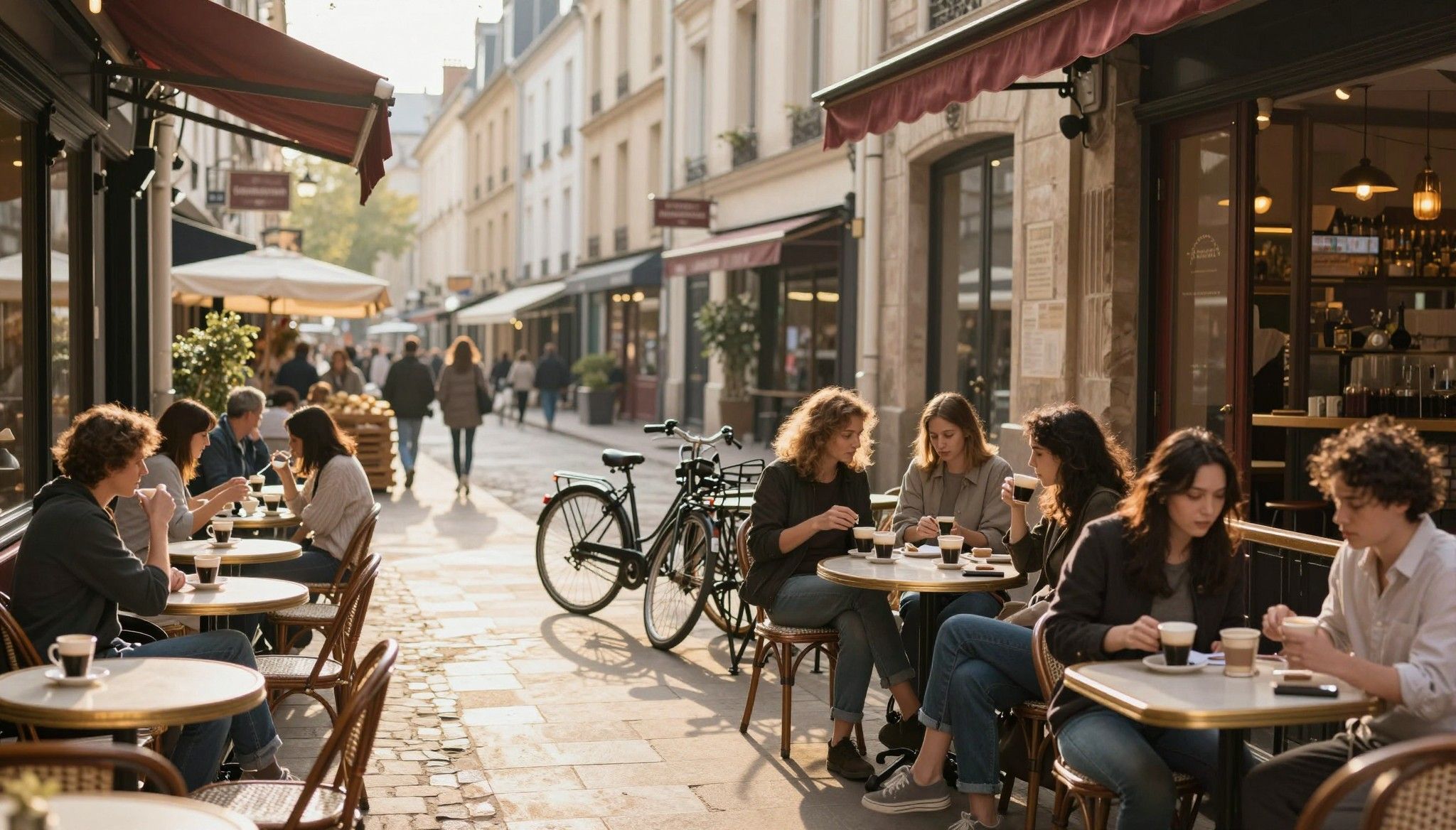
Imagine waking up on Rue Cler with a baguette in hand, or watching evening light pool across limestone façades in Lyon's Croix-Rousse. France looks effortless in pictures: cafés that stretch into dusk, markets where everyone knows your name, and coastlines that make you rethink city life. But while the lifestyle is immediate, the market’s transparency is not. We’ll show you the small print that changes value and the local signals other buyers miss.
Living the France lifestyle
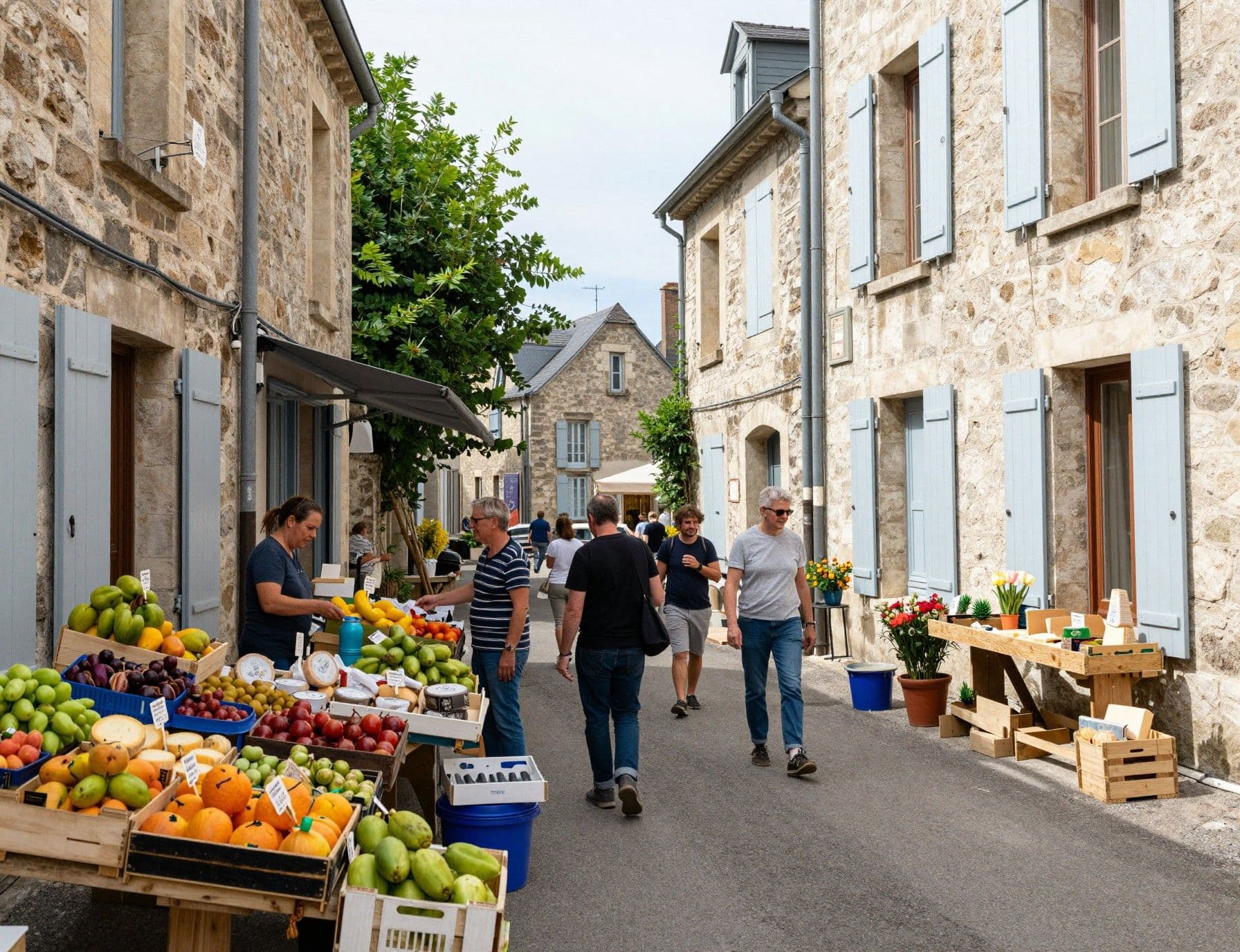
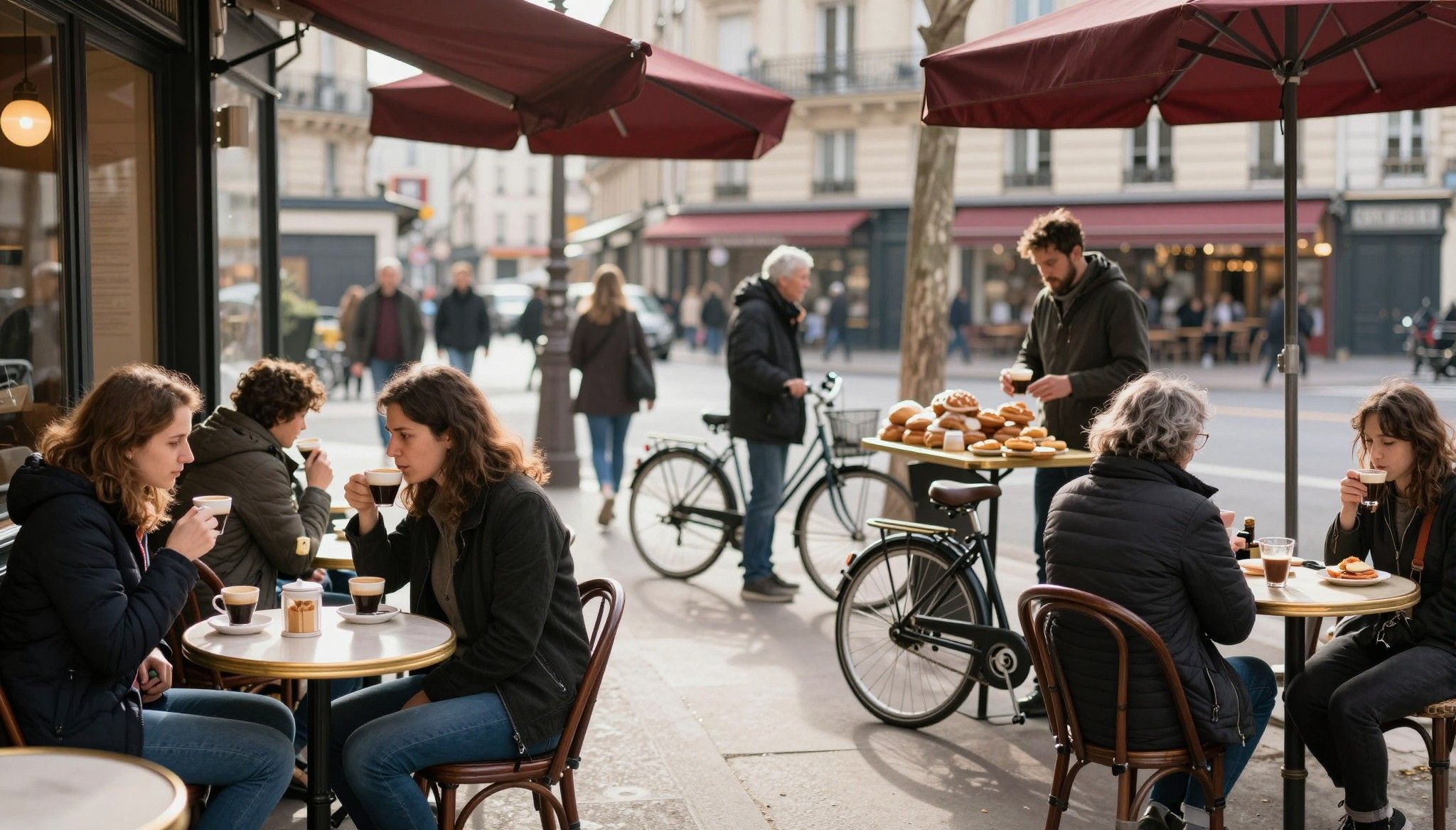
Life in France moves at neighborhood tempo. In Paris you'll find morning boulangeries on Rue des Martyrs and late-night jazz in the Marais; on the Côte d'Azur, terraces and passeggiatas rule the calendar; in Bordeaux, markets and wine bars define weekends. These rhythms shape demand: a lively street can support higher short-term rental yields, while quiet residential lanes near schools trade on long-term family stability. Recent notary reports show micro-markets within cities drive price differences more than national averages.
Neighborhood spotlight: Paris 11th & Lyon Croix‑Rousse
Paris’s 11th arrondissement still rewards the buyer who values street life over monument views: small flats, lively cafés and better value per square metre than central arrondissements. In Lyon, Croix‑Rousse keeps village rhythms—weekly markets on Boulevard de la Croix‑Rousse and narrow silk‑worker streets—attracting buyers who want community over tourist façades. These are the streets where locals buy, not the postcard boulevards.
Food, markets and seasonality
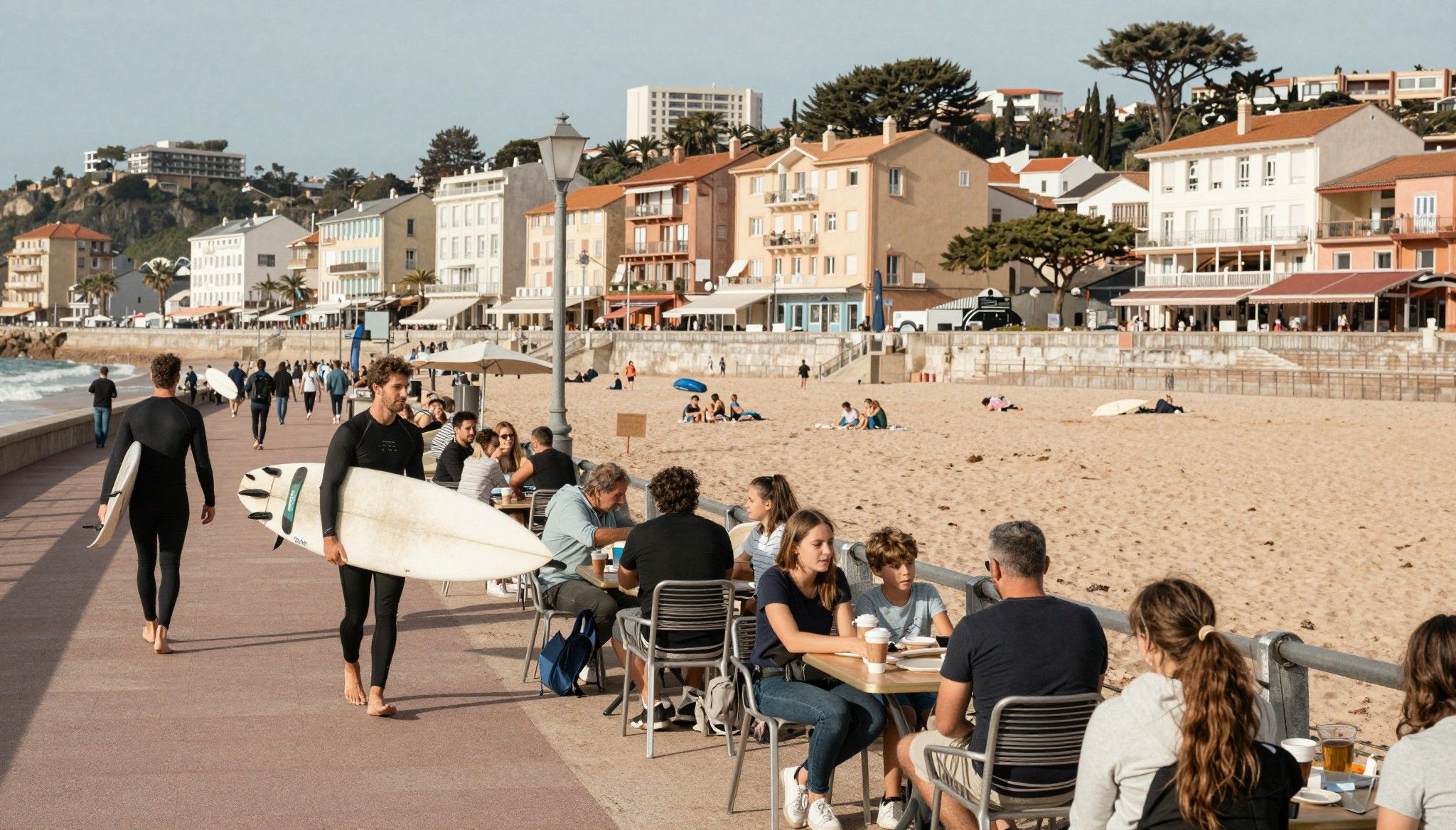
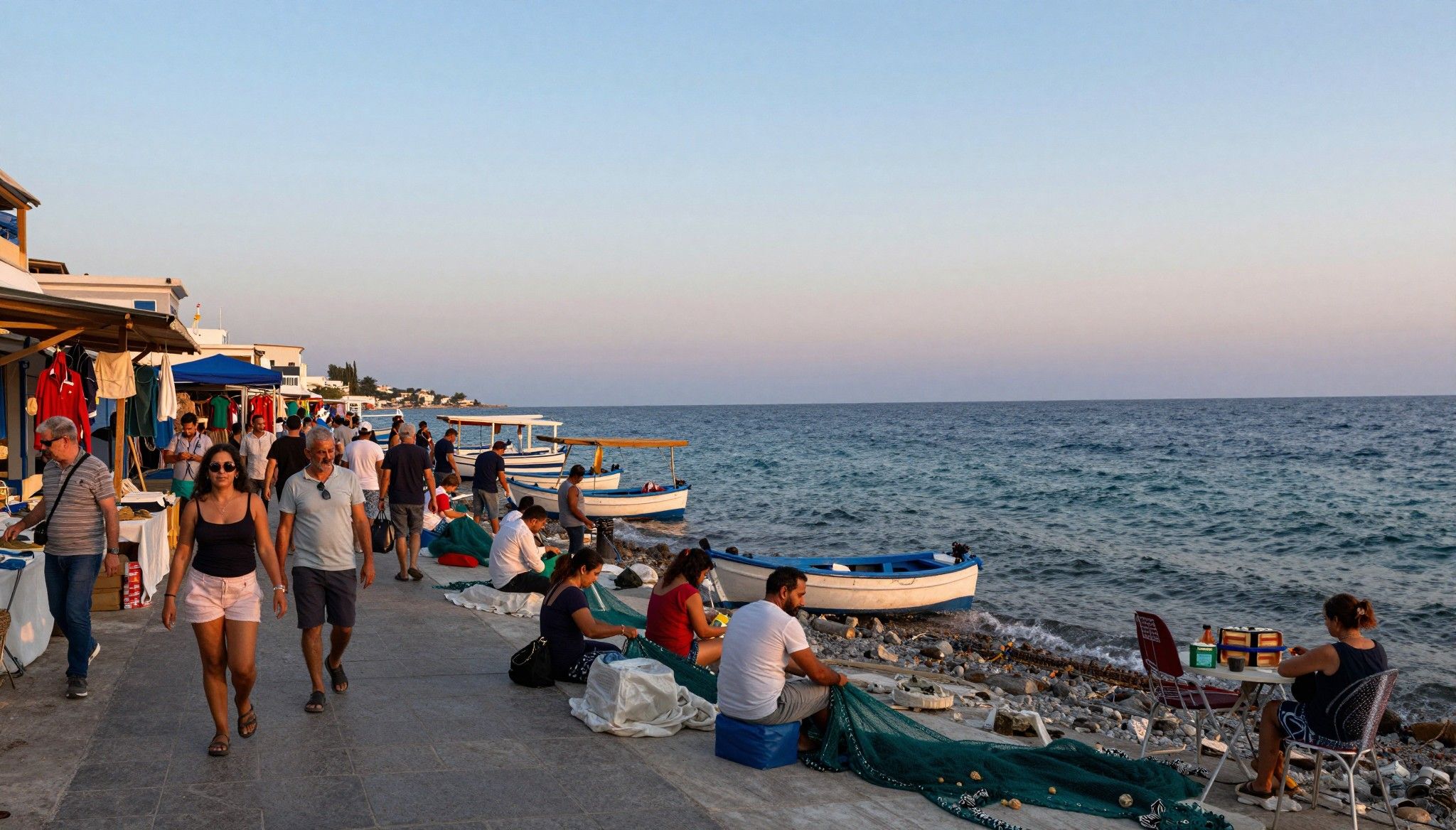
Market stalls set the tempo of life: early Saturday marchés in Aix‑en‑Provence or Rennes draw families and make nearby cafés thrive. Seasonality matters—beach towns swell in July and August, changing rental demand and service offerings. Understand when places hum and when they sleep; that rhythm is often the clearest indicator of sustainable neighbourhood value.
- Lifestyle highlights: marché Saint‑Germain (Paris), Plage du Midi (Cannes), Les Halles de Lyon, Rue Mouffetard for food, Bastille Sunday market, weekly boules games in Marseille parks
Making the move: practical considerations
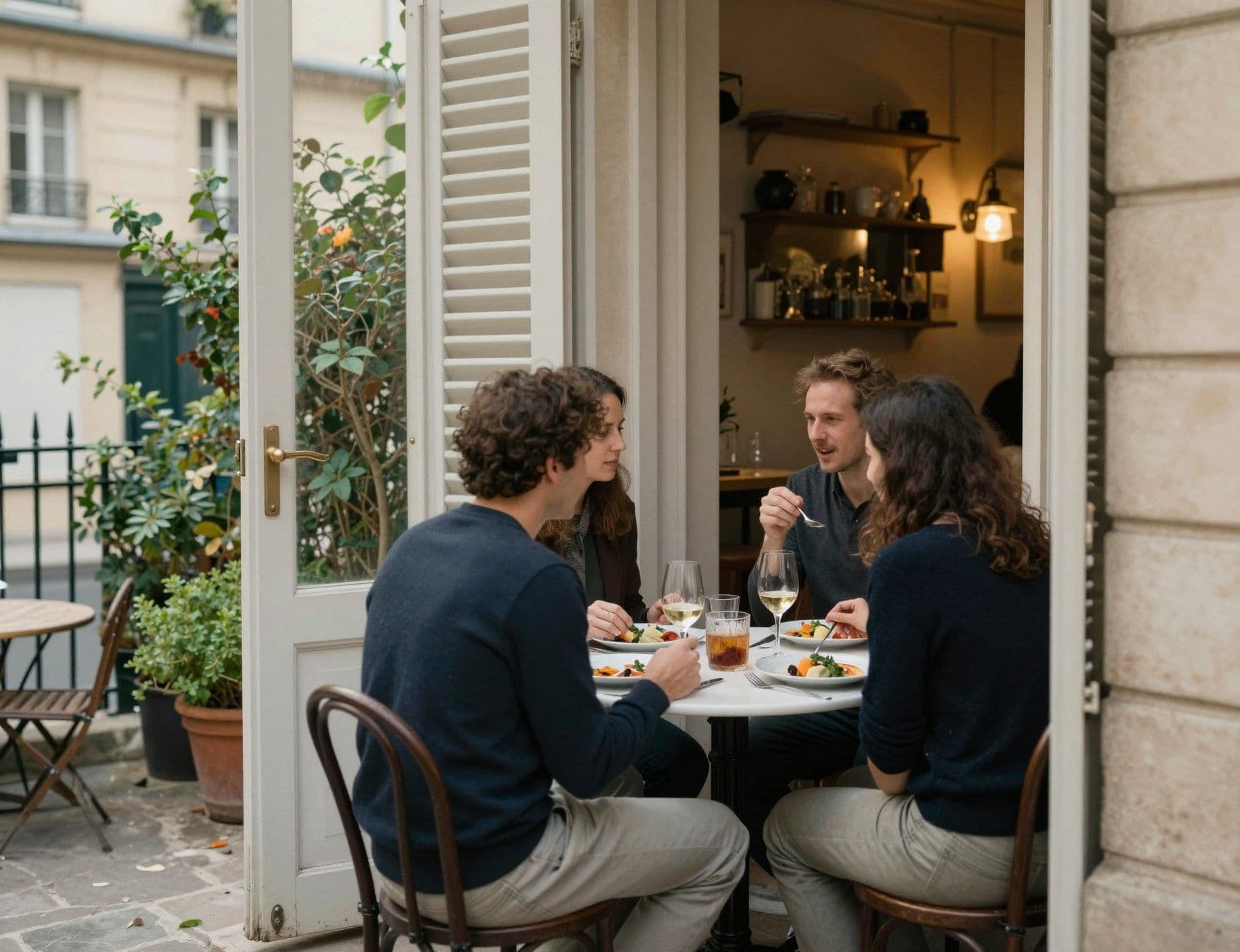
The romance meets registry work quickly. French transactions hinge on documents—titles held at the Service de Publicité Foncière, cadastral maps, and mandatory diagnostics (like the DPE). Knowing which forms are standard and where sellers often shortcut disclosure will keep you out of costly surprises. The cadastre and notary files are your most reliable truth sources; request them early.
Property types and how they'll shape your life
A Haussmann flat comes with light and stiff upkeep costs; a village stone farmhouse offers land and privacy but possible renovation and septic questions; a coastal apartment brings seasonal demand and strict copropriété rules. Match the building type to daily life: terraces and shutters for slow afternoons, local shops within 300 metres if you hate driving, or dedicated parking if you plan to commute.
Work with experts who know the market's hidden signals
- 1. Ask agents for full copropriété minutes and recent AG (assemblée générale) decisions—these reveal upcoming works and special levies. 2. Request the title search (etat hypothécaire) from the notaire to see mortgages or liens. 3. Insist on current DPE and recent energy invoices to benchmark renovation needs and operating costs. 4. Compare local sale prices via Notaires de France datasets and INSEE indices, not only portal listings. 5. Walk the street at three times of day to verify noise, light and local life are what the listing promises.
Insider knowledge: transparency pitfalls and red flags
Two transparency trouble spots keep coming up for buyers: unreliable energy diagnostics (DPE) and thinly‑documented copropriété liabilities. The DPE has been reformed but audits and errors still surface; some properties sell with optimistic or outdated reports. And copropriété minutes can hide special assessments for façade works or elevator replacement—costs that hit owners later.
What sellers often omit (and why it matters)
- Unpaid copropriété charges and pending AG votes; recent plumbing or roof patches recorded only in builders’ invoices; DPEs done quickly by low‑quality diagnosticians; boundary discrepancies between cadastral plot and actual built area; local planning projects (PLU changes) that change development pressure.
How to spot and fix these issues before you sign
- 1. Always get the DPE report and cross-check with recent energy bills; if D or worse, price accordingly or budget for work. 2. Ask the notaire for the état hypothécaire and a certifié extrait cadastral to verify title and boundaries. 3. Request the last three years of copropriété procès‑verbaux and service invoices; if the syndic resists, walk away. 4. Compare local price indices (INSEE, Notaires) to the listing price—if the listing sits 15% above local trends, ask why. 5. Build a renovation quote into your offer when diagnostics are ambiguous; it keeps negotiation honest.
Cultural nuance: how sellers and agents present truth
French listings favour understatement. You’ll see phrases like “travaux à prévoir” that can mean anything from a fresh coat of paint to full structural overhaul. Agents often assume buyers will read notary files; many international buyers don’t. Be explicit in questions and insist on written clarifications—French vendors respect a buyer who knows which documents to request.
In five years, your Paris flat or Provence house will be about more than capital appreciation. It will be about where you have your morning coffee, which boulangerie knows your order, and who you invite for Sunday lunch. To make that life affordable and durable, pair the emotional read (neighbourhood, light, local markets) with document checks (cadastre, DPE, copropriété minutes). When both align, you’ll buy with confidence and live the part you fell in love with.
Danish investment specialist who relocated to Costa del Sol in 2015. Focuses on data-driven market timing and long-term value for Danish buyers.