Italy’s micro-markets: lifestyle first, value follows
Italy’s lifestyle-led property opportunities hide regional winners — look beyond postcards to Puglia, Abruzzo and Calabria where real value meets modern infrastructure.
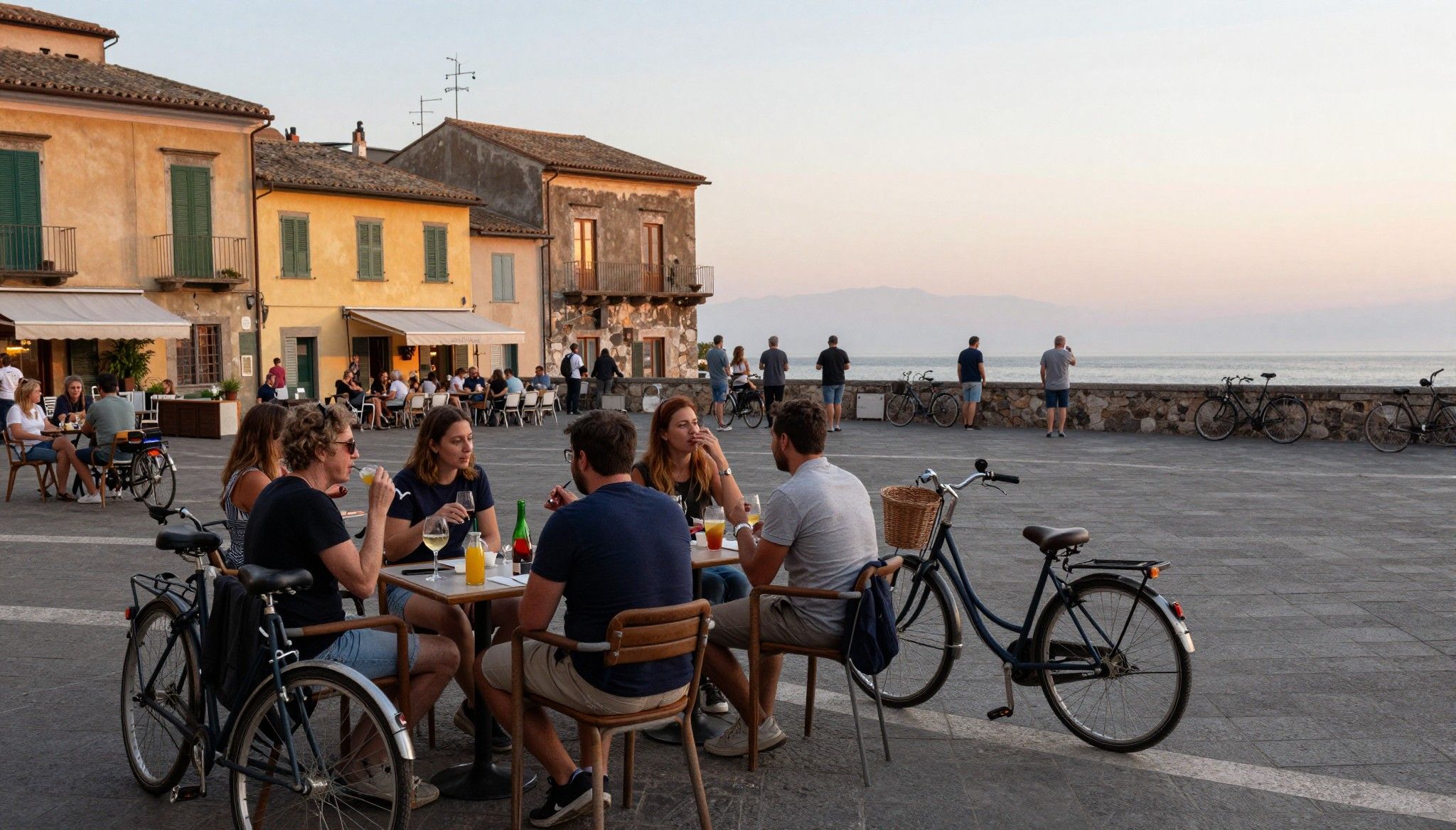
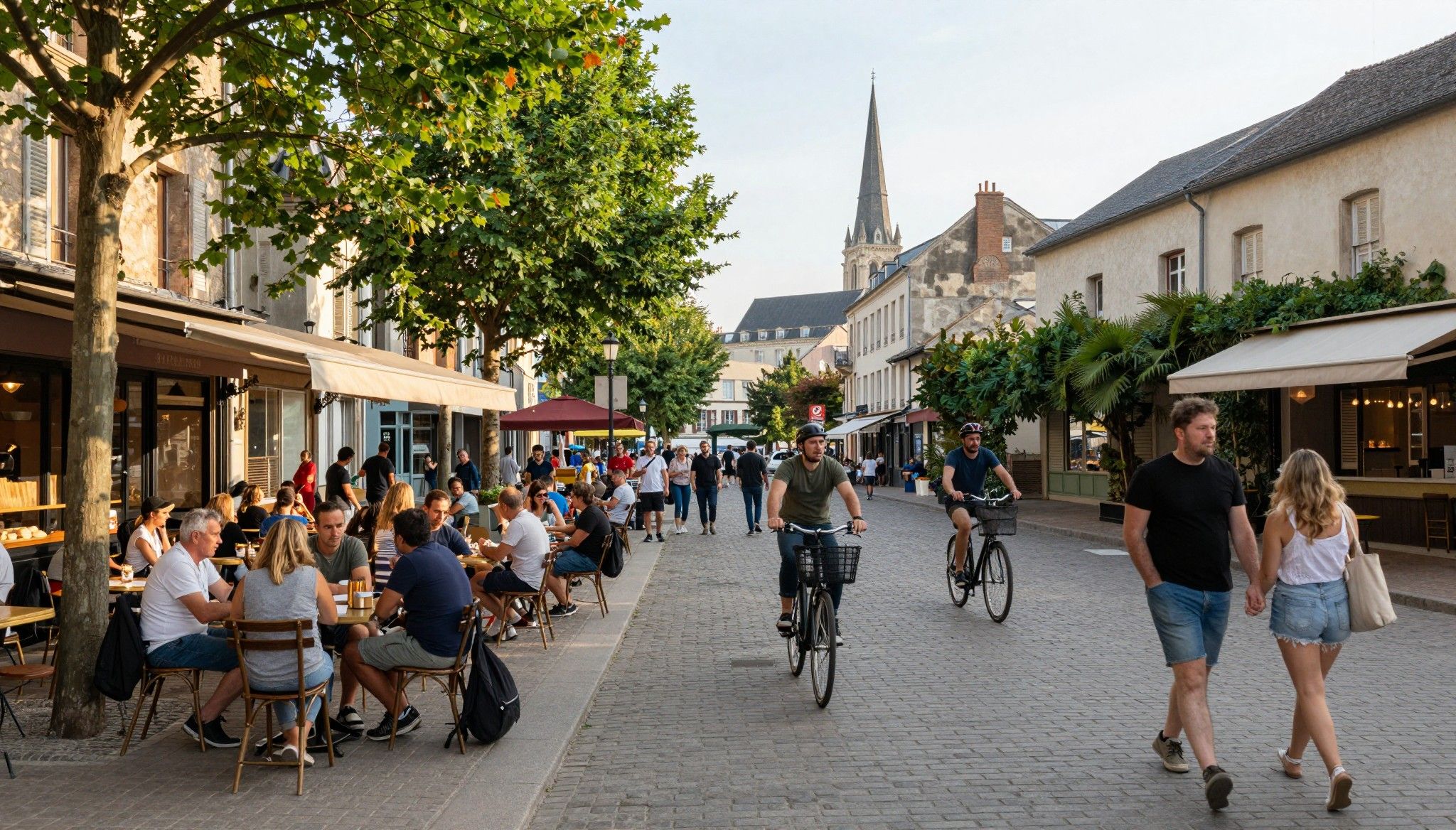
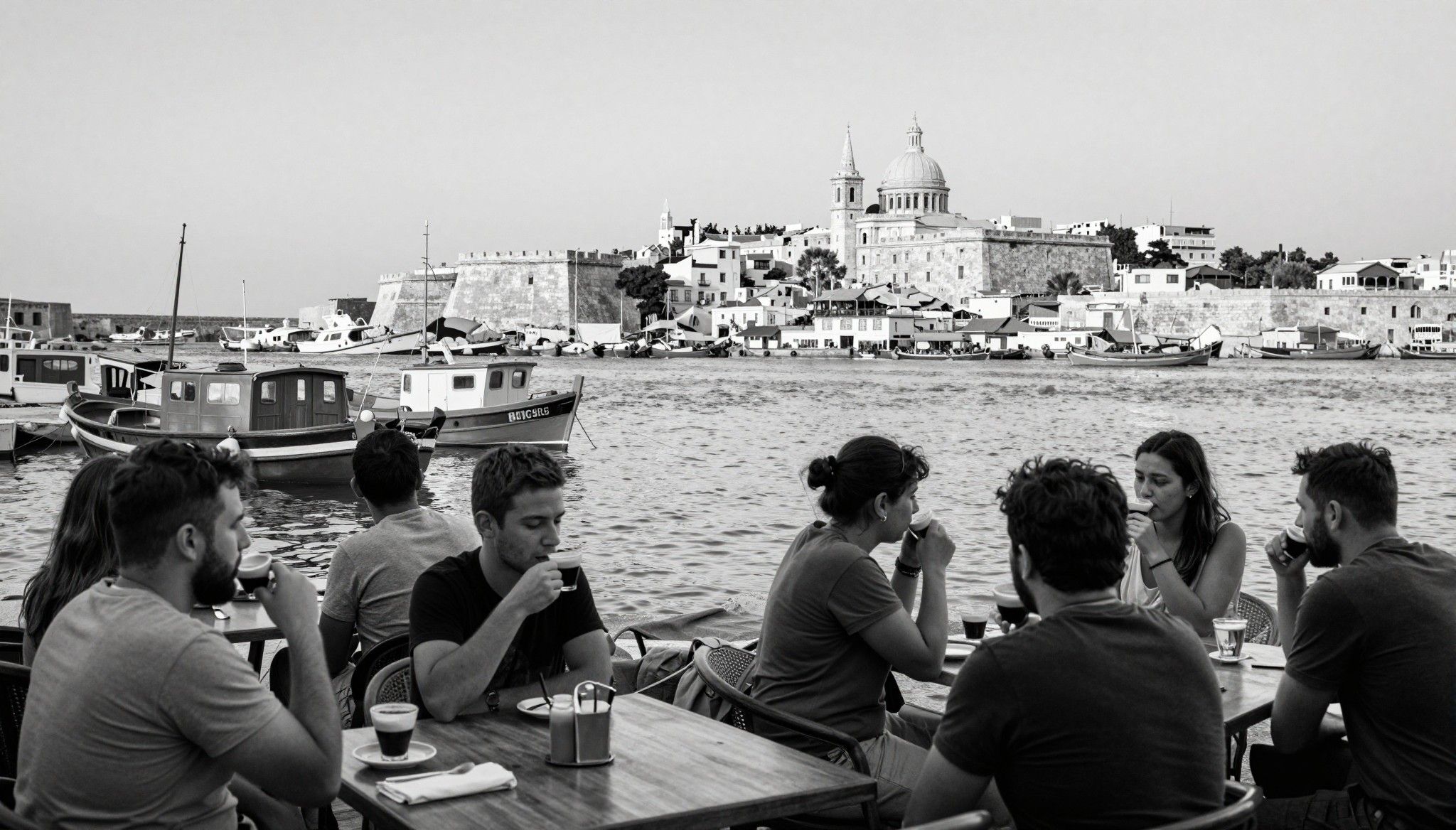
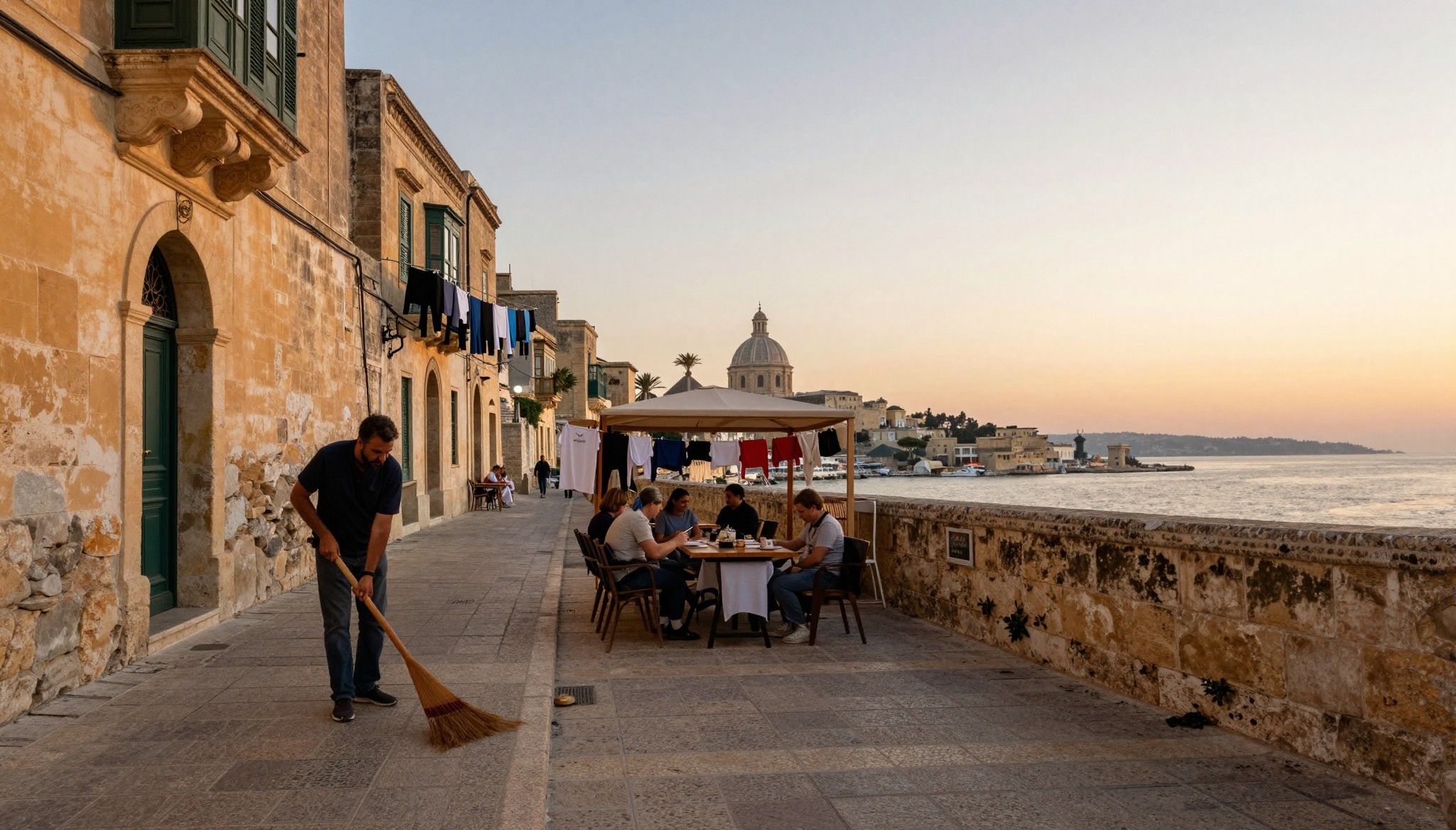
Imagine an espresso poured at the bar on Via dei Condotti, the light on a terracotta roof in Puglia at 6pm, and a courtyard where neighbours still leave their doors open. Italy moves slowly and vividly: markets, family meals that stretch for hours, and towns where weekday rhythms are punctuated by feria and festa. For many buyers that sensory life is the point — but the smartest moves come when romance meets real data and local insight.
Living the Italy lifestyle
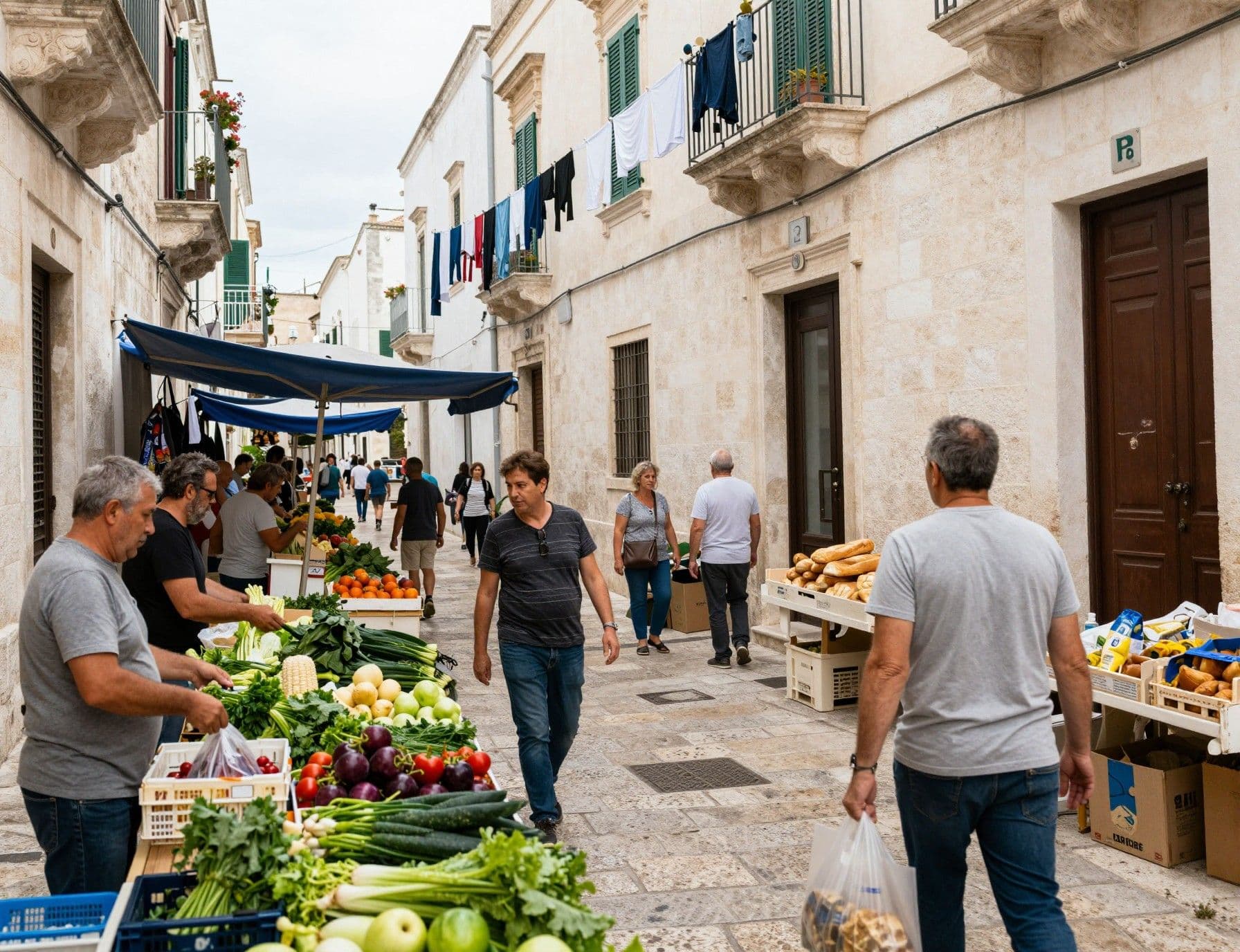
Daily life in Italy balances centuries-old ritual and modern convenience. You’ll start mornings at a neighbourhood bar, buy vegetables at an open-air mercato, and end evenings with long walks through piazze that come alive after sunset. While that life feels timeless, recent market signals (see ISTAT) show pockets of price growth and renewed transaction volumes — useful context when you pair lifestyle choice with timing.
City pulses and quiet corners
Rome, Milan and Bologna offer museums, food scenes and international schools; small towns in Marche or Abruzzo give you hilltop mornings and empty beaches an easy drive away. Each offers a different tempo: squares in Naples hum at dawn, while coastal Liguria keeps things breezy and slow. Pick a tempo, then pick the street that matches it — not the other way around.
Southern life: why Puglia, Calabria and Sicily are waking up
If you’re chasing space, sea and lower entry prices, look south. Regions like Puglia and Calabria are seeing rising interest from foreign buyers and a spike in searches for villas, trulli and farmhouses. That shift isn’t just romantic — it’s a response to improved infrastructure, remote-work viability and active regional regeneration programmes that create tangible lifestyle upside.
- Lifestyle highlights (actual places to visit before you buy): Trastevere’s evening passeggiata (Rome); Vico Equense’s fish restaurants on the Sorrentine Coast; Ostuni’s white-washed alleys in Puglia; the Dolomites’ Refugio hikes from Bolzano; the weekly market in L’Aquila.
Making the move: practical considerations
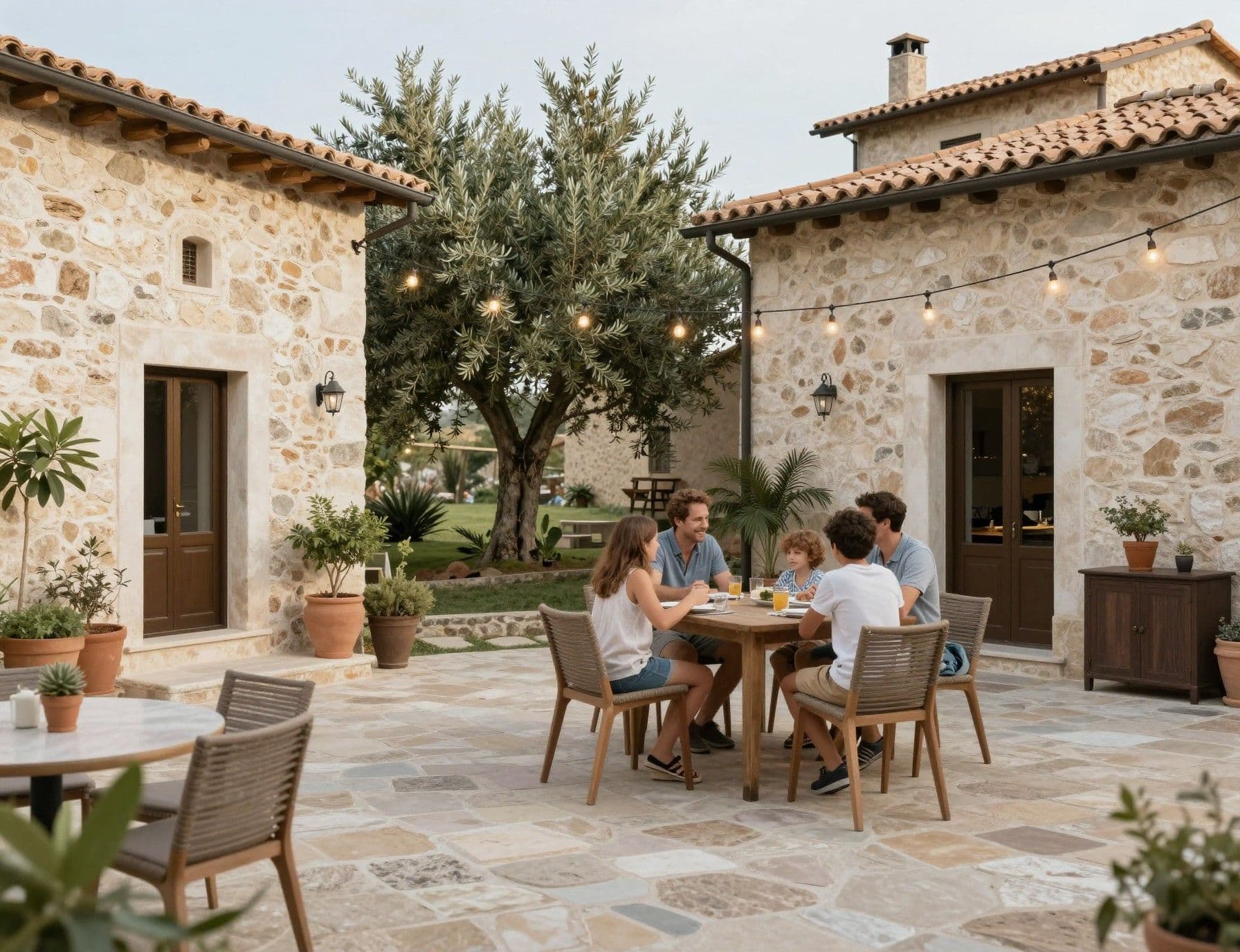
Romance gets you to Italy; data keeps you there. Recent market reports note a measured recovery in transactions and a shift towards suburbs and secondary towns. That matters because the best value often lies where the lifestyle is real but the price tag hasn’t been driven to postcard levels.
Property styles — what suits the life you want
Want piazza life and short walks for groceries? Aim for a centro storico apartment with shutters, thick walls and a small terrace. Want an outdoor life with olive trees? A renovated masseria or modern villa on a village edge gives space and privacy. Taste for restoration? Historic homes reward patience and craftsmanship — and you’ll pay for authentic materials and permits.
Working with local experts who know the lifestyle
Local agencies and architects do more than show listings. They translate local customs (like cadastral quirks), point you to the baker who’ll become your neighbour, and identify neighbourhoods that feel lively year-round versus tourist-driven. Choose teams with long local roots and multilingual staff; ask for case studies of clients who moved from your country.
- Steps that blend lifestyle and paperwork: 1) Spend 7–10 days living in a neighbourhood before bidding. 2) Get a property dossier (title, catastale, energy class) before offer. 3) Confirm seasonal utility behaviour (heating, water) with the vendor. 4) Ask local agents for a list of recent comparable sales on the same street. 5) Reserve a notary early — they close the deal and confirm encumbrances.
Insider knowledge — what expats wish they'd known
A few realities surprise newcomers: services vary hugely between regions, summers can empty coastal towns and change rental potential, and bureaucracy is patient — you need patience too. Market-wise, national indices show modest price rises but the local picture is what matters: a single street can outperform its town, and vice versa.
Cultural integration and daily life
Learn a few phrases, join local clubs and bring food to the festa. Italians value reciprocity: small gestures build trust. Language opens doors to neighbourhood friendships and smoother maintenance conversations with craftsmen. For families, international schools cluster in larger cities — consider commutes before you commit to village life.
Long-term lifestyle and resale realities
Italy rewards patience. Regions investing in transport, tourism diversification and remote-work infrastructure tend to show steadier price appreciation. If you plan to resell, prioritise towns with year-round services, rail links or nearby airports. Properties that tell a clear story — restored farmhouse, modernised flat with a terrace — attract buyers faster.
- Red flags to watch for (real examples): • No recent energy certificate (APE) — hard to sell later. • Incomplete catastale records — possible legal surprises. • Seasonal-only businesses nearby — quiet winters mean lower rental returns. • Poor access in winter (unpaved roads, landslide risk) — affects livability and insurance.
Before you sign: ask for a local neighbourhood reference, check recent sale prices on the street, and meet the notary to confirm the title. These steps protect your dream and keep the emotional and legal processes aligned.
Where to look next: think beyond Tuscany. Abruzzo, Marche and parts of Puglia offer lower entry prices with strong quality-of-life metrics and active regeneration programmes. These are the places where lifestyle potential and emerging market logic meet — and where smart buyers find long-term satisfaction.
- Quick checklist for an Italy purchase: 1) Live in the neighbourhood for a short stay. 2) Obtain full property dossier from seller. 3) Line up a bilingual lawyer and an experienced notary. 4) Confirm local utility, insurance and tax implications. 5) Plan a 6–12 month post-purchase onboarding (repairs, registration, community introductions).
Italy gives you days that feel slow and deep, and neighbourhoods that become second families. Pair that life with clear, local due diligence and you’ll avoid the mistakes most newcomers make. If you want to explore streets we know well, we can show you micro-markets where lifestyle and value genuinely align.
Danish investment specialist who relocated to Costa del Sol in 2015. Focuses on data-driven market timing and long-term value for Danish buyers.