When France Hides Value: Market Transparency You Need
Fall in love with French life — then use DDT, ERP and notaires' data to turn romance into a secure purchase. Street‑level transparency reveals overlooked value.
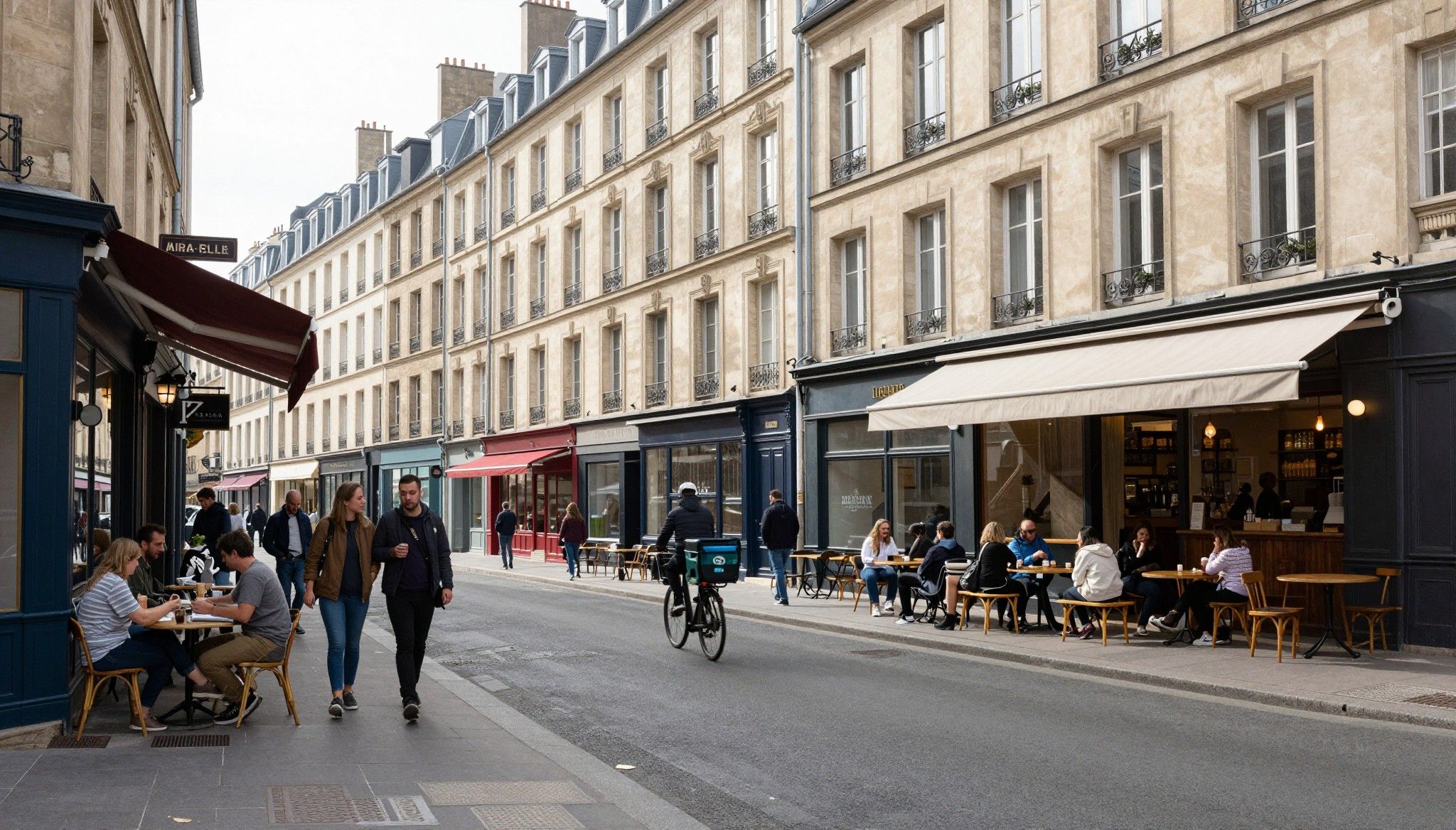
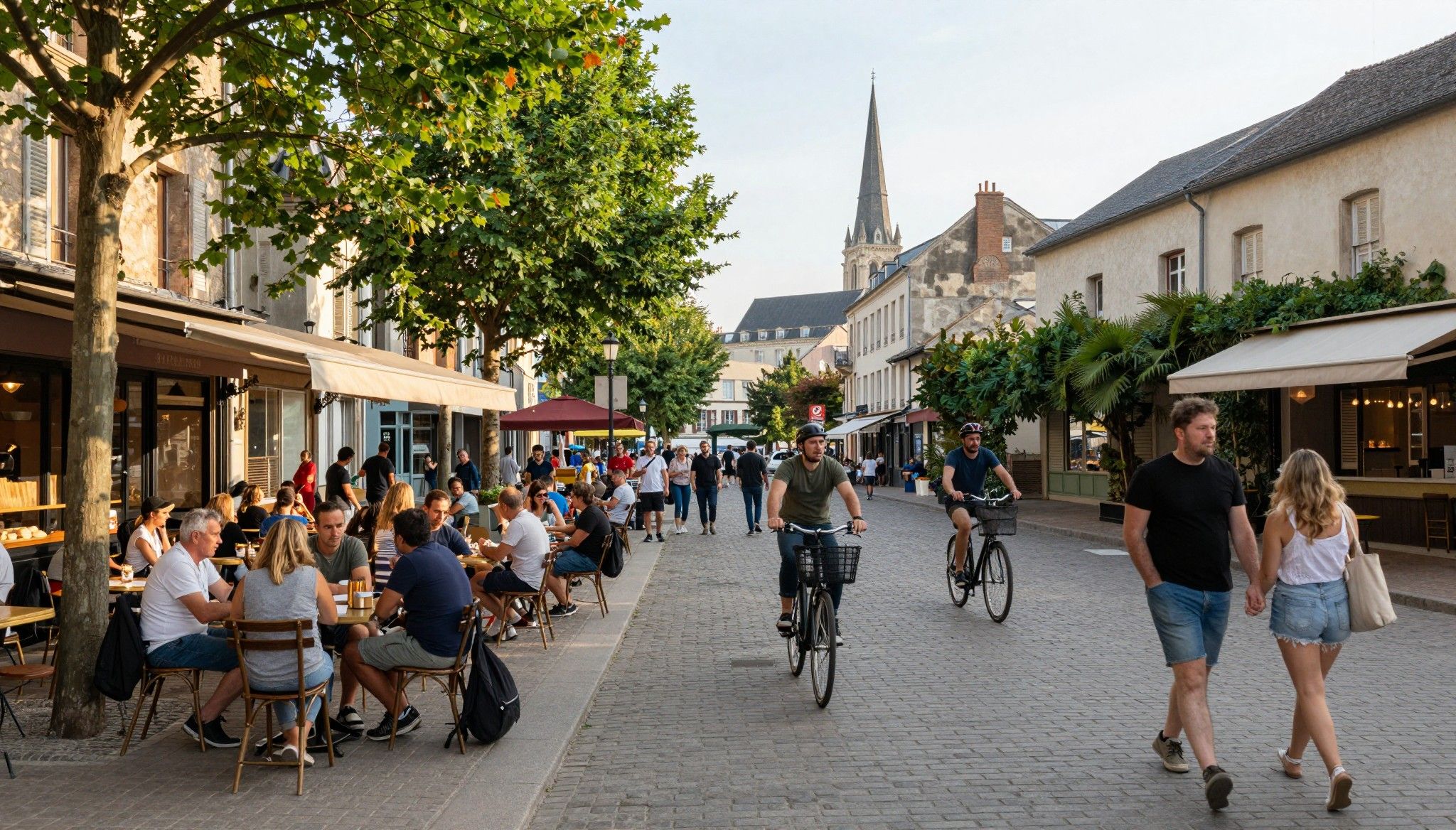
Imagine sipping espresso on Rue de Bretagne in Paris, then two days later driving to a sunlit Provençal market in Aix where the olives are piled high. France feels like a patchwork of rhythms: morning boulangeries and long lunches in Lyon, weekend swims at Plage du Prado in Marseille, late‑night jazz in Saint‑Germain. Those experiences are precisely why buyers fall in love — but the paperwork, local disclosures and micro‑market quirks shape whether that love lasts. We start with life, then show the transparency checkpoints that protect it.
Living the French life — more than a postcard
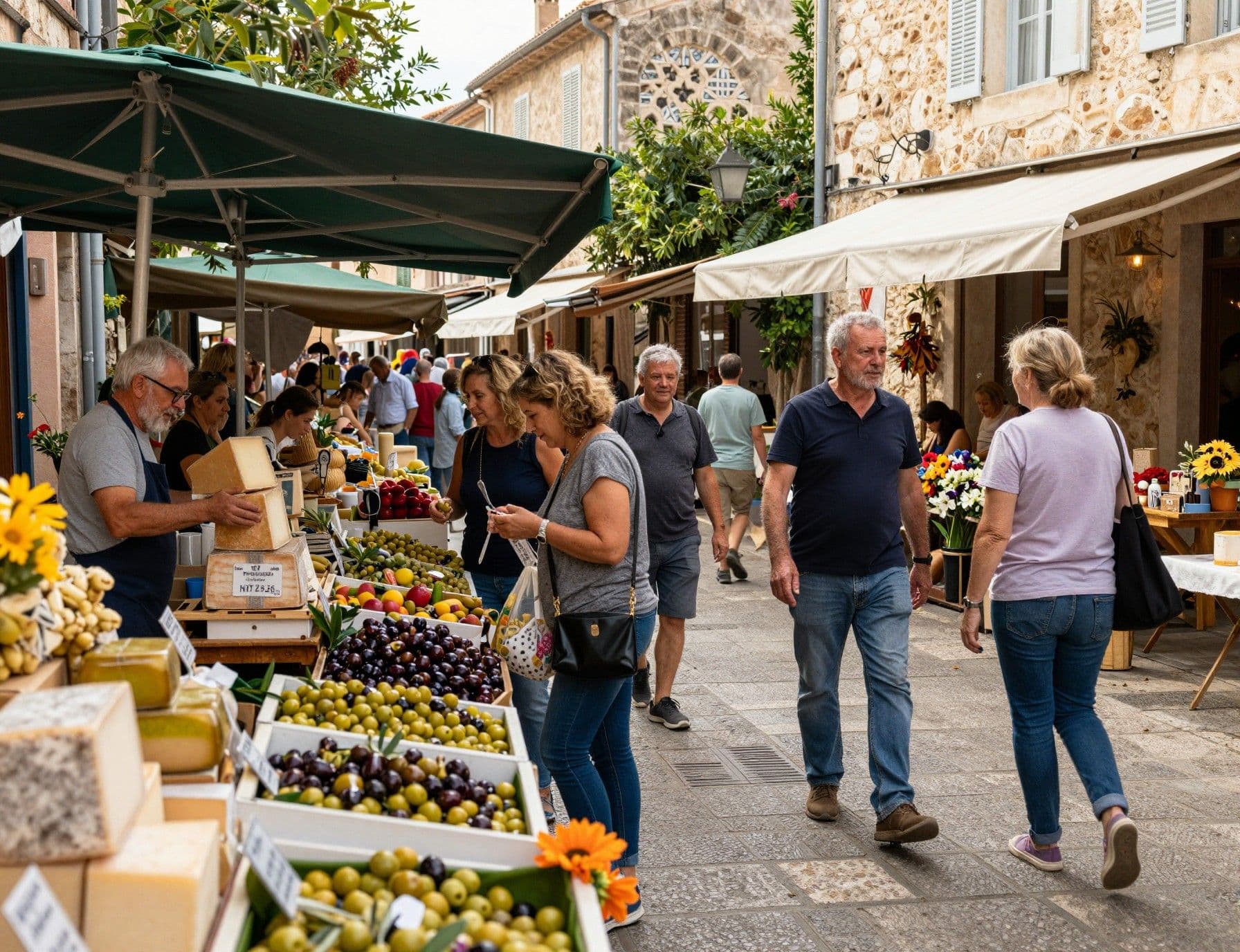
France is sensory and small‑scale. In Bordeaux the mornings smell of roasted coffee and boulangerie butter; in Nice the sea temperature decides your rhythm. Neighborhoods matter: a rue can feel village‑tight or indifferent to new faces, and that shapes everything from light on a terrace to resale prospects. We describe streets and cafes because where you sit on a Sunday morning predicts the properties that will make sense — not the other way around.
Paris: arrondissements with predictable personalities
Paris is a mosaic: the 11th feels lived‑in and noisy with small restaurants on Rue Oberkampf; the 7th gives you quiet boulevards and museums but steadier price bands. For international buyers, micro‑differences matter: a flat on Rue de la Roquette may rent to creatives easily, while one on a quieter side street needs renovation to attract international tenants. These are lifestyle decisions and market signals rolled into one.
Coast and countryside: seasonal life, year‑round realities
The Riviera dazzles in summer but the off‑season tells the property truth: upkeep costs, winter tourism decline, and sometimes thin rental demand. Conversely, places like Nantes and Rennes are steady year‑round because local economies and universities cushion slow months. Think beyond postcards: markets respond to local employers, schools and transport, not just summer crowds.
- Lifestyle highlights: real places that show the range
- Stroll the Marché des Enfants Rouges (Le Marais, Paris) for breakfast and imagine weekend rental appeal to food‑centric tourists.
- Morning coffee on Cours Mirabeau (Aix‑en‑Provence) — terraces here explain why small townhouses command premiums.
- Boat mornings on the Vieux Port (Marseille): neighborhoods just beyond the port can be cheaper but show stronger upside when local regeneration hits.
Making the move: how transparency protects the life you imagine

Dreams meet deeds at the Dossier de Diagnostic Technique (DDT). France mandates several seller disclosures — energy performance, lead where applicable, asbestos, termites in certain zones and the état des risques et pollutions (ERP) when the property lies in a risk area. These aren’t bureaucratic hurdles; they’re your early warning system. Read them like a local: they tell you about hidden costs, renovation timelines and neighbourhood vulnerabilities.
What the mandatory diagnostics reveal (and what they often don’t)
The DPE (energy rating) gives an A–G grade and now includes costed recommendations. It flags cold walls, old boilers and insulation gaps that will affect comfort and running costs. But DPEs can be out of date (valid up to 10 years) and sometimes understate renovation needs. Treat them as a conversation starter, not a final answer — commission an independent audit before you sign.
The ERP and local hazards: more than a checkbox
The état des risques et pollutions (ERP) maps floods, landslides, seismic zones and industrial risks. For coastal properties, it flags erosion and flood plans; in old mining areas it notes subsidence risk. Sellers must attach the ERP to preliminary contracts, and early access to this file can change negotiation strategy or prompt insurance checks.
- Stepwise transparency checks (what we run through with clients)
- 1. Ask for the full DDT (all diagnostics) before a viewing so you see energy and hazard flags early.
- 2. Match ERP zones to local planning documents and insurer acceptance — some flood zones carry higher premiums or exclusions.
- 3. Commission a targeted technical survey (toiture, structure, moisture) when DPE or visible issues appear; use a French‑registered diagnostiqueur.
Insider knowledge: what expats wish they knew earlier
Notaires data show that national headlines mask street‑level variance: while some big cities cooled, many regional towns saw upticks. That means deals exist where you least expect them — but only if you look at local transaction data and speak with local notaires. Expats who assume national averages apply to every street will overpay or be surprised by resale dynamics.
Local agents vs. national portals: complementary roles
National portals surface listings; local agencies know the sub‑street story — which building has recurring damp, which owner is motivated, which block is scheduled for façade works. Work with a local agent who shares recent comparables and can produce the DDT on request. Treat the agent as your translator of local customs as much as your negotiator.
Common red flags we spot early
- Seller refuses to provide full DDT or delays ERP access.
- Obvious discrepancies between advertised surface and Loi Carrez measure for copropriétés.
- Properties with low DPE grades but no price adjustment or seller unwilling to discuss upgrade costs.
Conclusion: fall in love, then check the file. France sells a life as much as it sells a house — the terraces, markets and small streets are real. But the DDT, ERP and notarial records are how you turn romance into a durable purchase. Start with lived experiences — cafes, markets, neighborhood rhythms — and close with documents: full diagnostics, recent comparables from notaires and a local technical survey. Bring a local expert who reads both the lifestyle and the registry, and you’ll buy with both heart and clarity.
Dutch relocation advisor who moved to Marbella in 2016. Guides Dutch buyers through visa paths, relocation logistics, and balance of lifestyle with value.