Italy: Choose the Life, Then the Micro‑Market
Italy offers varied coastal and city lifestyles; pick the life first, then the micro‑market. Data from ISTAT and industry reports show steady demand and prime pockets worth attention.
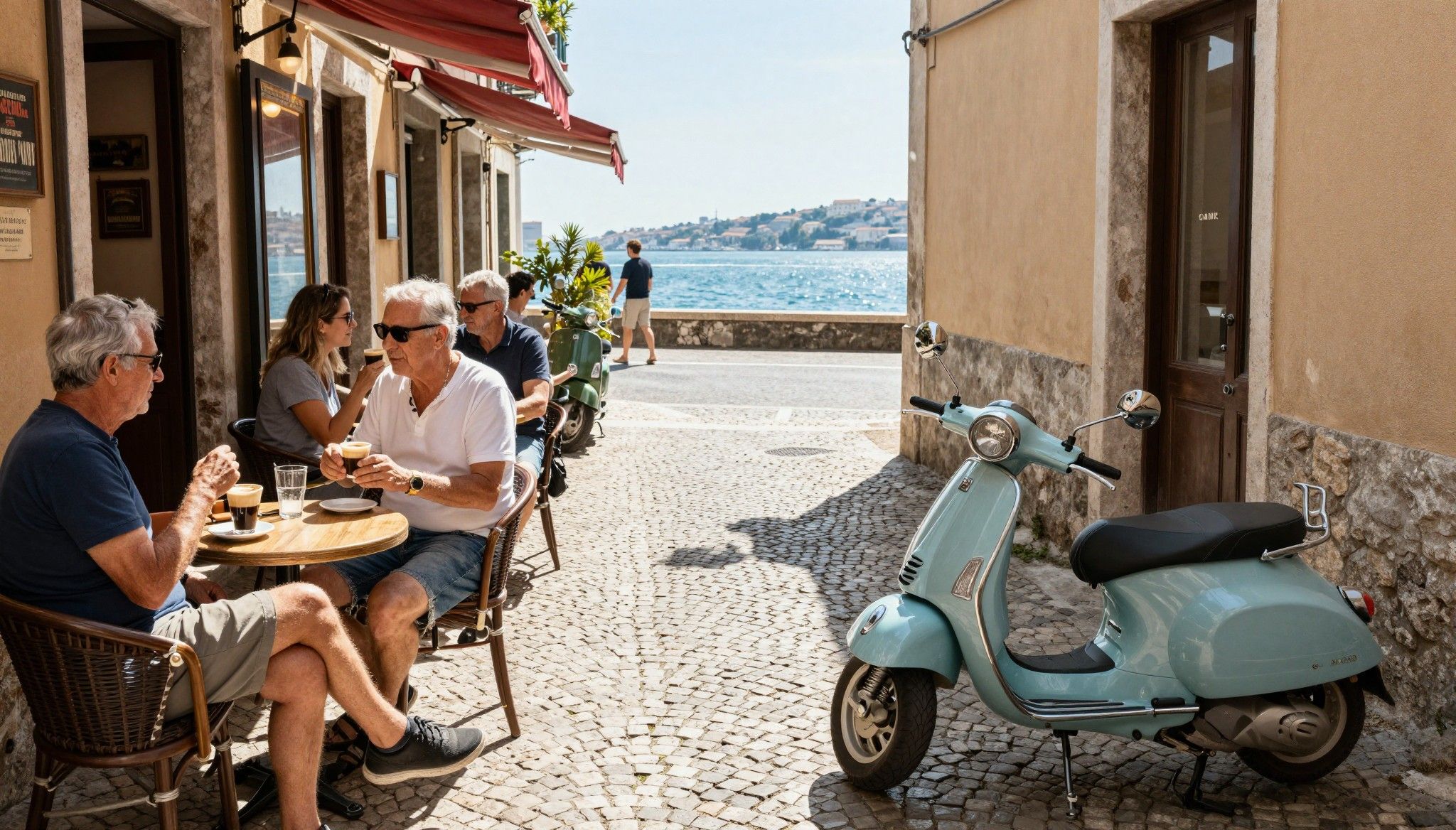
Imagine waking to espresso steam on a narrow balcony in Trastevere, then trading cobbled streets for a Ligurian morning swim—Italy is a dozen lives in one country. Recent market analysis shows renewed price momentum in 2025–26, but what matters most to buyers is the life they want to lead: the market is the plumbing, the neighbourhood is the view.
Living the Italy lifestyle
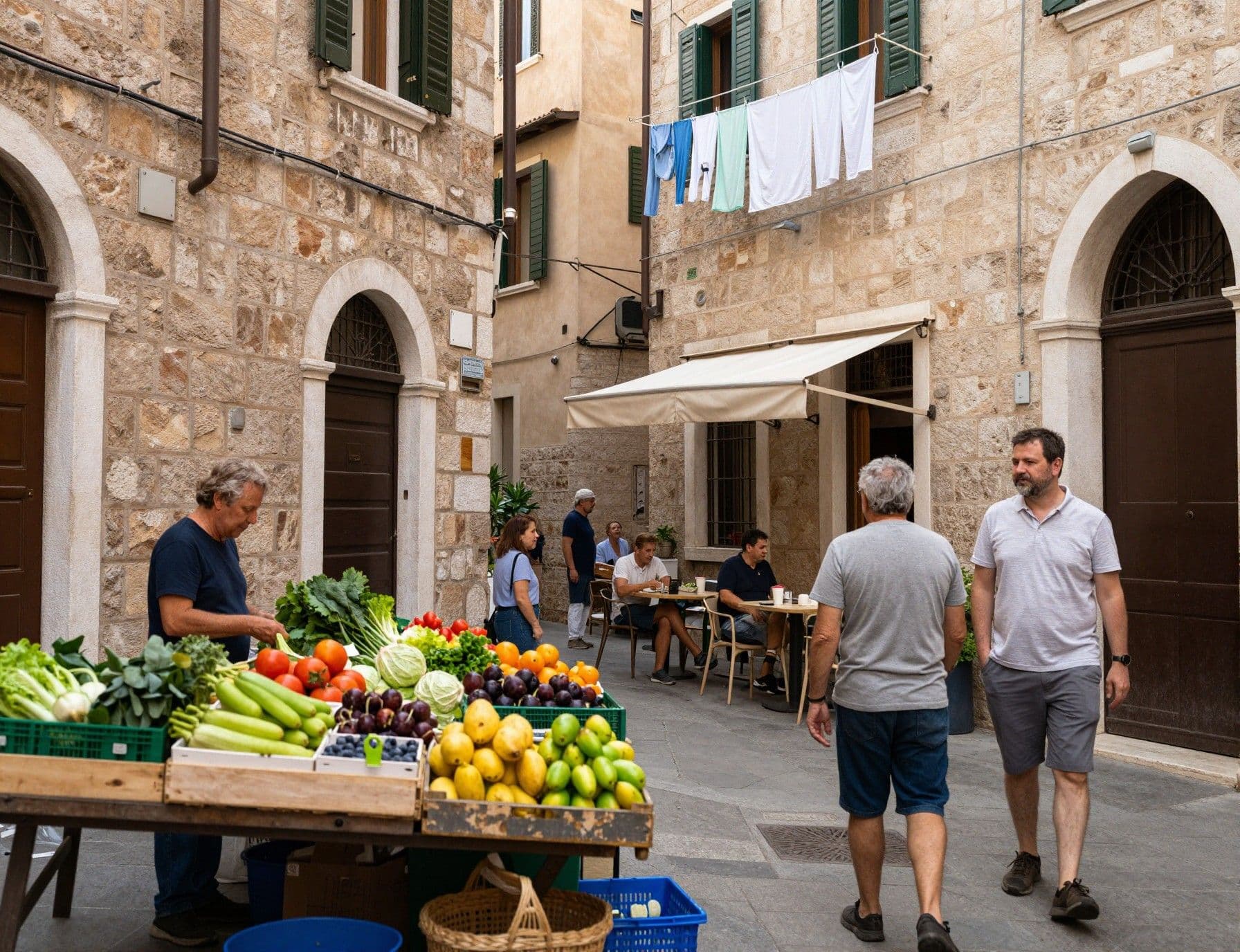
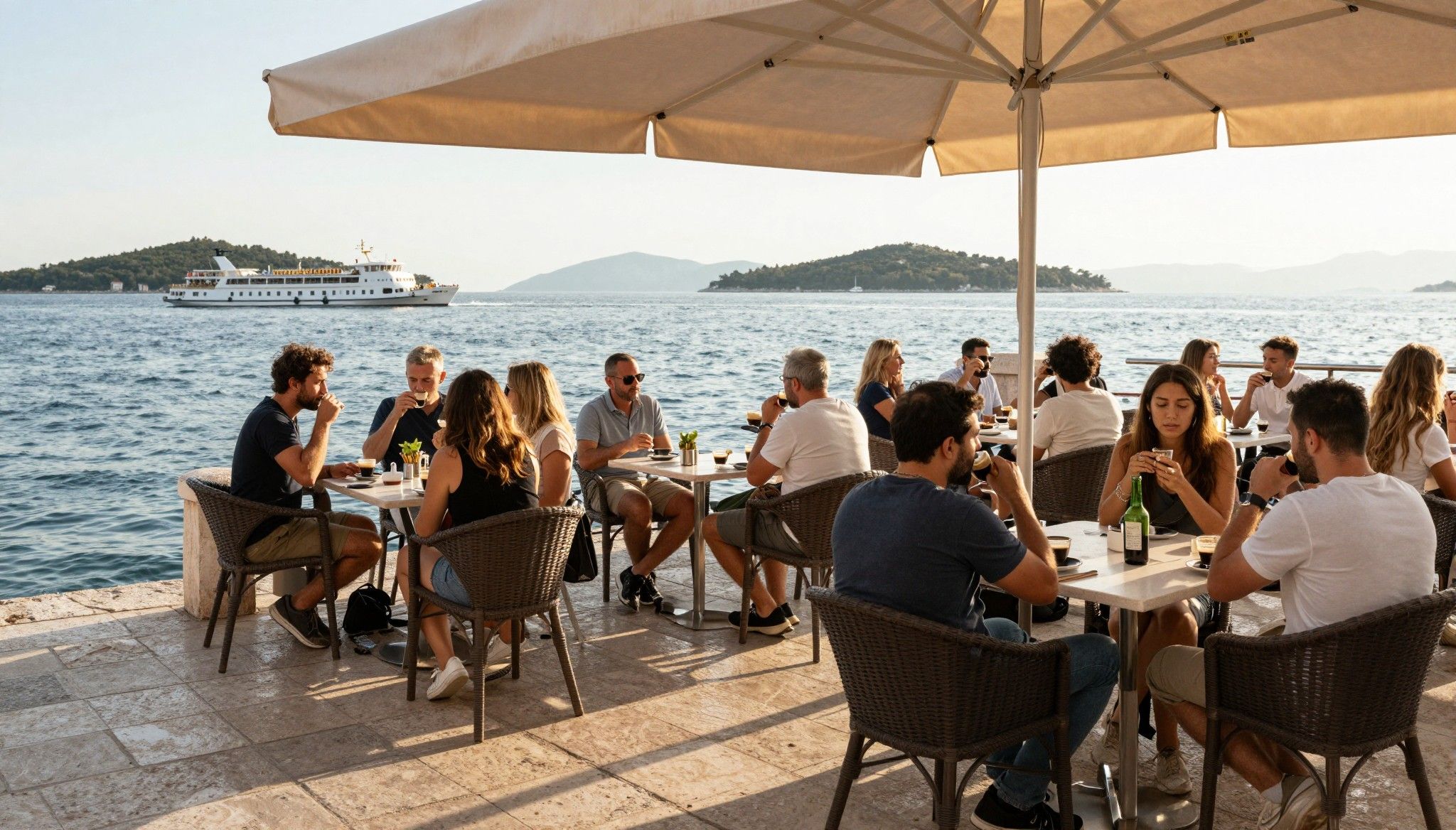
Italy’s appeal is tactile: espresso by 09:00, a market run for seasonal produce on Saturdays, a late passeggiata that decides where dinner will be. The 2025 Idealista report highlights rising international interest—buyers from the US, Germany and Spain are browsing Italian listings more than ever—so expect a cosmopolitan mix in many coastal and historic neighbourhoods.
Neighbourhoods that shape daily life
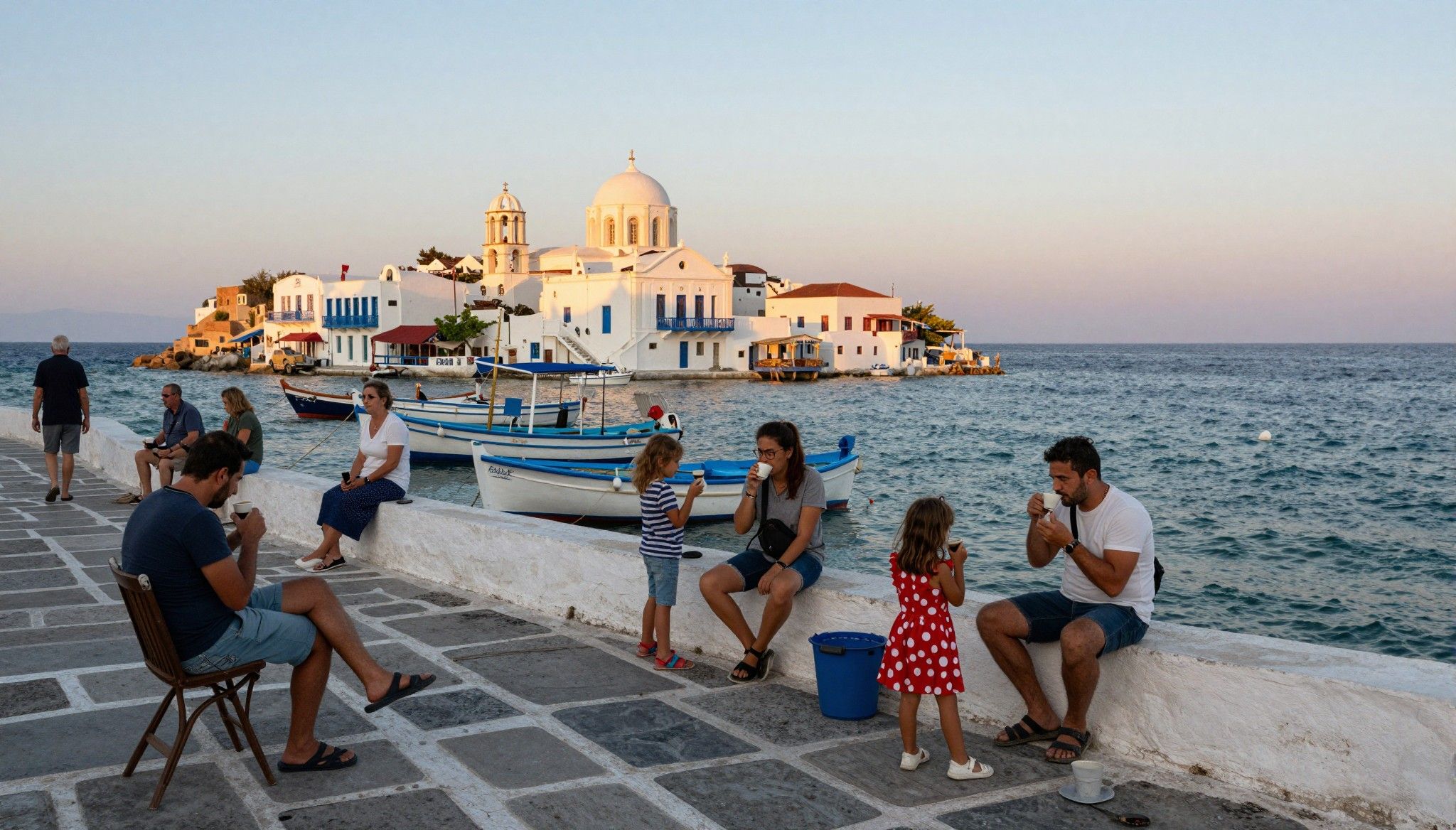
Pick a neighbourhood and you pick a daily rhythm. Rome’s Trastevere hums with trattorie and narrow lanes; Milan’s Brera serves late‑night aperitivi and design energy; Genoa’s Boccadasse is about cliffside walks and anchovy focaccia. On the Amalfi Coast, Positano’s vertical life means terraces and stairs; in Liguria, sleepy Levanto gives you surf mornings and market afternoons.
Food, markets and the week‑end ritual
If food culture defines Italy, markets map it. From Palermo’s Ballarò to Florence’s Sant’Ambrogio, weekends are an exercise in local discovery. Practical note: proximity to a daily market or weekly farmers’ square often adds more to quality of life than an extra room—and neighbourhood demand for market‑adjacent flats has nudged prices upward, according to national price indices.
- Daily-life highlights worth planning for:
- Morning espresso at Antico Caffè Greco (if you choose central Rome) or a corner bar in Posillipo for seaside views.
- Saturday market runs: Ballarò (Palermo), Mercato Centrale (Florence), or Campo de' Fiori (Rome).
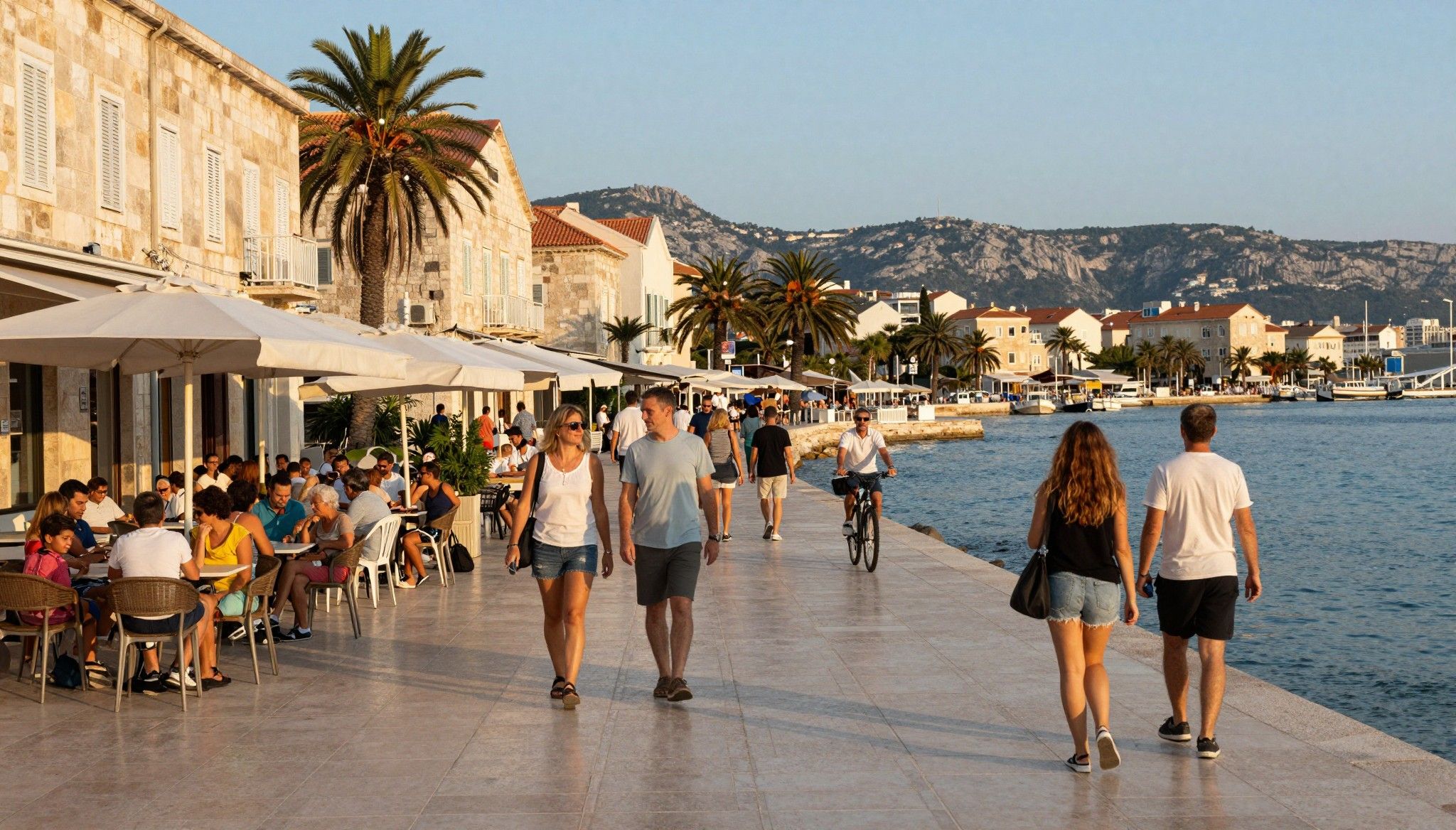
- Afternoon passeggiata in the lungomare (Bari, Salerno) or a Ligurian cliff walk between Vernazza and Monterosso.
Making the move: practical considerations
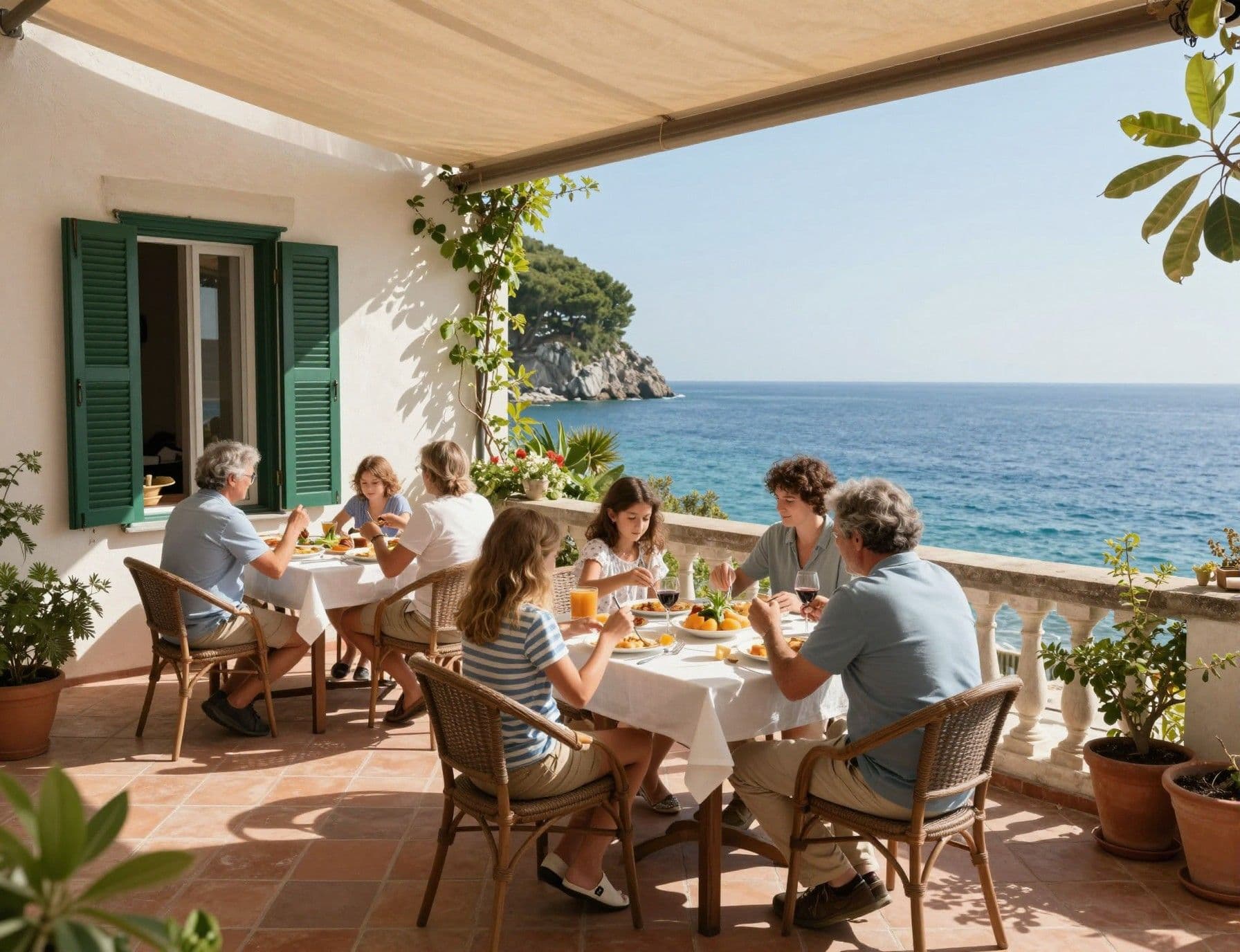
The dream meets paperwork: mortgages, notary searches, and local building regs. Italy’s market has regained momentum—prime markets and coastal hubs are drawing international buyers—but outcomes depend on micro‑markets. Knight Frank’s 2026 commentary shows pockets of strong prime demand; that matters when you’re weighing a seaside villa against a historic centre apartment.
Property styles and how you’ll live in them
A high‑ceilinged apartment in a palazzo in Bologna lets you host long dinners and rely on walkability. A renovated Ligurian casa gives you outdoor terraces and salt air but expect steps and modest floor plans. Coastal villas often include outdoor kitchens and pool maintenance costs—factor those into lifestyle budgets. Match the property type to how you’ll use it: weekend escape, year‑round home, or income rental.
Working with local experts who know the lifestyle
An agent who knows where the best markets meet the best cafes will save you time. Look for agencies with experience in the specific micro‑market—coastal property managers for long‑let rentals, notaries and geometra contacts for older homes, and architects familiar with heritage constraints for restorations. Local knowledge converts a listing into a lived experience.
- Steps that blend lifestyle and practical checks:
- 1) Visit the neighbourhood at different times: market morning, siesta afternoon, evening passeggiata.
- 2) Ask an agent for comparable neighbourhood sales and a local rental snapshot if you plan to let.
- 3) Budget for extras tied to lifestyle: historic‑building upgrades, outdoor‑space maintenance, and seasonal utilities.
Insider knowledge: what expats wish they'd known
Expats often underestimate the social dimensions: neighbourhood clubs, civic festivals and seasonal calendars shape belonging. The OECD notes broader structural trends (demographics, labour markets) that influence long‑term demand—think about where communities are growing, not just where prices are low.
Language, rhythms and making local friends
Italians value ritual: market vendors, the barista who remembers your order, the neighbour who helps with heating oil deliveries. Learning a few phrases opens doors. Join a local association—sporting clubs, language exchanges or cooking classes—to move beyond the tourist circuit and anchor yourself in the neighbourhood.
Long‑term thinking: how lifestyle choices affect value
Choose a place you can imagine in five years. Coastal towns with transport links and year‑round services hold up better than seasonal villages. Similarly, city neighbourhoods with cafés, schools and green spaces often show steadier demand. Use lifestyle fit as a proxy for resilience when assessing long‑term value.
- Red flags locals will tell you (listen to them):
- Empty streets after summer in tourist towns—services may shrink in winter.
- Buildings advertised as “fully renovated” without permits—always ask for the CILA/SCIA paperwork.
- Poor connection to regional transport if you plan year‑round life—check train and ferry timetables before committing.
Conclusion: Italy is not a single bet; it’s a portfolio of lifestyles. Start by choosing the life you want—city mornings, coastal swims, or slow countryside Sundays—then let market data and local experts translate that life into an address. If you’d like, we can match you with agents who specialise in Liguria’s terraces, Amalfi’s vertical villas, or Rome’s palazzo apartments so you spend less time on logistics and more time planning your first mercato run.
British expat who relocated to Marbella in 2012. Specializes in rigorous due diligence and cross-border investment strategies for UK and international buyers.