Croatia: Lifestyle First, Then Check the Data
Croatia’s coastal charm masks fast, uneven price growth; use DZS indices, short‑stay data and local legal checks to match lifestyle dreams with real market signals.
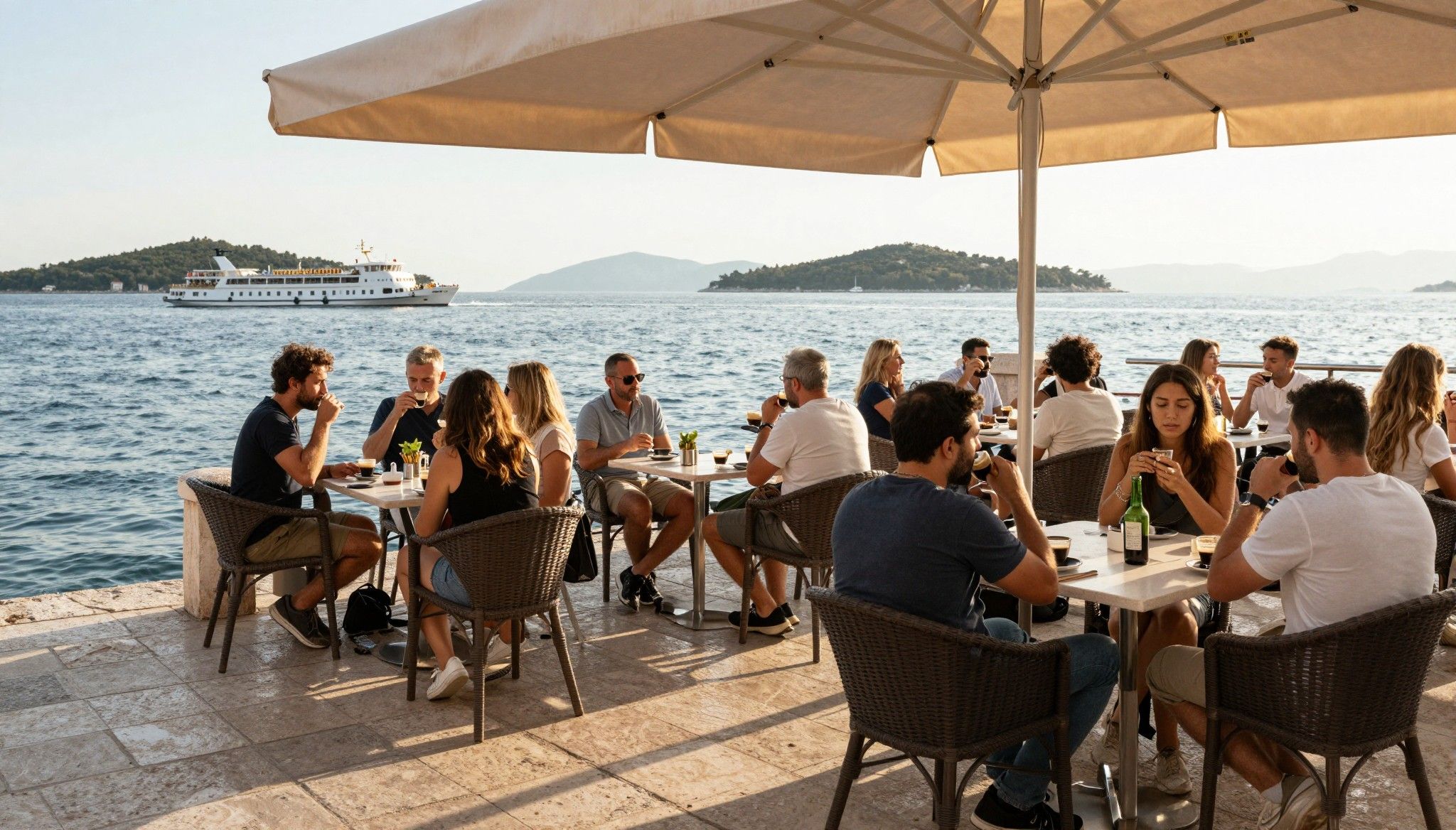
Imagine sipping espresso at sunrise on a stone terrace in Rovinj, then wandering a morning market in Split before an afternoon ferry to an island — Croatia lives like a coastal novel, but its property story is louder in the data than the postcards. Recent DZS figures show strong house‑price growth along the Adriatic, and that matters for anyone dreaming of buying here.
Living the Croatia lifestyle
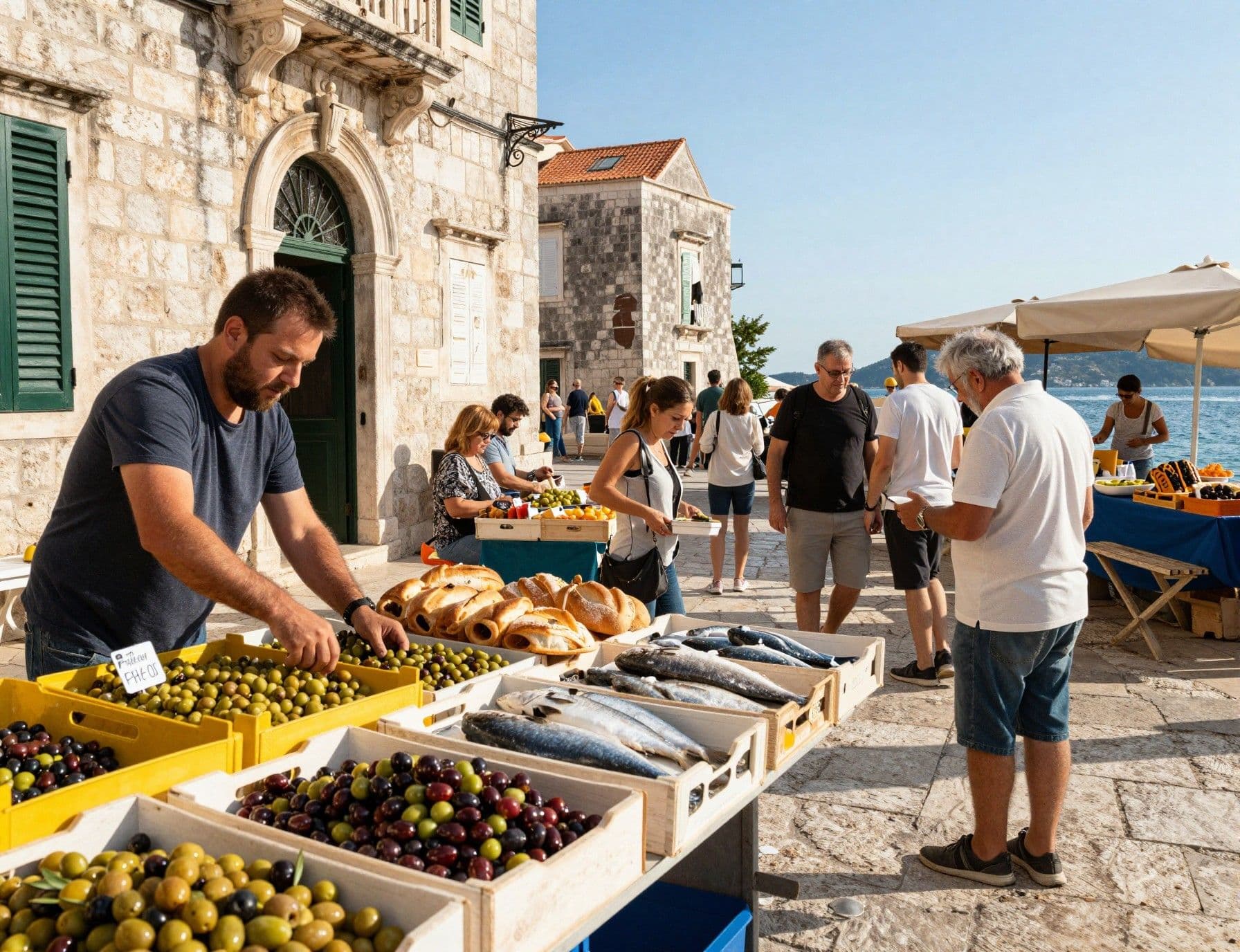
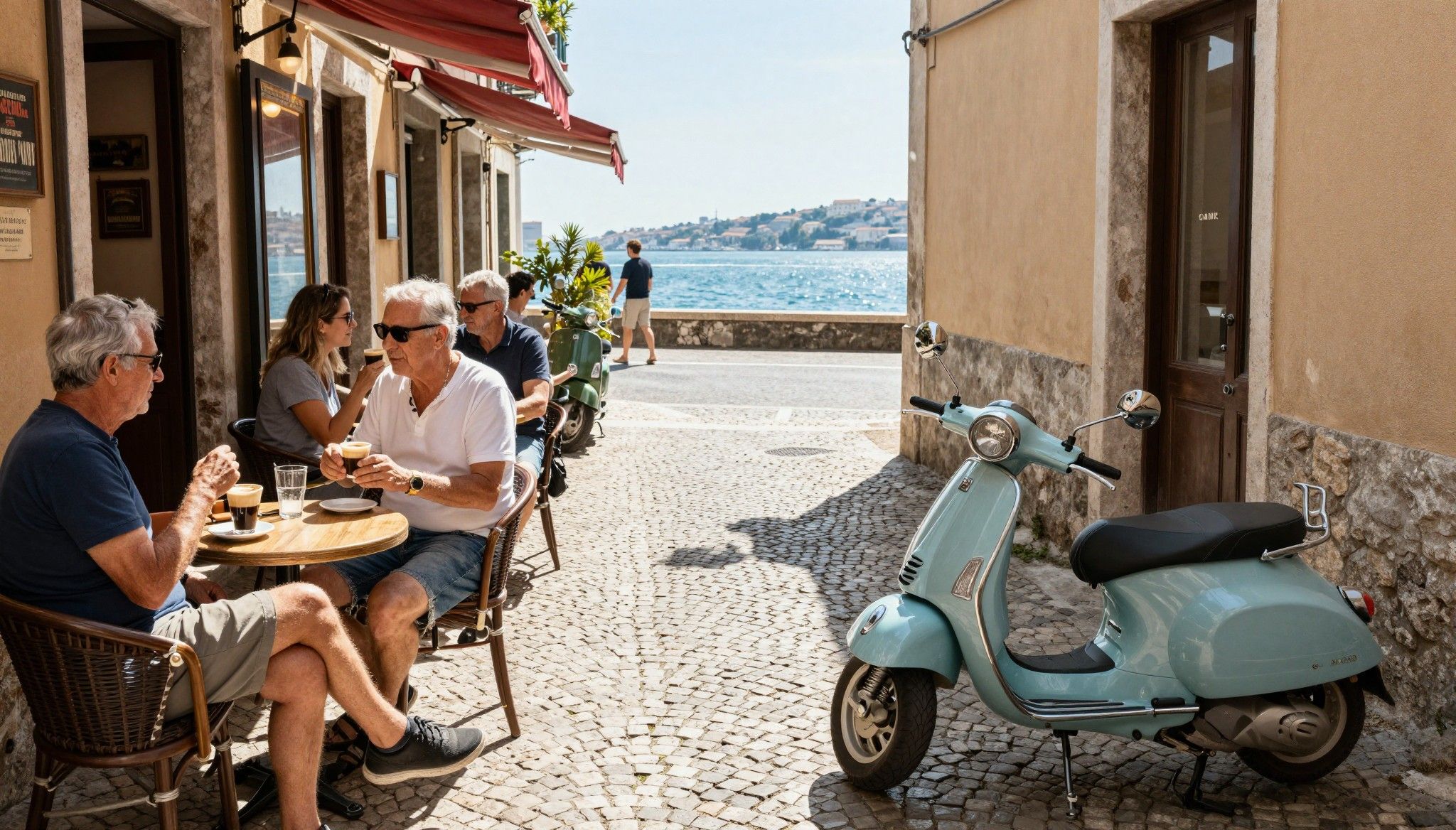
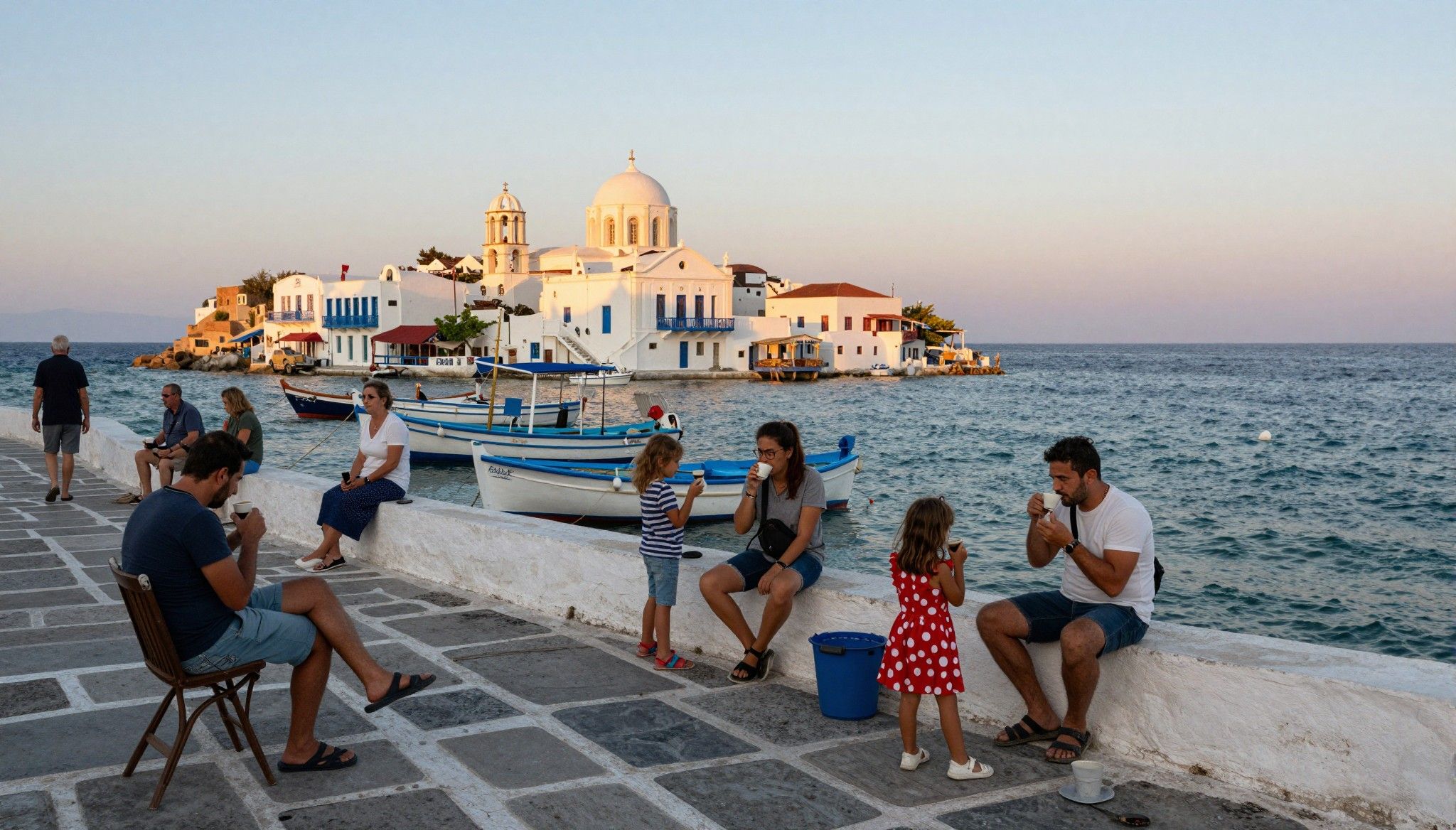
Daily life in Croatia is stitched from stone squares, late coffees, and an almost tactile relationship with the sea. Coastal towns pulse in summer and quiet to a more local tempo in winter; Zagreb hums year‑round with cafés, galleries and a growing expat scene. Tourism keeps neighbourhoods animated — the DZS records millions of overnight stays — which pushes seasonal demand and rental income potential in coastal micro‑markets.
Coastlines, old towns and island rhythms
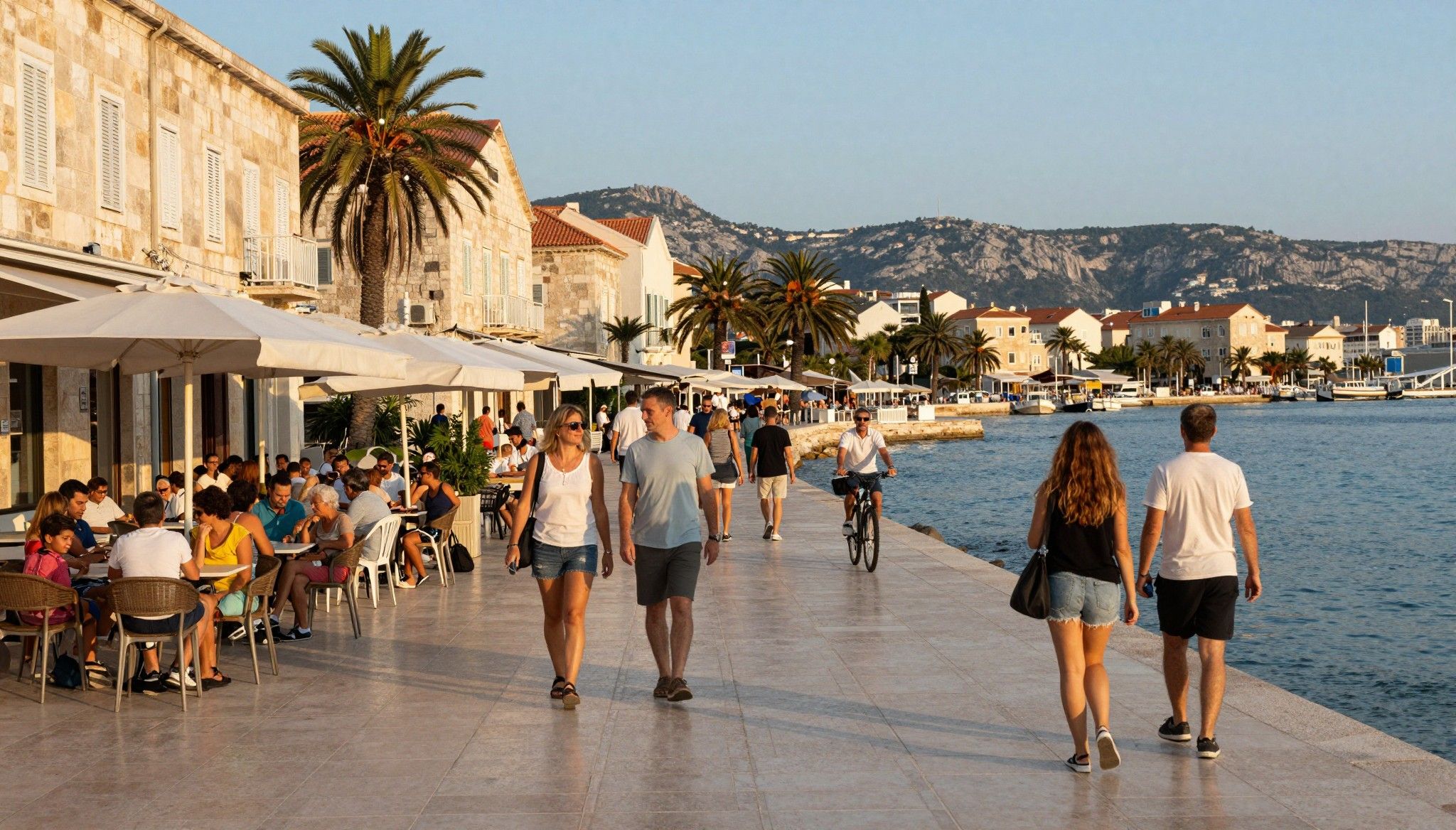
Walk the Riva in Split at 8am and you’ll see fishermen, joggers and cafés preparing for the day; by evening, the same streets host long dinners and a slow, comfortable bustle. In Dubrovnik’s Old Town the stone and history sell an atmosphere — and a premium. On islands like Hvar or Brač the real estate market reacts strongly to summer popularity, while places such as Šibenik and Zadar are quietly attracting buyers who want Adriatic life without Dubrovnik prices.
Food, markets and small pleasures
A morning market in Varaždin or Split tells you more about neighbourhood value than a glossy listing: fresh produce, local olive oil and neighbors swapping news. Cafés on Ilica (Zagreb) or Šibenik’s waterfront set the tempo for communal life — these are the places buyers rate highly when choosing a street, not just an apartment size.
- Lifestyle highlights: Riva promenade (Split), Old Town (Dubrovnik), Rovinj’s marina, Hvar’s port cafes, Zagreb’s Tkalčićeva street, local morning markets in Split and Zadar
Making the move: practical considerations
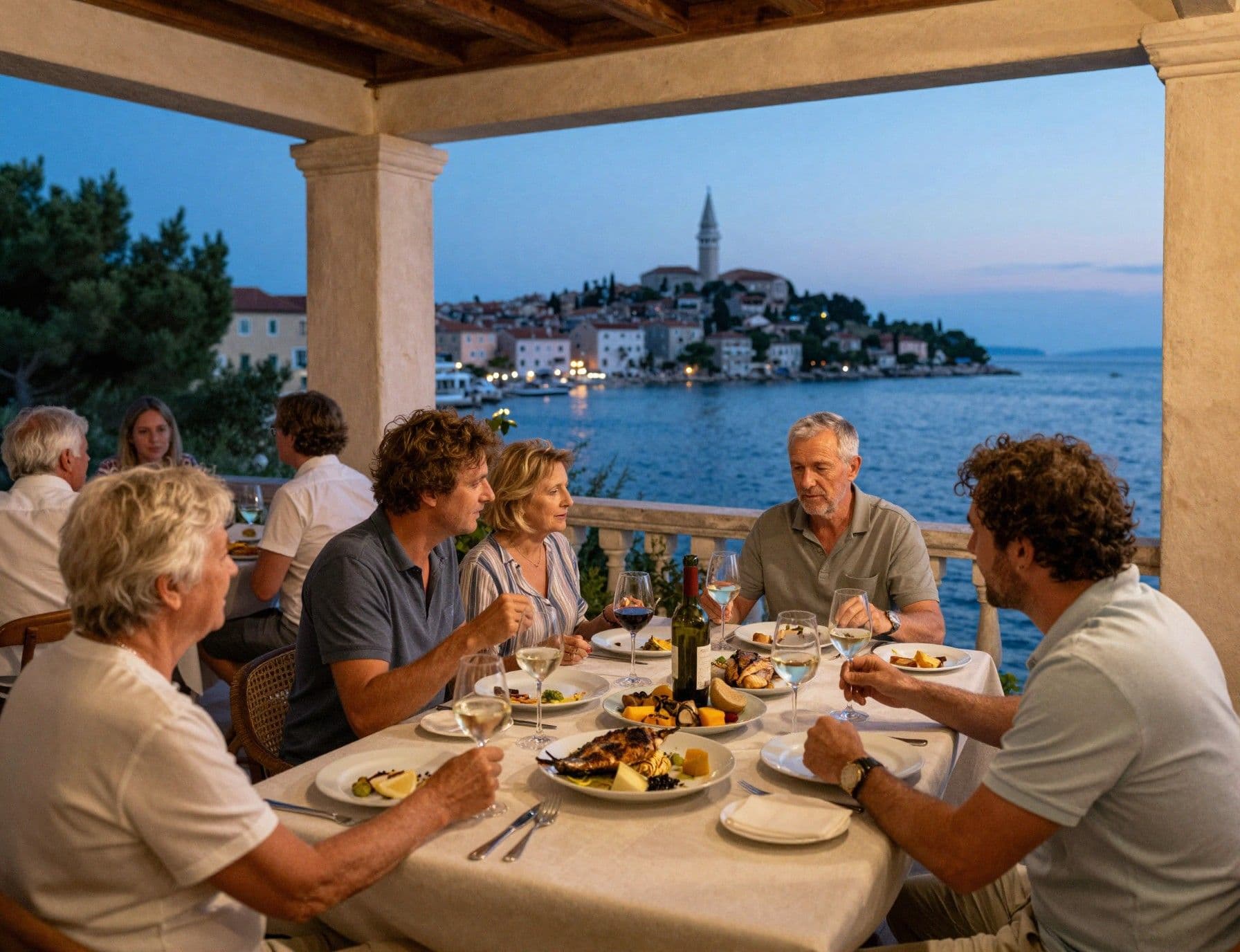
The dream of Croatian life meets a well‑documented buying process. EU citizens generally have parity with locals for property purchases; non‑EU buyers work under a reciprocity and consent regime. The practical point: know whether your citizenship affects land or apartment eligibility and factor in seasonal demand that raises coastal prices in summer months. Official guidance on foreign buyer rules is available from gov.hr.
Property types and how they shape daily life
Stone restorations in old towns offer unmatched character but often require renovation and attention to insulation; modern apartments in Zagreb provide reliability and rental year‑round. New builds along the coast command premiums tied to sea views and tourist demand. The DZS house price index shows how coastal micro‑markets have outpaced inland growth, so align property style with whether you want seasonal rental income or stable year‑round living.
Work with local experts who know the rhythm
- 1. Ask agents for recent transaction records and check DZS or CNB price indices to verify advertised claims. 2. Insist on a lawyer who reads land registry entries in Croatian and confirms title clarity before paying a deposit. 3. Model rental seasonality: estimate summer occupancy and off‑season demand using eVisitor and short‑stay platform statistics. 4. Confirm whether the property sits in a protected zone (heritage/zone), which affects renovation plans and costs.
Insider knowledge: what expats wish they’d known
Real talk from buyers: summer demand can double perceived value, but the true test is winter. Short‑stay platform data shows coastal listings dominate bookings, which inflates gross yields if you only look at July and August. Several buyers told us they over‑projected income after seeing peak‑season listings; consult platform data for a full year view before budgeting.
Cultural integration, language and community
Croatians appreciate polite effort: learn basic Croatian phrases, join a local market morning, and you’ll be welcomed faster than by relying only on English. Small gestures — shopping from a local vendor, attending a town festa — build ties that matter when you need contractor recommendations or local advice about property quirks like moisture in stone houses.
Long‑term lifestyle and market thinking
Croatia’s position in the Adriatic and rising tourism infrastructure point to medium‑term demand, but buyers should think in 5–10 year windows. Look for neighbourhoods where local services (year‑round cafés, bakeries, healthcare access) are strengthening — these are the streets that preserve value beyond seasonal rent spikes.
Conclusion: fall in love with the life first, then test the numbers. Use official indices (DZS, CNB), platform booking statistics, and a local lawyer to confirm title and zoning. If you balance seasonal potential with year‑round community, Croatia can deliver both a life you love and a sound property decision. When you’re ready, find an agency that knows the street, not just the listing.
Swedish expat who moved from Stockholm to Marbella in 2018. Specializes in cross-border legal navigation and residency considerations for Scandinavian buyers.