Summer House‑Hunt in Croatia? Wait Until Autumn
Why summer viewings in Croatia can mislead buyers: seasonal demand, registry quirks and regional price splits mean patience, local data and proper checks beat impulse offers.
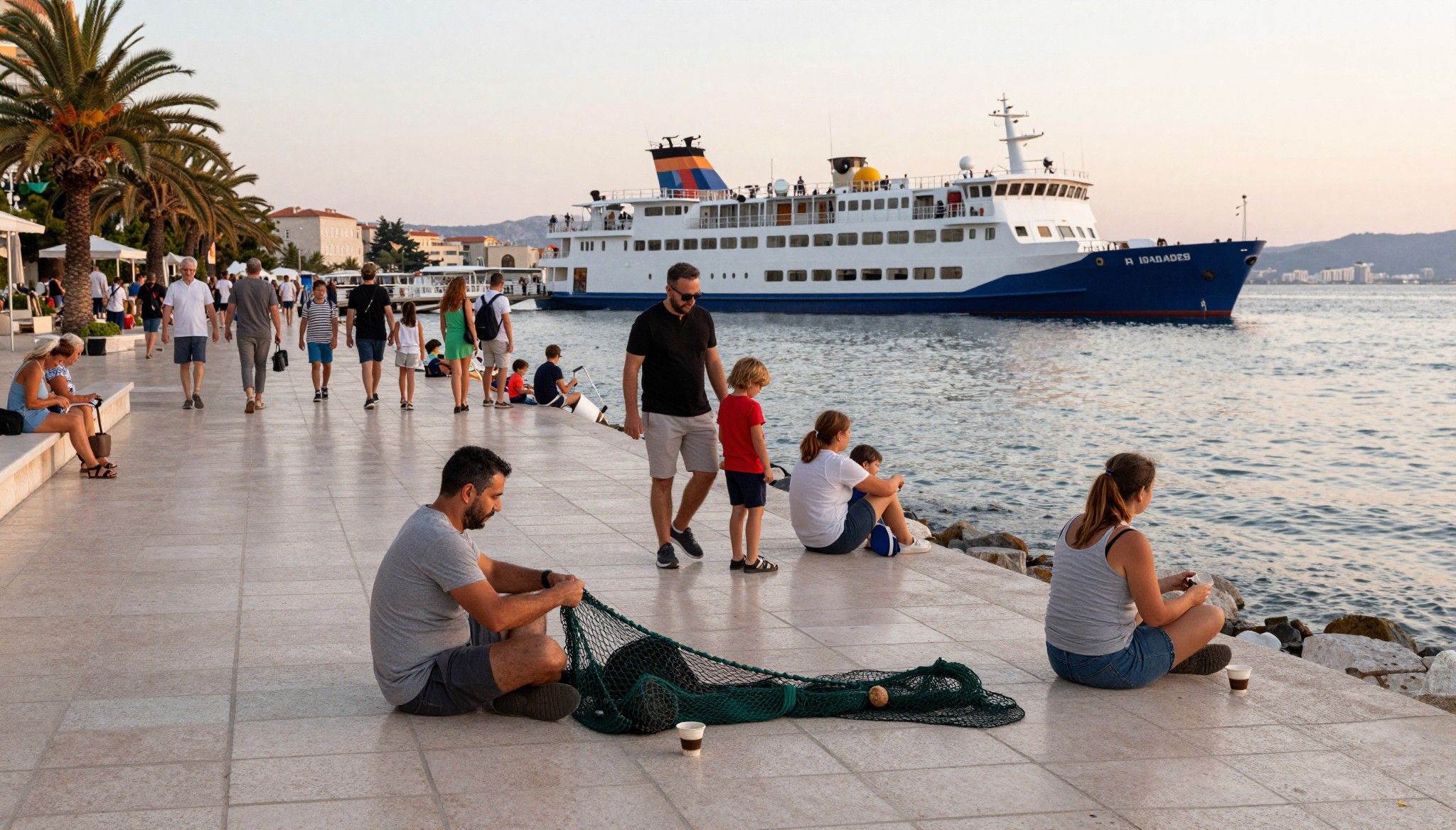
Imagine walking the Riva in Split at 7am, espresso in hand, shutters still closed on the stone façades — and realising the same holiday buzz that makes Croatia irresistible also masks important buying risks. We love the light, the markets and the Adriatic pace. But if you arrive in July convinced you'll sign on the spot, you might be signing into seasonal illusion, unclear titles, or a seller-led price story.
Living the Croatian Life (the part that sells itself)
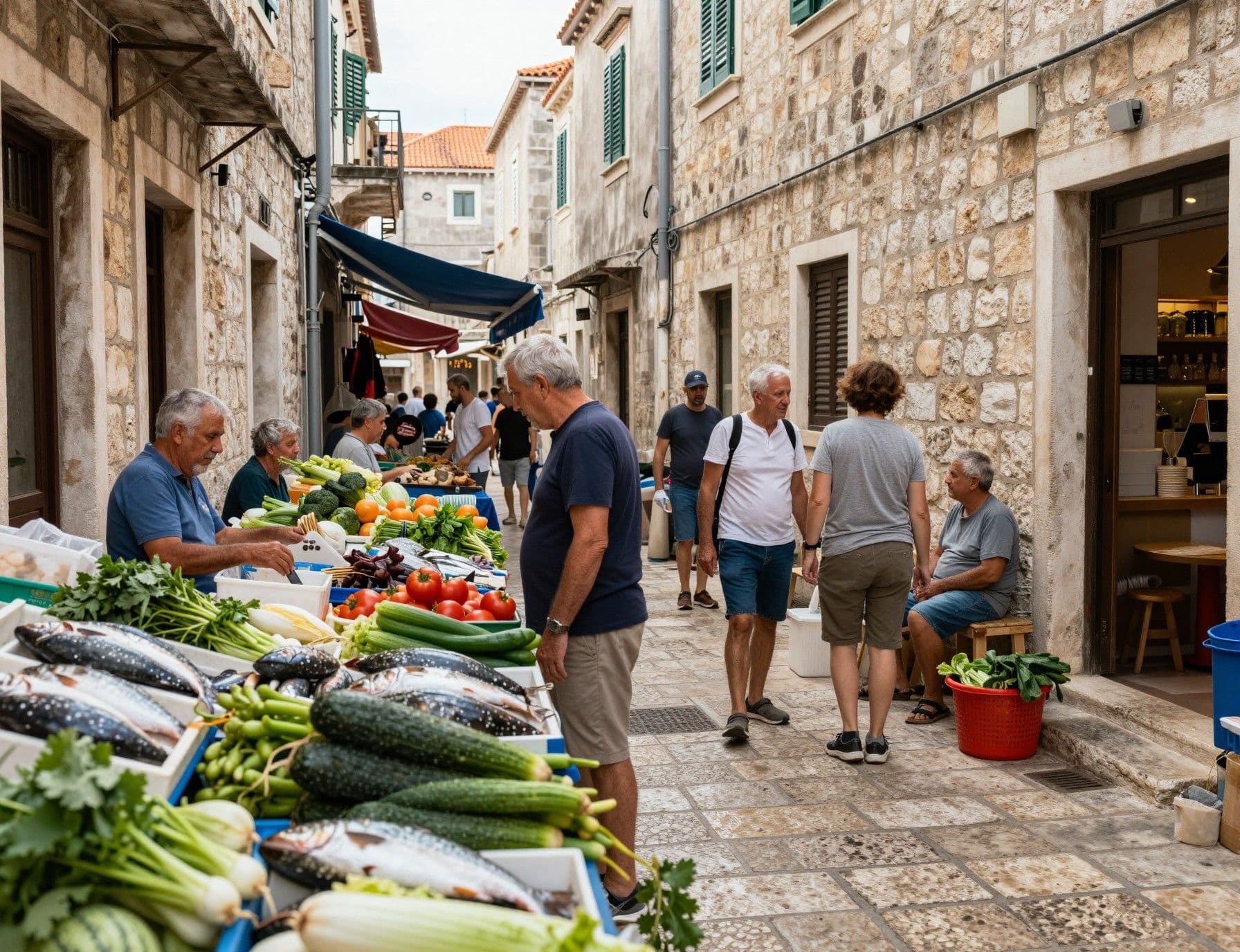
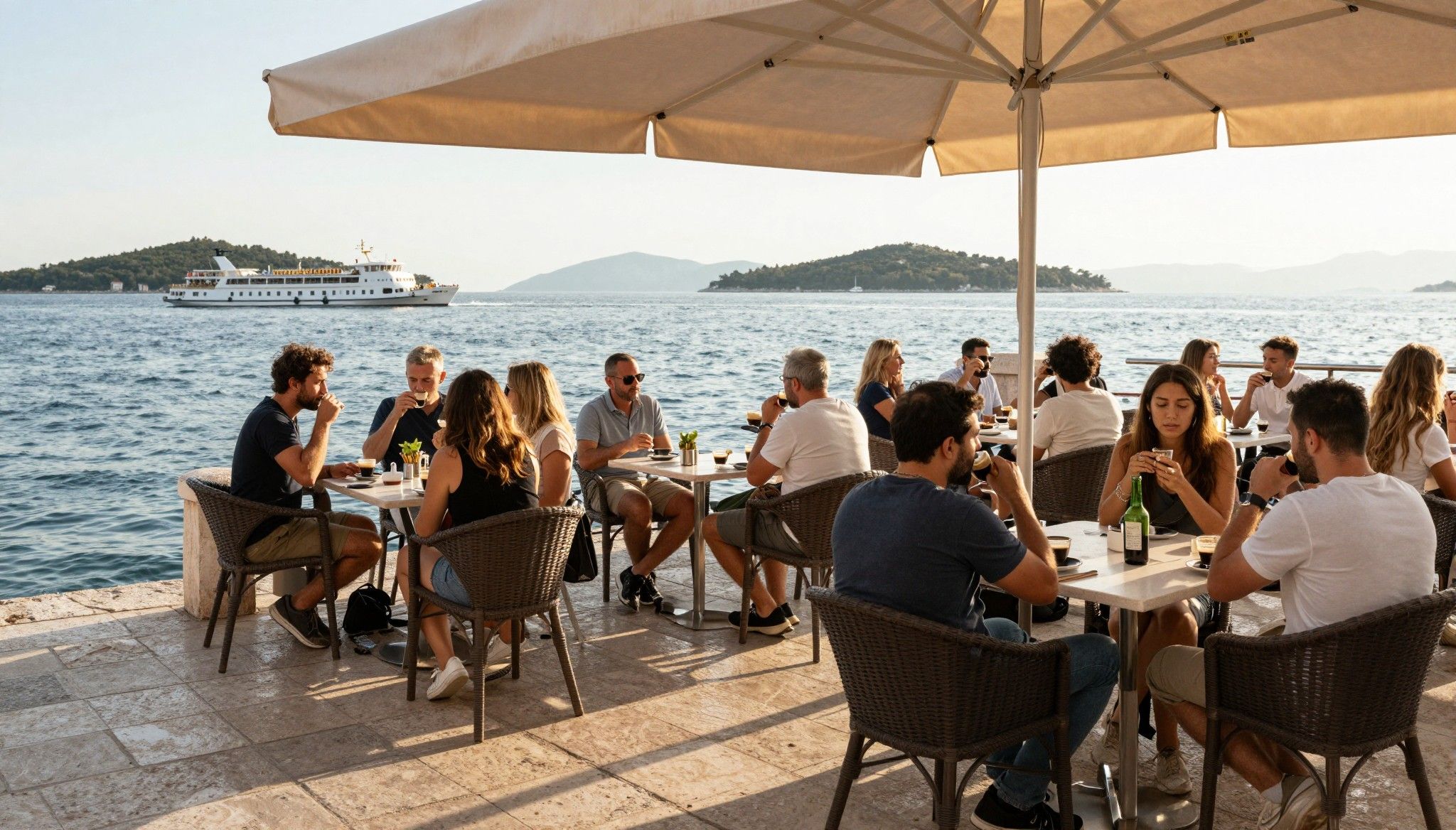
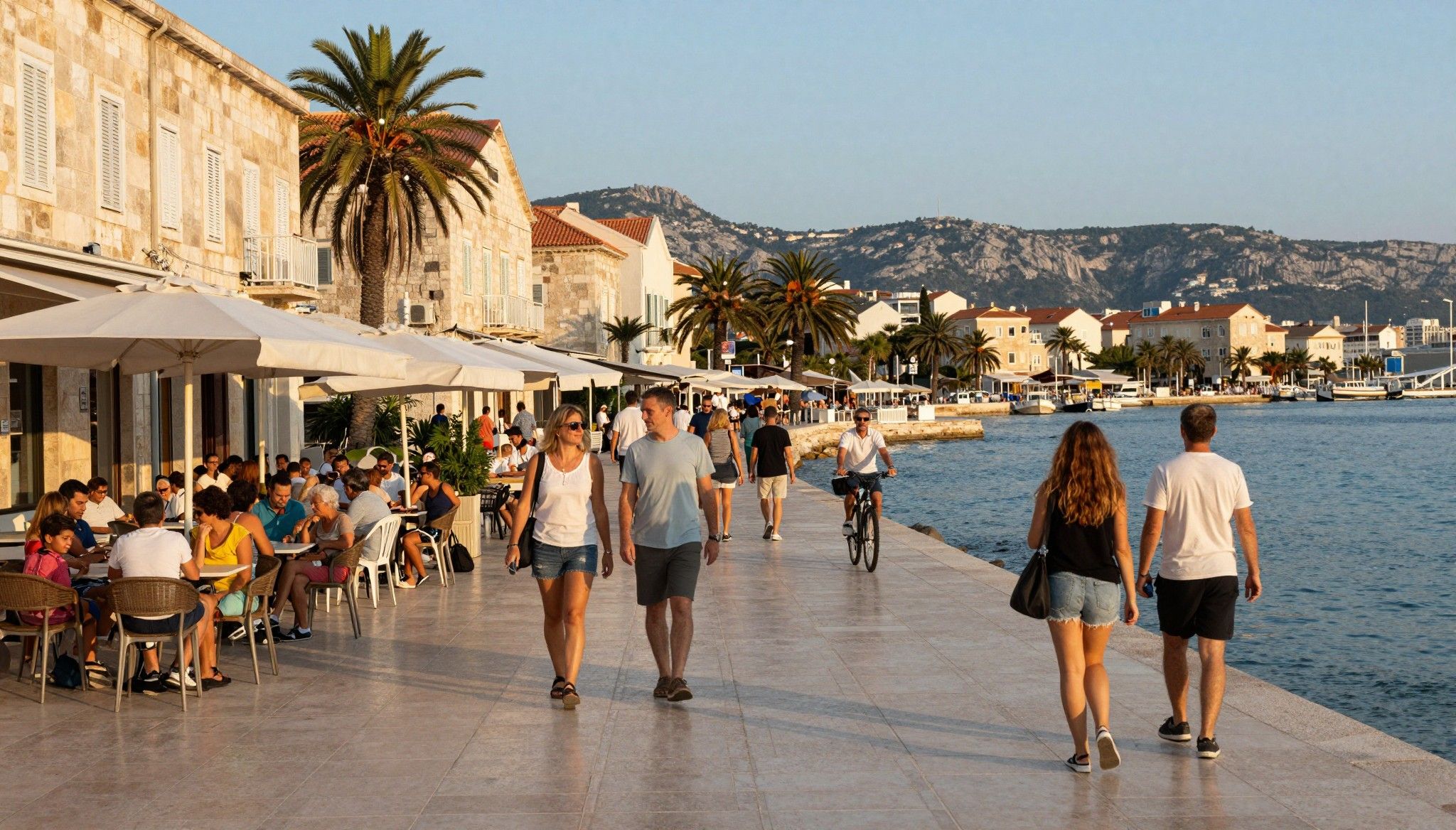
Croatia moves at two rhythms: coastal summer — loud, sunburnt, tourist-driven — and the quieter shoulder seasons when towns reveal grocery-store routines, neighbourhood cafés and real community. Picture Veli Varoš in Split at dusk, small boats rocking, an old neighbour sweeping steps; or the stone alleys of Rovinj where fishermen and restaurateurs trade mornings. These textures shape what you buy: terraces, storage for seasonal gear, or compact historic flats without parking.
Neighborhood spotlight: Split — Veli Varoš to Meje
Veli Varoš is intimate: narrow alleys, family-run konobas and morning fish markets. Meje, higher on the hill, trades that intimacy for sea views and quieter streets. If you crave daily café conversation and immediate access to the ferry, Varoš wins. If you value privacy and a terrace for sunsets, Meje is the safer lifestyle bet — and it changes renovation budgets and resale appeal.
Food, markets and weekend rhythm
Weekends in Croatia are a ritual: morning markets (Pazar in Split, Dolac in Zagreb), long lunches, island hops. Buying near a market or a ferry line means life unfolds outside your door — olive oil sellers, late‑season figs, and neighbours who know your name. But expect noise, seasonal crowds and higher short‑term rents if you plan to rent the place out.
- Lifestyle highlights: Pazar mornings, sunset terraces in Hvar, kayaking from Šibenik's marina, Istrian truffle weekends, coastal promenades and late-night konoba culture.
Making the Move: Practical considerations that preserve the lifestyle
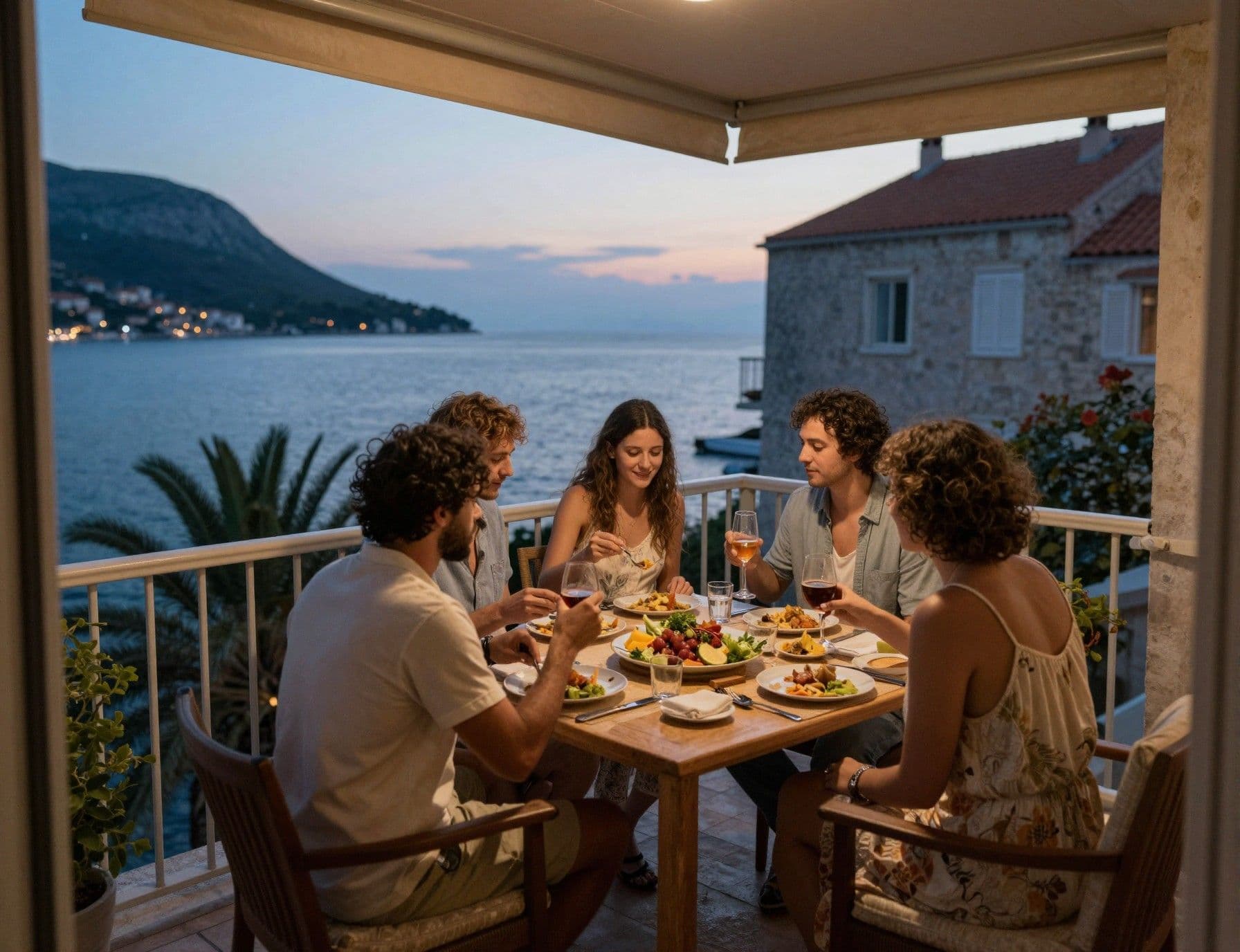
The romance explains why buyers flock to the Adriatic in summer. The reality — backed by national statistics — is a market with rising prices and meaningful regional variation. Use national data to spot momentum, but expect hyperlocal differences between Dubrovnik's restored palaces and quieter Istrian villages. That’s where transparency matters: deed clarity, utility records and how a sale is described in the land registry.
Property types and how they fit daily life
Stone townhouses demand different habits to new coastal apartments. A restored Dalmatian stone flat offers atmosphere and lower running costs in winter, but expect narrow stairs, lower insulation performance and restrictions on structural changes. New builds bring warranties and insulation but can sit away from the town centre. Match property type to how you want to live — not to what a listing photo promises.
Working with local experts who know both life and law
- 1. Verify eligibility (EU vs non‑EU ownership rules) and obtain an OIB before serious negotiation. 2. Check whether VAT applies — VAT on new builds usually removes the 3% transfer tax, changing your effective cost. 3. Order registry excerpts and cadastral plans to confirm boundaries and servitudes. 4. Budget realistically: lawyer and notary fees, registry charges and an agent commission of roughly 2–4%.
Insider knowledge: what expats always wish they'd known
Expat buyers often tell us they under‑estimated three things: seasonal illusions in summer, the gap between listing descriptions and registry reality, and the hidden maintenance burden of stone properties. National price indices show growth, but the high‑end coast — driven by foreigners — behaves differently to inland markets. Read both national data and local sales records before deciding.
Cultural integration and daily realities
Learning a few Croatian phrases, joining local gatherings and shopping at the pazar will fast‑track acceptance. Expect bureaucracy to be slower than in big financial centres; patience and a good translator help. Also: municipal zoning and historical-protection rules can limit what you can do with a historic house — ask for exact references, not verbal assurances.
Longer-term lifestyle and investment considerations
- Look beyond summer rental yields: transport links, year‑round services, and demographic trends shape long‑term value; coastal restoration projects often increase maintenance costs in the short run but can lift resale value; confirm water and sewage capacity for islands and coastal plots; monitor local planning decisions — a planned marina or new road can change neighbourhood character fast.
Conclusion: fall for the life, insist on the paper. Croatia sells itself — markets, sunsets and markets again — but the best purchases are those where lifestyle and disclosure align. Start with local data, validate titles through the land registry, budget for season‑driven differences, and use a lawyer and a local agent who tell you what the town is like in November, not just July. If you want, we can point you to vetted advisers who do both.
Dutch relocation advisor who moved to Marbella in 2016. Guides Dutch buyers through visa paths, relocation logistics, and balance of lifestyle with value.