Croatia’s Rhythm: Love the Life, Check the Deeds
Fall for Croatia’s rhythm—coastal summers, quiet winters—but insist on clean registry records and off‑season visits to avoid seasonal price illusions.
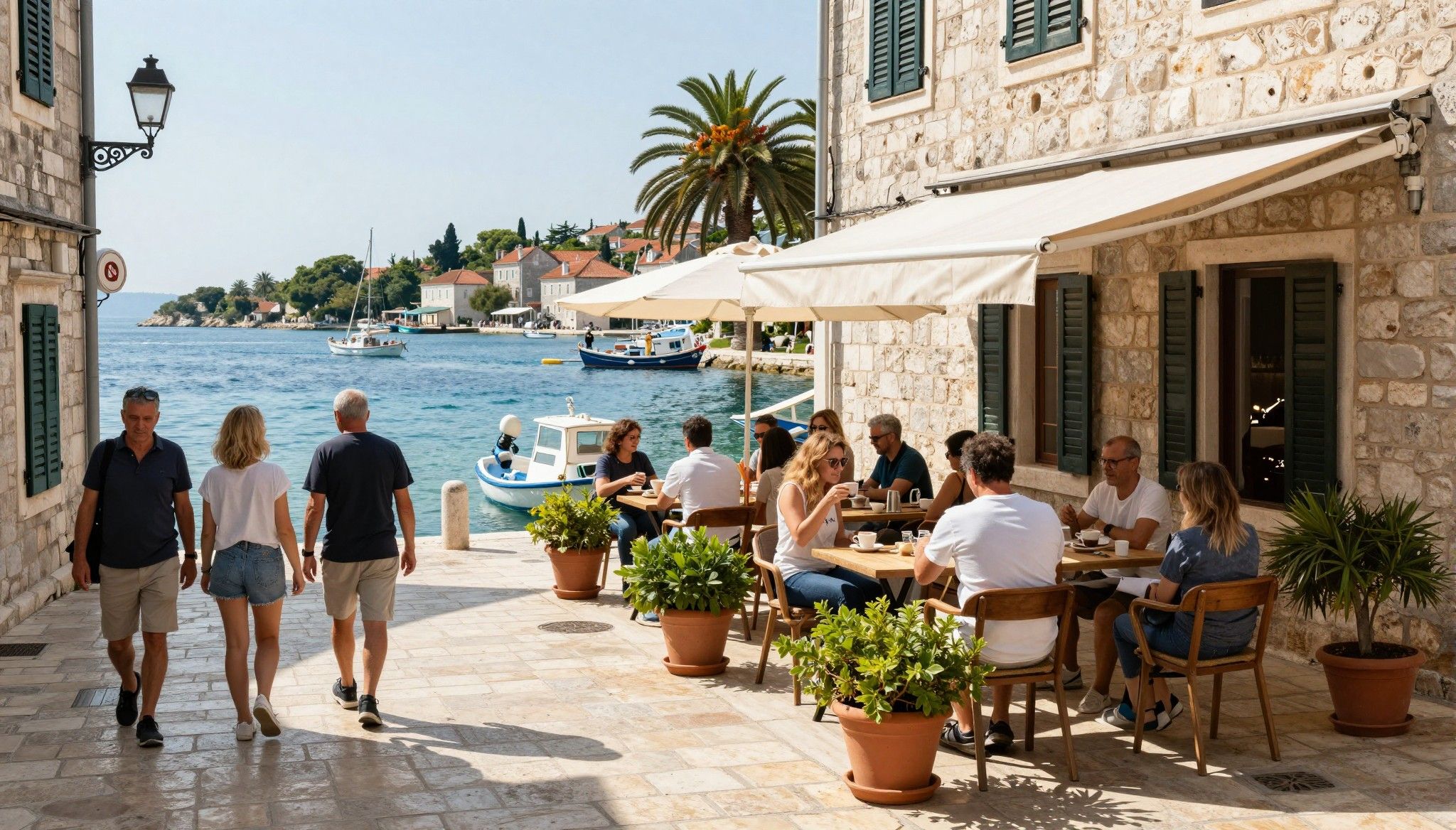
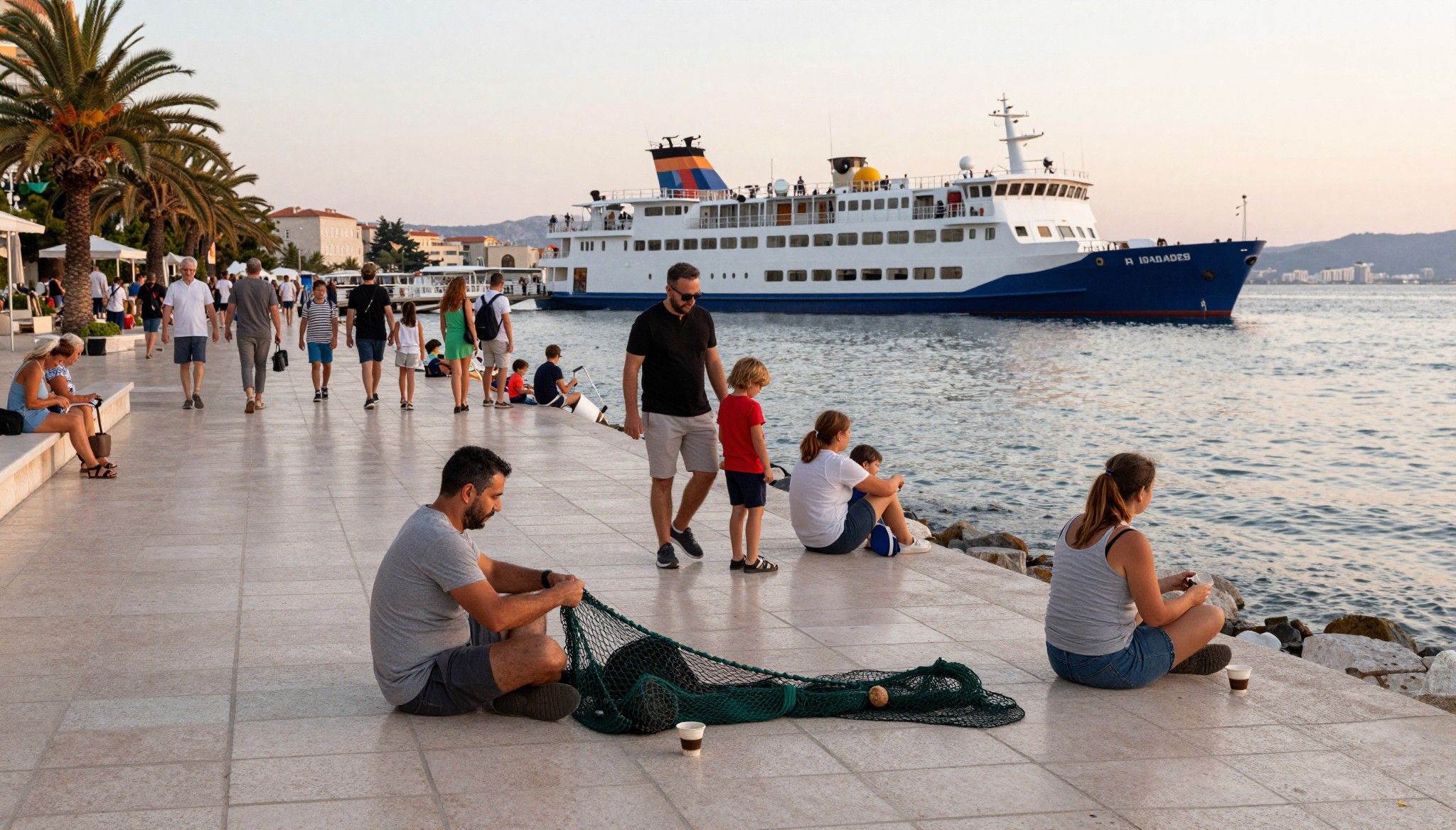
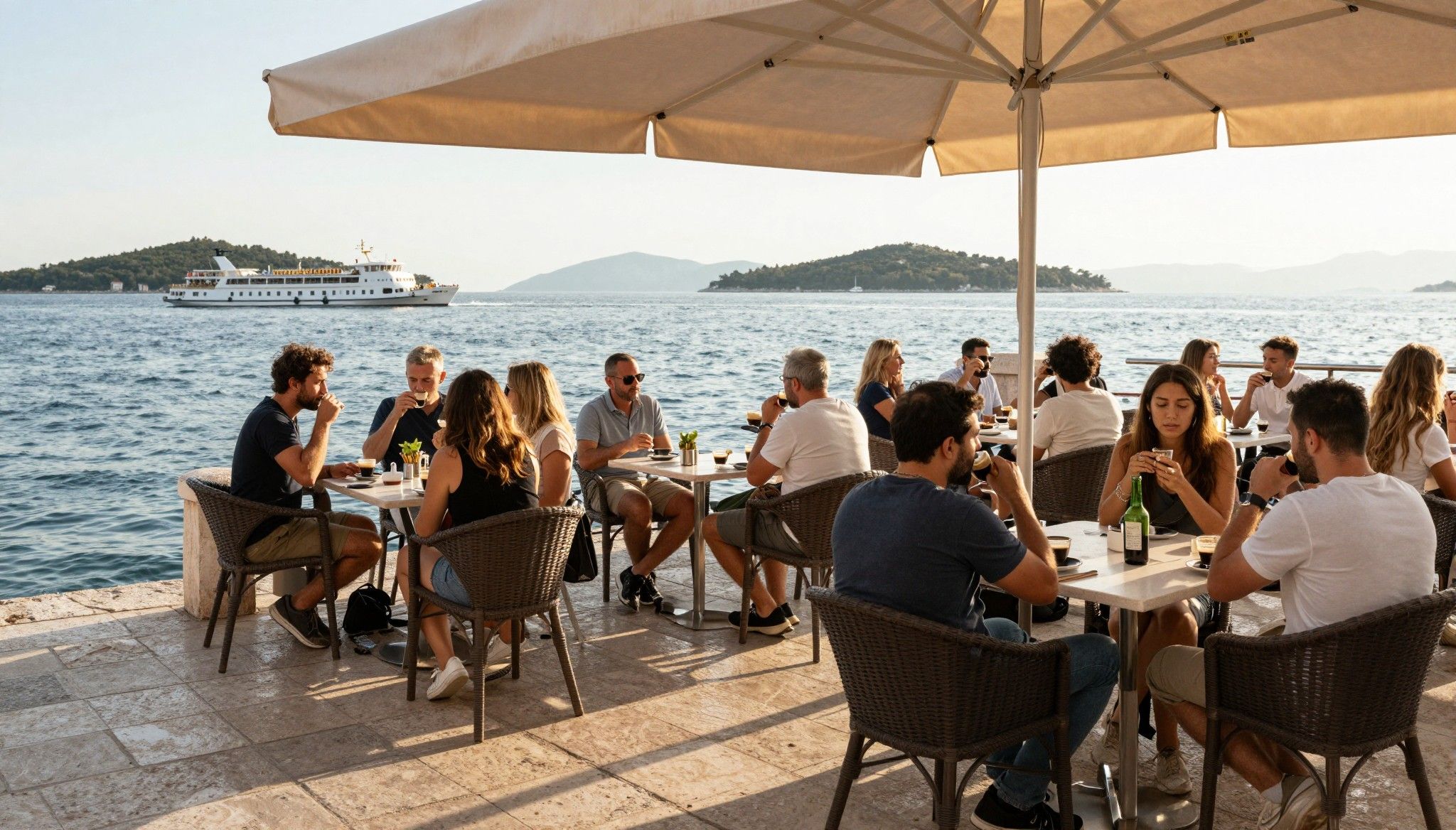
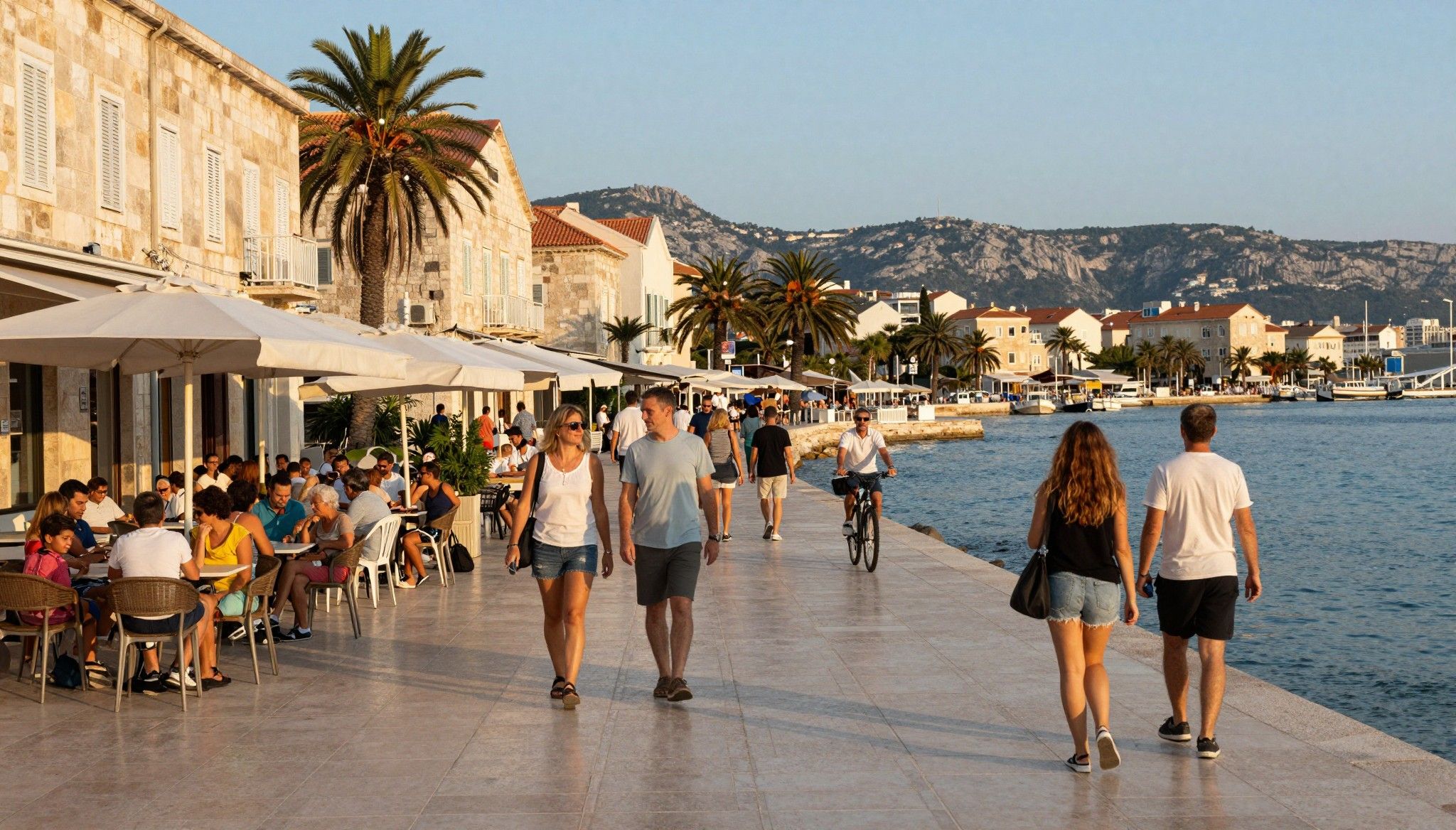
Imagine sipping espresso at Café Uliks on a sun-warmed stone terrace in Split, then walking five minutes to a seaside dalmatian lane where fishermen mend their nets. Croatia moves at two rhythms: slow coastal mornings and brisk, practical days in towns and Zagreb. That dual tempo shapes the property market—and the paperwork—you’ll face as an international buyer. We want you to fall for the lifestyle, and then make the purchase without surprises.
Living the Croatia rhythm
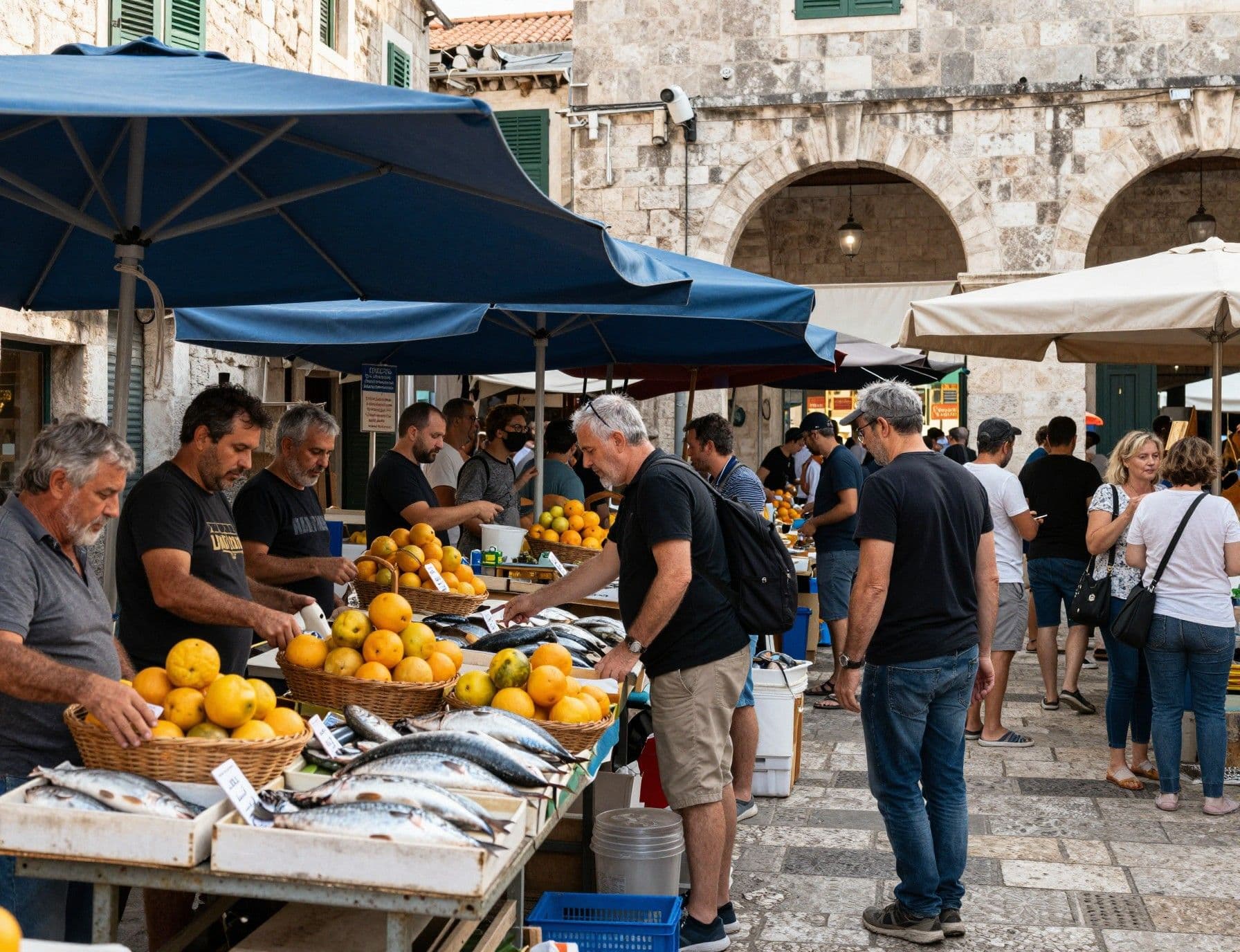
Croatia’s appeal is sensory: Adriatic brine, limestone piazzas, late-afternoon café culture and long island-hopping summers. But it’s also local markets where older neighbours still haggle, municipal planning decisions that re-shape a street overnight, and micro-markets that behave very differently—Zagreb’s apartments trade like city assets, while small Dalmatian villages trade like lifestyle retreats.
Spotlight: Split’s Veli Varoš and Zagreb’s Gornji Grad
Veli Varoš (Split) is the kind of neighborhood where windows open onto alleys of limestone and the sea—the properties here are compact, character-filled, and prized by renters in summer. Gornji Grad (Upper Town, Zagreb) offers the opposite: tree-lined streets, a steady year-round rental pool, and buyers who prize permanence over seasonal income. Knowing which tempo you want—seasonal coast or year-round city—changes which documents you insist on seeing.
Food, markets and micro‑life that define where you live
Morning market runs (Rijeka’s fish market, Hvar’s vegetable stalls), dinner-long conversations over grilled fish, and weekend island escapes shape how people use space. If you value alfresco life, terraces and outdoor access matter more than square metres. If you’re after quiet winters, look inland where heating systems and insulation are practical concerns many sellers underplay.
Making the move: the truth behind the paper
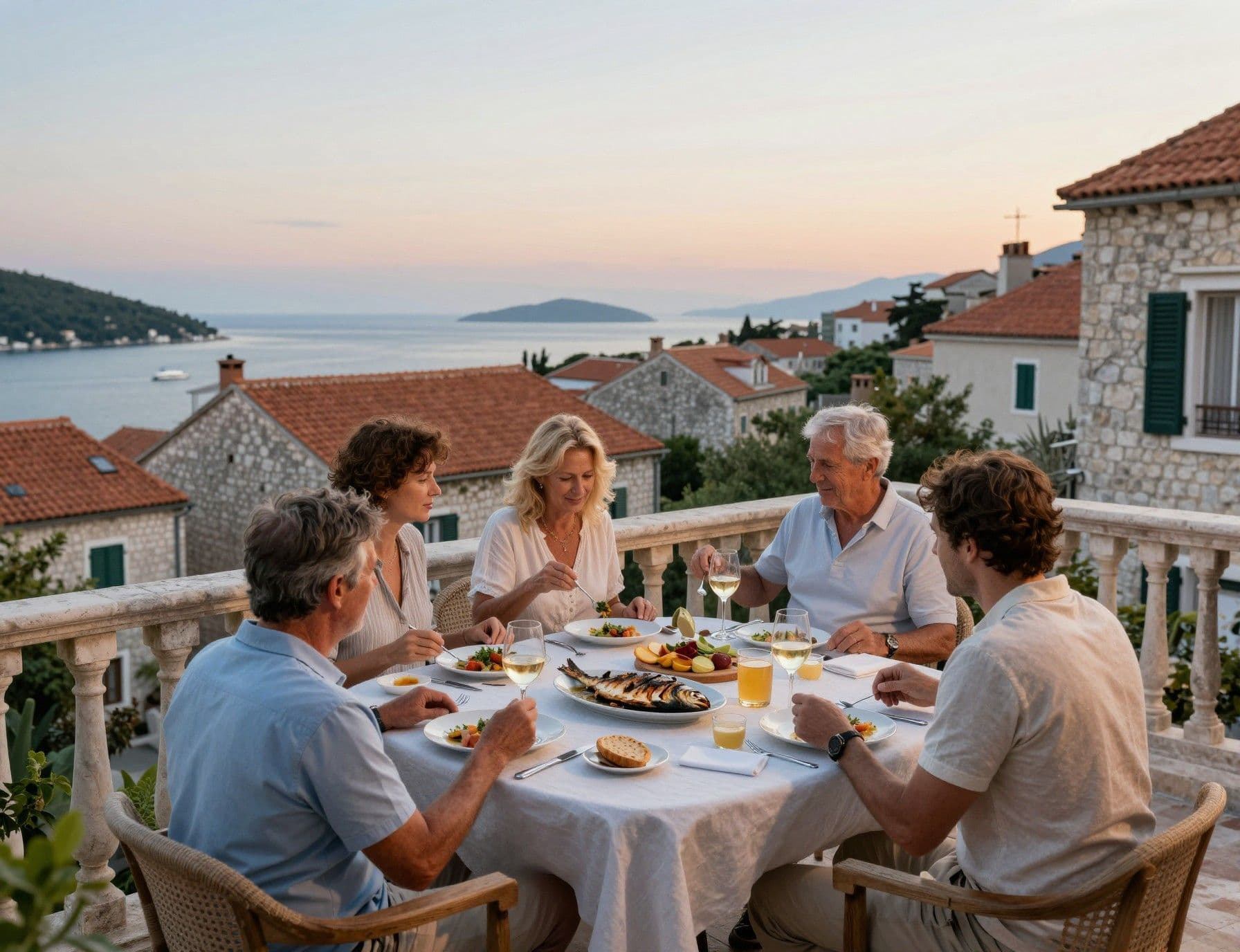
Here’s where lifestyle dreams meet registry reality. Croatia requires registration in the land registry (gruntovna knjiga) to confirm ownership; foreigners from EU countries generally have the same rights as locals, while non‑EU buyers face reciprocity tests. Recent official statistics show house prices rising robustly—knowing those trends helps you judge whether an asking price is momentum or a local bubble.
Property types and what they tell you about daily life
Stone houses with courtyards (common on islands) offer privacy and outdoor life, but expect higher maintenance and possible access issues. New-build apartments in coastal towns deliver modern systems and easier rentals, but often sit behind tourist-season peaks. Choose by lifestyle: terraces and storage for coastal entertaining; central heating and soundproofing for year-round city living.
Practical steps that blend lifestyle and paperwork
- 1. Visit in the off‑season to test daily life—markets, transport and neighbour noise. 2. Ask for a land registry extract (not older than six months) and planning statement. 3. Commission a local lawyer to check rights of way, servitudes, and building permits. 4. Match property features to seasonality—insulation, water supply and access matter more than a sea view when wintering.
Insider knowledge: what expats wish they’d known
Expats tell us the same things: don’t rely on photos alone, expect local quirks in contracts, and meet neighbours before committing. There are seasonal illusions—coastal high-season can make a sleepy town look bustling; the same town in November is quiet and services thin. Use local agents as cultural translators, not just listing sources.
Language, community and daily integration
Croatian is widely used in official documents; many municipal offices expect formal Croatian filings. Learning basic phrases opens doors—neighbors, bakers, even a notary will treat you differently. International expat groups cluster in Split, Dubrovnik and Istria; elsewhere, integration is slower but often more rewarding for those who make the effort.
Long term view: what to expect five years on
Official indices show strong price growth across Croatia in recent years, especially in Zagreb and popular coastal municipalities. That momentum can continue, but local planning decisions, tourism regulation and infrastructure projects will create winners and laggards. Buy a street, not just a view—properties with secure access, clean registry records and local demand age better.
- Lifestyle highlights to look for when choosing neighbourhoods: - Morning markets: Rijeka fish market, Split’s Pazar - Calm winter streets: inland Istrian towns - Active summer vibe: Hvar waterfront and Split Riva - Quiet authenticity: Pelješac villages - Year-round rental demand: Zagreb central districts
- Due diligence ranking when you love the lifestyle: 1) Land registry clear title; 2) Verified planning status; 3) Access & utility checks; 4) Local council restrictions; 5) Seasonal inspection (visit off-season).
A note on prices and momentum
Official data from the Croatian Bureau of Statistics records double‑digit annual growth in recent quarters in many areas, especially Zagreb and parts of the Adriatic coast. That’s vital context: a rising market rewards well‑timed, well‑documented purchases—and punishes buyers who skip the registry checks.
Conclusion — love the mornings, read the deeds: Croatia offers a rare mix of Mediterranean life and European legal clarity. Start with the neighbourhood you can imagine living in every month, not just July. Then insist on clean registry extracts, a local lawyer, and an off‑season visit. If you do that, the life you fell in love with will still be there—paperwork intact—when you arrive.
British expat who relocated to Marbella in 2012. Specializes in rigorous due diligence and cross-border investment strategies for UK and international buyers.