Buy Croatian Life, Not Just Adriatic Hype
Fall for Croatia’s markets and daily rhythms — then secure the legal clarity. EU buyers enjoy parity; non-EU buyers need Ministry approval. Use local indices and neighbourhood checks to buy wisely.
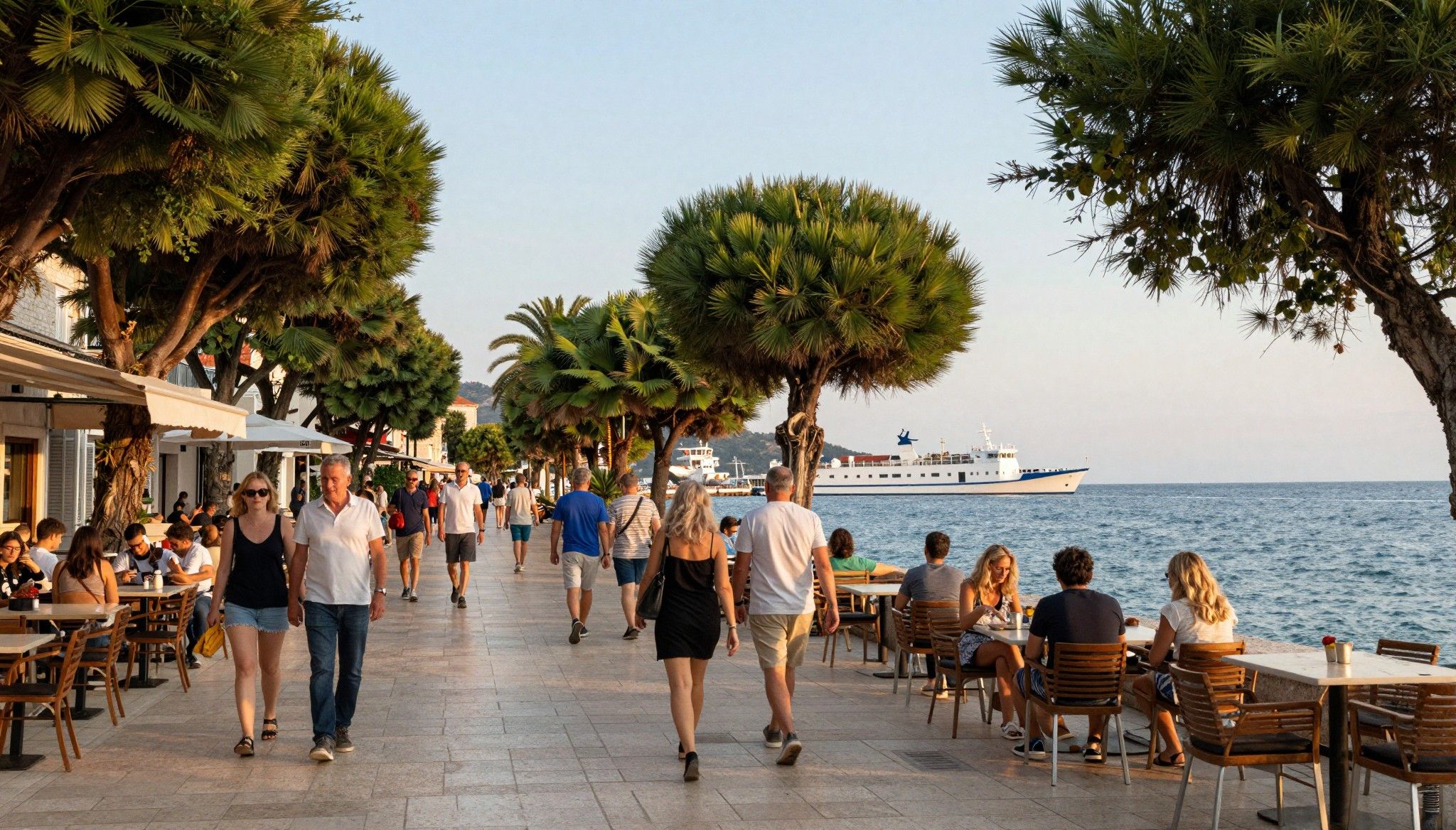
Imagine stepping off a ferry in Supetar, smelling roasting chestnuts at a seaside konoba, then signing an offer for a stone house down a quiet street — all in euros, with clear land registers and neighbourhood rhythms that change with the seasons.
Living the Croatian life — beyond the postcard
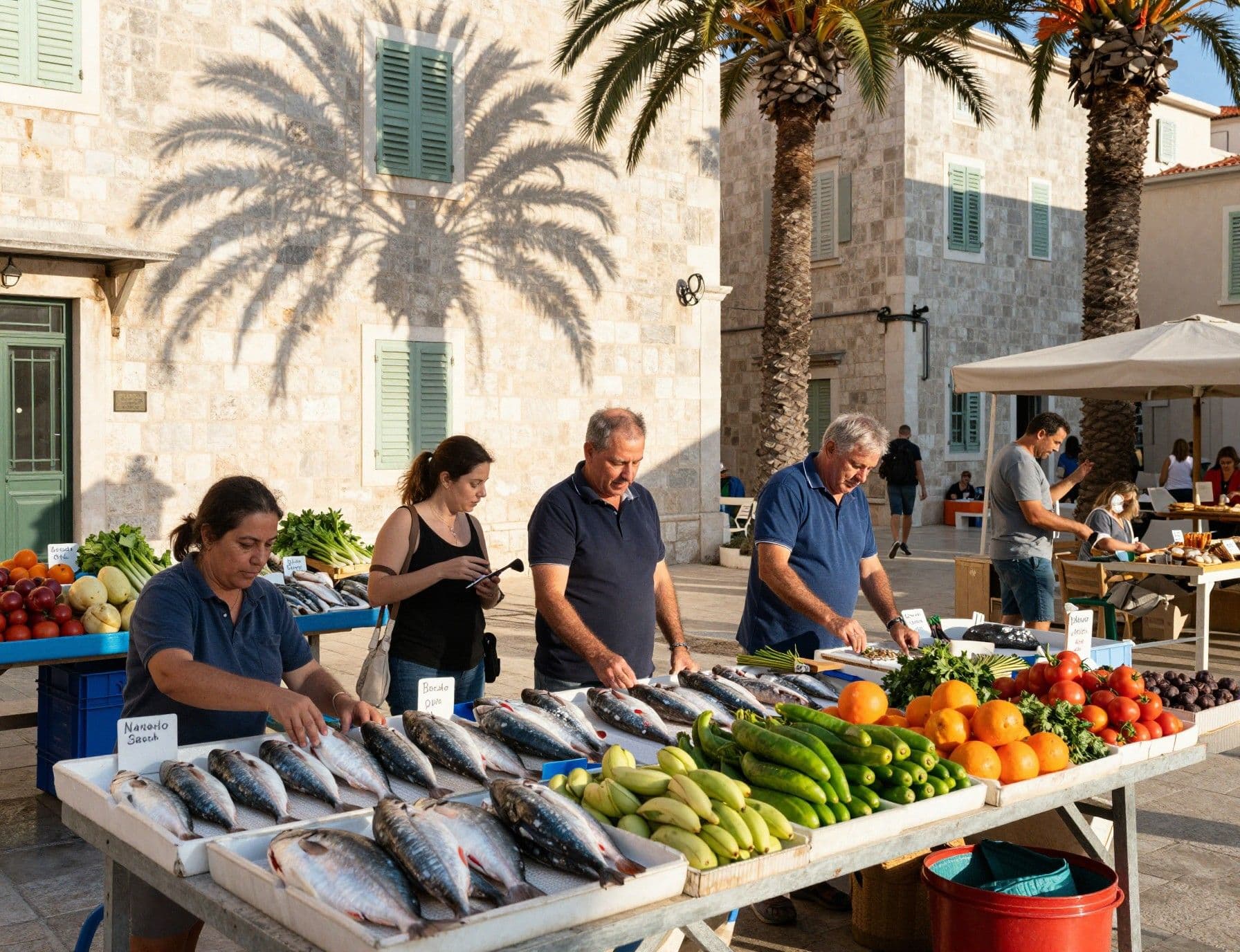
Croatia is smaller than it feels: a stitched landscape of islands, medieval towns and pine-scented rivieras where daily life alternates between market mornings and late-night promenades. Cities like Split, Rijeka and Zagreb each pulse differently: Split is sea-forward and kinetic; Zagreb has a café-first, leafy rhythm; the Istrian towns (Pula, Rovinj) trade seafood for truffles and slow weekends.
Coastal neighbourhoods with character
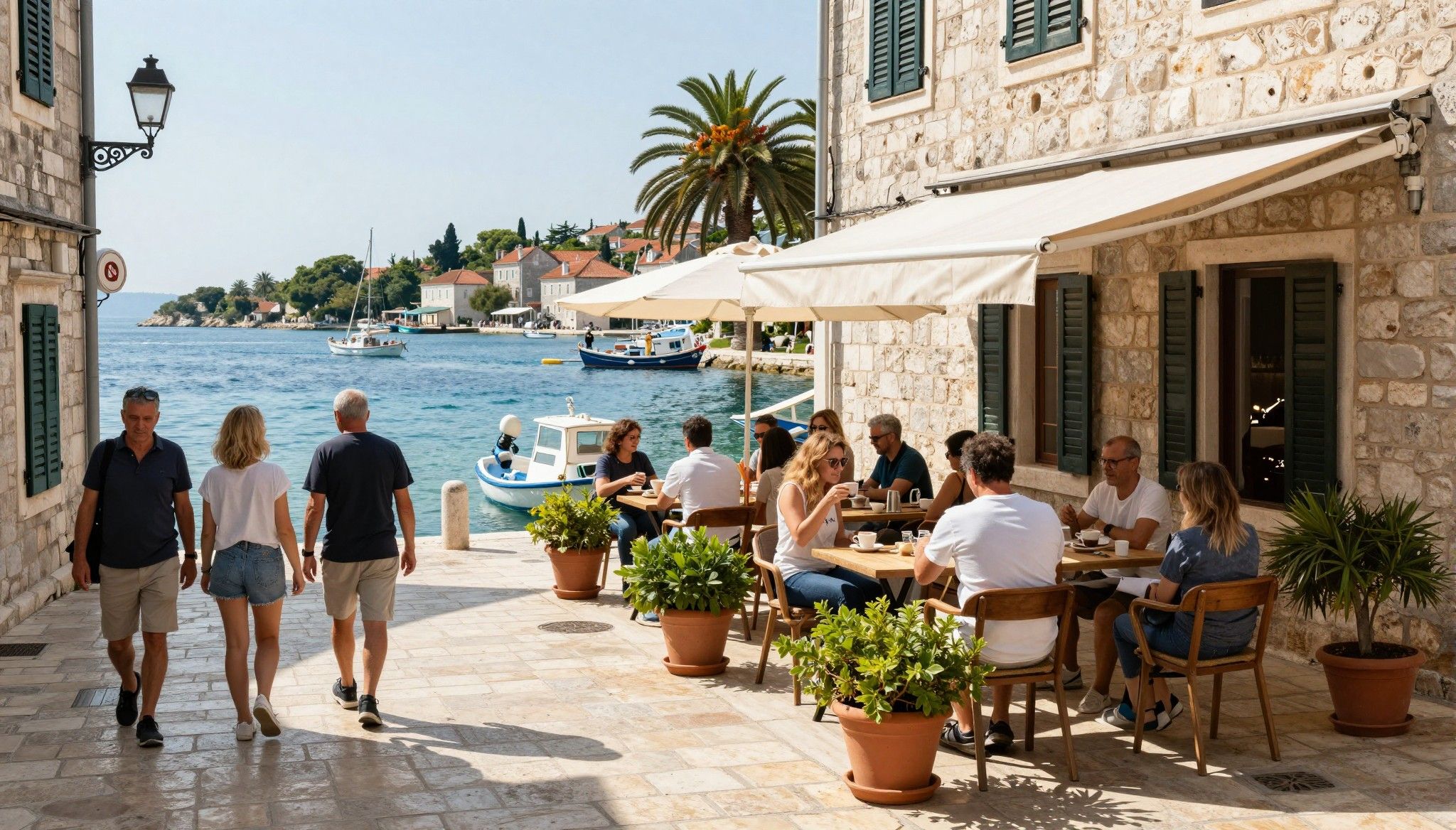
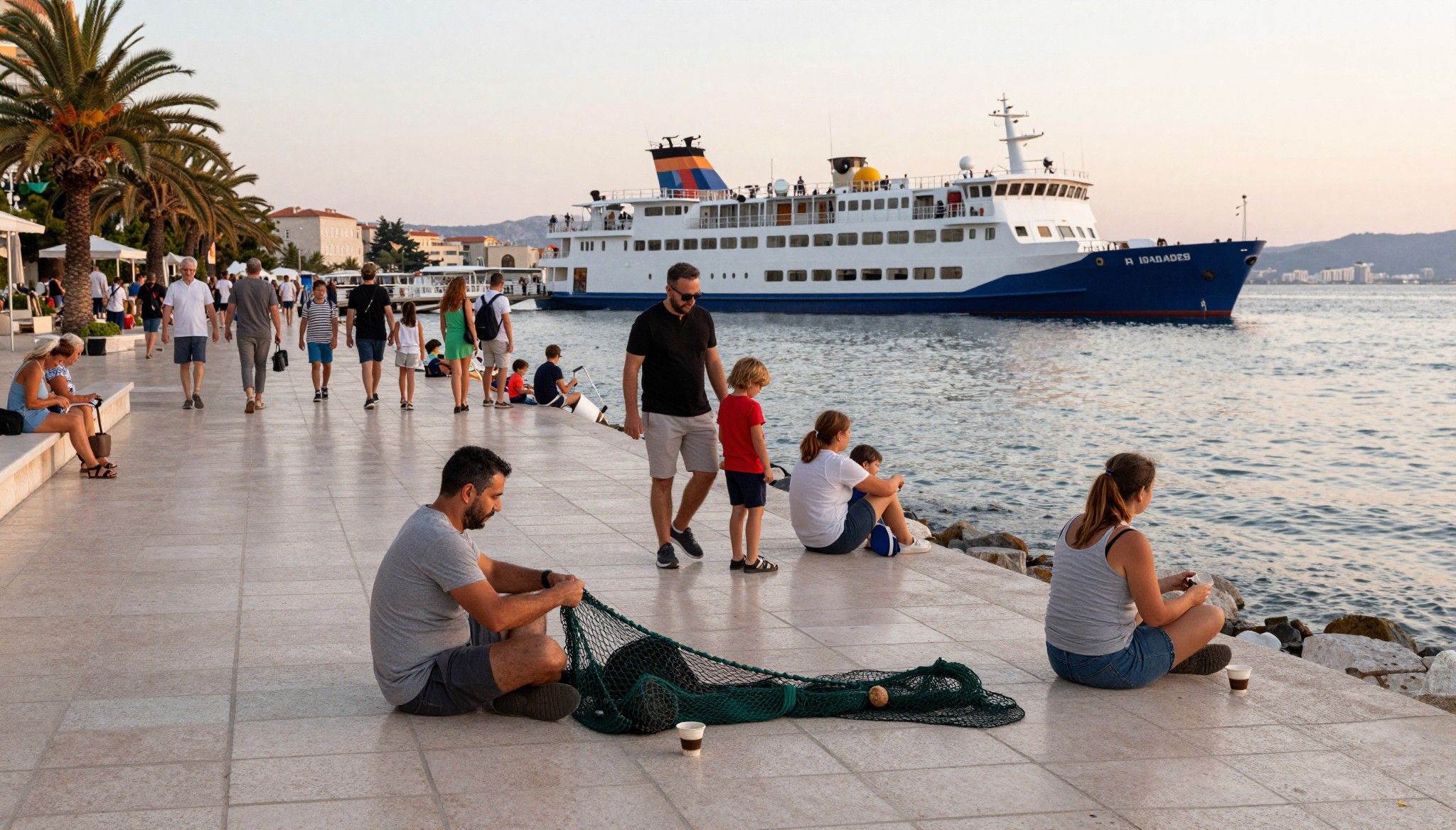
Walk the Riva in Split at 7am and you’ll see fishermen mending nets and grandparents buying crumbly burek. In Dubrovnik’s Gruž, ferries arrive with produce and people who prefer living one boat stop away from the Old Town bustle. On Hvar, quieter bays like Milna still hide stone houses with terraces that catch the afternoon light.
City pockets worth morning coffee
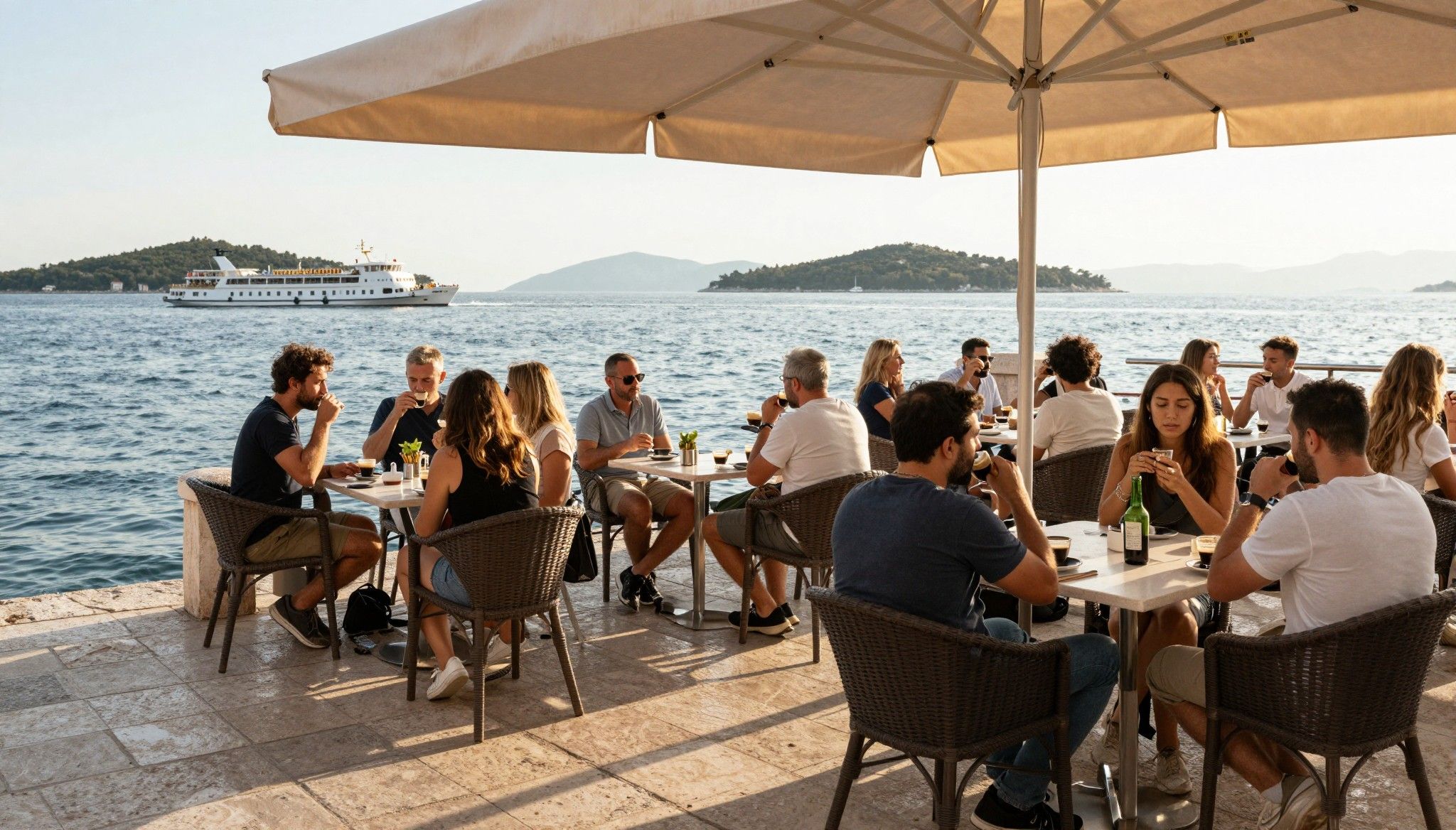
Zagreb’s Upper Town has bakeries that open before sunrise; in Rijeka, Školjić and Kozala feel local and lived-in rather than touristy. These pockets define how you’ll use a property: small terraces in an Old Town flat mean evenings out; a suburban garden means weekend barbecues and local schools.
Lifestyle highlights you can actually buy into: morning markets (Dolac, Split Green Market), island ferries (Jadrolinija routes), truffle lunches in Motovun, evening promenades on Split Riva, pebble beach swims at Brela, wine bars in Istria’s Motovun vineyards.
Making the move: practical realities that match the life
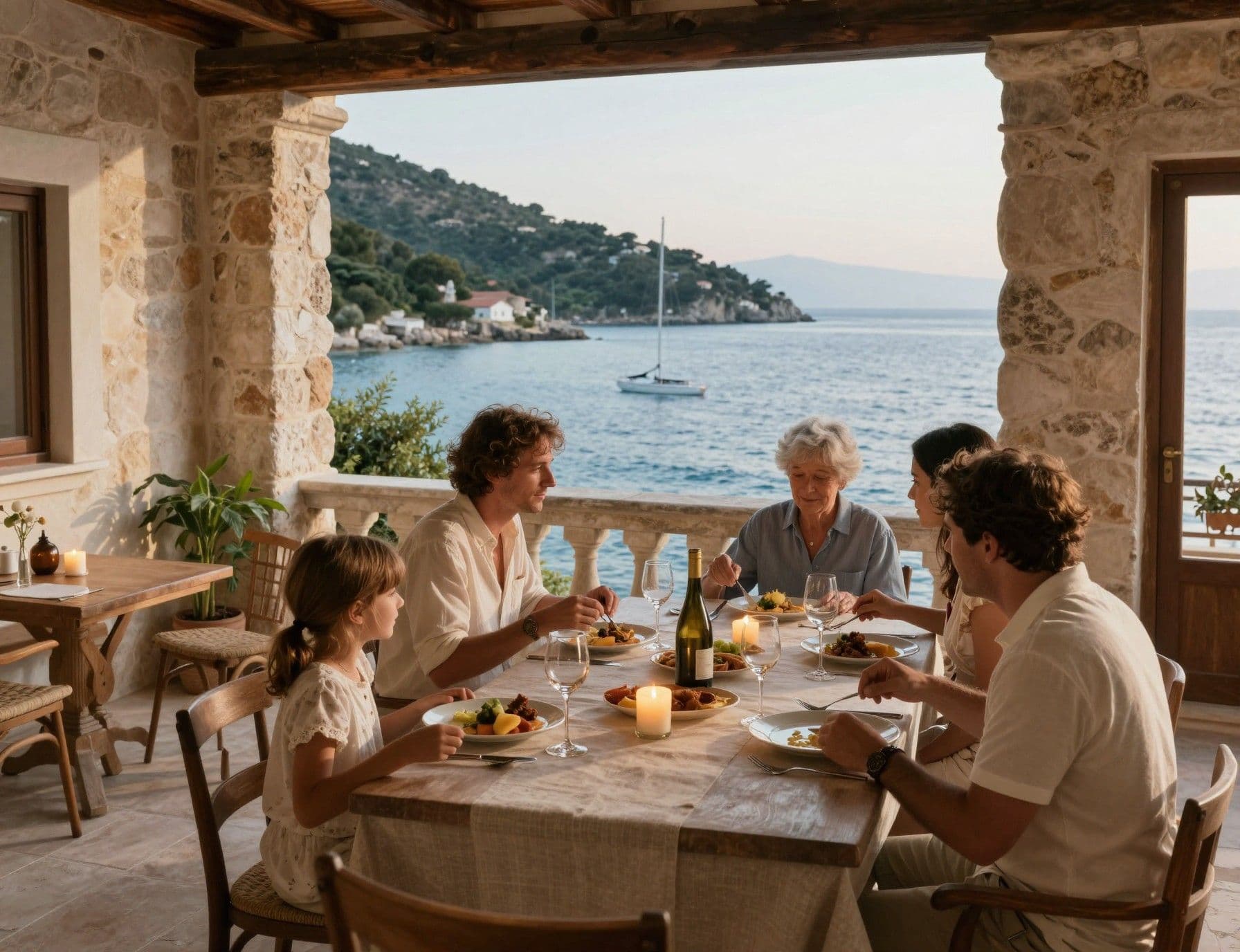
You can chase the lifestyle and still be sensible. Croatia’s rules lean toward clarity: EU citizens largely buy on equal terms with locals, while non-EU buyers generally need Ministry approval under reciprocity rules. That process exists to protect sensitive land, not to block ordinary seaside homes. Familiarity with the process turns a bureaucratic step into a predictable timeline.
Property types and how they shape everyday life
Historic stone houses offer rooms with thick walls and cool summers, but expect renovation time and specialist contractors. New-build apartments give immediate comfort and lower maintenance but often sit in denser developments. If you want outdoor living, prioritise terraces and sea views — they dictate how often you use a place between April and October.
Work with experts who know both laws and la dolce vita
Practical steps that respect lifestyle: 1) Choose an agent who knows island logistics and registry quirks; 2) Ask for an extract from the land register (izvadak iz zemljišne knjige) before offer; 3) Confirm utility connections and coastal access rights; 4) Budget for renovation, municipal fees and annual local taxes; 5) Use a bilingual lawyer to handle the Ministry application if needed; 6) Plan visits in shoulder season to test daily life, not just July.
Insider knowledge: the rules locals live by (and you should too)
Prices rose strongly over recent years, with official house price indices showing notable gains — but growth is uneven: coastal hotspots and Zagreb outperformed interior towns. Looking only at national headlines risks overpaying for a lifestyle that’s already priced. Use local indices and street-level comparables instead of national averages.
Cultural fluency matters more than perfect Croatian
You don’t need fluency to belong, but small gestures go a long way: learn market phrases, accept invitations to konobas, and time your visits around local feast days. Expats who integrate intentionally find better contractors, trusted cleaners and long-term renters when they want to let the property.
Euro rules the cash. That change simplified mortgage comparisons and made costs easier to plan for foreigners who previously budgeted in kuna. It also shifted local pricing psychology — expect vendors to quote in euros in tourist hubs, and use that to your negotiating advantage off-season.
Red flags and local quirks to watch for: unclear land-register entries; properties marketed without verified sea access; short-term-rental restrictions in certain municipalities; missing building permits for later additions; over-optimistic rental yield projections in very seasonal towns.
We’ve bought and watched dozens of homes across Dalmatia and Istria. The best deals come when you prioritise a neighbourhood’s everyday life — morning markets, a nearby bakery, safe mooring for a small boat — over glossy listing photos. That habitual life is what sticks with you after the renovation dust settles.
A practical checklist before you sign
1) Confirm buyer eligibility (EU vs non-EU) and, if required, prepare the Ministry consent application; 2) Obtain recent land-register extract and proof of seller’s title; 3) Commission a technical survey and verify permits for extensions; 4) Verify annual local taxes and any municipal rules on short-term lets; 5) Build a 10–15% renovation/contingency buffer into your budget.
Conclusion — fall for the life, but sign for the paper. Croatia sells a wonderful everyday: markets at dawn, quiet islands in October, and neighbourhood festivals that feel like family. Pair that life-first vision with local experts, clear registry checks and realistic budgets and you’ll buy a home that delivers both joy and value.
Dutch relocation advisor who moved to Marbella in 2016. Guides Dutch buyers through visa paths, relocation logistics, and balance of lifestyle with value.