Greece’s Seasonal Truths: Love the Life, Time Your Search
Greece’s charm is seasonal and local — fall for the lifestyle, then time viewings and choose experts who translate neighbourhood rhythms into solid property choices.

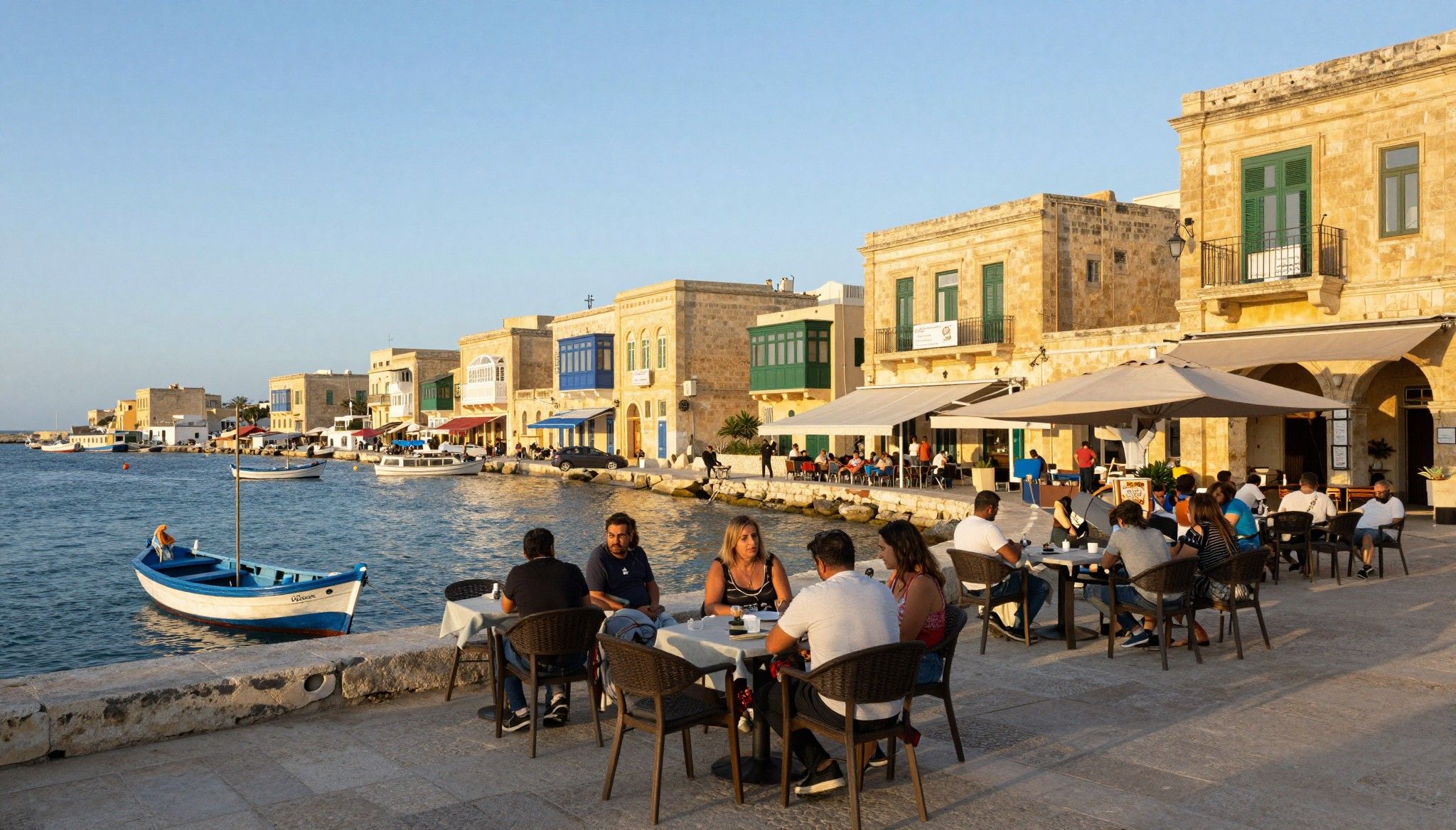
Imagine an early-Autumn morning in Athens: espresso steaming on a sidewalk table on Dionysiou Areopagitou, the Acropolis cut in soft light, delivery scooters weaving around elderly locals exchanging greetings. Or picture a late spring evening in Chania, the harbour warm with family dinners and fishermen mending nets. Greece isn’t one life — it’s a dozen rhythms stitched together by seasons, sea, and neighbourhoods that still recognise faces. For many international buyers, that romance is the first note. The second is the reality: markets pulse with tourism, local customs shape home use, and timing your search matters more here than in many European cities.
Living the Greece lifestyle
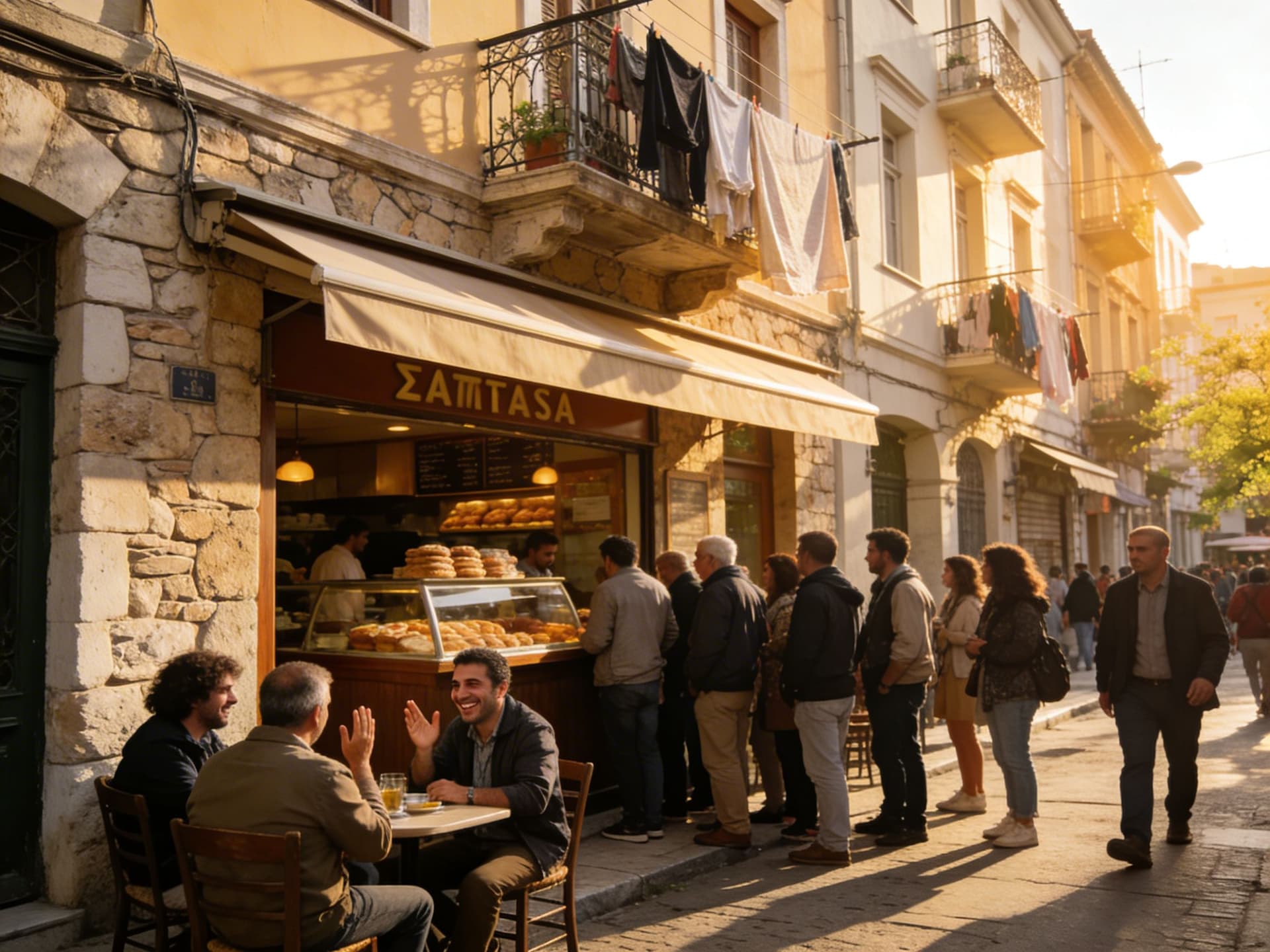
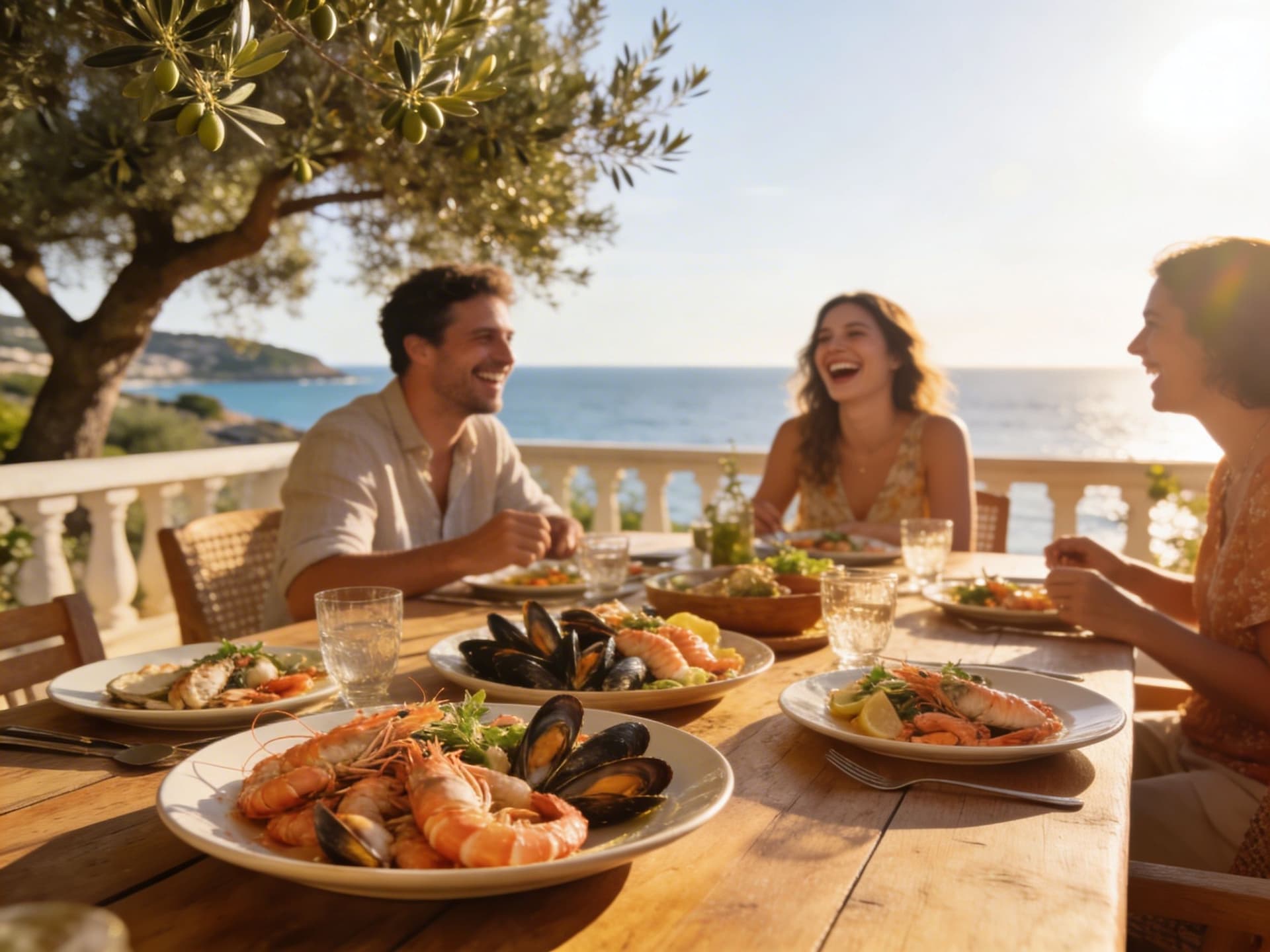
Life in Greece is tactile. Mornings mean bakery runs for warm koulouri or spanakopita, afternoons drift at kafeneia where conversations fold into siestas, and nights are for long meals anchored by grilled fish and raki. The rhythm varies: Athens hums with cafés, coworking spots and late-night tavernas; Thessaloniki mixes student energy with intellectual cafés; island towns slow to sea‑time but speed up near summer festivals. Weather shapes everything: terraces are living rooms from May to October; thick stone walls and shutters are practical in summer heat; fireplaces matter on a damp Peloponnese winter night.
Athens neighbourhoods: streets that tell stories
In Athens, neighbourhoods read like chapters. Pangrati rides a quiet wave of young families and third‑wave coffee shops; Koukaki sits under the Acropolis with narrow streets and a surprising number of terraces; Kolonaki is polished, with boutique shopping and classical architecture. Walk down Evripidou market for spices and leather, cross into Psiri for nightlife, and you’ll feel how everyday life spills from street to home — a core reason many buyers prize walkable apartments with balconies rather than large private grounds.
Island contrasts: the Aegean and the Ionian
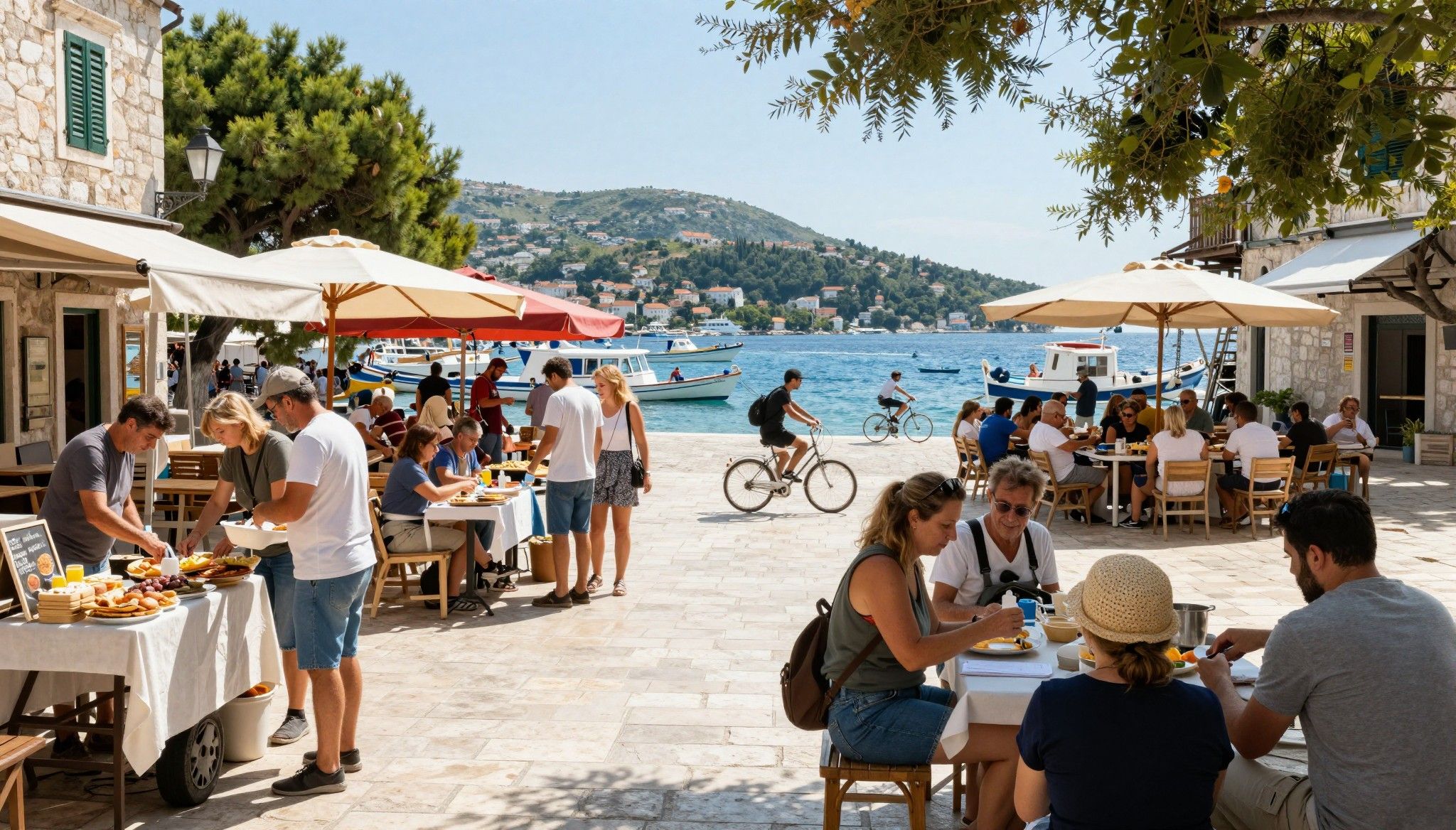
The Aegean islands (Kos, Naxos, Mykonos’s quieter corners) offer wind‑sculpted villages, whitewashed light and intense summer months; the Ionian (Corfu, Paxos) keeps more year‑round greenery and a cooler summer shade. On many islands, a small square, a kafeneio and a single bakery are the social axis — when those hubs close out of season, the island feels very different. That seasonal swing affects rental demand, utilities, and how you use a second home — a detail agents should discuss before you write an offer.
- Lifestyle highlights
- Morning espresso at Aegli bakery (Kolonaki), coastal walks along Vouliagmeni, fresh fish at Chania Old Harbour, Sunday markets at Modiano (Thessaloniki), and an island‑side aperitif on Naxos’ Plaka.
Making the move: practical considerations
The lifestyle you fall for determines the property you need. But timing is where many well‑meaning buyers stumble: summer listings can feel plentiful and glamorous, yet they are skewed by short‑term rental owners and seasonal price premiums. Conversely, winter viewings hide demand signals — some neighbourhoods look empty but prices and transaction patterns tell a different story. Recent tourism reports show Greece’s seasonality is easing slightly, with spring and autumn gaining share, yet July–August still dominate receipts and visitor numbers. Factor seasonality into both viewing strategy and rental projections.
Property types and how they shape daily life
In city centres you’ll find older apartments with high ceilings, small footprints and strong rental appeal — especially in Athens and Thessaloniki. New builds appear on the city outskirts and on island perimeters, offering open plans and terraces suited to year‑round living. Prices vary: island Aegean hotspots command higher per‑sq.m. figures, while inland Peloponnese or northern suburbs offer space for the same budget. Bank of Greece indices show steady price growth in urban hubs, so weigh lifestyle (walkability, light, neighbours) against long‑term price trends.
Working with local experts who know the life you want
A local agent who lives the rhythm can save weeks of false leads. They’ll tell you if a bay looks beautiful in August but is wind‑swept in April, or which street fills with delivery vans every morning. Ask agencies about: their local track record, whether they handle negotiation with Greek sellers directly, and if they coordinate lawyers who understand regional building permissions. Expect straightforward questions about usage (full‑time, holiday let, renovation) — your answer changes what’s acceptable and what’s not.
- Step‑by‑step checklist blending lifestyle and practical needs:
- Define the rhythm you want (city buzz, island quiet, year‑round town).
- View properties in target season and off‑season — compare noise, services and community life.
- Work with an agent and lawyer who can verify permits, use history and accurate rental assumptions.
Insider knowledge: what expats wish they'd known
Here’s the honest part: Greeks treat homes as social hubs and many domestic patterns — midday closures, long Sunday family lunches — shape neighbourhood life. Expats often expect continuous service and year‑round vibrancy; instead, learning the local timetable is part of the charm. Another surprise: public transport outside Athens can be sparse; owning a car on many islands or rural areas changes your daily freedom. These aren’t flaws — they’re trade‑offs to love, or reasons to look elsewhere.
Language, community and social integration
Learning some Greek opens more doors than you'd think: local shopkeepers, municipal offices and neighbours respond warmly to effort. Expat communities cluster around international schools (for families), islands with established foreign populations (Corfu, Crete) and central Athens districts. Volunteering at a local festival or joining a neighbourhood kafeneio goes further than any networking app. Agencies who introduce you to neighbours or local artisans are worth their fee.
Long‑term lifestyle and property realities
If you buy for a life rhythm rather than a quick flip, consider maintenance in a Mediterranean climate: salt air, strong sun and seasonal storms require material planning. Expect renovation timelines to be different from Northern Europe — permits and local contractor availability can add weeks. That said, tourism is supporting improved infrastructure in many regions; recent figures show strong visitor recovery and a slight easing of seasonality, which can stretch rental yields beyond the narrow summer window.
- Red flags and reality checks
- Listings concentrated only in July–August — a sign of short‑term rental play, not long‑term community.
- Properties without clear utility records or permits — ask for the technical file before bidding.
- High façade or terrace exposure to sea spray — budget for materials that resist corrosion.
Conclusion: fall in love with life first, buy with eyes open. Greece rewards those who accept its seasonal heartbeats, learn local rhythms, and work with agents who do more than show flats — they translate neighbourhood life. Start by visiting in different seasons, ask your agent for neighbourhood wide‑use data, and insist on a lawyer who knows regional building records. If you do that, you won’t just buy a property in Greece — you’ll buy the life it supports.
Dutch relocation advisor who moved to Marbella in 2016. Guides Dutch buyers through visa paths, relocation logistics, and balance of lifestyle with value.