Fall for Croatia — Insist on the File
Fall for Croatia’s seaside markets and stone towns — but demand cadastral extracts, permits and rental records first to avoid hidden risks.
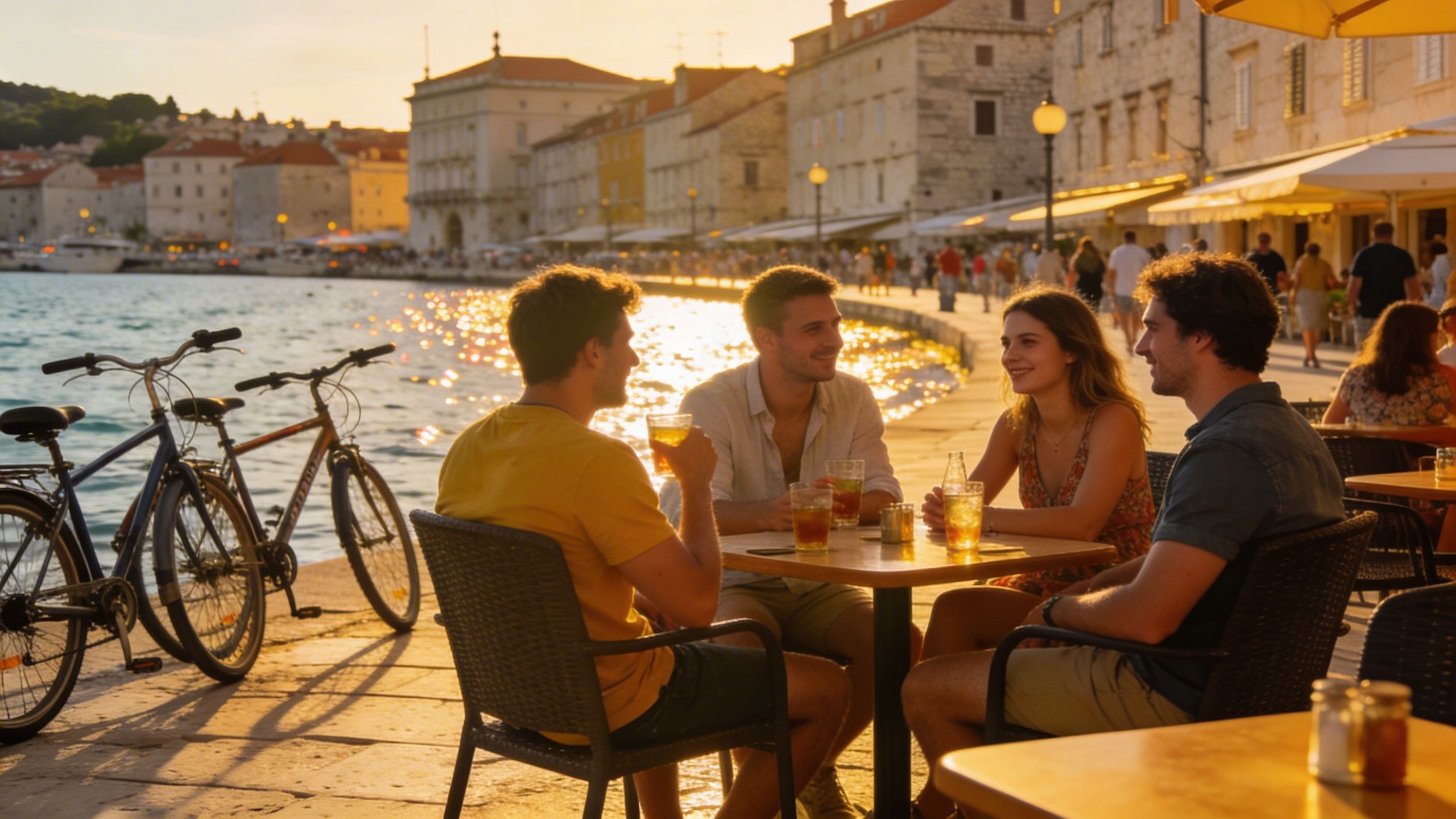
Imagine waking up to the smell of fresh burek on a narrow Split lane, picking up oysters at a Žrnovnica market stall or cycling between stone villages on Istria’s coast. Croatia feels smaller and friendlier than its Adriatic postcards suggest — a place where daily life is tactile, seasonal and social. But love at first sight can blind you: buyers arriving for the light and sea often miss the disclosure and market signals that make a purchase safe and sensible. We start here — with why the life sells you on Croatia and which transparency issues you must insist on before you hand over a deposit.
Living the Croatian Life
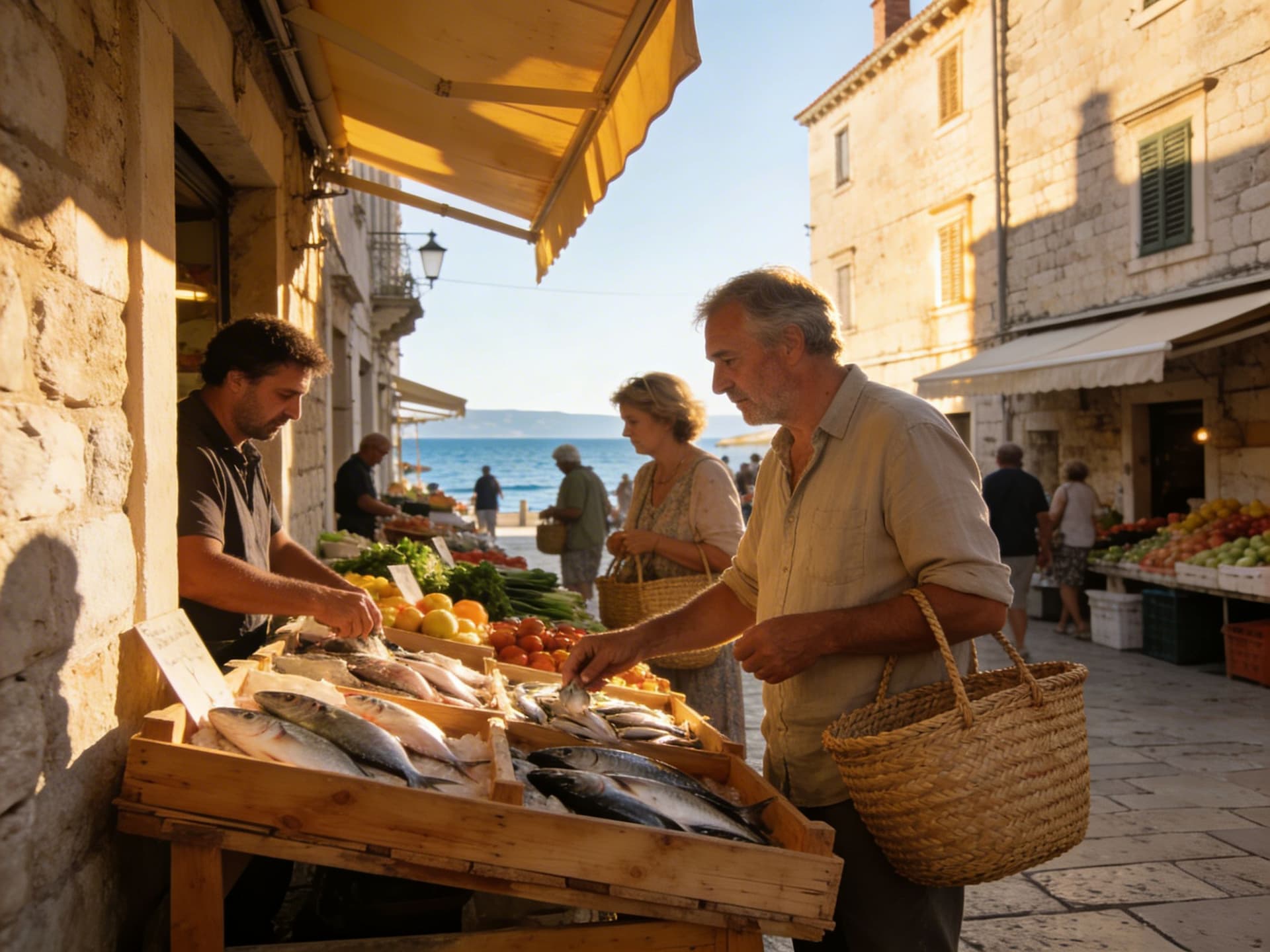
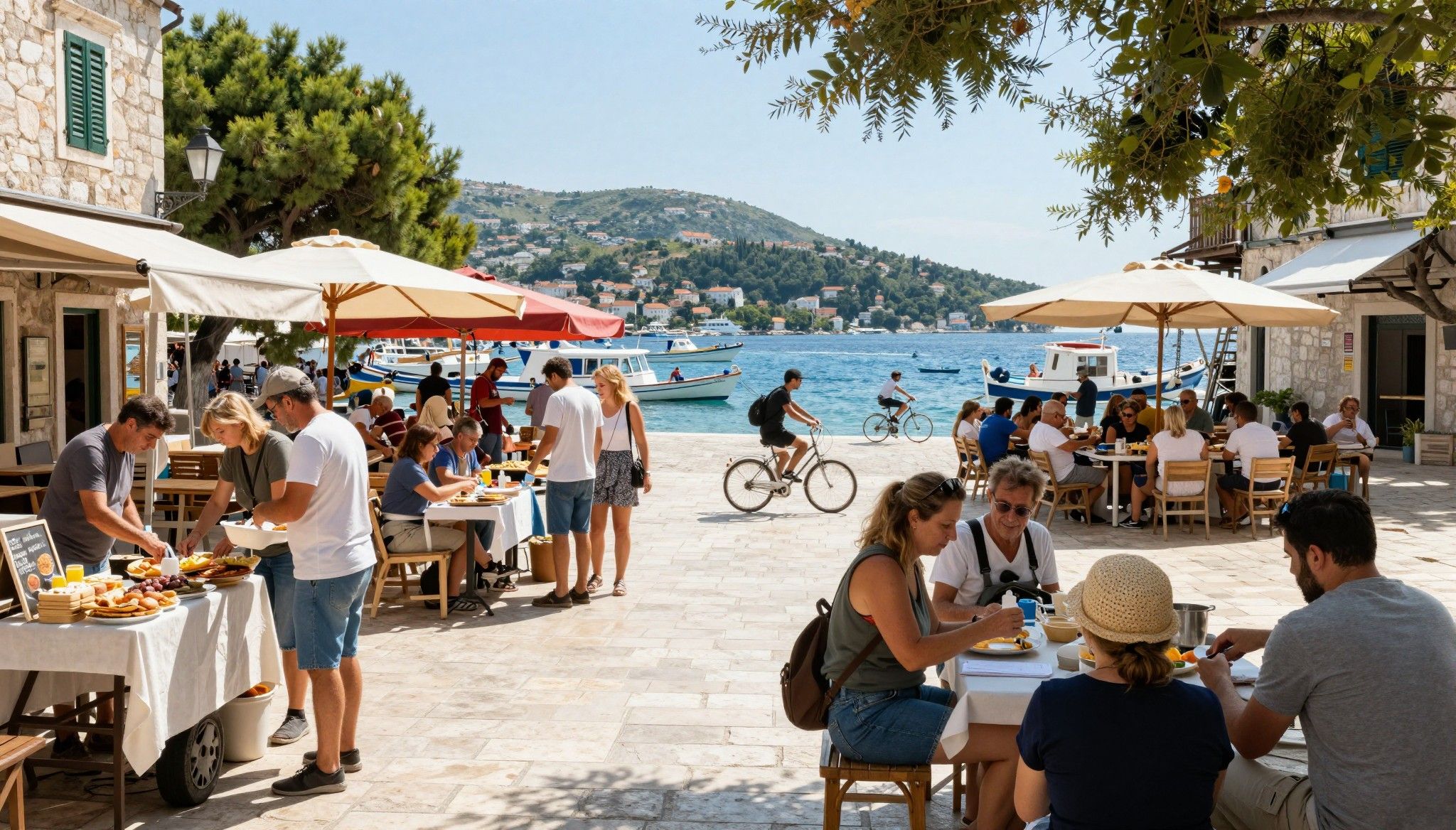
Croatia’s daily rhythm is Mediterranean but pragmatic: late cafés on the Riva in Split, weekly markets in Zagreb’s Dolac, and summer harbour gatherings where fishermen trade gossip as much as catch. Seasons matter — medieval towns empty in winter while islands reawaken in May — and that rhythm shapes prices and rental demand. Recent price indices show steady long-term growth, but rising prices coexist with regional imbalances that affect resale and rental transparency. That combination makes local knowledge essential: lifestyle must meet paperwork.
Split & Dalmatian Coast: Sea, stone and short-term demand
Walk the Riva at dawn and you’ll see why buyers pay a premium for Split and nearby islands. Cafés, small galleries and fish markets give neighborhoods like Varoš and Bačvice a lived-in charm; yet short‑term rental pressure has pushed some central streets toward investor-driven listings rather than year‑round communities. That means good due diligence isn’t abstract — you need rental-registration records, noise and tourism zoning checks, and a clear view of occupancy history before you buy here.
Istria & Rijeka: Culinary life and quieter winter markets
Istria’s truffle fairs, Motovun’s hilltop festivals and Pula’s Roman amphitheatre attract a steady, culture-minded buyer. Neighborhoods in Rovinj and Poreč are quieter off-season, which appeals if you want authenticity over clifftop Instagram shots. Properties here often combine stone construction with modern retrofits — but check thermal upgrades and insulation, because Croatian winters can be damp and costly if heating isn’t considered.
- Lifestyle highlights to look for in Croatia
- Morning markets: Dolac (Zagreb) and Pazar (Split) for produce and local life
- Seaside rituals: sunset promenades on Split’s Riva and Opatija’s Lungomare
- Food scenes: Konoba taverns in Dalmatia and coastal seafood shacks
Making the Move: Practical Considerations
The dream — sea views, stone facades, market life — meets paperwork the moment you decide to buy. Croatia’s market shows solid price growth over the past decade, but transaction volumes and foreign-buyer shares shift by region. That means the same coastal square metre that felt like a bargain last year may now carry higher disclosure risk: ambiguous permits, unrecorded extensions, or informal rental histories that complicate financing and resale.
Property styles and what they mean for living
Stone houses on Pelješac live differently to modern apartments in Zagreb. Stone homes usually need moisture-proofing and structural checks; modern coastal builds bring insulation and pools but sometimes have unclear communal ownership (uložak) records. Match the building type to how you’ll live: year‑round, seasonal rental, or weekend retreat — because maintenance, permits and insurance follow that choice.
Working with local experts who actually know the paperwork
A local notary (javna bilježnica), surveyor and a lawyer familiar with cadastre (katastar) records should be non‑negotiable. Agents are invaluable for lifestyle scouting, but the documents that protect you live with the notary and the land registry. Ask your agent who they use for surveys and insist on seeing cadastral extracts, building permits and utility connection records before any reservation deposit.
- Practical checklist blending lifestyle and legal steps
- Request a cadastral extract and certified floor plan to confirm boundaries and built area
- Verify building permits for any additions (terraces, pools) and match them to what’s registered
- Check short-term rental registration and local tourism rules if you plan to let the property
Insider Knowledge: What Expats Wish They’d Known
Expats often learn two hard truths: first, Croatia’s small‑town social networks make renovation neighbours‑sensitive; second, price labels don’t always reflect legal clarity. Young Croatians staying longer with family due to housing pressure means local demand dynamics are complex — you may be competing with domestic buyers who value permanence over tourist income. That’s why transparency — clear titles, documented improvements, and recorded rental history — beats charm alone.
Cultural integration and daily life
Croatian social life is convivial and place-based: kafanas, konobas and weekly markets create instant community if you show up. Language helps — even a few phrases open doors — but many islanders and urban hospitality workers speak English. For longer stays, learn local rhythms: shop on market day, attend a village festa, and respect quiet hours in older districts.
Long-term lifestyle and market sustainability
Croatia’s house price indices have climbed over recent years, but regional cooling and lower foreign transaction shares in some coastal counties are making the market more selective. That can be good for buyers who insist on transparent records: fewer quick speculative sales means better opportunities to secure properly documented homes at reasonable prices. Still, watch regional tourism policy changes and utility upgrade needs — they materially affect running costs and resale value over a decade.
- Red flags and disclosure traps to watch for
- Unregistered extensions (extra terraces, garden annexes) listed in photos but not in cadastre
- Imprecise shared‑access agreements for private driveways or communal gardens
- Unclear tourist‑rental history or missing tourist registration numbers
Buyers who insist on full disclosure enjoy two practical advantages: cleaner resale and more reliable financing. Banks and insurers prefer properties with clear title history and documented improvements. If you want the life — the markets, the sea, the festivals — make the paperwork part of the romance; it protects the lifestyle you’re paying for.
Conclusion: Fall for the life, insist on the file. Let the smell of fresh fish and the sound of church bells guide you to regions you’ll truly enjoy, but make disclosures, cadastral extracts and permit checks non‑negotiable. Work with local surveyors and lawyers your agent trusts, and set a shortlist of lifestyle musts (market proximity, sea view, winter amenities) that map back to the documents you ask for. When lifestyle and transparency line up, Croatia stops feeling like a gamble and starts feeling like home.
Norwegian market analyst who serves Nordic buyers with transparent pricing and risk assessment. Specializes in residency rules and tax implications.