Croatia: The Legal Truth Behind Coastal Prices
Croatia offers Mediterranean life—but the real cost depends on VAT vs. transfer tax, municipal property levies, and ministry approvals for non‑EU buyers. Plan the file before you sign.
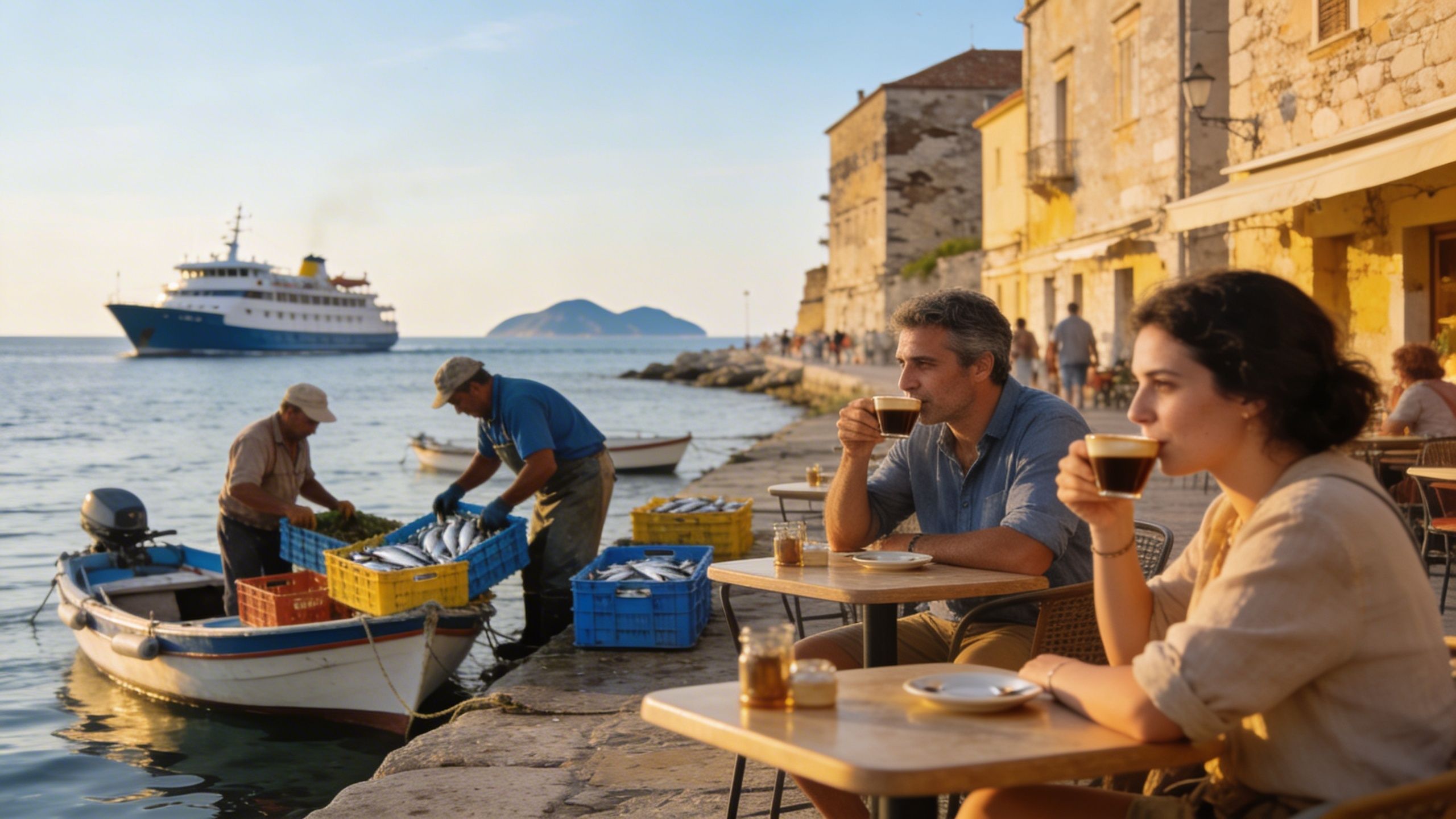
Imagine sipping espresso on Split’s Riva as a fisherman mends nets, then signing a purchase contract that smells faintly of sea salt and bureaucracy. Croatia sells a Mediterranean life—stone streets, island-hopping weekends, and coastal light that recalibrates your clock. But behind that romance are rules, taxes and local customs that change how much life here actually costs. We’ll start with the feeling and end with the file: what to expect, and where international buyers commonly trip up.
Living the Croatia life: streets, seasons and habits
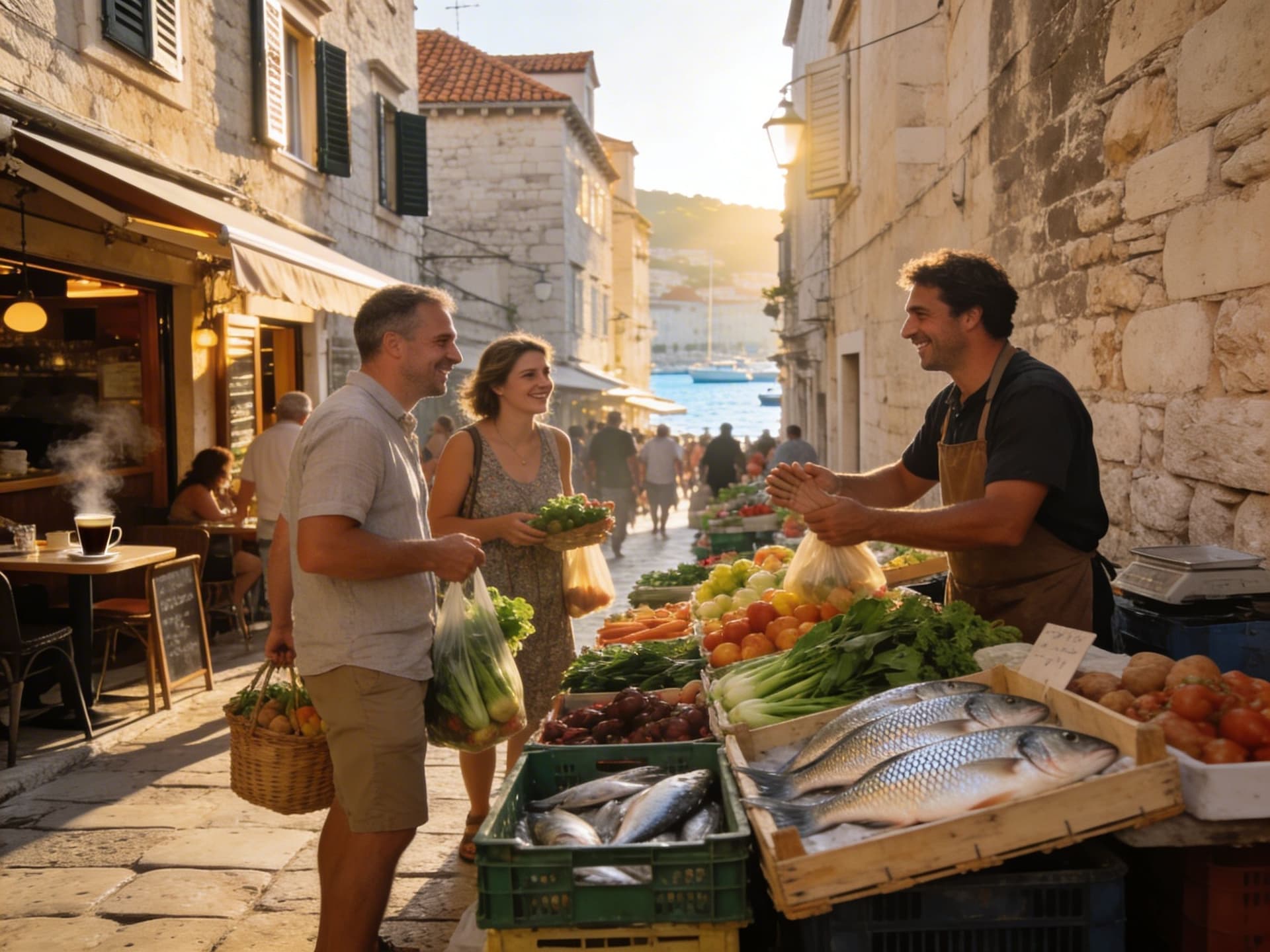
Croatia rhythm is coastal mornings and slow inland afternoons. In Dubrovnik’s Old Town, mornings are for short black coffee and a quick stroll past the Stradun; in Rijeka the week feels grittier, practical and more urban. Summer is festival loud—outdoor concerts, crowded ferries and terraces full until midnight—while November tucks the islands away into quiet coves where locals refill supplies and prepare for the winter.
Neighborhood notes: Split, Rovinj, Hvar and Zagreb edges
If you picture mornings on a café terrace, think Split’s Veli Varos or Rovinj’s old port—streets narrow, apartments with shutters, and neighbours who know one another’s business. Hvar’s harbour is summer theatre; outside season, it becomes a quieter village with year-round residents. Zagreb’s neighbourhoods such as Maksimir and Trešnjevka offer urban life with parks and markets and a different cost profile than the coast.
Food, markets and social rituals that shape property choices
Weekend routines in Croatia often revolve around markets and family meals: fish on the Dalmatian grill, truffle-hunting weekends in Istria, and farmers’ markets where you meet neighbours. These habits drive property preferences—terraces for long dinners, cellars for olive oil storage, and proximity to markets rather than to tourist promenades. Buyers who prize these routines should match property features to the life they want to lead, not the postcard photo.
- Lifestyle highlights to consider when buying in Croatia: Split’s Riva and Veli Varos; Rovinj harbour walks; Hvar’s quieter winter tempo; Zagreb’s markets like Dolac; the island ferry rhythm; Istria truffle weekends.
Making the move: practical realities that reshape the dream

The paperwork is where romance meets reality. EU citizens enjoy near-equal rights to purchase; non-EU (third country) buyers often need Ministry of Justice approval under Croatia’s reciprocity principle, and that approval can take months. Start early: obtain an OIB (tax ID), appoint a local lawyer to request ministry consent if needed, and budget time for land-register searches and notarised contracts. A bad timeline assumption is the most common source of stress for buyers who fall in love too quickly.
Property types and the taxes that actually hit your wallet
Here’s the headline: if you buy a previously-owned home from a private seller you’ll normally pay a 3% real estate transfer tax on the purchase price or market value. If you buy a brand-new property sold by a VAT-registered developer, VAT (PDV) typically applies instead—currently 25% on standard supplies—so the apparent ‘savings’ on a seller’s asking price can evaporate when you look at the tax treatment. Add local annual property tax (set by each municipality) and possible communal fees; these vary widely and matter for running costs.
Working with local experts who preserve the lifestyle
We recommend a tight team: (1) a local lawyer fluent in property and public-law approvals, (2) a notary to register the deed, (3) an accountant or tax advisor familiar with Croatian residence and income rules, and (4) an agent who knows which streets quiet down in winter. This team translates the lifestyle brief—terrace for dinners, short ferry hop—into a legally sound purchase plan and realistic budget.
- Step-by-step purchase checklist: (1) get OIB and ID documents; (2) instruct lawyer for land-registry and encumbrance search; (3) clarify whether VAT or transfer tax applies; (4) apply for ministry consent if you are a non-EU citizen; (5) notarise the contract and register ownership.
Insider knowledge: what expats wish they’d known
Prices climbed significantly over the last five years, especially on the coast, but transaction volumes have cooled—so you might see higher list prices and fewer willing sellers in 2025. That combination means negotiation is a skill: where you position your offer, how you structure VAT vs. transfer-tax outcomes, and whether you accept a developer’s completion timeline all change effective price. Locals often look for multi-season value—properties that work both as a summer rental and a year-round home.
Cultural and seasonal realities that affect ownership
Many buyers assume life is permanently summer here. It isn’t. Islands thin out in winter; some neighbourhoods close earlier; ferries reduce frequency. If you plan to live year-round, prioritise local services—healthcare access, winter ferry timetables, and grocery availability—over view or immediate sea frontage. That lifestyle trade-off affects resale and rental prospects, too.
Hidden costs and red flags to spot early
- Watch for: undeclared encumbrances, incomplete permits for terraces or extensions, ambiguous ownership shares in family-held properties, unclear VAT treatment from the seller, and properties with informal 'building-on' plans that lack proper approvals. Each can cost months of work and significant legal fees to correct.
What to do if you find a problem: pause, instruct a lawyer, get a certified land-registry extract, and consider conditional contracts that protect deposits. Very often the cost of walking away is lower than the hidden repair on title or the fines the tax authority may later impose. Think of local experts as translators—not just of language but of what the local habit and paperwork actually mean for your life.
Final trade-off: buy the life you want, but buy with the file. Croatia rewards patience: properties that look expensive on paper can deliver a lifetime of island weekends, market friendships and quiet winters if you plan for approvals, tax treatment and year-round logistics. Start with lifestyle clarity—what mornings, markets and ferry schedules you want—then build your purchase around legal certainty and a local team that keeps the dream intact.
Next steps: get an OIB, book a short legal review before making an offer, ask sellers for VAT documentation, and budget 3% transfer tax (or VAT where applicable) plus municipal property taxes. If you’re non-EU, begin the Ministry consent process early. When you pair the right street with the right paperwork, Croatia stops being just a dream and becomes a very livable address.
Dutch relocation advisor who moved to Marbella in 2016. Guides Dutch buyers through visa paths, relocation logistics, and balance of lifestyle with value.