Croatia's Reciprocity Reality: What Buyers Often Miss
Croatia’s reciprocity rules, transfer tax vs VAT and 2025 policy changes shape how international buyers turn seaside romance into legal ownership.
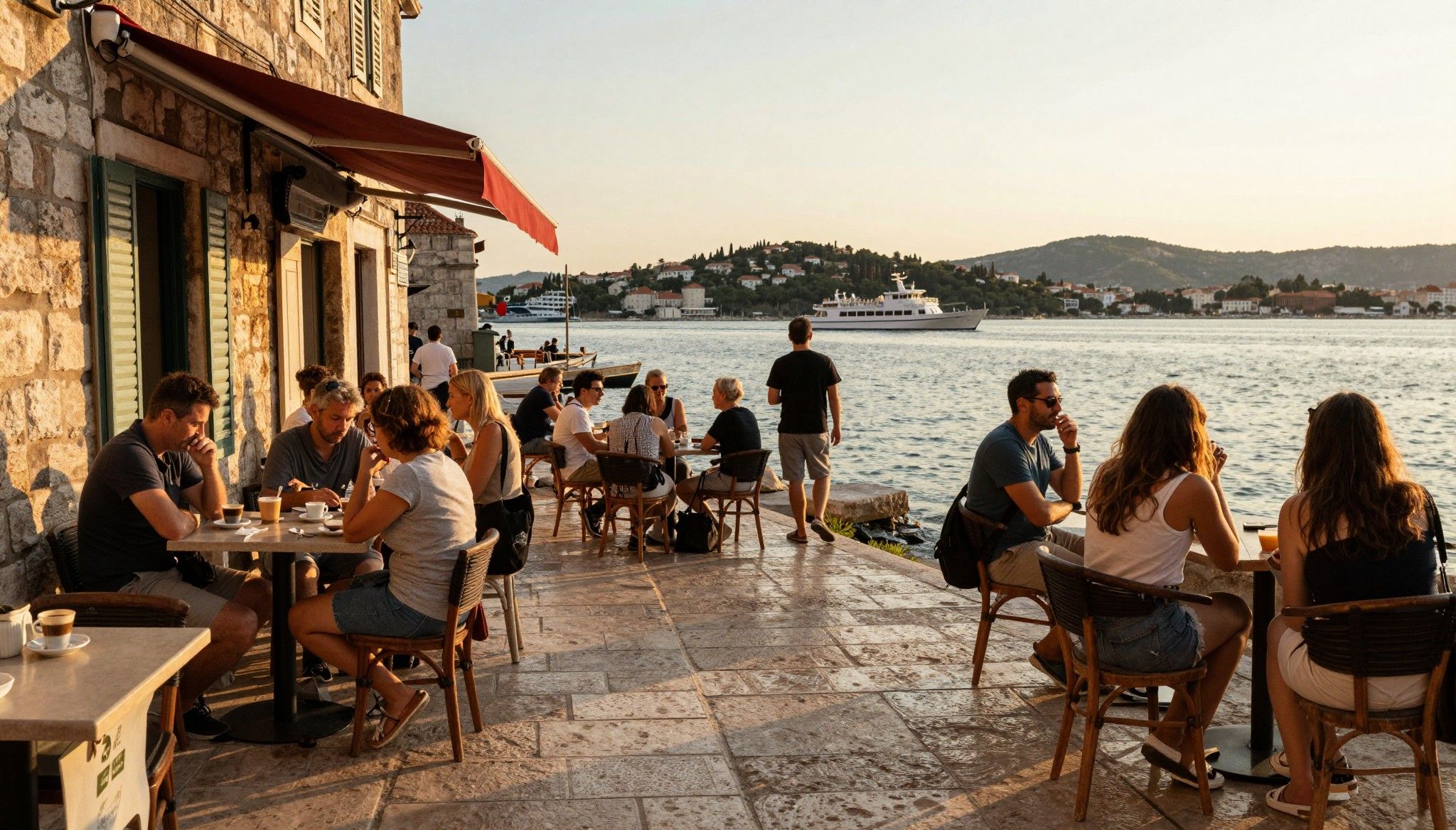
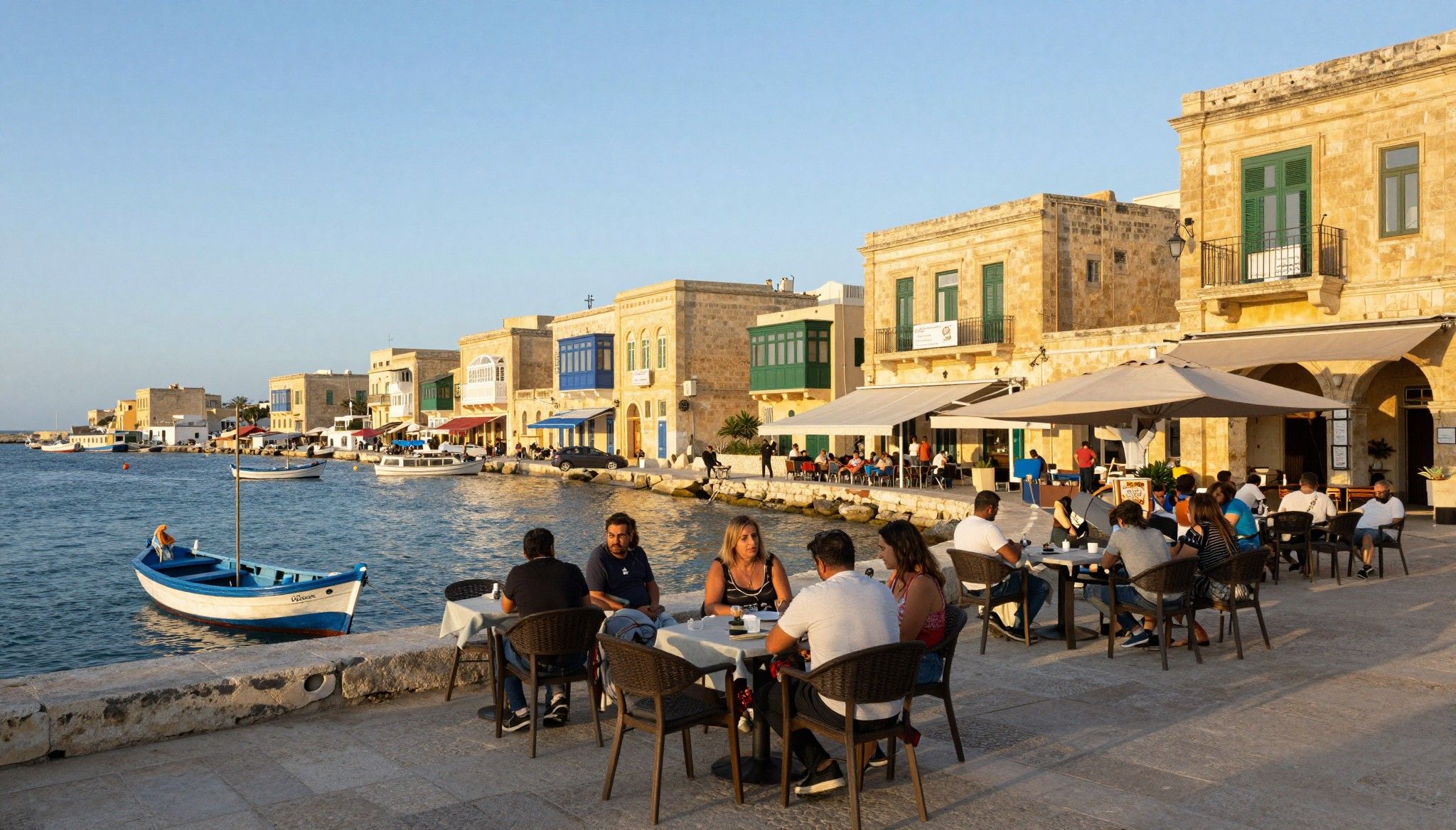
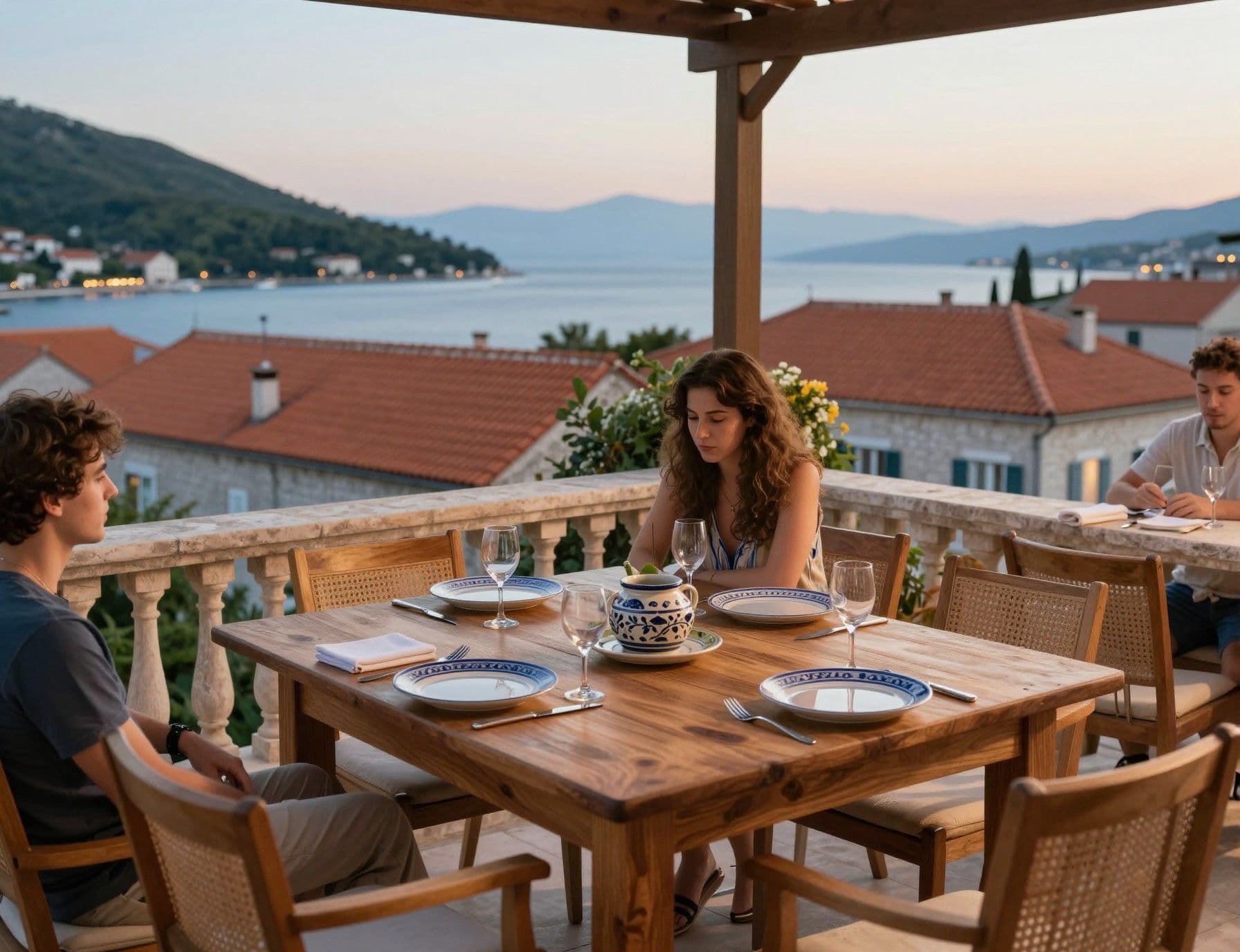
Imagine walking from a sun-warmed kafana in Split’s Varoš up narrow stone steps to a terrace that looks out over the Adriatic. That moment — the coffee, the tiled roofs, the sea-salt air — is exactly why people fall for Croatia. But romance and law live in the same house here: local reciprocity rules, transfer taxes and new 2025 policy shifts change how an international buyer actually closes on that sea-view flat. We’ll show you the lifestyle first, then the paperwork that makes it yours.
Living the Croatian life: salt, stone and slow afternoons
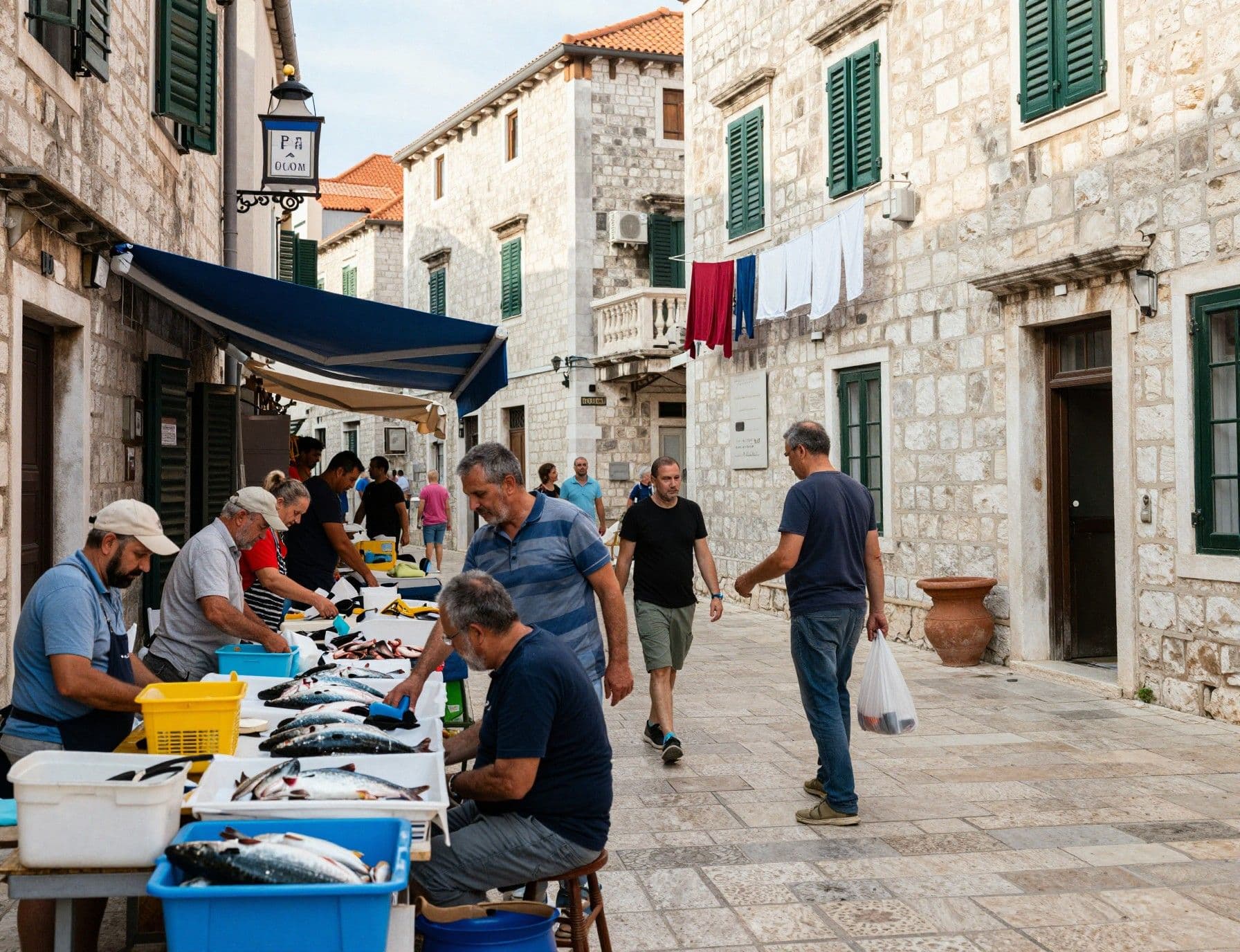
Croatia’s day feels measured by markets and tide tables. Morning fish stalls at Dolac in Zagreb or the Riva in Split, late-afternoon siestas in island villages, and long dinners that begin with grilled sardines and local pošip or malvazija. Urban neighbourhoods like Zagreb’s Tkalčićeva or Dubrovnik’s Ploče have different rhythms: cafes and galleries here; quiet laneways and centuries-old stone facades there. That variety is a big part of the appeal — but it also means you must match the neighbourhood to how you actually want to live, not only to a postcard view.
City, coast or island — pick a rhythm, not a stereotype
Zagreb offers year‑round life: galleries, schools and healthcare within walking distance. Split and Zadar mix compact urban living with immediate sea access. On Hvar or Brač you trade a faster tourist summer for a profoundly local winter rhythm. Knowing the rhythm helps determine the property type you need: a compact apartment near services, a renovated stone house for seasonal life, or a modern villa that’s built for rental income during high season.
Local favourites that tell you where to belong
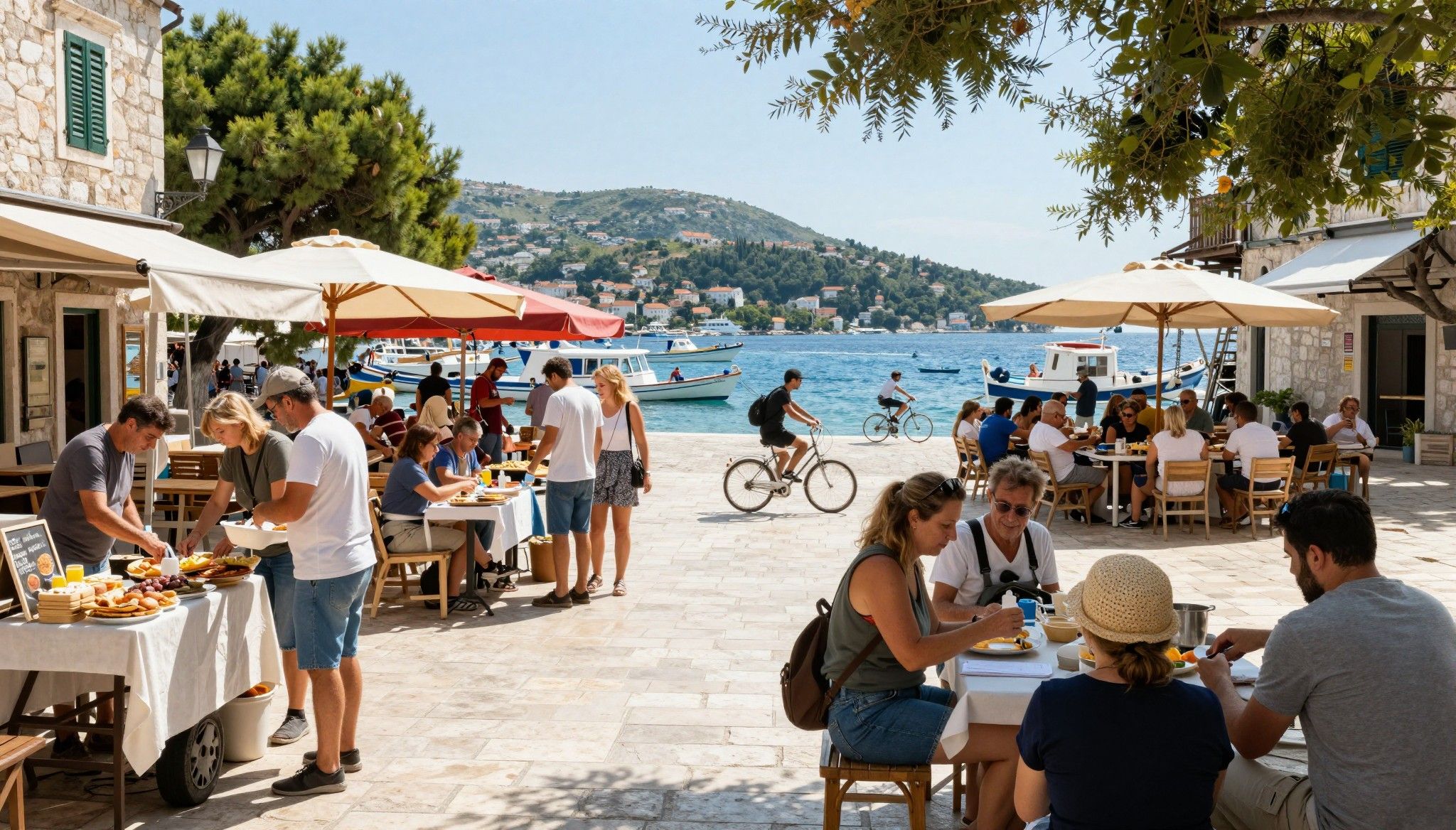
Picture sipping espresso at Luka Ice Cream next to Split’s Diocletian steps, buying summer vegetables at Pazar in Hvar town, or taking a weekend ferry to Vis for blue caves and small coves. These are the everyday places that suggest whether you’ll fit in — and they matter for resale and rental demand too. We visit these streets with buyers so they can picture a full year, not just a postcard weekend.
- Lifestyle highlights to scout during visits: morning markets (Dolac, Split fish market), neighborhood cafés (Tkalčićeva, Split Riva side streets), hidden coves (Zlatni Rat’s quieter north side), local konobas serving seasonal produce, and municipal waterfront promenades where locals walk year‑round.
Making the move: the legal facts behind the romance
The single headline every international buyer must know: Croatia applies a reciprocity principle for foreign buyers. That means non‑EU nationals can only buy if their country grants Croatians the same rights, or they secure ministerial consent. The rule is practical, not punitive — and it’s why a lawyer and an agency who understand recent reciprocity decisions save time and heartbreak. For EU citizens the process is smoother; for others there are extra steps and occasional delays.
Where the taxes bite — transfer tax vs VAT
Most secondary-market purchases attract a real estate transfer tax of roughly 3% of the purchase price. New build sales may be subject to VAT instead (standard rate 25% unless reduced rates apply). Recent policy changes and 2025 housing measures introduced targeted tax refunds for first-time buyers and clarified situations where VAT replaces transfer tax, so always check the sale contract and tax receipts before closing.
Why paperwork timing shapes your holiday‑home dream
From OIB tax number to the land registry entry (Zemljišna knjiga) and cadastral checks (katastar), the Croatian process is linear but document‑heavy. You’ll want a notarised sales contract, clearance that the seller has no encumbrances, and registration at the competent municipal court. Expect 4–8 weeks for a clean secondary-market transfer if reciprocity is satisfied; longer if ministerial consent or inheritance complexities are involved.
- Practical steps to protect the lifestyle you bought: 1. Get a local OIB and confirm reciprocity or apply for ministerial consent early. 2. Commission a formal land-registry and cadastral search to spot servitudes or building irregularities. 3. Insist on a breakdown showing if VAT or transfer tax applies and who pays what. 4. Use a Croatian property lawyer to hold purchase funds in escrow and shepherd registry entry.
Insider knowledge: what expats wish they’d known
Expats tell the same three surprises: (1) summer crowds don’t equal year‑round community, (2) service access — doctors, schools, shops — matters more than sea views for daily life, and (3) the paperwork is never the romantic part. We’ve seen buyers fall for Hvar’s high-season glamour and then struggle with winter logistics. Visit in shoulder seasons and ask locals about winter life; that’s where you’ll learn if a place keeps its heartbeat after August.
Cultural rules that affect your purchase and life
Croatians are direct but discreet: neighbours expect formal introductions, and long‑term relationships matter. Small things—like following local noise norms in stone houses or understanding seasonal rental expectations—help you integrate. Language isn’t a legal barrier, but learning basic Croatian opens doors socially and speeds bureaucratic processes that often rely on local goodwill.
Longer-term questions: rental rules, inheritance and change of use
If you plan to rent, check municipal tourist registration requirements and local property classifications: some renovations or a formal change of use trigger VAT or additional taxes. Inheritance follows Croatian succession rules; EU-connected buyers may use the EU Succession Regulation to simplify cross-border estates. These topics are technical but crucial — mishandled, they erode both cashflow and the life you thought you’d have.
- Red flags we watch for on client viewings: undocumented extensions, unclear access rights to water or quay, mismatched cadastral vs registry records, seller claims of ‘under construction’ without permits, and contracts that omit tax treatment (VAT vs transfer tax).
- If you’re ready to act: a sensible first‑90‑day plan 1. Visit in shoulder season to test the year‑round rhythms. 2. Secure an OIB and preliminary reciprocity check with your lawyer. 3. Ask an agent for recent comparables and a full tax/VAT breakdown. 4. Put funds in escrow only after a clear registry search and signed sale contract.
Croatia’s coast, islands and cities give you different kinds of belonging. We love the limestone lanes of Vis for slow living and Split’s pulse for year‑round life. But practical law matters: reciprocity, transfer tax vs VAT, and proper registry work shape whether that life becomes yours. Visit, listen, and then lock in legal certainty. If you want help translating a lifestyle into a legally sound purchase plan, we work with Croatian lawyers and agents who specialise in international buyer cases and seasonal reality checks.
Danish investment specialist who relocated to Costa del Sol in 2015. Focuses on data-driven market timing and long-term value for Danish buyers.